

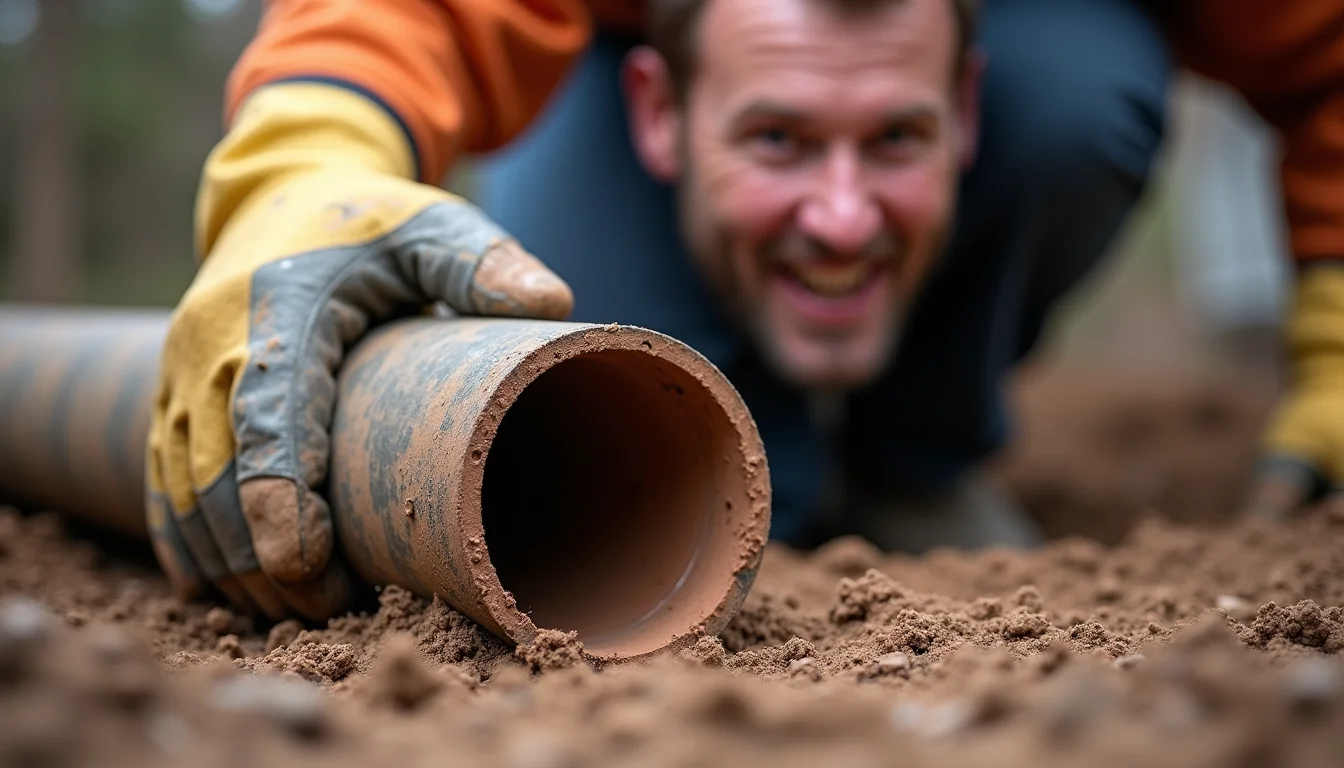
That gurgling sound from your toilet isn’t just annoying. It could be a sign your sewer line is failing. Ignoring it can lead to a messy backup that costs thousands to fix.
Many homeowners panic at the thought of digging up their yard. But in 2026, trenchless technology often solves the problem without destroying your landscaping. You don’t have to live with the fear of a collapsed pipe.
How to Spot Sewer Line Damage Before It Gets Worse
A sewer line inspection is your first step. A plumber runs a camera through the pipe to find cracks, roots, or blockages. This simple check costs around $300 but can save you from a $5,000 emergency repair.
Watch for multiple slow drains at once. If your toilet, sink, and shower all back up, the problem is likely in the main line. Also, look for soggy patches in your lawn or a sudden green spot that stays wet.
Pipe relining is a popular trenchless fix. A plumber inserts a resin liner into the damaged pipe, then inflates it to create a new smooth surface. This method costs $80 to $250 per foot but avoids tearing up your yard.
Introduction
Sewer line repair can feel overwhelming, but understanding your options makes it manageable. We will guide you through the process, from identifying problems to choosing the right fix.
This guide breaks down common sewer issues and solutions, focusing on practical, cost-effective methods for homeowners. Get ready to tackle your sewer line problems with confidence.
| Technical Specs | Details |
|---|---|
| Estimated Time | 1-3 days |
| Cost (USD) | $1,300 – $10,000+ |
| Difficulty Level | Moderate to High |
Necessary Materials
- Sewer camera inspection equipment
- Trenchless repair materials (liner, resin, bursting heads)
- Excavation tools (if needed)
- Permits from local authorities
- Licensed plumber or contractor
The Definitive Step-by-Step
- Step 1: Identify the Problem – Recognize signs like foul odors, slow drains, or backups.
- Step 2: Schedule Inspection – Use a sewer camera to pinpoint damage location and type.
- Step 3: Choose Repair Method – Decide between trenchless or traditional excavation.
- Step 4: Obtain Permits – Secure necessary approvals from your local municipality.
- Step 5: Hire Professionals – Engage licensed plumbers for the actual repair work.
- Step 6: Oversee Repairs – Monitor the process to ensure quality and adherence to plan.
- Step 7: Post-Repair Test – Verify the line is clear and functioning correctly.
Common Execution Mistakes
- Ignoring early warning signs, leading to bigger problems.
- Attempting DIY repairs on complex underground systems.
- Not obtaining proper permits, risking fines and rework.
Pipe Relining vs. Replacement
Pipe Relining vs. Replacement
Pipe relining, a trenchless method, creates a new pipe inside the old one using epoxy. This is ideal for cracks or leaks. Full replacement is necessary for complete collapses or severe damage, involving excavation.
Read also: What To Do When Your Pipe Bursts at 3 AM: Emergency Plumber Tips
Trenchless Sewer Repair Cost Breakdown
Trenchless sewer repair costs range from $60 to $250 per linear foot. This price covers specialized equipment and labor but often saves on landscaping restoration. It’s a significant investment, but can be more economical overall.
Sewer Line Inspection Before Buying a Home
Always get a sewer line inspection before buying a home. This prevents costly surprises by revealing hidden issues like root intrusion or cracks. It’s a crucial step in due diligence for underground pipe repair.
Emergency Sewer Backup Repair Steps
For an emergency sewer backup, shut off water to prevent further flooding. Contact a professional plumber immediately for diagnosis and repair. Avoid flushing toilets or running water until cleared.
Residential Sewer Lateral Repair Guide
Residential sewer lateral repair typically falls on the homeowner. This involves the pipe from your house to the main sewer. Common repairs include clearing blockages or fixing cracks using trenchless methods or excavation.
Read also: Your Sump Pump Will Fail—Here’s How to Avoid a Flooded Basement
Collapsed Sewer Line: Immediate Actions
If you suspect a collapsed sewer line, stop using water immediately. Call an emergency sewer repair service. This situation requires professional assessment and often a full replacement.
Sewer Pipe Maintenance to Avoid Leaks
Regular sewer pipe maintenance is key. Avoid pouring grease down drains and be mindful of tree roots. Periodic camera inspections can catch small issues before they become major leaks.
Commercial Sewer Line Replacement Options
Commercial sewer line replacement may involve trenchless techniques for minimal disruption to business operations. Options include pipe bursting or CIPP lining. The scale of commercial projects often requires specialized planning and execution.
Smart Sewer Repair: What to Know Before You Call
Ask the Right Questions
Always request a camera inspection before agreeing to any repair. This video evidence shows the exact problem and prevents upselling.
Compare Trenchless vs. Dig
Trenchless methods save your yard but cost more per foot. Digging is cheaper upfront but adds landscaping restoration fees.
Check Your Coverage
Homeowners insurance rarely covers sewer line repairs. However, some utility companies offer separate sewer line coverage for a small monthly fee.
Get Multiple Quotes
Prices vary widely by region and contractor. Obtain at least three written estimates before making a decision.
Verify Permits
Licensed plumbers usually handle permits, but confirm this in writing. Unpermitted work can cause legal issues when selling your home.
Frequently Asked Questions
How long does trenchless sewer repair last?
Cured-in-place pipe (CIPP) liners typically last 50 years or more. This lifespan matches or exceeds traditional pipe replacement.
Can root intrusion be fixed without digging?
Yes, trenchless pipe lining seals out roots permanently. The liner creates a smooth, jointless pipe that roots cannot penetrate.
Will my yard be destroyed during repair?
Trenchless methods require only small access holes, preserving your lawn and landscaping. Traditional excavation may leave large trenches that need restoration.
Sewer line repair is a major investment, but understanding your options empowers you to choose wisely. Trenchless technology offers a durable, minimally invasive solution for most homes.
If you suspect a problem, schedule a camera inspection immediately. Early detection can prevent a full collapse and save thousands of dollars.
By 2026, trenchless methods have become the gold standard for sewer repair. Your home will benefit from a modern, long-lasting system with minimal disruption.
