

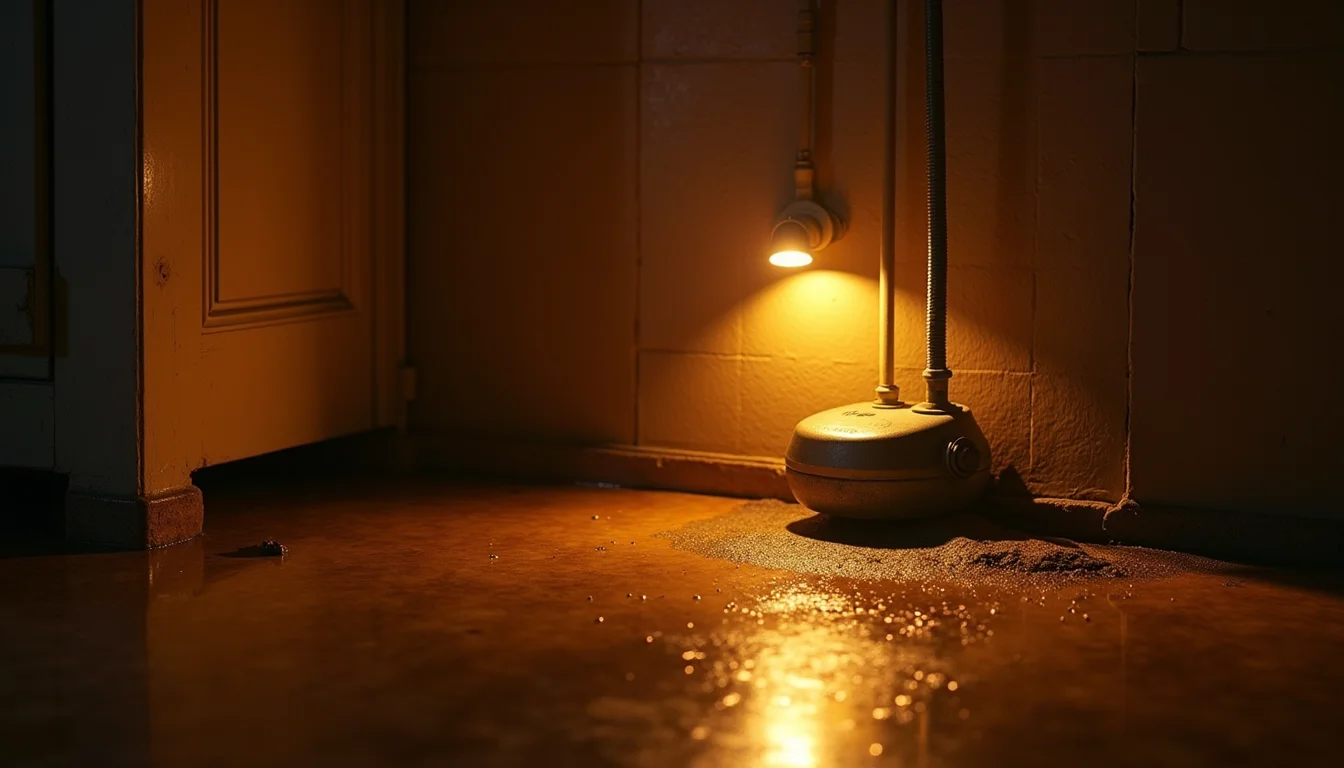
Is your basement dry right now? That could change fast if your sump pump fails. A flooded basement can cost thousands in repairs, and most homeowners don’t think about their sump pump until it’s too late.
This pump is your first line of defense against groundwater. But many people ignore it until water starts rising. Let’s fix that today with clear, practical advice.
What Is a Sump Pump and Why You Need One
A sump pump sits in a pit in your basement or crawl space. It collects groundwater that seeps in and pumps it away from your home’s foundation. Without it, that water can cause mold, rot, and structural damage.
There are two main types: submersible and pedestal. Submersible pumps sit underwater in the pit and run quietly. Pedestal pumps have the motor above the pit, which makes them louder but easier to service. Most homes use a submersible pump because it’s less intrusive.
You need a pump with enough horsepower for your home. A 1/2 HP pump handles most homes well, moving about 70 gallons per minute. Check your sump pit size and how much water you get during heavy rain to pick the right one.
‘
Your Home’s First Line of Defense: The 2026 Sump Pump Explained
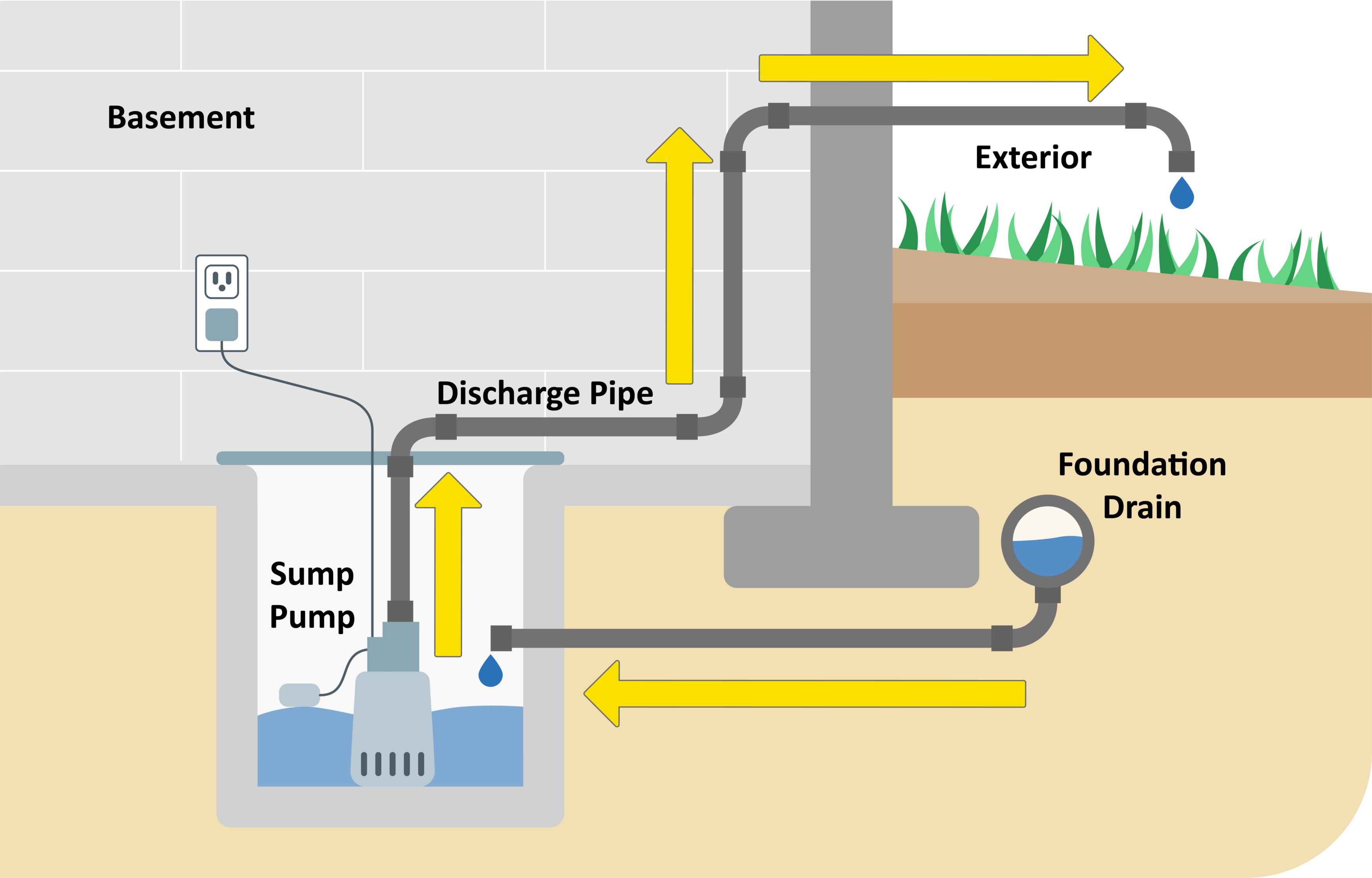
A sump pump is not just another appliance; it’s your home’s shield against basement flooding. In 2026, understanding this vital system is key for any homeowner. It sits in the lowest part of your house, ready to act when water levels rise. This prevents costly water damage and keeps your foundation solid. We will break down how these pumps work, what to look for, and how to maintain them.
| Feature | Description |
| Primary Function | Collects and discharges excess groundwater from a sump pit. |
| Activation | Triggered by a float switch or sensor when water reaches a set level. |
| Discharge Location | Water is pumped away from the foundation, ideally 10-20 feet. |
| Common Types | Submersible and Pedestal. |
| Backup Power | Essential for power outages (battery or water-powered). |
| Typical Lifespan | 7-10 years. |
Submersible Sump Pump: How It Works
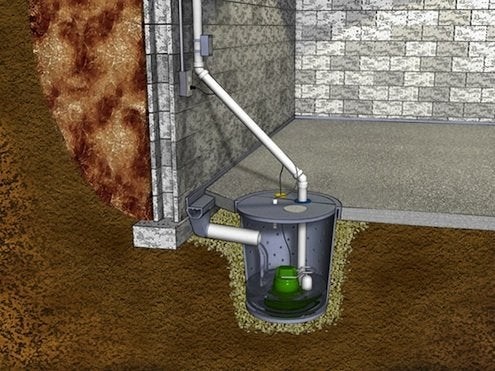
Submersible sump pumps are designed to operate fully submerged in water. The motor is sealed inside a waterproof casing, making them quieter and often more powerful. They are a popular choice for finished basements because they are less obtrusive. When water fills the sump pit to a certain level, the float switch activates the pump. The pump then pushes the water out through the discharge pipe.
These pumps are generally more durable due to their construction. The sealed unit protects the motor from moisture and debris. This design also helps dissipate heat effectively, contributing to a longer operational life. Many homeowners prefer submersible models for their aesthetic appeal and quieter operation.
Pedestal Sump Pump: Key Differences
Pedestal sump pumps have the motor mounted on a vertical shaft above the water level. This design makes them typically more affordable and easier to access for maintenance. However, they are often noisier than submersible units. The motor being exposed can also make them more susceptible to dust and moisture if not properly covered.
The float switch on a pedestal pump is usually attached to the side of the motor shaft. As water rises, it lifts the float, engaging the pump. While cost-effective, their placement can be more noticeable in a living space. Servicing is generally straightforward, as the motor is not submerged.
Sump Pump Installation Cost Breakdown
Installing a new sump pump system involves several cost factors. The unit itself can range from $100 for basic models to $600 for high-end submersible pumps. Professional installation is crucial for proper function and typically costs between $500 and $2,000. This includes labor and necessary plumbing connections.
If you don’t have a sump pit, excavation and installation add significantly to the expense. This can add another $1,500 to $3,500 to the total project cost. Always get multiple quotes from qualified plumbers for sump pump installation services. Understanding the full scope of the sump pump installation cost helps in budgeting.
Sump Pump Maintenance Checklist
Regular maintenance is vital to ensure your sump pump functions when needed. A simple check involves pouring a bucket of water into the sump pit every few months. This verifies that the pump turns on and discharges water effectively. Ensure the float switch moves freely and is not obstructed by debris.
Clean out the sump pit at least once a year, or more often if you notice sediment buildup. Remove any gravel, dirt, or other materials that could clog the pump or impede the float switch. Inspect the discharge pipe for any blockages or damage. Proper sump pump maintenance can prevent failures and extend its lifespan.
Sump Pump Backup System Options
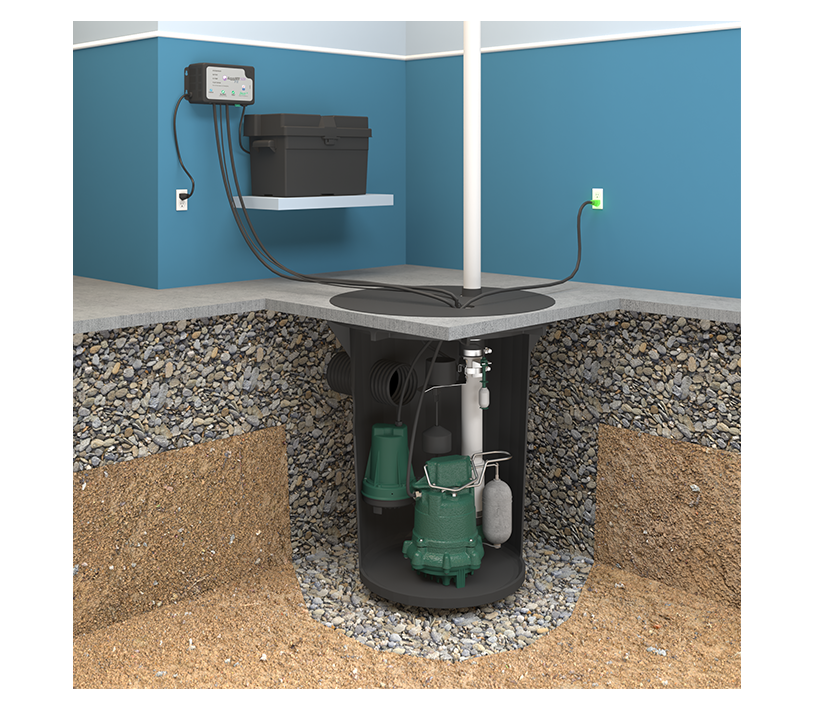
Power outages are a major concern for sump pump functionality. A sump pump backup system provides crucial protection when the main power fails. Battery-powered backups use a dedicated deep-cycle battery to run the pump. Water-powered systems use your home’s water pressure to operate a secondary pump, requiring no electricity.
A battery backup system is a common and reliable choice. It ensures your basement stays dry even during extended power interruptions. Consider the sump pump horsepower when selecting a backup; a more powerful pump will require a robust battery or a capable water-powered unit. Investing in a sump pump backup system is a smart move for flood prevention.
Sump Pump Not Working: Common Fixes
When a sump pump stops working, it’s often due to simple issues. First, check if the pump is receiving power; ensure the circuit breaker hasn’t tripped. Verify that the float switch is not stuck or obstructed by debris in the sump pit. Sometimes, the pump can become clogged with sediment or small objects.
If the pump is running but not discharging water, check the discharge pipe for blockages. You can also test the check valve to ensure it’s functioning correctly. If these steps don’t resolve the issue, it might indicate a more serious internal problem or sump pump failure causes. Troubleshooting is key before calling for professional help.
Sump Pump Replacement Cost Factors
The cost to replace a sump pump varies based on several factors. The type of pump (submersible versus pedestal) and its horsepower are primary drivers. Higher horsepower pumps, needed for larger volumes of water, naturally cost more. The brand and materials used also influence the sump pump replacement cost.
Labor costs for installation will add to the overall expense. If the sump pit needs to be replaced or modified, this will also increase the price. Expect to pay anywhere from $300 to $1,000 for the pump itself, with installation adding several hundred dollars more. Proactive replacement around the 7-10 year mark can save money in the long run.
Sump Pump Float Switch Troubleshooting
The sump pump float switch is the brain of the operation, telling the pump when to turn on and off. If your pump isn’t activating, the float switch might be stuck in the ‘off’ position. This can happen if it gets tangled with debris or lodged against the pit wall. Gently try to free it without damaging the switch or cord.
Conversely, if the pump runs constantly, the float switch might be stuck in the ‘on’ position or set too low. Ensure it has enough vertical space to move freely. Cleaning the sump pit regularly helps prevent float switch issues. A properly functioning float switch is critical for reliable sump pump operation.
The Verdict: A Smart Investment for Peace of Mind
In 2026, a reliable sump pump system is a non-negotiable for homeowners in flood-prone areas. Understanding the different sump pump types and their maintenance needs empowers you to protect your investment. Submersible pumps offer quiet efficiency, while pedestal pumps provide a budget-friendly option. Always consider a backup system for uninterrupted protection.
Regular maintenance and timely replacement are key to preventing costly emergencies. Don’t wait for a flood to realize the importance of your sump pump. Investing in a quality pump and professional installation provides invaluable peace of mind. For more detailed information on pump functionality, you can refer to resources like Freshwater Systems. Understanding different sump pump types is also crucial, as detailed on Basement Systems.
Your 3-Step Sump Pump Action Plan
Step 1: Test Your Current System Today
Pour a five-gallon bucket of water into your sump pit. Watch to see if the pump turns on and drains the water completely in under a minute. This simple check reveals if your float switch or motor is failing before you need it in a storm.
Step 2: Choose the Right Backup Power
A power outage during heavy rain is the most common cause of basement flooding. Install a battery backup system with a deep-cycle marine battery to keep your pump running for hours. Water-powered backups are also reliable if your home has good water pressure.
Step 3: Schedule a Professional Inspection Annually
Even if your pump seems fine, a pro can check the discharge line for blockages and verify the check valve is working. They will also measure the pump’s amp draw to predict motor wear. This yearly service costs around $150 and can save you thousands in water damage.
Frequently Asked Questions
How often should I replace my sump pump?
Most sump pumps last 7 to 10 years with proper maintenance. If your pump is older than 7 years, consider replacing it proactively to avoid failure during a heavy rain event.
Can I install a sump pump myself to save money?
Do-it-yourself installation is possible if you have basic plumbing and electrical skills. However, improper discharge line routing or electrical code violations can cause bigger problems, so professional installation is recommended for most homeowners.
What size sump pump do I need for my basement?
A 1/3 horsepower pump is sufficient for most residential basements with average water flow. If you have a large basement or heavy clay soil that produces a lot of water, a 1/2 horsepower pump provides extra capacity and reliability.
Choosing the right sump pump and maintaining it properly is one of the smartest investments you can make for your home. It protects your basement, your belongings, and your peace of mind every time it rains.
Start by testing your current pump today, and if it’s time for an upgrade, research models with cast iron construction and a reliable float switch. Next, explore our guide on waterproofing your basement walls to create a complete moisture defense system.
Imagine a dry, finished basement where you can store holiday decorations or set up a home gym without worry. That future is possible with a dependable sump pump that works silently behind the scenes.
