


You have valuables you want to protect, but a regular door just won’t cut it. A break-in or a tornado could destroy everything you’ve worked for. That’s why you need a safe door, not just a lock.
Safe doors turn an ordinary room into a fortress. They’re built to stop burglars, fire, and even extreme weather. Let’s look at what makes a safe door different and how to choose the right one for your home.
What is a Safe Door? Vault Doors, Storm Shelters, and More
A safe door, also called a vault door, is a heavy-duty door designed to secure an entire room. You might use it for a gun room, a panic room, or a storm shelter. Unlike a standard door, it has thick steel, multiple locking bolts, and fire-resistant insulation.
There are two main types: out-swing and in-swing. Out-swing doors open outward, giving you more space inside the room. They’re great for small spaces where every inch counts. In-swing doors open inward, which is better for storm shelters because debris might block the outside.
Security features vary widely. High-end models have 9 to 22 locking bolts to resist prying. Locking systems can be mechanical dials, electronic keypads, or biometric scanners. For fire protection, look for doors with ceramic blanket insulation or expanding seals like Palusol that swell in heat.
Prices in 2026 range from about $1,800 for basic models to over $13,000 for premium ones. You can find them at Lowe’s, SafeAndVaultStore.com, or specialized dealers like Dean Safe. Always check if the door is UL-listed or FEMA 320 rated for tornado and hurricane protection.
The Evolving Safe Door: Fortifying Your Space in 2026
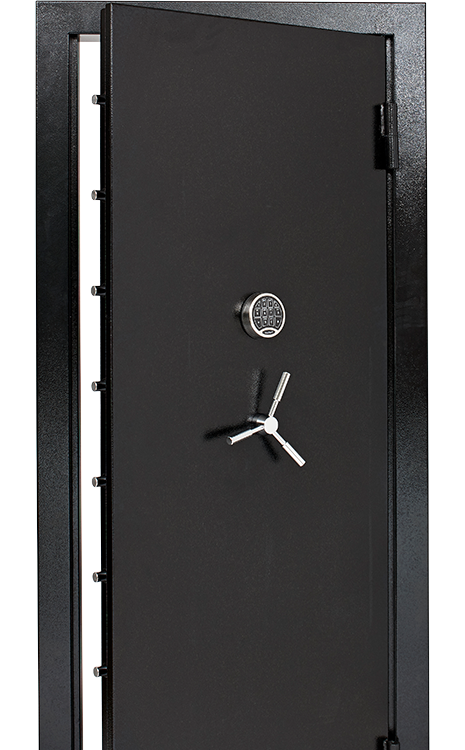
Safe doors, often called vault doors, are a significant upgrade for home security. They turn a regular room into a secure enclosure. This is vital for protecting valuables, firearms, important documents, or serving as a storm shelter or panic room. Choosing the right one means understanding its features and how it fits your needs. In 2026, these doors offer advanced protection beyond basic security.
| Feature | Description | 2026 Market Range |
| Security Bolts | Active bolts resist prying. 9 to 22 bolts are common. | Included in all models. |
| Locking Systems | Mechanical dials, electronic keypads, biometrics. | $1,800 – $13,000+ |
| Fire Protection | Insulation and expanding seals. | Standard on many models. |
| Disaster Rating | FEMA 320 for tornadoes/hurricanes. | Available on specialized units. |
| Swing Direction | Out-swing for space, in-swing for debris. | Customer choice. |
Vault Door: Security for High-Value Items
A vault door is the ultimate barrier for safeguarding precious belongings. Think jewelry, important financial documents, or collections. These doors are built with robust materials and heavy-duty locking mechanisms. They provide peace of mind that your most valuable assets are protected from theft and damage. The construction ensures a formidable defense against intrusion attempts.
Consider a residential vault door for this purpose. It offers a higher level of security than a standard safe. The reinforced frame and door are designed to withstand significant force. This makes it a smart investment for protecting what matters most.
Read also: Corn Plants: Why Your Indoor One Is Turning Brown and How to Fix It
Gun Room Door: Protection and Access Control
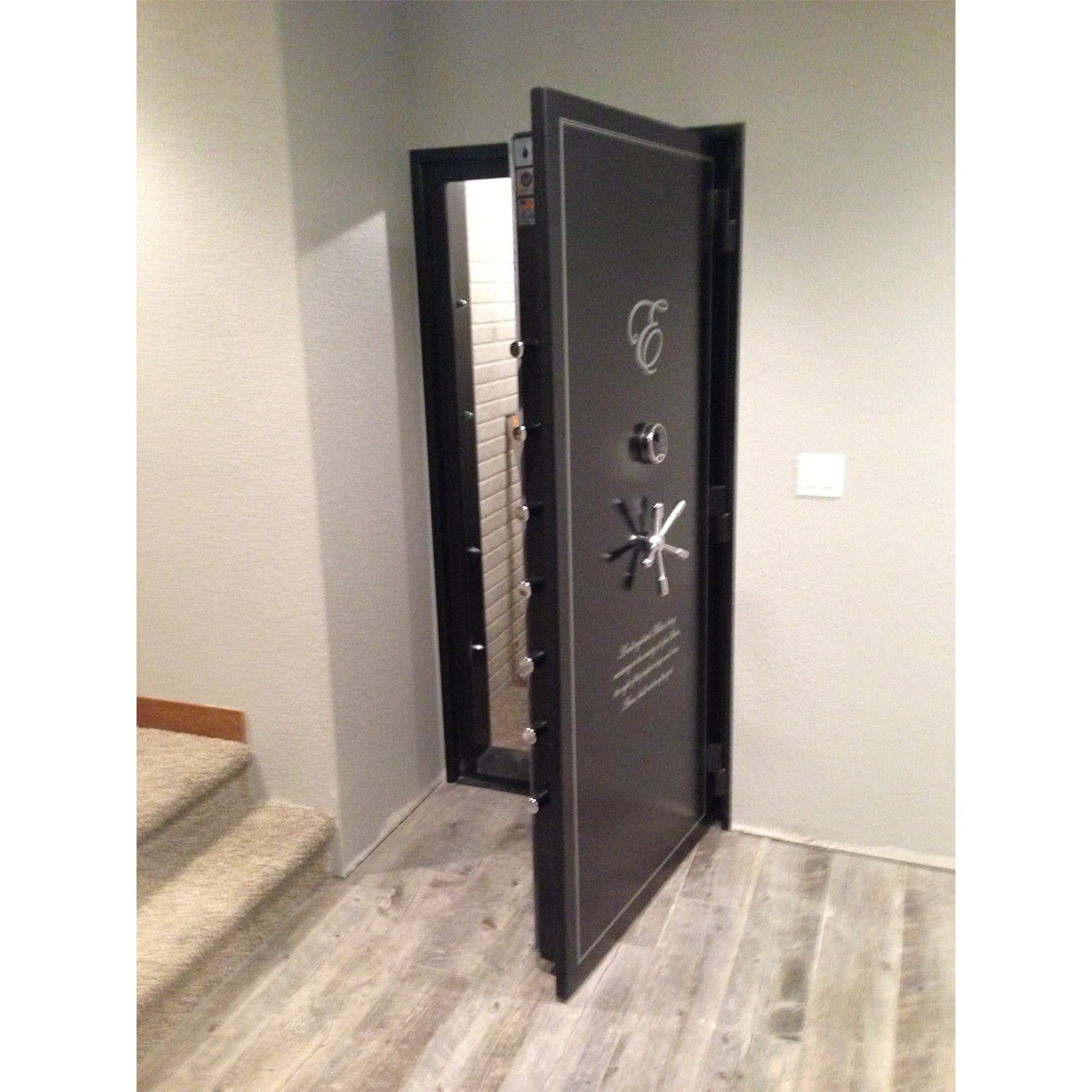
For firearm owners, a dedicated gun room door is essential. It ensures that firearms are stored securely and safely, preventing unauthorized access. This is critical for family safety and compliance with regulations. The door provides a robust physical barrier, keeping guns out of the wrong hands.
These doors often feature specialized locking systems. This allows for quick access by authorized individuals while maintaining strict security. It’s about balancing accessibility with absolute protection. A home safe room door can also serve this function effectively.
Storm Shelter Door: Weather Resistance and Safety
When severe weather strikes, a storm shelter door is your lifeline. These doors are engineered to withstand extreme conditions. They are designed to keep you safe from high winds, flying debris, and heavy rain. The integrity of the shelter depends heavily on the door’s strength.
Look for doors with FEMA 320 ratings. This certification means they meet stringent standards for tornado and hurricane protection. The door must seal tightly to prevent water and wind intrusion. This ensures a secure environment during the worst weather events.
Read also: Perforated Materials: What Homeowners Need to Know in 2026
Panic Room Door: Quick Entry and Fortification
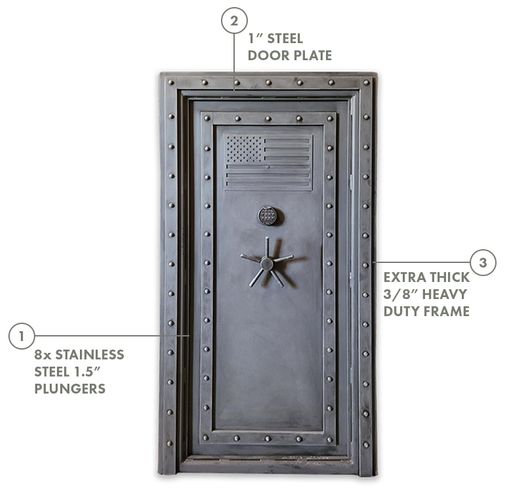
A panic room door provides immediate refuge in emergencies. Its primary function is to allow quick entry for occupants while preventing any forced entry from the outside. The door must be exceptionally strong and secure. It’s a critical component of a safe haven within your home.
These doors are designed for rapid deployment. The locking mechanisms are often simple to operate under stress. They are built to withstand prolonged attempts at forced entry. This offers a vital layer of safety when you feel threatened.
Biometric Vault Door: Fingerprint and Iris Access
Biometric vault doors represent the next level in access control technology. They use unique personal identifiers like fingerprints or iris scans. This eliminates the need for keys or codes, offering unparalleled security and convenience. Access is granted only to authorized individuals.
This technology ensures that only you or designated persons can open the door. It’s a sophisticated solution for high-security needs. The speed and accuracy of biometric scanners are impressive. This makes them ideal for sensitive areas.
Fire Resistant Door: Heat Protection for Safes
Protecting contents from fire is a major concern. A fire-resistant door incorporates specialized insulation materials. These materials slow down heat transfer, keeping the interior temperature lower. This can save important documents and valuables from destruction.
Look for doors with Palusol seals. These expand when heated, creating a tighter seal against smoke and flames. This feature is crucial for preserving the integrity of the safe space during a fire. It adds a significant layer of protection.
Tornado Shelter Door: Reinforced Storm Security
A tornado shelter door is built for the most violent storms. These are not just storm doors; they are fortified barriers. They are designed to withstand the immense pressure and impact of tornado-force winds and debris. The structural integrity is paramount.
These doors often exceed standard storm shelter requirements. They may feature reinforced steel construction and advanced locking systems. Ensuring the door can be opened from the inside is also critical. This provides a secure escape route if needed.
Residential Vault Door: Home Safe Room Solutions
Creating a safe room at home is a growing trend. A residential vault door is the cornerstone of such a project. It transforms a standard room into a secure sanctuary. This is ideal for peace of mind against home invasions or natural disasters.
These doors are available in various sizes and configurations. They can be installed in existing doorways or as part of a new construction. The investment provides a significant boost to your home’s overall security profile. Consider options from retailers like Lowe’s for accessible choices.
The Verdict: Investing in Uncompromised Security
Safe doors are no longer just for banks or government facilities. In 2026, they are an accessible and necessary upgrade for homeowners. They offer tailored security for specific needs, from protecting firearms to sheltering from storms. The technology and materials available today provide robust protection.
When selecting a safe door, prioritize your primary need: security, fire resistance, or weather protection. Understand the swing direction and locking mechanisms. While costs can range from $1,800 to over $13,000, the value of security is immeasurable. For more specialized options, explore dealers like Homeland Safes. Investing in a quality safe door is investing in the safety of your family and your possessions.
Read also: Tired of mulch washing away? Pine straw mulch stays put on slopes
Your 3-Step Action Plan to Choose the Right Safe Door
Step 1: Define Your Primary Purpose
Start by deciding what you need to protect and under what conditions. This determines whether you need fire protection, storm certification, or just high-security storage.
Step 2: Measure Your Doorway and Choose Swing Direction
Measure the rough opening width and height. For gun rooms or valuables, choose an out-swing door to maximize interior space. For storm shelters, an in-swing door is safer.
Step 3: Select Lock Type and Security Level
Choose between mechanical dials, electronic keypads, or biometric scanners. Look for UL-listed locks and at least 9 active locking bolts for residential use.
Frequently Asked Questions
Can I install a safe door in a standard bedroom closet?
Yes, but you need to reinforce the wall framing and ensure the floor can support the door’s weight. Most safe doors require a concrete or reinforced subfloor.
What is the difference between a safe door and a regular security door?
A safe door has multiple heavy-duty locking bolts and fire-resistant insulation, while a security door is lighter and primarily deters break-ins. Safe doors are designed to withstand forced entry and fire for a specified time.
Do safe doors come with a warranty?
Yes, most premium brands offer a lifetime warranty on the locking mechanism and structural components. Always check the warranty terms before purchase.
Choosing the right safe door is a critical investment in your family’s safety and valuables. By following the steps above, you can confidently select a door that meets your unique needs.
Now, measure your doorway and browse trusted retailers like SafeAndVaultStore.com or Dean Safe to compare models. Consider consulting a professional installer for custom vault rooms.
In 2026, safe doors have become sleek and integrated with smart home systems. Imagine a vault that blends seamlessly into your home’s design while offering unparalleled protection.
