

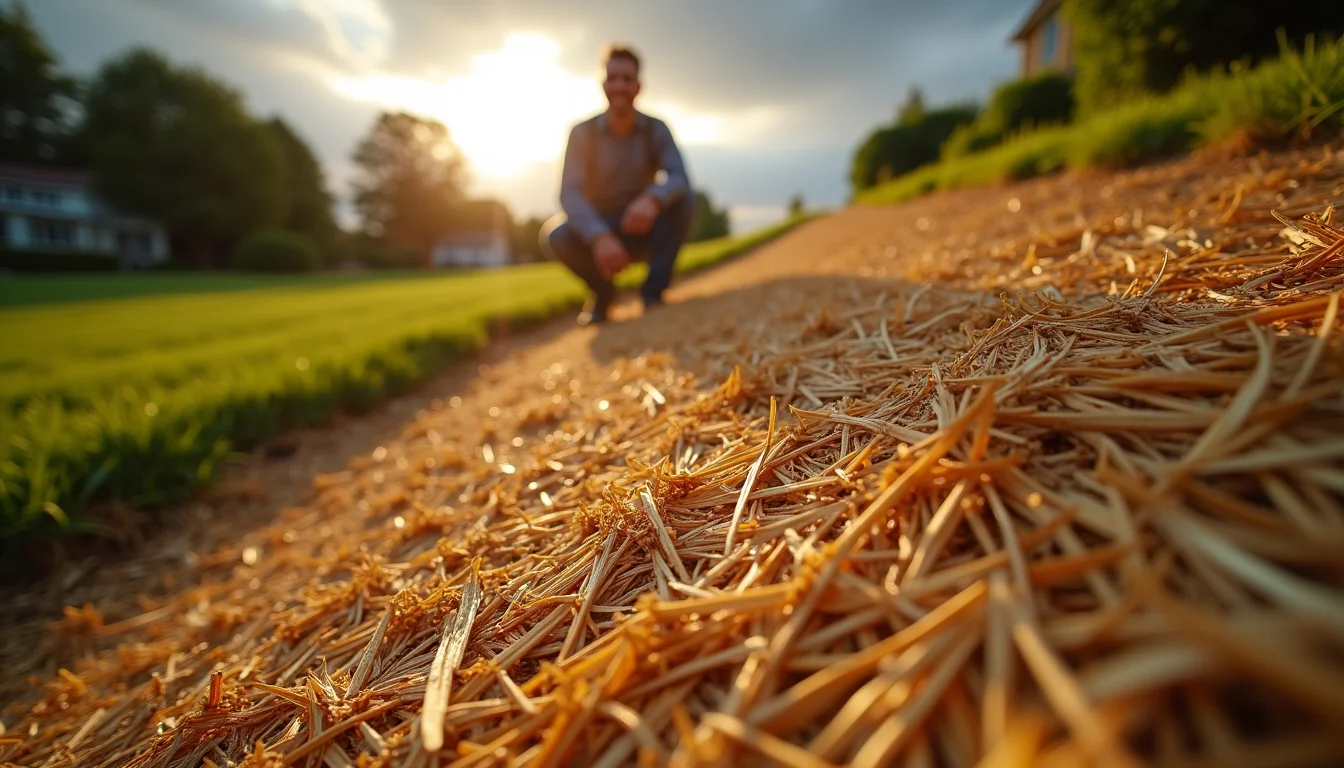
If you’re tired of wood mulch that washes away every time it rains, pine straw might be the answer you need. This lightweight natural mulch locks together to stay put on slopes and hillsides better than any other option.
Pine straw is made from fallen pine needles, making it a renewable choice that won’t harm trees. It keeps soil moist, protects roots from heat and cold, and adds organic matter as it breaks down.
What Makes Pine Straw a Smart Choice for Your Landscape
Pine straw is a top pick for erosion control because the needles form a tight mat that resists washing away. A standard bale covers 40 to 60 square feet at a 2-to-3-inch depth, and costs between $2.50 and $12.00 depending on your region and the type of pine.
Longleaf pine straw is the premium option because its needles are longer and last longer. Unlike shredded wood mulch, pine straw is naturally termite-resistant and won’t attract pests to your home’s foundation.
For best results, spread it 2 to 3 inches deep and keep it 2 to 3 inches away from plant stems and tree trunks. This spacing prevents rot and keeps rodents from nesting. Pine straw works especially well on slopes where other mulches slide off.
Pine Straw Mulch: The Smart Landscaping Choice for 2026
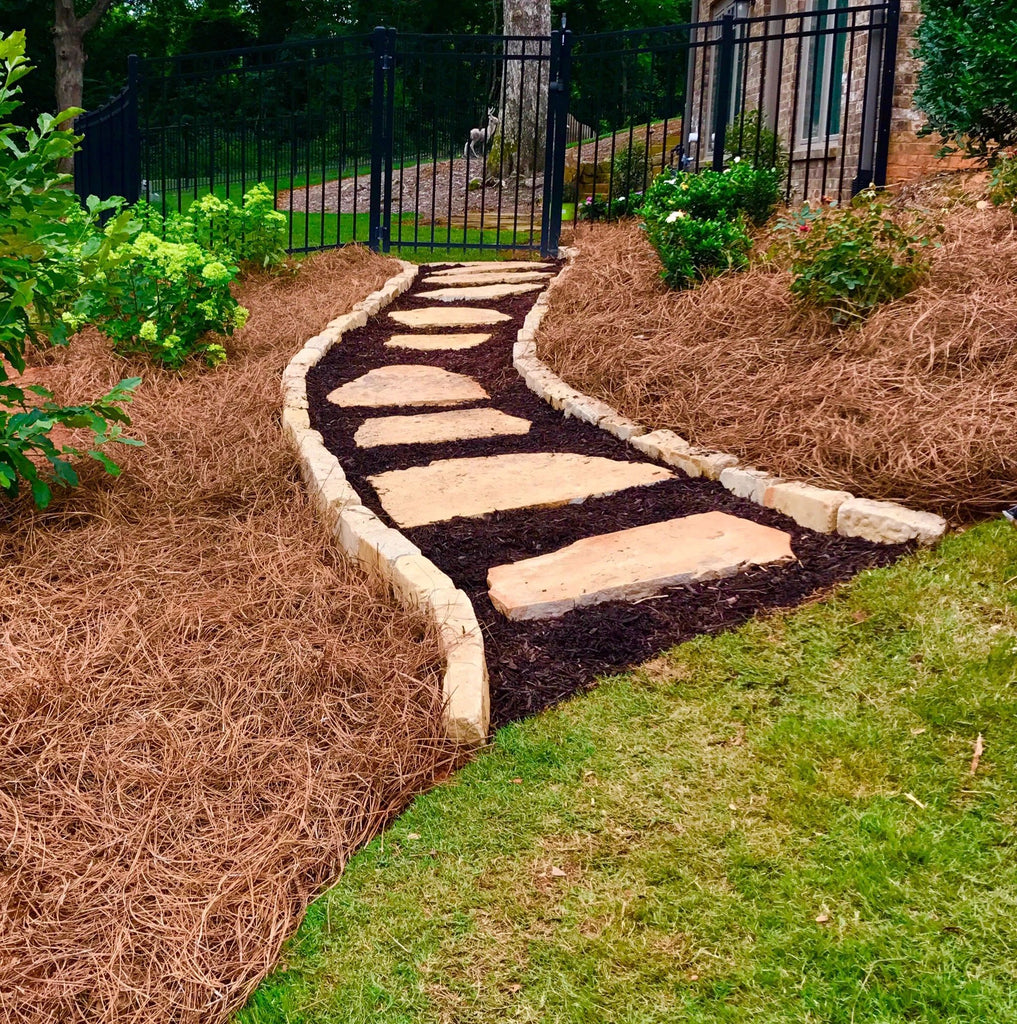
In 2026, homeowners are looking for landscaping materials that are both effective and environmentally sound. Pine straw mulch stands out as a top contender. It comes from pine needles shed naturally, making it a renewable resource. This mulch is popular in the Southeastern US for good reason. It offers a beautiful, natural look for any garden. It is also incredibly practical for managing your landscape.
| Feature | Benefit |
| Material | Naturally shed pine needles |
| Application | Lightweight and easy to spread |
| Aesthetics | Natural, rustic finish |
| Erosion Control | Excellent due to interlocking needles |
| Moisture Retention | Reduces evaporation, keeps soil hydrated |
| Temperature Regulation | Protects roots from extreme heat and cold |
| Sustainability | Renewable, low carbon footprint |
| Soil Health | Adds organic matter as it decomposes |
| Pest Resistance | Naturally resistant to termites |
| Cost | Competitive, often $2.50 – $12.00 per bale |
Longleaf Pine Straw for Garden Beds
Longleaf pine straw is a premium choice for garden beds. Its needles are longer and more durable than other types. This means it lasts longer and looks great. It provides a consistent, attractive cover for your plants. Using it helps keep your garden beds tidy and healthy throughout the seasons.
The interlocking nature of these needles is key. It forms a stable mat that resists blowing away. This is especially important in windy areas. Your garden beds will maintain their beautiful appearance with less effort.
Erosion Control with Pine Needle Mulch
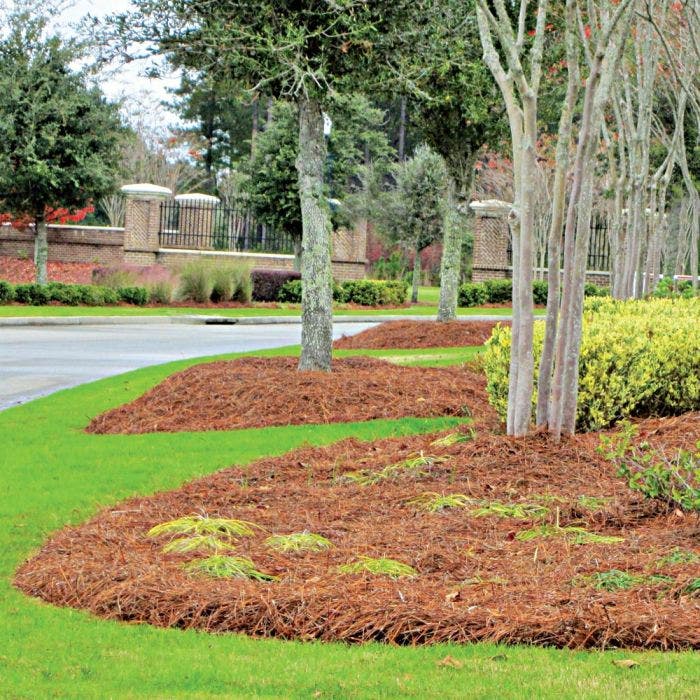
Pine needle mulch is a champion for erosion control. Its unique structure creates a strong barrier on the soil surface. This is vital for yards with slopes or hillsides. The needles lock together, preventing soil from washing away during heavy rains.
This makes it a superior option compared to some other mulches. It protects your valuable topsoil and prevents landscape damage. You can trust pine straw to keep your soil in place, safeguarding your investment in your yard.
For more on its protective qualities, see why pine straw mulch is a great choice: midatlanticpinestraw.com.
Pine Straw vs Pine Bark Mulch
When comparing pine straw mulch to pine bark mulch, consider your needs. Pine straw is lighter and easier to spread. It also offers better erosion control on slopes. Pine bark mulch can be denser, potentially offering better weed suppression initially.
However, pine bark can sometimes mat down. This can hinder water penetration. Pine straw allows water and air to reach the soil more easily. Both come from pine trees but offer different performance characteristics.
Organic Mulch Benefits for Soil Health
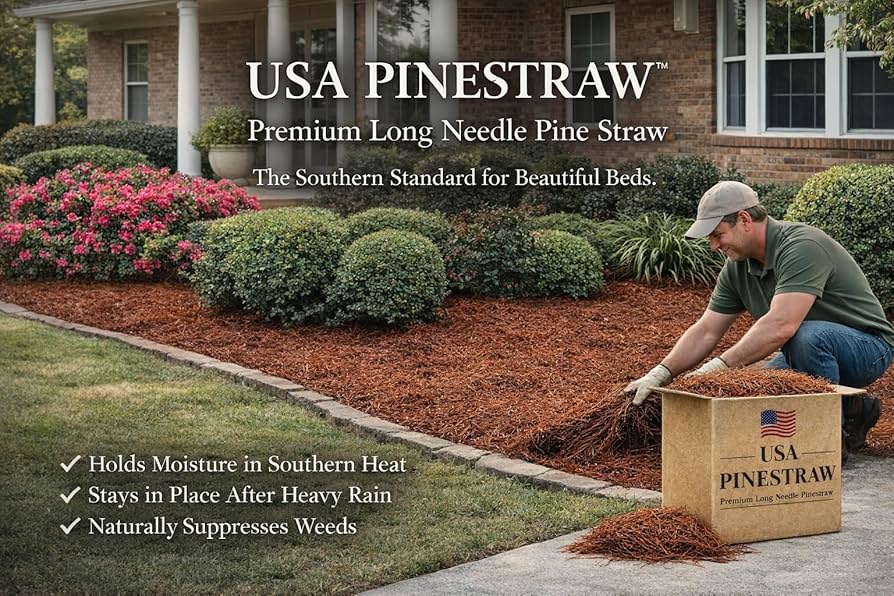
As an organic mulch, pine straw actively improves your soil. It slowly breaks down over time. This process adds essential organic matter back into the ground. Healthy soil supports stronger plant growth and better nutrient uptake.
This gradual decomposition enriches the soil structure. It helps retain moisture and improves aeration. Your plants will thank you for the improved growing conditions. It’s a natural way to boost your garden’s vitality.
Discover more about the benefits of pine straw: usapinestrawstore.com.
Sustainable Mulch: Pine Straw Advantages
Pine straw is a truly sustainable mulch. It is harvested from fallen pine needles. This means no trees are cut down in the process. It’s a renewable resource that supports forest health.
Choosing pine straw reduces your environmental impact. It has a lower carbon footprint than many processed mulches. This aligns with the growing demand for eco-friendly home solutions in 2026.
Mulching Slopes with Pine Needles
For mulching slopes, pine needles are an excellent choice. Their natural tendency to interlock creates a stable mat. This matting action is critical for preventing soil displacement on inclines. It holds the soil firmly in place, even after heavy downpours.
This characteristic is a significant advantage over looser mulches. It ensures that your mulch stays where you put it. This protects your landscape from washouts and erosion damage effectively.
Natural Mulch for Landscaping Projects
Pine straw offers a natural mulch look that enhances any landscape. It provides a clean, uniform appearance that complements various plant types. Its earthy tones blend well with both traditional and modern garden designs. It’s a versatile material for all your landscaping projects.
This aesthetic appeal is a major draw for homeowners. It adds a polished finish to flower beds, around trees, and along pathways. It contributes to a well-maintained and attractive outdoor space.
Pine Straw Application Tips for Gardeners
Applying pine straw is straightforward. Aim for a depth of 2 to 3 inches. For new applications, you can go up to 4 inches. This depth provides optimal benefits for moisture retention and weed suppression.
Crucially, keep the mulch 2 to 3 inches away from plant stems and tree trunks. This spacing prevents rot and discourages rodents. Proper application ensures the mulch works effectively without causing harm to your plants. Many find it easier to wear gloves during application.
Learn more about how to use pine straw effectively: lowes.com.
The Future is Mulched: Your Expert Verdict on Pine Straw
Pine straw mulch is more than just a ground cover; it’s a smart investment in your landscape’s health and appearance. Its ease of use, effectiveness in erosion control, and sustainable sourcing make it a standout choice for 2026. Homeowners seeking practical, affordable, and eco-conscious solutions will find pine straw meets their needs exceptionally well.
While wood mulches have their place, pine straw’s unique interlocking properties and lightweight nature give it an edge, especially on slopes. It consistently outperforms expectations for moisture retention and root protection. For a beautiful, functional, and environmentally friendly landscape, pine straw mulch is a clear winner. Make the switch and see the difference it makes.
Your 3-Step Action Plan for Pine Straw Success
Step 1: Choose the Right Bale
Look for longleaf pine straw if you want a premium product that lasts longer and holds its rich color. Standard bales from slash or loblolly pines work fine for most yards and cost less.
Step 2: Apply at the Correct Depth
Spread pine straw 2 to 4 inches deep across your garden beds. Use a rake to fluff and even out the needles so they interlock and stay put.
Step 3: Keep It Away from Stems and Trunks
Leave a 2- to 3-inch gap between the mulch and plant stems or tree trunks. This prevents rot, discourages rodents, and allows air to circulate.
Frequently Asked Questions
Will pine straw attract termites to my house?
No, pine straw is naturally resistant to termites and does not attract them. Keep it away from your foundation to be safe, just like with any mulch.
How often do I need to replace pine straw?
Apply fresh pine straw once a year to maintain a 2- to 3-inch depth. In high-traffic areas or after heavy rain, you may need to spot-treat sooner.
Can I use pine straw on slopes without it washing away?
Yes, pine straw is excellent for slopes because the needles interlock and form a stable mat. This makes it much better than wood mulch for erosion control.
Choosing pine straw mulch means you are investing in a sustainable, effective ground cover that protects your soil and plants. Its natural look and easy application make it a smart choice for any gardener.
Now that you know the basics, head to your local garden center and pick up a few bales. Start with a small bed to get a feel for the material and see the difference for yourself.
Imagine your garden beds covered in a soft, golden blanket that stays in place through rain and wind. That is the beauty of pine straw—a simple upgrade that keeps your landscape looking polished year-round.
