

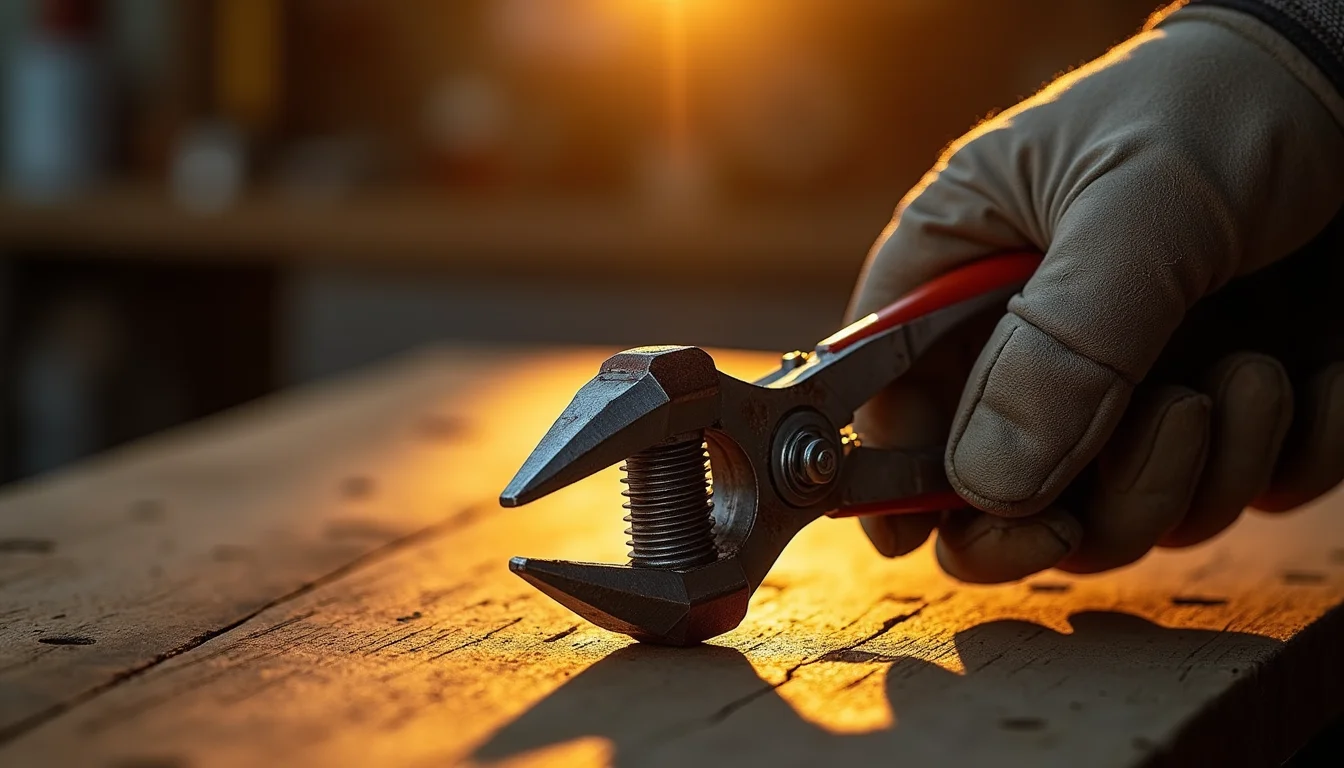
You grab a pair of pliers, and the jaws slip off the bolt again. That is frustrating, especially when you just want to get the job done fast. Most people think all pliers are the same, but that mistake costs you time and even damages your materials.
Choosing the wrong pliers for a task is like using a butter knife to cut a steak. It might work, but it takes more effort and gives poor results. The right pliers make every grip secure and every cut clean, saving you effort and money.
Why the Right Pliers Matter for Every Job
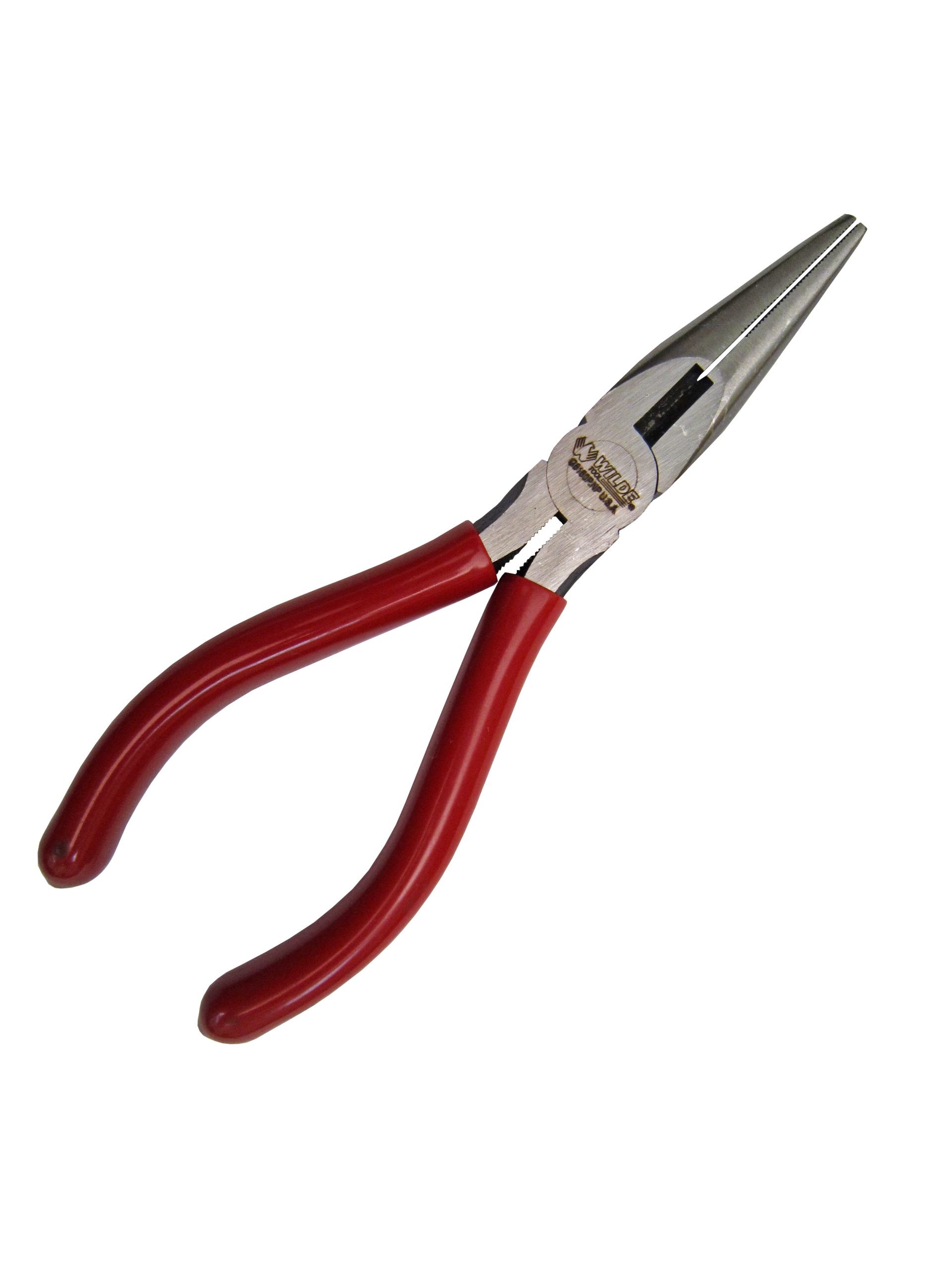
Pliers are not just a simple tool. They are engineered with specific jaw shapes and leverage to handle different tasks. For example, needle-nose pliers have long, tapered jaws perfect for reaching into tight spots, like inside an outlet box or when making jewelry. Slip-joint pliers have an adjustable pivot that lets you grip larger objects, making them a go-to for general home repairs.
Locking pliers, often called Vise-Grips, clamp onto a workpiece and stay put hands-free. This is incredibly useful when you need both hands for something else, like when soldering or holding a bolt while you turn a nut. For electricians, lineman’s pliers are the workhorse, built for heavy-duty cutting and twisting thick wires. They have a blunt, strong head that can take a beating.
Prices range from under $10 at Home Depot for basic models to over $50 for professional-grade tools with features like laser-hardened teeth for better grip or Xtreme Leverage Technology (XLT) that cuts with less effort. As of 2026, look for ergonomic handles that reduce hand fatigue, especially if you use pliers daily. The right pair pays for itself in fewer stripped screws and less frustration.
Pliers in 2026: Essential Tools Evolving for Every Task
Pliers remain fundamental tools in workshops and homes across America. Their ability to grip, bend, and cut materials makes them indispensable. By 2026, pliers offer enhanced features for efficiency and safety. Understanding the different types ensures you have the right tool for the job. This guide breaks down the most common and specialized pliers available today.
| Type | Primary Use | Key Features | Average Cost (2026) |
| Needle-Nose | Precision gripping, bending wire | Long, tapered jaws | $10 – $30 |
| Slip-Joint | General gripping, turning nuts | Adjustable pivot | $8 – $25 |
| Locking | Secure, hands-free clamping | Adjustable locking mechanism | $15 – $40 |
| Lineman’s | Heavy-duty cutting, gripping, twisting | Robust construction, cutting blades | $20 – $50 |
| Diagonal Cutting | Flush wire cutting | Sharp, angled blades | $12 – $35 |
Needle-Nose Pliers: Precision and Reach
Needle-nose pliers are your go-to for detailed work. Their long, slender jaws allow access into tight spots. They are perfect for bending small wires or retrieving dropped components. Many feature wire cutters near the pivot for added utility.
These pliers are crucial for electronics repair and jewelry making. Their precision allows for delicate manipulation without damaging components. Look for models with comfortable, non-slip grips for better control.
Read also: How to Fix a Running Toilet in 15 Minutes for Under $10
Slip-Joint Pliers: Versatile Grip
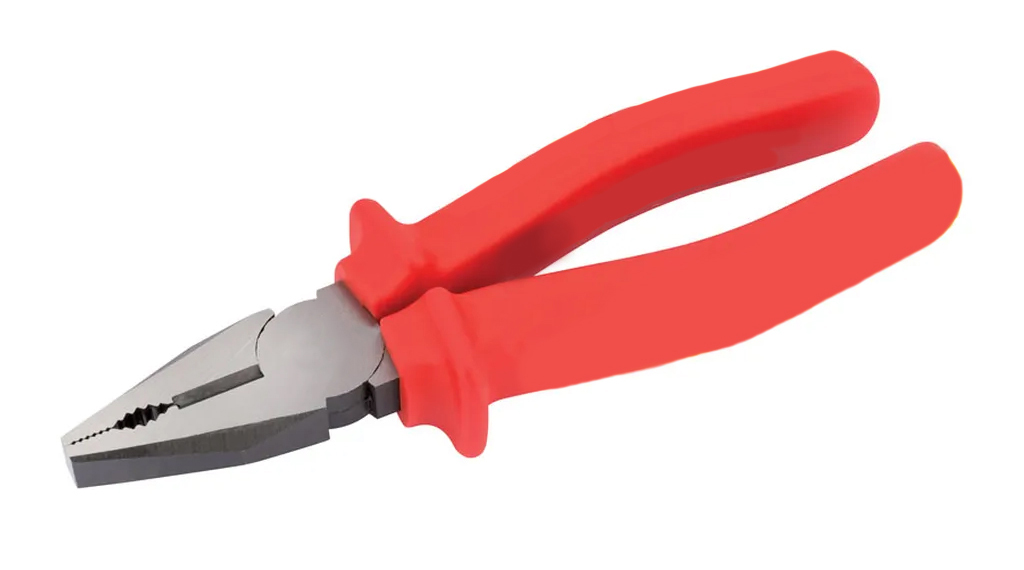
Slip-joint pliers are the workhorses of the toolbox. Their adjustable pivot lets you change the jaw opening width. This makes them adaptable for gripping various sizes of nuts and bolts. They are excellent for general household repairs and adjustments.
While versatile, they may not offer the strongest grip for heavy tasks. Their simplicity makes them affordable and easy to use for everyday needs. They are a staple for any DIYer’s collection.
Locking Pliers: Hands-Free Clamping
Locking pliers, often called Vise-Grips, provide a powerful, secure hold. Once locked onto a workpiece, they stay put without constant pressure. This frees up your hands for other tasks. They are invaluable for holding parts during assembly or repair.
They come in various jaw shapes, including curved and straight. Curved jaw models offer excellent grip on rounded objects. Always ensure the locking mechanism functions smoothly before use.
Lineman’s Pliers: Heavy-Duty Cutting and Gripping
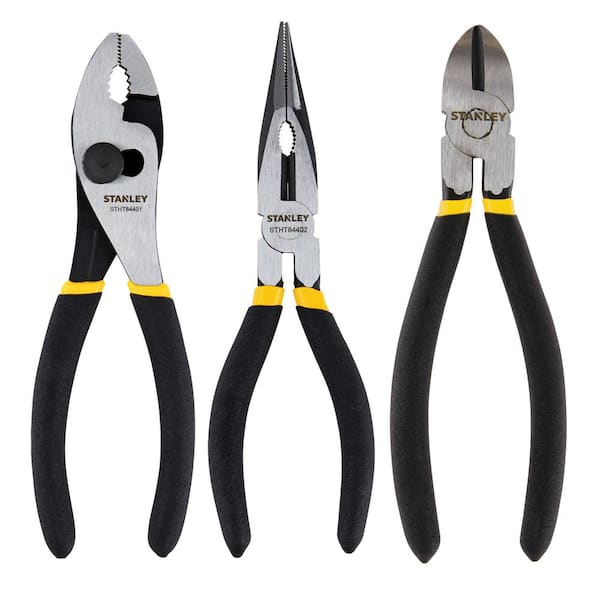
Lineman’s pliers are built for demanding jobs. Electricians rely on them for cutting, twisting, and stripping heavy gauge wires. Their robust construction can handle tough materials and significant force. These are not delicate tools; they are designed for power.
They often feature a flat head for pounding or prying. Some models include crimpers for electrical connectors. Always check for insulated handles if working near electrical sources.
Diagonal Cutting Pliers: Flush Cuts
Diagonal cutting pliers are specialized for clean cuts. Their angled blades allow for flush cutting of wires close to a surface. This prevents snags and provides a professional finish. They are essential for removing old wiring or trimming excess components.
Be aware that these are primarily for cutting, not gripping. Using them for other tasks can dull the blades. They are a must-have for any electrical or electronics project.
Long-Reach Pliers: Accessing Tight Spaces
Long-reach pliers extend your reach significantly. They feature extra-long jaws to access areas deep within machinery or tight corners. This is especially useful in automotive repair or complex installations.
They come in various jaw styles, including straight and bent noses. Bent-nose versions offer unique angles for navigating obstructions. Their extended length requires a steady hand for precise control.
Insulated Pliers: Safety for Electrical Work
Insulated pliers are critical for electrical safety. They feature handles coated with thick, durable insulation. This protects the user from electric shock when working with live circuits. Always verify the insulation rating meets safety standards.
Never use damaged insulated pliers. Inspect the handles regularly for cracks or nicks. They are a non-negotiable requirement for anyone performing electrical work.
Jewelry Pliers: Delicate Crafting Tools
Jewelry pliers are designed for fine, intricate work. They often include specialized jaws for shaping wire, closing jump rings, or holding small beads. Common types include round-nose and flat-nose pliers.
These tools prioritize precision over brute force. Their smaller size and delicate jaws allow for detailed manipulation. They are essential for hobbyists and professionals in the jewelry trade.
The Future of Pliers: Smarter, Safer, Stronger
In 2026, pliers continue to integrate advanced materials and ergonomic designs. Innovations like Xtreme Leverage Technology reduce cutting effort, making tough jobs easier. Expect to see more multi-functional tools that combine several plier types into one. Brands like Knipex and Klein Tools are leading the way with durable, high-performance options. For professional tradespeople, investing in quality tools like those found at Home Depot pays off in longevity and efficiency. For general DIY needs, reliable options are readily available at stores like Lowe’s. Always choose pliers designed for your specific tasks to ensure safety and optimal results.
Your 3-Step Action Plan for Choosing Pliers
Start by identifying your most common task. If you work with electronics, needle-nose pliers are your best friend. For general household repairs, a slip-joint pair covers most needs.
Step 1: Match the Jaw to the Job
Long, tapered jaws are for precision work in tight spots. Wide, serrated jaws are for gripping larger objects like pipes.
Step 2: Check the Cutting Edge
If you cut wire often, look for induction-hardened cutting edges. They stay sharp longer and require less effort.
Step 3: Prioritize Comfort and Grip
Test the handle material. Rubberized or cushioned grips reduce hand fatigue during extended use.
Avoid cheap pliers with loose joints. They slip and can damage fasteners or cause injury.
Frequently Asked Questions
Are expensive pliers worth the money?
Yes, for frequent use. Premium pliers use better steel and tighter tolerances, so they last years longer than budget models.
Can I use pliers as a hammer?
No. Pliers are not designed for striking. Doing so can crack the handles or misalign the jaws.
How do I prevent rust on my pliers?
Wipe them clean after use and store them in a dry place. A light coat of oil on the joint prevents corrosion.
Choosing the right pliers is about matching the tool to your task. A quality pair pays for itself in durability and performance.
Now that you know the basics, visit your local hardware store and test a few models in your hand. Feel the weight and the grip.
The future of hand tools is smarter and more comfortable. Expect pliers with integrated wire strippers and laser-etched markings for precision cuts.
