

That constant hissing or trickling sound from your bathroom is not just annoying. It is also wasting water and adding dollars to your utility bill every single day. A running toilet is one of the most common and fixable problems in any home.
The good news is you do not need a plumber or any special skills. Most fixes take less than 15 minutes and cost under $10. In 2026, with water rates rising across the US, ignoring this issue can cost you up to $200 extra per year.
Stop a Running Toilet: Check the Flapper and Fill Valve First
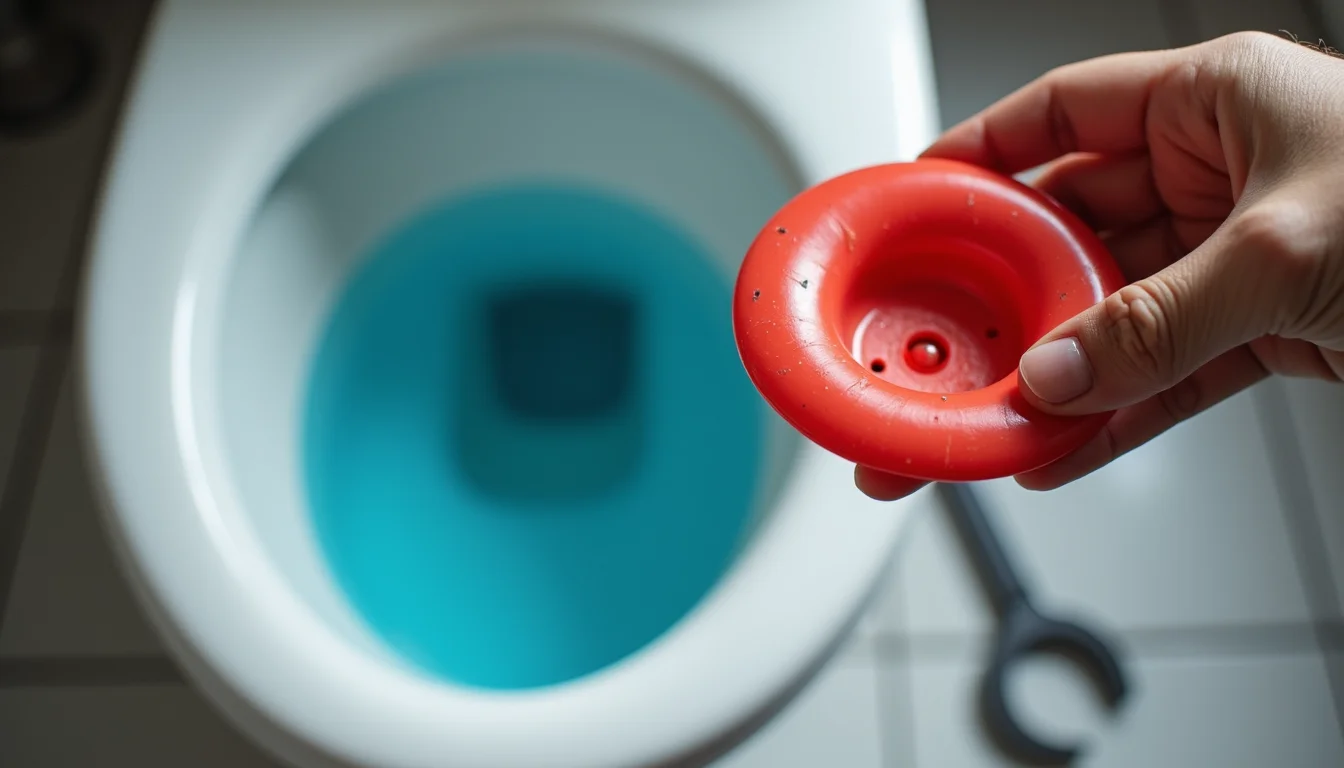
The most common reason a toilet keeps running is a worn-out flapper. This rubber part sits at the bottom of the tank and seals the water in. Over time, it gets brittle or covered in mineral deposits, so water leaks into the bowl.
Lift the tank lid and look at the flapper. If it looks warped, has cracks, or does not sit flat, replace it. A universal flapper from brands like Korky or Fluidmaster costs around $5 to $8 and fits most toilets.
Also check the flush chain. If it is too tight, it holds the flapper open. Adjust the chain so there is just a little slack. This simple tweak often solves the problem immediately.
| Tempo Estimado | Custo | Nível de Dificuldade |
| 30-60 minutos | $5 – $25 | Fácil |
Materiais Necessários
- Nova flapper (se necessário)
- Nova válvula de enchimento (se necessário)
- Chave de fenda ou alicate
- Pano limpo ou papel toalha
- Balde ou recipiente para coletar água
O Passo a Passo Definitivo
- Passo 1: Desligue o abastecimento de água – Feche a válvula atrás do vaso sanitário.
- Passo 2: Drene o tanque – Dê descarga para esvaziar o tanque.
- Passo 3: Verifique a flapper – Procure por desgaste ou danos. Limpe a borda do assento da válvula.
- Passo 4: Ajuste a corrente da flapper – Certifique-se de que não esteja muito esticada ou frouxa.
- Passo 5: Verifique o nível da água – A água deve ficar abaixo do tubo de transbordamento.
- Passo 6: Ajuste a boia – Se a água estiver alta, ajuste a boia para baixo.
- Passo 7: Inspecione a válvula de enchimento – Ouça se há vazamentos ou ruídos contínuos.
- Passo 8: Limpe ou substitua a válvula de enchimento – Se necessário, remova detritos ou troque a unidade.
- Passo 9: Ligue o abastecimento de água – Abra a válvula lentamente e verifique se há vazamentos.
- Passo 10: Teste a descarga – Dê descarga para garantir que o problema de toilet water running foi resolvido.
Erros Comuns na Execução
- Não desligar o abastecimento de água antes de começar.
- Instalar uma flapper do tamanho errado.
- Ajustar a boia incorretamente, mantendo o nível da água muito alto.
Aprofundamento Técnico
Fix a Running Toilet: Quick Diagnosis
Um toilet constantemente running pode ter várias causas. Comece inspecionando a flapper e a válvula de enchimento. Estes são os componentes mais comuns de um toilet won’t stop running. Uma avaliação rápida economiza tempo.
Replace the Flapper for a Constant Leak
Uma flapper desgastada é uma causa frequente de toilet leak. Ela não veda corretamente a saída de água. Substituir a flapper é um reparo simples e barato. Certifique-se de comprar o tamanho correto para sua válvula de descarga.
Adjust the Float to Stop the Water Flow
O nível da água no tanque é controlado pela boia na válvula de enchimento. Se a água entra no tubo de transbordamento, a boia está muito alta. Ajustar a boia para baixo corrige isso e evita o desperdício.
Fix a Faulty Fill Valve in Minutes
Se a válvula de enchimento não para de encher o tanque, ela pode estar com defeito. Limpar detritos ou substituir o selo interno pode resolver. Para problemas mais sérios, a substituição completa é necessária. Este é um DIY toilet repair acessível.
Check the Flush Valve for a Silent Leak
Às vezes, um toilet keeps running sem barulho. Isso pode ser um vazamento silencioso na válvula de descarga. A flapper pode parecer boa, mas não está vedando perfeitamente. Verifique a superfície de vedação para detritos.
Stop a Running Toilet After Flushing
Após a descarga, se o vaso sanitário continuar correndo, verifique a corrente da flapper. Uma corrente muito esticada impede o fechamento completo. Ajustar a corrente para ter a folga mínima correta é essencial para parar o fluxo.
Tighten the Flapper Chain for a Proper Seal
A corrente da flapper deve ter apenas uma pequena folga. Se estiver muito frouxa, a flapper pode não fechar. Se estiver muito esticada, pode segurar a flapper ligeiramente aberta. Um ajuste simples resolve muitos problemas de toilet water running.
DIY Toilet Repair: Tools You Need
Para a maioria dos reparos de toilet, você precisa de poucas ferramentas. Um pano, um balde e talvez um alicate ou chave de fenda são suficientes. Kits de reparo para flapper e válvula de enchimento são fáceis de encontrar em lojas como a Lowe’s. Veja mais em Lowe’s.
Tips to Keep Your Toilet Running Smoothly
What to Avoid
Never use a bleach tablet in your tank. They can damage rubber parts like the flapper and fill valve seal.
Avoid overtightening plastic nuts during installation. Cracks can form and cause leaks.
When to Call a Plumber
If you’ve replaced the flapper and fill valve but the toilet still runs, call a professional. There may be a crack in the flush valve or a more complex issue.
Also call if you can’t stop the water supply valve from leaking after turning it off. These valves can fail and may need replacement.
Preventive Maintenance
Clean your toilet tank every six months to remove sediment. This helps the fill valve and flapper last longer.
Check the chain and flapper annually for wear. Replacing them early prevents unexpected running water.
Frequently Asked Questions
Why does my toilet run intermittently?
This is usually caused by a slow leak from a worn flapper. Water seeps out, the fill valve kicks in periodically, and you hear the sound.
Can I fix a running toilet without any tools?
You can adjust the float or chain by hand, but replacing parts typically requires a screwdriver or pliers. Most repairs are simple and need only basic tools.
How much does it cost to fix a running toilet in 2026?
A new flapper costs about $5 to $10, and a fill valve is $15 to $25. Doing it yourself saves the $100 to $200 a plumber would charge.
Fixing a running toilet is a simple repair that saves water and money. You now have the knowledge to diagnose and solve the most common causes.
Try these steps today and listen for the silence. Your water bill will thank you.
With a properly tuned toilet, your bathroom runs efficiently for years. It’s a small fix that brings big peace of mind.
