

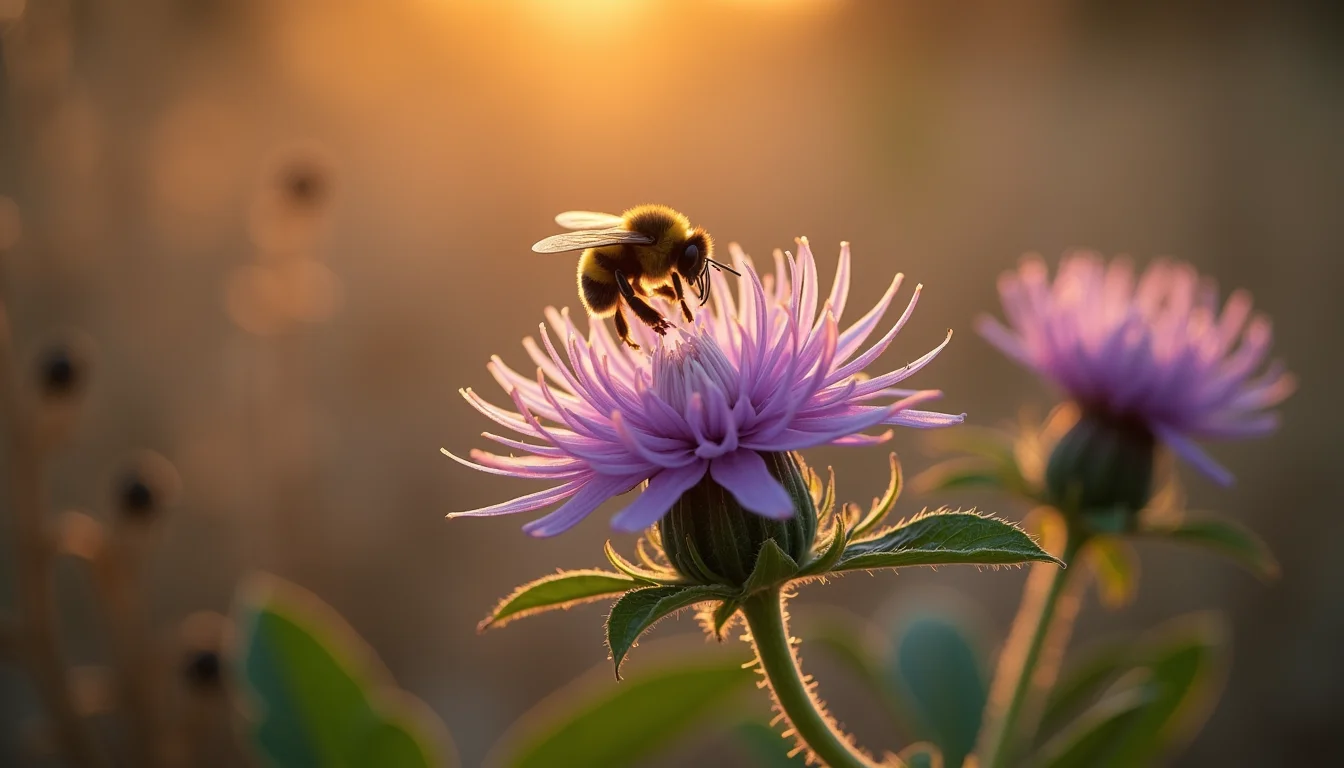
Think your yard is too dry or shady for flowers? Monarda fistulosa, or Wild Bergamot, thrives where other plants struggle. This tough native perennial brings color and life even in tough conditions.
It’s not just pretty to look at. This plant feeds bees, butterflies, and hummingbirds all summer long. And it’s deer and rabbit resistant, so you can enjoy it without worry.
Why Wild Bergamot is a Must-Have for American Gardens
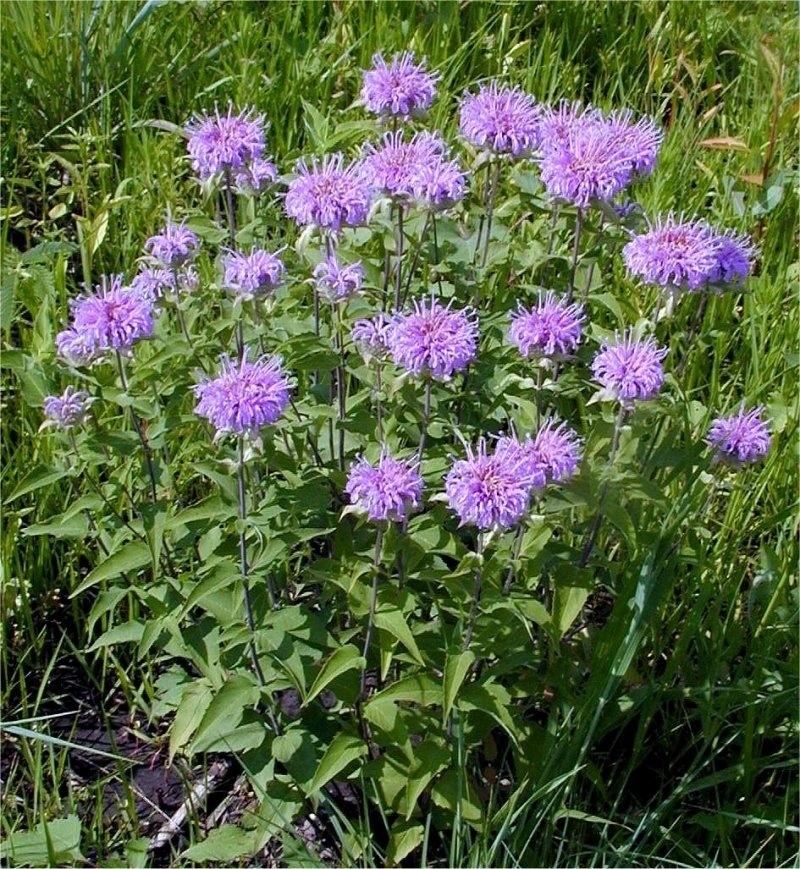
Monarda fistulosa is a powerhouse in the mint family, growing 2 to 5 feet tall with lavender blooms from July to September. It thrives in USDA zones 3 through 9, making it a reliable choice across most of the US.
This plant loves full sun but tolerates partial shade, and it’s drought tolerant once established. It even grows in clay or rocky soil, so you don’t need perfect dirt. Just give it good air circulation to avoid powdery mildew, a common issue with bee balm.
Wild Bergamot: The Resilient Star of 2026 Gardens
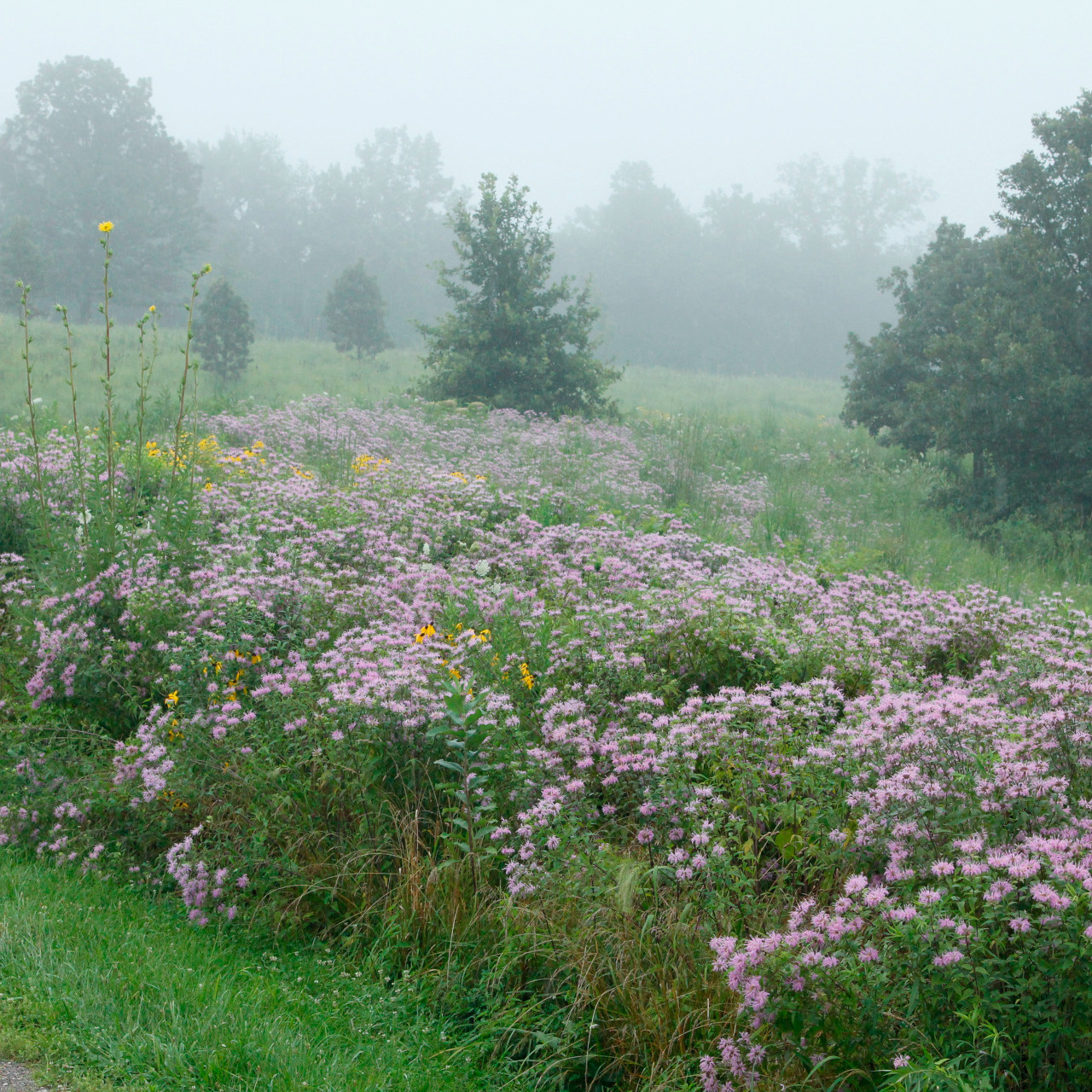
In 2026, gardeners are embracing plants that offer beauty and function with minimal fuss. Monarda fistulosa, known widely as Wild Bergamot or Bee Balm, stands out. This North American native perennial is a powerhouse of resilience. It adapts to many conditions, making it a top choice for diverse landscapes. Its appeal goes beyond looks; it actively supports local ecosystems. This plant is a wise investment for any garden aiming for sustainability and charm.
| Attribute | Value |
| Common Name | Wild Bergamot, Bee Balm |
| USDA Zones | 3-9 |
| Height | 2-5 feet |
| Bloom Time | July-September |
| Sun Exposure | Full sun to partial shade |
| Soil | Well-drained, tolerates clay, rocky, dry |
| Pollinator Support | High |
| Deer/Rabbit Resistance | High |
| Powdery Mildew Risk | Moderate (mitigate with spacing) |
Wild Bergamot: A Native Perennial
Wild Bergamot is a true native treasure. It belongs to the Lamiaceae family, also known as the mint family. This plant thrives across USDA hardiness zones 3 through 9. It reaches a mature height of 2 to 5 feet. You will recognize its square stems and opposite, serrated leaves. This perennial is built to last, returning year after year. It requires minimal intervention once established, a key trait for modern gardening.
Bee Balm: Attracting Pollinators
The name Bee Balm is well-earned. This plant is a magnet for pollinators. Bees, butterflies, and hummingbirds flock to its nectar-rich blooms. It is a critical food source for many native insects. Supporting these creatures is more important than ever in 2026. Planting Bee Balm directly contributes to a healthier local environment. You will see your garden come alive with buzzing and fluttering visitors.
Read also: Why Your Bee Balm Keeps Falling Over? Fix It Now
Monarda fistulosa acts as a keystone plant, supporting a diverse range of wildlife throughout its bloom cycle.
Horsemint: Aromatic Foliage
Beyond its flowers, Horsemint offers a sensory delight. Both its leaves and flowers release a strong, pleasant aroma. Many describe the scent as minty with hints of citrus. This fragrance adds another layer of appeal to your garden. It also helps deter common garden pests. The aromatic foliage is a signature characteristic of this versatile plant. Enjoy its scent every time you walk past.
Monarda as a Drought Tolerant Plant
Water conservation is a major concern for homeowners. Fortunately, Monarda fistulosa is a champion of dry conditions. It exhibits remarkable drought tolerance once established. Its deep root system allows it to access moisture effectively. This makes it ideal for xeriscaping or areas with infrequent rainfall. You can rely on it to look good even during dry spells. It reduces the need for supplemental watering, saving time and resources.
Deer Resistant Monarda for Gardens
Protecting your garden from hungry visitors is a constant challenge. Fortunately, deer resistant Monarda is a reliable choice. Deer and rabbits tend to avoid its aromatic foliage. This natural defense mechanism means less damage to your plants. You can enjoy its blooms without constant worry. It is a smart addition to gardens in areas with high deer populations. This plant offers peace of mind for your landscape.
Lavender Flowers of Monarda Fistulosa
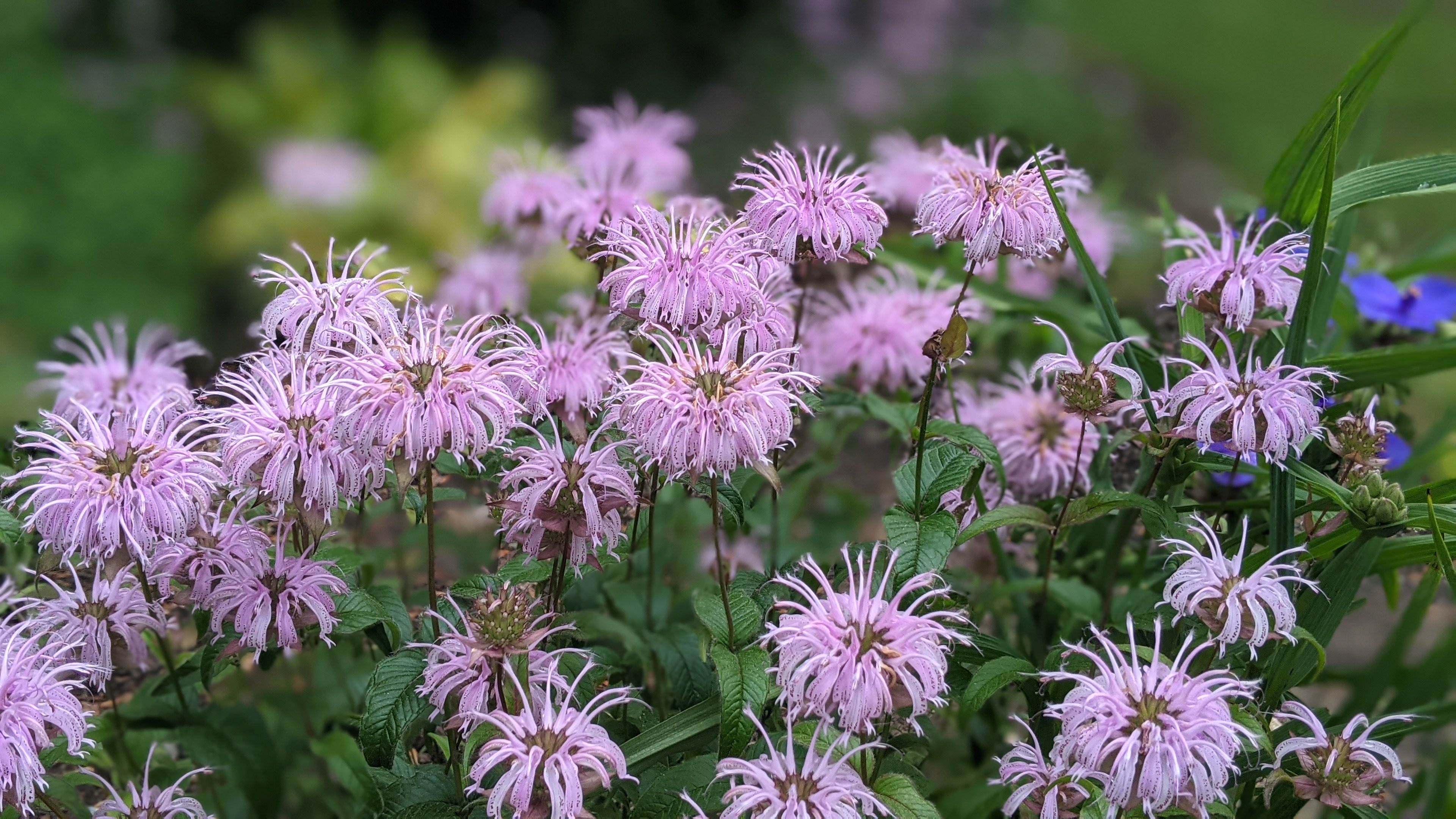
The visual appeal of Monarda fistulosa is undeniable. It produces distinctive, pom-pom-like flower clusters. These blooms appear in beautiful shades of lavender to soft pink. They typically appear from July through September. The flowers add a splash of color to late summer gardens. Their unique shape also adds textural interest. These blooms are a beautiful focal point in any landscape design. For more details on native plants, visit wildflower.org.
Medicinal Uses of Wild Bergamot
Historically, Wild Bergamot has a rich tradition of use. Indigenous peoples recognized its healing properties. They used its leaves in teas to address digestive issues and colds. This heritage adds a layer of cultural significance. Modern herbalists continue to value its properties. It represents a connection to nature’s pharmacy. Its usefulness extends beyond ornamental gardening.
Herbal Tea from Monarda Fistulosa
Creating your own herbal tea is a rewarding practice. The leaves and edible flowers of Monarda fistulosa are perfect for this. Steep them in hot water for a fragrant, soothing beverage. The tea offers a mild, refreshing flavor. It is a natural way to unwind after a long day. Enjoying a cup made from your own garden is incredibly satisfying. Explore more about this plant at missouribotanicalgarden.org.
The Future is Native: Embrace Monarda Fistulosa
In conclusion, Monarda fistulosa is more than just a pretty plant. It is a resilient, functional, and ecologically vital addition to any US garden. Its adaptability, pollinator support, and low maintenance needs align perfectly with 2026 gardening trends. This plant offers beauty, fragrance, and historical significance. It is an excellent choice for meadows, rain gardens, and naturalized landscapes. I strongly recommend incorporating Wild Bergamot into your garden plans. It is a smart, sustainable choice that benefits both you and the environment. You will not regret planting this exceptional native perennial.
Your 3-Step Action Plan for Growing Monarda fistulosa
Step 1: Choose the Right Spot
- Pick a location with full sun to partial shade. This plant needs at least 6 hours of direct light daily.
- Ensure the soil drains well. Monarda fistulosa tolerates clay and dry conditions but hates wet feet.
Step 2: Plant with Space in Mind
- Space plants 2 to 3 feet apart. Good airflow prevents the dreaded powdery mildew.
- Water deeply after planting. Then let the soil dry slightly between waterings.
Step 3: Maintain and Enjoy
- Divide clumps every 3 to 4 years in spring or fall. This keeps plants vigorous and blooming.
- Deadhead spent flowers to encourage a second flush. Leave some seed heads for winter birds.
What to avoid: Overcrowding is the number one mistake. It invites mildew and reduces blooms.
Frequently Asked Questions
Will Monarda fistulosa spread and take over my garden?
Yes, it spreads by rhizomes but is not invasive. Simply dig up unwanted shoots in spring.
Can I grow it in a container?
Absolutely. Use a large pot at least 18 inches wide with drainage holes. Water more often than in-ground plants.
Why are the lower leaves turning yellow and dropping?
This is often normal aging, but can indicate overwatering or poor air circulation. Check soil moisture and spacing.
Monarda fistulosa is a powerhouse for any pollinator garden. Its resilience and beauty make it a smart, low-maintenance choice.
Now, add this native perennial to your landscape plan. Your local bees and butterflies will thank you.
Picture a summer afternoon with lavender blossoms swaying in the breeze. That scene is yours with just a little planning.
