

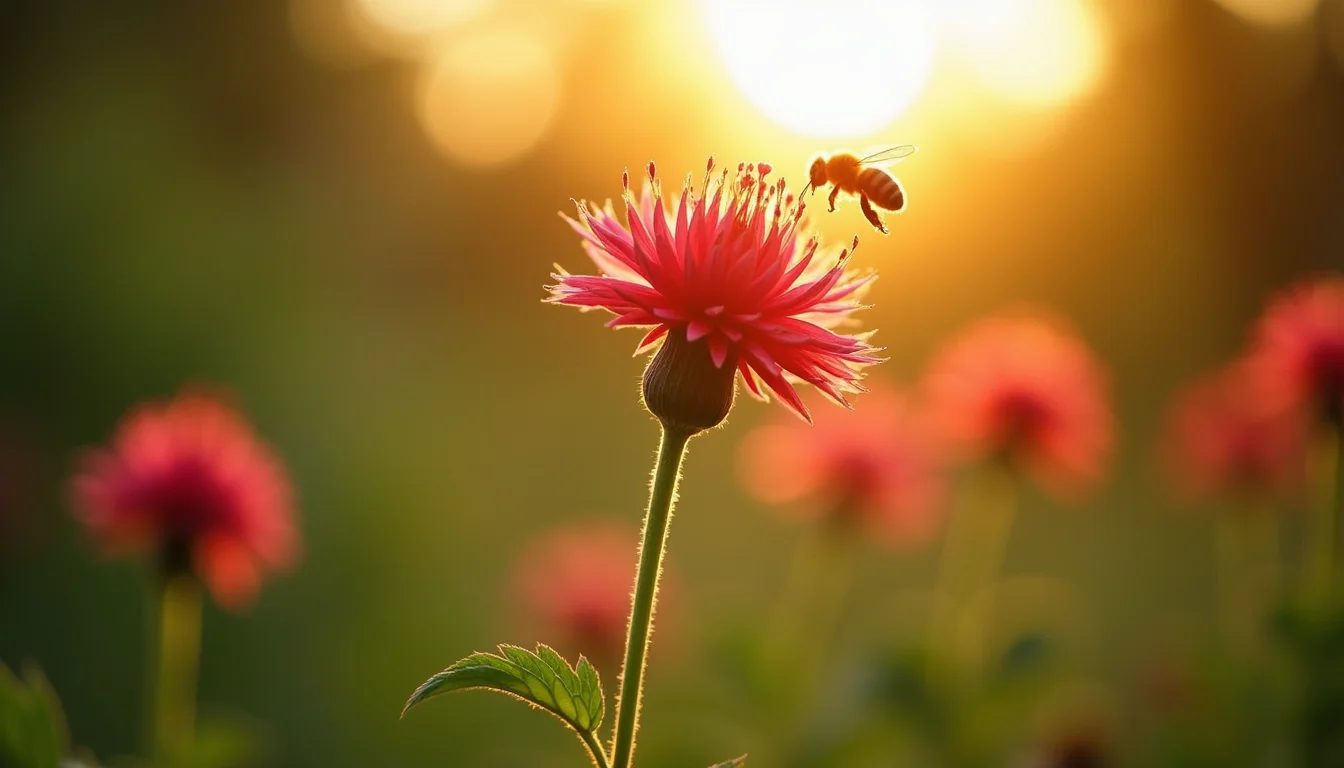
Is your pollinator garden missing that one plant that actually delivers? You plant for bees and butterflies, but end up with leggy stems and powdery mildew. Bee balm is the tough, native perennial that solves those problems while giving you showy blooms all summer long.
This North American native is a magnet for hummingbirds and bees, yet deer and rabbits leave it alone. It thrives in full sun with moist soil, and modern cultivars resist disease better than ever. No more fussing over finicky flowers.
Scarlet Bee Balm, Wild Bergamot, and Dwarf Cultivars: Your Best Options
You have three main species to choose from. Scarlet Bee Balm (Monarda didyma) gives you classic red blooms and grows 3-4 feet tall. Cultivars like ‘Jacob Cline’ offer excellent powdery mildew resistance. For a more drought-tolerant option, Wild Bergamot (Monarda fistulosa) reaches 2-4 feet with lavender-pink flowers and a spicy scent.
If space is tight, look for dwarf bee balm cultivars like the ‘Balmy’ or ‘Sugar Buzz’ series. These stay 10-24 inches tall, perfect for containers or small garden beds. They still attract pollinators but need less staking and deadheading. For sandy soils, Spotted Bee Balm (Monarda punctata) offers unique spotted blooms and excellent heat tolerance.
All types need full sun (at least 6 hours daily) and rich, moist soil with good drainage. Space plants 18-24 inches apart for airflow, which is your best defense against powdery mildew. Water at the base to keep leaves dry. Deadhead spent flowers for repeat blooms, and divide clumps every 2-3 years to keep plants vigorous.
Bee Balm: A Pollinator Powerhouse for Your 2026 Garden
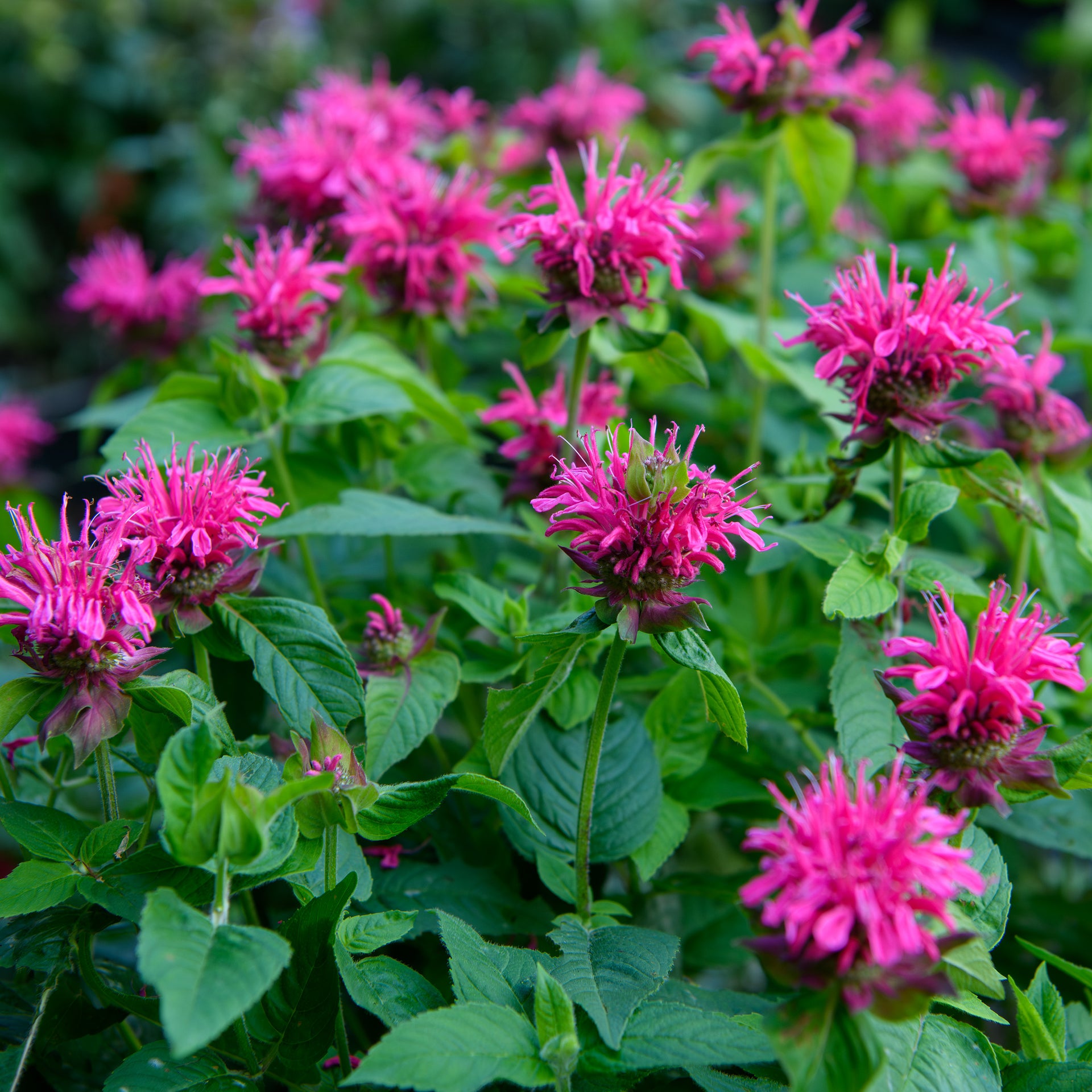
Bee balm is a garden essential, bringing vibrant color and essential food for pollinators. This native North American plant, known botanically as Monarda spp., is tough and rewarding. It offers beautiful summer blooms and fragrant, minty leaves. Many gardeners are rediscovering its value for wildlife and its easy-care nature.
| Feature | Details |
| Botanical Name | Monarda spp. |
| Native To | North America |
| Attracts | Bees, butterflies, hummingbirds |
| Resists | Deer, rabbits |
| Bloom Time | Summer |
| Foliage | Aromatic, mint-scented |
| Soil Needs | Rich, moist, well-drained |
| Sun Needs | Full sun (6+ hours) |
| Hardiness Zones | USDA 3-9 |
Scarlet Bee Balm: Vibrant Red Blooms
Scarlet Bee Balm, or Monarda didyma, is famous for its intense, fiery red flowers. Cultivars like ‘Jacob Cline’ are popular choices. They offer excellent resistance to powdery mildew, a common issue. These plants can reach up to 4 feet tall. Their bright color is a magnet for hummingbirds.
Wild Bergamot: Lavender Bee Balm Care
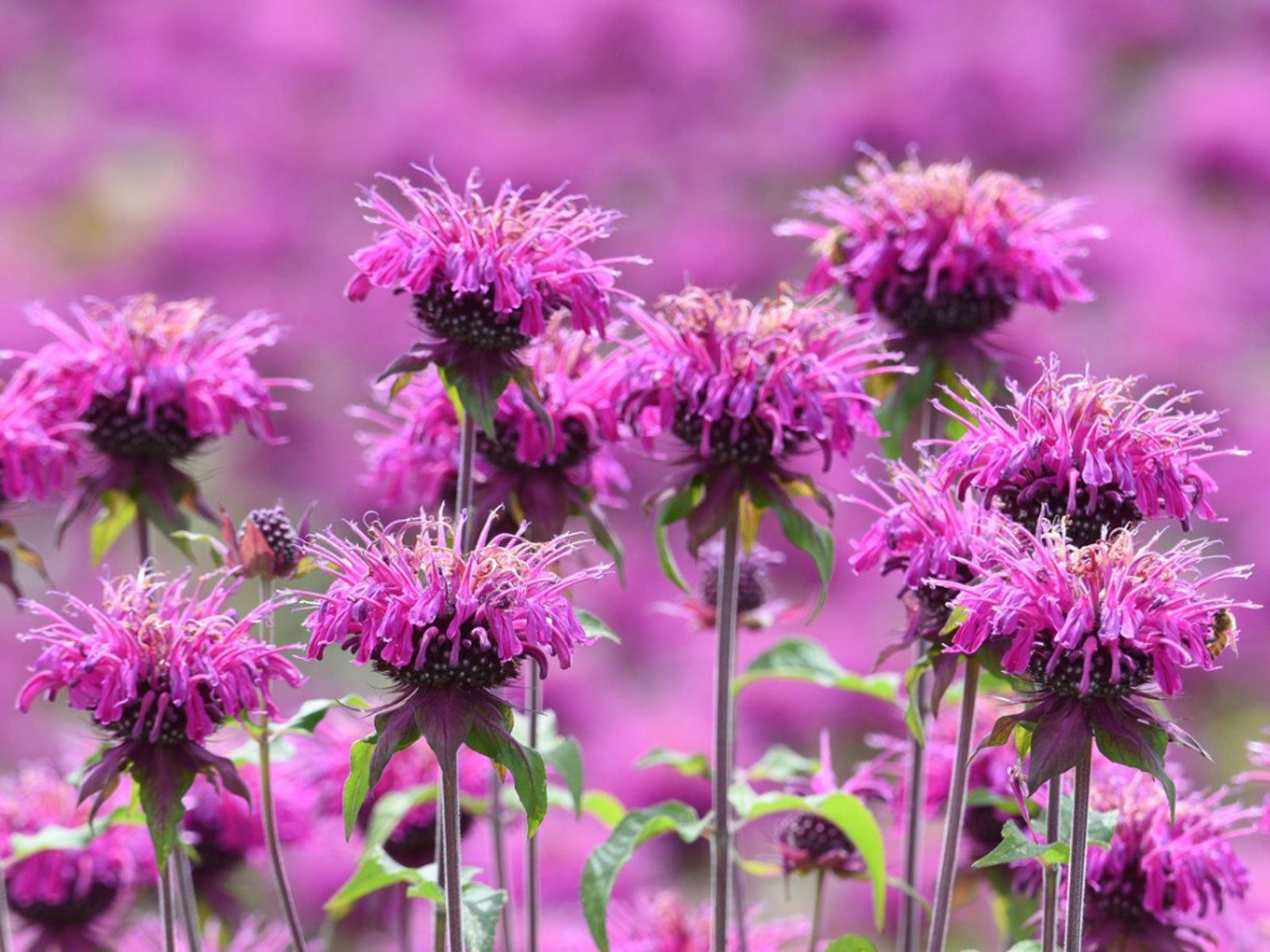
Wild Bergamot, scientifically Monarda fistulosa, provides beautiful lavender-pink flowers. This variety is generally taller and more drought-tolerant than other types. Its resilience makes it a great choice for drier garden spots. Proper spacing is key to preventing disease. Aim for 18 to 24 inches between plants for good air flow.
Spotted Bee Balm: Unique Pink Flowers
Spotted Bee Balm, Monarda punctata, offers a more unusual look. Its flowers are speckled and often have a unique, almost alien appearance. This species prefers sandy soils. It is a fascinating addition for gardeners seeking something different. Its distinctive blooms add texture and interest.
Dwarf Bee Balm Cultivars: Balmy and Sugar Buzz
For smaller gardens or containers, dwarf cultivars are ideal. The ‘Balmy’ and ‘Sugar Buzz’ series offer compact plants. They typically grow between 10 to 24 inches high. These smaller varieties still provide abundant blooms. They are perfect for adding color to patios or borders.
Red Bee Balm: Attracting Hummingbirds
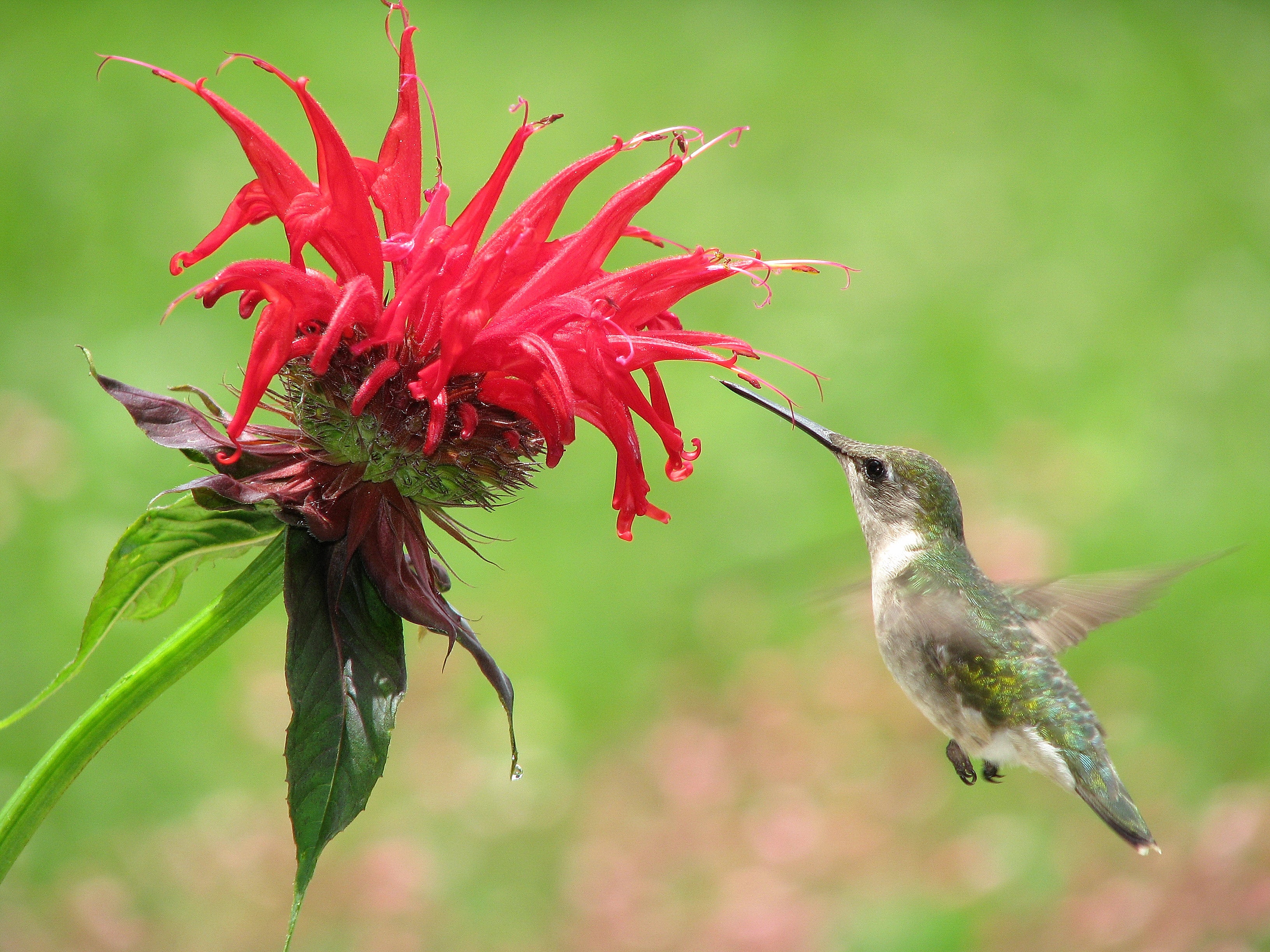
If you want to see hummingbirds in your yard, plant Red Bee Balm. Its vibrant red color is irresistible to these tiny, energetic birds. They are drawn to the nectar-rich flowers. Planting several together creates a stunning display. Ensure they receive at least six hours of direct sun daily for best flowering.
Pink Bee Balm: Garden Color Tips
Pink Bee Balm varieties, often found in Wild Bergamot types, offer a softer color palette. They blend beautifully with other garden flowers. Use them to create a more serene planting scheme. Combine them with white or purple flowers for a classic look. Their gentle color adds charm without being overpowering.
White Bee Balm: Elegant Garden Addition
White Bee Balm provides an elegant touch to any garden design. These varieties offer a clean, sophisticated look. They are particularly striking when planted in groups. White flowers also attract pollinators, especially in the evening light. They stand out beautifully against darker foliage.
Bee Balm Powdery Mildew: Prevention and Treatment
Powdery mildew is the most common problem for bee balm. It appears as white, powdery spots on leaves. Good air circulation is the best defense. Space plants properly, about 18 to 24 inches apart. Avoid overhead watering, which can spread spores. Choose mildew-resistant cultivars whenever possible.
If mildew appears, remove affected leaves immediately. You can also use a baking soda spray. Mix one tablespoon of baking soda with one gallon of water and a drop of liquid soap. Spray this on the plants in the early morning or late evening. For severe cases, consider organic fungicides. Always follow product instructions carefully.
The Verdict: Bee Balm is a Smart Choice for 2026
Bee balm is a truly versatile and beneficial plant for any US garden. Its ability to attract pollinators is invaluable. The range of colors and sizes means there’s a bee balm for everyone. Investing in bee balm means investing in a healthier ecosystem. You get beautiful blooms and support vital wildlife.
Consider incorporating different varieties to extend the bloom season. For more information on planting and care, resources like The Old Farmer’s Almanac are excellent. Selecting disease-resistant types will save you work. Enjoy the buzz and beauty bee balm brings to your landscape. Learn more about attracting wildlife with plants at Garden for Wildlife.
Your 3-Step Bee Balm Action Plan
Stop dreaming and start planting. Here is how to get bee balm in your garden this season.
Step 1: Choose the Right Spot and Variety
Pick a location with at least 6 hours of full sun daily. For small spaces, select a dwarf cultivar like ‘Balmy Pink’ to avoid overcrowding.
Step 2: Plant and Water Correctly
Space plants 18 to 24 inches apart to allow airflow. Water at the base to keep leaves dry and prevent powdery mildew.
Step 3: Maintain for Long Life
Deadhead spent flowers to encourage repeat blooms. Divide clumps every 2 to 3 years to keep the plant healthy and vigorous.
What to Avoid for Bee Balm Success
- Do not plant in deep shade; it leads to leggy growth and more disease.
- Avoid overhead watering; wet leaves invite powdery mildew.
- Never let the soil dry out completely; bee balm needs consistent moisture.
- Skip fertilizing if your soil is rich; too much nitrogen reduces blooms.
Frequently Asked Questions
Why are the leaves on my bee balm turning white?
That is powdery mildew, a common fungal disease. Improve air circulation by spacing plants farther apart and watering at soil level.
Can I grow bee balm in a container?
Yes, choose a dwarf variety like ‘Sugar Buzz’ and a pot at least 12 inches wide. Make sure the container has drainage holes and use rich potting soil.
When is the best time to divide bee balm?
Early spring or early fall works best. Divide every 2 to 3 years to prevent the center from dying out and to keep blooms strong.
Bee balm is a smart, beautiful choice for any American garden. It brings color, pollinators, and historical value without demanding too much from you.
Start with one plant this weekend. Place it in full sun, water it right, and watch your garden come alive.
Imagine your yard buzzing with bees and hummingbirds next summer. That is the real beauty of bee balm: it creates a living, moving picture you can be proud of.
