

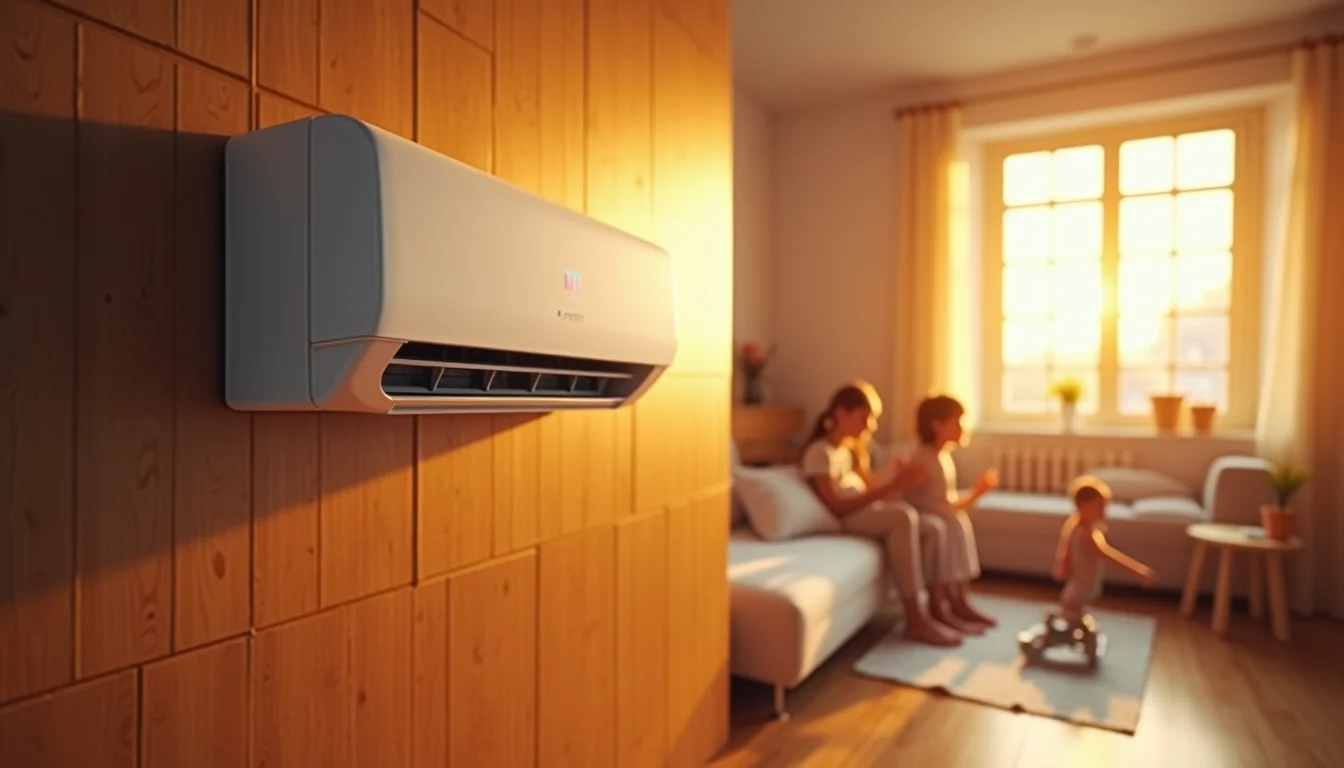
Is your window AC unit struggling to keep up this summer? Or maybe your central air is sending half your cooling money straight into the attic through leaky ducts. A mini split ac system could be the quiet, powerful upgrade you need.
These ductless air conditioners are taking over because they are simple to install and can cut your energy bills by up to 30 percent. No more fighting over the thermostat when you can have a single-zone mini split in your bedroom and another in the living room.
What Makes a Mini-Split Heat Pump Different from a Regular AC?
Unlike a traditional central system that pushes air through ducts, a ductless mini split uses a small outdoor unit connected to one or more wall-mount indoor units. This design eliminates the energy loss that comes from ductwork, which often wastes up to 25 percent of your cooling power. The result is a quiet air conditioner that can both cool and heat your space year-round.
Modern inverter AC technology is the secret behind their efficiency. Instead of turning on and off like old units, the compressor runs at varying speeds to match the exact temperature you set. This means it uses less electricity and keeps your room comfortable without those annoying temperature swings. Many models now have a SEER2 rating over 25, which is excellent for saving money.
Another big plus is how easy they are to control. Most come with a smart AC system built in, so you can adjust the temperature from your phone or use voice commands with Alexa or Google Assistant. You can set a schedule to cool your bedroom before you get home, or turn off a unit in an empty room to save more energy.
Mini-Splits in 2026: The Smart Choice for Modern Homes
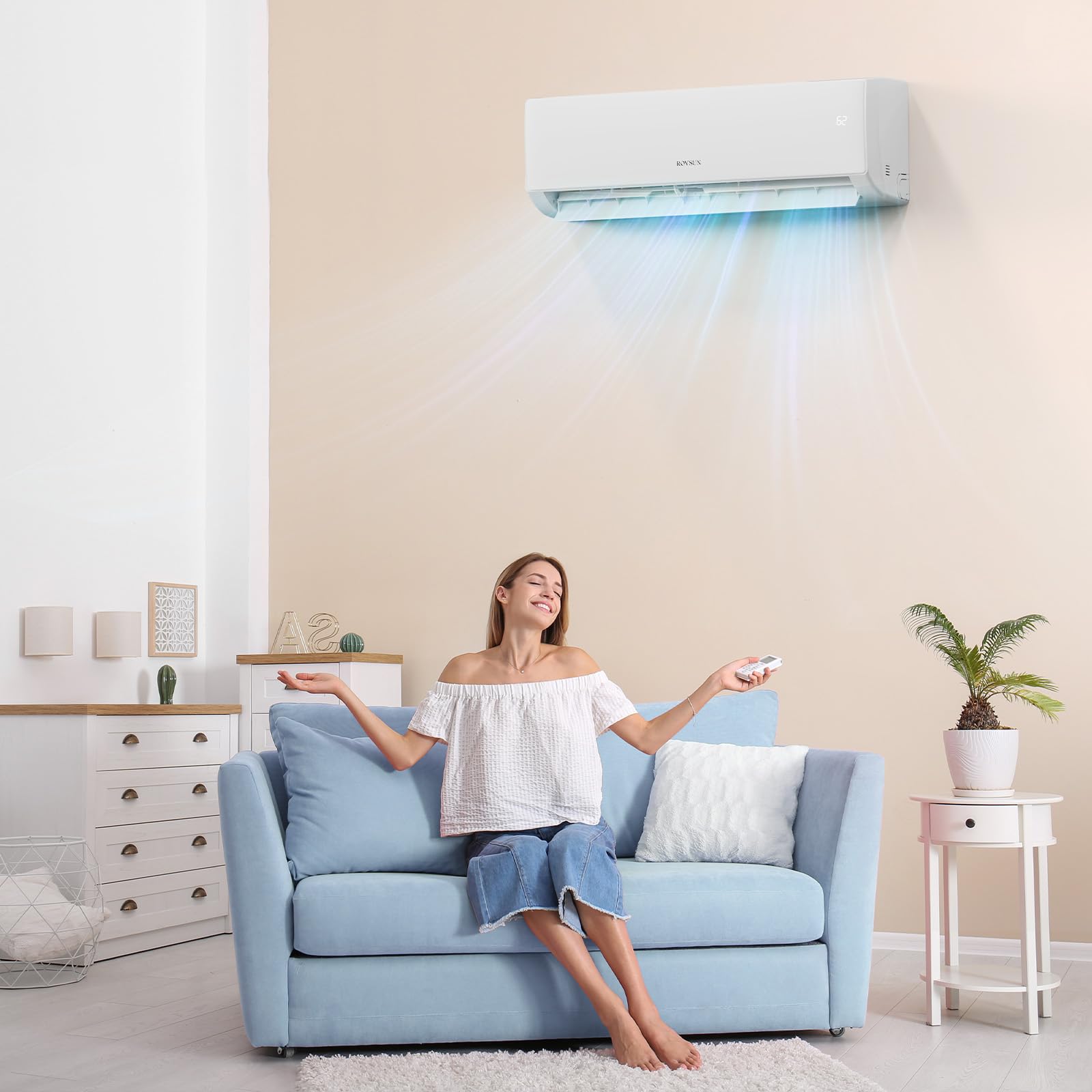
Ductless mini-split air conditioning systems are transforming how we manage home comfort. These systems offer efficient cooling and heating without the need for bulky ducts. This makes them a flexible and powerful solution for any home.
| Feature | Description |
| Technology | Inverter technology for precise temperature control |
| Efficiency | SEER2 ratings often above 25 |
| Noise Level | As low as 18-20 decibels for indoor units |
| Connectivity | Wi-Fi enabled for smart home integration |
| Sizing Rule | Approx. 20 BTUs per square foot |
| Cost | Varies, from hundreds to thousands per zone |
Ductless Air Conditioners: How They Work
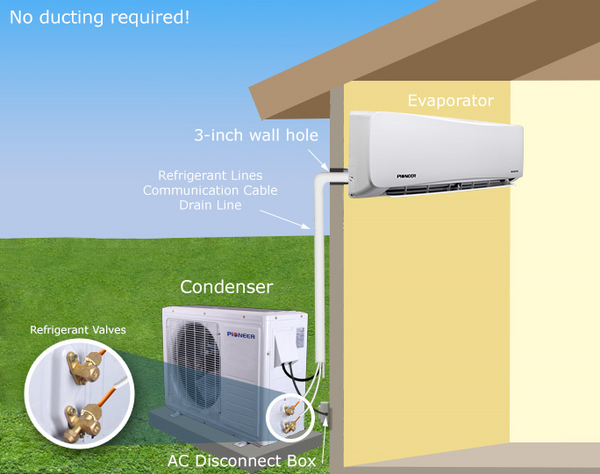
A ductless air conditioner, or mini-split, has two main parts. An outdoor unit holds the compressor and condenser. An indoor unit contains the air handler and fan.
These units connect through refrigerant lines and electrical wiring. This setup allows for efficient heat transfer. It is a simpler design than traditional central air systems.
Read also: HVAC installation cost in 2026: what you’ll actually pay
The ductless design means less energy is lost. Ducts can leak conditioned air. Mini-splits avoid this common problem entirely.
Mini-Split Heat Pump for Year-Round Comfort
Many mini-split systems function as a mini-split heat pump. This means they can both cool your home in summer and heat it in winter. This dual capability offers year-round comfort from a single system.
They work by reversing the refrigeration cycle. In cooling mode, heat is moved outside. In heating mode, heat is drawn from the outside air and brought inside.
This makes them highly energy-efficient for heating. Even in colder temperatures, they can extract usable heat from the air. This is often more efficient than electric resistance heating.
Read also: The Best Bonnet for Curly Hair? Here’s What to Look For
Single-Zone Mini Split for One Room
A single-zone mini split is perfect for specific areas. It uses one indoor unit connected to the outdoor compressor. This is ideal for a single room or a small addition.
You can target comfort where it’s needed most. This avoids heating or cooling unused spaces. It leads to significant energy savings.
Common applications include bedrooms, home offices, or garages. They provide customized temperature control for that area.
Multi-Zone Mini Split for Whole-Home Cooling
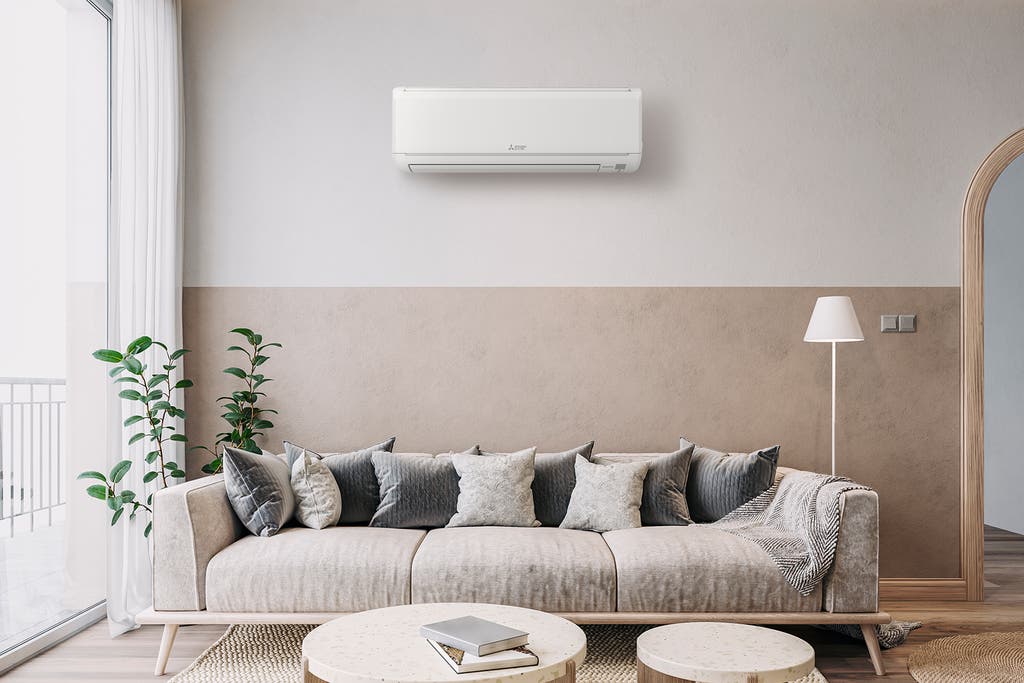
For larger homes, a multi-zone mini split is the solution. One outdoor unit can connect to multiple indoor units. This allows for heating and cooling different rooms independently.
Systems can support up to eight indoor units. This provides comprehensive coverage for an entire house. Each zone can be set to its own desired temperature.
This flexibility is a major advantage. It caters to different family needs and schedules. It ensures comfort throughout the home efficiently.
DIY Mini Split: Installation Tips
While some DIY mini split kits exist, installation requires care. Professional installation is often recommended. This ensures the system operates correctly and lasts longer.
Key steps include proper line set routing and vacuuming. Electrical connections must also be secure. Incorrect installation can cause poor performance and system failure.
Always follow the manufacturer’s guidelines. Consider the complexity of your setup. For most, hiring a certified technician is the safest bet. You can find more information on installation considerations here: Della Home Mini-Split AC.
Energy-Efficient AC with Inverter Technology
Modern mini-splits use inverter AC technology. This is a significant leap in efficiency. It allows the compressor to adjust its speed automatically.
Instead of cycling on and off, it runs continuously at varying speeds. This precisely matches the cooling or heating demand. It prevents temperature swings and saves energy.
This technology contributes to high SEER2 ratings. Many units exceed 25 SEER2. This means they use much less electricity than older models.
Quiet Air Conditioner for Bedrooms
One major benefit is how quiet they are. These systems are often called a quiet air conditioner. The loudest part, the compressor, is outside.
Indoor units are designed for minimal noise. Sound levels can be as low as 18-20 decibels. This is quieter than a library or a soft whisper.
This makes them ideal for bedrooms and nurseries. You can sleep soundly without disruptive noise. It enhances overall comfort and peace.
Smart AC System: Wi-Fi and Voice Control
Most new mini-splits are a smart AC system. They come with built-in Wi-Fi connectivity. This allows for remote control via smartphone apps.
You can adjust settings from anywhere. Schedule temperatures for different times of day. Monitor energy usage in real-time.
They also integrate with voice assistants. Control your system with Amazon Alexa or Google Assistant. This adds convenience and modern functionality.
The Future is Ductless: Expert Verdict
Mini-split systems are leading the way in home comfort technology. Their efficiency, flexibility, and smart features make them a top choice for homeowners in 2026. They offer a reliable solution for both new builds and retrofits.
Investing in a mini-split means investing in long-term savings and comfort. Consider the specific needs of your space when choosing a system. Professional advice can help ensure you get the right size and configuration. Learn more about the benefits and features: Della Home Mini-Split Details.
Read also: Air Conditioning Repair Costs: What to Expect in 2026
Your 3-Step Action Plan for Mini Split Success
Step 1: Measure Your Space Correctly
Grab a tape measure and calculate the square footage of the room you want to cool or heat. Multiply length by width, then use the 20 BTUs per square foot rule to estimate your capacity needs.
Step 2: Choose Your System Type
Decide if you need a single-zone unit for one room or a multi-zone system for whole-home comfort. Single-zone is simpler and cheaper, while multi-zone offers more flexibility and control.
Step 3: Plan Your Installation
Even if you buy a DIY-friendly model, consider hiring a professional for the refrigerant line connections. Proper installation ensures peak efficiency, quieter operation, and a valid warranty.
Frequently Asked Questions
How long does a mini split system last?
With proper maintenance, a mini split can last 15 to 20 years. Regular cleaning of filters and annual professional checkups extend its lifespan significantly.
Can I install a mini split myself?
Some pre-charged DIY models are designed for self-installation, but most systems require professional handling of refrigerants. Mistakes can lead to poor performance and voided warranties.
Do mini splits work in very cold weather?
Yes, many 2026 models operate efficiently down to -13°F or lower. Look for a unit with a high HSPF rating and cold-climate certification for reliable winter heating.
Choosing a mini split system is a smart investment in your home comfort and energy savings. The technology has matured to offer whisper-quiet operation and smart control that fits your lifestyle.
Start by measuring your space and exploring single-zone or multi-zone options. A quick online search for local installers will give you accurate quotes for your project.
Imagine setting your perfect temperature from your phone before you walk in the door. That level of control and efficiency is now within reach for every homeowner.
