

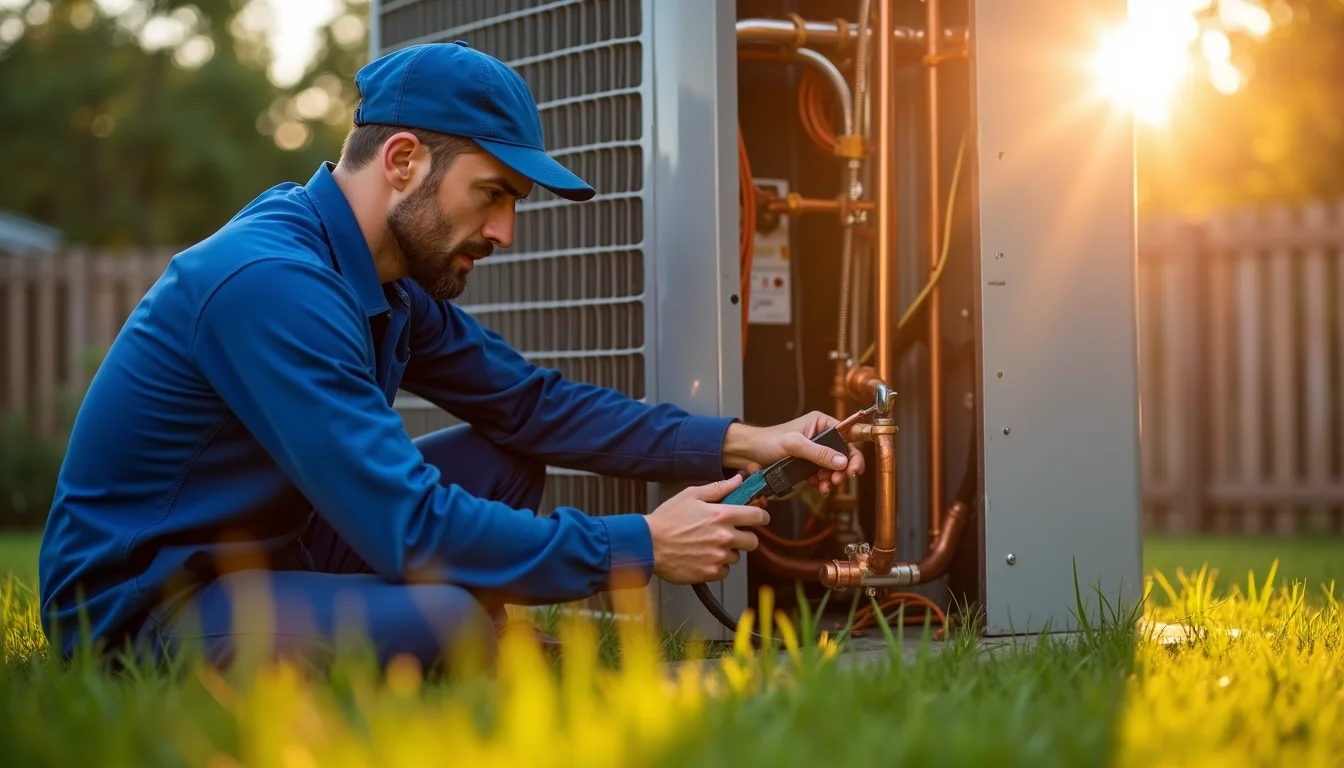
Is your HVAC system struggling to keep up? A bad installation can cut your system’s life in half and cost you hundreds in wasted energy. Getting it right from the start is the only way to save money and stay comfortable.
Many homeowners focus on the brand, but the truth is that 80% of your system’s performance comes from the quality of the installation. This guide will walk you through the real process, costs, and what to watch out for in 2026.
Understanding the HVAC Installation Process and Costs in 2026
A proper HVAC installation follows a seven-step sequence: site evaluation, permits, removal of old equipment, installation of the new unit, ductwork connection, electrical wiring, and final testing. Skipping any step can lead to poor performance and early breakdowns.
Costs vary widely: a full system replacement runs from $5,000 to $28,000, while central air alone costs between $3,000 and $15,000. Gas furnace installation averages $3,800 to $12,000, and heat pumps range from $6,000 to $25,000.
Before you decide, apply the ‘$5,000 Rule’: multiply your system’s age by the repair cost. If the total exceeds $5,000, replacement is usually smarter. Also, replacing a unit older than 10 years can cut cooling costs by up to 20% thanks to modern SEER2 standards.
HVAC Installation in 2026: Your Essential Home Climate Upgrade
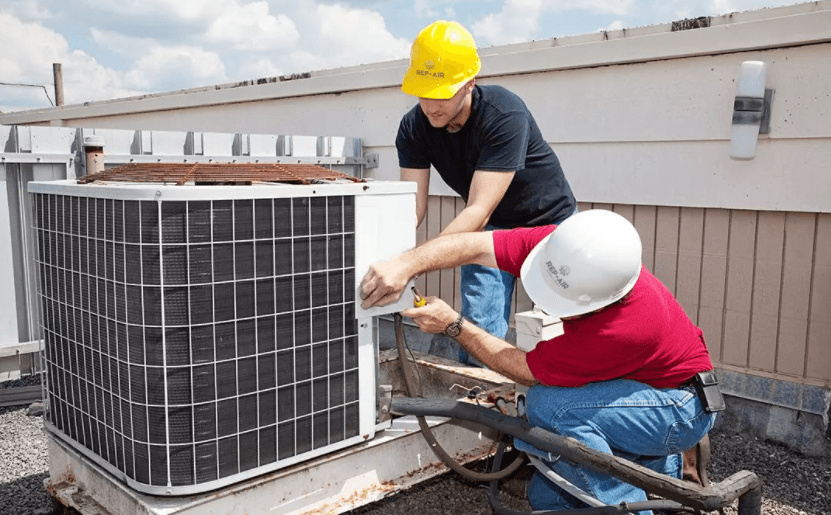
HVAC installation is more than just putting in a new system. It’s about ensuring your home is comfortable year-round. In 2026, quality installation is key. Experts say 80% of a system’s performance depends on how well it’s installed. The brand matters, but the installation matters more. This guide breaks down what you need to know.
| Key Factor | Importance |
| Installation Quality | 80% of performance and lifespan |
| System Lifespan | Heavily influenced by installation |
| Energy Savings | Modern systems offer up to 20% savings |
| Home Comfort | Directly tied to proper system sizing |
HVAC Installation Process Step by Step
A proper HVAC installation process follows a clear path. It begins with an initial site evaluation. This checks your home’s specific needs and current setup. Next, you’ll need to get the necessary permits. Then, any old equipment is removed carefully. The new unit(s) are installed with precision. Ductwork is connected and sealed tightly. Finally, electrical wiring and controls are integrated. A thorough testing phase ensures everything works perfectly.
The quality of installation is paramount. It dictates how well your system performs and how long it lasts.
Cost of HVAC Installation in 2026
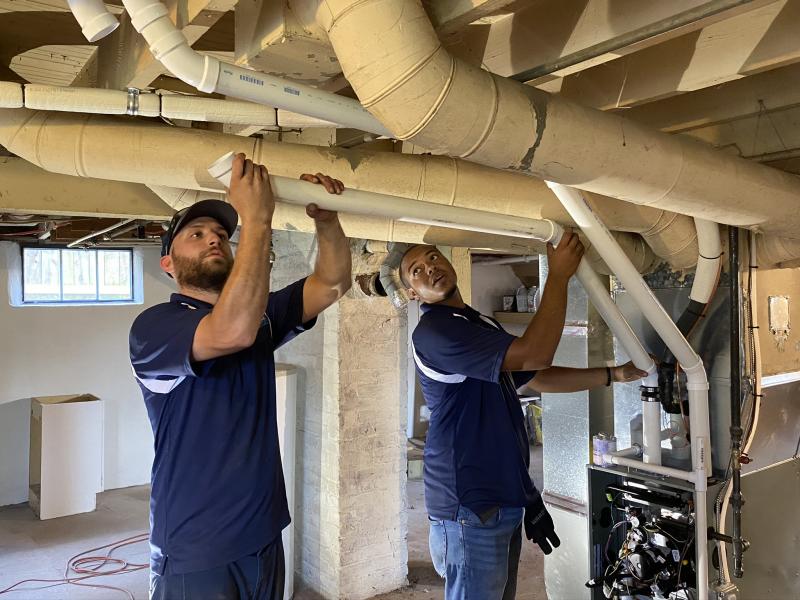
The cost of HVAC installation in 2026 varies widely. Replacing a full HVAC system can cost between $5,000 and $28,000. Central air conditioning alone typically ranges from $3,000 to $15,000. Installing a gas furnace generally falls between $3,800 and $12,000. Heat pumps, offering both heating and cooling, can cost $6,000 to $25,000. Ductless mini-splits are often more affordable, from $2,000 to $10,500.
Read also: Mini split systems: the no-duct way to save on energy bills
These prices depend on system size, brand, and complexity. Always get multiple quotes. Understand what is included in the estimate. Some quotes may not include ductwork modifications.
Best HVAC Brands for Installation
When choosing an HVAC system, some brands stand out. In 2026, best HVAC brands for installation often include Carrier, Lennox, and Daikin. These brands are known for reliability and quiet operation. However, remember that even top brands need expert installation. A great brand poorly installed will not perform well.
Retailers like Home Depot and Lowe’s also offer installation services. They often partner with certified local contractors. Always verify the credentials of the installer. Lowe’s provides installation for various home services. They ensure the work is done correctly.
HVAC System Replacement Guide
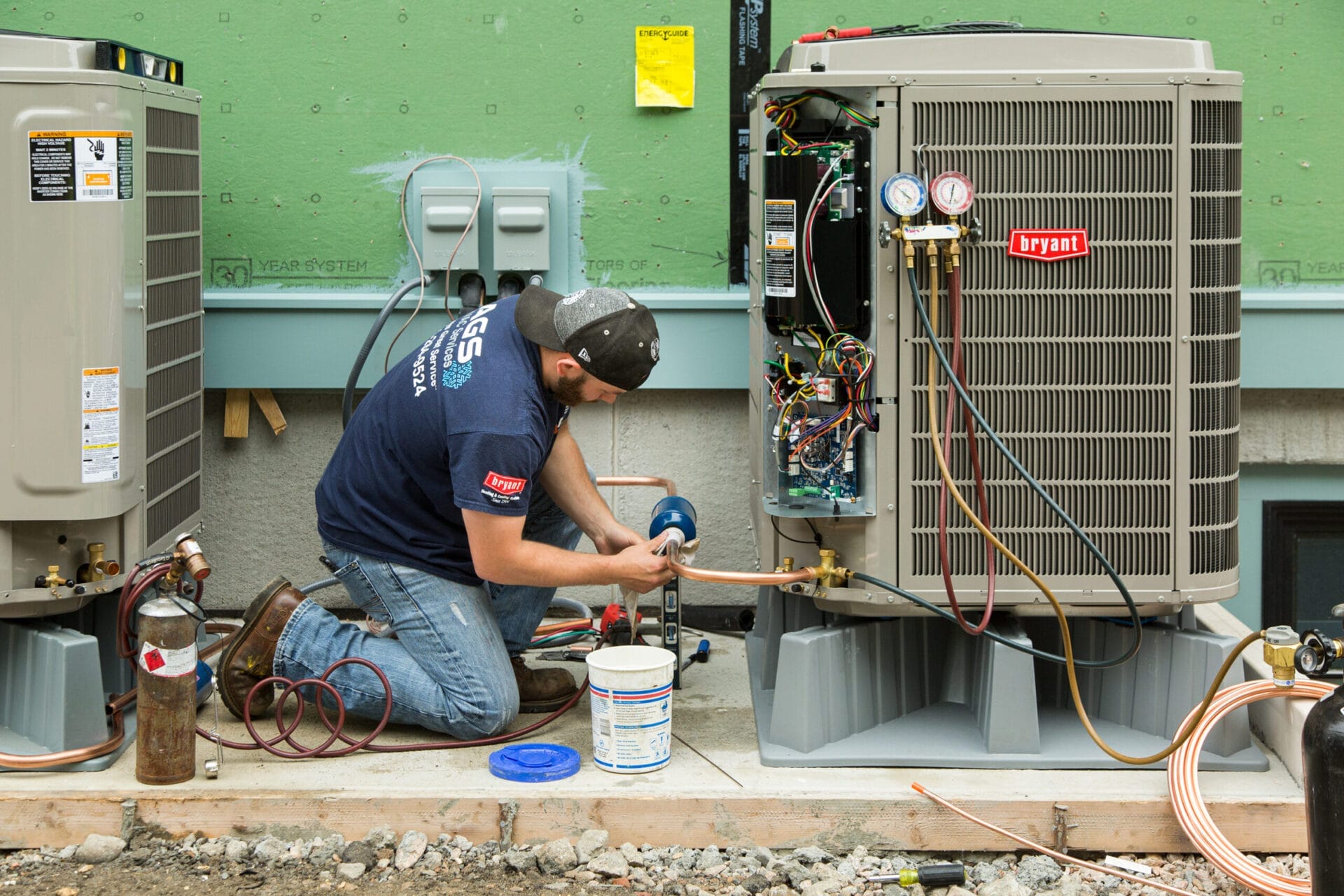
Deciding on an HVAC system replacement involves key factors. Systems older than 10 years may be less efficient. Modern units meet higher SEER2 standards. This can lead to significant energy savings, up to 20% on cooling costs. Consider the ‘$5,000 Rule’. Multiply the system’s age by the repair cost. If it exceeds $5,000, replacement is usually better.
Read also: Mini Split AC: The Quiet Way to Cut Your Energy Bills by 30%
A full replacement ensures all components are new and compatible. This maximizes efficiency and reliability. It also provides peace of mind for years to come. Plan for this investment carefully.
HVAC Repair vs Replacement Decision
The HVAC repair vs replacement decision can be tough. The ‘$5,000 Rule’ is a good starting point. If the repair cost is high and the unit is old, replace it. Replacing an aging system often saves money long-term on energy bills. It also reduces the risk of frequent breakdowns.
Consider the system’s age and the severity of the issue. A major component failure in an older unit often signals the need for replacement. Modern systems are more energy-efficient and reliable.
HVAC Load Calculation Basics
Accurate sizing is crucial for any HVAC installation. This is done through a ‘Manual J’ load calculation. This calculation determines the exact heating and cooling needs of your home. An oversized system will short cycle. This means it turns on and off frequently, wasting energy and causing wear. An undersized system won’t keep your home comfortable.
Ensure your contractor performs this calculation. It’s a fundamental step for optimal performance. Do not skip this important part of the process. Proper sizing is essential for comfort and efficiency.
HVAC Ductwork Inspection Tips
HVAC ductwork inspection is vital for system efficiency. Leaky ducts can waste a lot of energy. Energy Star notes that this waste reduces comfort. Your existing ductwork needs to be checked thoroughly. Look for any signs of damage or leaks. Ensure the ducts are properly sized for the new system.
If your ducts are old or damaged, consider replacing them. New, well-sealed ductwork ensures conditioned air reaches all rooms. This improves comfort and lowers energy bills. Don’t overlook this critical component.
Energy Efficiency in HVAC Installation
Energy efficiency in HVAC installation is a major benefit. Modern HVAC systems are designed to be more efficient. They use less energy to provide the same or better comfort. Look for systems with high SEER2 ratings. These ratings indicate cooling efficiency. Higher numbers mean more savings.
Proper installation, including correct sizing and sealed ductwork, maximizes efficiency. This translates to lower utility bills. It also reduces your home’s environmental impact. Investing in an efficient system pays off over time.
The Verdict: Invest Wisely in Your Home’s Comfort
HVAC installation is a significant investment. Prioritize quality installation over brand name alone. A well-installed, properly sized system will provide comfort and savings for years. Always choose experienced, certified professionals. Consider scheduling during the off-seasons, like spring or fall, for potential cost savings and better availability. Carrier provides resources on HVAC installation. Ensure your contractor performs a Manual J calculation and inspects ductwork. This diligence guarantees a system that performs optimally and lasts longer.
Read also: Full Size Bed: Is It Big Enough for Two Adults?
Your 3-Step HVAC Installation Action Plan
Step one: Get three quotes from licensed contractors who perform a Manual J load calculation. This ensures your system is sized perfectly for your home.
Step two: Ask each contractor to inspect your ductwork for leaks and undersizing. Leaky ducts can waste up to 30% of your energy dollars.
Step three: Schedule your installation during spring or fall for better pricing and availability. Off-season installations can save you up to 15% on labor costs.
Common Mistakes to Avoid
- Oversizing the system: An oversized unit short cycles, wears out faster, and fails to dehumidify properly. Always insist on a Manual J calculation.
- Skipping ductwork inspection: Even a top-tier Carrier unit won’t perform well if your ducts leak. Have them sealed and insulated.
- Choosing the lowest bid: The cheapest quote often means skipped steps. You get what you pay for in installation quality.
What to Look for in a Contractor
- Licensed and insured: Verify their license and ask for proof of insurance. This protects you if something goes wrong.
- References and reviews: Ask for recent installs in your area and check online reviews on Google or Yelp.
- Warranty coverage: A good contractor offers at least a one-year labor warranty. The manufacturer’s warranty on equipment is separate.
Frequently Asked Questions
How long does an HVAC installation take?
A typical full system replacement takes one to three days. Ductwork modifications or complex electrical work can add time.
Can I install an HVAC system myself to save money?
DIY installation is not recommended and often voids manufacturer warranties. Professional installation is required to ensure safety, efficiency, and code compliance.
What is the best brand for HVAC in 2026?
Top brands include Carrier, Lennox, and Daikin for reliability and quiet operation. However, installation quality matters more than brand for long-term performance.
Choosing a quality HVAC installation is one of the best investments you can make for your home comfort and energy bills. Remember, 80% of your system’s performance comes from the installation, not the brand.
Now that you know the action plan, start by calling three licensed contractors for quotes. Ask each one about Manual J load calculations and ductwork inspection.
Imagine your home with even temperatures, lower energy costs, and whisper-quiet operation. That comfort is within reach with a proper installation.
