

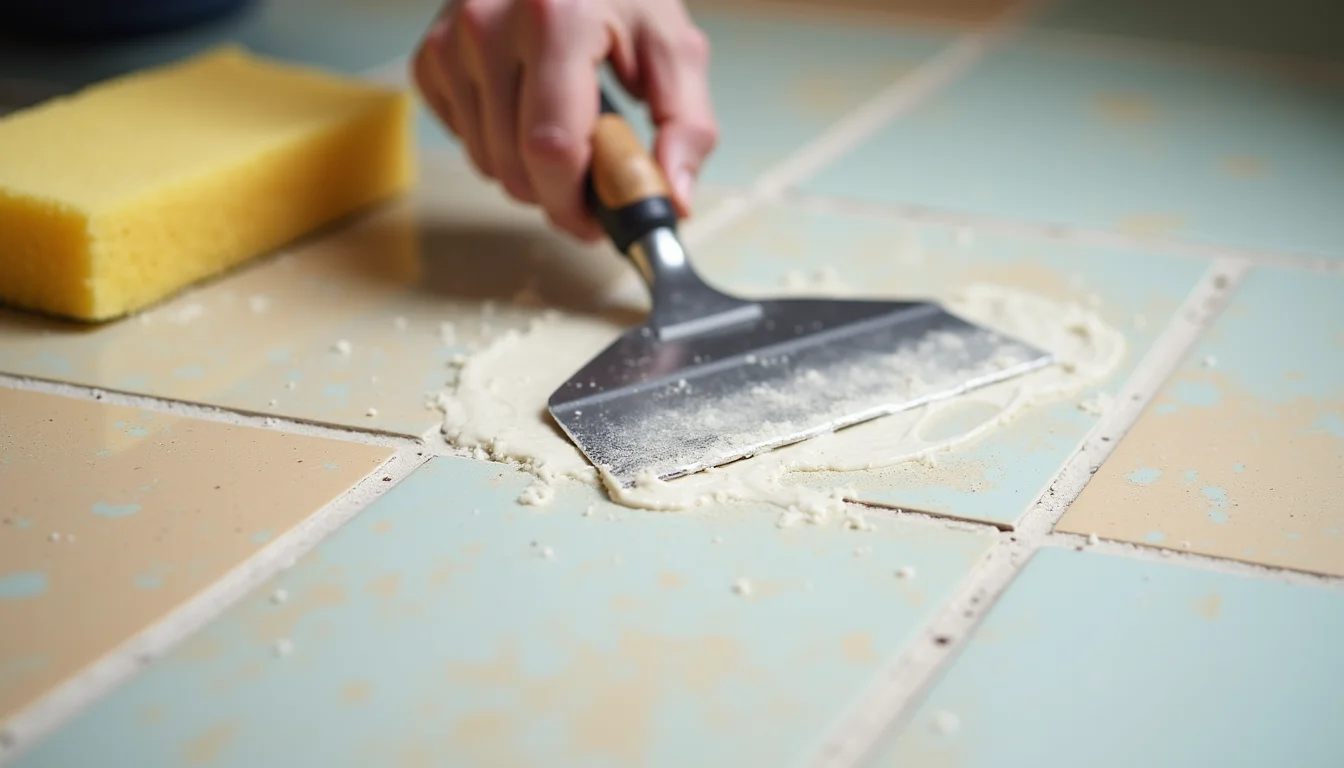
You spent hours getting your tile just right. Now a messy grout job can ruin the whole look. Most DIYers mess up the cleanup phase, leaving a white film or cracking joints.
Grouting is the final step, but it’s easy to get wrong. If you rush or skip the slaking step, your grout can fail. Let’s fix that today with a simple, proven process.
How to Apply Grout to Tile: The Right Way for Floors and Walls
Before you mix anything, check your joint width. For gaps wider than 1/8 inch, use sanded grout because it shrinks less. For narrow joints or delicate tile, go with unsanded grout to avoid scratches.
Mix your powder with water until it looks like smooth peanut butter. Let it sit for 5 to 10 minutes — this is called slaking. Never mix more than you can use in 30 minutes or it will harden in the bucket.
Press the grout into the joints with a rubber float held at a 45-degree angle. Work diagonally across the tile to fill every gap. Scrape off the excess with the float held upright.
Mastering Tile Grouting: A Clear Guide
Applying grout is the final touch that makes your tile project shine. It seals the gaps and protects your tiles. This guide shows you exactly how to do it right.
Follow these steps for a professional finish. You will learn the best techniques for mixing, applying, and cleaning. Get ready for beautiful, durable tile work.
| Estimated Time | Cost (USD) | Difficulty Level |
| 2-4 hours per 100 sq ft | $20 – $50 (materials) | Beginner |
Necessary Materials
- Grout (sanded or unsanded)
- Grout float
- Mixing bucket
- Water
- Measuring cups
- Sponges
- Clean cloths or microfiber towels
- Painter’s tape
- Grout sealer (optional)
The Definitive Step-by-Step
- Step 1: Prepare the Area – Clean tile joints thoroughly. Remove spacers and debris. Tape off surrounding surfaces.
- Step 2: Mix the Grout – Add grout powder to water slowly. Mix to a smooth, peanut butter consistency. Let it rest for 5-10 minutes.
- Step 3: Apply the Grout – Hold the grout float at a 45-degree angle. Press grout firmly into the joints. Work diagonally across the tiles.
- Step 4: Remove Excess Grout – Scrape off excess grout with the float. Hold the float at a steeper angle.
- Step 5: Initial Cleanup – Wait 10-20 minutes for grout to set slightly. Use a damp sponge in circular motions. Rinse the sponge often.
- Step 6: Final Cleaning – After 24 hours, buff away haze. Use a dry microfiber cloth. This step is crucial for a clean look.
- Step 7: Seal the Grout – Once fully cured (24-72 hours), apply sealer. This protects against stains and moisture.
Common Execution Mistakes
- Using too much water in the mix, leading to weak grout.
- Applying grout when the tiles are not fully set or the area is wet.
- Scraping too aggressively during cleanup, which can pull grout from joints.
Choosing Sanded vs Unsanded Grout
Sanded grout is for joints wider than 1/8 inch. The sand provides strength and prevents shrinkage. Unsanded grout is for narrow joints or easily scratched tiles like glass. Always check tile manufacturer recommendations.
Read also: How to lay ceramic tile flooring at home by yourself without cracks
Mixing Grout to the Right Consistency
The ideal mix is like smooth peanut butter or toothpaste. Too wet, and it won’t hold. Too dry, and it will crumble. Proper grout mixing consistency is key for durability.
Applying Grout with a Float
Hold the float at a 45-degree angle to the tile. Apply firm, even pressure. Work the grout into the joints, moving diagonally. This ensures full coverage and avoids air pockets.
Grouting Tile Floors: Step by Step
For grouting tile floors, work in manageable sections. Ensure grout is pressed firmly into all joints. Clean up excess grout promptly to avoid a difficult haze. A clean floor finish is achievable with care.
Grouting Tile Walls: Tips for Success
When grouting tile walls, start from the bottom and work up. This prevents grout from falling onto already grouted areas. Use a steady hand and consistent pressure for even results. Proper technique prevents sagging.
Cleaning Grout Haze Effectively
After the grout sets, use a damp sponge. Rinse the sponge frequently in clean water. Avoid using too much water, which can weaken the grout. A final buff with a dry cloth removes any remaining haze.
Sealing Grout for Longevity
Grout sealer protects against stains and moisture. Apply it after the grout has fully cured, typically 24-72 hours. This step is vital for bathrooms and kitchens. It extends the life of your tile work.
Avoiding Common Grouting Mistakes
Do not over-wet the grout during cleanup. This weakens the bond. Do not rush the drying time before sealing. Allow proper curing for maximum strength. Avoid using grout in expansion joints; use caulk instead.
For more detailed instructions, visit Tile Shop. Learn more about DIY tile grouting at Bunnings. Expert tips on grouting tile walls and floors can be found at Tiles Ahead.
Expert Tips for Flawless Grout Application
What to Avoid
- Don’t mix too much grout at once. Grout sets quickly, especially in warm weather. Mix only what you can use in 30 minutes to avoid waste.
- Never use grout where silicone caulk belongs. Grout cracks at corners and movement joints. Always use 100% silicone caulk at inside corners and where tile meets tubs or sinks.
Pro Techniques
- Work diagonally across joints. This pushes grout deep into the gaps instead of pulling it out. Hold the float at 45 degrees.
- Use a two-bucket system for cleanup. One bucket with clean water for rinsing the sponge, another with water for final wipe. This prevents spreading dirty water over the tile.
Frequently Asked Questions
How long should I wait before cleaning excess grout?
Wait 10 to 20 minutes after applying. The grout should be firm but not hard.
Test by touching the grout line; if it feels dry on the surface but still pliable, it’s time to sponge.
Can I use grout in corners where walls meet?
No, you should never use grout in 90-degree inside corners. These areas need flexible silicone caulk to prevent cracking from building movement.
Grout is rigid and will crack within months at these joints.
Do I need to seal my grout?
Yes, especially in wet areas like showers and kitchens. Sealing prevents stains and mold growth.
Apply sealer after the grout has cured for 24 to 72 hours, following the manufacturer’s instructions.
Applying grout correctly transforms your tile installation from amateur to professional. By following these steps, you ensure durable, beautiful results that last for years.
Now that your grout is done, consider sealing it for maximum protection. Your next project might be updating the caulk around your fixtures for a complete refresh.
With clean, uniform grout lines, your tile work becomes a showcase of your skills. Enjoy the satisfaction of a job well done and the compliments to come.
