


You grab a towel after a shower, expecting it to dry you off fast. But instead, it just pushes water around or leaves lint all over you. That frustrating moment happens because most people pick the wrong towel for their needs.
The truth is, not all towels are created equal. A plush bath towel feels luxurious but may take forever to dry, while a microfiber towel dries quickly but lacks that spa-like softness. The key is knowing what to look for before you buy.
Bath Towels, Hand Towels, and More: Choosing the Right Towel Size and Fabric
Towels come in many sizes and materials, each designed for a specific purpose. Bath towels are the standard for drying off after a shower, while bath sheets are larger and more absorbent. Hand towels sit by the sink, and washcloths are for facial cleansing.
Cotton towels, especially those made from Egyptian or Turkish cotton, are prized for their long fibers and superior absorbency. A higher GSM, or grams per square meter, means a thicker, plusher towel. For everyday use, a 500-600 GSM towel offers a good balance of softness and drying time.
Microfiber towels are a different beast. They dry quickly and are great for travel or gym bags, but they don’t have the same cozy feel. Kitchen towels often use a waffle weave for better drying performance. Always check the care label to keep your towels fluffy and absorbent.
Towels in 2026: More Than Just Drying
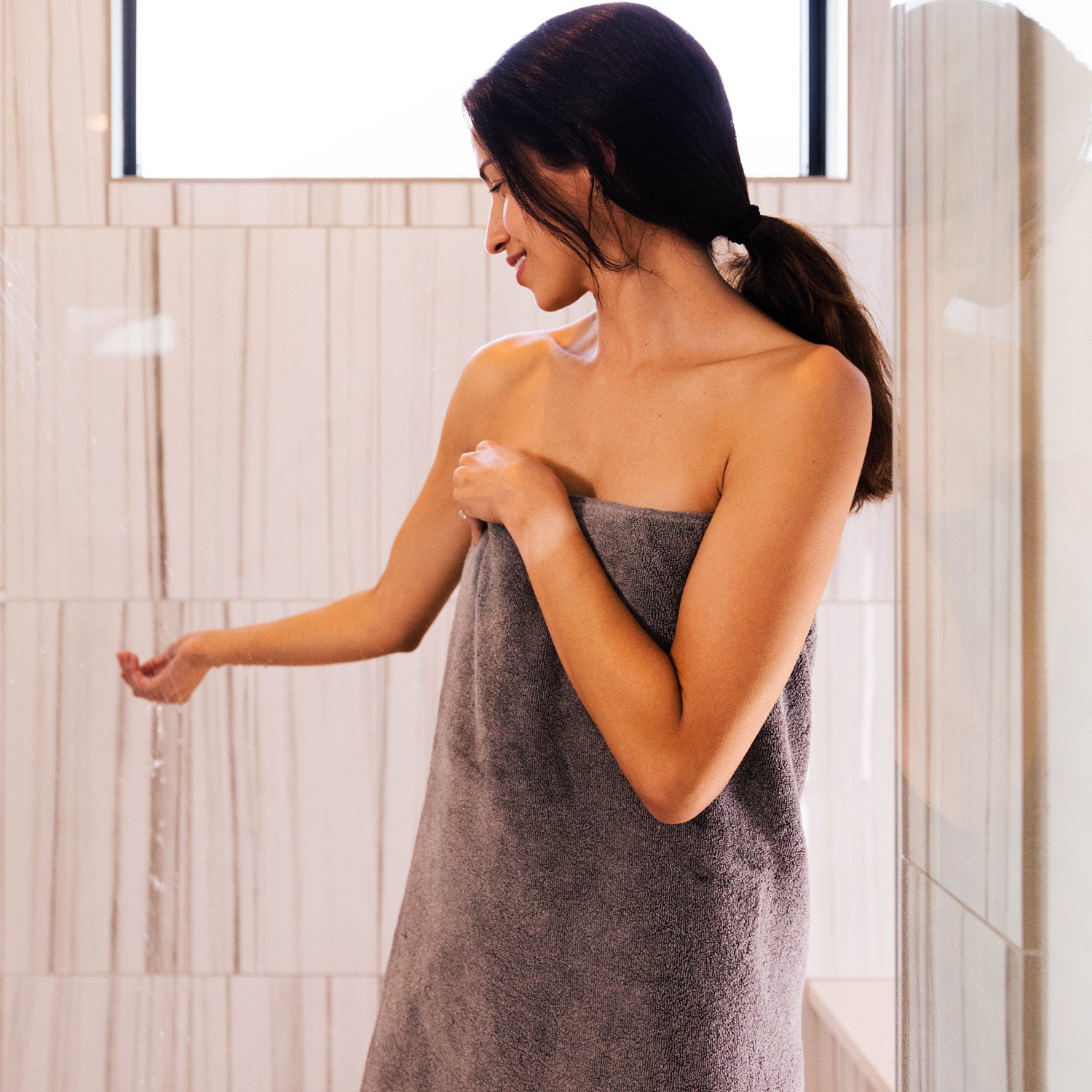
In today’s homes, towels are essential for comfort and hygiene. They are more than just absorbent cloths; they are a key part of your home’s textile collection. Understanding their features helps you choose the best for your needs. We will look at materials, weights, and sizes. Proper care ensures they last longer and stay soft. This guide will help you make informed decisions.
| Feature | Description |
| Material | Cotton, Microfiber, Bamboo |
| Weave | Terry Cloth, Waffle Weave |
| Weight | 300-900 GSM (Grams per Square Meter) |
| Size | Bath Sheet, Bath Towel, Hand Towel, Face Cloth |
| Use | Bath, Beach, Kitchen, Gym |
Bath Towels: Absorbency and GSM Explained
Bath towels are your daily comfort after a shower or bath. Their main job is to absorb water quickly and efficiently. This is directly related to their weight, measured in GSM. A higher GSM means a denser, plusher towel. Look for bath towels between 500 and 800 GSM for a good balance of absorbency and softness. Lower GSM towels dry faster but feel less luxurious. Higher GSM towels are very absorbent but can take longer to dry.
Consider the weave when choosing. Terry cloth is the most common, with loops that trap water. Waffle weaves are lighter and dry faster, often used in spas. The size also matters; bath sheets are larger for more coverage. Always check the GSM to understand the towel’s potential absorbency before buying.
Read also: This DIY Grout Cleaner Works Better Than Store-Bought
Hand Towels: Best Fabrics for Quick Drying
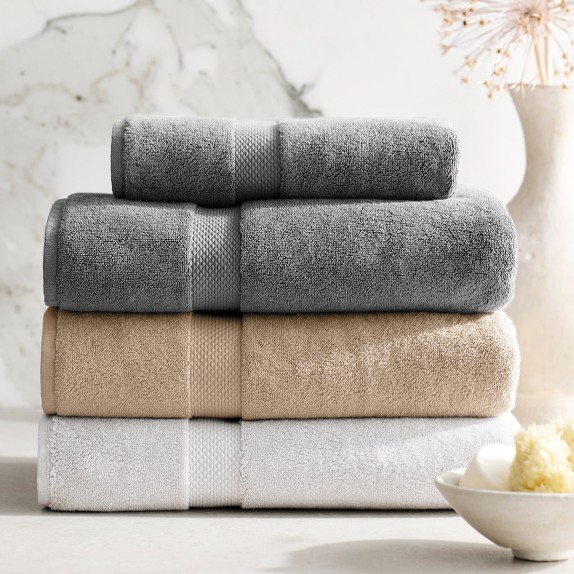
Hand towels see frequent use throughout the day. Quick drying is a key feature for these smaller cloths. Materials like microfiber excel here. Microfiber towels are synthetic and designed to wick moisture away rapidly. They are also very durable and resist shrinking.
Cotton is also a good option, especially with a lower GSM or a more open weave. Look for cotton blends that incorporate quick-dry technologies. The goal is a towel that feels dry to the touch soon after use. This prevents that damp, musty smell from developing quickly.
Beach Towels: Size and Material Matters
Beach towels need to be large and durable. You want enough space to lie on the sand or by the pool. Absorbency is important, but so is how easily sand shakes off. Cotton is a popular choice for its softness and absorbency.
Some prefer microfiber for its lightweight and quick-drying properties, making it easy to pack. Velour, a type of sheared terry cloth, offers a smooth surface that is comfortable to lie on. Consider a towel that is at least 30×60 inches, or larger for more comfort. A good beach towel should be vibrant and resistant to fading from the sun.
Read also: Found droppings? Here’s exactly what rat poop looks like
Kitchen Towels: Microfiber vs Organic Cotton
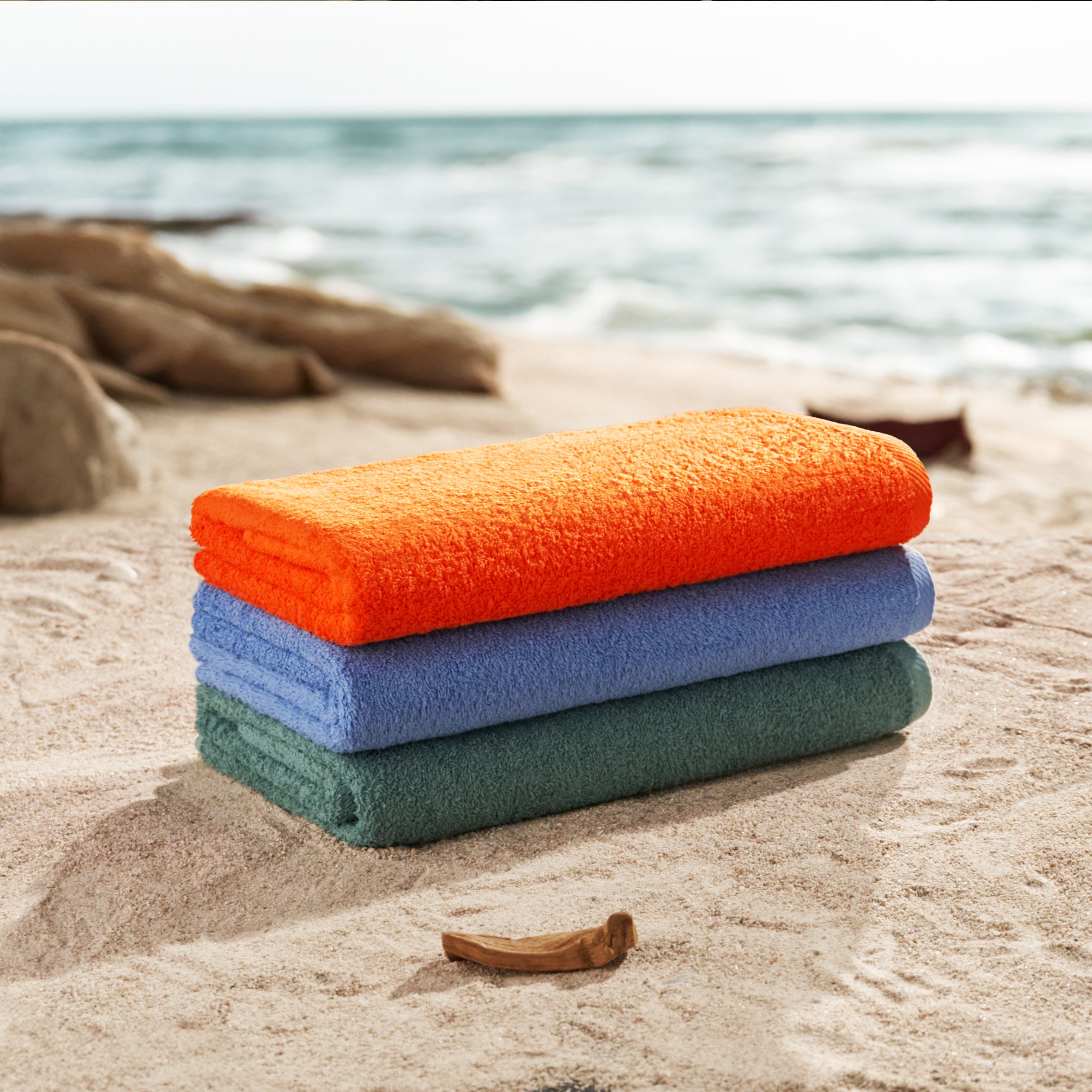
For kitchen towels, functionality is key. Microfiber towels are excellent for cleaning up spills. They trap grease and dirt effectively without scratching surfaces. Their quick-drying nature also helps prevent bacteria growth.
Organic cotton towels offer a natural alternative. They are highly absorbent and soft, good for drying hands or dishes. However, they may take longer to dry than microfiber. For general kitchen tasks, microfiber often wins for its cleaning power and speed. For drying hands, organic cotton provides a softer touch.
Organic Cotton Towels: Benefits and Care
Organic cotton towels are grown without harmful pesticides or synthetic fertilizers. This makes them a healthier choice for your family and the environment. They are naturally soft and hypoallergenic, which is great for sensitive skin.
Caring for them is similar to regular cotton, but gentler methods preserve their fibers. Wash in cool or warm water with mild, eco-friendly detergents. Avoid harsh chemicals like bleach, which can damage the natural fibers. Tumble dry on low heat to maintain softness and prevent shrinkage.
Towel Sets: Matching Sizes for Your Bathroom
Towel sets offer a cohesive look for your bathroom. They typically include a combination of bath towels, hand towels, and washcloths. This ensures everything matches in color and fabric type.
Choosing a set simplifies decorating. You get coordinated pieces that enhance the bathroom’s aesthetic. Ensure the set includes the sizes you actually need. Some sets offer bath sheets instead of standard bath towels for extra luxury.
Towel Care Instructions: Prolonging Softness
Proper towel care instructions are vital for longevity. Always wash towels in cool or warm water. Use a mild detergent and avoid fabric softeners, which can reduce absorbency over time. Adding a cup of white vinegar to the rinse cycle can help remove odors and buildup.
Tumble dry on a low heat setting. Overheating can damage fibers and cause shrinkage. Avoid dry cleaning as the chemicals can harm the fabric. Regular washing and proper drying will keep your towels soft and absorbent for years.
Towel Fabric Types: Egyptian Cotton vs Bamboo
Egyptian cotton is renowned for its long fibers. This results in exceptionally soft, strong, and absorbent towels. These towels are a luxury item, often with a higher GSM for ultimate plushness.
Bamboo towels are a more sustainable option. They are naturally antimicrobial and very soft. Bamboo fabric is also highly absorbent and breathable. While Egyptian cotton offers classic luxury, bamboo provides eco-friendly performance and softness.
The Future of Towels: Smart Textiles and Sustainability
The towel market in 2026 is moving towards smarter materials and sustainable practices. We see a rise in quick-dry technologies and antimicrobial fabrics. Eco-friendly options like organic cotton and bamboo are gaining popularity. Brands are focusing on durability and performance.
For businesses or large households needing many towels, consider wholesale options. Towel Supercenter offers wholesale towels and washcloths. This ensures consistent quality and cost-effectiveness. When buying in bulk, always check the GSM and fabric type. Focus on value and long-term performance. Choosing the right towels enhances daily comfort and home style.
Read also: 47 Home Theater Decor Ideas That Transform Any Room Instantly
Your 3-Step Towel Upgrade Plan
Step 1: Choose Your Material
Cotton is the classic choice for softness and absorbency. For luxury, pick Egyptian or Turkish cotton with long fibers.
Step 2: Check the GSM
Higher GSM means plusher towels but slower drying. For everyday use, 400-600 GSM is a balanced option.
Step 3: Care for Longevity
Wash in warm water with mild detergent and tumble dry low. Avoid bleach and fabric softener to keep fibers effective.
Frequently Asked Questions
What does GSM mean for towels?
GSM stands for grams per square meter, measuring density and absorbency. Higher GSM towels are thicker and more plush.
Can I use fabric softener on towels?
No, fabric softener coats fibers and reduces absorbency. Skip it to keep towels fluffy and thirsty.
How often should I replace bath towels?
Replace towels every 2-3 years or when they lose absorbency. Signs include fraying edges or a musty smell after washing.
Choosing the right towel is a simple upgrade that transforms your daily routine. Stick with quality materials and proper care for lasting comfort.
Now that you know the basics, explore our collection of premium towels to find your perfect match. Your skin will thank you.
Imagine stepping out of the shower into a cloud-soft embrace every morning. That’s the future you can create with the right towel today.
