


Finding droppings in your kitchen or garage is unsettling, but knowing what rat poop looks like can save you time and worry. Rat droppings are dark brown or black, about half an inch long, and shaped like a capsule with blunt ends.
Fresh droppings are moist and shiny, while old ones are dry and crumbly. If you see these signs, you likely have a rat problem that needs immediate attention to protect your family’s health.
How to identify rat droppings: size, shape, and color
Rat droppings are larger than mouse droppings, typically 12 to 18 millimeters long. Norway rat droppings are thicker with blunt ends, while roof rat droppings are more curved and pointed.
The color ranges from dark brown to black when fresh, turning gray and brittle as they age. Rats leave 40 to 50 droppings per day, often in groups along walls or near food sources.
If you find droppings that look like small olives or capsules, it’s time to take action. Use a flashlight to check dark corners, behind appliances, and in attics for more signs.
Understanding Rat Droppings: Your First Clue to a Pest Problem

Discovering droppings in your home is unsettling. These small pellets are a clear sign that rodents may be present. Identifying them correctly is the first step in dealing with a potential infestation. Don’t ignore these signs; they can tell you a lot about the problem.
Rat droppings are more than just waste; they are critical indicators. Their size, shape, and location can help experts determine the type of rodent and the extent of the issue. Understanding these details empowers you to take appropriate action for a healthier home environment.
| Dropping Feature | Norway Rat (Rattus norvegicus) | Roof Rat (Rattus rattus) |
| Size | Larger, 12-18 mm (0.5-0.75 in) | Smaller, 12-18 mm (0.5-0.75 in) |
| Shape | Rectangular, blunt ends, capsule-shaped | Curved, pointed ends |
| Color | Dark brown to black | Dark brown to black |
| Freshness | Moist, shiny | Dry, brittle, grayish (older) |
Rat Poop Size and Shape
The size and shape of rat droppings are key identifiers. Generally, you’ll see pellets around half an inch to three-quarters of an inch long. This size is significantly larger than mouse droppings. The specific form can indicate which species of rat is present in your home.
Norway rats often leave behind larger, rectangular droppings with blunt ends. Think of them as looking like an olive pit. Roof rats, however, tend to produce droppings that are more curved and pointed at the ends. This distinction is important for pest control professionals.
Color of Rat Droppings
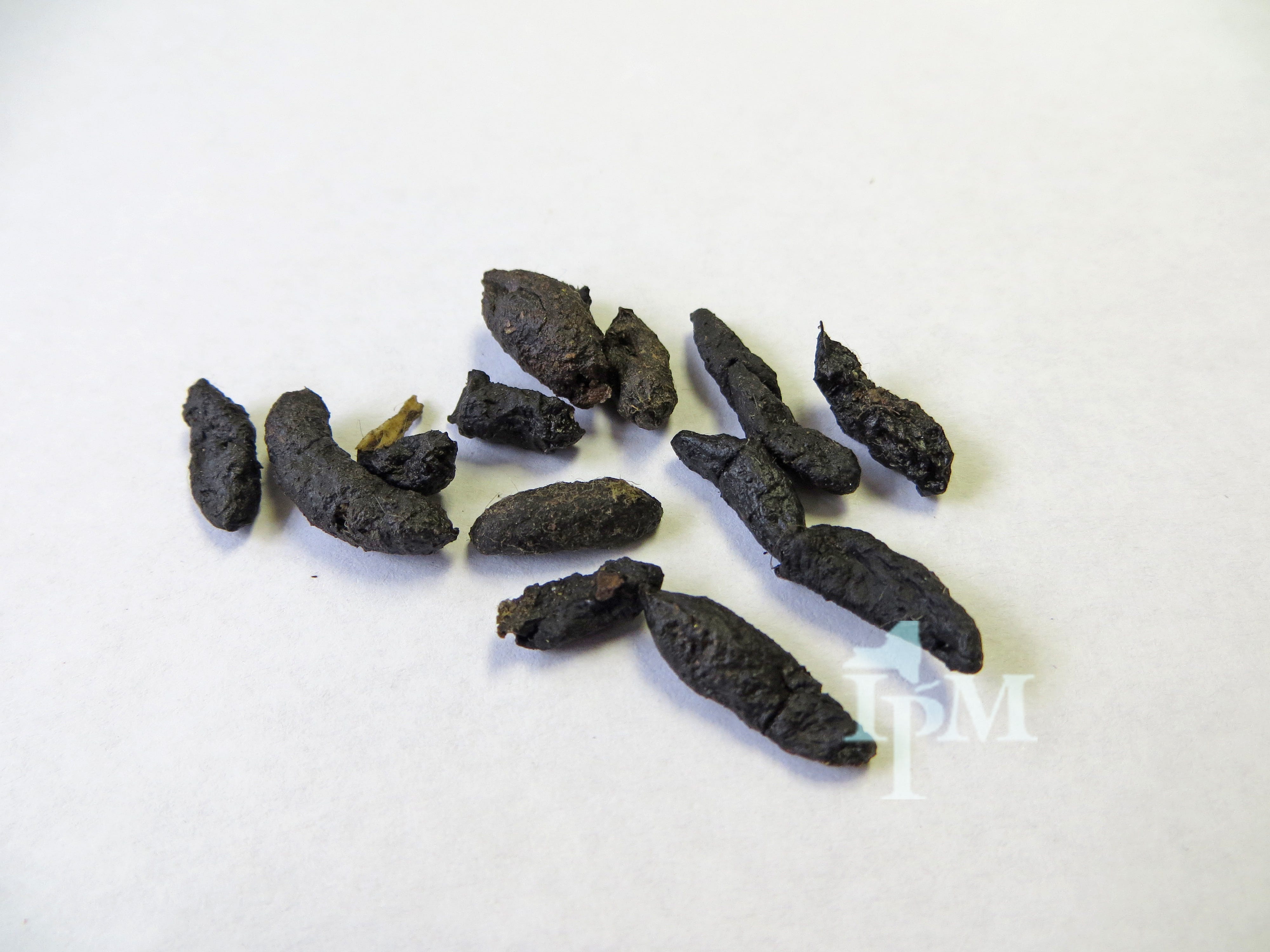
The color of rat droppings usually ranges from dark brown to black. This dark color is typical for most rodent feces. However, the color can also give clues about how fresh the droppings are. Fresh droppings will be darker and more vibrant in color.
As droppings age, they tend to dry out. This drying process can cause them to become lighter in color, often appearing grayish. They also become brittle and lose their shine. Observing the color helps determine if you have an active or past rodent issue.
Rat Poop vs Mouse Poop Differences
It is crucial to differentiate rat droppings from mouse droppings. Mice are much smaller rodents, and their droppings reflect this. Mouse droppings are typically less than a quarter of an inch long and are often pointed. They are also usually scattered more randomly throughout an area.
Rat droppings are considerably larger and have distinct shapes, as discussed earlier. Knowing these differences helps you accurately assess the pest problem. This is vital because the control methods for rats and mice can vary. You can find more details on distinguishing them here: Rat vs Mouse Poop Comparison.
Where to Find Rat Droppings
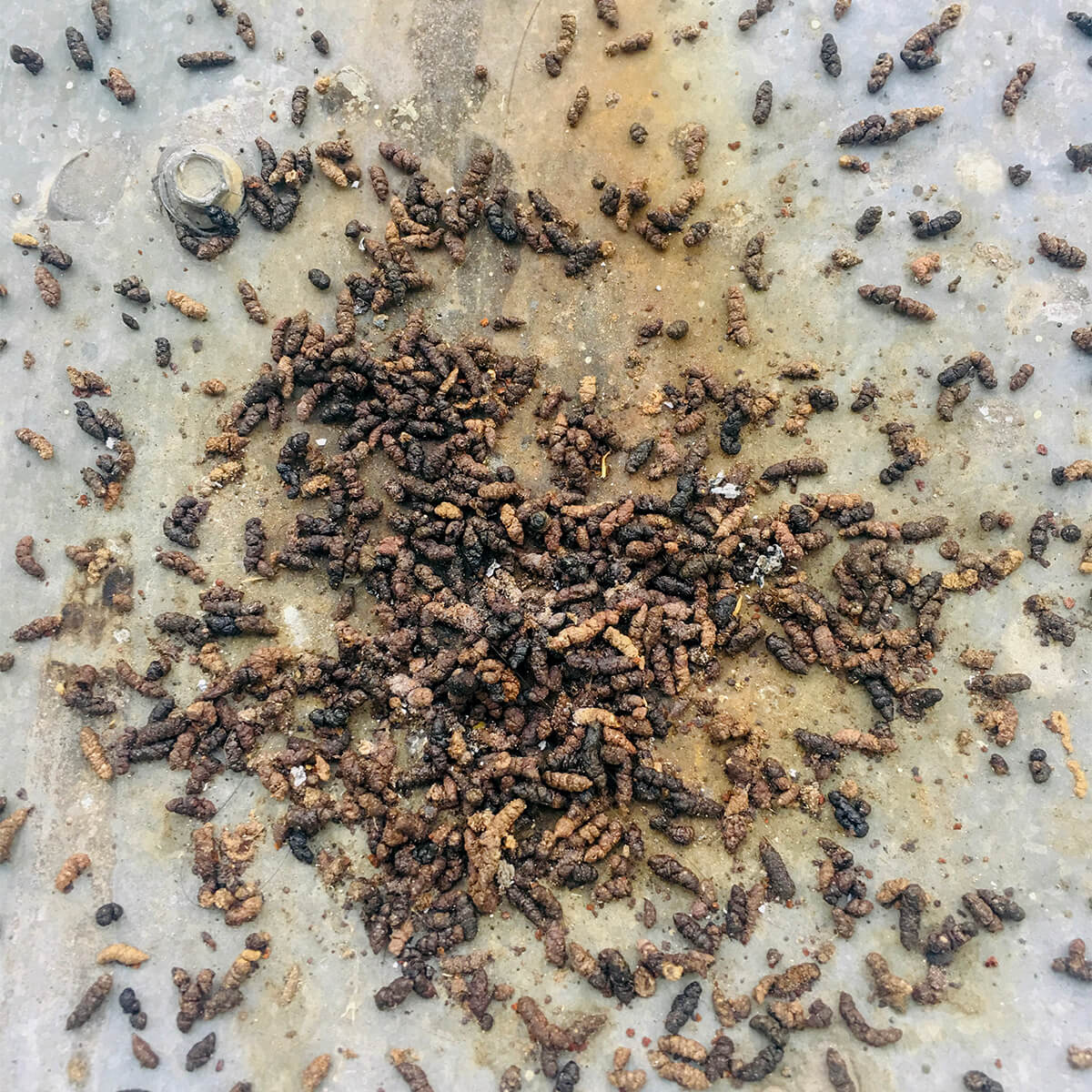
Rats tend to follow established pathways when moving through a building. You will often find their droppings along these routes. Look in areas where food and water might be accessible, such as kitchens and pantries. They also frequent dark, undisturbed places.
Common locations include behind appliances, inside cabinets, along baseboards, in attics, and basements. Rats create ‘latrine’ areas where they consistently defecate. Finding a concentration of droppings often indicates a travel path or a nesting site. This is a key sign of rat infestation.
The presence of droppings near food sources or along walls is a strong indicator of rodent activity.
Health Risks of Rat Droppings
Rat droppings pose significant health risks. They can carry and transmit dangerous diseases. These include Hantavirus, Leptospirosis, and Salmonellosis. Direct contact with droppings or contaminated surfaces should always be avoided.
Inhaling dust contaminated with dried droppings can also be hazardous. This is why proper cleanup procedures are essential. Understanding these health implications highlights the importance of addressing any rodent presence promptly. The Centers for Disease Control and Prevention (CDC) provides extensive information on rodent-borne diseases.
Cleaning Rat Droppings Safely
Cleaning rat droppings requires caution. Always wear protective gear. This includes sturdy gloves and a respirator mask, like an N95. Never sweep or vacuum dry droppings, as this can aerosolize viruses. Instead, wet the area thoroughly with a disinfectant solution.
A mixture of bleach and water (1 part bleach to 10 parts water) works well. Allow the solution to sit for several minutes to kill pathogens. Then, wipe up the droppings with disposable paper towels. Dispose of all contaminated materials in a sealed plastic bag. You can learn more about safe cleanup here: Safe Dropping Cleanup Guide.
Signs of Rat Infestation via Droppings
The sheer volume of droppings is a major sign of infestation. Rats are prolific breeders and excrete many pellets daily, often 40 to 50. A small number might indicate occasional visitors, but a large accumulation suggests a more serious problem.
The location and freshness of droppings also point to the severity. Fresh, moist droppings indicate recent activity. Finding them in multiple areas of your home, especially near food or nesting materials, confirms an ongoing infestation. This is a clear signal to act decisively.
How to Identify Rat Feces Indoors
Identifying rat feces indoors involves looking for specific characteristics. The droppings are typically dark brown or black and range in size from 12 to 18 millimeters. Their shape can be rectangular with blunt ends or curved with pointed ends, depending on the rat species.
Pay attention to the texture and condition. Fresh droppings are moist and shiny, while older ones are dry and brittle. Look for them in quiet, hidden areas like behind furniture, in storage spaces, or along wall edges. Consistent discovery of these pellets indoors means you likely have a rat problem that needs immediate attention. For more identification tips, see: DIY Pest Control Droppings.
Consistent discovery of droppings indoors is a definitive sign of a rodent issue.
Expert Verdict: Rat Droppings in 2026
In 2026, identifying rat droppings remains a critical skill for homeowners. The principles of identification—size, shape, color, and location—are unchanged. However, awareness of the associated health risks is more important than ever. Integrated pest management strategies are key.
For most homeowners, recognizing droppings is the first alert. Acting swiftly and safely upon discovery is paramount. If an infestation is suspected, professional pest control is the most effective solution. Early detection through careful observation of droppings prevents larger problems and protects your home’s health and integrity.
Your Action Plan for Identifying Rat Droppings
Step 1: Inspect Key Areas
Check along walls, in cabinets, and near food sources for droppings. Rats often create latrines in hidden spots.
Look for droppings in attics, basements, and garages as well. Focus on dark, undisturbed areas.
Step 2: Confirm the Pest
Measure the droppings: rat droppings are 0.5 to 0.75 inches long. Compare to mouse droppings which are smaller and pointed.
Note the shape: Norway rat droppings are capsule-shaped with blunt ends, while roof rat droppings are curved and pointed.
Step 3: Clean Safely
Never sweep or vacuum dry droppings; this can spread harmful dust. Wear gloves and an N95 respirator.
Spray the droppings with a bleach-water solution (1 part bleach to 9 parts water) before wiping. Dispose of waste in sealed bags.
Frequently Asked Questions
Can I get sick from touching rat droppings?
Yes, rat droppings can carry diseases like Hantavirus and Leptospirosis. Always use gloves and a mask when cleaning them.
How can I tell fresh droppings from old ones?
Fresh droppings are dark, moist, and shiny, while old ones are dry, brittle, and grayish. Fresh droppings may also appear soft when pressed.
Do rat droppings smell?
Yes, they have a musky, ammonia-like odor, especially in large accumulations. The smell can help you locate hidden infestations.
Identifying rat droppings correctly is the first step to controlling an infestation. With these tips, you can act fast and protect your home.
If you find droppings, start your inspection today and clean safely. For severe cases, call a professional pest control service.
Staying vigilant keeps your living space healthy and pest-free. A clean home is a safe home for you and your family.
