

Planting corn too early is the number one mistake home gardeners make. You wait all winter, see a warm day, and put seeds in the ground. Then nothing happens, or worse, the seeds rot. Corn needs warm soil, not just warm air, to germinate properly.
The real question isn’t just a date on the calendar. It’s about soil temperature and frost risk. Get these two things right, and you’ll have tall, productive stalks. Get them wrong, and you’ll waste seeds and time.
Soil Temperature and Last Frost: Your Corn Planting Guide
Corn is a warm-season crop that demands a minimum soil temperature of 60°F for standard varieties. Supersweet types need at least 65°F. For the fastest emergence within a week, aim for 70°F to 80°F. This is not a suggestion; it’s a requirement for germination.
Planting 2 to 3 weeks after your area’s last spring frost is a good rule of thumb. But you should also check the soil with a cheap thermometer. In my experience, waiting until the soil is warm enough saves you from replanting and gives you a stronger start.
Corn Planting in 2026: Timing is Everything

Knowing when to plant corn is key for a successful harvest. It is not just about marking a date on the calendar. Soil conditions and the risk of frost play a much bigger role. Corn needs warmth to grow. Cold, wet soil can cause seeds to rot before they even sprout. This is a common mistake many gardeners make. We need to pay close attention to the soil’s temperature.
| Corn Type | Minimum Soil Temperature | Ideal Soil Temperature |
|---|---|---|
| Standard Corn | 60°F (16°C) | 70°F – 80°F (21°C – 27°C) |
| Supersweet Corn | 65°F (18°C) | 70°F – 80°F (21°C – 27°C) |
Corn Planting After Last Frost
The last spring frost is a critical marker. Corn is sensitive to cold temperatures. Planting too early, before the danger of frost has passed, can damage young plants. It is generally recommended to wait two to three weeks after your area’s average last frost date. This buffer period ensures the soil has warmed sufficiently. It also reduces the risk of a late, unexpected cold snap.
Soil Temperature for Planting Corn
Soil temperature is the most important factor. Standard corn varieties need soil to be at least 60°F (16°C). Supersweet varieties are more delicate. They require soil temperatures of 65°F (18°C) or higher. For the quickest germination, ideally within a week, aim for soil between 70°F and 80°F (21°C-27°C). You can check soil temperature with a simple thermometer. Insert it a few inches into the ground.
Read also: 45 Foxtail Fern Tips to Stop Yellow Fronds Fast
When to Plant Corn by USDA Zone
Your USDA Hardiness Zone provides a good guideline. It helps predict when your last frost date is likely to occur. This directly impacts your corn planting dates by region. Zones 9-10 can often plant as early as late January to early March. Zones 7-8 typically plant from mid-March to early April. Colder zones, like 5-6, wait until mid-April to early May. The coldest zones, 3-4, usually plant in late May.
Best Time to Plant Sweet Corn
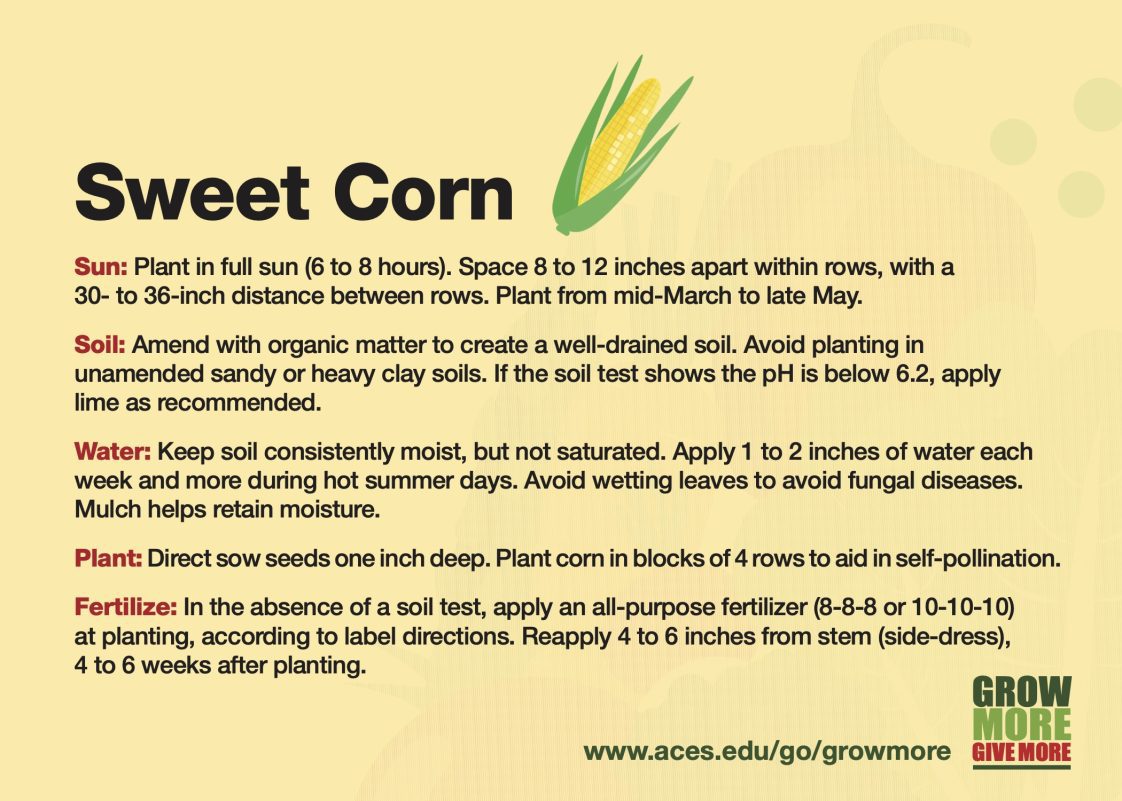
Sweet corn varieties, especially supersweet types, are a bit more demanding. They thrive in warmer soil. For the best time to plant sweet corn, ensure your soil consistently meets the higher temperature requirements. Waiting until soil temperatures are firmly in the 70s°F (21°C+) will give you the best results. Do not rush this step, even if the calendar says it is time.
Succession Planting for Extended Harvest
Want corn all summer long? Use succession planting. This involves planting new rows every 7 to 10 days. You can also plant when your previous corn reaches about 3-4 leaves. This method ensures a continuous harvest. It prevents all your corn from maturing at once. This is a great strategy for home gardeners. It maximizes your yield over a longer period.
Corn Planting Window in Spring
The corn planting window in spring varies greatly. It depends on your climate and specific region. In warmer areas, the window can open quite early. In cooler climates, it is much shorter. Always monitor your local weather patterns. Pay attention to the soil temperature. This is more reliable than just looking at the calendar date.
Read also: 53 Boho Kitchen Decor Ideas That Feel Intentional, Not Cluttered
Factors Affecting Corn Planting Time
Several factors influence the ideal planting time. Soil temperature for planting corn is paramount. Frost risk is another major concern. Localized weather patterns, such as unusually cool springs, can delay planting. Even the type of corn you are planting matters. Supersweet varieties need warmer soil than standard types. Consider using black plastic mulch to warm the soil faster if needed.
Corn Planting Dates by Region
Regional differences are significant for when to plant corn by USDA zone. For example, in Florida (Zone 10), planting can start in January. In Maine (Zone 4), you might not plant until late May. Always consult local extension office recommendations. They have data specific to your area. You can find helpful regional guides online, like those from Bonnie Plants.
The most common error is planting corn too early in cold soil. This leads to poor germination and wasted effort. Wait for the warmth.
Extending Corn Harvest Season
To extend corn harvest season, you can use two main strategies. The first is succession planting, as mentioned. The second is planting different maturity types at once. Mix early, mid, and late-season varieties. This staggers when they are ready to harvest. Even in many northern areas, planting fast-maturing varieties (around 60 days) through early July can ensure a harvest before the first fall frost.
For more detailed planting information specific to your garden, resources like the Old Farmer’s Almanac are invaluable. They offer zone-specific advice.
The Verdict on Corn Planting
In 2026, the focus remains on understanding your microclimate. Rely on soil temperature and frost data, not just dates. For a bountiful harvest, be patient. Ensure the soil is warm enough before you sow your seeds. This approach guarantees better germination and healthier plants. It is the most reliable way to grow delicious corn.
Read also: 51 Cube Organizer Shelf Ideas to Declutter Every Room in 2026
Your 3-Step Corn Planting Action Plan
Step 1: Check Soil Temperature, Not the Calendar
Don’t rely on dates alone. Use a soil thermometer to measure at 2 inches deep.
Wait until the soil reaches at least 60°F for standard corn, or 65°F for supersweet varieties.
Step 2: Time Planting Around Your Last Frost
Plant corn 2 to 3 weeks after your area’s last spring frost date. This reduces the risk of cold damage.
In cooler zones, you can warm the soil faster by covering it with black plastic for a week before planting.
Step 3: Use Succession Planting for a Longer Harvest
Sow new blocks of corn every 7 to 10 days, or when the previous planting has 3 to 4 leaves. This gives you a steady supply instead of one big crop.
Alternatively, plant early-, mid-, and late-season varieties at the same time to stagger maturity naturally.
What to Avoid
- Don’t plant in cold, wet soil – seeds will rot or germinate poorly.
- Don’t plant all your corn at once unless you want a single harvest.
- Don’t ignore your local frost dates – a late spring freeze can kill young plants.
Frequently Asked Questions
Can I plant corn in July?
Yes, if you choose a fast-maturing variety that matures in about 60 days. Make sure there are enough frost-free days before your first fall frost.
How deep should I plant corn seeds?
Plant seeds 1 to 1.5 inches deep in moist soil. In sandy soil, go slightly deeper, up to 2 inches.
Should I soak corn seeds before planting?
Soaking is not recommended for corn seeds. It can cause them to rot if the soil stays wet after planting.
Planting corn at the right time means paying attention to soil temperature and your local climate, not just the calendar. This method gives you strong germination and a healthy crop.
Now that you know when to plant, choose your corn variety and prepare your garden bed. Your next step is to check the soil temperature and get those seeds in the ground.
Imagine stepping into your garden in late summer and picking fresh, sweet corn for dinner. With proper timing, that vision becomes your reality.
