

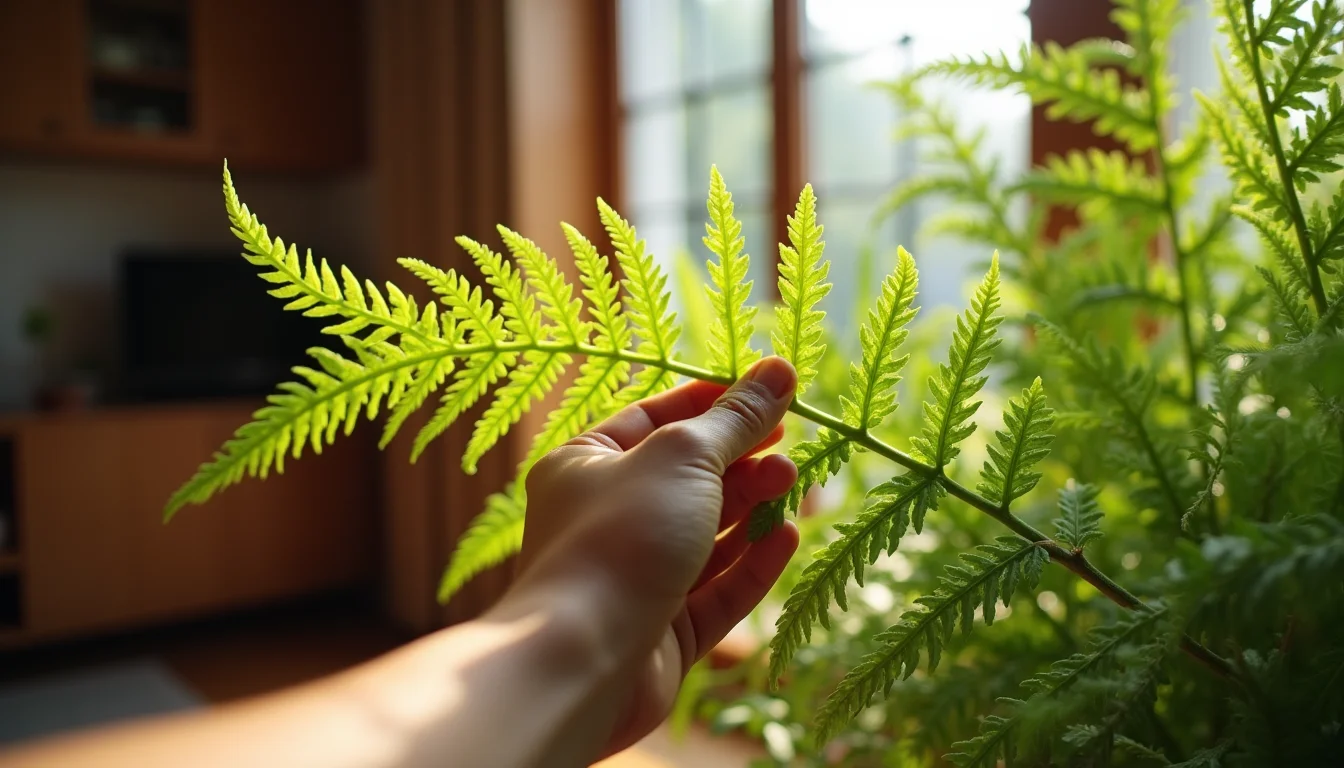
You bought a foxtail fern thinking it was a low-maintenance plant. But now the fronds are turning yellow and dropping off. Don’t panic. The problem is likely something simple you can fix today.
This plant looks like a fern but acts like a succulent. It stores water in its tuberous roots. That means overwatering is the number one mistake. Let’s get your foxtail fern back to its fluffy green self.
What Is a Foxtail Fern? Meet Asparagus densiflorus ‘Myersii’
Despite its name, the foxtail fern is not a true fern. It belongs to the Asparagus family, Asparagaceae. Its proper botanical name is Asparagus densiflorus ‘Myersii’. Gardeners also call it Myersii foxtail fern or foxtail asparagus fern.
This evergreen perennial grows 2 to 3 feet tall and wide. Its soft, plume-like stems look exactly like a fox’s tail. It thrives outdoors in USDA zones 9 through 11. In colder climates, you must bring it indoors for winter.
The plant produces small white flowers in summer, followed by red berries. Be careful: those berries are toxic if eaten. Keep them away from pets and children. The real appeal is the lush, textured foliage that adds drama to any space.
Foxtail ferns are incredibly drought-tolerant once established. Their tuberous roots store water. This makes them perfect for busy people who forget to water. But they need bright, indirect light. Direct afternoon sun will scorch the leaves.
Use this plant as a thriller in containers or as a border in tropical gardens. It also works beautifully as a houseplant. Its care is simple: water when the top few inches of soil are dry. That’s it.
The Charm of the Myersii Foxtail Fern
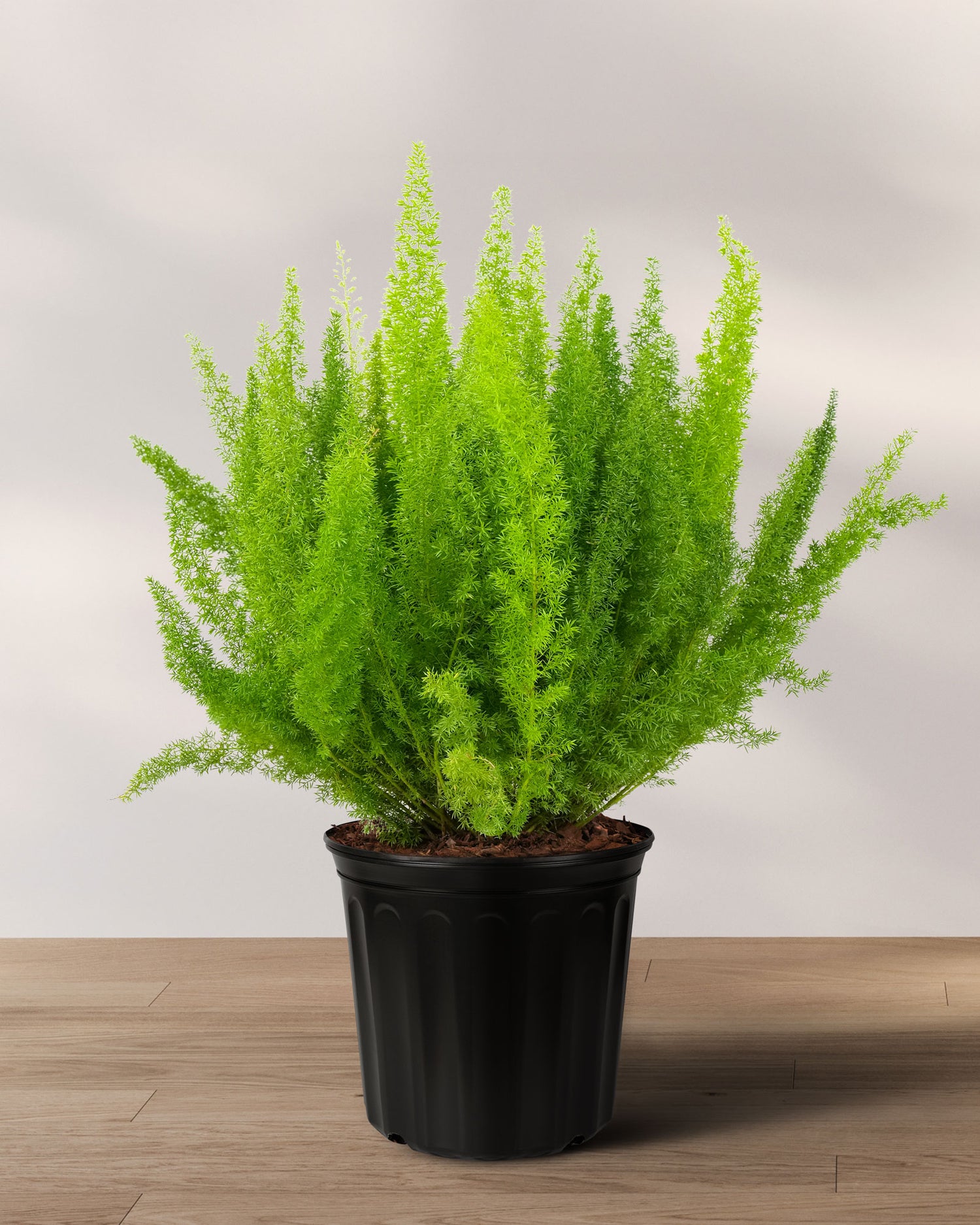
This plant offers a unique visual appeal with its dense, upright foliage. It brings a touch of the tropics to any setting.
Dense Plume Foliage
The Asparagus densiflorus ‘Myersii’ features bright green, feather-like plumes. These plumes grow densely along upright stems, creating a striking texture. It is a standout choice for adding visual interest.
Architectural Plant Form
The Myersii Foxtail Fern provides a strong vertical element. Its structure is unlike traditional ferns, offering a modern garden look. This plant adds a bold statement to any landscape.
Vibrant Green Color
The consistent, rich green color of the Foxtail Asparagus Fern remains vibrant year-round. This makes it an excellent choice for continuous visual impact. It brightens shaded areas effectively.
Low Maintenance Appeal
This Ornamental Asparagus Fern requires minimal care once established. Its drought tolerance makes it ideal for busy homeowners. It thrives with basic attention.
Foxtail Asparagus Fern: A Unique Texture
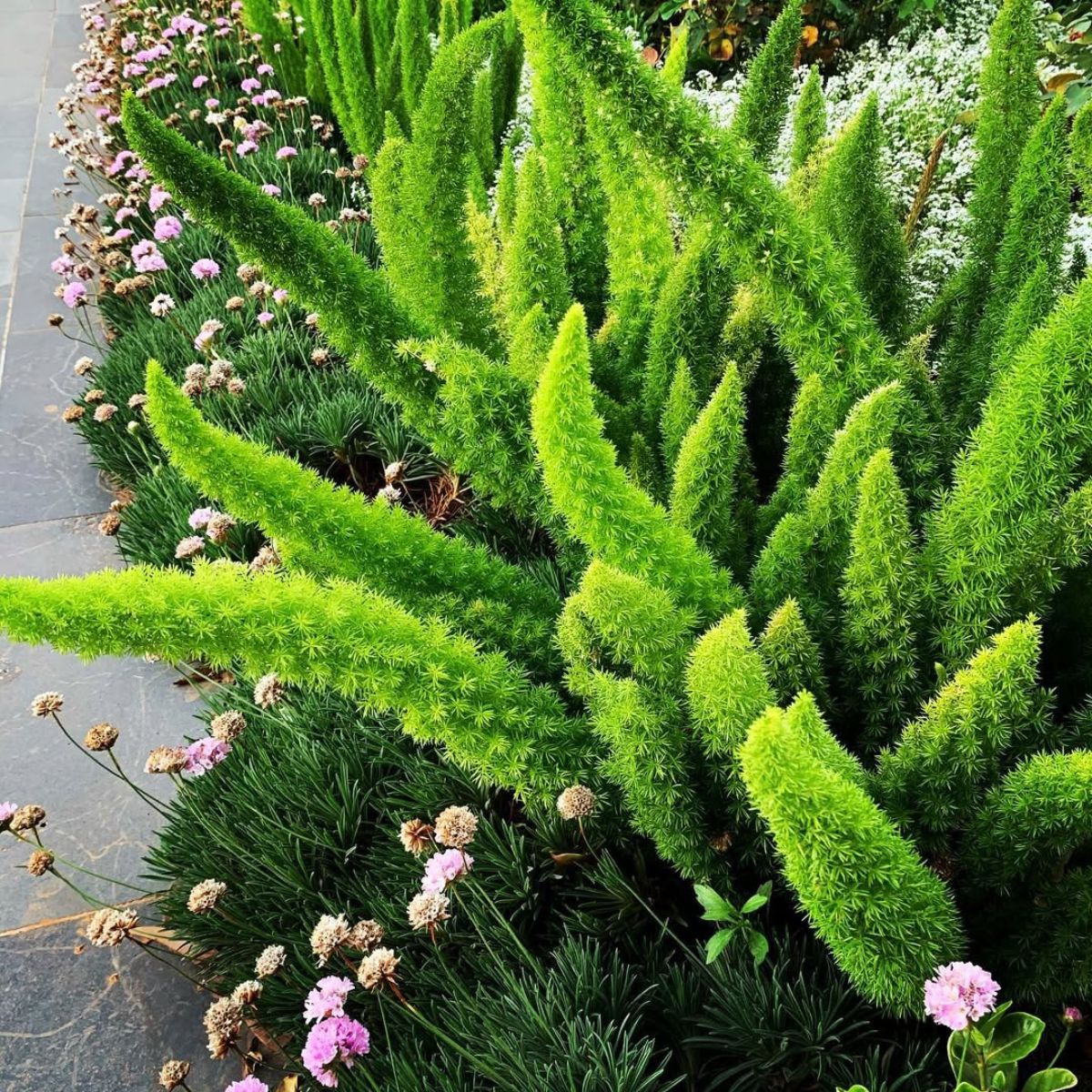
The texture of this plant is its most defining characteristic. It offers a departure from softer, more delicate foliage types. This unique quality can elevate a design.
Upright Stem Growth
The Foxtail Asparagus Fern grows in upright, arching stems. These stems are covered in needle-like leaves, creating a dense, brush-like appearance. This growth habit provides a distinct visual rhythm.
Feathery Leaf Arrangement
The leaves are arranged densely along the stems, resembling a fox’s tail. This creates a soft yet structured texture. It adds a tactile dimension to garden beds and containers.
Contrast with Other Plants
Pairing this plant with smoother or broader-leafed plants creates a dynamic contrast. The Foxtail Asparagus Fern provides a fine-textured element. This interplay enhances the overall garden design.
Year-Round Greenery
As an evergreen, the Foxtail Asparagus Fern maintains its lush green color throughout the year. This ensures consistent visual appeal in all seasons. It is a reliable performer in varied climates.
Ornamental Asparagus Fern for Modern Gardens
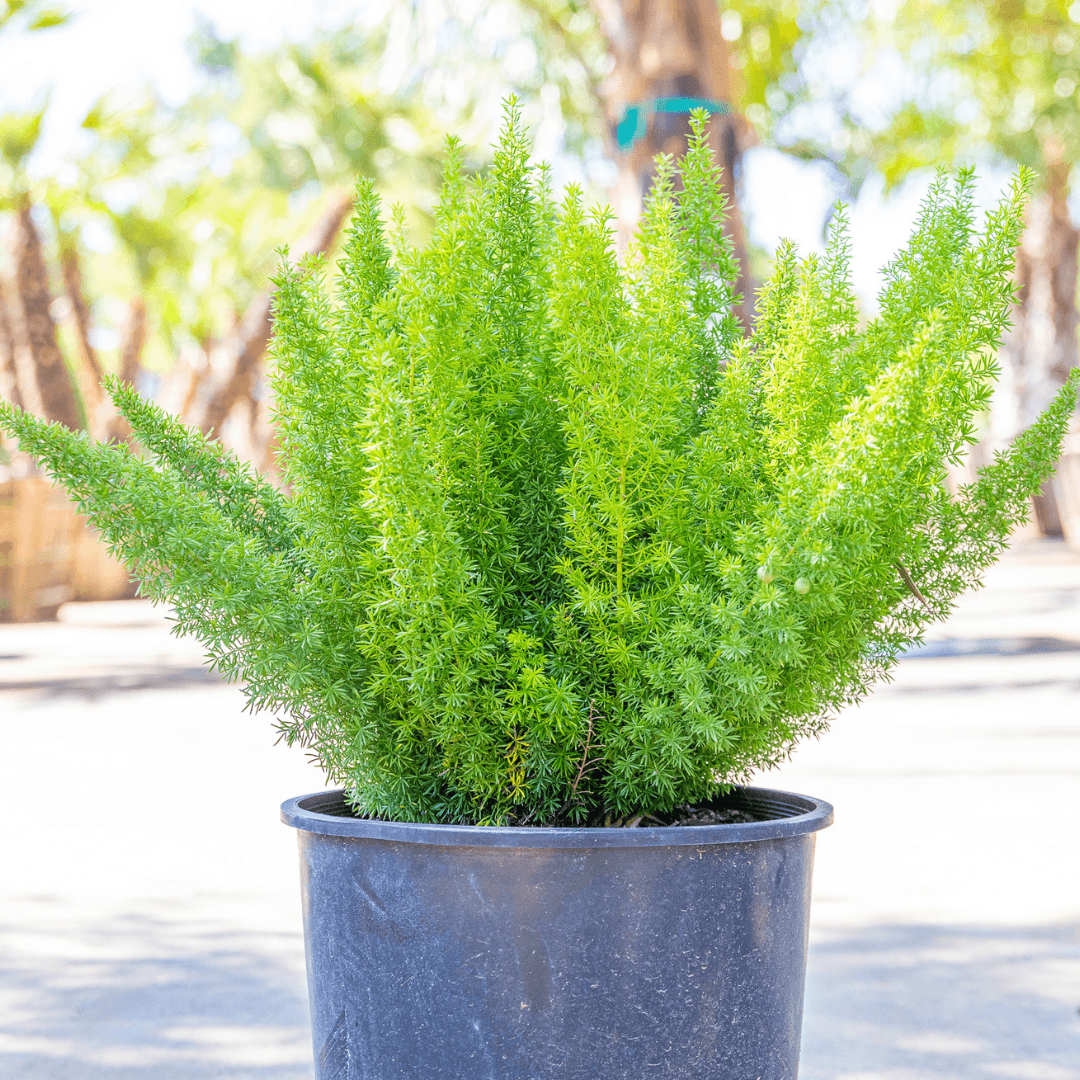
Modern garden designs often seek plants with strong architectural forms. The Ornamental Asparagus Fern fits this need perfectly. It offers a clean, contemporary look.
Sleek Vertical Lines
The upright growth of the Ornamental Asparagus Fern provides clean vertical lines. This complements minimalist and modern landscape styles. It adds structure without overwhelming the space.
Container Garden Accent
This plant works well in modern container arrangements. Its unique form stands out against simpler pots and patios. It brings a touch of natural sculpture to outdoor living areas.
Drought-Tolerant Landscaping
For water-wise modern gardens, this plant is an excellent choice. Its ability to withstand dry conditions is a significant benefit. It reduces the need for frequent watering.
Minimalist Planting Schemes
In minimalist designs, the Ornamental Asparagus Fern can serve as a focal point. Its distinctive shape draws the eye. It adds interest without clutter.
Foxtail Fern: A Lush Green Accent
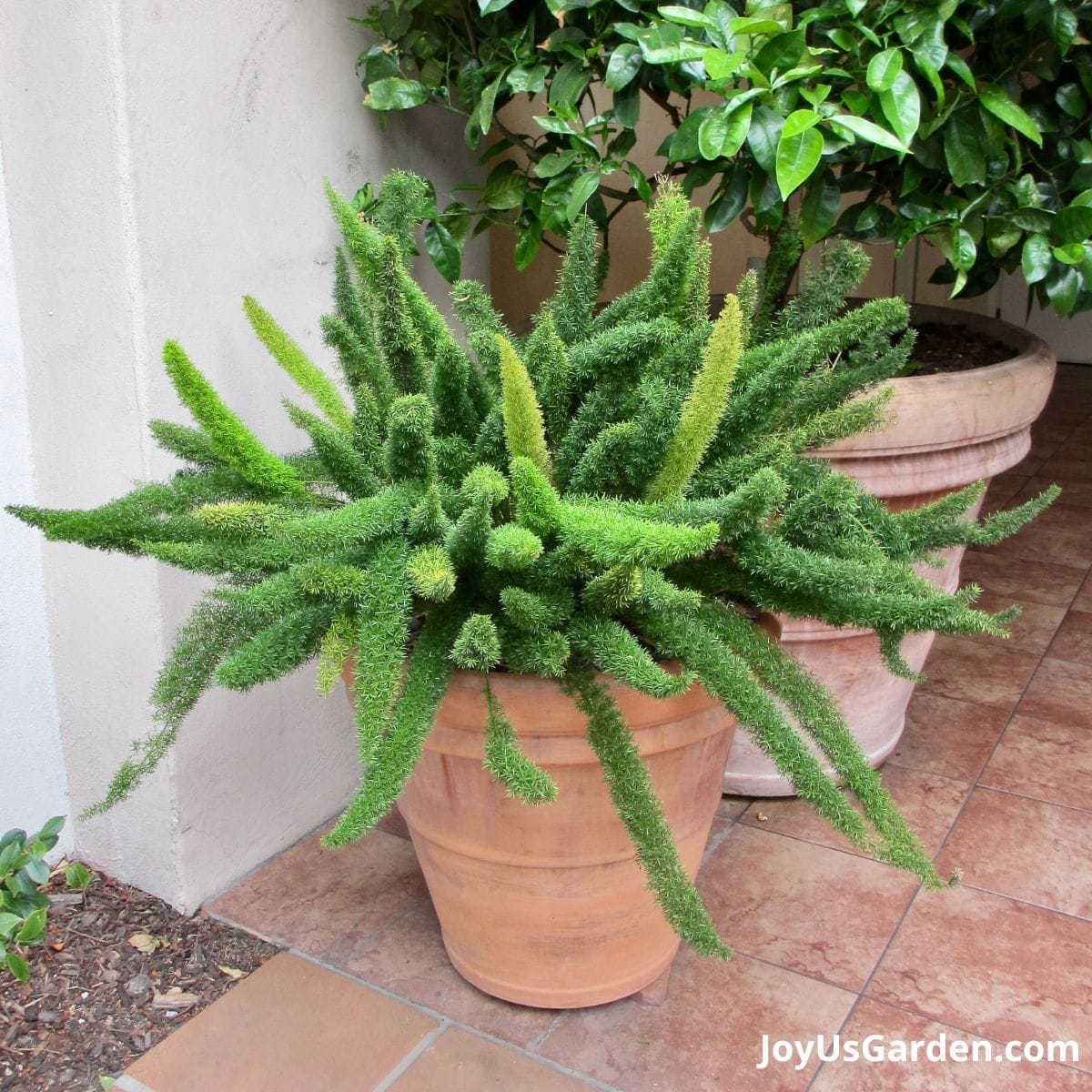
Adding a touch of vibrant green is essential for any well-designed space. The Foxtail Fern provides this lushness with its unique form. It brings life and color.
Dense Foliage Effect
The Foxtail Fern creates a dense mass of green foliage. This visual density adds richness to planting schemes. It fills spaces beautifully.
Bright Green Hue
Its bright green color is cheerful and inviting. This shade complements a wide range of other colors. It enhances the overall aesthetic of a garden or home.
Year-Round Appeal
This plant offers consistent green color throughout the year. It provides a reliable source of lushness. This makes it a valuable addition to any planting.
Naturalistic Planting
In naturalistic or cottage-style gardens, it adds a touch of wildness. The Foxtail Fern’s texture fits well with flowing designs. It contributes to a relaxed, organic feel.
Asparagus densiflorus ‘Myersii’ in Containers
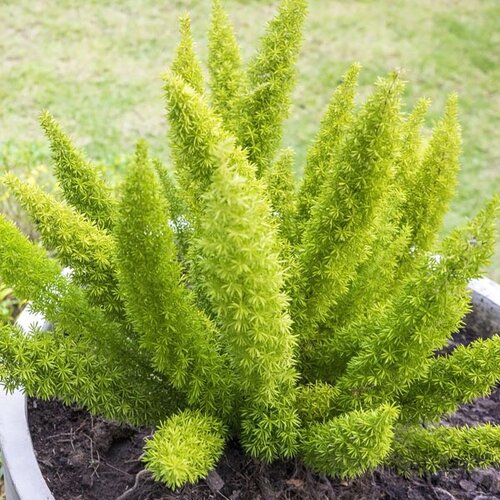
Container gardening offers flexibility and allows for placement of plants where they can be best appreciated. The Asparagus densiflorus ‘Myersii’ is particularly well-suited for this. Its form makes a statement in pots.
Container Versatility
The Asparagus densiflorus ‘Myersii’ thrives in containers of various sizes. It looks excellent in terracotta, ceramic, or modern composite planters. This plant adapts well to pot culture.
Mixed Planting Arrangements
Use this plant as a ‘thriller’ element in mixed containers. Its upright plumes contrast with trailing or mounding plants. This creates a dynamic visual composition.
Patio and Balcony Gardens
For patios and balconies, it provides height and structure. The Asparagus densiflorus ‘Myersii’ can soften hardscaping. It brings natural beauty to urban spaces.
Indoor Container Use
When grown indoors, it adds a sculptural green element to rooms. Place it near a window for bright, indirect light. It can thrive as a houseplant.
Watering Needs in Pots
Container plants dry out faster than those in the ground. Check the soil moisture regularly for the Asparagus densiflorus ‘Myersii’. Water thoroughly when the top inch of soil feels dry.
The Visual Appeal of Foxtail Fern Fronds
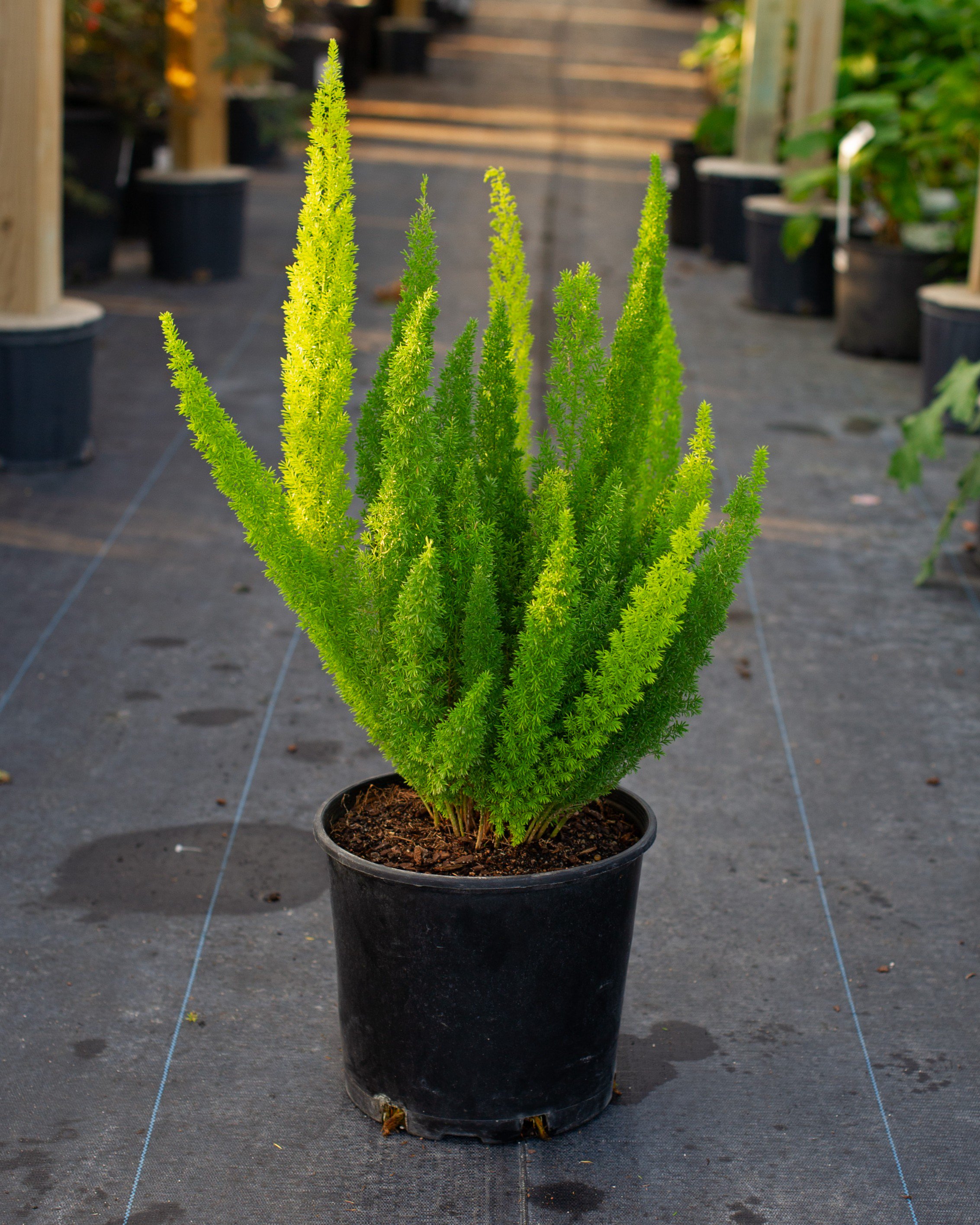
The fronds of this plant are its most striking feature. They offer a unique texture and shape not commonly found in gardens. Their visual impact is significant.
Plume-Like Structure
The fronds are densely packed and grow upright, resembling a fox’s tail. This plume-like structure is highly distinctive. It provides a strong visual focal point.
Fine-Textured Appearance
Each frond is composed of numerous small, needle-like leaves. This creates a fine, feathery texture. It adds a delicate yet substantial look.
Architectural Interest
The rigid, upright growth of the fronds adds architectural interest. They provide a strong vertical accent. This is valuable in landscape design.
Color and Light Interaction
The bright green fronds catch the light beautifully. They create subtle shadows and highlights. This adds depth and dimension to the plant’s appearance.
Contrast in Gardens
The unique frond texture offers a strong contrast to plants with broad or smooth leaves. This visual difference enhances garden beds. It makes the Foxtail Asparagus Fern stand out.
Foxtail Fern as a Houseplant Statement
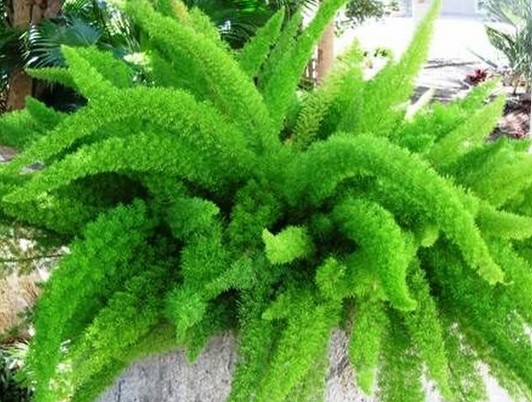
Bringing plants indoors can significantly enhance a home’s atmosphere. The Foxtail Fern makes a bold statement as an indoor plant. Its unique form is eye-catching.
Sculptural Indoor Accent
As a houseplant, the Foxtail Fern acts as a living sculpture. Its upright plumes add vertical interest to corners or tabletops. It brings a touch of nature indoors.
Bright Light Requirement
For best growth indoors, place it in a location with bright, indirect light. Avoid direct sunlight, which can scorch the foliage. A spot near an east- or north-facing window is often ideal.
Watering Indoors
Allow the soil to dry out slightly between waterings. Overwatering is a common mistake for houseplants. Ensure the pot has good drainage to prevent root rot.
Temperature Considerations
This plant prefers average room temperatures. Protect it from cold drafts from windows or doors. Consistent conditions promote healthy growth.
Low Maintenance Houseplant
The Foxtail Fern is relatively easy to care for indoors. Its drought tolerance means it can forgive occasional missed waterings. It is a good choice for beginners.
Landscaping with Foxtail Asparagus Fern
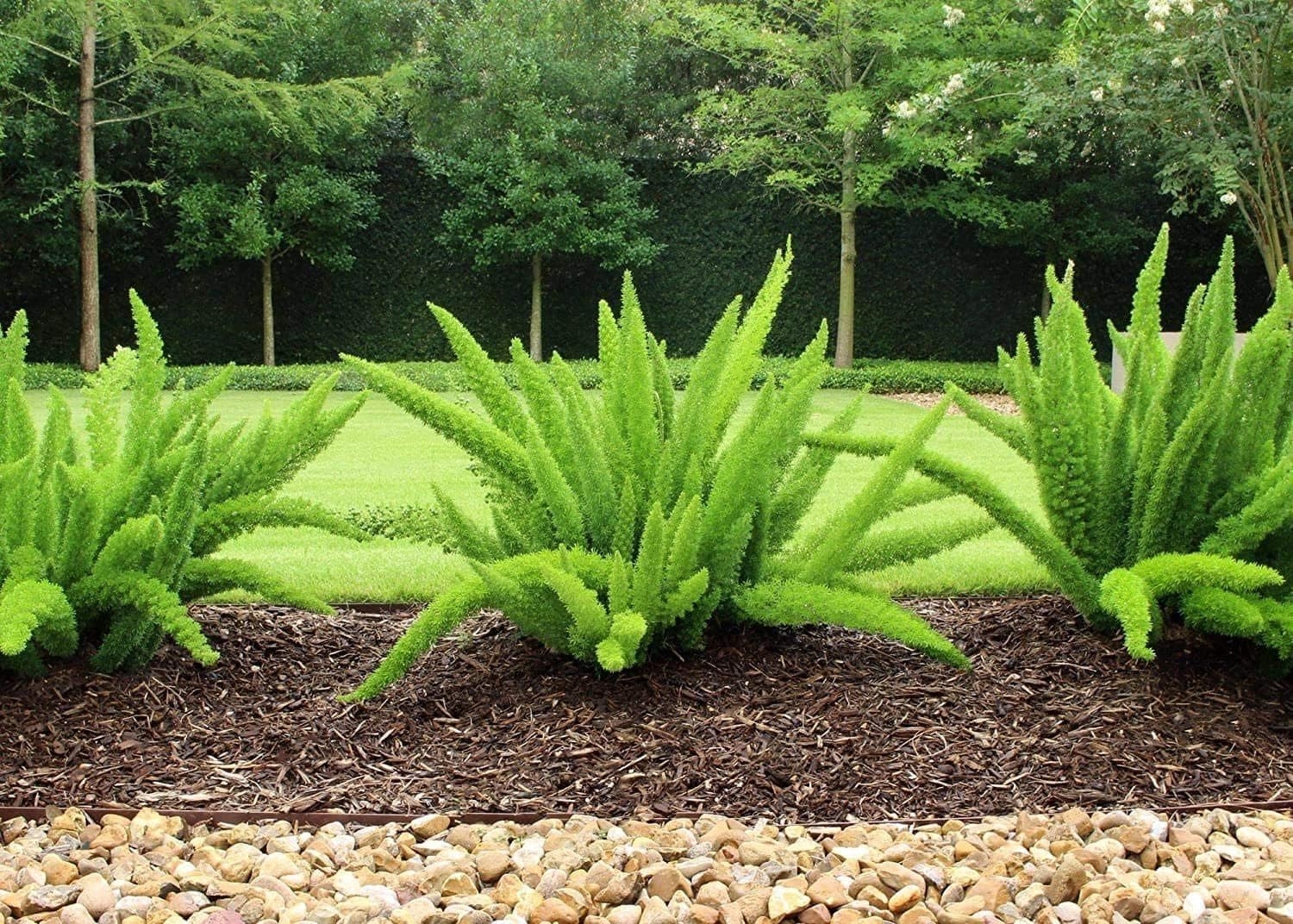
Incorporating plants with unique textures and forms can transform a landscape. The Foxtail Asparagus Fern offers both. It adds visual excitement to outdoor spaces.
Border Plant Applications
Use this plant to create a striking green border along pathways or garden beds. Its upright growth provides definition. It creates a neat, continuous line of foliage.
Foundation Plantings
Plant it near the foundation of a home for added curb appeal. The Foxtail Asparagus Fern softens hard lines. It brings a lush, natural look to building exteriors.
Tropical Garden Designs
In tropical or subtropical gardens, it fits right in. Its texture complements lush, exotic plantings. It adds a vibrant green element to these settings.
Erosion Control
The dense root system of the Foxtail Asparagus Fern can help stabilize soil. This makes it useful on slopes or areas prone to erosion. It provides both beauty and function.
Mixed Shrub Borders
Combine it with other shrubs for a layered planting effect. The fine texture of the Foxtail Asparagus Fern contrasts well with larger shrubs. It adds depth to the overall planting.
| Material | Foliage |
| Species | Asparagaceae |
| Color | Bright Green |
| Texture | Plume-like, Feathery |
Style and Reference Gallery
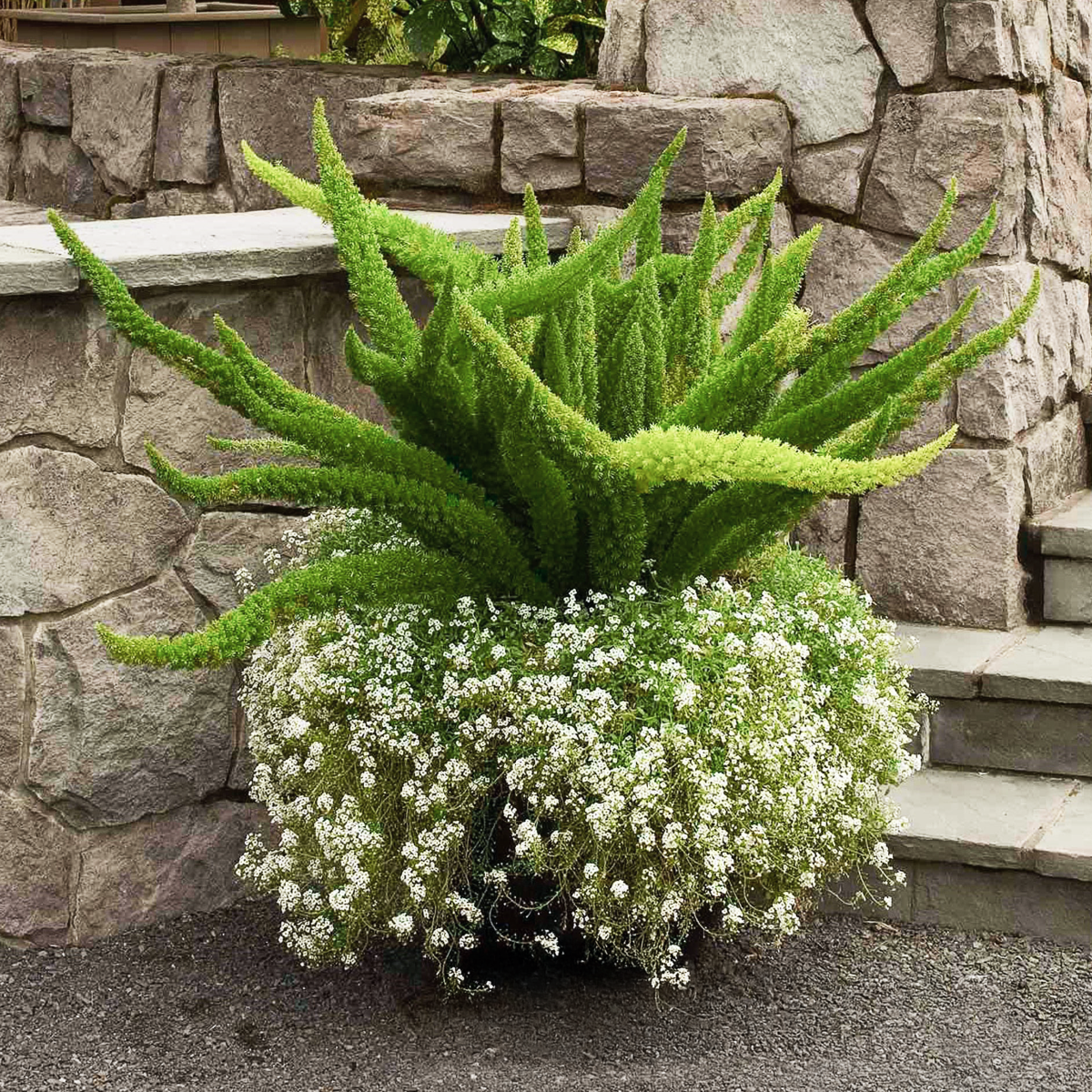
Cut fronds last up to two weeks in a vase. They bring the garden inside effortlessly.
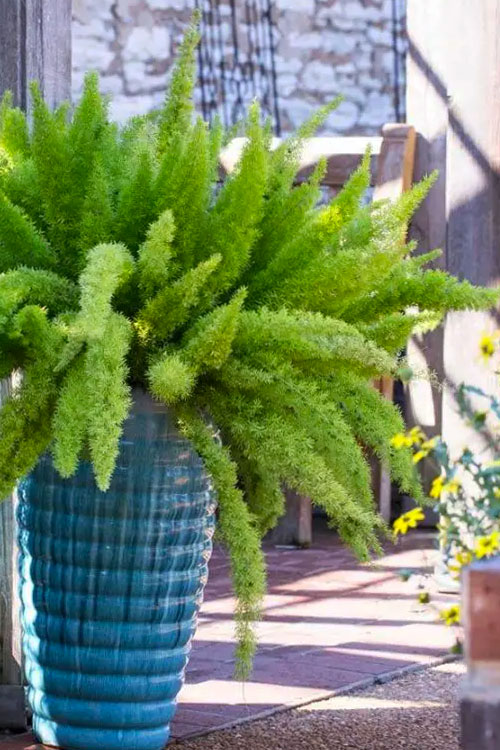
Mist the foliage on hot days to boost humidity. This keeps the plumes fresh and green.
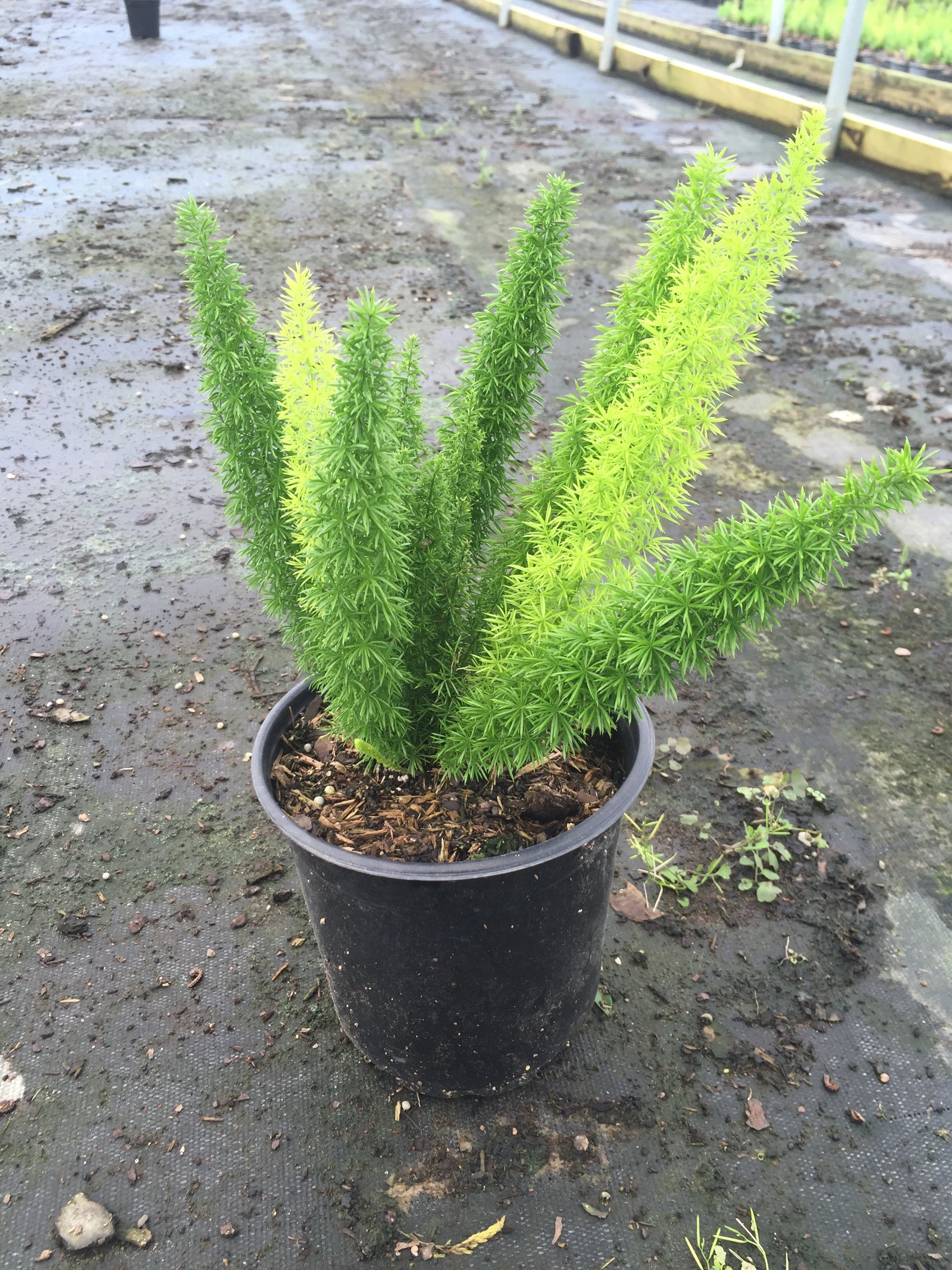
Plant in a terracotta pot for a rustic feel. The warm clay complements the cool green.
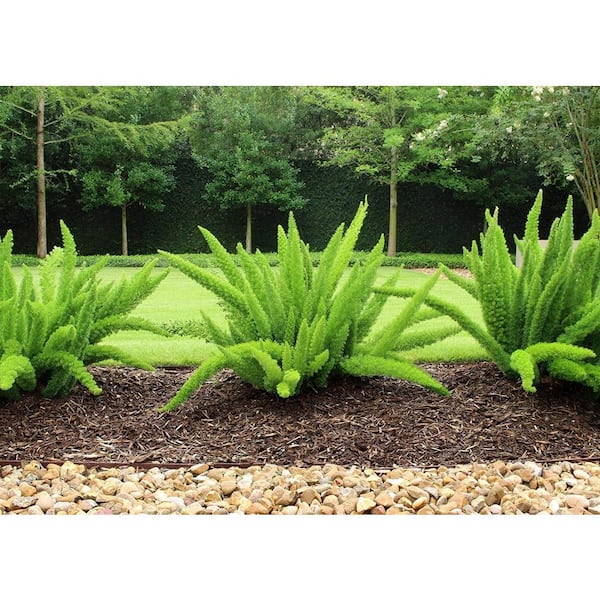
Group three pots at different heights for drama. It creates a mini indoor forest.
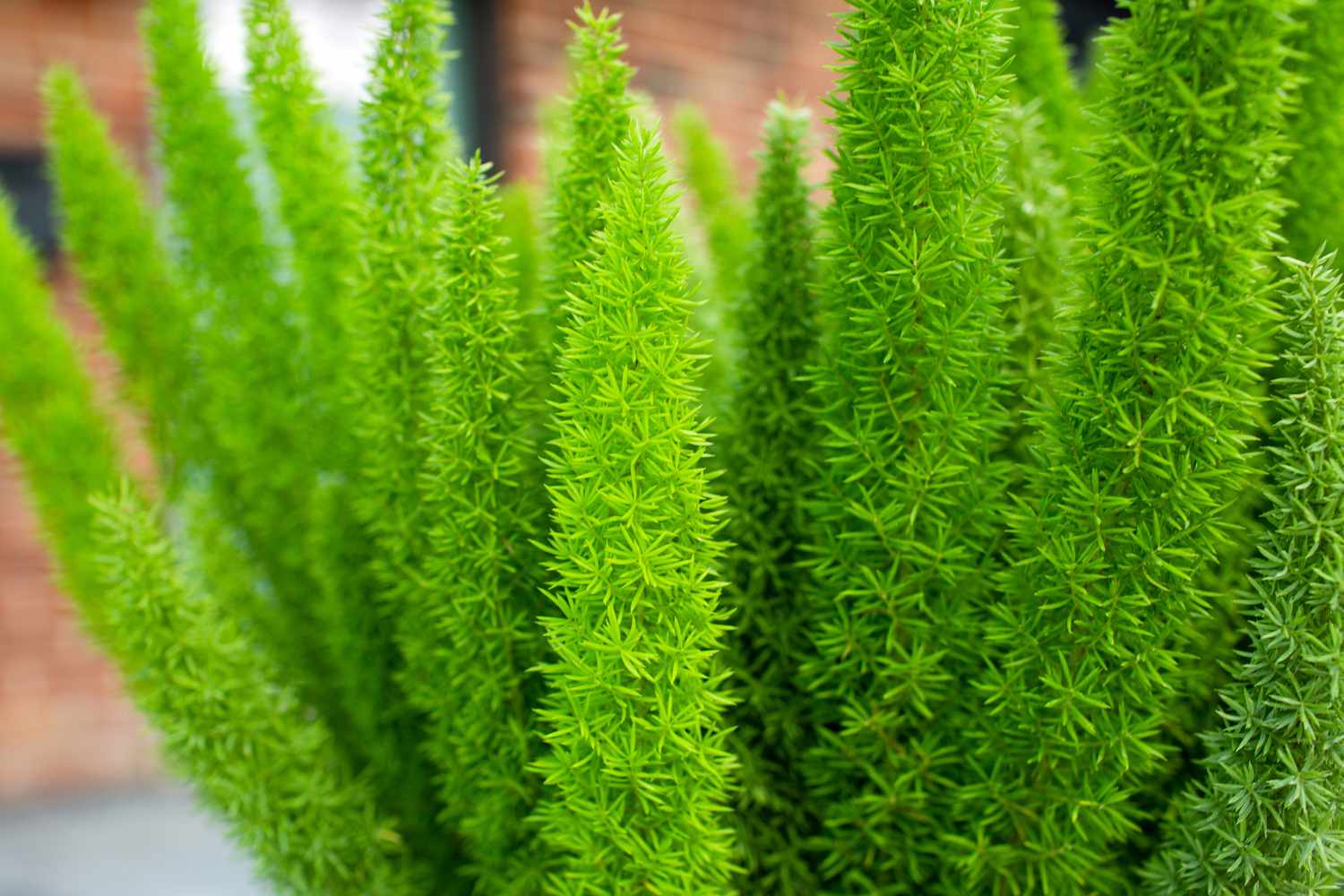
Edge a pathway with foxtail ferns for a soft border. Their texture invites touch.
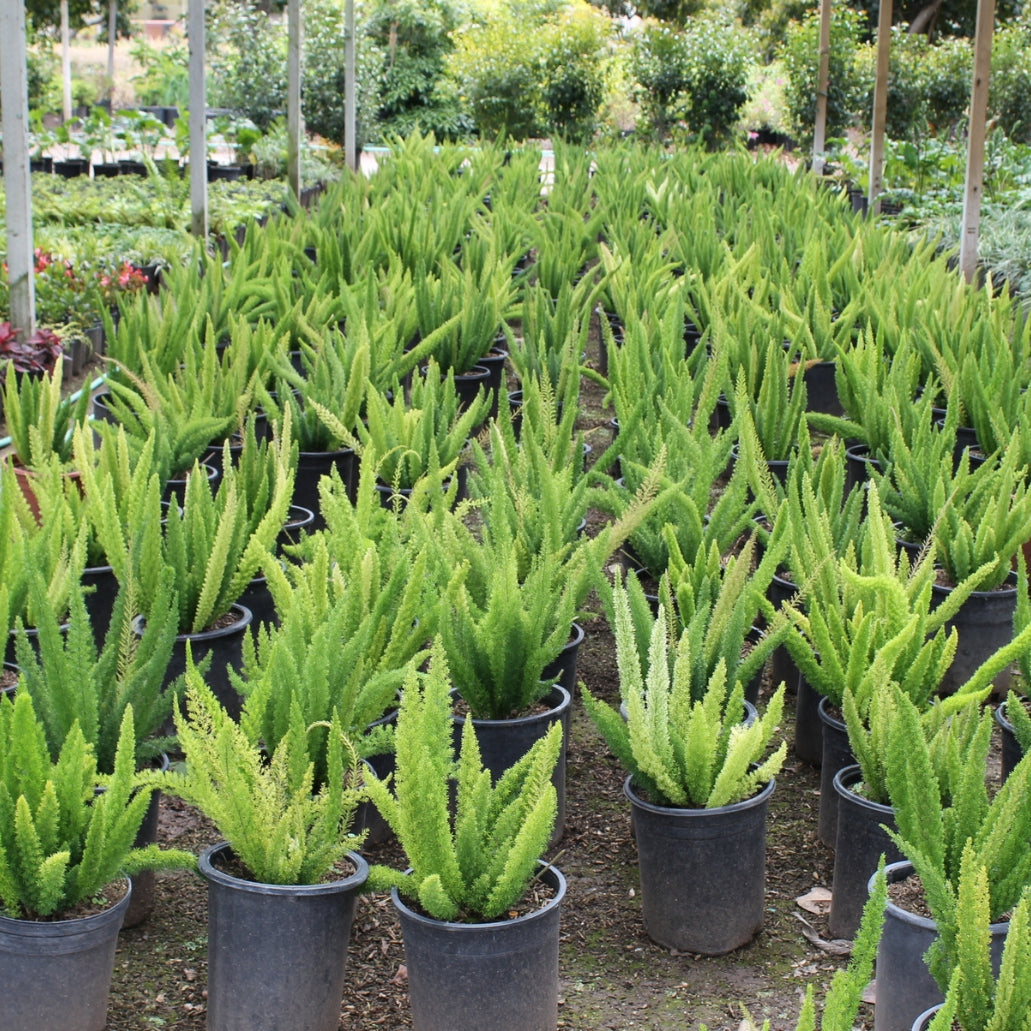
In winter, bring pots indoors near a bright window. They will thrive until spring.
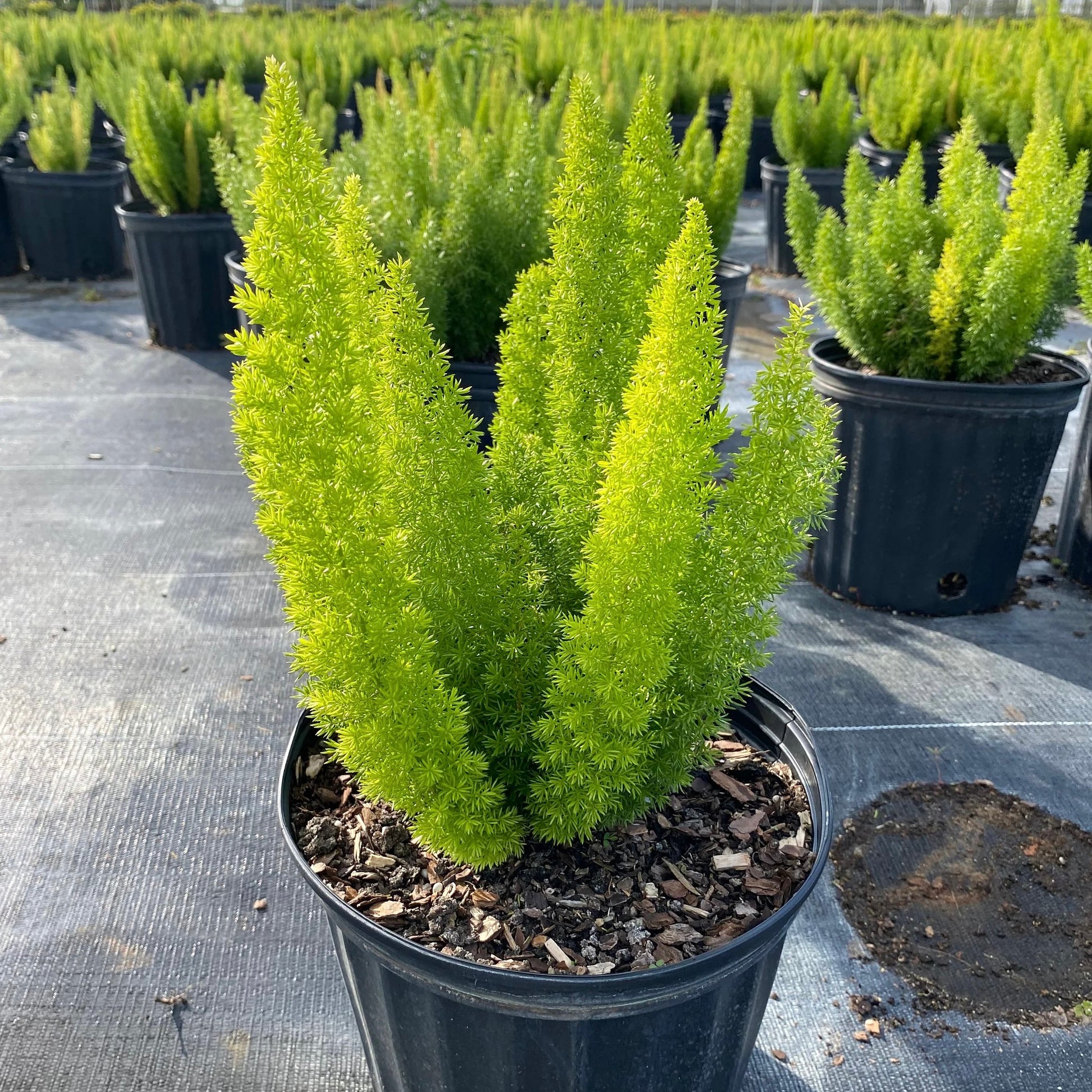
Use as a backdrop for flowering annuals. The fern’s neutrality lets blooms shine.

Foxtail fern’s plumes mimic a fox’s tail. They add soft texture to any arrangement.
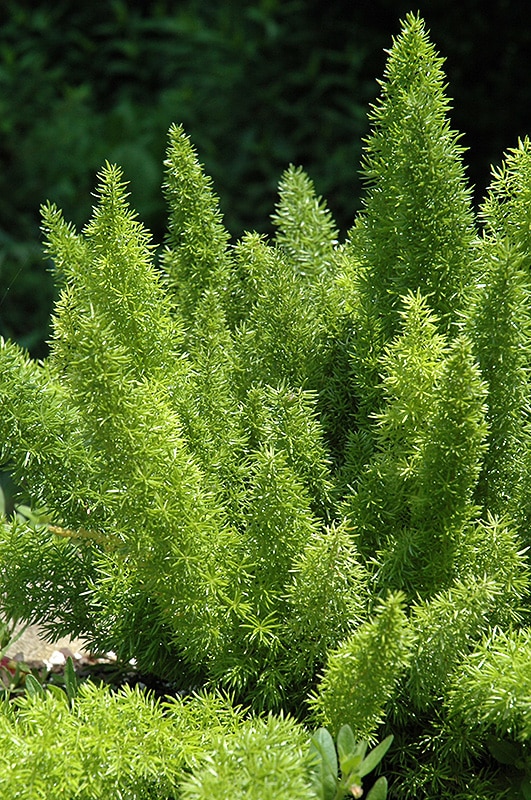
Pair it with bold succulents for a striking contrast. The fern’s fuzziness balances sharp edges.
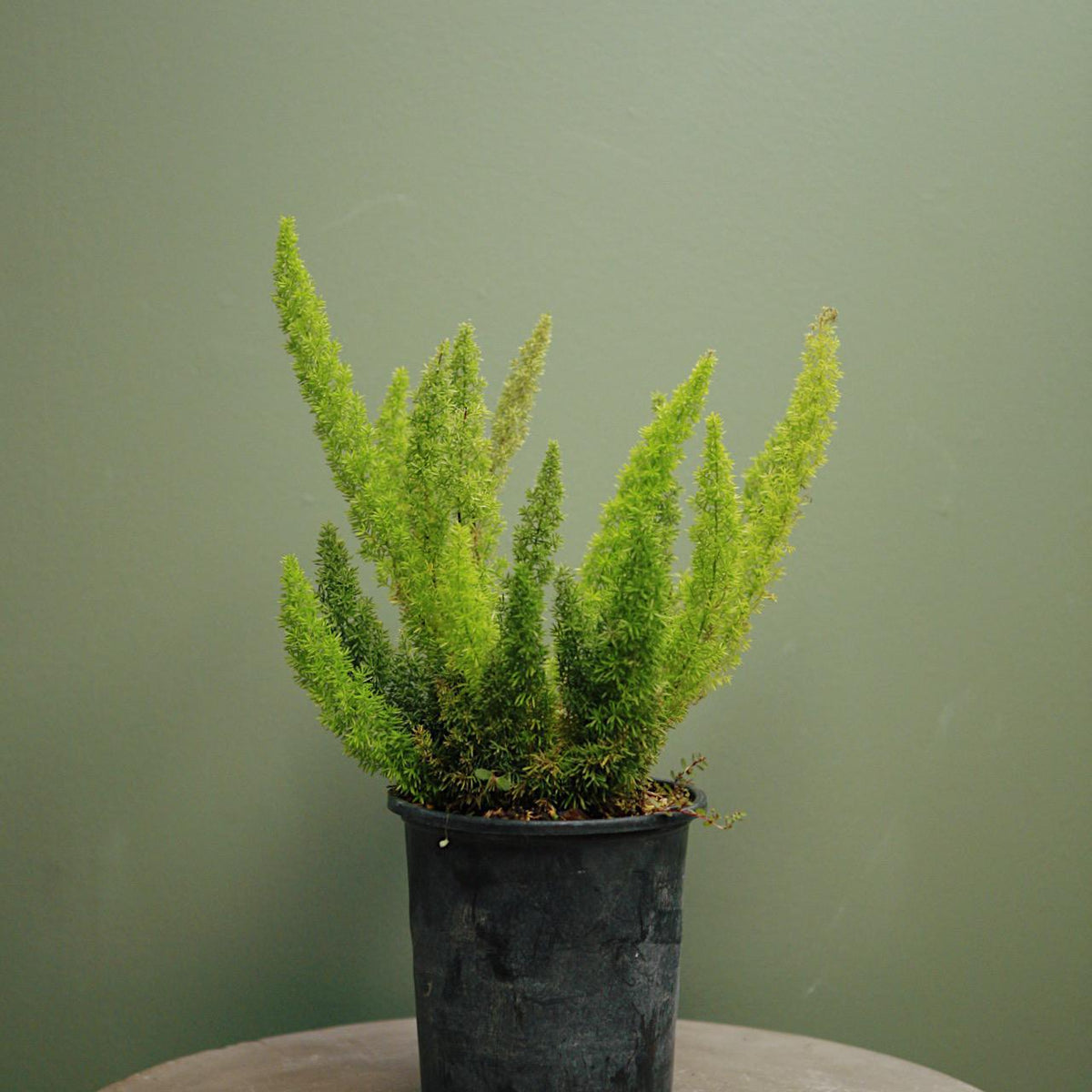
Use as a thriller in container gardens. Its upright form draws the eye upward.
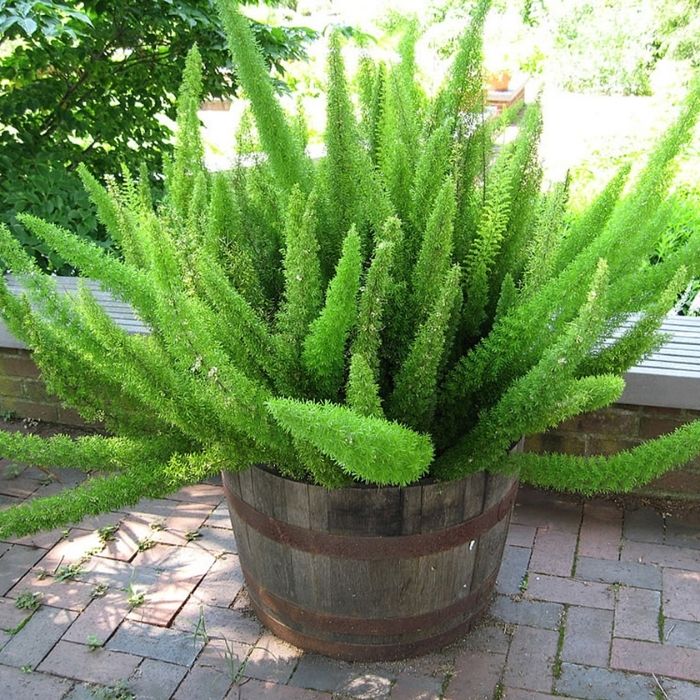
In a hanging basket, the fronds spill over gracefully. It softens hard edges beautifully.
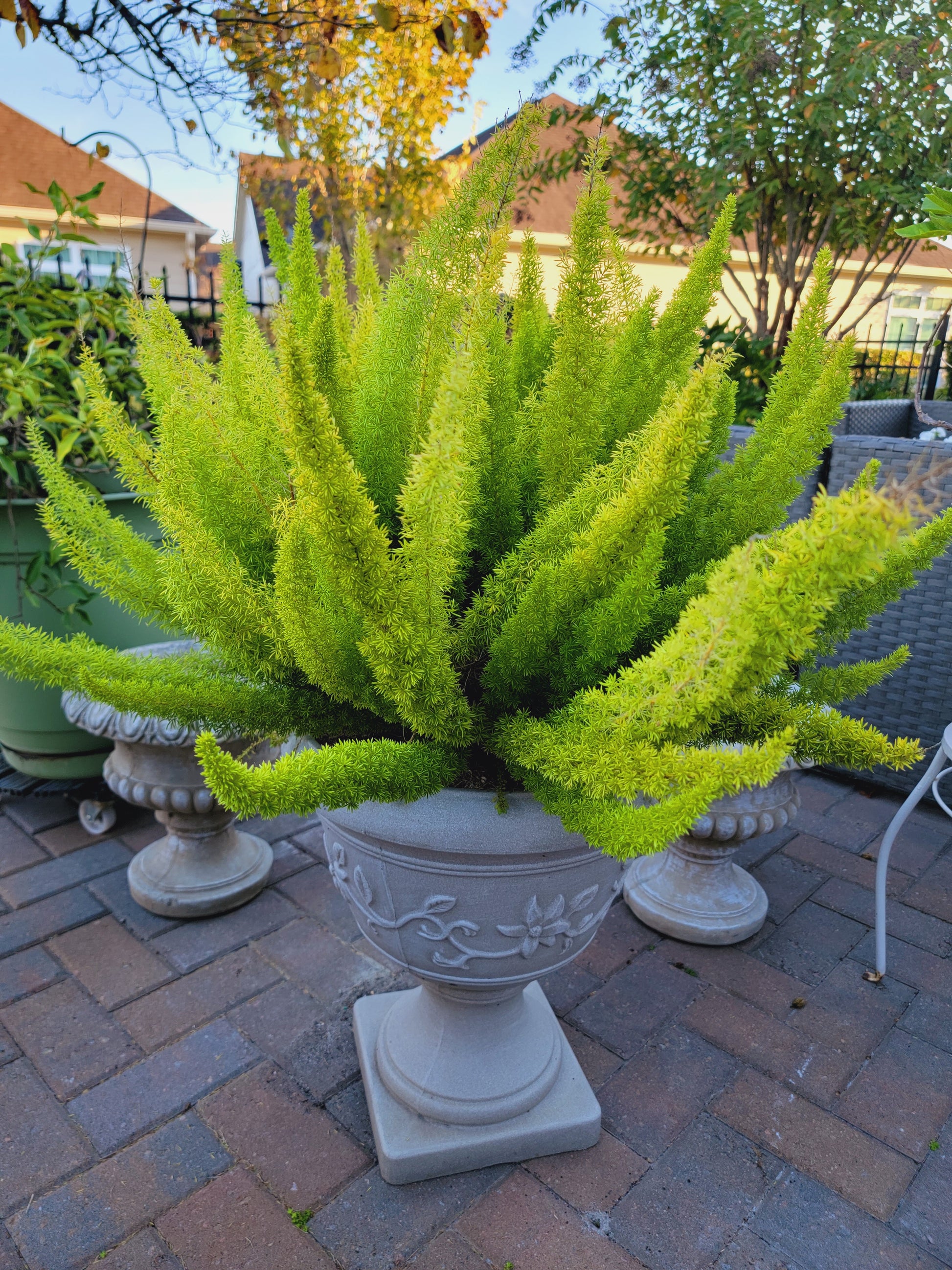
Mass plant along a shady border for a lush groundcover. The uniform height creates a tidy look.
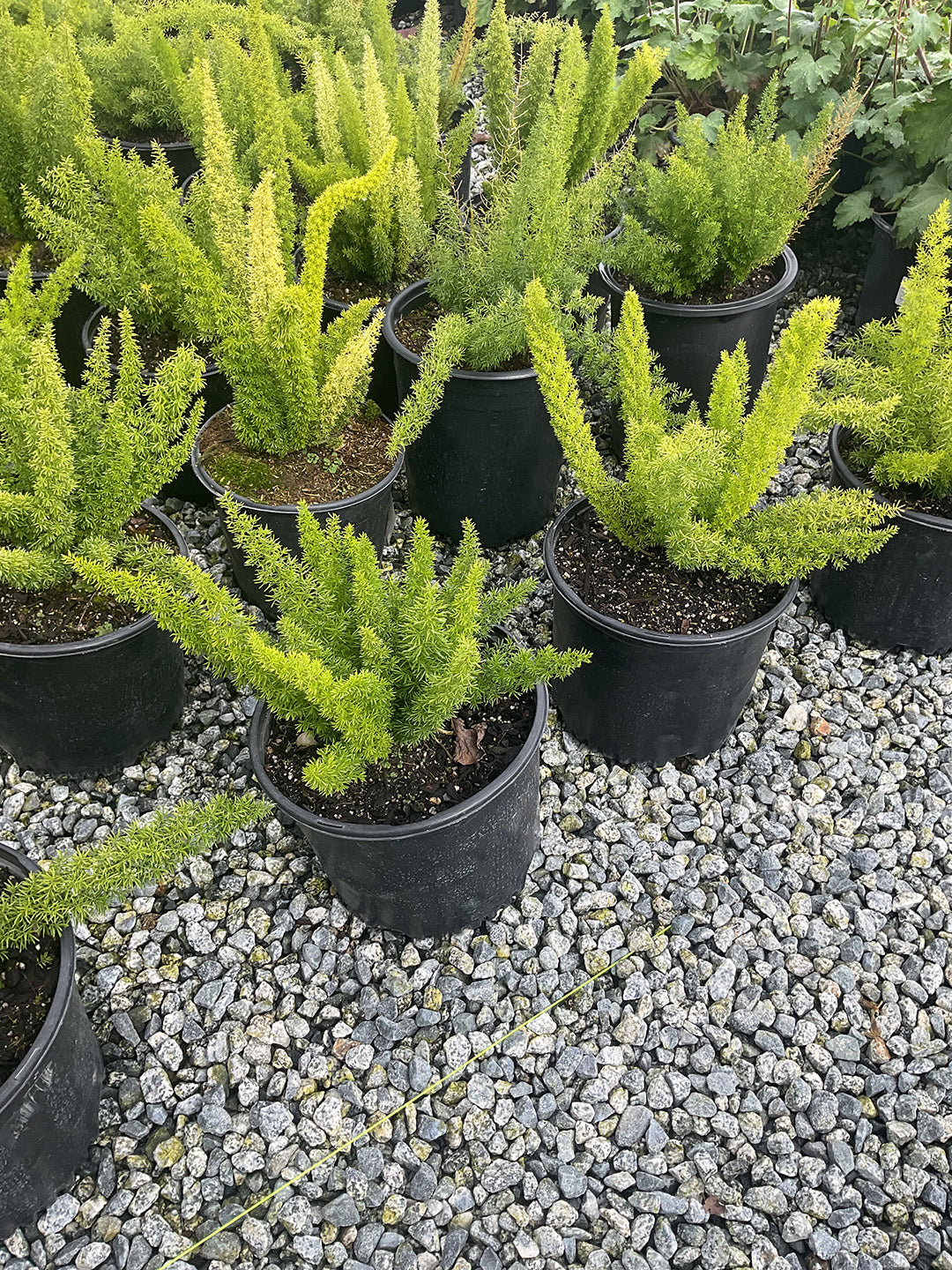
Indoors, place on a pedestal to showcase its sculptural shape. It becomes a living art piece.
How to Grow and Style Your Foxtail Fern
Step-by-Step Guide
Start with a well-draining pot and a quality potting mix. Place your foxtail fern in bright, indirect light to keep its plumes lush.
Water only when the top two inches of soil feel dry. This plant thrives on neglect, so let it dry out between waterings.
What to Avoid
Do not overwater, as tuberous roots rot easily. Avoid direct afternoon sun, which scorches the delicate foliage.
Never let the plant sit in standing water. Also, keep it away from cold drafts in winter.
Maintenance Tips
Fertilize monthly in spring and summer with a balanced liquid fertilizer. Prune yellow or dead stems at the base to encourage new growth.
Repot every two years to refresh the soil. For outdoor plants, mulch around the base to retain moisture and protect roots.
Frequently Asked Questions
Is the foxtail fern safe for pets?
No, the berries are toxic to cats and dogs if ingested. Keep the plant out of reach of curious pets.
Why are the tips of my foxtail fern turning brown?
Brown tips usually mean too much direct sun or dry air. Move the plant to a spot with indirect light and mist it occasionally.
Can I grow foxtail fern indoors year-round?
Yes, it makes an excellent houseplant if given bright indirect light. Reduce watering in winter and keep it away from heating vents.
The foxtail fern is a resilient, architectural beauty that rewards you with effortless greenery. Whether in a pot or garden bed, it brings texture and movement to any space.
Now it’s your turn to add this versatile plant to your collection. Start with a healthy specimen from a local nursery and follow our care tips for instant success.
Imagine your home filled with soft, feathery plumes that sway with every breeze. This is the plant that keeps giving, season after season.
