

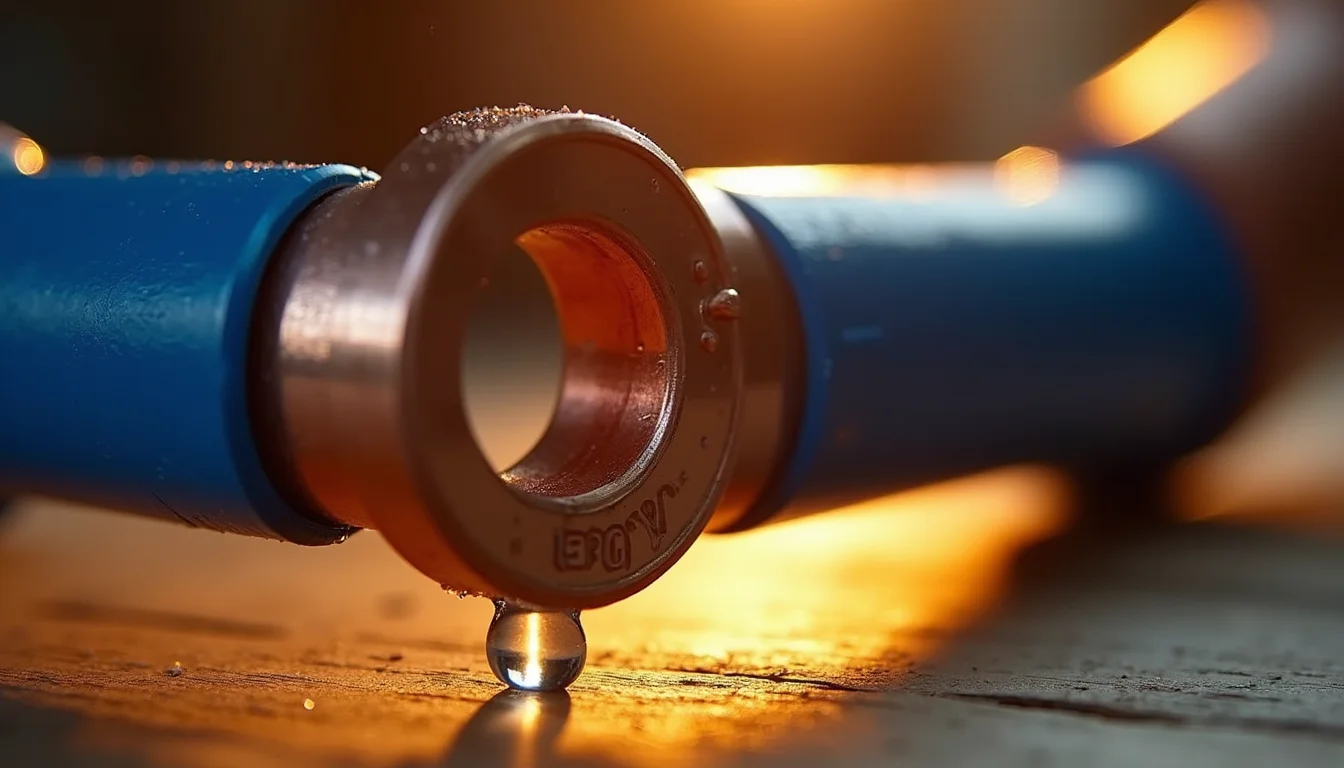
Nothing is worse than a leaking PEX connection after you’ve already closed up the wall. It’s a nightmare that can cost you hundreds in water damage. The right PEX crimping tool is what separates a solid, worry-free joint from a future headache.
Whether you are a DIY homeowner or a professional plumber, the tool you choose matters more than you think. From manual crimpers to battery-powered press tools, the market in 2026 offers options for every budget and skill level. Let’s cut through the noise and find the tool that will actually work for your project.
PEX Crimping vs. Cinch Tools: Which One Is Right for Your Job?
When you are shopping for a PEX crimping tool, you will quickly find two main types: crimpers for copper rings and cinch tools for stainless steel clamps. Crimpers use a heavy-duty jaw mechanism to compress copper rings. Professionals often prefer this method for its long-term reliability and leak-free joint integrity.
Cinch tools, on the other hand, use a ratcheting mechanism to secure stainless steel ear clamps. They are easier to use in tight spaces because you only need access to one side of the clamp. Many DIYers choose cinch tools for this reason, especially when working in crawl spaces or behind sinks.
Powered press tools are also gaining popularity in 2026. Brands like Milwaukee M18 and RYOBI ONE+ offer battery-operated options that reduce manual labor and fatigue. These are ideal for large projects and ensure consistent pressure on every connection. However, they come with a higher price tag, often over $2,000 for a complete kit.
Mastering PEX Connections: The Right Tool for the Job
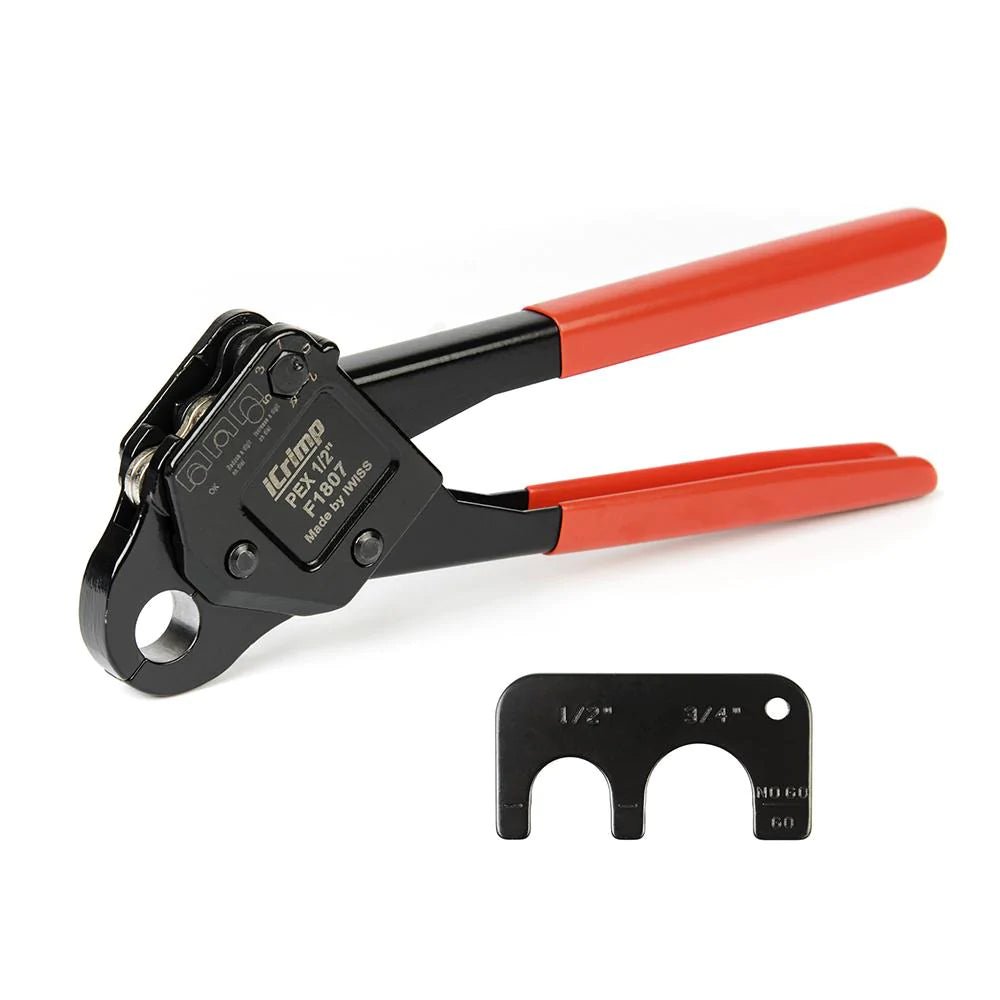
In 2026, selecting the correct PEX crimping tool is vital for any plumbing project, ensuring durability and preventing costly leaks. Understanding the differences between PEX tool types directly impacts the success and longevity of your water systems. This guide breaks down the essential tools you need to know.
We will cover the main categories of PEX tools, from traditional crimpers to modern powered options. You will learn how each tool works with specific PEX tubing and fittings. This knowledge empowers you to make informed decisions for both DIY and professional plumbing tasks.
| Tool Type | Connection Method | Primary Use | Pros | Cons | 2026 Cost Range (USD) |
|---|---|---|---|---|---|
| Crimpers (Copper Rings) | Compresses copper rings | PEX-B, PEX-A (with specific fittings) | Reliable, leak-free joints, professional standard | Requires specific jaw size for each fitting, can require more force | $30 – $150 |
| Cinch/Clamp Tools | Secures stainless steel clamps | PEX-B | Easy to use in tight spaces, single tool for multiple sizes (with clamps) | Clamp can be bulkier, potential for overtightening if not careful | $40 – $120 |
| Powered Press Tools | Hydraulic or electric compression | PEX-A, PEX-B, PE-RT | Fast, consistent pressure, reduced fatigue, ideal for large jobs | High initial cost, requires battery power | $300 – $2,500+ |
PEX Crimping Tool for Copper Rings
Crimpers are the workhorse for PEX-B systems, using a robust jaw mechanism to permanently compress copper crimp rings around PEX tubing and fittings. This method is favored by many professional plumbers for its proven track record of creating exceptionally strong and leak-free connections. The tool’s design ensures a consistent, even compression, which is critical for the integrity of the joint over time.
The key to using a crimping tool effectively is matching the correct tool size to the specific fitting and ring size. Using the wrong size can lead to an incomplete seal or damage to the fitting. Always verify your tool and ring compatibility before making a connection.
When using a PEX crimping tool with copper rings, you’ll typically need a PEX fitting, a copper ring, and the tubing itself. The ring slides over the tubing, the fitting is inserted, and then the crimper is used to squeeze the ring, creating a watertight seal. This technique is fundamental for reliable residential installers working with PEX-B tubing.
Using Stainless Steel Clamps with PEX
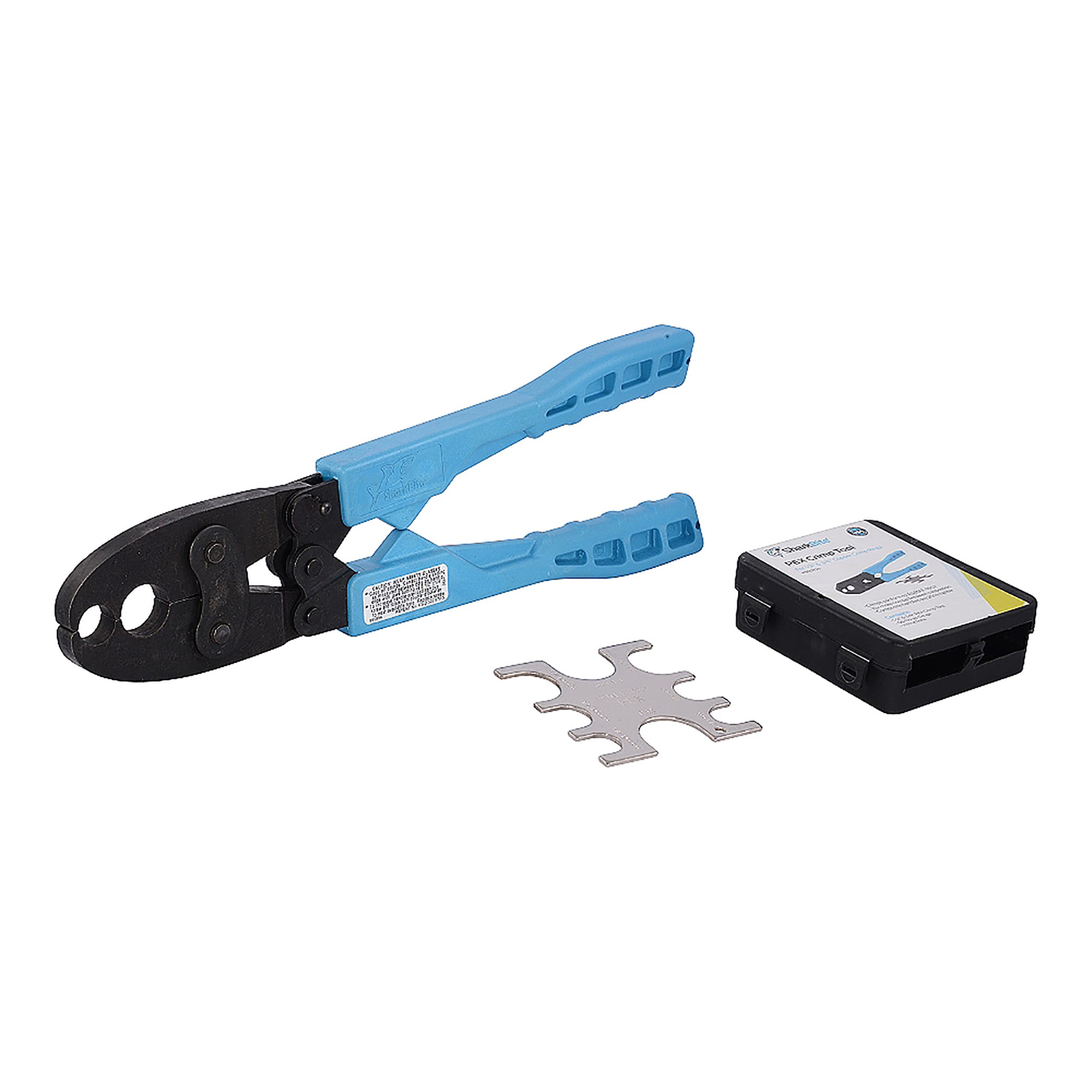
Stainless steel clamps offer an alternative connection method, often favored for their ease of use, especially in difficult-to-reach areas. These tools, often called cinch tools, use a ratcheting mechanism to tighten a stainless steel clamp around the PEX tubing and fitting. The advantage here is that you often only need access to one side of the clamp to secure it, simplifying the process in tight crawl spaces or behind walls.
The ‘ear’ or clamp design is crucial. Ensure the clamp is fully closed and the ‘ear’ is properly crimped to create a secure seal. Over-cinching can damage the tubing, while under-cinching can lead to leaks.
These tools are particularly effective with PEX-B tubing. The process involves placing the clamp over the tubing and fitting, then using the cinch tool to close the clamp. This method provides a strong mechanical grip, and the stainless steel material resists corrosion, contributing to the system’s longevity.
PEX-A vs PEX-B: Tool Compatibility
Understanding the differences between PEX-A and PEX-B tubing is crucial for selecting the right tools. PEX-B, the most common type, is designed for crimp and clamp connections. Its rigid structure holds its shape well, making it ideal for these mechanical joining methods. This is why you see so many tools specifically designed for PEX-B systems.
PEX-A, on the other hand, is more flexible and uses a different expansion method for connections. While some specialized crimp or clamp fittings exist for PEX-A, the most common and reliable method involves expansion tools. Using the wrong tool on PEX-A tubing can compromise the connection’s integrity, leading to potential failures. Always confirm the tubing type and the tool’s intended use.
Many DIY plumbing projects benefit from PEX-B due to its compatibility with widely available and user-friendly crimp and clamp tools. PEX-A systems often require a higher investment in specialized expansion tools.
When working with PEX-A, you’ll often encounter expansion fittings that require a tool to enlarge the tubing before inserting the fitting. This creates a very strong, memory-based seal. For traditional crimping or clamping, PEX-B is generally the preferred and more straightforward choice.
Multi-Head PEX Tool Kits for DIY
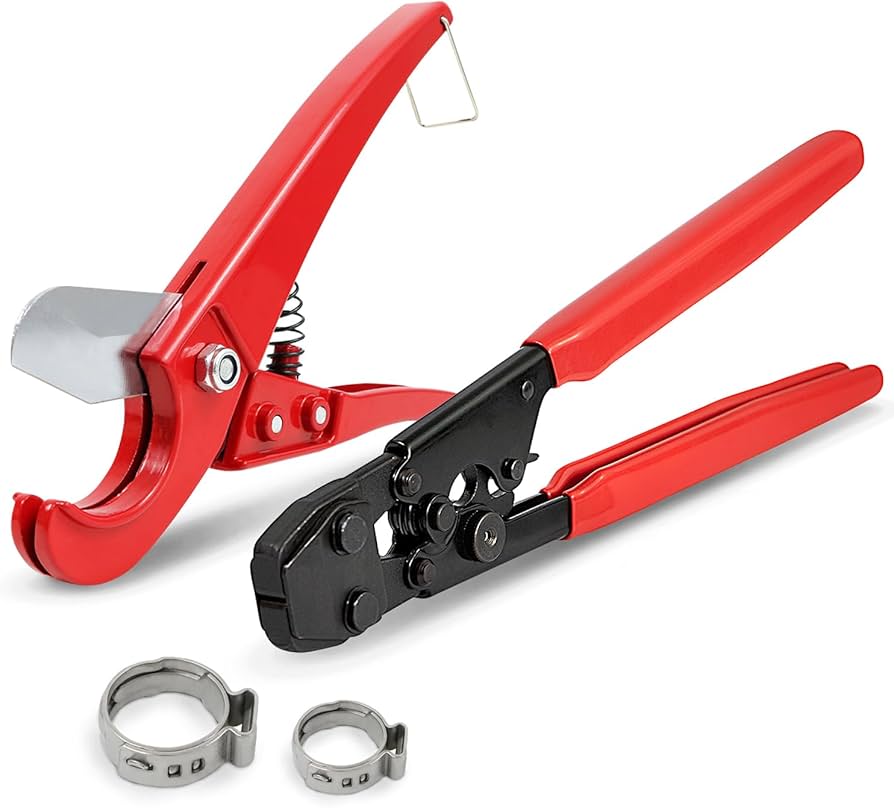
For the do-it-yourself enthusiast, multi-head PEX tool kits offer excellent versatility and value. These kits typically include a single handle or ratchet mechanism that can accept interchangeable jaws or heads for different PEX fitting sizes and types. This means one tool can handle multiple common PEX connection scenarios, reducing the need to purchase several specialized tools.
These kits are particularly useful for homeowners tackling various plumbing repairs or upgrades. They often come with a convenient carrying case, keeping all the necessary components organized and accessible. The ability to switch heads quickly makes them efficient for projects that involve different pipe diameters or fitting styles.
A good multi-head kit can save a significant amount of money compared to buying individual tools for each size. Ensure the kit specifies compatibility with the type of PEX tubing and fittings you plan to use.
When choosing a kit, check for compatibility with both copper crimp rings and stainless steel clamps if you anticipate using both methods. Some higher-end kits may even include tools for different PEX types, offering even greater flexibility for complex projects.
Single-Size PEX Crimp Tool Basics
A single-size PEX crimp tool is designed for one specific PEX tubing diameter, such as 1/2 inch or 3/4 inch. While less versatile than a multi-head kit, these tools are often built for maximum durability and ease of use for that particular size. They provide a straightforward and reliable way to make connections when you know you will be working primarily with one size of PEX tubing.
These tools are common in professional plumbing supply stores and are a staple for plumbers who frequently work with a specific PEX size. Their simplicity means fewer moving parts, potentially leading to greater longevity and less chance of malfunction. For large-scale projects that exclusively use one PEX dimension, a dedicated single-size tool can be highly efficient.
The main drawback is the lack of flexibility. If your project requires multiple PEX sizes, you would need to purchase multiple single-size tools, which can become more expensive than a multi-head kit.
When selecting a single-size tool, prioritize models known for their comfortable grip and smooth operation. A tool that requires excessive force or is difficult to handle can lead to user fatigue and inconsistent crimps, compromising the connection.
Brass Fittings and Crimp Ring Sizing
Brass fittings are a popular choice for PEX plumbing systems due to their durability and corrosion resistance. When using crimp rings with brass fittings and PEX-B tubing, precise sizing is paramount. The copper crimp ring must be the exact size to match the PEX tubing diameter and the fitting’s outer dimension.
For example, a 1/2-inch PEX system will use 1/2-inch PEX tubing, a 1/2-inch brass fitting, and a 1/2-inch copper crimp ring. The crimping tool then compresses this ring, creating a secure mechanical seal against the fitting’s barb. Failure to match these sizes correctly will result in a poor connection, leading to leaks.
Always double-check the size markings on your PEX tubing, fittings, and crimp rings before you begin. It’s a common mistake to grab the wrong size, especially when working with multiple dimensions on a single job.
The quality of the brass fitting also plays a role. Look for lead-free brass fittings, which are standard in 2026 for potable water applications, ensuring safety and compliance with regulations. The smooth interior of a quality brass fitting also aids in water flow.
Poly Crimp Fittings for PEX-B Systems
Poly crimp fittings, often made from durable plastics like acetal or polypropylene, offer a cost-effective alternative to brass fittings in PEX-B systems. These fittings work with the same copper crimp rings and PEX crimping tools used for brass. Their advantage lies in their lower cost and resistance to certain types of corrosion that can affect metals in specific water conditions.
When using poly crimp fittings, the crimping process is identical to that with brass. The copper ring is placed over the PEX tubing, the poly fitting is inserted, and the crimping tool compresses the ring. The plastic material of the fitting provides a solid base for the crimp, ensuring a secure seal.
These fittings are a great option for budget-conscious DIYers or for applications where extreme durability is not the primary concern. However, always ensure they meet local plumbing codes for your area.
It is important to note that while poly fittings are suitable for many applications, brass fittings are generally considered more robust and are often preferred for high-pressure or high-temperature situations. Always consult the manufacturer’s specifications for both the tubing and the fittings.
PE-RT Tubing: Crimping Requirements
Polyethylene of Raised Temperature (PE-RT) tubing is a newer type of PEX that offers enhanced heat resistance without the cross-linking process found in PEX-A or PEX-B. While it can be used with some crimp and clamp systems, it’s crucial to verify compatibility. PE-RT tubing’s flexibility and expansion properties differ from traditional PEX types.
For crimping, you must use fittings specifically designed for PE-RT tubing. These fittings are often made of brass or specialized plastics and are designed to accommodate PE-RT’s unique characteristics. Using standard PEX-B fittings and rings might not provide a reliable seal due to slight differences in material expansion and contraction.
Always check the tubing manufacturer’s recommendations. Some PE-RT tubing is designed for specific connection methods, and using the wrong tool or fitting can void warranties and lead to leaks.
While crimping is possible with compatible fittings, expansion methods are also common for PE-RT. The key is to ensure that your chosen tool and fittings are explicitly rated for use with PE-RT tubing. This ensures the integrity and longevity of your plumbing installation.
PEX-A vs PEX-B: Tool Compatibility
Understanding the differences between PEX-A and PEX-B tubing is crucial for selecting the right tools. PEX-B, the most common type, is designed for crimp and clamp connections. Its rigid structure holds its shape well, making it ideal for these mechanical joining methods. This is why you see so many tools specifically designed for PEX-B systems.
PEX-A, on the other hand, is more flexible and uses a different expansion method for connections. While some specialized crimp or clamp fittings exist for PEX-A, the most common and reliable method involves expansion tools. Using the wrong tool on PEX-A tubing can compromise the connection’s integrity, leading to potential failures. Always confirm the tubing type and the tool’s intended use.
Many DIY plumbing projects benefit from PEX-B due to its compatibility with widely available and user-friendly crimp and clamp tools. PEX-A systems often require a higher investment in specialized expansion tools.
When working with PEX-A, you’ll often encounter expansion fittings that require a tool to enlarge the tubing before inserting the fitting. This creates a very strong, memory-based seal. For traditional crimping or clamping, PEX-B is generally the preferred and more straightforward choice.
Multi-Head PEX Tool Kits for DIY
For the do-it-yourself enthusiast, multi-head PEX tool kits offer excellent versatility and value. These kits typically include a single handle or ratchet mechanism that can accept interchangeable jaws or heads for different PEX fitting sizes and types. This means one tool can handle multiple common PEX connection scenarios, reducing the need to purchase several specialized tools.
These kits are particularly useful for homeowners tackling various plumbing repairs or upgrades. They often come with a convenient carrying case, keeping all the necessary components organized and accessible. The ability to switch heads quickly makes them efficient for projects that involve different pipe diameters or fitting styles.
A good multi-head kit can save a significant amount of money compared to buying individual tools for each size. Ensure the kit specifies compatibility with the type of PEX tubing and fittings you plan to use.
When choosing a kit, check for compatibility with both copper crimp rings and stainless steel clamps if you anticipate using both methods. Some higher-end kits may even include tools for different PEX types, offering even greater flexibility for complex projects.
Single-Size PEX Crimp Tool Basics
A single-size PEX crimp tool is designed for one specific PEX tubing diameter, such as 1/2 inch or 3/4 inch. While less versatile than a multi-head kit, these tools are often built for maximum durability and ease of use for that particular size. They provide a straightforward and reliable way to make connections when you know you will be working primarily with one size of PEX tubing.
These tools are common in professional plumbing supply stores and are a staple for plumbers who frequently work with a specific PEX size. Their simplicity means fewer moving parts, potentially leading to greater longevity and less chance of malfunction. For large-scale projects that exclusively use one PEX dimension, a dedicated single-size tool can be highly efficient.
The main drawback is the lack of flexibility. If your project requires multiple PEX sizes, you would need to purchase multiple single-size tools, which can become more expensive than a multi-head kit.
When selecting a single-size tool, prioritize models known for their comfortable grip and smooth operation. A tool that requires excessive force or is difficult to handle can lead to user fatigue and inconsistent crimps, compromising the connection.
Brass Fittings and Crimp Ring Sizing
Brass fittings are a popular choice for PEX plumbing systems due to their durability and corrosion resistance. When using crimp rings with brass fittings and PEX-B tubing, precise sizing is paramount. The copper crimp ring must be the exact size to match the PEX tubing diameter and the fitting’s outer dimension.
For example, a 1/2-inch PEX system will use 1/2-inch PEX tubing, a 1/2-inch brass fitting, and a 1/2-inch copper crimp ring. The crimping tool then compresses this ring, creating a secure mechanical seal against the fitting’s barb. Failure to match these sizes correctly will result in a poor connection, leading to leaks.
Always double-check the size markings on your PEX tubing, fittings, and crimp rings before you begin. It’s a common mistake to grab the wrong size, especially when working with multiple dimensions on a single job.
The quality of the brass fitting also plays a role. Look for lead-free brass fittings, which are standard in 2026 for potable water applications, ensuring safety and compliance with regulations. The smooth interior of a quality brass fitting also aids in water flow.
Poly Crimp Fittings for PEX-B Systems
Poly crimp fittings, often made from durable plastics like acetal or polypropylene, offer a cost-effective alternative to brass fittings in PEX-B systems. These fittings work with the same copper crimp rings and PEX crimping tools used for brass. Their advantage lies in their lower cost and resistance to certain types of corrosion that can affect metals in specific water conditions.
When using poly crimp fittings, the crimping process is identical to that with brass. The copper ring is placed over the PEX tubing, the poly fitting is inserted, and the crimping tool compresses the ring. The plastic material of the fitting provides a solid base for the crimp, ensuring a secure seal.
These fittings are a great option for budget-conscious DIYers or for applications where extreme durability is not the primary concern. However, always ensure they meet local plumbing codes for your area.
It is important to note that while poly fittings are suitable for many applications, brass fittings are generally considered more robust and are often preferred for high-pressure or high-temperature situations. Always consult the manufacturer’s specifications for both the tubing and the fittings.
PE-RT Tubing: Crimping Requirements
Polyethylene of Raised Temperature (PE-RT) tubing is a newer type of PEX that offers enhanced heat resistance without the cross-linking process found in PEX-A or PEX-B. While it can be used with some crimp and clamp systems, it’s crucial to verify compatibility. PE-RT tubing’s flexibility and expansion properties differ from traditional PEX types.
For crimping, you must use fittings specifically designed for PE-RT tubing. These fittings are often made of brass or specialized plastics and are designed to accommodate PE-RT’s unique characteristics. Using standard PEX-B fittings and rings might not provide a reliable seal due to slight differences in material expansion and contraction.
Always check the tubing manufacturer’s recommendations. Some PE-RT tubing is designed for specific connection methods, and using the wrong tool or fitting can void warranties and lead to leaks.
While crimping is possible with compatible fittings, expansion methods are also common for PE-RT. The key is to ensure that your chosen tool and fittings are explicitly rated for use with PE-RT tubing. This ensures the integrity and longevity of your plumbing installation.
The Expert Verdict: The Future of PEX Tools in 2026
In 2026, the PEX tool market continues to evolve, with powered press tools gaining significant traction for their efficiency and precision. While manual crimpers and cinch tools remain reliable and cost-effective for smaller jobs and DIYers, the trend is clearly towards automation and reduced physical strain.
For professionals and high-volume projects, investing in a quality battery-powered PEX tool is becoming the standard. These tools not only speed up installation but also ensure a consistent, high-quality connection every time, minimizing callbacks. For the average homeowner undertaking occasional repairs, a good multi-head manual kit still offers the best balance of cost and capability.
Your 3-Step Action Plan for PEX Crimping
Step 1: Choose Your Tool Type
- Decide between manual crimpers for copper rings or cinch tools for stainless steel clamps. Crimpers offer proven reliability; cinch tools work better in tight spots.
- If you have a large project, consider a powered press tool like Milwaukee M18 to save time and reduce hand fatigue.
Step 2: Match Tool to Tubing
- Confirm you have PEX-B tubing, which is the standard for crimp and cinch connections. PEX-A may require different tools.
- Check the tool’s size compatibility with your tubing diameter (commonly 1/2, 3/4, or 1 inch).
Step 3: Practice Proper Technique
- Make a clean, square cut on the PEX tube before inserting the fitting. Slide the copper ring or clamp over the end.
- Position the tool perpendicular to the ring and squeeze fully. For cinch tools, ratchet until the clamp is tight.
Frequently Asked Questions
Can I use a crimp tool on PEX-A tubing?
No, PEX-A typically uses expansion fittings and a different tool. Crimp tools are designed for PEX-B tubing.
Using the wrong tool can cause leaks and joint failure, so always check your tubing type before buying.
What is the difference between a manual and powered PEX tool?
Manual tools are cheaper and work well for small jobs, but require more physical effort. Powered tools are faster and reduce strain, ideal for large projects.
Powered tools also ensure consistent pressure every time, which lowers the risk of leaks.
How do I know if my crimp is correct?
Use a go/no-go gauge to check the crimp ring diameter after compressing. If the gauge fits over the ring, the crimp is too loose.
Always inspect the ring for even compression and no gaps; a proper crimp should feel solid and look uniform.
Choosing the right PEX crimping tool depends on your project size and budget, but manual tools remain a reliable and affordable option for most DIYers. Powered press tools are a smart investment if you plan to do multiple jobs or have limited hand strength.
Start with a basic kit from Home Depot or Lowe’s, and practice on scrap tubing before tackling your main project. Next, read our guide on PEX fittings to ensure you buy the right connectors for your system.
As smart home technology evolves, expect PEX tools to integrate with app-based torque monitoring for even greater precision. The future of plumbing is efficient, clean, and within reach for every homeowner.
