

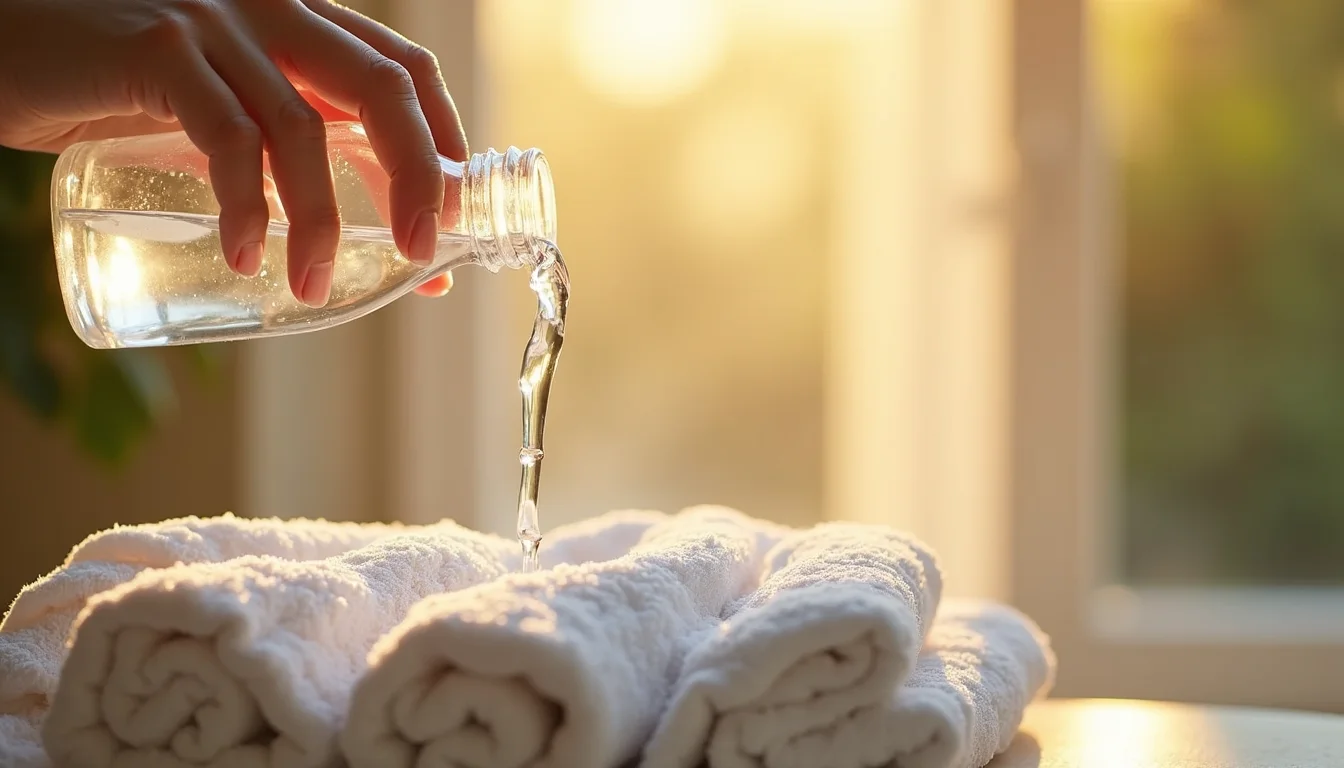
You pour in liquid fabric softener every load, but it might be coating your clothes in waxy chemicals that reduce absorbency and trap odors. That fake ‘fresh’ smell? It’s covering up residue, not cleaning your laundry.
Switching to a natural fabric softener isn’t just healthier for your skin and the planet. It actually works better at softening fibers, neutralizing smells, and keeping towels fluffy without buildup.
Why DIY Fabric Softener and Wool Dryer Balls Outperform Store-Bought Chemicals
The secret to soft clothes without synthetic additives lies in simple ingredients like white vinegar and baking soda. Vinegar dissolves leftover detergent that makes fabrics stiff, while baking soda neutralizes odors and softens water naturally.
For a mechanical approach, wool dryer balls (100% New Zealand wool) bounce between clothes, reducing static and drying time by up to 30%. They last over 1,000 loads, saving money and landfill waste.
Brands like Seventh Generation and Attitude offer plant-based liquid softeners that are hypoallergenic and biodegradable. Rustic Strength even makes a vinegar-based organic option. These alternatives avoid the waxy buildup of conventional softeners, keeping your machine and clothes in better condition.
Natural Fabric Softeners: The 2026 Laundry Upgrade
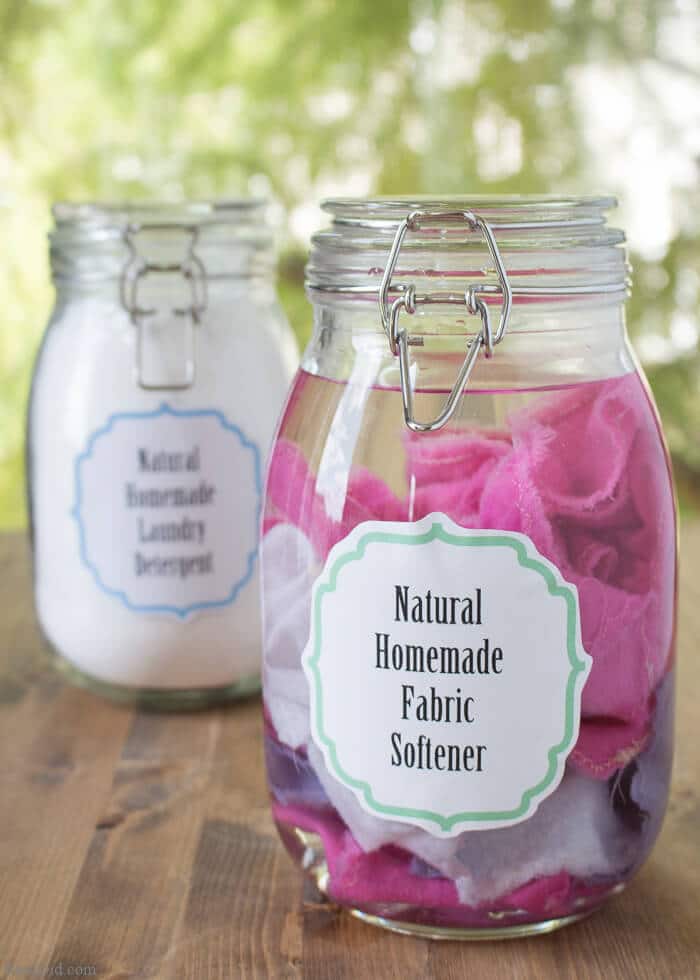
In 2026, the way we care for our clothes is changing. Consumers are looking for laundry solutions that are kind to their skin and the planet. Natural fabric softeners are leading this charge. They offer effective softening and freshness without harsh chemicals. This shift is driven by a desire for healthier homes and sustainable practices. Many are discovering the power of simple, natural ingredients for a softer wash.
| Method | Key Ingredient/Item | Benefit | Cost (Est.) |
| Liquid Softener | White Vinegar | Dissolves residue, softens fibers | $0.10/load |
| Boost | Baking Soda | Neutralizes odors, softens | $0.05/load |
| Dryer Alternative | Wool Dryer Balls | Reduces drying time, minimizes static | $2.00/load (reusable 1000+ times) |
| Commercial | Plant-Based Formulas | Hypoallergenic, biodegradable | $0.30/load |
DIY Fabric Softener with Vinegar
White vinegar is a powerhouse for softening clothes. It works by breaking down detergent buildup. This buildup makes fabrics feel stiff and scratchy. Adding about half a cup to your rinse cycle is all it takes. Your clothes will come out feeling noticeably softer. It also helps remove lingering odors from your laundry.
Many people worry about the vinegar smell. Do not be concerned. The vinegar scent completely disappears during the drying process. You are left with fresh, soft clothes. This is a simple yet effective way to achieve a better laundry result. It is also very budget-friendly for everyday use.
Read also: Why Laundry Powder Beats Liquid for Tough Stains and Sensitive Skin
Vinegar is a fantastic natural cleaner and softener. It’s safe for most fabrics and your washing machine.
Baking Soda Fabric Softener Benefits
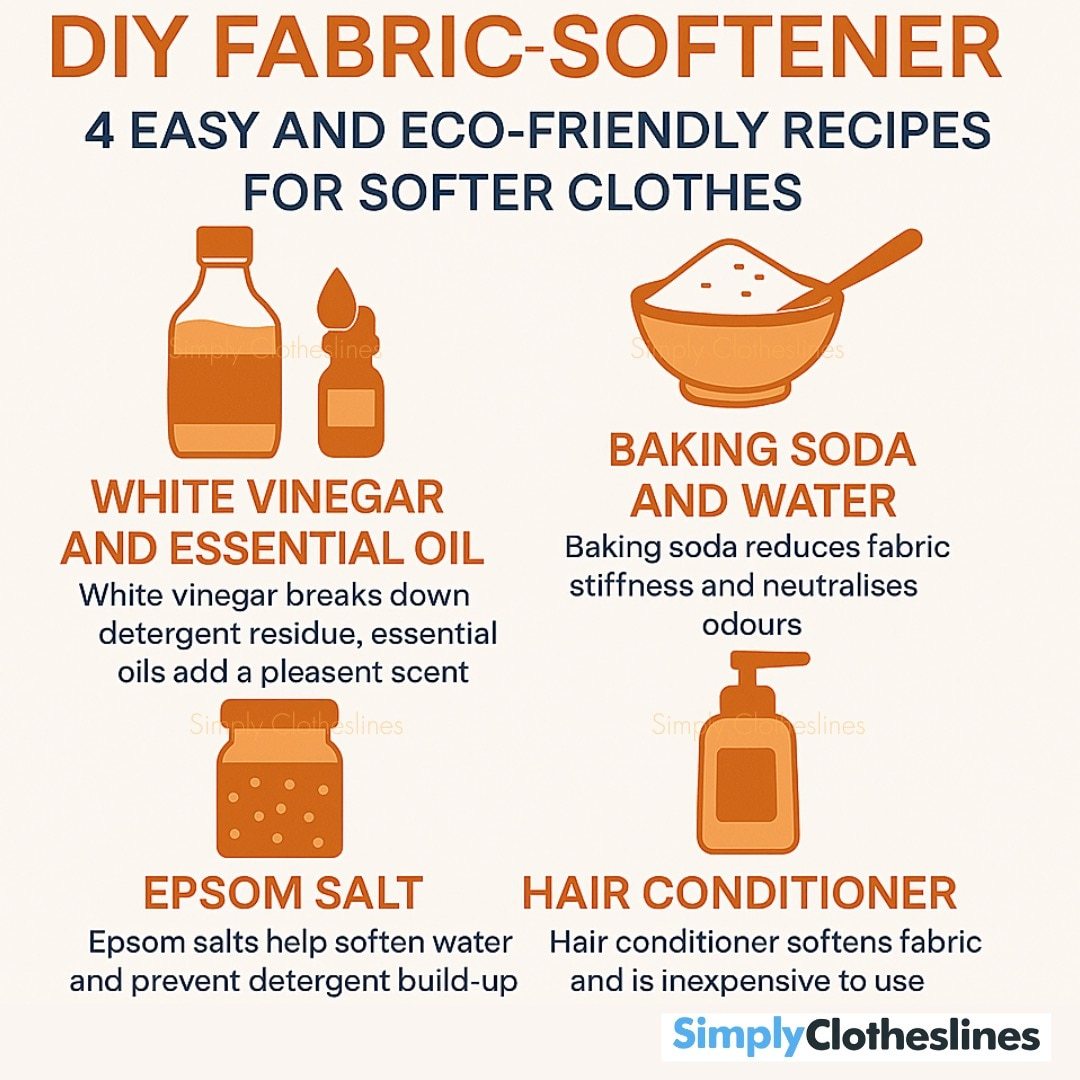
Baking soda is another kitchen staple that excels in the laundry room. Its primary benefit is its excellent odor-neutralizing capability. It also contributes to softening fabrics. You can add half a cup of baking soda directly to your wash drum. This works well alongside your regular detergent.
Using baking soda can make your clothes feel softer and fresher. It helps to balance the pH in the wash water. This leads to a cleaner, brighter, and softer outcome for your laundry. It is an inexpensive addition to your laundry routine. It boosts the performance of your detergent naturally.
Wool Dryer Balls for Static Cling
Say goodbye to static cling with wool dryer balls. These are typically made from 100% natural wool. They work by bouncing around in the dryer. This action separates your clothes. It allows hot air to circulate more freely. This significantly reduces drying times.
Wool dryer balls also help to soften fabrics mechanically. They reduce wrinkles and minimize static electricity. They are a sustainable choice, lasting for hundreds of loads. This makes them a cost-effective and eco-friendly laundry alternative. They are a great way to soften clothes naturally.
Read also: Why a cotton blanket is all you need for better sleep
Plant-Based Fabric Softener Options
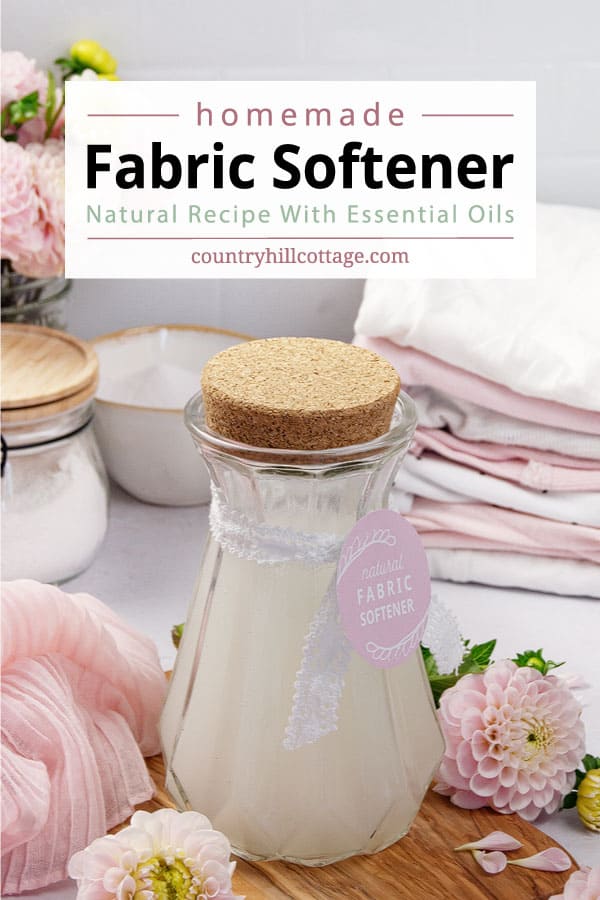
The market in 2026 offers many ready-made natural softeners. These often use plant-derived ingredients. They are formulated to be gentle and effective. Look for brands that emphasize USDA Bio-based content. Many are also hypoallergenic and biodegradable.
These commercial options provide convenience. They are a good choice if you prefer not to mix your own solutions. They offer a pleasant scent from essential oils. They are designed to avoid the waxy buildup common with conventional softeners. This ensures your fabrics stay fresh and soft.
Hypoallergenic Fabric Softener for Sensitive Skin
For those with sensitive skin, choosing the right fabric softener is crucial. Many conventional softeners contain fragrances and dyes that can cause irritation. Natural and hypoallergenic options are formulated specifically to avoid these triggers. They use gentle, plant-based ingredients.
Look for products clearly labeled as hypoallergenic. These are designed to minimize the risk of allergic reactions. They provide softness and freshness without compromising skin health. This ensures your clothes feel comfortable against your skin all day long. It is a key part of chemical-free laundry.
Eco-Friendly Laundry with Natural Alternatives
Embracing eco-friendly laundry practices is a growing trend. Natural fabric softeners are a significant part of this movement. They reduce the amount of synthetic chemicals released into waterways. Using ingredients like vinegar and baking soda is incredibly sustainable. Wool dryer balls are also a fantastic reusable option.
Choosing these natural laundry alternatives helps lower your environmental impact. It supports a healthier planet. Many brands now focus on plant and mineral-based formulas. This aligns with the consumer demand for greener household products. It is a simple change with a big impact.
Softening Clothes Naturally Without Chemicals
Achieving soft clothes without relying on chemical softeners is entirely possible. The key is understanding how fabrics get stiff. It is often due to detergent residue or minerals in the water. Natural methods address these issues directly. Vinegar dissolves residue, while baking soda softens and deodorizes.
Mechanical action, like that from wool dryer balls, also plays a role. These methods provide a gentle softening effect. They do not leave behind the synthetic coatings found in traditional softeners. This ensures your fabrics remain breathable and truly soft. It is about smart laundry, not harsh chemicals.
Odor Neutralizing Laundry with Essential Oils
While vinegar and baking soda are effective softeners, some desire added fragrance. Essential oils can be added to DIY solutions for a natural scent. Add a few drops of your favorite essential oil, like lavender or lemon, to your vinegar rinse. This imparts a light, natural fragrance to your clothes.
Be mindful of the amount used. Too much can be overpowering. Essential oils offer a pleasant aroma without the synthetic perfumes found in commercial softeners. This makes your laundry smell naturally fresh. It is a simple way to personalize your natural fabric softener.
The Verdict: A Softer, Greener Future for Laundry
The move towards natural fabric softeners in 2026 is a smart one. It benefits your health, your clothes, and the environment. Simple ingredients like vinegar and baking soda offer powerful results. Wool dryer balls provide a sustainable, effective alternative for the dryer.
Whether you choose DIY methods or opt for plant-based commercial options, the outcome is the same. You get soft, fresh clothes without the chemical load. This is the future of laundry care. It is practical, affordable, and responsible. Make the switch and feel the difference in your laundry.
Read also: 8 Surprising Borax Uses That Solve Your Toughest Cleaning Problems
Your 3-Step Action Plan for Naturally Soft Fabric
Step 1: Switch to White Vinegar
Add half a cup of white vinegar to your machine’s fabric softener compartment. This dissolves detergent residue that makes clothes stiff.
Don’t worry about the smell; it completely disappears once the cycle ends. Your clothes will be soft and fresh.
Step 2: Use Wool Dryer Balls
Throw three to six wool dryer balls into the dryer with your wet laundry. They bounce around, separating fibers and reducing static.
This cuts drying time by up to 30% and softens fabric without any chemicals. They last for over 1,000 loads.
Step 3: Choose a Ready-Made Natural Softener
If DIY isn’t your thing, pick a brand like Seventh Generation or Attitude. Look for plant-based ingredients and a USDA Bio-based label.
These are hypoallergenic and biodegradable, perfect for sensitive skin. They work just as well as conventional softeners without the waxy buildup.
Frequently Asked Questions
Will white vinegar damage my washing machine?
No, white vinegar is safe for all washing machines, including high-efficiency (HE) models. It actually helps clean the machine by removing buildup.
Just use half a cup per load and avoid mixing it with bleach.
Can I use baking soda with vinegar?
It’s best not to mix them directly, as they neutralize each other. Instead, add baking soda to the wash cycle and vinegar to the rinse.
This combination boosts cleaning and softening without chemical reactions.
Do natural softeners work on towels?
Yes, but white vinegar is especially good for towels. It removes residue that reduces absorbency.
Wool dryer balls also help keep towels fluffy without coating the fibers.
Choosing a natural fabric softener is a smart move for your health and the planet. You get soft, fresh clothes without synthetic chemicals.
Now it’s time to try one of these methods in your next laundry load. Start with the easiest option that fits your routine.
Imagine your laundry room free of plastic bottles and artificial scents. This simple switch brings a cleaner, more sustainable home.
