


You pour in the liquid detergent, but your whites still look dingy. That’s because liquid detergents often struggle with ground-in dirt like mud and clay. Powder laundry detergent tackles those tough stains better, and it costs less per load.
Many people think powder is old-fashioned or leaves residue. But modern formulas dissolve completely in cold water and are packed with enzymes that break down stains days old. If you want cleaner clothes and lower bills, it’s time to reconsider powder.
Why Laundry Powder Beats Liquid for Tough Stains and Sensitive Skin
In 2026, the best laundry powder uses advanced surfactants and enzyme blends that outperform liquids on particulate soils. Brands like Tide and Persil now offer ‘Clean Dissolve’ technology that works in cold water, so you don’t need to pre-dissolve for HE machines. For heavy-duty loads, a scoop of powder can remove grass and grease stains that liquid leaves behind.
Eco-friendly laundry powder options are also booming. Formulas with sodium carbonate and unrefined sea salt are gentle on sensitive skin and safe for septic systems. Hypoallergenic varieties often need just one tablespoon per load, making them both effective and economical. If you have allergies or want to reduce plastic waste, powder is a smart switch.
The Powerhouse of Clean: Understanding Laundry Powder in 2026
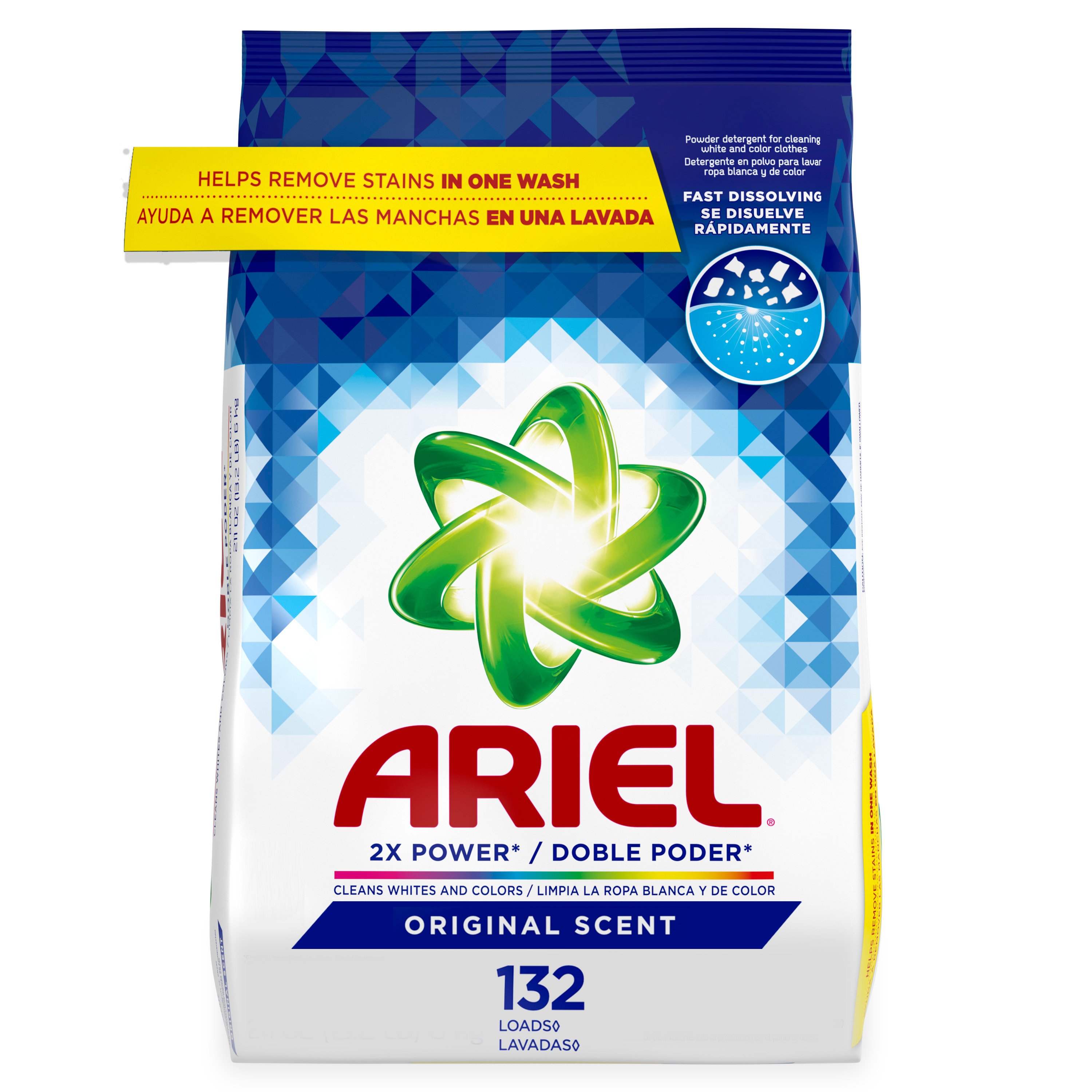
Laundry powder remains a top choice for many households in 2026, especially when tackling stubborn dirt and grime. Modern formulations have advanced significantly, using powerful surfactant technologies and enzyme blends. These ingredients are specifically designed to break down tough particulate soils, like mud and clay, often outperforming liquid detergents in these challenging situations. You can trust powder for a deep clean.
Powders are engineered for effective performance across various water temperatures, including cold washes. This means better energy efficiency and gentler care for your fabrics. For those with high-efficiency (HE) front-loading machines, a simple step can ensure optimal results. Pre-dissolving the powder in a little warm water before adding it to the wash is a practice recommended by many textile care experts. This helps prevent any potential residue buildup, though newer low-suds formulas have greatly reduced this concern.
| Feature | Description |
|---|---|
| Advanced Surfactants & Enzymes | Superior stain removal, especially for mud and clay. |
| Temperature Performance | Effective in cold water, maximizing efficiency and fabric care. |
| HE Machine Use | Pre-dissolving recommended for some models to prevent residue. |
| Concentrated Formulas | Require less product per load, often septic-safe. |
| Eco-Conscious Options | Natural ingredients, plastic-free packaging available. |
Powder Laundry Detergent: How It Works
Laundry powder functions through a combination of powerful cleaning agents. Surfactants work by reducing the surface tension of water, allowing it to penetrate fabrics more effectively. They also lift and suspend dirt and oil particles so they can be washed away. Enzymes are biological catalysts that specifically target and break down different types of stains, such as protein-based (like blood) or starch-based (like food) soils. This dual action makes powder laundry detergent highly effective for a broad range of cleaning challenges.
Read also: 8 Surprising Borax Uses That Solve Your Toughest Cleaning Problems
The granular nature of powder allows for a high concentration of these active ingredients. When the powder dissolves in water, it releases these cleaning agents to work on your clothes. Modern powders are designed to dissolve quickly, even in cooler water, ensuring that the cleaning agents are readily available to combat stains without leaving residue behind. This makes it a reliable choice for everyday laundry needs.
Best Laundry Powder for Tough Stains
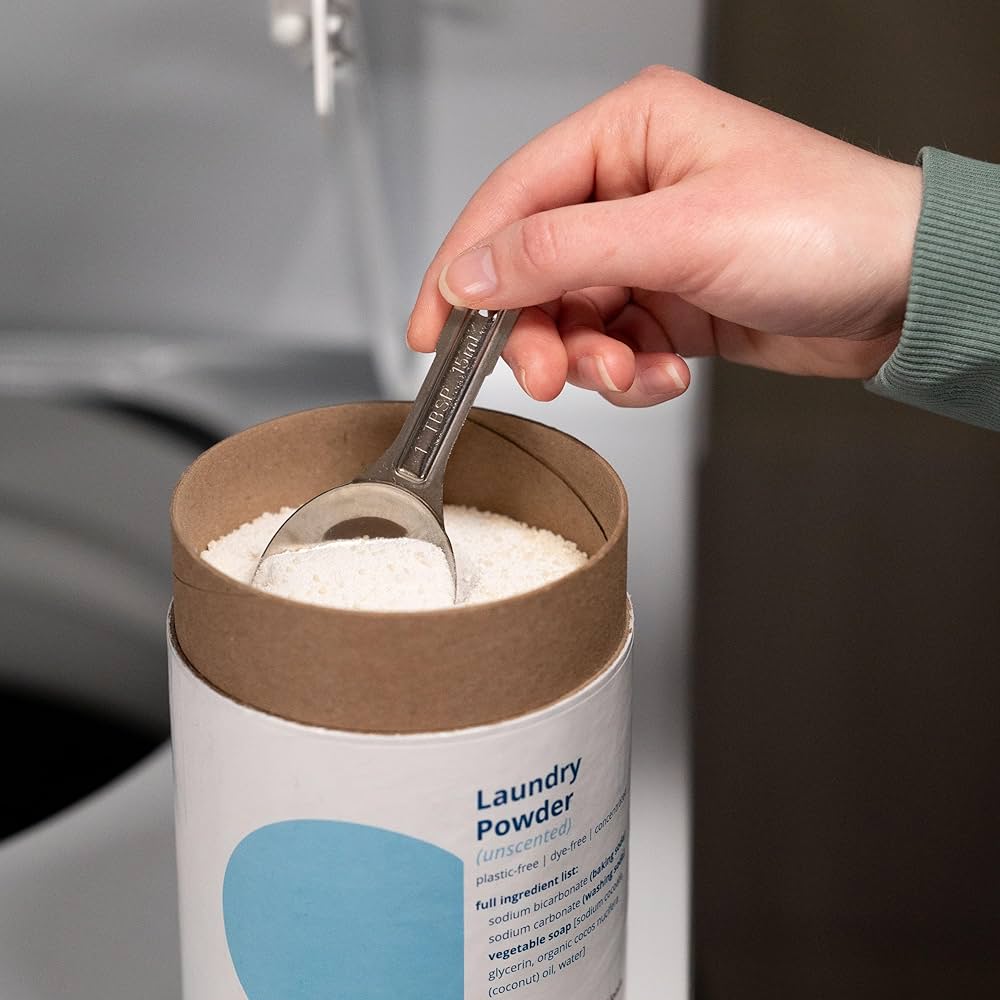
When facing particularly difficult stains, selecting the best laundry powder is crucial. Look for formulations that highlight specific stain-fighting technologies, such as advanced enzymatic blends. These enzymes are engineered to tackle even set-in stains, sometimes up to seven days old. Heavy-duty laundry powder options often contain higher concentrations of these powerful cleaning agents. They are formulated to penetrate deep into fabric fibers to lift and remove stubborn marks like grease, grass, or ink. Always check the product packaging for claims related to specific stain types.
For the most challenging stains, a heavy-duty laundry powder with specialized enzymes is your best bet. These are designed for maximum cleaning power.
Consider powders that also include oxygen-based bleaches or brighteners, which can help lift color-set stains and restore fabric vibrancy. For grease stains, surfactants that are particularly effective at emulsifying oils are key. Many of these powerful formulas are also designed to be low-suds, making them suitable for modern washing machines while still delivering exceptional cleaning performance.
Eco-Friendly Laundry Powder Options
Consumers are increasingly seeking eco-friendly laundry powder solutions. These products often emphasize natural ingredients and sustainable packaging. Many brands now offer options made with earth-derived components like sodium carbonate (washing soda) and unrefined sea salt. These ingredients are effective cleaners and are generally considered safer for the environment. Look for certifications that indicate biodegradability and minimal environmental impact.
Plastic-free packaging is another significant trend in eco-friendly laundry powder. Many companies are moving towards cardboard boxes or compostable materials to reduce waste. When choosing an eco-conscious option, you are not only caring for your clothes but also for the planet. These natural laundry powder choices are often ideal for those concerned about chemical exposure and seeking a more sustainable lifestyle.
Hypoallergenic Laundry Powder for Sensitive Skin
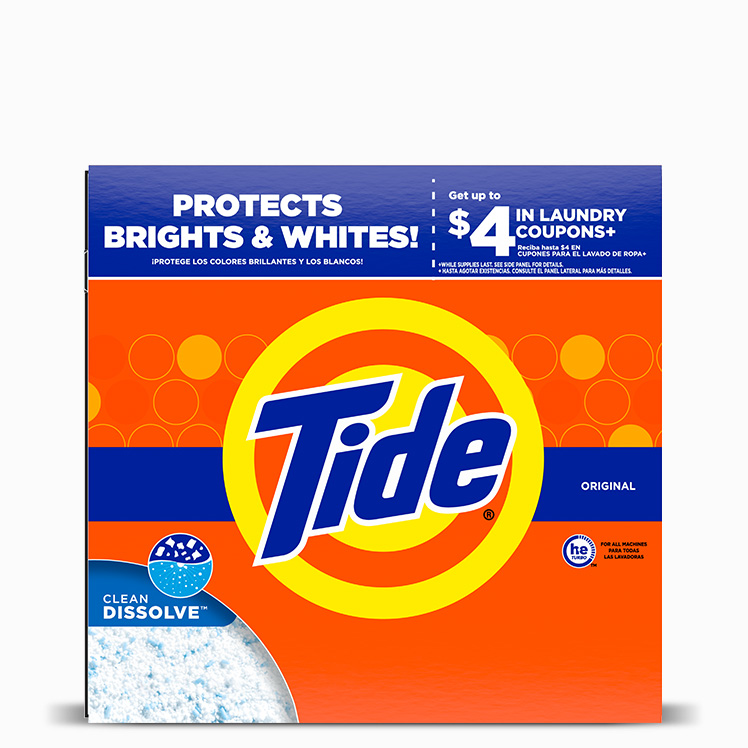
For individuals with sensitive skin or allergies, choosing a hypoallergenic laundry powder is essential. These formulas are specifically designed with minimal ingredients to reduce the risk of irritation. They typically exclude common allergens, such as dyes, synthetic fragrances, and harsh optical brighteners. Laundry powder for sensitive skin prioritizes gentleness while still providing effective cleaning. You can often find these options clearly labeled as ‘hypoallergenic’ or ‘fragrance-free’.
Many hypoallergenic laundry powders are also highly concentrated. This means you need only a small amount, often just a tablespoon, per large load of laundry. This concentration not only saves money but also means fewer chemicals are being introduced to your fabrics and skin. These gentle yet effective formulas ensure that your clothes come out clean and fresh without causing discomfort or allergic reactions. They are also typically septic-safe.
DIY Laundry Powder Recipe: Simple Steps
Creating your own laundry powder can be a cost-effective and rewarding alternative. A basic DIY laundry powder recipe typically involves just a few common household ingredients. The most popular combination includes washing soda (sodium carbonate), baking soda (sodium bicarbonate), and grated castile soap. These ingredients work together to clean, deodorize, and soften fabrics.
To make it, you will need to grate a bar of pure castile soap. Then, combine one part grated soap with one part washing soda and one part baking soda. Mix these ingredients thoroughly in a container. Store your DIY laundry powder in an airtight container to keep it fresh. Use about one to two tablespoons per load, adjusting as needed based on load size and soil level. This simple recipe offers a customizable and natural laundry solution.
Laundry Powder vs Liquid: Key Differences
The choice between laundry powder and liquid detergent often comes down to specific cleaning needs and preferences. Laundry powder excels at tackling particulate soils like mud and sand, thanks to its granular composition and powerful enzymes. It is also often more economical, especially when purchased in bulk. The advanced surfactant technologies in modern powders ensure excellent performance even in cold water.
Liquid detergents, on the other hand, are generally better at removing greasy stains and are convenient for pre-treating spots directly on fabric. They also tend to dissolve more readily in all water temperatures without needing pre-dissolving, which can be a plus for some users. However, for overall deep cleaning and heavy-duty stain removal, many consumers find powder laundry detergent to be the superior choice in 2026. Consider your most common laundry challenges when making your decision.
Low-Suds Laundry Powder for HE Washers
High-efficiency (HE) washing machines require specific types of detergents to function correctly. Low-suds laundry powder is specifically formulated for these machines. HE washers use less water, so a high-sudsing detergent can create too much foam. This excess suds can cushion the clothes, preventing them from rubbing against each other and the drum, which is essential for effective cleaning. It can also interfere with the machine’s draining and rinsing cycles.
Modern low-suds laundry powder formulations are designed to provide excellent cleaning power without excessive foam. They contain advanced surfactants that are highly efficient at lifting dirt even with minimal water. While pre-dissolving powder in HE machines is still a good practice for some, especially older models, many of these advanced low-suds powders minimize the risk of residue buildup. This ensures your HE washer runs efficiently and your clothes come out clean.
Natural Laundry Powder Ingredients to Look For
When seeking natural laundry powder options, focus on products that list simple, recognizable ingredients. Sodium carbonate, commonly known as washing soda, is a powerful cleaning agent and water softener. Sodium bicarbonate, or baking soda, is excellent for deodorizing and boosting cleaning power. Grated castile soap, made from vegetable oils, acts as a gentle surfactant.
Other natural ingredients you might find include plant-derived enzymes for stain removal and natural minerals. Avoid powders with artificial fragrances, dyes, or harsh chemical additives if your goal is a natural clean. Reading the ingredient list is key to identifying truly natural laundry powder formulations that align with your values and needs, especially for those with sensitive skin or environmental concerns.
The Expert Verdict: Powder’s Enduring Power in 2026
In 2026, laundry powder is far from obsolete; it is a refined and powerful cleaning solution. Its ability to tackle tough, particulate stains remains unmatched by most liquid alternatives. The advancements in enzyme technology and surfactant efficiency mean that modern powders offer superior cleaning performance with less product. They are also becoming more eco-friendly and suitable for sensitive skin than ever before.
While convenience is a factor, the undeniable cleaning efficacy of laundry powder makes it a smart choice for many households. Whether you opt for a commercial heavy-duty laundry powder, an eco-friendly option, or even a DIY recipe, you are choosing a product that delivers robust cleaning results. For anyone serious about achieving a truly deep clean, especially on challenging fabrics and stains, laundry powder is the expert recommendation.
Your 3-Step Action Plan for Choosing Laundry Powder
Step 1: Identify Your Priority
Are you battling tough stains like mud and grass, or do you need a gentle formula for sensitive skin? Your main concern will narrow down the options immediately.
Step 2: Check the Label for Key Features
Look for enzymes like protease for protein stains or amylase for starches. If using a high-efficiency washer, choose a low-suds powder to prevent residue.
Step 3: Test and Adjust
Start with the recommended amount and observe how your clothes look and feel. You may need to pre-dissolve the powder in warm water for best results in cold cycles.
Frequently Asked Questions
Can I use laundry powder in cold water?
Yes, modern powders are formulated to dissolve in cold water, but pre-dissolving in a cup of warm water can help prevent residue. Always check the package for cold-water compatibility.
Is laundry powder better than liquid for stains?
Powders excel at removing particulate soils like mud and clay due to their built-in abrasives and enzymes. For grease stains, liquids may perform better.
How much powder should I use for a large load?
For concentrated formulas, one tablespoon is often enough for a large load. Overuse can lead to residue buildup, so follow the manufacturer’s instructions.
Choosing the right laundry powder is about matching your specific needs with the right formula. Whether you prioritize stain removal, skin sensitivity, or eco-friendliness, there is a powder designed for you.
Start with our action plan and test a few options to see what works best. Your laundry routine can be both effective and gentle on your fabrics.
As laundry technology evolves, powders remain a powerful, versatile choice for modern homes. Embrace the simplicity and performance of a well-selected powder.
