


You need to make precise cuts for trim or furniture, but your circular saw just isn’t cutting it. A miter saw is your answer for fast, accurate angles every time. It saves you frustration and wasted material, especially on projects like baseboards or crown molding.
Think of it as a stationary saw that pivots left or right for miter cuts and tilts for bevel cuts. This tool is a game-changer for DIYers and pros alike, giving you clean, repeatable cuts with less effort. Let’s cut through the confusion and find the right one for your workshop.
Choosing Between a Cordless Miter Saw and a Compact Miter Saw for Your Projects
The first big decision is power source. A cordless miter saw gives you freedom to work anywhere, even without an outlet. Battery technology in 2026 is strong enough for most cuts, so you don’t lose much power. But if you’re doing heavy-duty framing all day, a corded model still wins for consistent torque.
Then think about size. A compact miter saw is lightweight and easy to store, perfect for small workshops or quick jobs. However, it can’t handle wide boards like a 12-inch sliding saw can. For most DIY tasks like cutting 2x4s or trim, a 10-inch compact saw is plenty. For larger lumber, step up to a 12-inch or a sliding compound miter saw.
Dual bevel miter saws let you tilt the blade left and right without flipping the workpiece. This saves time on crown molding and complex angles. Single bevel saws are cheaper but require you to flip the board for opposite bevels. If you do a lot of trim work, the dual bevel feature is worth the extra cost.
Miter Saws in 2026: The Essential Tool for Precision Cuts
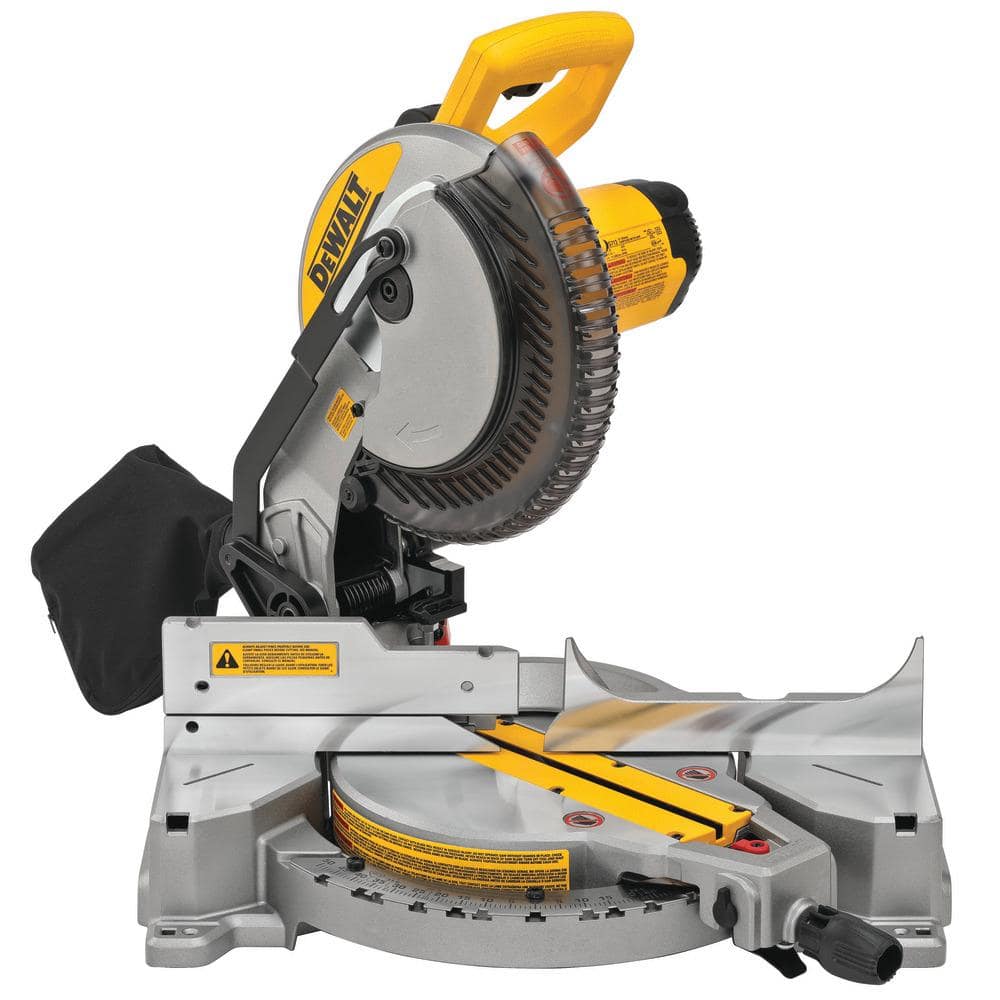
Miter saws remain indispensable for anyone serious about woodworking or construction. In 2026, these tools are more advanced than ever, offering enhanced precision and user-friendly features. Understanding the different types available is key to choosing the right one for your projects. This guide breaks down what you need to know.
| Feature | Description | Typical Cost |
| Type | Standard vs. Sliding Compound | $250 – $1,500+ |
| Blade Size | 10-inch or 12-inch | Varies with saw model |
| Bevel | Single or Dual | Dual bevel adds cost |
| Power | Corded or Cordless | Cordless offers portability |
Cordless Miter Saw: Portability and Power
The latest battery technology in 2026 is revolutionizing cordless miter saws. You get impressive power without being tethered to an outlet. This makes them ideal for job sites or moving around your workshop. Expect longer run times and consistent performance, even on tougher materials.
Cordless miter saw models are becoming the go-to for many professionals. They offer freedom of movement, which can significantly speed up your workflow. The upfront cost might be higher, but the convenience is often worth it.
Compact Miter Saw for Small Workshops
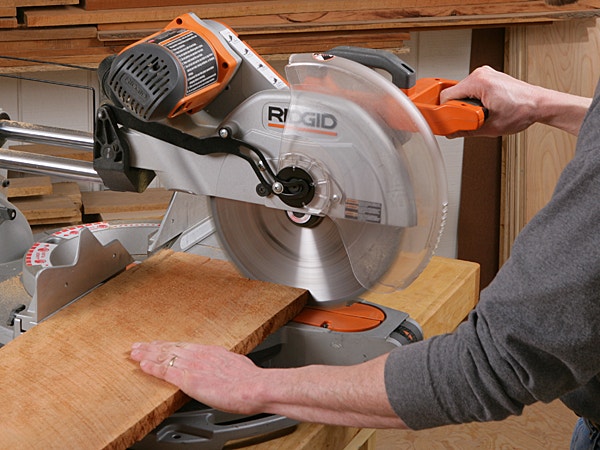
If space is tight, a compact miter saw is a smart choice. These saws are designed to take up less room without sacrificing too much cutting capacity. They are perfect for hobbyists or those with limited workshop space.
Even smaller units can handle common tasks like cutting baseboards or crown molding. Look for models with good dust collection to keep your small space cleaner. A tabletop miter saw often falls into this category.
10-Inch Miter Saw: Balance of Size and Capability
The 10-inch miter saw offers a solid balance for most DIYers and many professionals. It provides good cutting capacity for standard lumber sizes. Replacement blades are also generally more affordable for this size.
It’s a versatile option for framing, trim work, and general carpentry. You can easily cut materials like 2x6s or 2x8s with a 10-inch blade. This size hits a sweet spot for many users.
12-Inch Miter Saw: Cutting Wide Boards
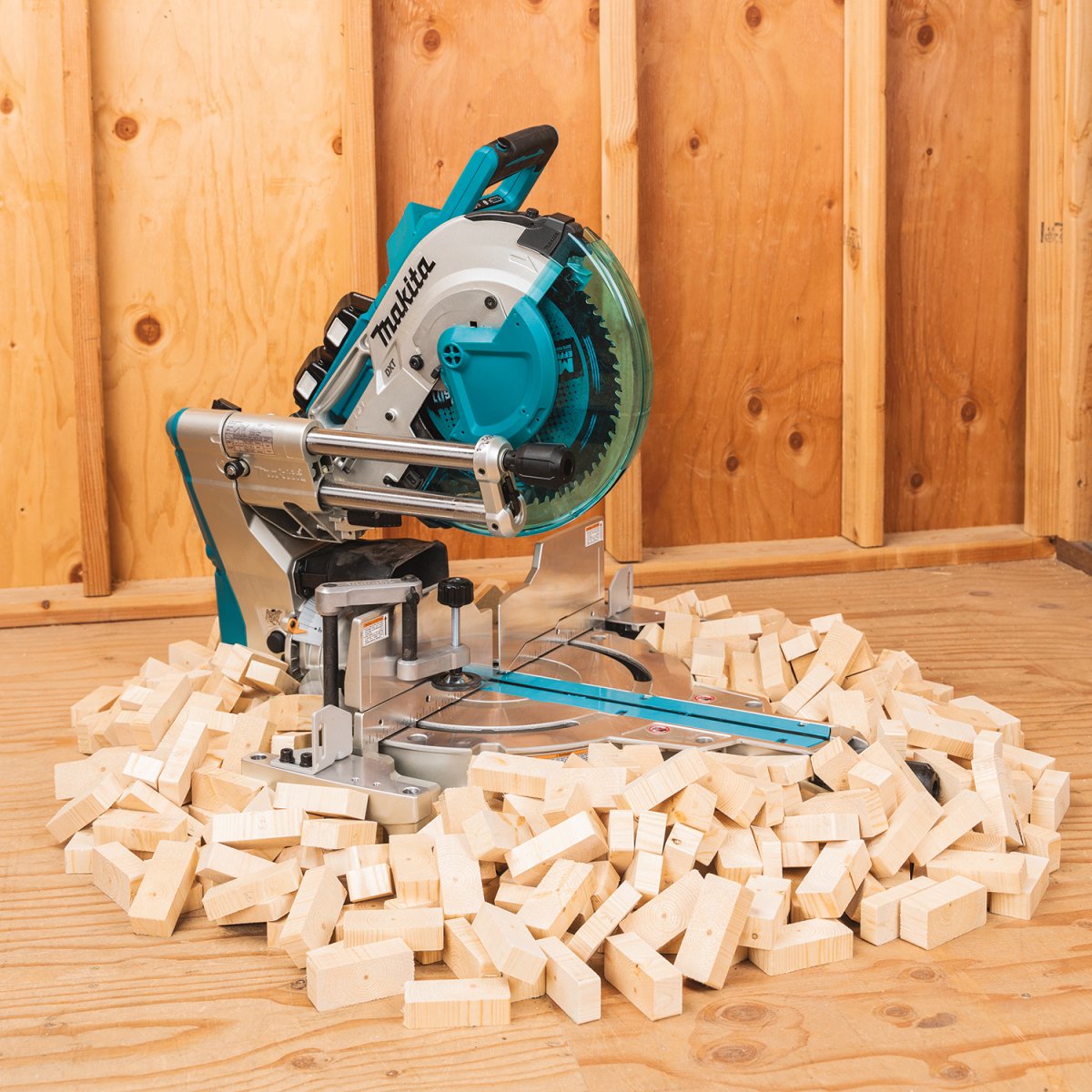
For those who frequently work with wider materials, a 12-inch miter saw is essential. The larger blade allows for significantly wider crosscuts. This is crucial for tasks involving dimensional lumber or larger trim pieces.
A 12-inch miter saw can often cut boards up to 16 inches wide. This capacity is a major advantage for larger projects. Sliding models with 12-inch blades offer the most versatility for width.
Dual Bevel Miter Saw for Angled Cuts
A dual bevel miter saw allows the blade to tilt in both directions. This feature drastically improves efficiency when making compound angle cuts. You can make cuts on both sides of the material without flipping it over.
This is a significant time-saver for complex trim work or intricate projects. While more expensive, the productivity gains are substantial. Many professional-grade saws come standard with dual bevel capability.
Single Bevel Miter Saw: Simplicity and Affordability
The single bevel miter saw tilts in only one direction. It is a more straightforward and often more affordable option. For basic miter and bevel cuts, it performs admirably.
If your projects don’t require complex angled cuts in multiple directions, this saw is perfectly adequate. It’s a great entry-level choice for homeowners or those on a tighter budget. A DIY miter saw often fits this description.
Tabletop Miter Saw: Space-Saving Design
A tabletop miter saw is designed for portability and ease of storage. It typically has a smaller footprint, making it ideal for smaller shops or for taking to different job sites.
These saws still offer good performance for many common tasks. They are a practical solution for users who need a capable saw but have limited space. Check out options from brands known for reliable tools. Learn more about saw types.
Heavy-Duty Miter Saw for Professional Use
Heavy-duty miter saw units are built for demanding, daily use. They feature more powerful motors, robust construction, and higher precision. These saws are designed to withstand the rigors of professional job sites.
They often include advanced features like precise digital readouts and superior dust collection systems. Investing in a heavy-duty saw means reliability and accuracy for years to come. Explore professional miter saw reviews.
The Future is Precise: Your Miter Saw Verdict
In 2026, the miter saw continues to be a cornerstone tool. Advancements in battery power and digital features are making them more versatile and user-friendly than ever. For most homeowners and DIYers, a 10-inch or 12-inch standard or sliding compound saw will meet their needs.
Consider your typical projects and workshop space. A dual bevel saw offers significant advantages for complex work. If budget and space are primary concerns, a single bevel or compact model is a wise choice. Always prioritize safety and read your owner’s manual.
Your 3-Step Action Plan for Choosing a Miter Saw
Step 1: Match the Saw to Your Workpiece
Measure the widest board you plan to cut. If it’s over 6 inches wide, a sliding compound miter saw is non-negotiable.
For standard trim and baseboards, a 10-inch non-sliding saw will save you money and shop space.
Step 2: Decide Between Corded and Cordless
Corded saws deliver consistent power for heavy use but tether you to an outlet. Cordless models offer freedom but check battery platform compatibility.
For job site work, a 36V or 60V cordless saw can rival corded performance. For a stationary shop, corded is still the workhorse.
Step 3: Prioritize Precision Features
Look for a dual-bevel saw if you cut crown molding or compound angles frequently. It eliminates flipping the workpiece.
Digital angle readouts and laser guides are worth the extra cost if you value speed and accuracy. Always test the fence alignment in the store.
Frequently Asked Questions
Can I cut metal with a miter saw?
Yes, but only with a ferrous-metal cutting blade. Standard wood blades are unsafe and will dull instantly.
Always wear eye protection and use a lubricant like wax stick on the blade to prevent overheating.
What size blade should I get for general home projects?
A 10-inch blade is the best balance of capacity and cost for most DIYers. It cuts 2×6 lumber easily and has cheaper replacement blades.
For thick hardwood or 4×4 posts, step up to a 12-inch saw. The extra depth of cut is essential for those materials.
How do I maintain my miter saw?
Clean dust from the sliding rails and pivot points after each use. A dry lubricant spray keeps the mechanism smooth.
Check the blade runout with a dial indicator yearly. Replace the blade when you notice burning or splintering on clean cuts.
Choosing the right miter saw comes down to understanding your typical cut width and frequency of use. A sliding compound saw gives you maximum versatility, while a non-sliding model is lighter and more affordable for basic tasks.
Now that you know the key differences, measure your largest project board and visit a local tool store to test the saws in person. Your hands will tell you which one feels right.
In 2026, cordless miter saws are closing the power gap with corded models, making job site work cleaner and more portable. Smart dust collection and digital guides are turning every cut into a repeatable, precise operation.
