


Is your home really protected from airborne viruses and allergens? Many people think their basic fiberglass filter is enough, but it only catches large dust particles. A MERV 13 filter captures 98% of microscopic threats like mold spores, bacteria, and even virus carriers, making it the gold standard for healthy indoor air.
But here is the catch: not every HVAC system can handle a MERV 13 filter without strain. If you put one in a system that is not designed for it, you risk reduced airflow, higher energy bills, or even damage to your blower motor. You need to know your system’s limits before you upgrade.
What is a MERV 13 Filter and Why You Need One
A MERV 13 filter is a high-efficiency air filter that traps particles as small as 0.3 microns with at least 98% efficiency. This includes common allergens like pollen, pet dander, and dust mites, plus harmful pollutants like smoke, bacteria, and mold spores. For anyone with asthma or allergies, this filter can make a real difference in breathing easier at home.
But you have to pick the right size and type. Most residential systems use a 1-inch filter, like the popular MERV 13 filter size 20x25x1, which needs changing every 90 days. Thicker filters, like 4-inch or 5-inch media filters, can last up to 12 months and often have lower airflow resistance. Always check your system’s manual to see what thickness it can handle.
Brands like Filtrete, Aprilaire, and Honeywell offer MERV 13 options with advanced features. Some have electrostatic charges to attract more particles, while others include activated carbon to reduce odors and VOCs. Deep pleating increases surface area, which helps maintain airflow while still trapping tiny contaminants. Look for filters that are Asthma and Allergy Friendly certified for extra assurance.
The MERV 13 Filter: Your Shield Against Indoor Air Pollutants
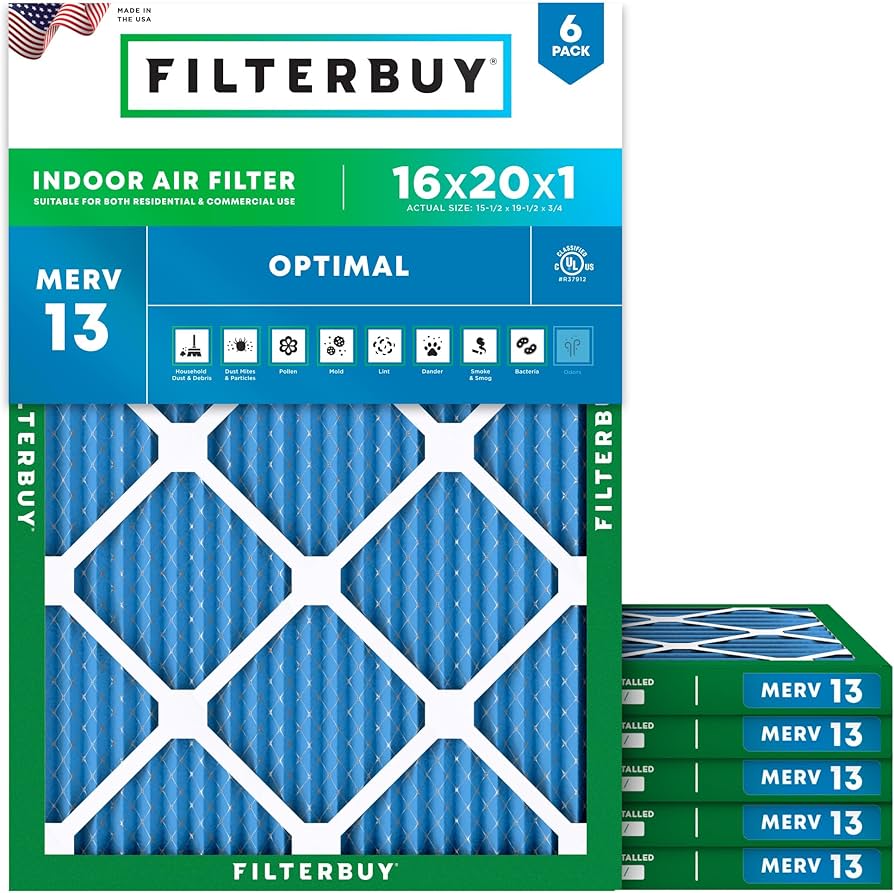
In 2026, the MERV 13 air filter stands as a critical component for maintaining healthy indoor environments. These filters are engineered to capture a broad spectrum of airborne particles, including viruses, bacteria, and allergens. They are a significant upgrade for homes and businesses concerned about air quality.
Investing in a MERV 13 filter means actively reducing the presence of harmful contaminants. This is especially important for households with children, the elderly, or individuals with respiratory issues. The advanced filtration technology provides a tangible benefit you can feel.
| Feature | MERV 13 Filter Capability |
| Particle Capture Efficiency | Captures at least 98% of particles 1.0-3.0 microns; significant capture down to 0.3 microns. |
| Health Benefits | Reduces airborne viruses, bacteria, mold spores, dust mites, pollen, and pet dander. |
| HVAC System Protection | Prevents dust buildup on critical components, improving efficiency and longevity. |
| Odor Control (Optional) | Some models with activated carbon neutralize odors and VOCs. |
| Airflow Resistance | Higher resistance than lower MERV filters; system compatibility is crucial. |
| Replacement Frequency | 1-inch filters: ~90 days; 4-5 inch filters: up to 12 months. |
MERV 13 Filter for Allergies and Asthma
For those battling allergies or asthma, a MERV 13 furnace filter is not just an upgrade; it’s a necessity. These filters excel at trapping common allergens like pollen, dust mites, and pet dander. By significantly reducing your exposure to these triggers, you can experience fewer symptoms and breathe easier indoors.
The effectiveness of a MERV 13 filter for asthma and allergies is well-documented. It acts as a barrier, preventing microscopic irritants from circulating through your home’s air. This proactive measure contributes to a more comfortable and healthier living space, especially during peak allergy seasons.
MERV 13 vs MERV 11 vs MERV 8 Comparison
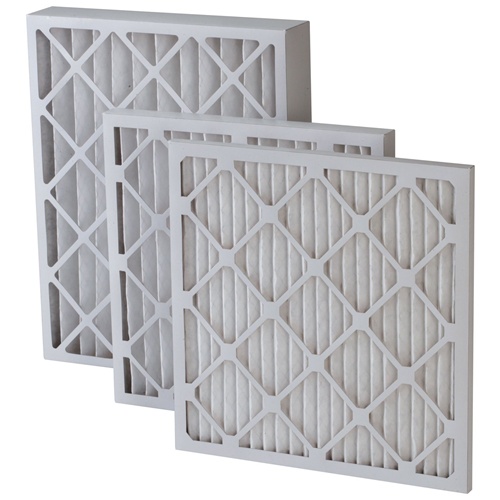
Understanding the MERV scale is key to choosing the right filter. MERV 8 filters offer basic protection, capturing larger particles like lint and dust. MERV 11 filters provide a step up, catching smaller particles such as mold spores and pet dander. The MERV 13 filter, however, represents a substantial leap in performance.
A MERV 13 filter is designed to capture even finer particles, including bacteria and virus carriers, down to 0.3 microns. While MERV 11 filters are good, MERV 13 filters offer superior protection against a wider array of airborne contaminants. This makes the MERV 13 filter a top choice for advanced air purification.
MERV 13 filters are the recommended minimum for capturing airborne viruses and bacteria effectively. They offer a significant improvement over MERV 11 and MERV 8 filters for health-conscious households.
MERV 13 Filter Airflow Resistance Explained
The enhanced filtration of a MERV 13 air conditioner filter comes with a trade-off: increased airflow resistance. This means the filter puts more strain on your HVAC system as it works to pull air through the denser media. It is essential to ensure your system is designed to handle this increased static pressure.
High airflow resistance can lead to reduced system efficiency, increased energy bills, and potential damage to your blower motor over time. Always check your HVAC system’s specifications before upgrading to a MERV 13 filter to avoid these issues. Proper MERV 13 filter maintenance is also key to managing resistance.
MERV 13 Filter for Smoke and Odors
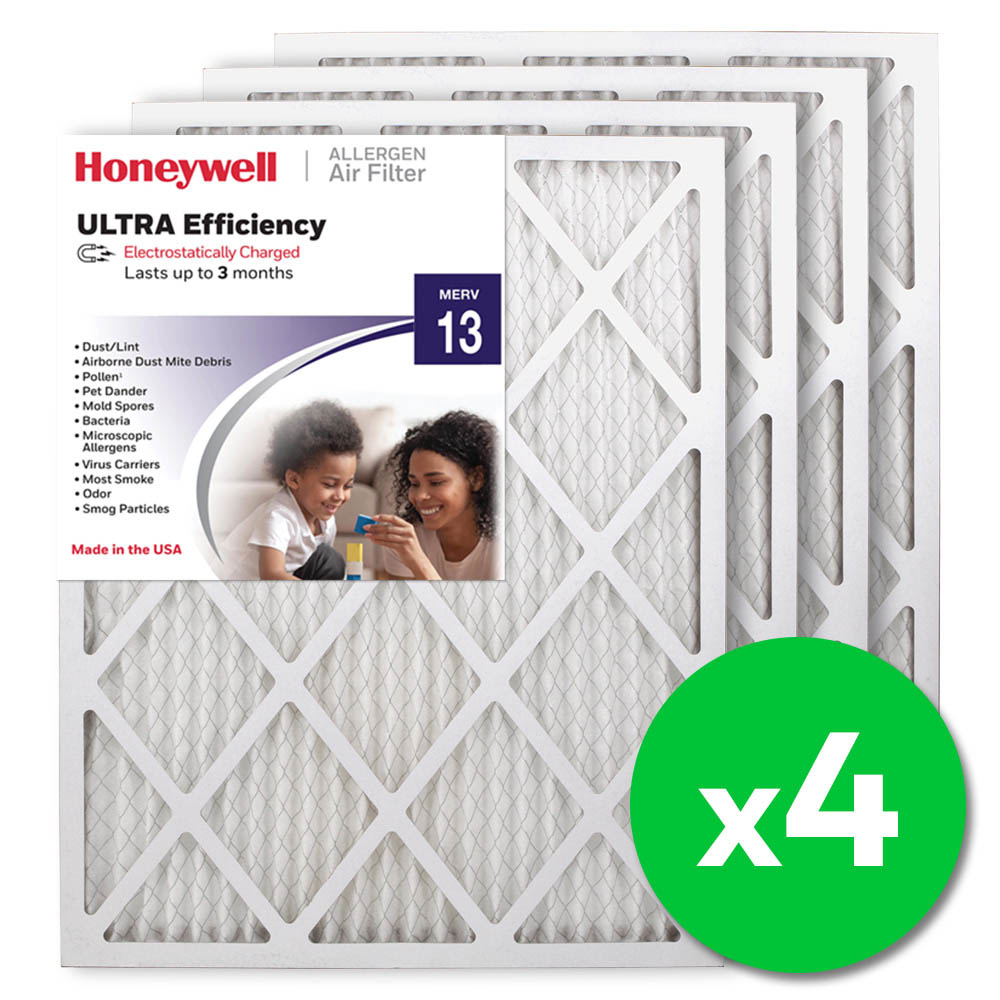
While standard MERV 13 filters excel at particle capture, some advanced models include activated carbon layers. These carbon filters are specifically designed to address odors and volatile organic compounds (VOCs). If smoke from wildfires or cooking odors are a concern, these enhanced filters provide an added layer of protection.
The activated carbon acts like a sponge, adsorbing odor molecules and chemical pollutants from the air. This feature is particularly beneficial for homes in urban areas or those frequently affected by outdoor air quality issues. A MERV 13 filter with carbon can dramatically improve the freshness of your indoor air.
MERV 13 Filter Multipack Buying Guide
Purchasing a MERV 13 filter multipack can offer significant cost savings. Since filters need regular replacement, buying in bulk is a smart financial decision for most households. Look for multi-packs from reputable brands to ensure quality and consistent performance.
When buying a MERV 13 filter multipack, always verify the exact filter size needed for your system. Storing filters in a dry place will maintain their integrity until use. This approach ensures you always have a clean filter ready for replacement, optimizing your HVAC system’s performance.
MERV 13 Filter Maintenance Tips
Proper MERV 13 filter maintenance is crucial for both air quality and system health. The general guideline for 1-inch thick filters is replacement every 90 days. However, this can vary based on household conditions, such as the number of pets or occupants, and the frequency of HVAC system use.
Thicker filters, often 4 to 5 inches deep, can last much longer, sometimes up to a year. Regularly inspect your filter; if it appears heavily soiled, replace it sooner than recommended. Neglecting filter replacement is a common mistake that impairs airflow and reduces filtration efficiency.
MERV 13 Filter Sizing: Nominal vs Actual
A common pitfall when buying a MERV 13 filter is overlooking the difference between nominal and actual size. Filters are often labeled with nominal dimensions, like 20x25x1 inches. However, the actual measurements can be slightly smaller to ensure a proper fit within the filter slot.
Always measure the filter slot in your HVAC system or the old filter you are replacing. Compare these measurements to the actual dimensions listed by the manufacturer, not just the nominal size. A tight seal is essential for the MERV 13 filter to work effectively and prevent air bypass.
MERV 13 Filter Blower Motor Compatibility
Before installing a MERV 13 filter, it is imperative to confirm your HVAC system’s blower motor compatibility. The increased airflow resistance can place undue stress on the motor if it is not designed to handle it. Consult your HVAC system’s manual or a qualified technician to verify compatibility.
Systems with older or less powerful blower motors may struggle with higher MERV-rated filters. Running a system with incompatible filters can lead to overheating and premature failure of the blower motor. This is a costly repair that can be avoided with due diligence.
The Expert Verdict on MERV 13 Filters in 2026
In 2026, the MERV 13 filter is no longer a niche product but a standard for anyone serious about indoor air quality. Its ability to capture a wide range of microscopic particles makes it invaluable for health and HVAC system protection. The benefits far outweigh the minor considerations of airflow resistance when systems are properly matched.
I strongly recommend upgrading to MERV 13 filters if your system can handle it. The improvement in air quality, especially for allergy and asthma sufferers, is substantial. It’s a practical, effective investment in your home’s health and your HVAC system’s longevity.
Your 3-Step Action Plan for MERV 13 Filters
Step 1: Check Your System’s Compatibility
Before buying, confirm your HVAC unit can handle a MERV 13 filter. Look at the owner’s manual or consult an HVAC pro—most systems built after 2000 can, but older ones may struggle.
Step 2: Measure and Install Correctly
Measure your filter slot’s exact dimensions, not the nominal size. A tight seal prevents unfiltered air from bypassing, so ensure the filter fits snugly without gaps.
Step 3: Set a Replacement Reminder
Mark your calendar for every 90 days for 1-inch filters, or up to 12 months for 4-5 inch media. A dirty filter wastes energy and reduces airflow, so check monthly.
Frequently Asked Questions
Will a MERV 13 filter restrict airflow in my home?
Yes, MERV 13 filters have higher resistance than lower-rated ones. If your system is not designed for it, you may notice reduced airflow and increased energy use.
Can I use a MERV 13 filter in a window AC unit?
No, window units lack the fan power to pull air through such a dense filter. Stick with the basic filter that came with the unit to avoid damage.
How often should I replace a MERV 13 filter?
For standard 1-inch filters, replace every 90 days. Thicker 4-5 inch media filters can last up to 12 months, but check monthly for visible dirt or odors.
Choosing a MERV 13 filter is a smart investment in your health and your HVAC system’s longevity. It captures 98% of harmful particles, from allergens to viruses, giving you cleaner air and peace of mind.
Now that you know the benefits and requirements, measure your filter slot and pick the right size. Your next step is to install it correctly and set a reminder for replacement.
Imagine breathing easier in a home free from dust, pollen, and odors—that’s the power of MERV 13. With proper use, you’ll notice a difference in your comfort and well-being.
