

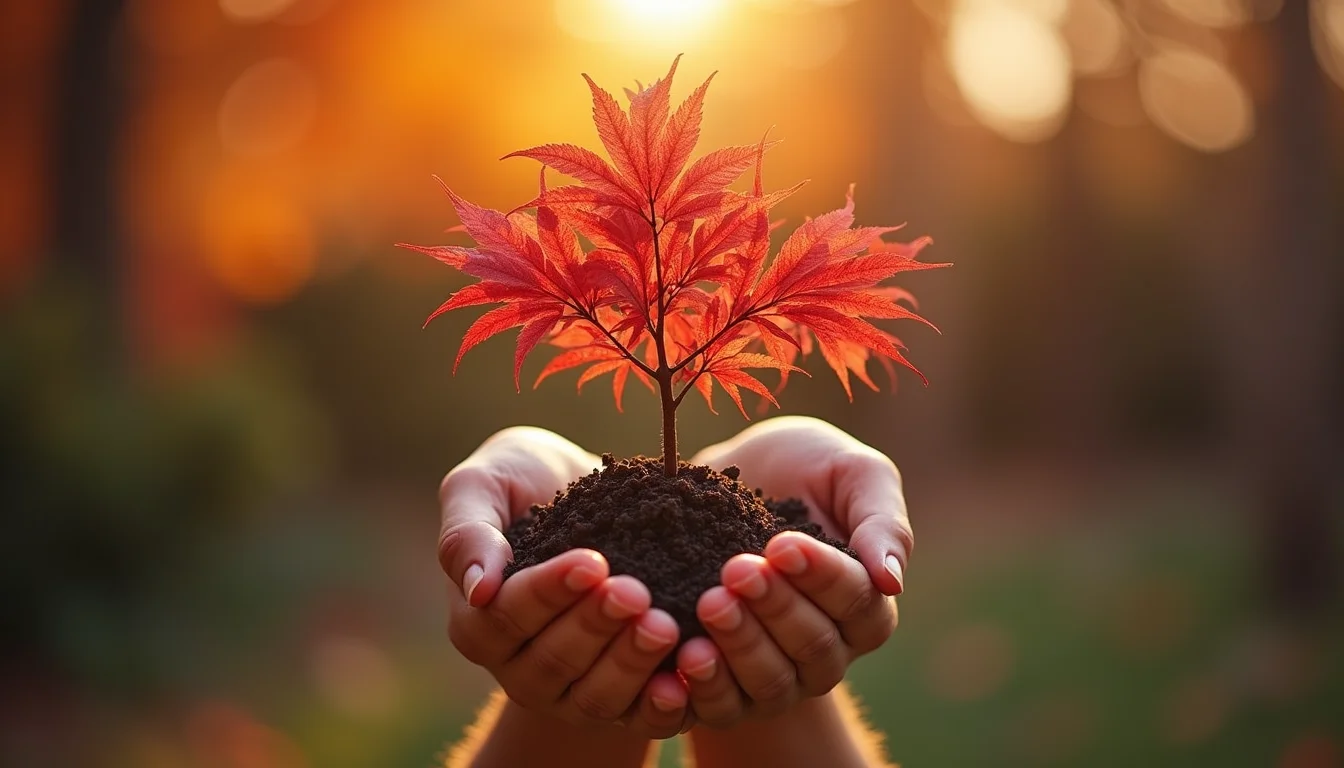
Think a Japanese maple is out of your budget or too fussy? The truth is, there’s a variety for every yard and every wallet. You don’t need a big garden or a lot of money to enjoy that stunning red foliage.
Many people assume these trees need constant care and special soil. In reality, most Japanese maples are tough and adaptable once established. The key is picking the right cultivar for your spot.
Find Your Perfect Fit: Upright, Weeping, or Dwarf Japanese Maple
Japanese maples come in three main shapes: upright, weeping, and dwarf. Upright varieties like ‘Bloodgood’ grow into small trees up to 20 feet tall, perfect as a focal point. Weeping types, such as ‘Crimson Queen’, have cascading branches that look great near a pond or patio.
Dwarf Japanese maples stay under 5 feet, ideal for containers or small spaces. Laceleaf Japanese maples have finely cut leaves that give a delicate, airy feel. Red Japanese maples offer vibrant color, while green ones provide a calming backdrop.
Most cultivars thrive in USDA Zones 5-8 and need well-drained, slightly acidic soil. They prefer morning sun with afternoon shade to prevent leaf scorch. Consistent watering is crucial, especially for young trees, but avoid soggy soil.
Japanese Maples: Timeless Beauty for 2026 Landscapes
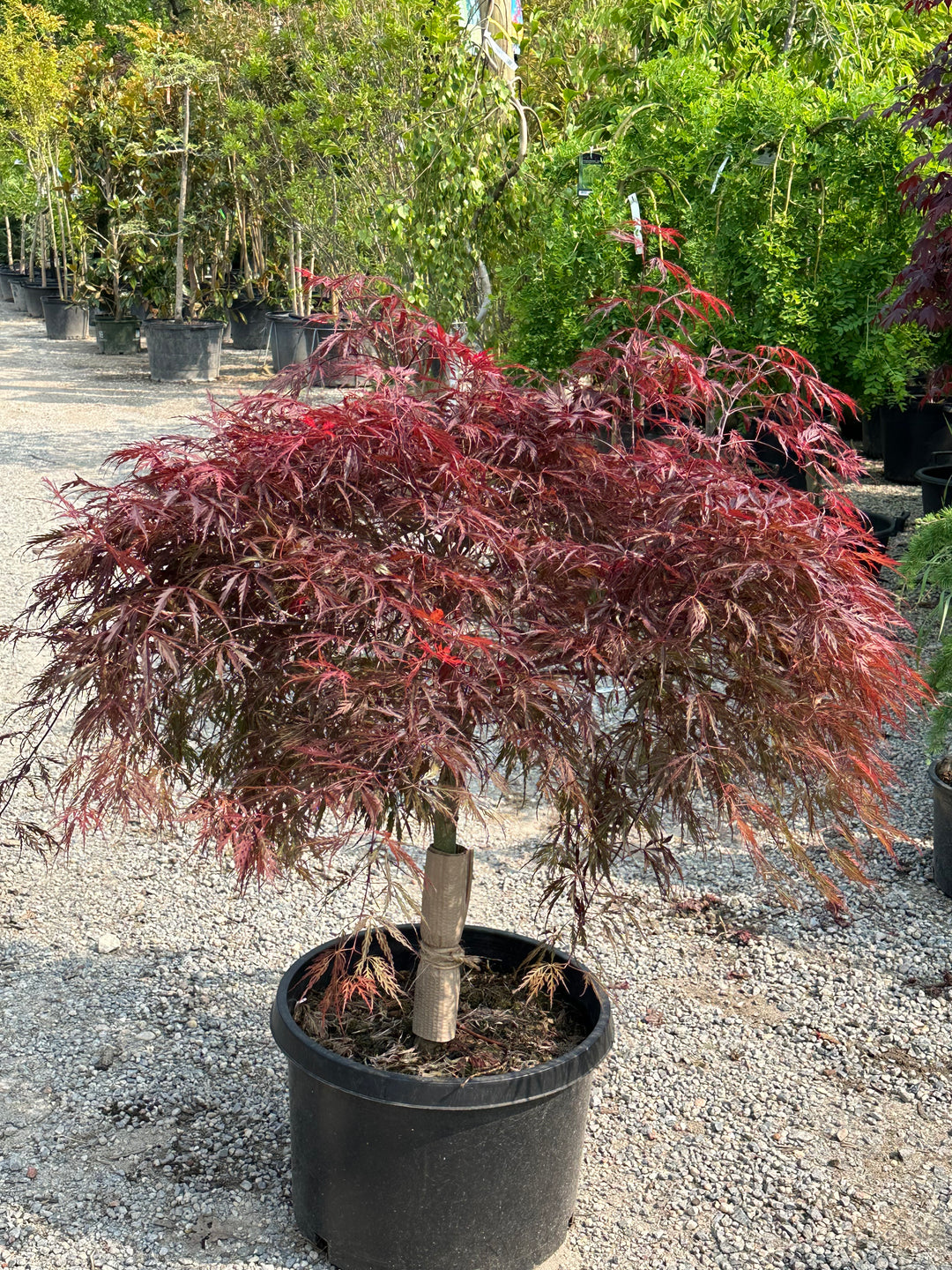
Japanese maples, scientifically known as Acer palmatum, continue to be a top choice for homeowners seeking elegant and dynamic garden features. These trees are prized for their delicate foliage, stunning fall colors, and graceful forms. With over 1,000 cultivars available, there is a Japanese maple to fit almost any landscape need, from small urban gardens to expansive estates. Understanding their specific needs ensures these ornamental gems thrive for years to come.
| Characteristic | Details |
| USDA Zones | 4-9 (Varies by cultivar) |
| Light | Morning sun/dappled shade; protect from harsh afternoon sun |
| Soil | Well-drained, slightly acidic, organic-rich |
| Water | Consistent moisture; avoid waterlogging |
| Pruning | Minimal; late winter or mid-summer thinning |
| Roots | Shallow, non-invasive |
Upright Japanese Maple Varieties
Upright Japanese maples offer a classic tree form, growing taller than they are wide. They serve as excellent focal points in garden designs. Varieties like ‘Bloodgood’ are famous for their deep burgundy-red leaves that hold their color through the summer. ‘Seiryu’ is a unique upright cultivar that features delicate, dissected leaves, often called laceleaf. These trees can reach mature heights of 15 to 25 feet, depending on the specific cultivar and growing conditions.
The upright form provides vertical interest, balancing lower plantings and creating a sense of depth in the garden.
Weeping Japanese Maple Forms
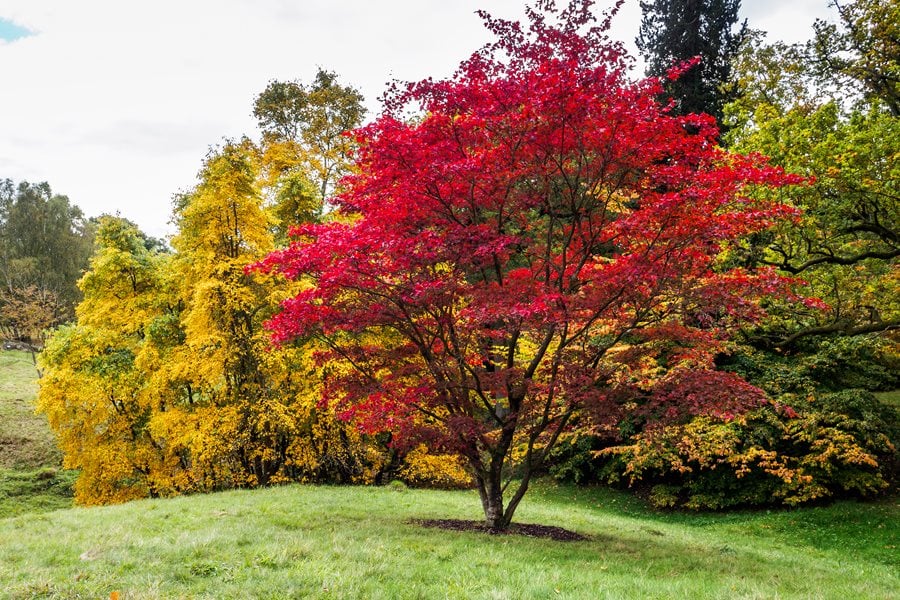
Weeping Japanese maples create a dramatic, cascading effect in the landscape. Their branches gracefully arch downwards, often reaching towards the ground. Cultivars such as ‘Crimson Queen’ and ‘Red Dragon’ are popular laceleaf varieties with vibrant red foliage that turns brilliant shades in autumn. These trees are perfect for planting near water features or on raised berms where their weeping habit can be fully appreciated. Proper siting is key to showcase their unique structure.
Dwarf Japanese Maple for Small Gardens
For smaller yards or container gardening, dwarf Japanese maples are an ideal solution. These compact varieties offer all the beauty of their larger counterparts but on a much smaller scale. ‘Beni Hime’ and ‘Shaina’ are examples of dwarf cultivars that typically stay under 6 feet tall. Their slow growth rate makes them manageable and perfect for patios, balconies, or tight spaces. They add a touch of elegance without overwhelming the landscape.
These smaller trees are also excellent for creating miniature Japanese garden scenes. Their intricate forms and seasonal color changes provide year-round interest. Consider their mature size when selecting a spot, even for dwarf varieties.
Laceleaf Japanese Maple Features
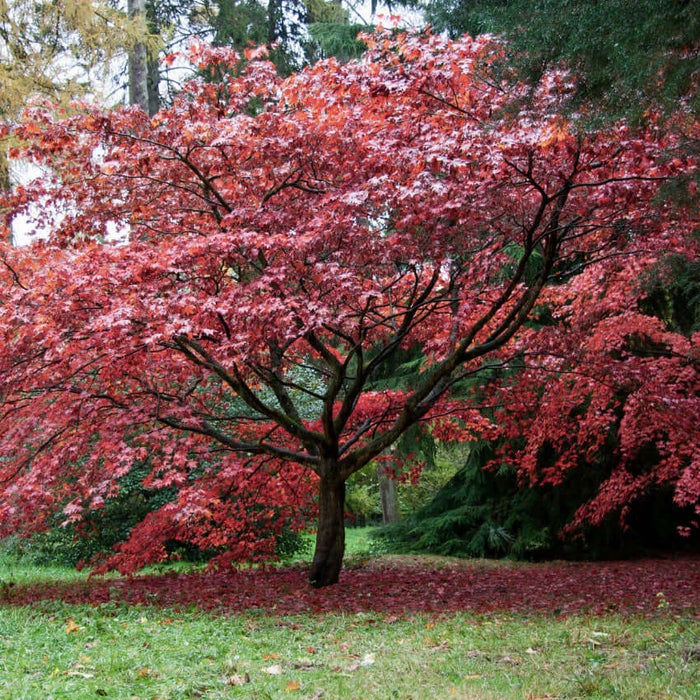
The defining characteristic of laceleaf, or dissectum, Japanese maples is their finely cut, fern-like foliage. This delicate texture provides a soft, airy appearance. Varieties like ‘Tamukeyama’ are renowned for their stunning red, lacey leaves that turn fiery shades in the fall. The intricate leaf shape makes them stand out in any garden setting, offering a unique visual contrast to broader-leaved plants.
Laceleaf varieties often require a bit more protection from harsh sun and wind to prevent leaf scorch. Planting them in a location with dappled shade will help maintain their foliage’s health and beauty throughout the growing season. Their unique foliage adds a touch of exoticism to any garden.
Red Japanese Maple Fall Color
The spectacular fall color of red Japanese maples is a major draw for many gardeners. While some cultivars have red foliage year-round, many display their most intense colors in autumn. The spectrum ranges from bright scarlet to deep crimson and even shades of orange and purple. This seasonal display transforms the garden into a vibrant masterpiece.
The intensity of fall color can be influenced by factors like sunlight exposure and temperature fluctuations. Cooler nights and sunny days often lead to the most brilliant displays. Japanese maples offer a reliable and breathtaking autumn spectacle.
Green Japanese Maple Shade Tolerance
While many associate Japanese maples with red foliage, green varieties offer their own unique charm and often exhibit better tolerance for shadier conditions. Cultivars with green leaves, especially those with standard palmate shapes, can thrive with less direct sun. They provide a refreshing contrast with their vibrant green hues, particularly in the summer months.
These green varieties are excellent choices for underplanting larger trees or for areas that receive only morning sun. Their subtle beauty complements a wide range of garden styles. They bring a sense of calm and natural beauty to shaded corners.
Variegated Japanese Maple Leaf Patterns
Variegated Japanese maples add an extra layer of visual interest with their unique leaf patterns. These cultivars feature a mix of colors on their leaves, such as green with white or cream edges, or splashes of pink and red. ‘Beni Schichihenge’ is an example of a variegated variety that shows off green leaves with creamy white margins, often tinged with pink in spring. These patterns create a striking effect throughout the growing season.
The variegation can provide brightness to shadier parts of the garden. However, like laceleaf types, variegated cultivars may need protection from intense afternoon sun to prevent their delicate foliage from burning. Their distinctive markings make them a true standout.
Japanese Maple Care for Containers
Growing Japanese maples in containers is a fantastic way to enjoy their beauty on patios, decks, or balconies. It also allows gardeners in colder climates to move the trees to a protected location during winter. Use a good quality, well-draining potting mix formulated for trees and shrubs. Ensure the container has adequate drainage holes to prevent root rot.
Consistent watering is crucial for container-grown Japanese maples, as they can dry out more quickly than those planted in the ground. Fertilize sparingly in the spring with a balanced, slow-release fertilizer. Pruning should be minimal, focusing on shaping and removing any dead or crossing branches. With proper care, containerized Japanese maples can thrive for many years.
The Enduring Appeal of Japanese Maples
Japanese maples are undeniably a superior choice for adding elegance and seasonal interest to any US landscape. Their diverse forms, from upright sentinels to cascading wonders, and their captivating foliage, ranging from delicate laceleaf to vibrant reds and greens, ensure there’s a perfect match for every aesthetic. Their shallow root systems also make them a safe bet near homes and walkways, aligning with modern landscaping practices. While they require specific conditions, particularly well-drained soil and protection from harsh sun for some varieties, the rewards are immense.
For 2026 and beyond, Japanese maples will continue to be a sought-after specimen tree. Their adaptability to containers further broadens their appeal to urban dwellers. Investing in a Japanese maple means investing in a living piece of art that offers beauty in every season. For more detailed planting and care information, consult resources like UNH Extension or explore the wide variety of cultivars available at nurseries like Monrovia.
Your 3-Step Action Plan for a Thriving Japanese Maple
Step 1: Choose the Right Cultivar for Your Space
Match the tree’s mature size and sun tolerance to your yard. For small gardens or containers, pick a dwarf or weeping variety like ‘Crimson Queen’. For a bold focal point, go with an upright type like ‘Bloodgood’.
Step 2: Plant It in the Perfect Spot
Find a location with morning sun and afternoon shade, especially in hotter climates. Dig a hole twice as wide as the root ball and amend the soil with organic matter for drainage.
Step 3: Water and Mulch Consistently
Water deeply once a week during the first two years, more often in dry spells. Apply a 2-inch layer of organic mulch around the base to keep roots cool and moist, but keep it away from the trunk.
Common Mistakes to Avoid
- Overwatering: Soggy soil causes root rot. Let the top inch dry out between waterings.
- Heavy Pruning: Japanese maples look best with minimal trimming. Only remove dead or crossing branches in late winter.
- Full Sun in Hot Climates: Laceleaf varieties will scorch. Provide dappled shade or filtered light.
Frequently Asked Questions
Can I grow a Japanese maple in a pot?
Yes, many dwarf and weeping varieties thrive in containers. Use a large pot with drainage holes and a quality potting mix for acid-loving plants.
Why are the leaves of my Japanese maple turning brown on the edges?
This is likely leaf scorch from too much sun, wind, or dry soil. Move the tree to a shadier spot or increase watering during hot spells.
When is the best time to plant a Japanese maple?
Early spring or fall when the tree is dormant gives the roots time to establish before extreme weather. Avoid planting during midsummer heat.
Japanese maples are a timeless investment that rewards you with year-round beauty and effortless elegance. By choosing the right variety and giving it simple care, you can enjoy a stunning specimen for decades.
Now that you know the basics, take the next step: visit a local nursery and pick a cultivar that speaks to you. Trust your instincts and remember that even a small tree can transform your outdoor space.
Picture your garden in autumn, with fiery red leaves catching the morning light. That vision is closer than you think—start your Japanese maple journey today.
