

You plant your tomato seedlings with high hopes, but by August, the leaves are yellow and the fruit is sparse. That disappointment is a common story, but it doesn’t have to be yours. Growing tomatoes isn’t about luck; it’s about following a few critical steps that most home gardeners skip.
The biggest mistake is planting too early or in the wrong spot. Your tomato plants need at least 6 to 8 hours of direct sun and soil that’s at least 60°F. Without those basics, your plants will struggle from the start. Let’s fix that with real, proven methods.
Choose the right tomato variety and plant at the perfect time for your zone
First, know the difference between determinate and indeterminate tomatoes. Determinate varieties, like ‘Roma’ or ‘Celebrity’, grow to a fixed height and set fruit all at once, perfect for containers or small gardens. Indeterminate varieties, like ‘Brandywine’ or ‘Cherokee Purple’, keep growing and producing until frost, but they need strong support and more space.
Your planting date depends on your local last frost date. Use a soil thermometer; wait until the soil reaches 60°F consistently, ideally 70°F. In most of the US, that means planting 2 to 3 weeks after the last frost. For example, in Zone 6, that’s usually early May. Plant too early, and cold soil stunts growth for weeks.
When you plant, bury two-thirds of the stem. Tomatoes can grow roots from their stems, so deep planting builds a strong root system. Remove the lower leaves and dig a deep hole or a trench. If your seedling is leggy, lay it sideways in a trench and gently curve the top up. This trick works every time.
Growing Tomatoes in 2026: Your Expert Guide
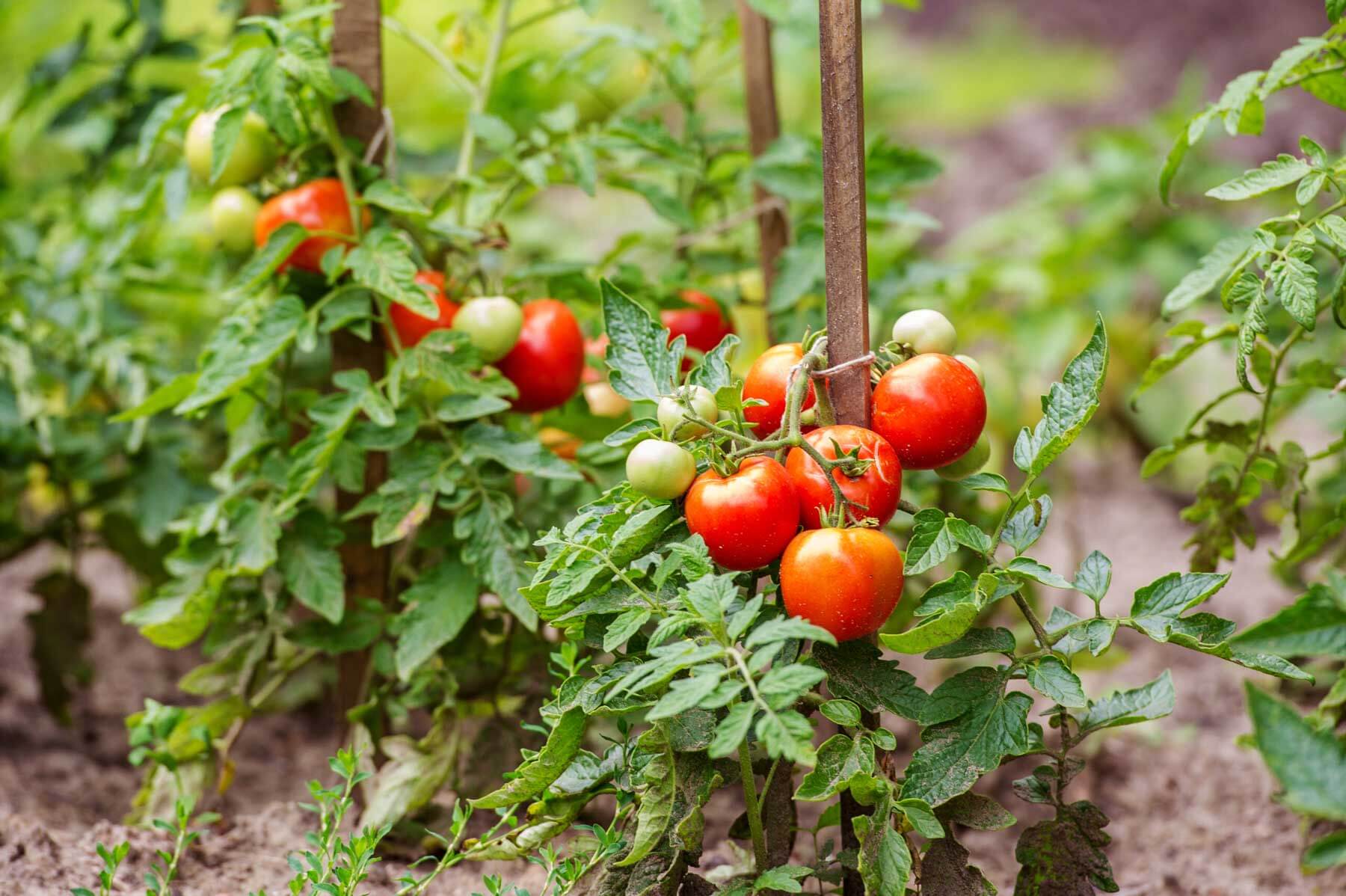
Cultivating delicious tomatoes is a rewarding experience. In 2026, success comes from understanding plant needs and using smart techniques. We will cover everything from starting seeds to harvesting your bounty. Get ready for the best tomatoes you have ever grown.
| Key Factor | Details |
| Sunlight | Minimum 6-8 hours daily |
| Soil Temp (Planting) | Consistently above 60°F (15.5°C) |
| Crop Rotation | Avoid nightshades for 2-3 years |
| Planting Depth | Bury up to two-thirds of stem |
| Watering | 1-2 inches weekly at base |
| Support | Install at planting time |
| Spacing (Indeterminate) | 3 feet apart |
| Spacing (Determinate) | 2 feet apart |
Starting Tomatoes from Seed
Starting your own tomato plants from seed offers the widest variety. You can begin indoors about 6-8 weeks before the last expected frost. Use a sterile seed-starting mix in small pots or trays. Plant seeds about 1/4 inch deep. Keep the soil consistently moist and warm, around 70-80°F (21-27°C).
Once seedlings emerge, provide them with plenty of light. A sunny windowsill might not be enough; grow lights are often necessary for strong, stocky plants. Harden them off gradually before transplanting outdoors.
Read also: Why Watercress Beats Kale (CDC’s #1 Green)
Best Tomato Varieties for Containers
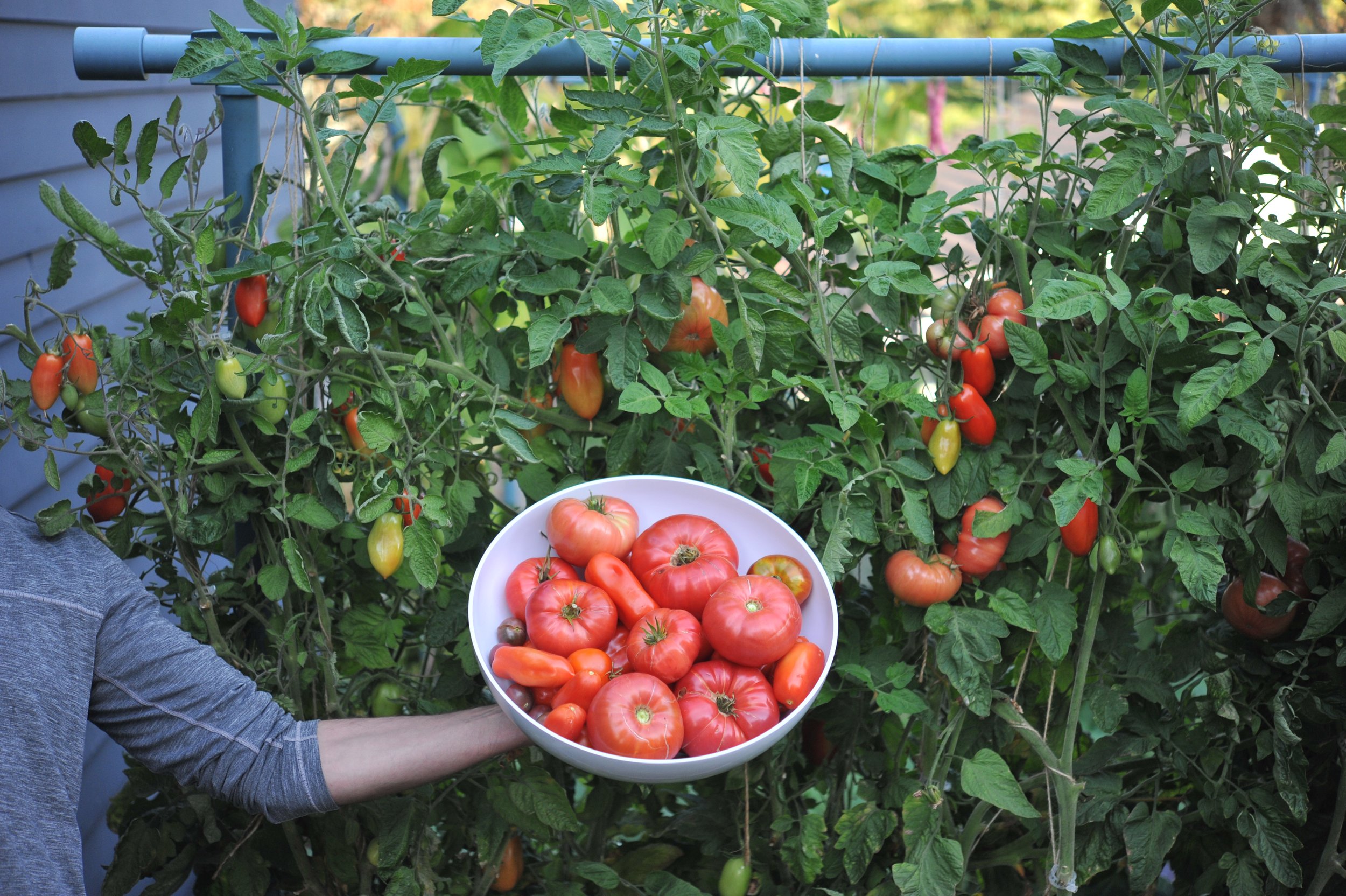
Container gardening is popular for small spaces. Choose compact or determinate varieties for pots. Look for descriptions like ‘bush type’ or ‘patio’.
Popular choices include ‘Patio Princess’, ‘Better Bush’, and ‘Tiny Tim’. Ensure your containers are at least 15 gallons and have excellent drainage. This is vital for preventing root rot in growing tomatoes in containers.
When to Plant Tomatoes Outdoors
Timing is crucial for successful tomato growth. Wait until all danger of frost has passed in your area. Soil temperatures must be consistently above 60°F (15.5°C). Warmer soil, around 70°F (21°C), promotes the best growth.
Planting too early can stunt your plants. It also makes them more vulnerable to cold damage. Check your local frost dates carefully before transplanting seedlings outside.
Read also: How to Start a Garden in 2026: The 4-Step Plan That Works
Essential Tomato Plant Care
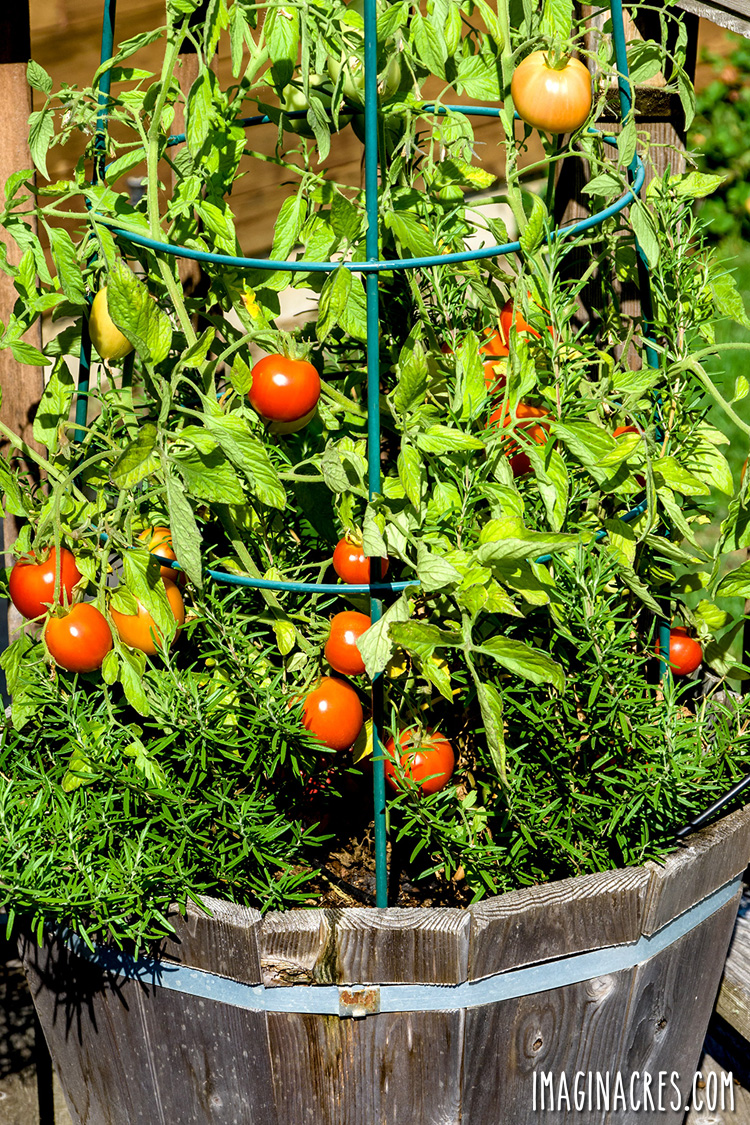
Tomato plants need consistent care to thrive. They require at least 6-8 hours of direct sunlight each day. Good air circulation is also important to prevent diseases.
Water deeply at the base of the plant, aiming for 1-2 inches per week. Avoid overhead watering, which can spread fungal issues. Mulching helps retain soil moisture and keeps fruits clean.
Fertilizing Tomato Plants Correctly
Tomatoes are heavy feeders. Start with good soil, rich in organic matter. Incorporate compost or aged manure when preparing your garden bed.
Once plants start to grow, feed them regularly. Use a balanced fertilizer or one formulated for tomatoes. Calcium is also important to prevent blossom end rot. Adding crushed eggshells or bone meal can help.
Identifying Common Tomato Diseases
Keep an eye out for common problems. Early blight and Septoria leaf spot cause spots on leaves. Fusarium and Verticillium wilt cause plants to yellow and droop.
Good practices prevent many issues. Ensure proper spacing for air circulation. Practice crop rotation, avoiding planting tomatoes where other nightshades grew recently. Promptly remove affected leaves.
How to Prune Tomato Plants
Pruning helps direct the plant’s energy. For indeterminate (vining) types, remove ‘suckers’. These are small shoots that grow between the main stem and branches.
This focuses the plant on producing fruit. For determinate (bush) types, minimal pruning is best. You can prune the lower leaves up to 12 inches from the ground. This improves airflow and reduces disease risk.
Harvesting Tomatoes at Peak Ripeness
The best flavor comes from vine-ripened tomatoes. Harvest when fruits reach their mature color and feel slightly firm. Gently twist or cut the tomato from the vine.
If pests or bad weather threaten, you can harvest at the ‘breaker stage’. This is when the fruit shows about 50% color. Let them finish ripening indoors on a windowsill.
The Future of Tomato Growing
Growing tomatoes continues to evolve. Innovations in disease resistance and container-friendly varieties are making it easier for everyone. Even with limited space, you can enjoy fresh, homegrown tomatoes.
Focus on the fundamentals: sunlight, water, nutrients, and good soil. These remain the keys to a bountiful harvest. Experiment with different varieties to find your favorites. Enjoy the taste of your own homegrown tomatoes!
Your 3-Step Action Plan for Perfect Tomatoes
Step 1: Plant Deep and Right
Remove the lower leaves and bury two-thirds of the stem.
Use the trench method for leggy seedlings to encourage strong roots.
Step 2: Water Smart, Not Hard
Water at the base to keep leaves dry and prevent disease.
Give 1-2 inches weekly, and mulch after 5 weeks to hold moisture.
Step 3: Prune with Purpose
Remove suckers from indeterminate plants for bigger fruit.
Leave determinate types alone and clear lower leaves for airflow.
Frequently Asked Questions
Can I grow tomatoes in a 5-gallon bucket?
A 5-gallon bucket is too small for most varieties.
Use at least a 15-gallon container for healthy root development.
Why are my tomato leaves turning yellow?
Yellow leaves often signal overwatering or a nitrogen deficiency.
Check soil moisture and feed with a balanced fertilizer if needed.
How do I prevent blossom end rot?
Add calcium to the soil before planting, like crushed eggshells.
Keep watering consistent to help the plant absorb calcium properly.
You now have the exact steps to grow tomatoes like a pro in 2026.
Trust the science behind deep planting, smart watering, and targeted pruning.
Start preparing your soil and supports today for a bountiful harvest.
Your future self will thank you for every sun-ripened tomato you pick.
Imagine your table piled with homegrown reds, yellows, and purples.
That vibrant, flavorful reality is just one season away.
