

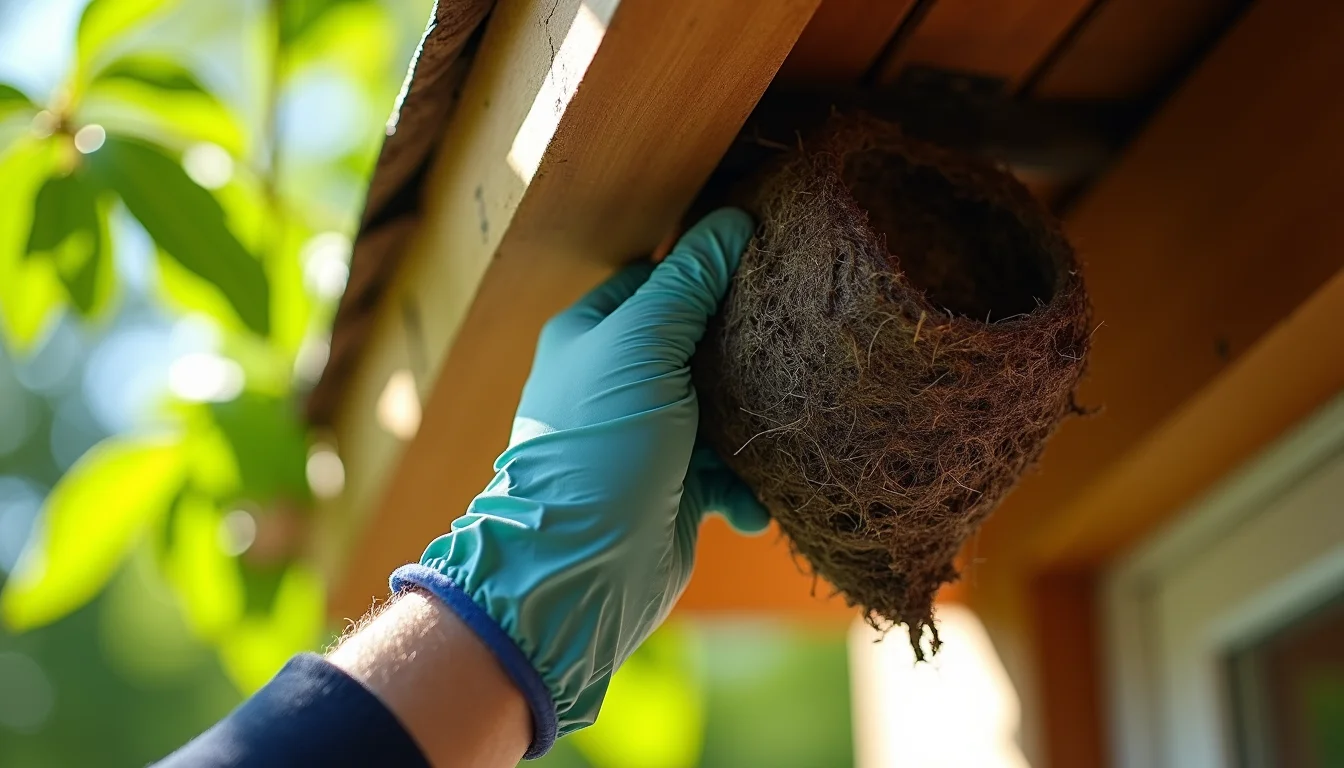
You spot a hornet nest near your door. Your heart races because you know those insects are dangerous. But you also worry about the cost of calling a pro. Let’s clear up the facts so you can make a smart choice.
Many people think DIY removal is always cheaper and safer. That is a myth that leads to painful stings and costly mistakes. The truth depends on the nest size, location, and your own comfort with risk.
DIY or Pro: What Works for Hornet Nest Removal
For small, exposed nests you can reach without a ladder, DIY removal is possible. Use an insecticide spray that shoots 20 to 30 feet, like those containing tetramethrin. Spray at dusk when hornets are calm, then wait 24 hours before knocking the nest into a sealed bag.
Professional extermination costs between $300 and $700, but they use powerful dusts like Drione or Tempo that kill the whole colony. Pros also have full protective suits and can remove nests inside walls or attics. If the nest is bigger than a basketball or you have allergies, call a pro immediately.
Facing a hornet nest? This guide will show you safe and effective removal methods. We cover DIY options for small nests and when to call the pros. Get your home back from these stinging insects.
We focus on practical, budget-friendly solutions for homeowners. Learn the risks and the best times to act. Your safety is our top priority.
| Estimated Time | Cost ($ USD) | Difficulty Level |
| 1-2 hours (DIY) | $100 – $700 (Pro) | Moderate to High |
Necessary Materials
- Full protective clothing (thick, long sleeves, pants, gloves, veil)
- Long-range insecticidal spray (20-30 ft reach)
- Heavy-duty plastic bags
- Duct tape
- Ladder (if needed, use with extreme caution)
- Soapy water solution (optional, for natural methods)
The Definitive Step-by-Step
- Assess the Nest Size and Location – Determine if it’s small and accessible for DIY.
- Gear Up Completely – Wear all protective clothing before approaching the nest.
- Choose the Right Time – Plan for late evening or night when hornets are inactive.
- Apply Insecticide Spray – Stand at a safe distance and saturate the nest and entrance.
- Wait 24 Hours – Allow the insecticide to work and hornets to die.
- Remove the Nest Carefully – Knock the nest into a sealed plastic bag.
- Dispose of Safely – Seal the bag tightly with duct tape and discard.
Common Execution Mistakes
- Not wearing adequate protective gear, leading to stings.
- Attempting removal during the day when hornets are active and aggressive.
- Not waiting long enough for the insecticide to take full effect before removal.
DIY Hornet Nest Removal Steps
For small, easily reachable nests, DIY removal is possible. Always wear full protective gear. Use a long-range spray to drench the nest and its entrance. Wait at least 24 hours before attempting to knock the nest into a sealed bag for disposal.
Professional Hornet Extermination Cost
Professional hornet extermination typically costs between $300 and $700. Minor cases might start around $100. Professionals have the equipment and expertise to handle large or difficult-to-reach nests safely and effectively.
Safe Hornet Nest Removal Techniques
Safety is paramount. Use specialized long-range sprays that can reach 20-30 feet. For indoor nests, professionals might use specialized vacuums. Always approach nests cautiously, ideally at night, and ensure you have an escape route.
Natural Hornet Nest Removal Methods
A high-pressure soapy water solution can suffocate hornets. For low-hanging nests, you can try carefully bagging them and then treating them. These methods are best for very small, accessible nests and require extreme caution.
When to Call a Pest Control Professional
Call a professional immediately if the nest is larger than a basketball. Also, contact them if the nest is inside walls, attics, or chimneys. If anyone in the household has sting allergies, professional help is essential.
Hornet Identification and Nest Location
Hornets build papery nests, often gray or tan, usually in sheltered locations like eaves, trees, or attics. Identifying the specific type of hornet can help determine the risk level. Look for their activity around the nest entrance.
Risks of Hornet Stings
Hornet stings are painful and can be dangerous. Hornets are aggressive and may sting multiple times. Multiple stings can cause severe reactions, especially in allergic individuals. Immediate medical attention is crucial for allergic reactions.
Best Time of Day for Hornet Nest Removal
The best time for hornet nest removal is late evening or at night. During these cooler hours, hornets are less active and mostly inside the nest. This significantly reduces the risk of aggressive behavior and stings.
For more information on dealing with stinging pests, visit Orkin. Learn about professional removal services at Dependable Exterminating. Explore DIY options and safety tips at Greenix PC.
Removal Tips for Safety and Success
What to Avoid
- Never approach a nest during the day when hornets are most active. They are more aggressive and likely to attack.
- Do not block the nest entrance without treating it first. Trapped hornets will chew through walls to escape.
Step-by-Step for Small Nests
- Wait until late evening or night when hornets are inside and calm.
- Wear thick, protective clothing including gloves, long sleeves, and a veil.
- Use a long-range insecticidal spray (20-30 ft) to drench the nest entrance thoroughly.
- Wait 24 hours to ensure all hornets are dead before disposal.
- Knock the nest into a sealed heavy-duty plastic bag and dispose of it in an outdoor trash can.
Frequently Asked Questions
Can I remove a hornet nest myself?
Yes, but only if the nest is small (smaller than a basketball) and easily reachable without a ladder. For larger or hidden nests, always call a professional.
What is the best time of day to remove a nest?
The best time is late evening or after dark, when hornets are less active and inside the nest. This reduces your risk of stings.
How do I know if I need professional help?
If the nest is in a wall, attic, or chimney, or if you are allergic to stings, call a pro immediately. Also, if the nest is larger than a basketball, professional removal is safest.
Hornet nest removal is a serious task that demands respect for the insects and your own safety. By choosing the right approach—DIY for small nests or professional help for large ones—you protect your home and family.
Start by assessing your nest size and location today. If it’s small and accessible, follow our step-by-step guide carefully. If not, contact a licensed exterminator for peace of mind.
Looking ahead, drone-based assessments and advanced insecticides will make removal even safer and more effective. Stay informed and always prioritize safety over convenience.
