

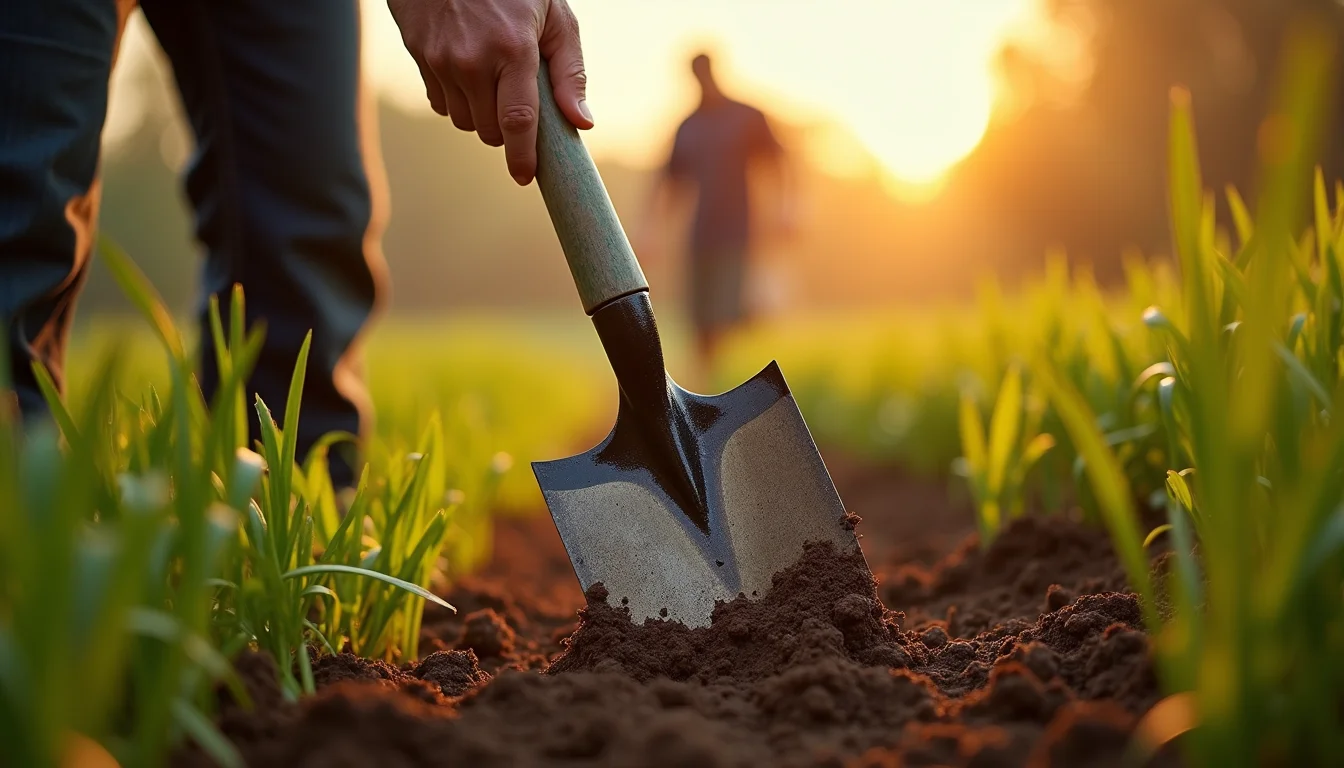
You bought a garden hoe, but it feels like you are fighting the soil instead of working with it. That is normal for a beginner, but it does not have to stay that way. The right hoe and proper technique can turn a back-breaking chore into a smooth, satisfying task.
Most new gardeners pick the wrong hoe because they do not know the different types exist. A one-size-fits-all approach does not work here. Choosing the correct hoe for your specific job will save you time and energy from the start.
Choosing the Best Hoe for a Beginner Gardener
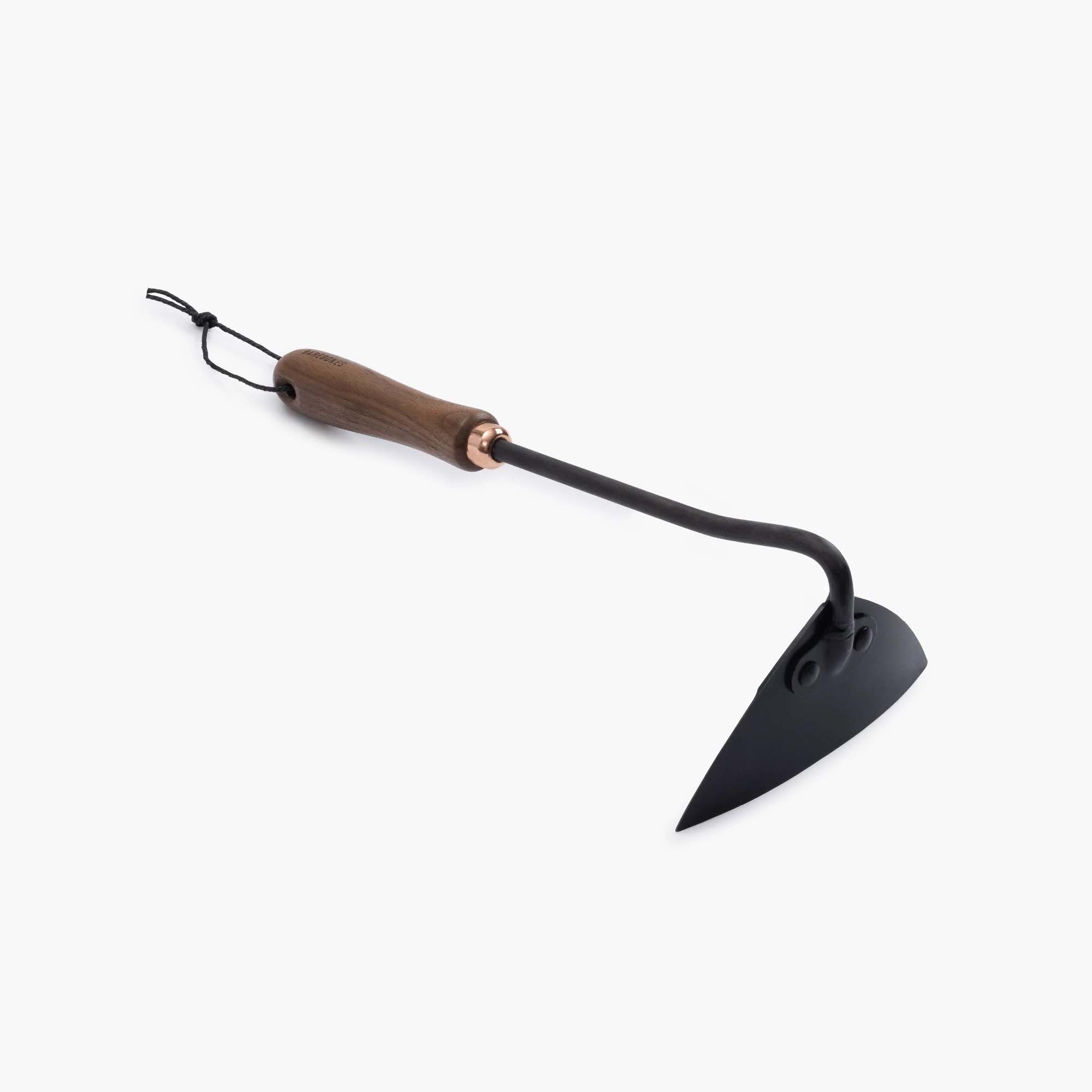
The first step is understanding what you need to do in your garden. For weeding, a stirrup hoe is your best friend because it cuts weeds just below the surface with a simple push-pull motion. It is lightweight and easy to control, making it ideal for maintaining flower beds and vegetable rows.
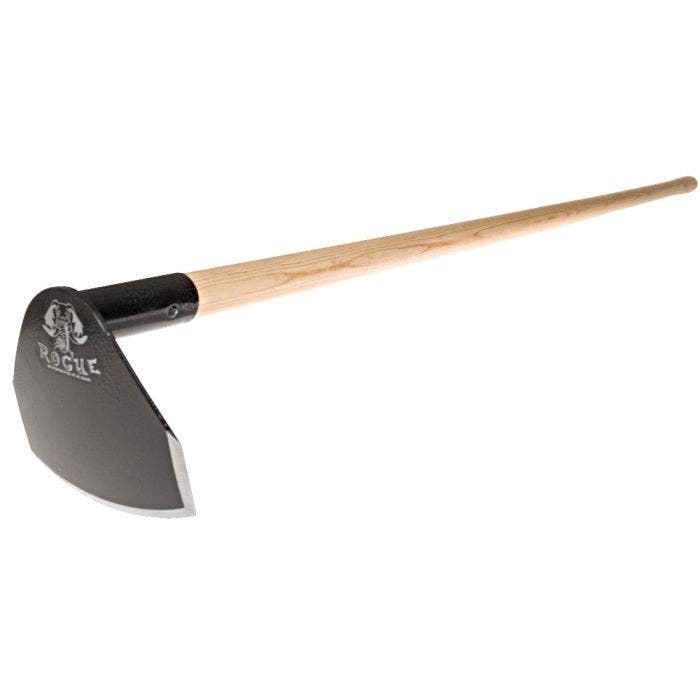
If you plan to dig planting furrows for seeds, a Warren hoe with a pointed triangular head is the tool for the job. It creates clean, shallow trenches without disturbing the surrounding soil. For general chopping and breaking up hard ground, a forged draw hoe gives you the weight and leverage to tackle tougher tasks.
Handle length matters more than you might think. A hoe handle should reach between your armpit and shoulder when you stand the tool upright next to you. This lets you work with a straight back, like sweeping with a broom, which prevents back pain and fatigue.
The Smart Gardener’s Guide to Hoes in 2026
Choosing the right garden hoe makes all the difference. It saves your back and gets the job done faster. We will look at the best options for beginners.
| Tool | Best For | Ease of Use |
| Stirrup Hoe | Weeding | High |
| Warren Hoe | Trenching | Medium |
| Forged Hoe | Tough Jobs | Medium |
Best Hoe for Beginner Gardeners
For those new to gardening, the stirrup hoe is a top recommendation. Its design makes weeding much simpler. You can maintain your garden with less effort.
This tool works with a simple push-pull motion. It cuts weeds just below the soil surface. This prevents them from growing back easily. It is a great tool for general garden upkeep.
Easy to Use Garden Hoe for Weeding
The easy to use garden hoe for weeding is often the stirrup or action hoe. Its oscillating head glides just under the soil. This action severs weed roots effectively. It requires less force than other types.
The key is its ability to cut on both the push and pull strokes. This means you cover more ground quickly. It is perfect for keeping flower beds and vegetable patches tidy. This hoe is a beginner’s best friend for weed control.
Hoe for Digging: Key Features
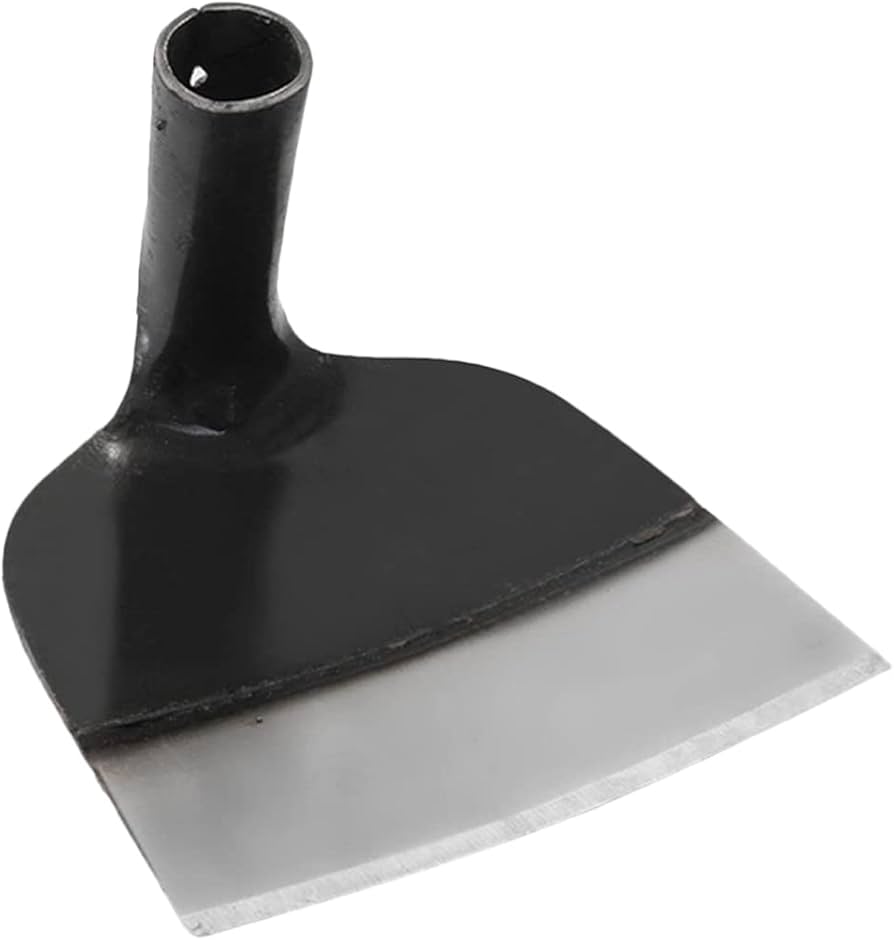
When you need a hoe for digging, look for sturdier designs. The forged garden hoe is a good example. It has a strong, solid blade. This allows it to break up compacted soil. It can also chop through tougher roots and vegetation.
A strong blade is essential for breaking new ground. It can handle tasks like clearing debris. This type of hoe is more versatile for heavy-duty work. Ensure the handle is also robust for leverage.
Hoe Handle Length: How to Choose
Hoe handle length is critical for comfort. An improperly sized handle causes back strain. When standing next to the hoe, the top of the handle should reach your armpit or shoulder. This allows for an upright posture.
Maintaining good posture while using a hoe is vital. Think of holding a broom comfortably. An ergonomic grip also helps reduce fatigue. In 2026, many hoes offer adjustable or extended handles for better fit. Proper handle length prevents strain.
Types of Garden Hoes Explained
There are several types of garden hoes, each with a specific purpose. The stirrup hoe is for weeding. The Warren hoe, with its triangular head, is for making small trenches for seeds. The draw hoe, or paddle hoe, is for chopping and digging.
The Dutch hoe is designed for precise weeding in tight spots. Understanding these differences helps you pick the right tool. For beginners, focusing on weeding and general maintenance is key. Each type serves a unique gardening need.
Stirrup Hoe Benefits for Beginners
The stirrup hoe benefits are clear for new gardeners. Its design is intuitive and easy to master. The ‘push-pull’ action feels natural. It makes the repetitive task of weeding less daunting.
This tool excels at cutting weeds just below the surface. This is especially effective when the soil is dry. It requires minimal downward force. This reduces physical strain on your arms and back. It is a highly efficient weeding tool.
Warren Hoe: Uses and Advantages
The Warren hoe is easily identified by its triangular or pointed head. Its primary advantage is creating neat, shallow rows. These rows are perfect for sowing seeds. It is also useful for planting small bulbs or transplants.
This hoe allows for precision in your garden layout. You can create consistent spacing for your plants. It is a specialized tool for planting preparation. While not for general weeding, it’s invaluable for its specific tasks.
Forged Hoe vs Stirrup Hoe: Comparison
The forged hoe vs stirrup hoe shows a difference in purpose. A forged hoe is robust and heavy-duty. It is built for chopping tough weeds and breaking hard soil. It is like a small axe for your garden.
A stirrup hoe, conversely, is light and agile. It is designed for efficient, surface-level weeding. It glides through soil with less effort. For beginners, the stirrup hoe is usually the better starting point for most tasks. The forged hoe is for more demanding jobs.
The Future of Garden Hoes
In 2026, garden tools are getting smarter. Expect lighter materials and better ergonomics. The focus is on making gardening accessible and less strenuous. Choosing the right hoe is an investment in your garden’s success.
For beginners, prioritize ease of use and comfort. The stirrup hoe remains an excellent choice for weeding. Always ensure your tool has a comfortable handle length. Keep your hoe blade sharp for best performance. This simple tool can transform your gardening experience.
Your 3-Step Action Plan
Start by choosing the right hoe for your main task. For weeding, pick a stirrup hoe; for planting, choose a warren hoe.
Step 1: Measure Your Handle
Stand the hoe upright next to you. The handle should reach between your armpit and shoulder to prevent back strain.
Step 2: Test the Action
Use a push-pull motion close to the soil surface. Keep your back straight like you’re sweeping.
Step 3: Time It Right
Hoe when the soil is dry for best results. Dry soil lets weeds detach easily and stops them from re-rooting.
Frequently Asked Questions
Can I use a hoe on wet soil?
It’s not recommended. Wet soil clumps and makes weeds re-root easily, so you’ll just spread them around.
How often should I sharpen my hoe?
Sharpen your hoe after every few uses or when you feel resistance. A sharp blade cuts cleanly and saves your energy.
What’s the best hoe for raised beds?
Use a Dutch hoe with a short handle for tight spaces. Its flat blade slices weeds without disturbing your plants.
You now have the knowledge to pick the perfect hoe for your garden. Trust your choice and start with the right tool for your main task.
Take your hoe to the garden today and try the push-pull motion on dry soil. You’ll see immediate results with less effort.
In 2026, ergonomic designs make hoeing easier than ever. Enjoy a cleaner, healthier garden with less strain on your back.
