

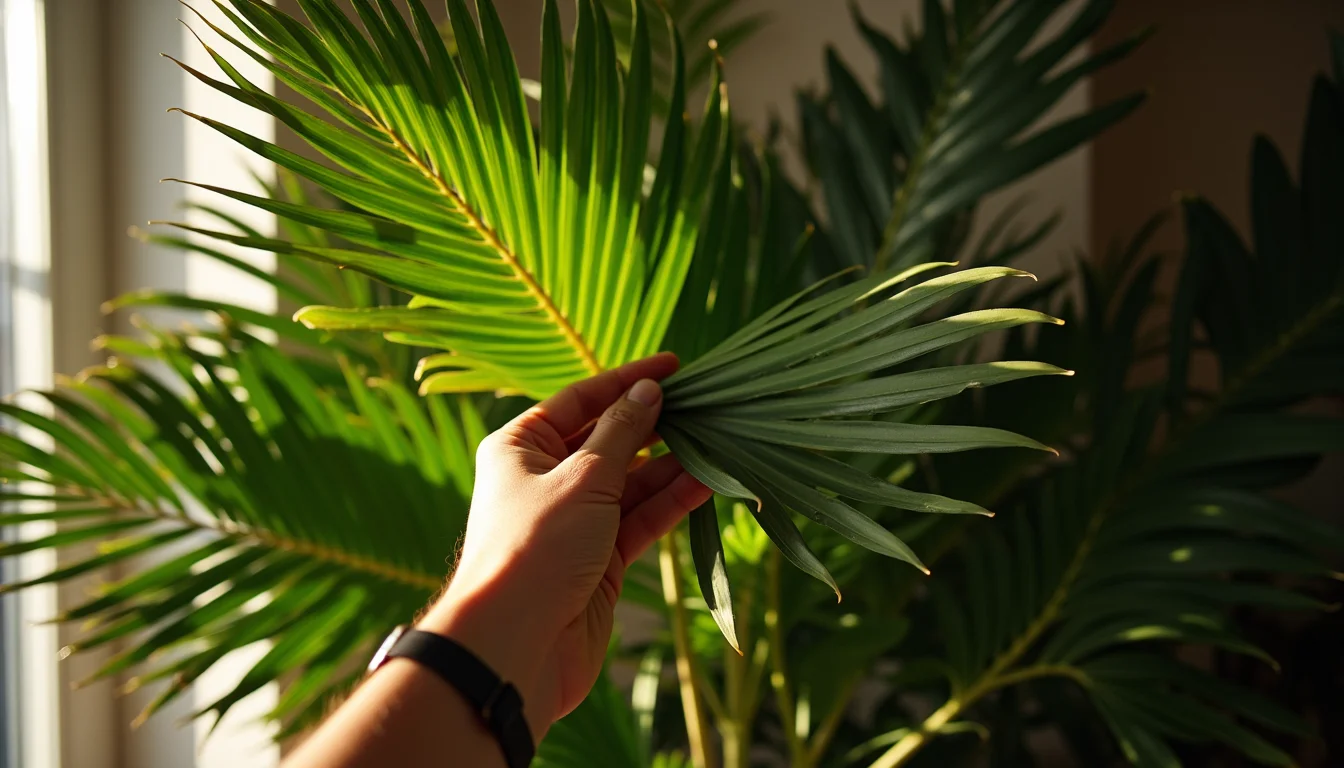
You bring a fishtail palm home, expecting a lush tropical vibe. But within weeks, the leaf tips turn brown and crispy. It’s not your fault—this palm has very specific needs that most people don’t know about.
Understanding how to care for a Caryota mitis is the difference between a thriving plant and a constant struggle. Let’s cut through the confusion and get your palm looking its best.
What Makes the Fishtail Palm Unique? Bipinnate Leaves and Clumping Growth
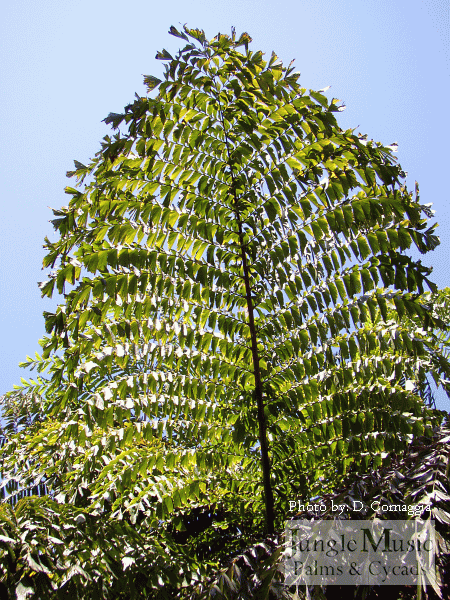
The fishtail palm (Caryota spp.) stands out because of its bipinnate fronds, a rare trait where each leaf splits twice, creating a feathery, fish-tail shape. This gives it a texture unlike any other palm you’ll find in a nursery.
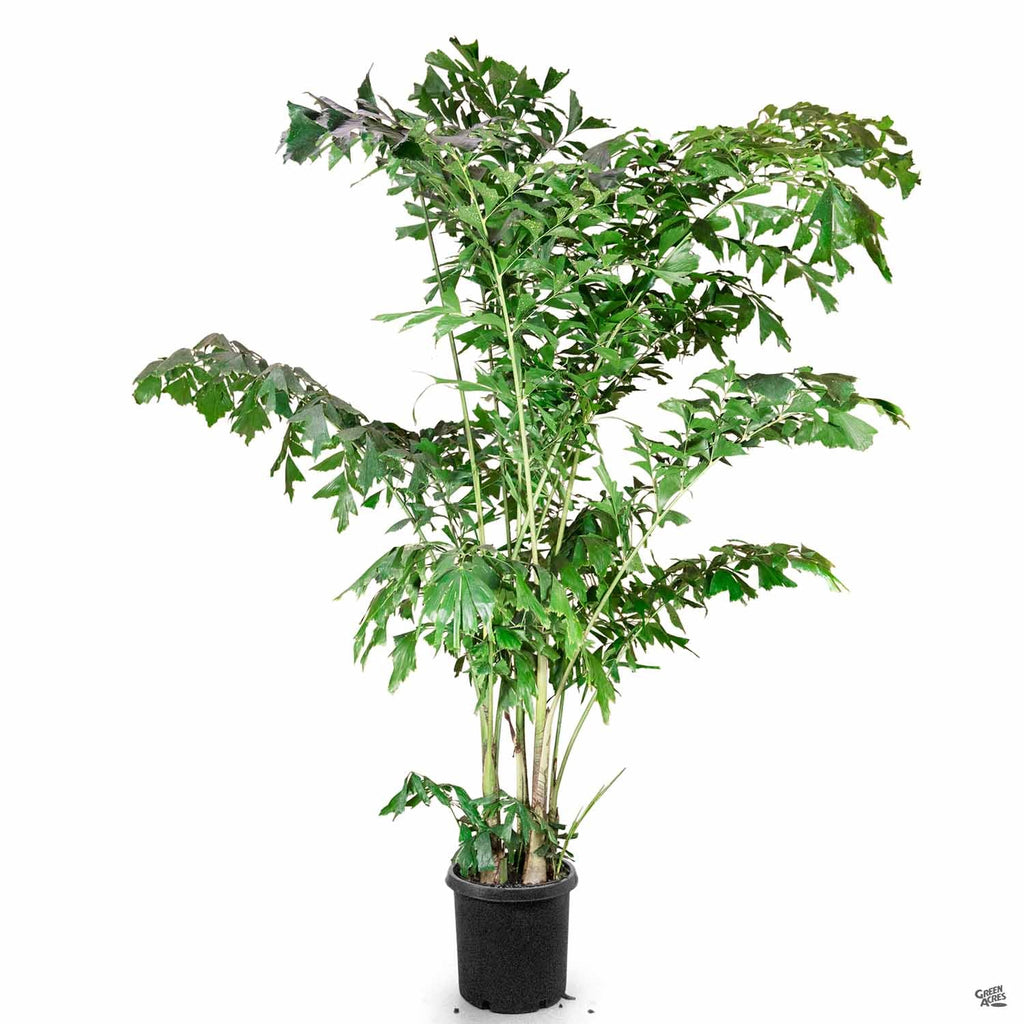
Most houseplant palms have a single trunk, but the clustering fishtail palm (Caryota mitis) grows in dense clumps. This makes it perfect for filling a corner or creating a natural privacy screen indoors.
Be aware that each stem is monocarpic, meaning it flowers once and then dies. Don’t panic—the plant keeps growing from new shoots at the base, so it will stay full and lush for years.
Caryota Mitis: The Clustering Fishtail Palm
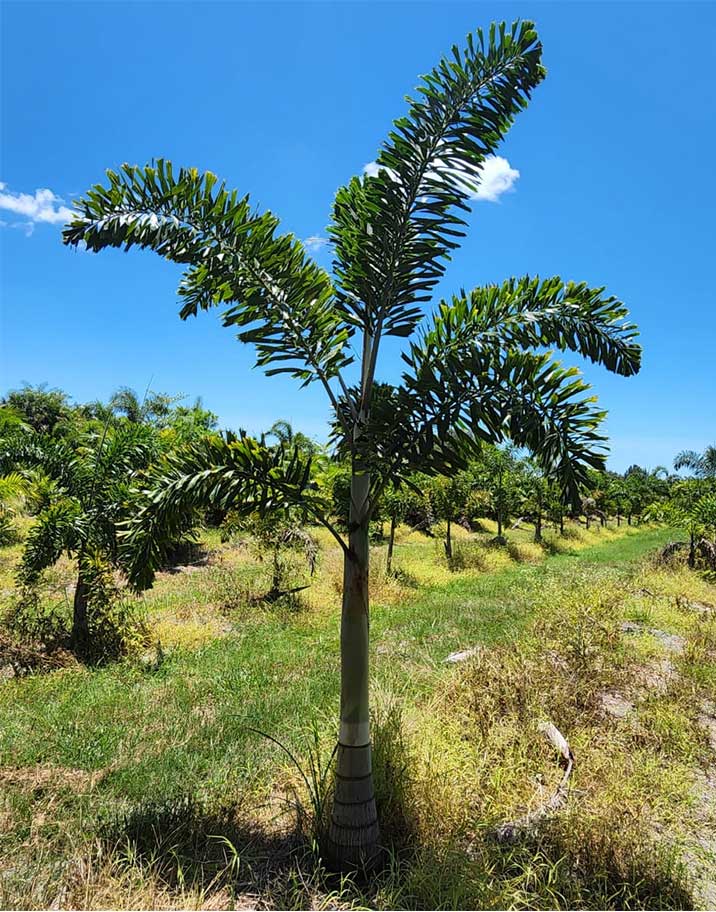
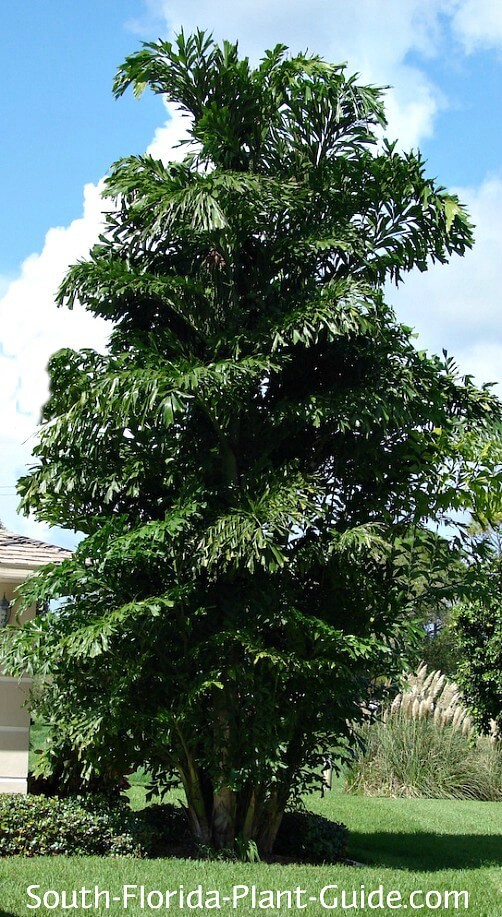
The Caryota mitis offers a dense, multi-stemmed look perfect for creating natural screens. This clustering growth habit makes it a popular choice for defining outdoor spaces.
Clustering Growth Habit
This species is known for its natural clumping. New shoots emerge from the base, creating a fuller plant over time. It provides excellent visual density.
Burmese Fishtail Palm Outdoors
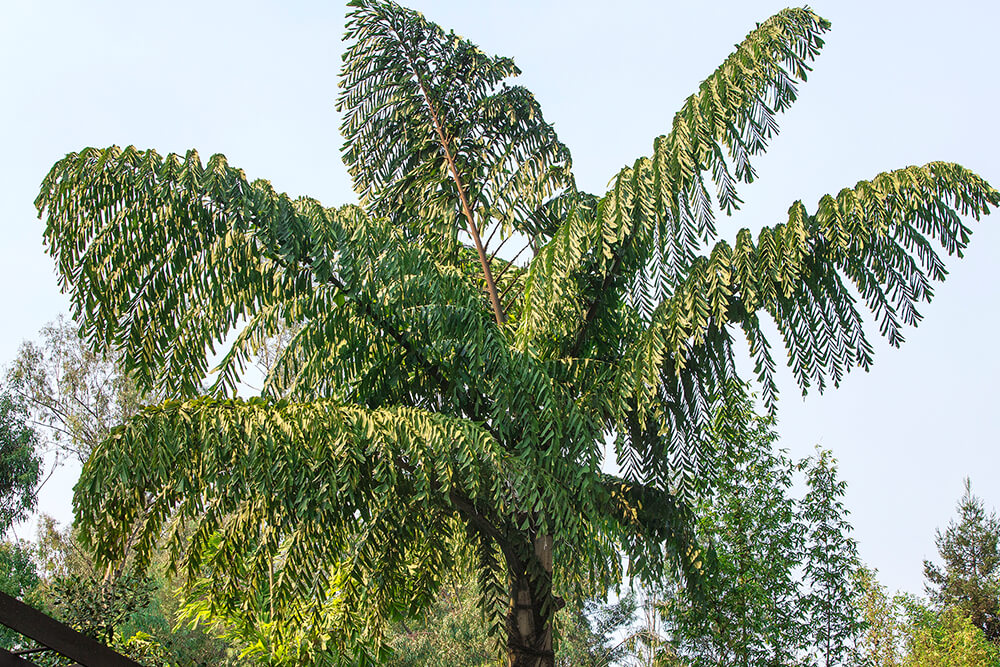
In suitable climates, the Burmese fishtail palm can grow quite tall. It serves as an impressive focal point in tropical garden designs. Consider its mature size for placement.
Dense Foliage Screens
The overlapping fronds of Caryota mitis create a solid barrier. This makes it ideal for privacy in yards or along property lines. It effectively blocks unwanted views.
Multi-Stemmed Visual Appeal
The staggered heights of the stems add dynamic visual interest. This natural variation is a key aesthetic feature. It contributes to a lush, jungle-like atmosphere.
Burmese Fishtail Palm: A Tropical Statement
The Burmese fishtail palm brings an unmistakable tropical vibe to any setting. Its unique leaf structure makes it stand out among other palm varieties.
Exotic Tropical Accent
This plant provides a strong tropical statement piece. Its dramatic form is excellent for creating a vacation feel at home. It instantly elevates a room’s decor.
Bold Leaf Texture
The large, bipinnate palm leaves have a coarse texture. This visual and tactile quality adds depth to interior design. It contrasts well with smoother elements.
Statement Plant Placement
Position this palm where it can be admired as a focal point. It works well in entryways or large living areas. Ensure it has ample space to grow.
Vibrant Green Hue
The deep green color of the fronds is rich and inviting. This natural color complements a wide range of interior palettes. It adds a touch of natural vibrancy.
Bipinnate Palm Leaves: The Fishtail Signature
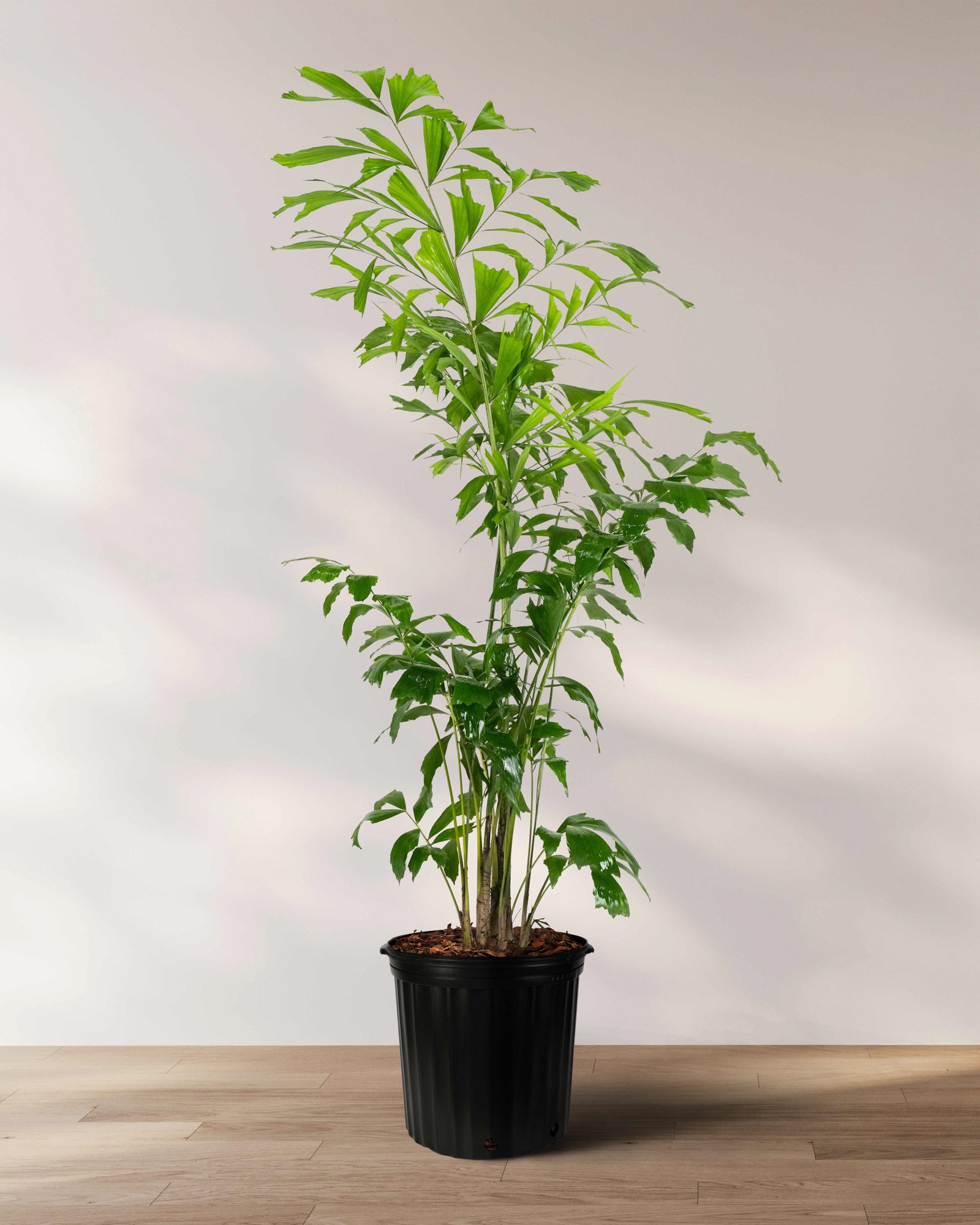
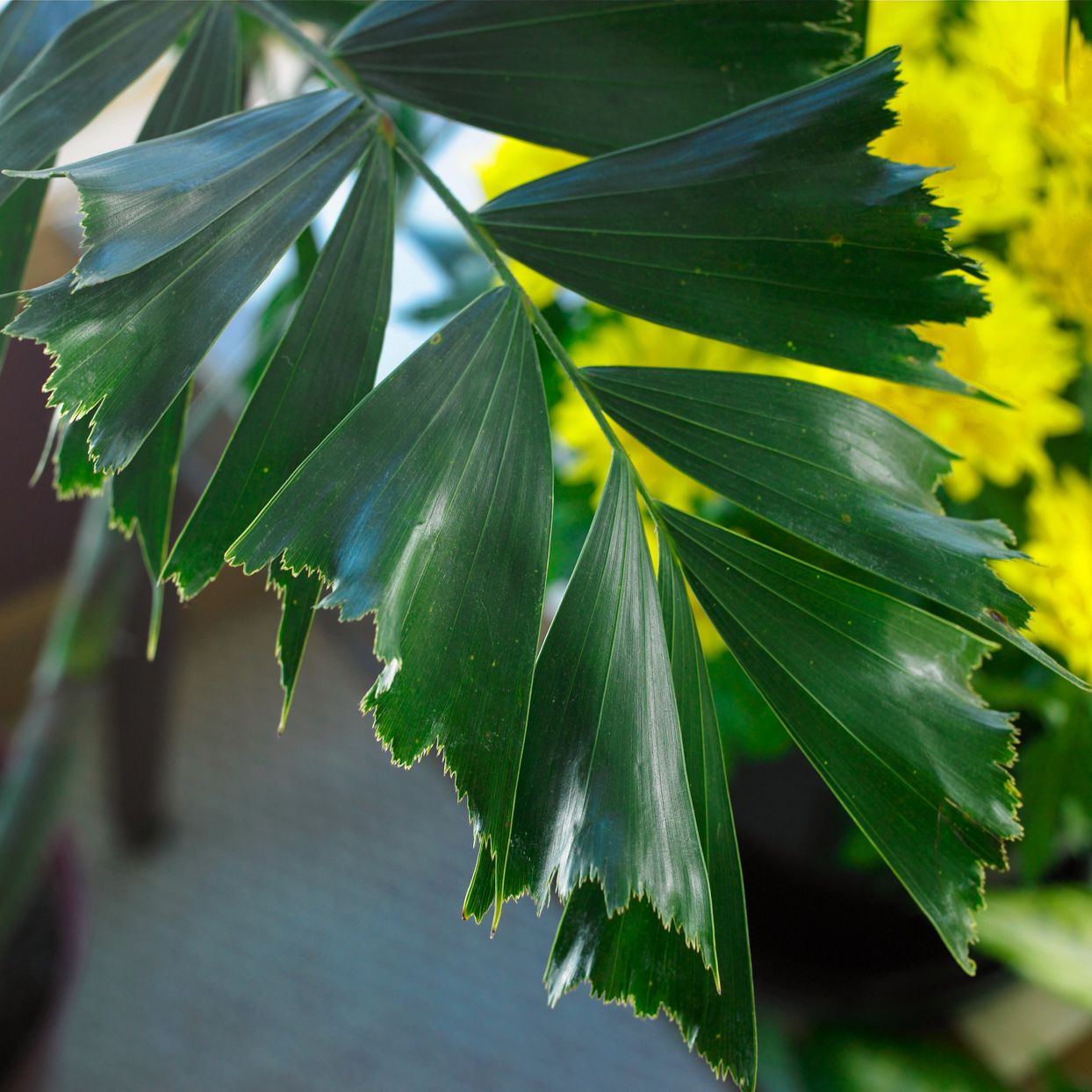
The most distinctive feature of this palm is its bipinnate palm leaves. This complex structure gives the foliage a unique, feathery appearance unlike most palms.
Feathery Leaf Structure
Each frond branches out twice, creating a delicate, lacy effect. This bipinnate palm leaves structure is rare in the palm family. It offers a softer visual profile.
Visual Depth and Movement
The intricate pattern of the leaves adds visual depth. They sway gently, creating a sense of natural movement indoors. This adds life to static spaces.
Contrast with Simple Decor
The elaborate leaves provide a striking contrast. They pair well with minimalist furniture and decor. This highlights the plant’s natural beauty.
Unique Leaf Shape
The deeply toothed leaflets resemble a fish’s tail. This unique characteristic is the source of its common name. It is a conversation starter for guests.
Monocarpic Bloom: The Final Flowering
Understanding the monocarpic nature of Caryota spp. is key to long-term care. Individual stems flower once and then decline, but the plant continues to grow from new shoots.
Single Flowering Cycle
Each stem of a monocarpic palm blooms only one time. After flowering and producing fruit, that specific stem will die. This is a natural part of its lifecycle.
New Growth from Base
In clumping varieties like Caryota mitis, new stems emerge from the base. This ensures the overall plant survives and thrives. It replaces the aging stems.
Staggered Blooming Pattern
The plant’s monocarpic palms lifecycle means blooms appear on different stems over years. This provides intermittent visual interest. It avoids a single, overwhelming event.
Fruit Development
Following the bloom, small berries develop on the stems. These berries are visually striking but are toxic. Avoid contact and ingestion, especially with pets.
Indoor Fishtail Palm: Light and Humidity Needs
Growing fishtail palm indoors requires attention to specific environmental factors. Providing the right light and humidity is crucial for its health and appearance.
Bright, Indirect Light
This plant thrives in bright, indirect light conditions. Direct, harsh sunlight can scorch its delicate leaves. Place it near a window that gets morning sun but is shaded in the afternoon.
High Humidity Preference
The fishtail palm humidity needs are high, ideally above 50%. Dry air can cause brown leaf tips and edges. Misting regularly or using a humidifier can help maintain moisture levels.
Consistent Soil Moisture
Keep the soil consistently moist but not waterlogged. Overwatering can lead to root rot. Allow the top inch of soil to dry slightly between waterings.
Temperature Stability
Maintain stable temperatures between 65°F and 85°F (18°C–30°C). Protect it from cold drafts and temperatures below 55°F. Consistent warmth is essential.
Fishtail Palm Watering: Avoiding Common Mistakes
Proper fishtail palm watering is vital to prevent common issues like root rot or dehydration. Understanding its needs prevents the most frequent problems.
Check Soil Moisture
Always check the soil moisture before watering. Stick your finger about two inches into the soil. Water only when the top layer feels dry to the touch.
Use Quality Water
These palms can be sensitive to chemicals in tap water. Using distilled water or rainwater is recommended for container plants. This avoids potential leaf tip burn.
Avoid Waterlogged Soil
Ensure the pot has good drainage holes. Never let the plant sit in standing water. Soggy soil is a primary cause of root rot.
Adjust for Season
Water less frequently during cooler months when growth slows. Increase watering in warmer months when the plant is actively growing. Adapt to seasonal changes.
Fishtail Palm Toxicity: Pet Safety Concerns
It is important to be aware of fishtail palm toxicity, especially if you have pets or small children. The berries contain compounds that can cause irritation.
Berry Irritation
The berries of Caryota spp. contain calcium oxalate crystals. These can cause oral irritation, swelling, and discomfort if ingested. Keep pets and children away from fallen berries.
Dermatitis Risk
Handling crushed berries can cause skin irritation. Some individuals may experience dermatitis. Wear gloves when cleaning up fallen fruit.
Safe Placement
Place the plant in an area inaccessible to pets and children. Ensure fallen berries are cleaned up promptly. Prioritize safety in your home environment.
Consult a Veterinarian
If you suspect your pet has ingested any part of the plant, contact your veterinarian immediately. Early intervention can prevent serious health issues.
Caring for Caryota spp.: Growth and Pruning Tips
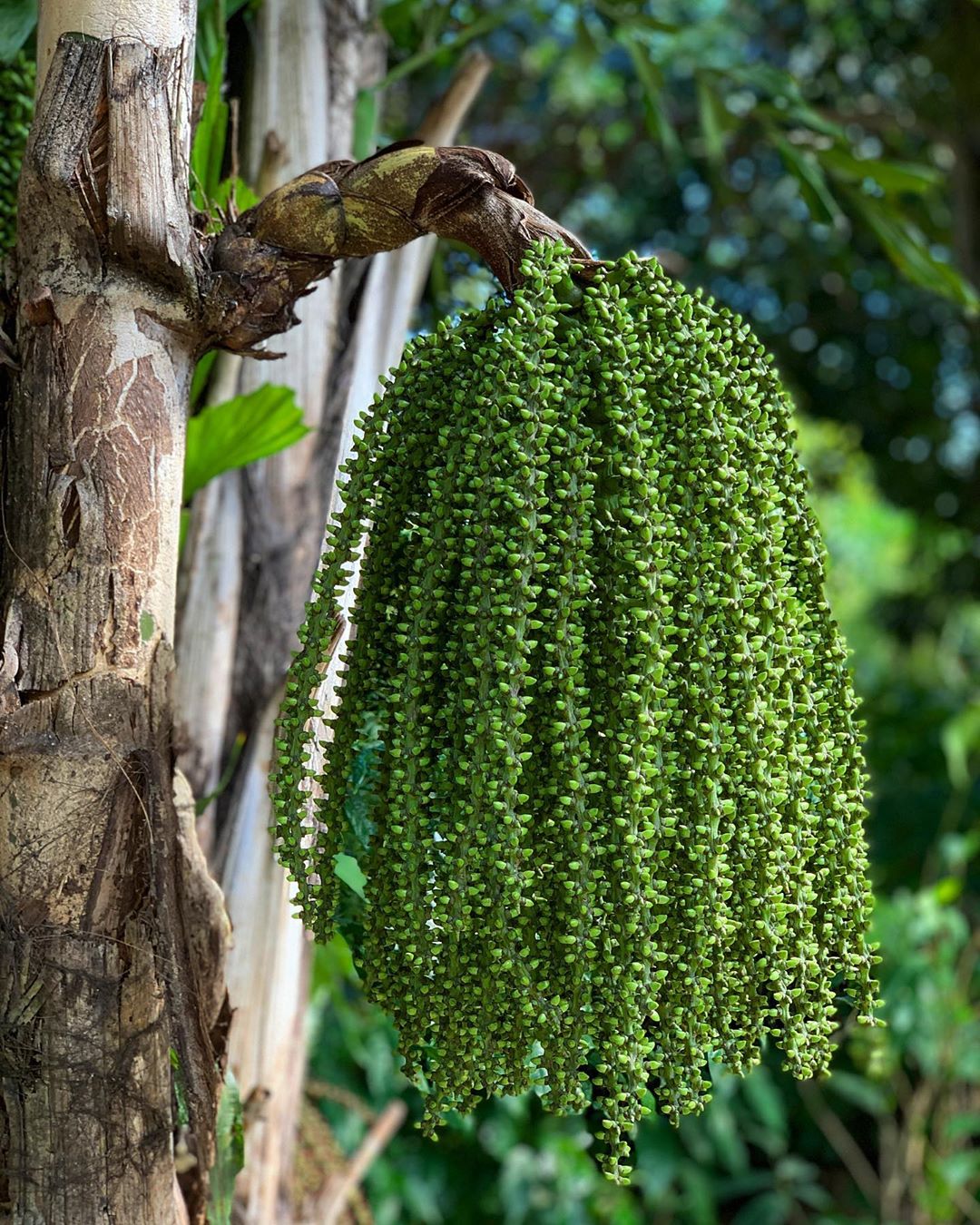
Effective caring for Caryota spp. involves understanding its growth habits and occasional pruning. This ensures the plant remains healthy and aesthetically pleasing.
Pruning Dead Fronds
Remove yellowed or dead fronds as needed. Cut them back to the main stem. This helps maintain the plant’s appearance and directs energy to new growth.
Managing Clumping Growth
In outdoor settings, you may need to manage the spread of clumps. Remove unwanted suckers or stems if the plant becomes too dense. This controls its size and shape.
Repotting Mature Plants
Repot mature plants only when necessary, typically every 2-3 years. Choose a pot only slightly larger than the current one. This avoids shocking the root system.
Fertilizing Schedule
Feed your plant with a balanced liquid fertilizer during the growing season. Apply once a month from spring through summer. Reduce or stop feeding in fall and winter.
| Species | Caryota mitis |
| Common Name | Burmese Fishtail Palm |
| Leaf Type | Bipinnate Palm Leaves |
| Growth Habit | Clustering |
Style and Reference Gallery
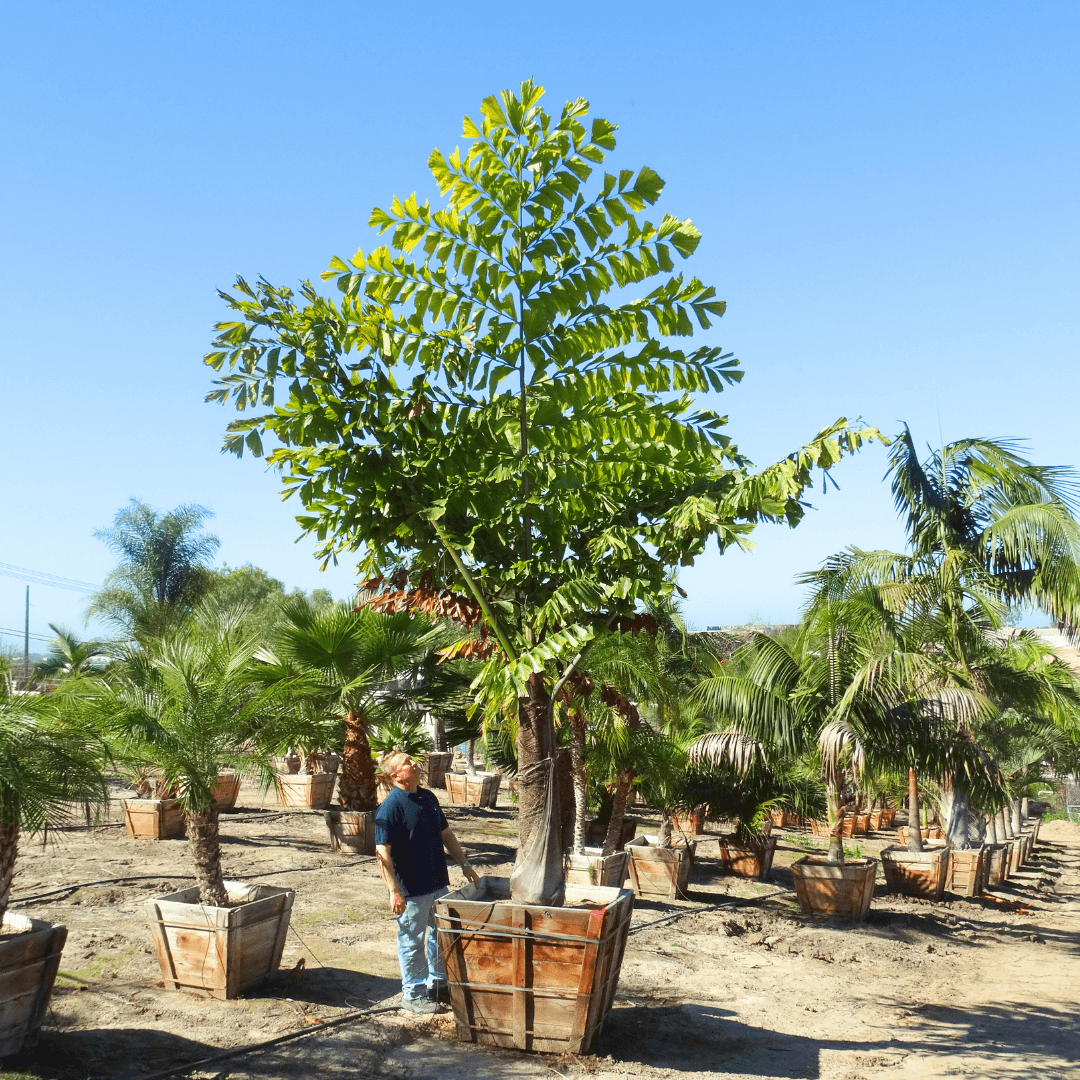
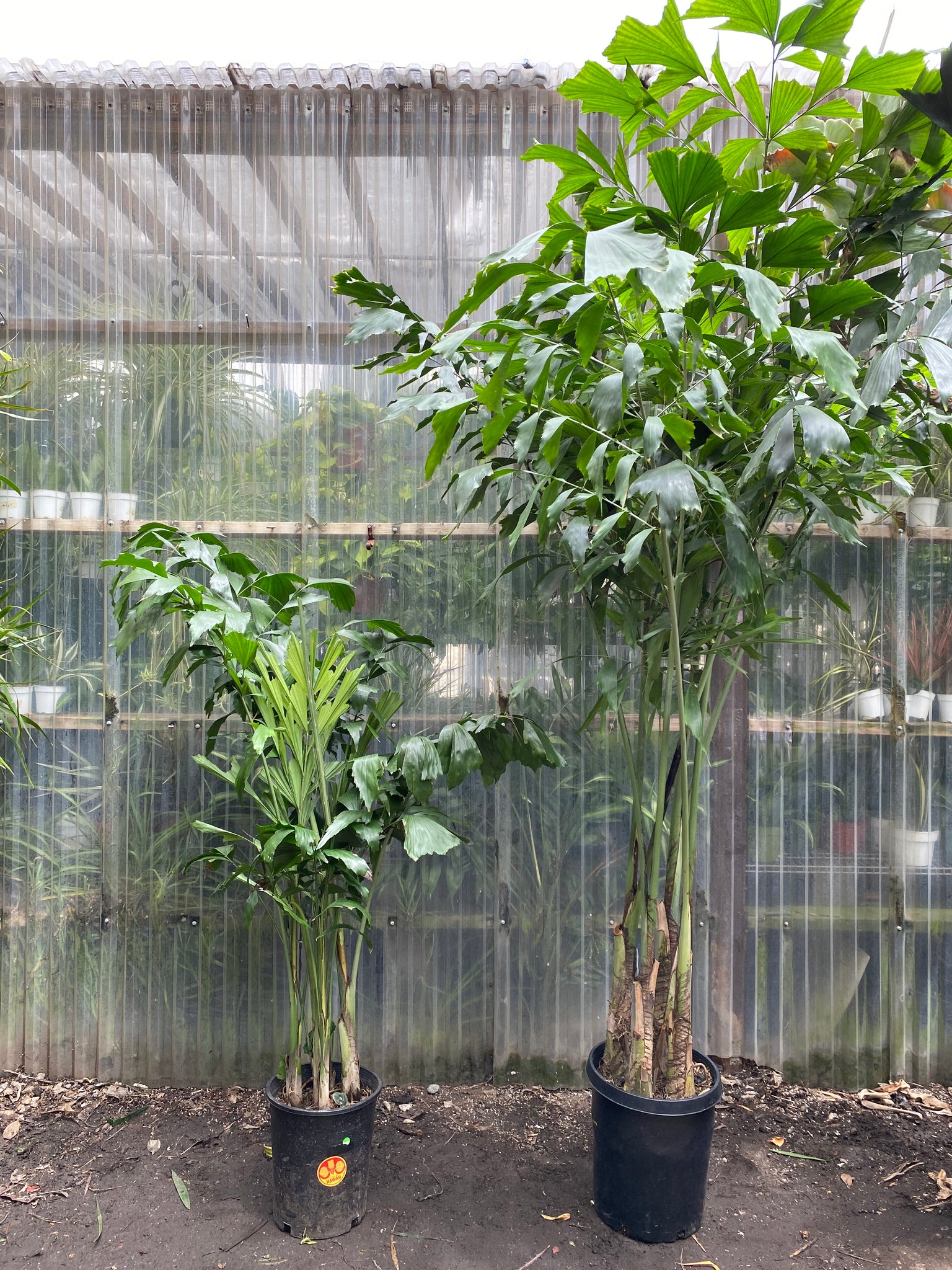
A mature specimen can reach the ceiling, making a bold statement. It transforms a dull corner into a jungle.
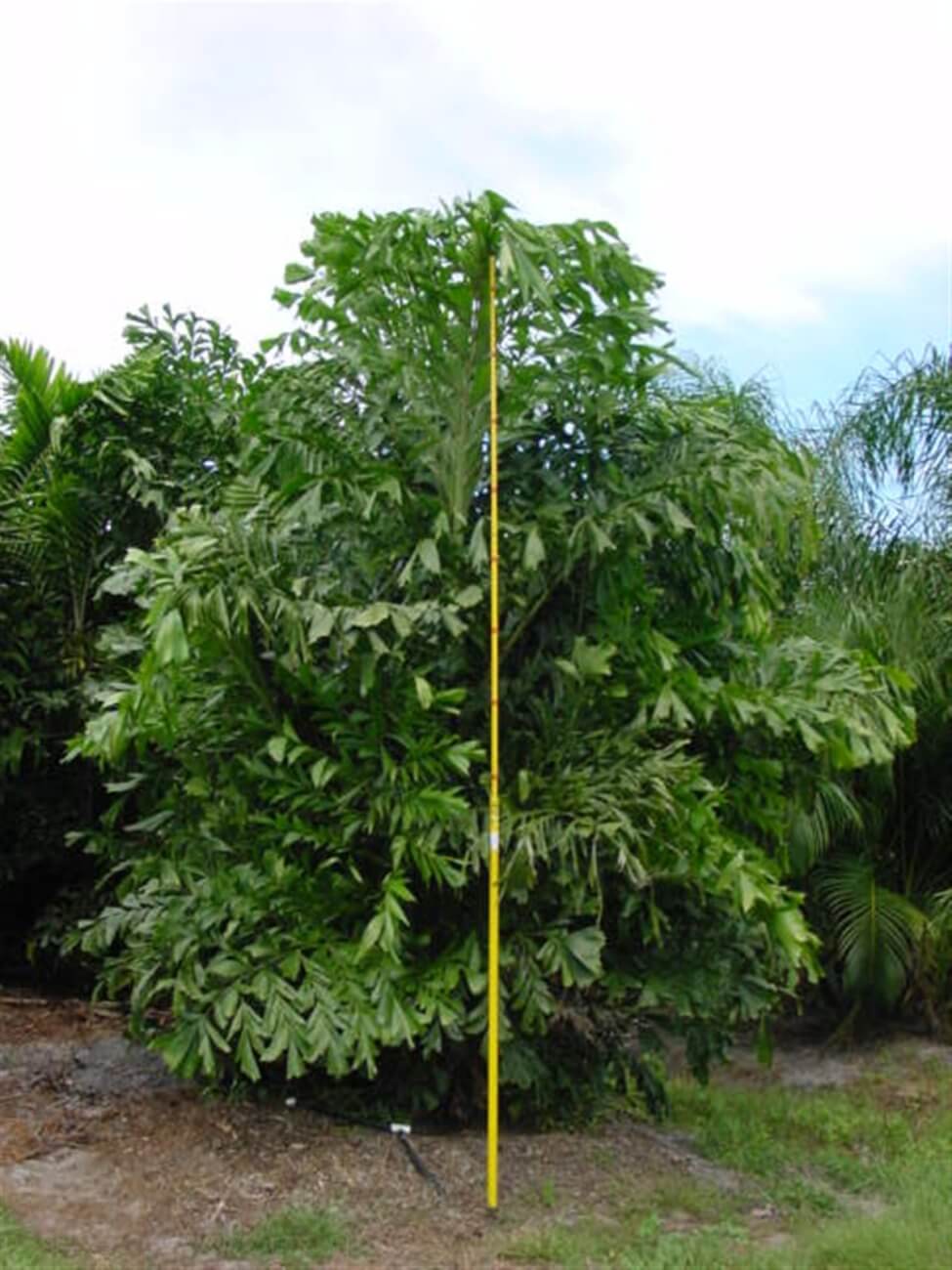
The new fronds unfurl with a reddish tint before turning green. This adds a subtle pop of color.
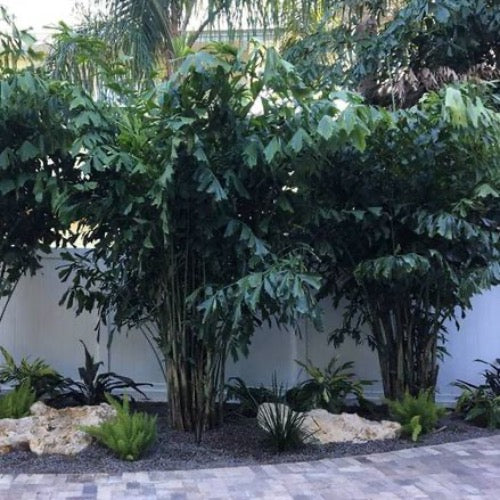
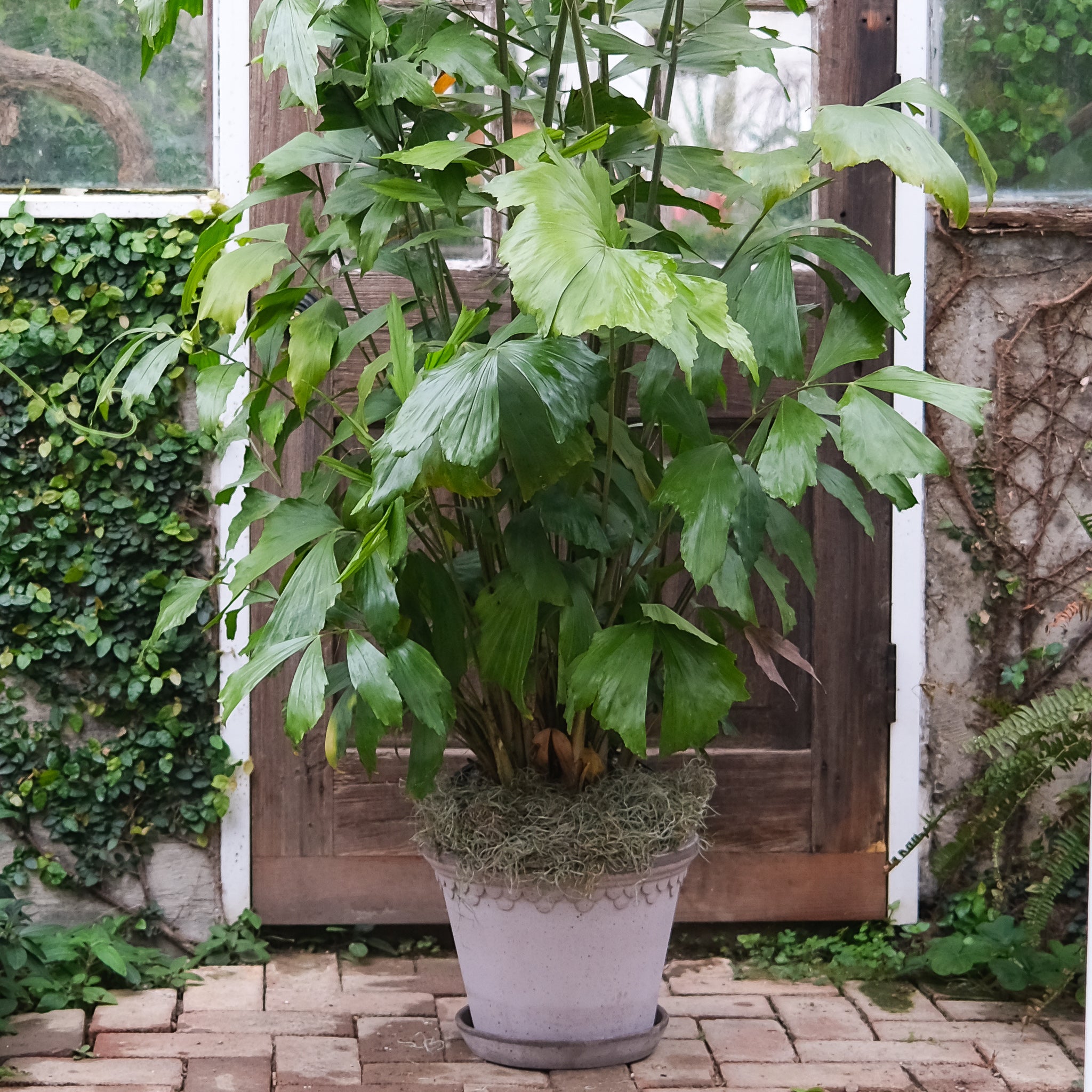
Use a tall, narrow planter to emphasize the vertical growth. It draws the eye upward and makes ceilings feel higher.
The fishtail shape is a conversation starter. Guests will ask about it every time.
Keep it near a humidifier in winter to prevent crispy edges. The extra moisture keeps the leaves supple.
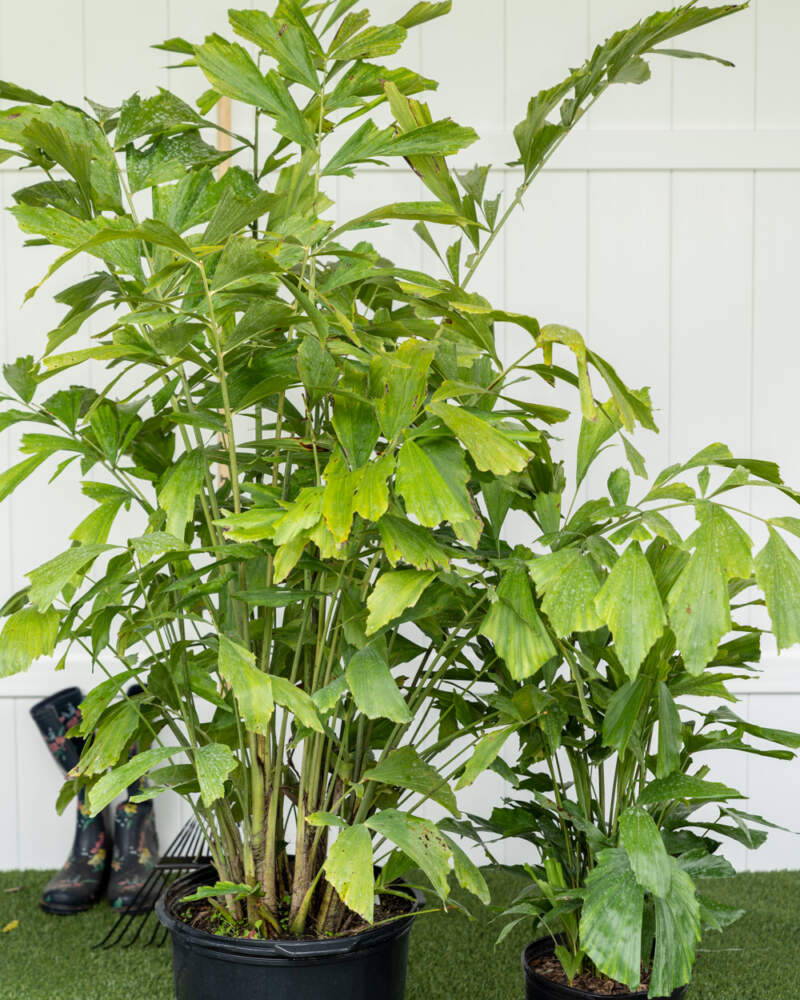
The plant’s clumping habit means it gets fuller over time. It rewards patience with lush density.
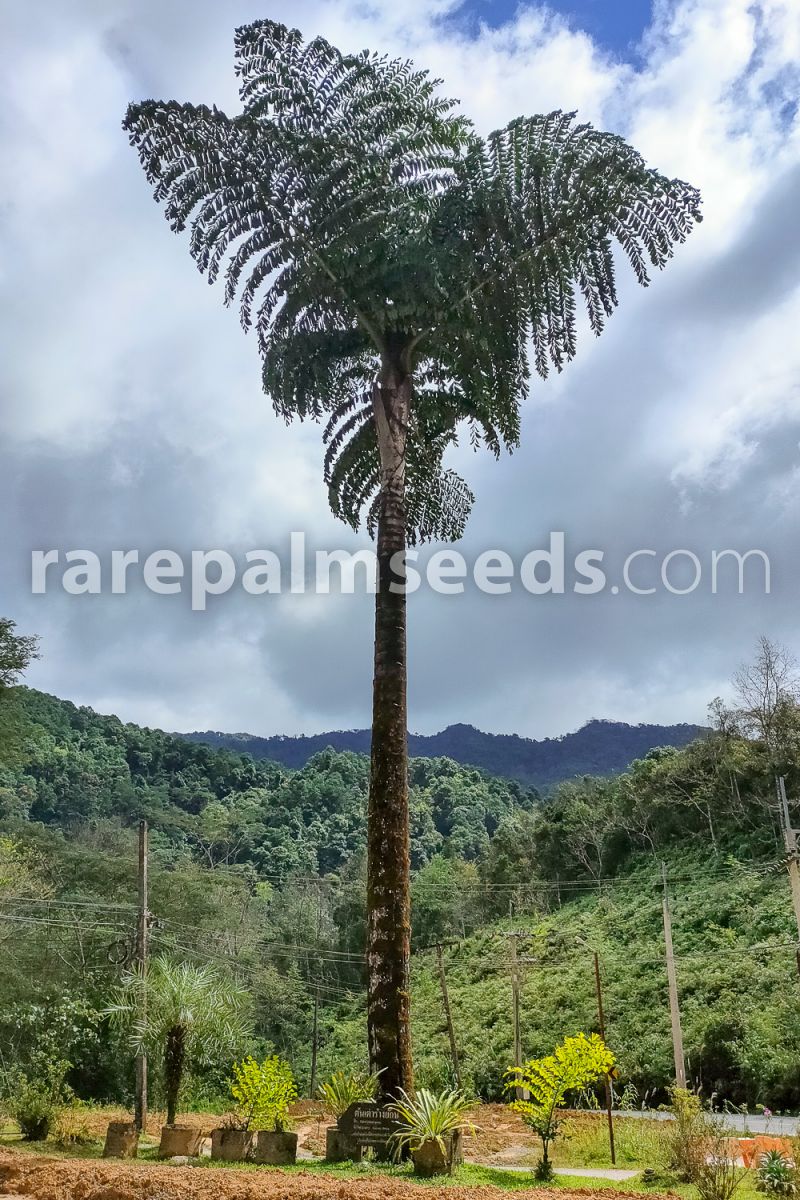
A well-cared-for Fishtail Palm can live for decades indoors. It becomes a legacy plant that grows with you.
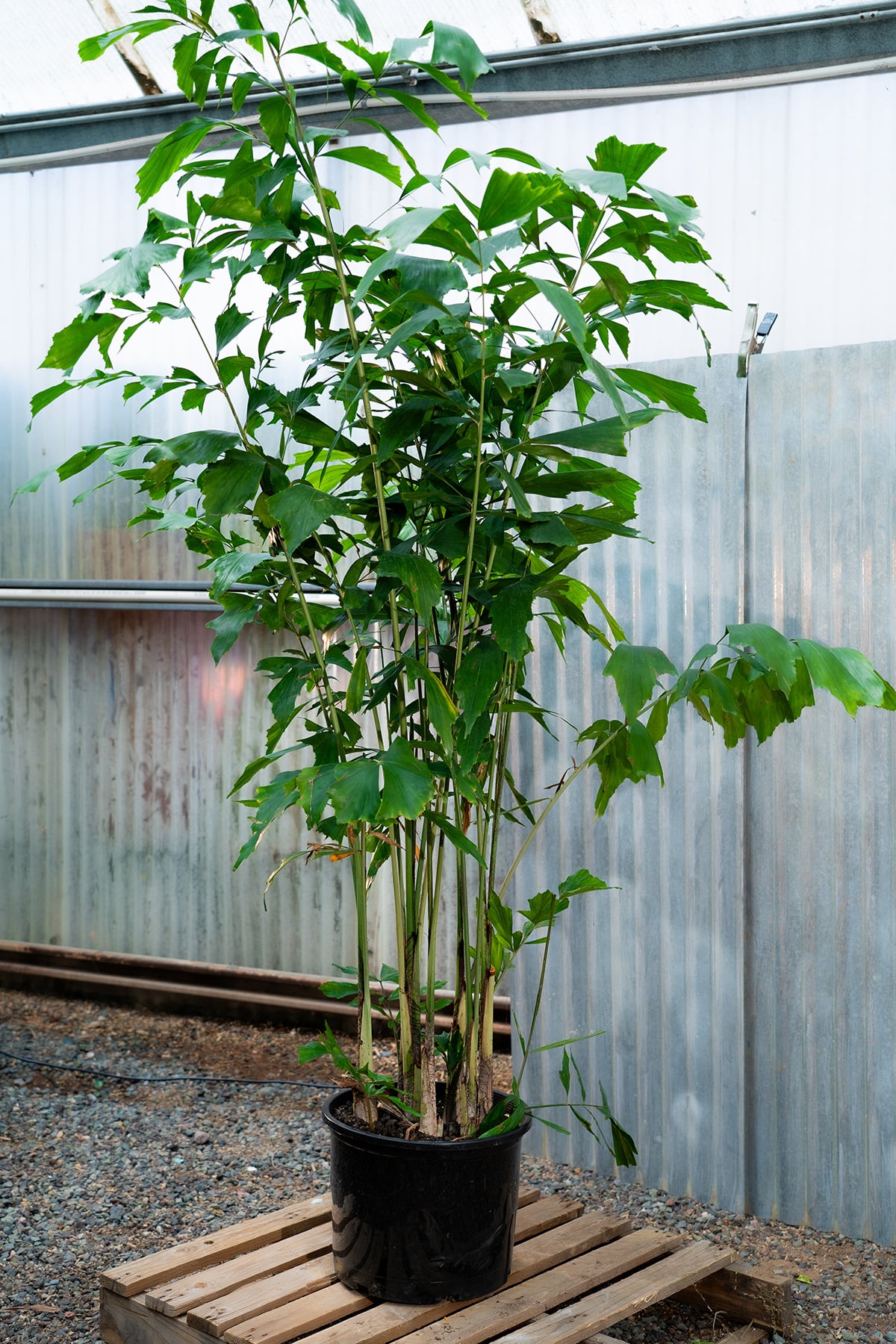
The fronds fan out like a peacock’s tail, each leaflet a perfect triangle. This is nature’s geometry at its finest.
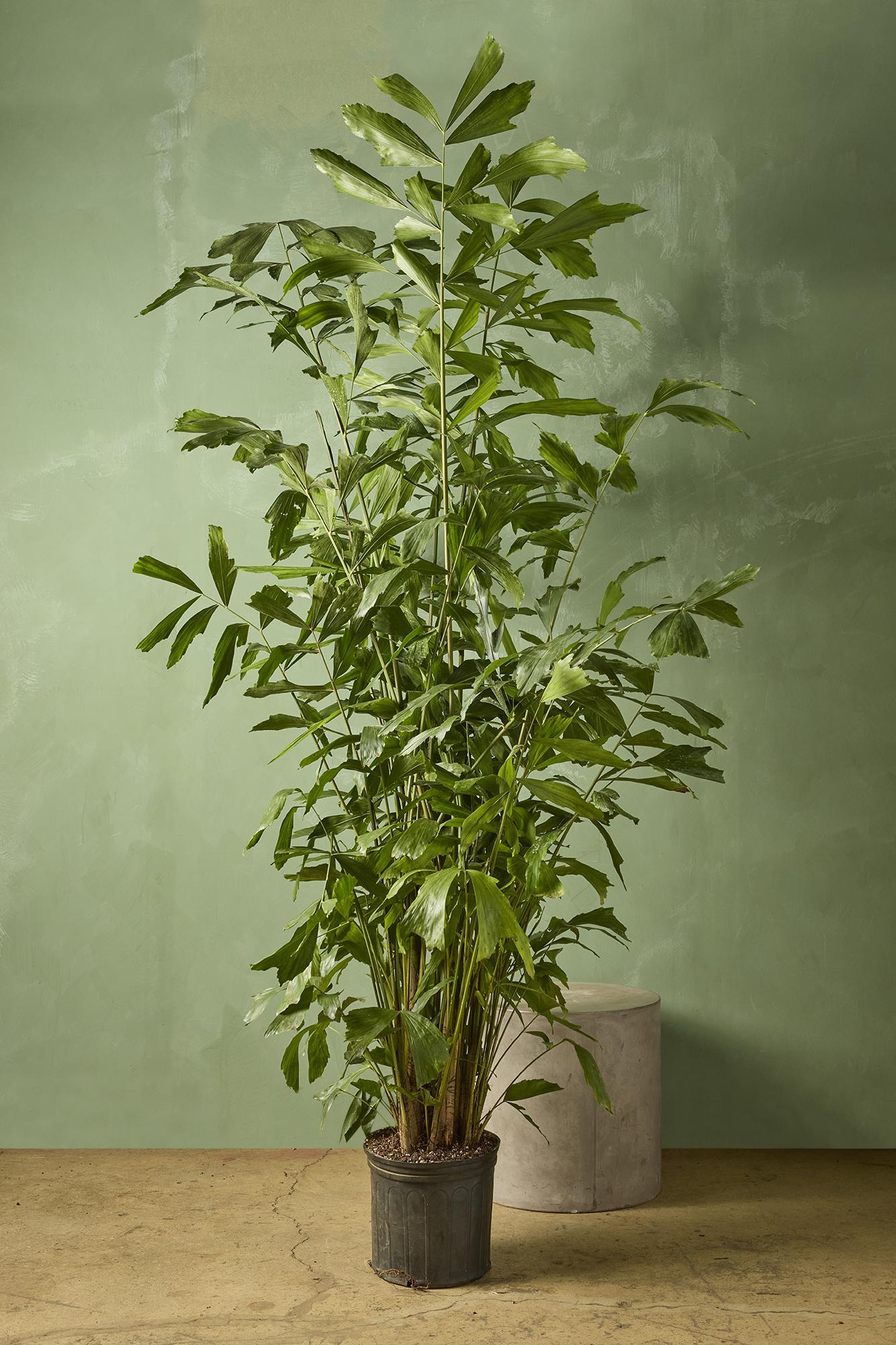
Place it against a white wall for maximum contrast. The green becomes almost electric in bright light.
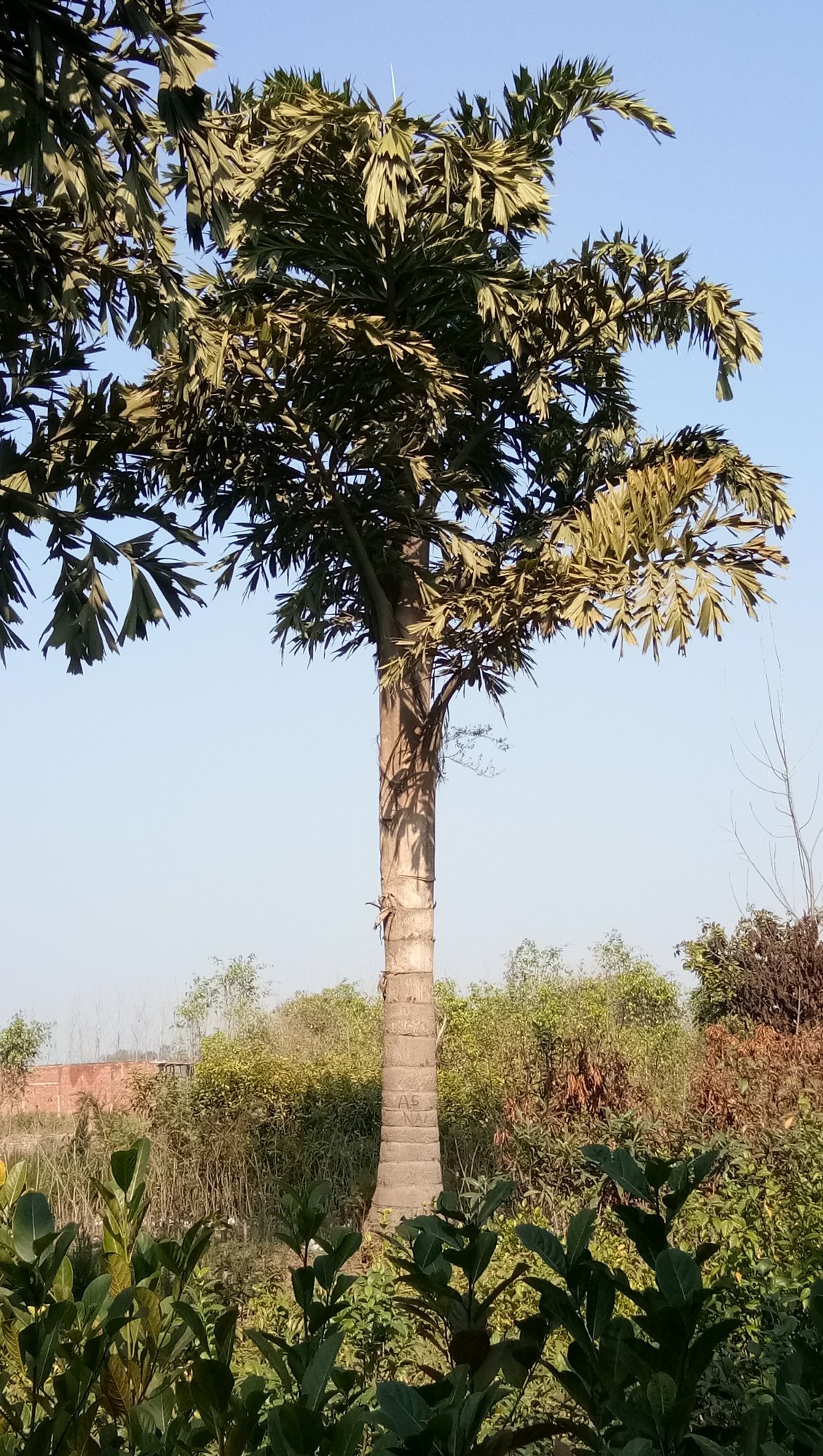
A cluster of stems creates a dense, tropical thicket. It feels like a secret garden inside your living room.
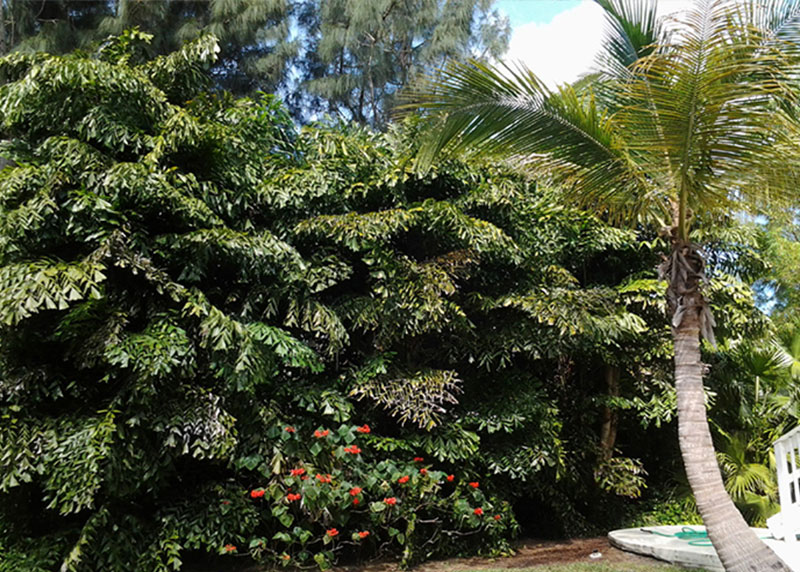
The bipinnate leaves cast intricate shadows on the floor. They dance with the movement of the sun.
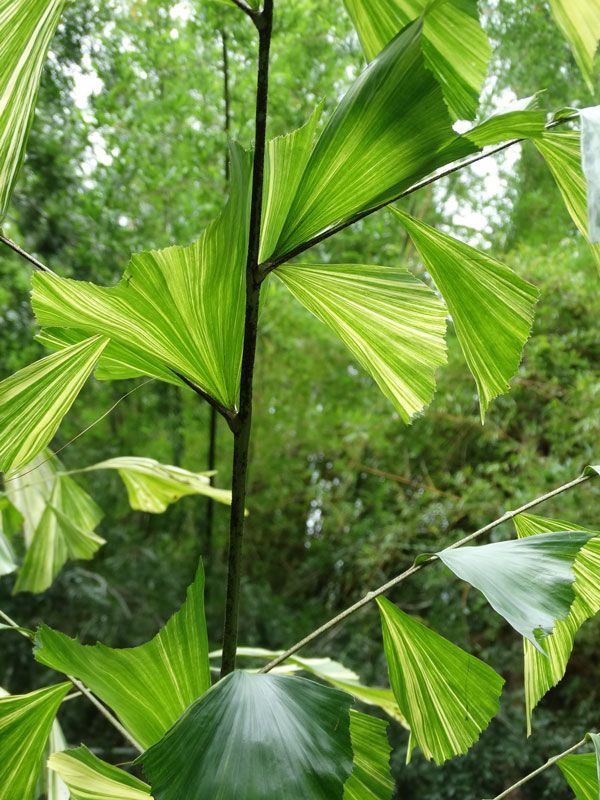
Pair it with a simple terracotta pot to ground the exotic foliage. The earthy tone keeps the look balanced.
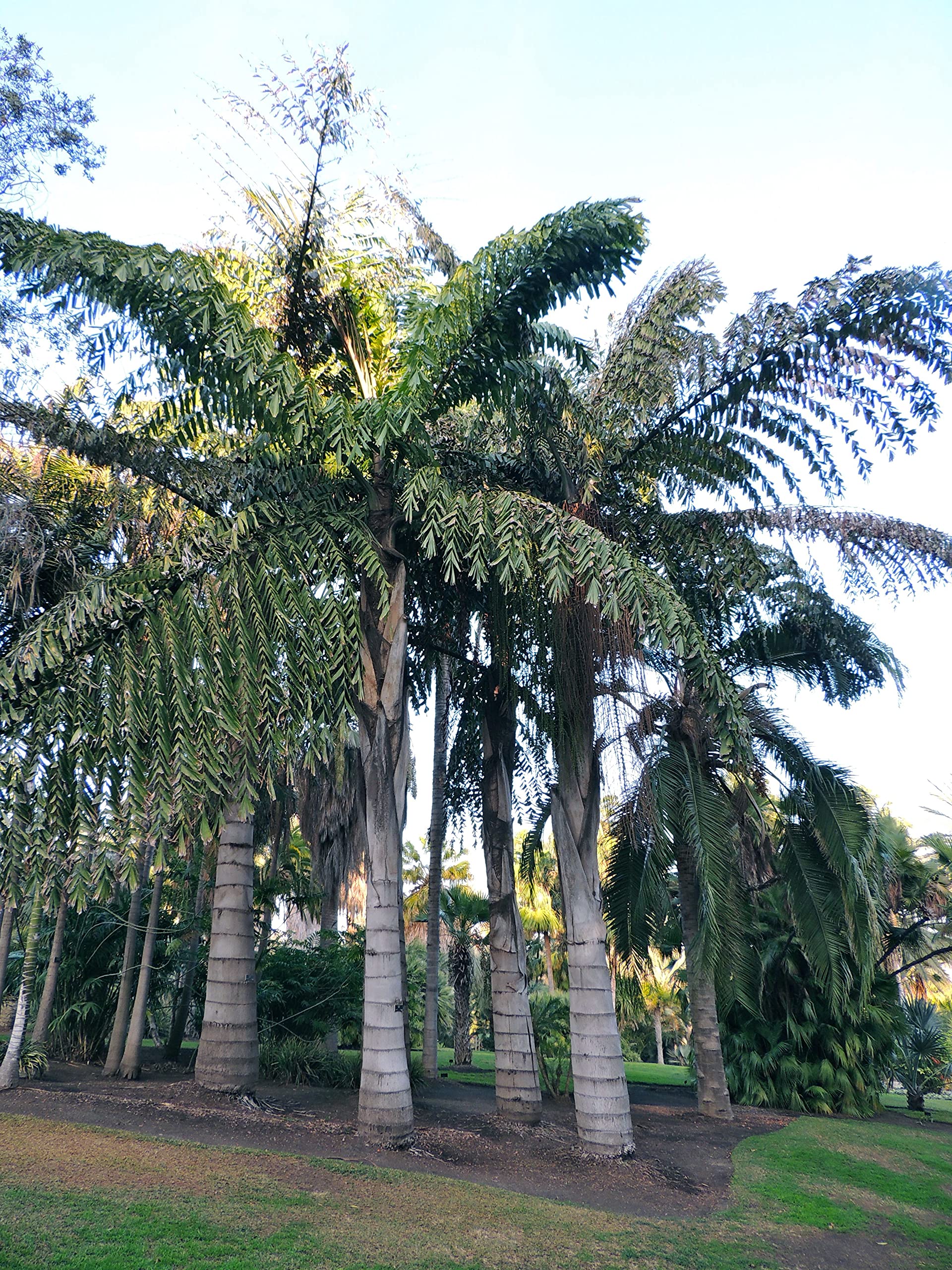
In a corner, it fills empty space with texture and height. It becomes the focal point of the room.
How to Keep Your Fishtail Palm Thriving
Step-by-Step Care Guide
- Choose the right spot. Place your palm in bright, indirect light. A north- or east-facing window is ideal.
- Water with care. Keep the soil consistently moist but not soggy. Use distilled or rainwater to avoid brown tips.
- Boost humidity. Mist daily or set the pot on a pebble tray with water. Group plants together to raise humidity.
- Feed monthly. Apply a balanced liquid fertilizer diluted to half strength during spring and summer.
What to Avoid
- Don’t overwater. Soggy soil leads to root rot. Always check the top inch of soil before watering.
- Don’t place in direct sun. Harsh afternoon rays will scorch the leaves. Filter light with a sheer curtain.
- Don’t let temperatures drop. Keep your palm away from drafts and AC vents. It hates cold below 55°F.
- Don’t ignore pests. Spider mites and mealybugs love dry air. Wipe leaves weekly to catch them early.
Maintenance Tips
- Prune dead fronds. Cut brown or yellow leaves at the base with clean shears. This keeps the plant looking tidy.
- Repot every two years. Move to a pot one size larger in spring. Use a well-draining potting mix.
- Rotate the pot. Turn your palm a quarter turn each week. This ensures even growth on all sides.
Frequently Asked Questions
Why are the leaf tips turning brown?
Brown tips usually mean low humidity or fluoride in tap water. Raise humidity around the plant and switch to distilled water.
Can I grow a Fishtail Palm outdoors?
Yes, in USDA zones 10-11, but protect it from direct afternoon sun. In cooler zones, bring it indoors when temperatures drop below 55°F.
Is the Fishtail Palm safe for pets?
No, all parts contain calcium oxalate crystals that are toxic if ingested. Keep the plant out of reach of cats and dogs.
The Fishtail Palm is a bold, architectural choice that brings a piece of the tropics into your home. Its unique foliage and clumping habit make it a standout in any room.
Now that you know how to care for it, find a bright spot and add this palm to your collection. Your space will feel instantly more lush and alive.
Imagine the fronds swaying gently in the filtered light, creating a living sculpture that evolves with you. This is the future of your indoor jungle.
