

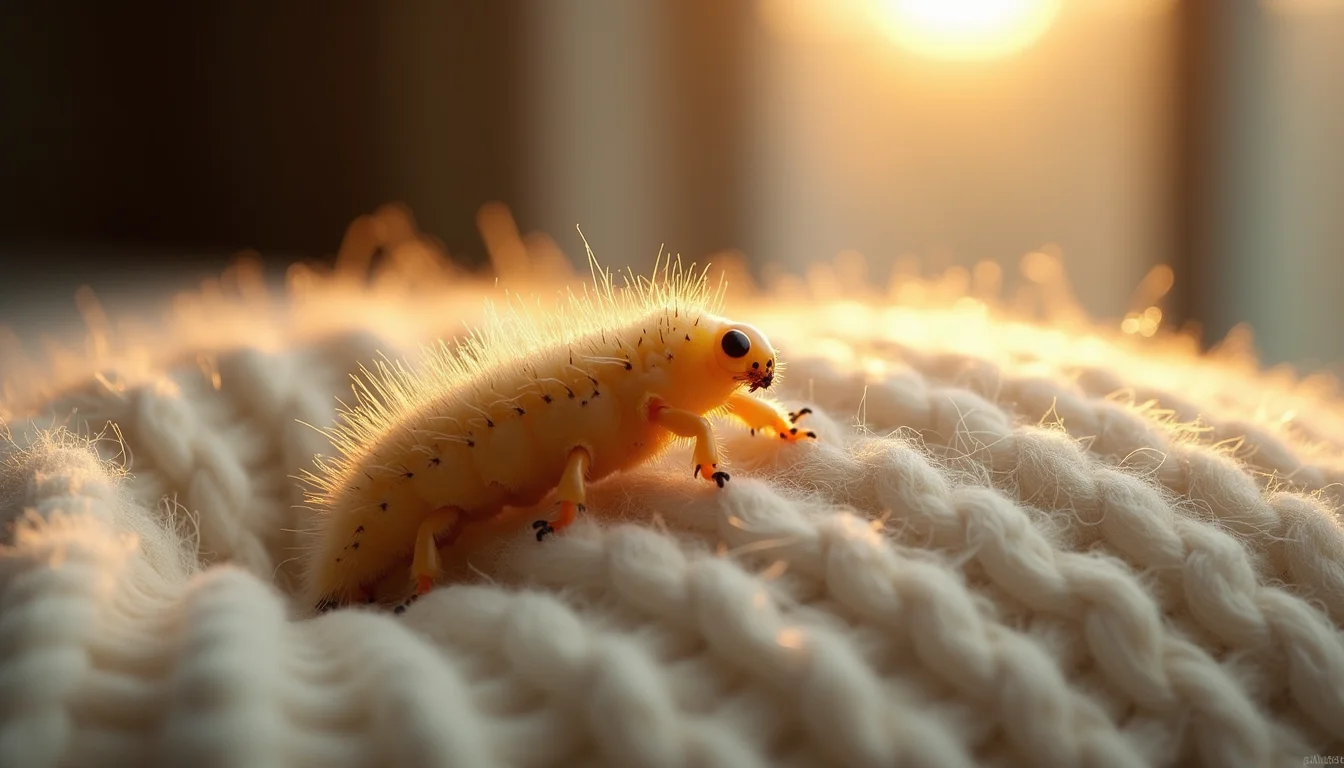
Those mysterious holes in your favorite wool sweater? It’s not moths. It’s likely carpet beetle larvae. These tiny pests cause more damage than you think, and they don’t bite.
Many people mistake carpet beetle rash for bed bug bites. The truth is, the tiny hairs on larvae can irritate your skin. Knowing the real culprit is the first step to stopping the damage.
Identify and Control Carpet Beetles: Larvae, Damage, and Treatment
Carpet beetles are small, oval insects about 1/16 to 1/8 inch long. Adults fly in from outside and lay eggs in dark places like closets or under furniture. The real troublemakers are the larvae, which are brown, hairy, and feed on natural fibers like wool, silk, and leather.
Signs of an infestation include irregular holes in fabrics, shed skins, and tiny fecal pellets. Vacuuming thoroughly, especially along baseboards and under furniture, removes eggs and food sources. Washing infested items in hot water (120°F or above) or drying on high heat for 30 minutes kills all stages.
For delicate items, freezing at 0°F for a week works. You can also use boric acid or diatomaceous earth in cracks and crevices. If you choose a spray, look for ones with bifenthrin or deltamethrin, and always follow the label. Consistent cleaning and sealing clothing in plastic bins prevent future problems.
Carpet Beetles: The Unseen Fabric Destroyers
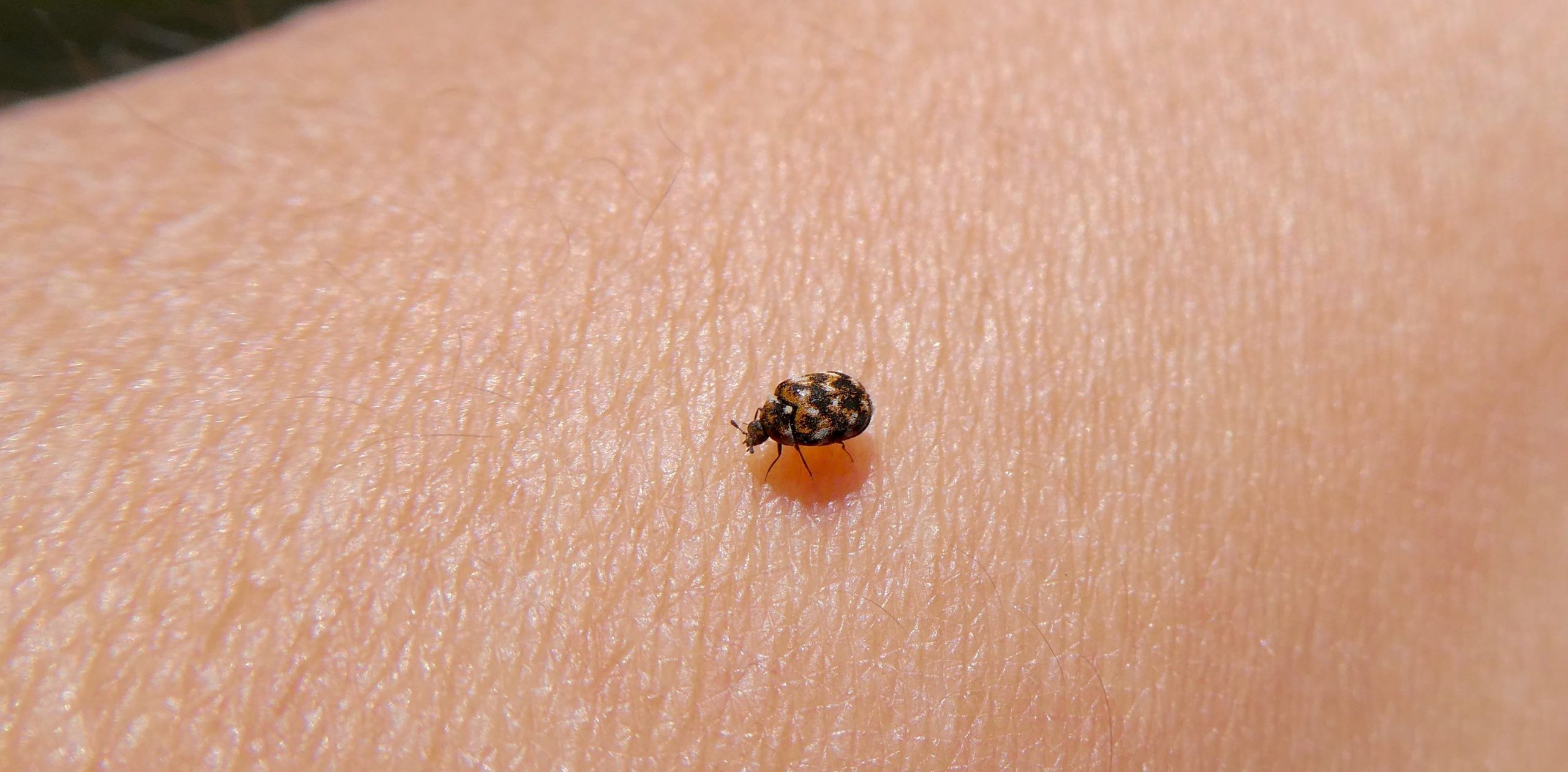
Carpet beetles are tiny invaders that can cause significant damage to your home’s textiles. These small, oval insects, often less than an eighth of an inch long, are more than just a nuisance. Their larval stage is the real culprit, feeding on natural fibers and leaving behind a trail of destruction.
Understanding these pests is the first step in protecting your belongings. We will cover how to identify them, the signs of an infestation, and the most effective ways to get rid of them and prevent their return. This knowledge empowers you to safeguard your home and your investments in quality furnishings.
| Characteristic | Description |
| Size | 1/16 to 1/8 inch (adults); 1/8 to 1/4 inch (larvae) |
| Shape | Oval (adults); Carrot-shaped (larvae) |
| Diet | Larvae feed on natural fibers (wool, silk, fur), keratin, stored food; Adults feed on pollen/nectar |
| Damage Signs | Irregular holes in fabrics, shed larval skins, fecal pellets |
| Habitat | Dark, undisturbed areas: closets, under furniture, baseboards |
| Health Impact | Larval hairs can cause allergic reactions (dermatitis) |
How to Identify Carpet Beetles
Spotting carpet beetles requires a close look. Adult beetles are small and often oval, with varied patterns that can include brown, black, or mottled designs. They are frequently attracted to light, so you might see them near windows. However, the real damage comes from their larvae.
Larvae are the stage you need to be most concerned about. They are hairy, worm-like, and often described as ‘woolly bears.’ Their appearance can vary, but they are typically brownish and covered in stiff hairs. Finding these larvae is a clear indicator of a potential infestation that needs immediate attention.
Carpet Beetle Larvae: What to Look For
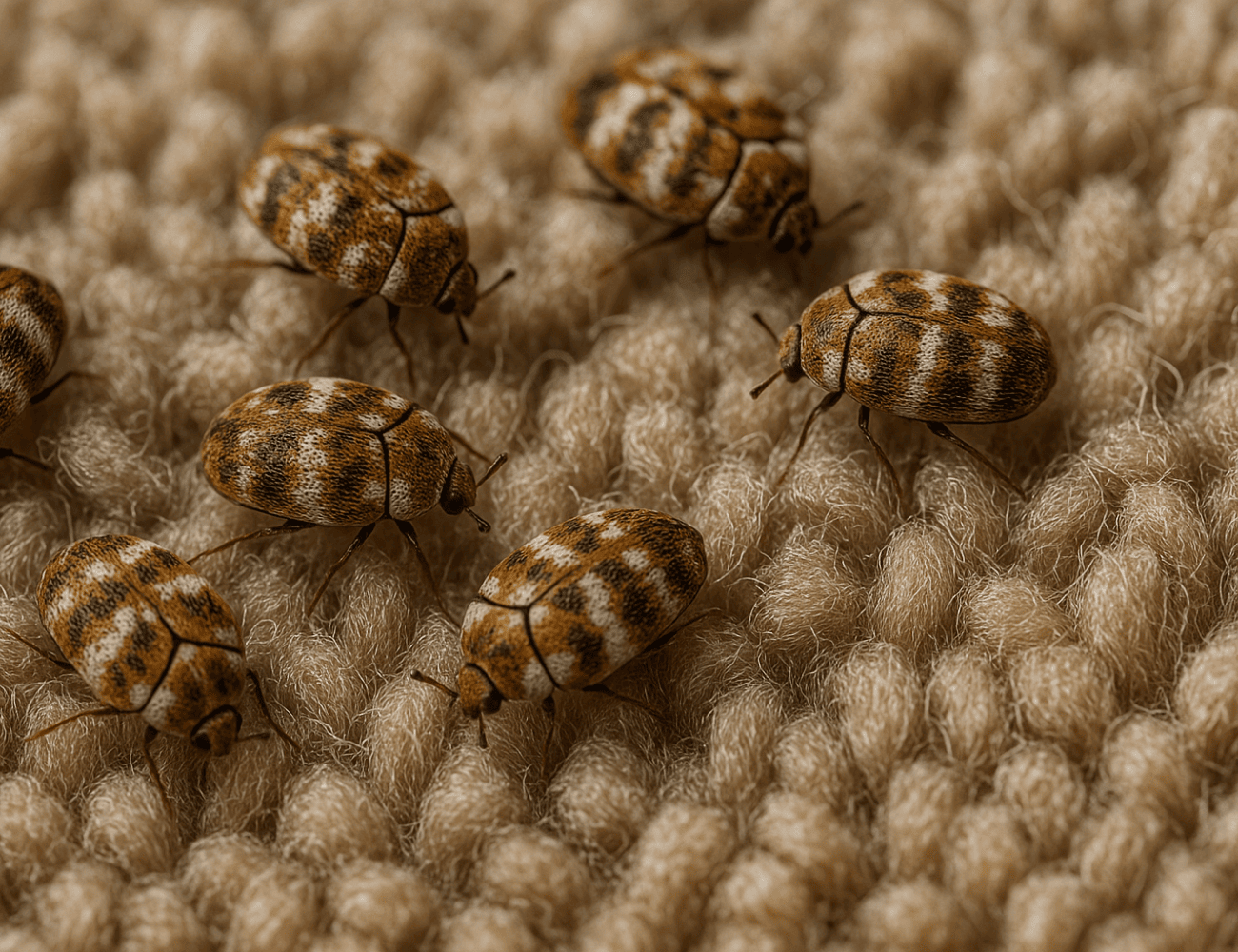
The larvae are the primary destroyers in a carpet beetle infestation. These small, caterpillar-like creatures are voracious eaters, specifically targeting natural fibers. They thrive in dark, undisturbed places where they can feed without being bothered.
Look for them in areas like the back of closets, under heavy furniture, or along baseboards where dust and debris accumulate. Their presence, along with their shed skins and tiny fecal pellets, are tell-tale signs that you have a problem that needs a thorough carpet beetle treatment.
Signs of a Carpet Beetle Infestation
Recognizing the signs of a carpet beetle infestation is crucial for early detection. The most obvious indicator is damage to fabrics. You will see irregular holes in clothing, carpets, upholstery, and other items made from natural fibers like wool or silk.
Beyond the holes, look for tiny, sand-like fecal pellets, especially in dark corners or along seams. You might also find shed larval skins, which are brittle and often found where the larvae have been feeding. Keep an eye out for these subtle clues to address the problem before it worsens.
The key to identifying a carpet beetle infestation lies in looking for the damage they cause and the presence of their larvae or shed skins in undisturbed areas.
Carpet Beetle Bites vs Bed Bug Bites
It is important to distinguish carpet beetle issues from other common household pests. While carpet beetles do not bite humans, the hairs from their larvae can cause an allergic reaction. This reaction, known as carpet beetle dermatitis, often appears as itchy red bumps that can be mistaken for insect bites.
Bed bug bites, on the other hand, are actual bites from the insect. They typically appear in lines or clusters and are intensely itchy. If you are experiencing bites, it is vital to correctly identify the pest to ensure the right treatment is applied. Consulting a professional can help with accurate carpet beetle identification.
Effective Carpet Beetle Treatment
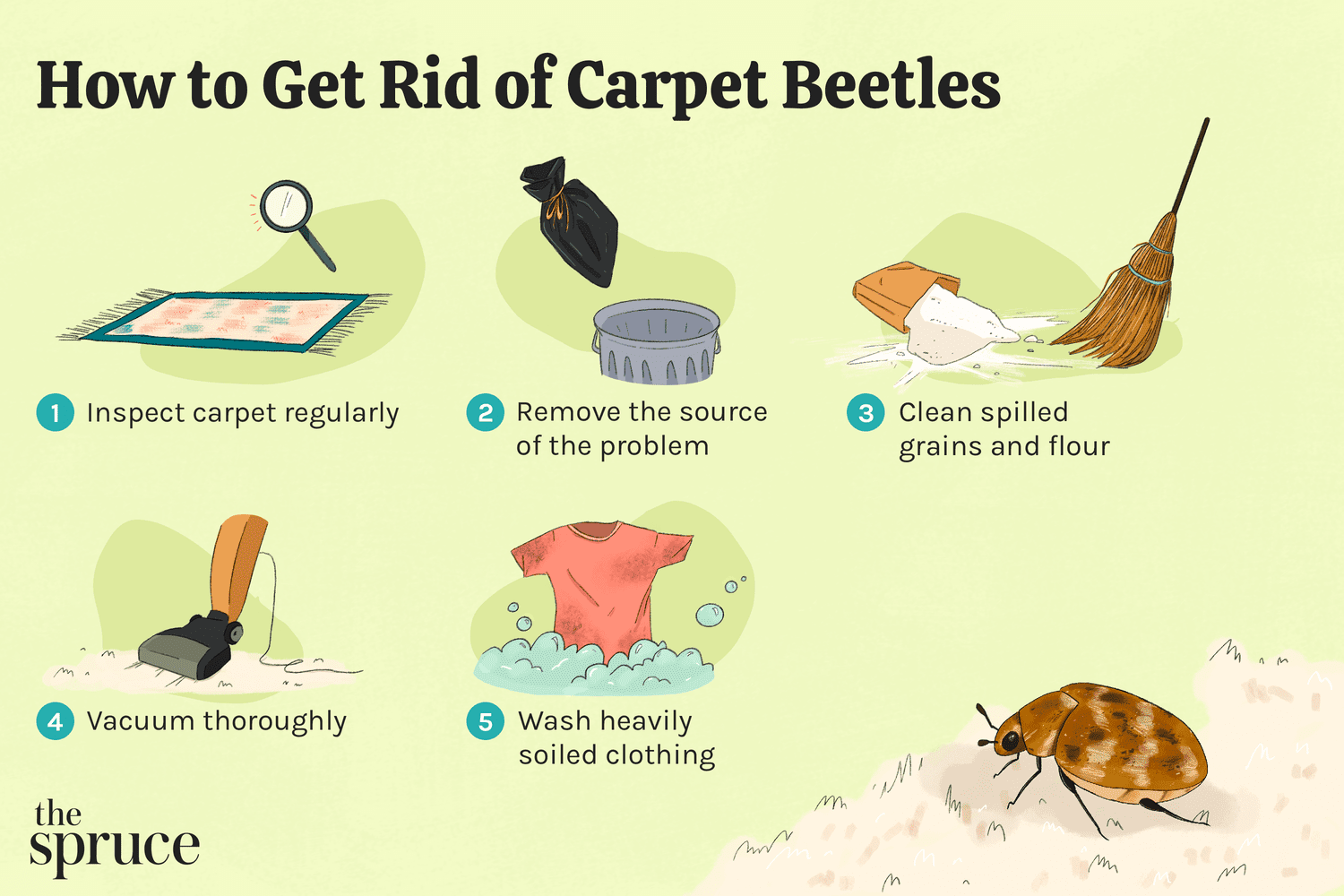
Getting rid of carpet beetles requires a multi-pronged approach. Start with thorough cleaning. Vacuum carpets, upholstery, and any cracks or crevices meticulously. This removes food sources, eggs, and larvae. For washable items, use hot water, at least 120°F, or a hot dryer cycle for 30 minutes.
For more persistent infestations, consider using desiccating dusts like boric acid or diatomaceous earth in areas inaccessible to children and pets. Professional pest control services can also apply residual insecticides to critical areas like baseboards and carpet edges. Integrated pest management (IPM) is the most effective strategy for long-term carpet beetle control.
Carpet Beetle Prevention Tips
Preventing carpet beetles is much easier than eliminating an infestation. Regular, thorough cleaning is your best defense. Vacuum frequently, paying close attention to carpets, rugs, and upholstery, especially in less-trafficked areas.
Properly store seasonal clothing and textiles in airtight containers. This prevents pests from accessing them. Promptly address any signs of infestation, such as small holes or the presence of larvae, to stop a small problem from becoming a large one. Good sanitation is key to effective carpet beetle prevention.
Understanding the Carpet Beetle Life Cycle
Knowing the carpet beetle life cycle helps in targeting them effectively. The cycle begins with eggs, which hatch into larvae. These larvae are the destructive stage, feeding on natural fibers for weeks or even months.
Once mature, the larvae pupate and then emerge as adult beetles. Adults focus on reproduction and feeding on pollen outdoors, but they will lay eggs indoors, continuing the cycle. Understanding this cycle allows for more strategic treatment and prevention efforts.
Varied Carpet Beetle vs Black Carpet Beetle
There are several types of carpet beetles, but the Varied Carpet Beetle and the Black Carpet Beetle are common. The Varied Carpet Beetle is small, oval, and often mottled with brown, white, and yellow scales, giving it a speckled appearance. They are known for their broad diet.
The Black Carpet Beetle is typically uniform in color, appearing shiny black or dark brown. While their appearance differs, both species have larvae that feed on similar materials and require similar control methods. Accurate carpet beetle identification helps in understanding the specific pest you are dealing with.
The varied carpet beetle is often the most common culprit in homes, identified by its speckled, mottled appearance.
The larvae of both the Varied and Black Carpet Beetle are the primary concern for homeowners. They are responsible for the damage to natural fibers and require diligent cleaning and treatment to eradicate.
While adult beetles might be seen, focusing on the larval stage is key to effective carpet beetle treatment. Their ability to hide in dark, undisturbed areas makes them challenging to find but crucial to eliminate for good.
Carpet Beetle Damage
The damage caused by carpet beetles is primarily aesthetic and structural to fabrics. Their larvae consume natural fibers, leaving behind unsightly holes and weakened materials. This can affect everything from expensive rugs and upholstered furniture to clothing and stored linens.
The extent of the damage depends on the length of the infestation and the beetle’s preferred food sources. Early detection and prompt carpet beetle treatment are essential to minimize damage and prevent costly replacements of household items.
The Expert Verdict: Carpet Beetles in 2026 and Beyond
Carpet beetles remain a persistent challenge for homeowners. In 2026, the principles of identification, sanitation, and targeted treatment are still the most effective strategies. Integrated Pest Management (IPM) continues to be the recommended approach for sustainable control.
As homeowners become more aware of the damage these pests can inflict, early detection and proactive prevention will be key. Regular cleaning and proper storage of goods are non-negotiable steps. For persistent issues, consulting with pest control professionals ensures the most effective and safe solutions are employed, safeguarding homes for the long term.
Your 3-Step Carpet Beetle Action Plan
Step 1: Inspect and Identify
Check dark, undisturbed areas like closets, under furniture, and along baseboards for larvae, shed skins, and fecal pellets. Use a flashlight to spot the small, oval adults near windows or light sources.
Step 2: Deep Clean and Remove Infestation
Vacuum carpets, upholstery, and crevices thoroughly, then dispose of the vacuum bag immediately. Wash infested fabrics in hot water (at least 120°F) or dry clean; for delicate items, freeze at 0°F for one week.
Step 3: Prevent Future Infestations
Store seasonal clothing in sealed plastic containers or garment bags with cedar blocks or lavender sachets as natural repellents. Apply diatomaceous earth or boric acid dust in cracks and crevices, avoiding areas accessible to children and pets.
Frequently Asked Questions
Can carpet beetles bite humans?
No, carpet beetles do not bite. However, their larval hairs can cause an allergic reaction called carpet beetle dermatitis, which appears as itchy red bumps.
How long does it take to get rid of carpet beetles?
With diligent cleaning and treatment, you can eliminate an infestation in 2 to 4 weeks. Persistence is key, as eggs may hatch over several weeks.
Will vacuuming alone eliminate carpet beetles?
Vacuuming removes adults, larvae, and eggs, but it is not enough for a severe infestation. Combine vacuuming with hot water washing, freezing, or targeted insecticide application for complete control.
You now have the knowledge to tackle carpet beetles head-on. Remember, consistent cleaning and vigilance are your best defenses.
Start your inspection today and take the first step toward a pest-free home. Your fabrics and peace of mind will thank you.
Imagine a home where your wool sweaters and silk scarves stay safe for years to come. That future is within your reach with these simple habits.
