

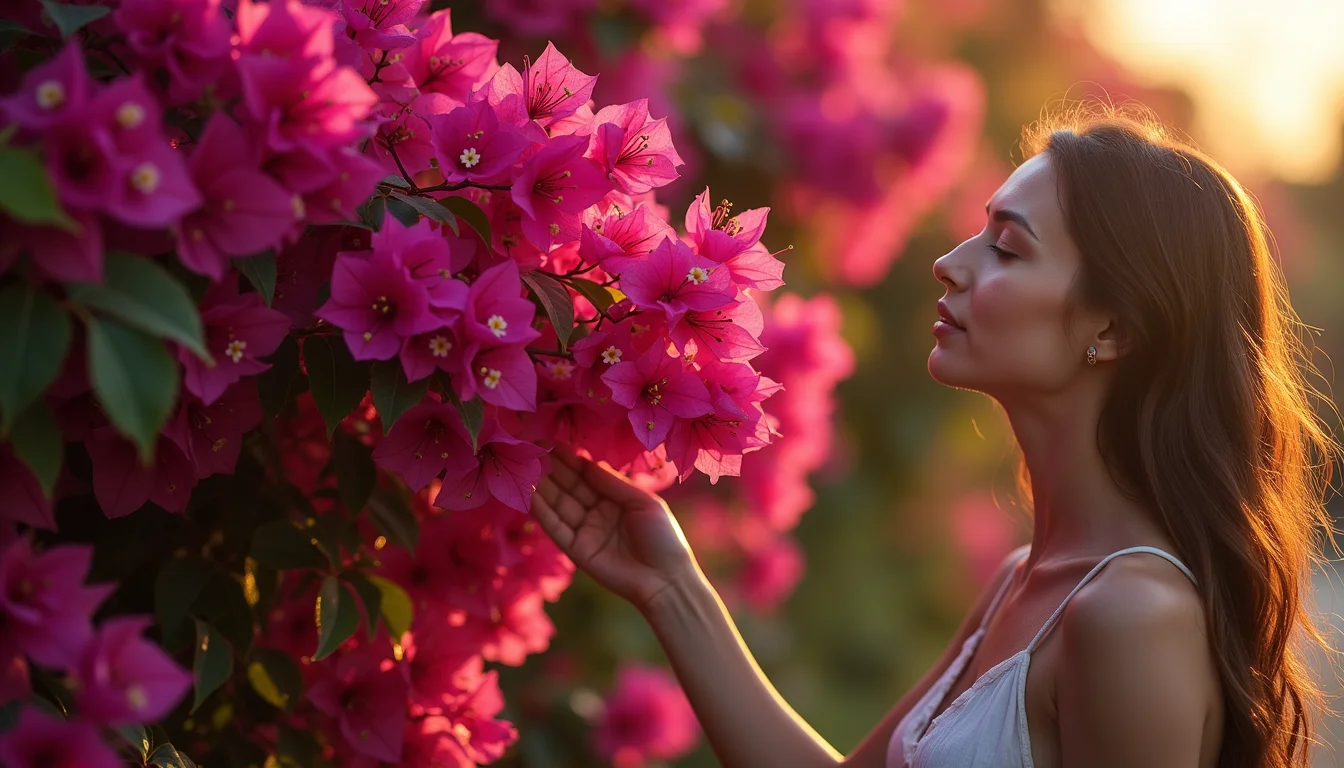
You planted a bougainvillea expecting a wall of color, but all you got is a sad green bush with zero blooms. This is the number one complaint about these tropical beauties. The good news is that fixing it is simpler than you think.
Bougainvillea is a sun-worshipper that needs tough love. The biggest mistake most people make is watering too much or using the wrong fertilizer. Let’s get your vine blooming like crazy.
The Secret to Bougainvillea Blooms: Sun, Water, and Fertilizer
Bougainvillea needs at least 6 to 8 hours of direct sunlight every day to produce those colorful bracts. Without enough light, you get leaves, not flowers. If your plant is in shade, move it to a sunny spot.
Water deeply but only when the soil is dry. Overwatering causes lush leaves and few blooms. In fact, letting the plant dry out a bit actually stresses it into flowering. This is a drought-tolerant plant once established.
Fertilizer is where most people mess up. Use a low-nitrogen, high-phosphorus formula, like a bloom booster, to encourage flowers. Avoid high-nitrogen fertilizers because they push leaf growth at the expense of bracts. A good choice is a 2-10-10 or similar ratio.
Bougainvillea: The 2026 Star of Vibrant Homes
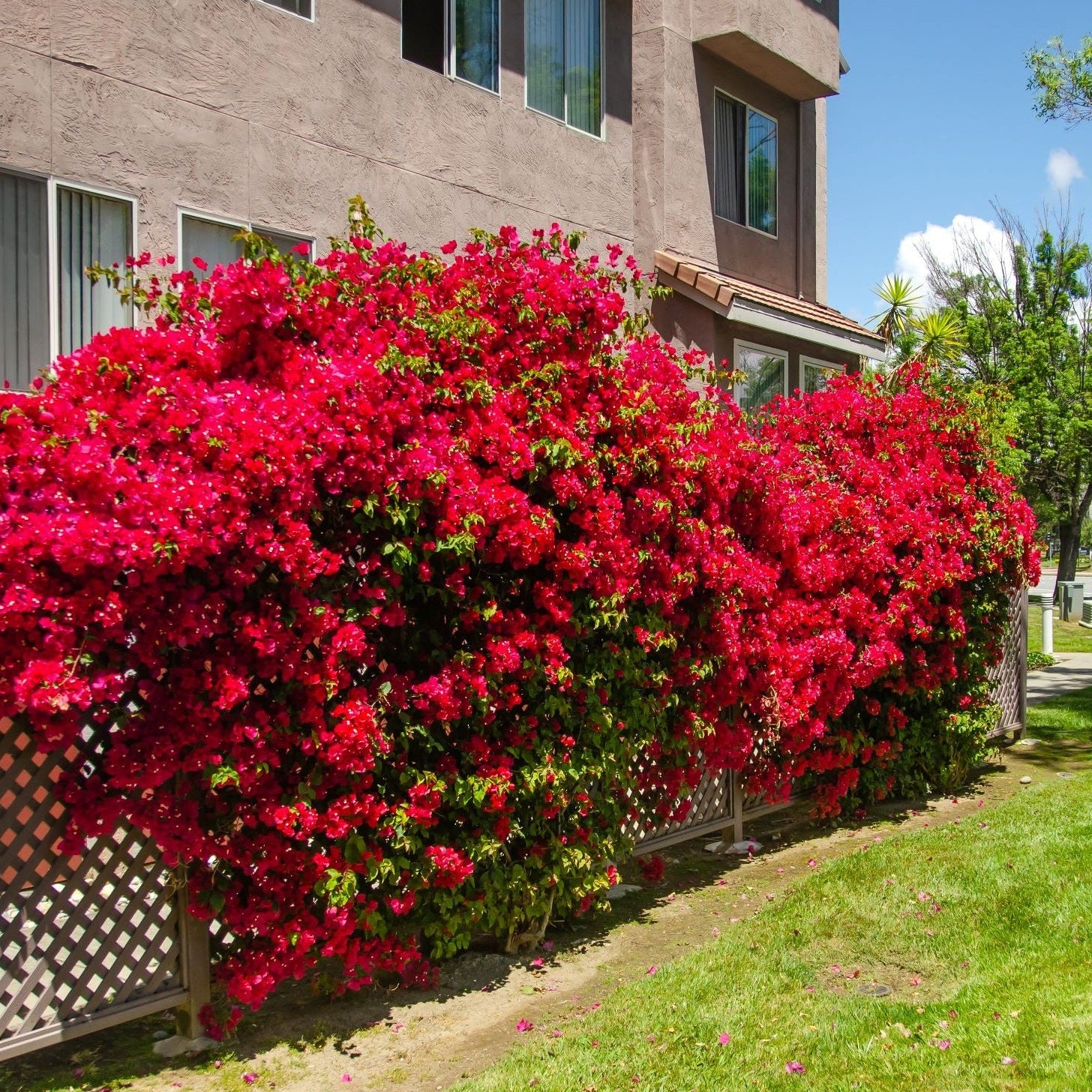
In 2026, the bougainvillea continues its reign as a top choice for adding dramatic color to US homes and gardens. This South American native is a thorny vine or shrub known for its stunning, papery bracts. These colorful leaves, not the small white flowers, create a spectacular show. They come in shades of pink, red, purple, and orange. Bougainvilleas are tough plants that reward proper care with abundant blooms. They are perfect for adding a tropical flair or a bold statement to any landscape. Understanding their specific needs is key to unlocking their full potential. This guide will walk you through everything you need to know.
| Key Feature | Description |
| Origin | South America (Brazil, Mexico) |
| Type | Thorny vine, shrub, or tree |
| Bloom Time | Spring through Fall (with proper care) |
| Sun Needs | Full Sun (6-8+ hours daily) |
| Watering | Drought-tolerant; allow soil to dry between waterings |
| Hardiness Zones | USDA 9-11 (can be overwintered indoors in colder zones) |
| Maintenance | Low to moderate; requires support for climbers |
| Toxicity | Mildly toxic if ingested; sap can irritate skin |
Bougainvillea Care Guide
Caring for bougainvillea is straightforward once you understand its preferences. These plants thrive on neglect, meaning they do best when not overwatered or overfed. The most common mistake is giving them too much water, which leads to lush green leaves but few flowers. They need good drainage to prevent root rot. Ensure your soil drains well, especially if planting in the ground. For container plants, use a well-draining potting mix. Regular feeding with the right fertilizer will encourage more blooms. Pruning is also important for shaping and encouraging flowering.
Bougainvillea is a genus of thorny ornamental plants. They belong to the Nyctaginaceae family. These plants are native to South America. They are celebrated for their vivid bracts. These modified leaves surround the true flowers. Colors range from pink and magenta to red, orange, and purple. They are sun-loving and drought-tolerant once established. Proper care ensures abundant, vibrant blooms throughout the season. They can be grown as vines, shrubs, or even trees.
Growing Bougainvillea in Containers
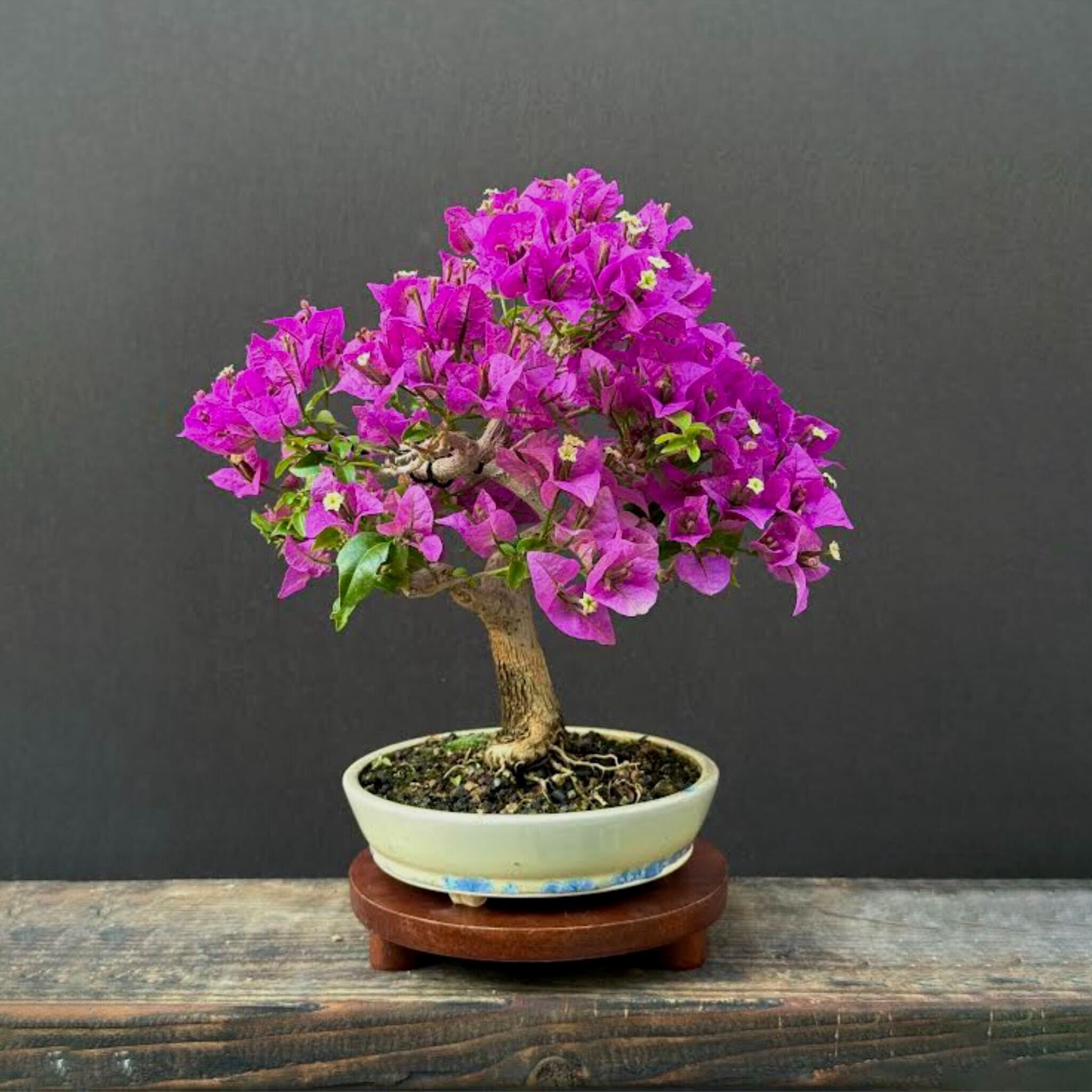
Container gardening with bougainvillea is a fantastic option, especially for those in colder climates. Use a pot that is only slightly larger than the root ball. This helps to restrict growth and encourage flowering. A well-draining potting mix is essential; avoid heavy soils. Ensure the container has drainage holes to prevent waterlogging. Dwarf varieties, like ‘Oo-La-La®’, are particularly well-suited for containers. They offer all the color without taking up too much space. You can move container-grown plants indoors before frost.
When growing bougainvillea in pots, remember they prefer to be slightly root-bound. This condition actually encourages more blooms. Use a potting mix designed for containers that offers excellent drainage. Terracotta pots can be beneficial as they allow the soil to dry out more quickly. This mimics their natural dry conditions. Avoid plastic pots unless you are very careful with watering. They retain too much moisture for this plant.
Bougainvillea Pruning Tips
Pruning is crucial for maintaining shape and promoting vigorous blooming. The best time to prune is after the main flowering period. This is typically in late spring or early summer. You can also do light trimming throughout the season to manage size. For climbing varieties, prune to guide their growth onto trellises or fences. Remember that bougainvilleas bloom on new wood. Pruning encourages new growth, which will then produce flowers. Always use clean, sharp pruning tools to make clean cuts.
Be aware of the sharp thorns when pruning. Wear thick gloves and long sleeves to protect yourself. Removing dead or damaged branches is also important for plant health. This prevents potential disease spread. You can also prune to encourage a bushier form or a more tree-like shape. For bonsai enthusiasts, specific techniques are used to maintain their miniature size and form.
Bougainvillea Fertilizer Needs
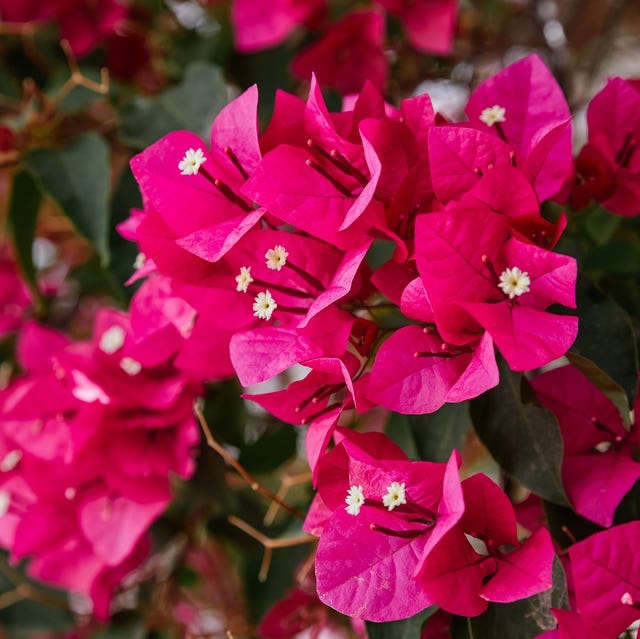
Fertilizing bougainvillea correctly is vital for maximizing flower production. Use a fertilizer that is low in nitrogen and high in phosphorus. High nitrogen feeds leaf growth, not the colorful bracts you want to see. A fertilizer formulated for flowering plants, often labeled as a bloom booster, is ideal. Apply it according to package directions, typically every 2-4 weeks during the growing season. Avoid fertilizing in late fall or winter when the plant is dormant.
Over-fertilizing can be detrimental. It can cause the plant to produce more leaves and fewer flowers. A common recommendation is to use a fertilizer with a ratio like 10-30-10. This provides the necessary phosphorus for blooming. Some growers even recommend withholding fertilizer and water for a short period to stress the plant into blooming. This technique, however, should be used with caution.
Bougainvillea Pests and Diseases
While generally robust, bougainvilleas can occasionally face pests and diseases. Common pests include aphids, spider mites, and mealybugs. These can often be treated with insecticidal soap or neem oil. Regularly inspect your plant for any signs of infestation. Early detection is key to preventing major problems. Ensure good air circulation around the plant to reduce the risk of fungal issues.
Overwatering is the most common cause of root rot, a serious disease. Symptoms include yellowing leaves and wilting. Ensure proper drainage and allow the soil to dry out between waterings. If you notice excessive leaf drop, it could be due to underwatering, overwatering, or insufficient sunlight. Addressing the underlying cause is essential for recovery. Healthy plants are less susceptible to pests and diseases.
Bougainvillea Propagation Methods
Propagating bougainvillea is a rewarding way to create new plants. The most common method is stem cuttings. Take cuttings from healthy, mature stems, about 4-6 inches long. Remove the lower leaves and dip the cut end in rooting hormone. Plant the cutting in a well-draining potting mix. Keep the soil moist but not soggy. Rooting can take several weeks to a few months.
Another method is air layering, which is useful for larger stems. You can also try layering by bending a low-growing stem to the ground and covering a section with soil. Once roots form, you can sever the stem from the parent plant. Successful propagation depends on consistent moisture and warmth. Patience is key, as bougainvillea can be slow to root.
Bougainvillea Sunlight Requirements
Bougainvilleas are sun-worshippers. They absolutely need at least 6 to 8 hours of direct sunlight each day to produce their best blooms. Insufficient light is a primary reason for a lack of flowering. If your plant is in a shady spot, consider relocating it. Even partial shade can significantly reduce the number of colorful bracts. Full sun also helps the plant maintain its vibrant colors and promotes overall health.
In extremely hot climates, some afternoon shade might be beneficial to prevent scorching. However, for most regions, maximizing sunlight exposure is the goal. This is especially true for plants grown in containers. They can be moved to sunnier locations as needed. Remember that light is the fuel for their spectacular floral display.
Bougainvillea Winter Protection
For those living outside USDA Hardiness Zones 9-11, winter protection is essential. In colder climates, container-grown bougainvilleas must be brought indoors before the first frost. Temperatures below 30°F (-1°C) can damage or kill the plant. When bringing them inside, inspect them for pests first. Place them in a sunny window, like a south-facing one, if possible. Reduce watering significantly during the winter months. They need a cool, dry rest period.
If you have a bougainvillea planted in the ground in a marginal zone (like Zone 8), you can provide protection. Mulch heavily around the base of the plant. You can also cover the plant with frost cloth or burlap during cold snaps. Some gardeners even construct temporary shelters. The goal is to protect the roots and main stems from freezing temperatures. These measures can help ensure your plant survives to bloom again next year.
The Verdict: Bougainvillea’s Enduring Appeal
Bougainvillea remains a top performer for adding instant wow-factor to any landscape or patio. Its ability to thrive in heat and drought makes it a practical choice for many US homeowners. The vibrant colors are unmatched by most other flowering plants. For 2026, I strongly recommend incorporating bougainvillea into your garden design. Whether in the ground or in a container, its impact is undeniable. Choose the right location with plenty of sun, water wisely, and feed appropriately. You will be rewarded with a stunning display of color year after year. For more detailed care information, consult resources like the Monrovia Bougainvillea Care Guide. Understanding its needs, especially regarding sunlight and watering, is the key to success. You can also learn more about its botanical classification at Wikipedia’s Bougainvillea page. This plant offers incredible value for its visual return.
Your 3-Step Bougainvillea Action Plan
Step 1: Choose the Right Spot
Place your bougainvillea where it gets at least 6-8 hours of direct sun daily. Full sun is the secret to those vivid bracts.
Step 2: Water Smart, Not Often
Let the soil dry out completely between waterings. Overwatering is the number one reason for no flowers.
Step 3: Feed for Blooms, Not Leaves
Use a low-nitrogen, high-phosphorus fertilizer every 4-6 weeks during the growing season. This pushes the plant to produce bracts instead of just leaves.
What to Avoid
- Don’t overwater – it causes root rot and kills blooms.
- Don’t use high-nitrogen fertilizer – it makes the plant leafy, not flowery.
- Don’t prune too late – cut back after a bloom cycle to shape and encourage new growth.
Frequently Asked Questions
Why isn’t my bougainvillea blooming?
Most likely too much water, too little sun, or too much nitrogen. Let the soil dry out and move it to full sun.
Can I grow bougainvillea indoors?
Yes, but only if you have a very sunny south-facing window or grow lights. It needs at least 6 hours of direct light to bloom.
How do I protect bougainvillea from frost?
Bring container plants indoors before temps drop below 30°F. For in-ground plants, cover with frost cloth overnight.
Bougainvillea is a tough, showy plant that rewards you with months of color when you give it what it needs: sun, dryness, and the right food. Stick to this simple care, and you’ll have a thriving plant that outshines everything else in your garden.
Ready to get started? Pick a sunny spot, choose a dwarf variety for containers or a climber for a trellis, and buy a low-nitrogen fertilizer today. Your bougainvillea will thank you with explosive color.
Imagine your patio or fence covered in cascading magenta, purple, or orange bracts that last from spring to fall. That vibrant, lush look is completely achievable with just a little know-how.
