

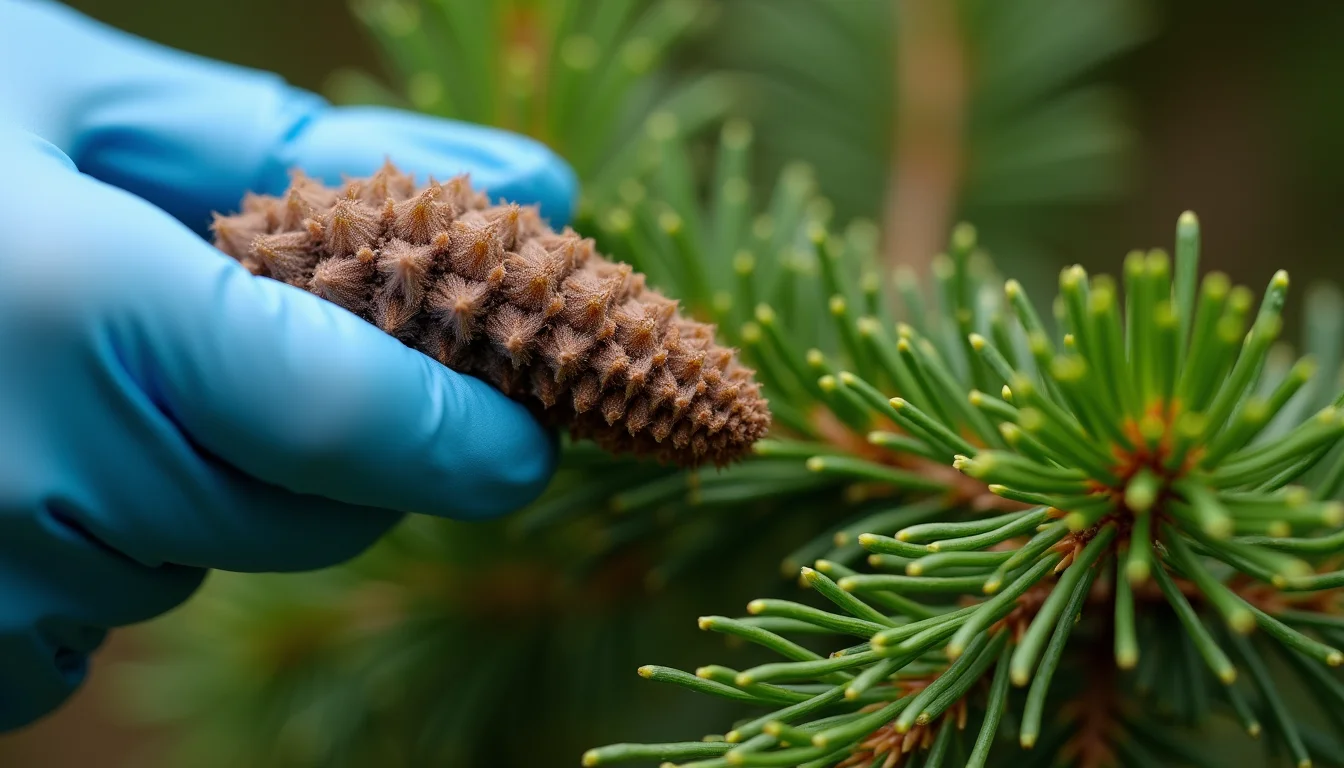
You notice brown patches on your evergreen trees, but you aren’t sure what is causing them. Those cone-shaped bags hanging from the branches are a clear sign of bagworms. This pest can kill your shrubs if you ignore them.
The good news is you can treat bagworms yourself without hiring a professional. The key is knowing when to spray and what product actually works. Let me show you exactly how to save your plants.
How to Identify and Treat Bagworms on Your Trees
Bagworms are caterpillars that build protective bags from silk and plant material. You will spot these brown, spindle-shaped pouches dangling from branches, especially on arborvitae, juniper, and spruce. Each bag can hold up to 1,000 eggs, so acting fast is critical.
The most effective treatment is Bacillus thuringiensis (Bt), a natural bacteria that kills young caterpillars. Spray it in late spring when the larvae are small and feeding actively. For larger infestations, use a chemical insecticide like bifenthrin or permethrin in early summer. Always follow the label instructions for safety and best results.
Stop Bagworms Now!
Bagworms can damage your plants. This guide shows you how to get rid of them. You can protect your garden effectively.
We will cover simple, proven methods. Follow these steps for a bagworm-free yard. Your plants will thank you.
| Estimated Time | Cost ($ USD) | Difficulty Level |
| 1-3 hours | $20 – $50 | Easy |
Necessary Materials
- Gardening gloves
- Sturdy ladder (if needed)
- Pruning shears or scissors
- Bucket or trash bag
- Insecticidal soap or Bacillus Thuringiensis (Bt)
- Protective eyewear
- Long-sleeved shirt and pants
The Definitive Step-by-Step
- Step 1: Inspect Your Plants – Look closely for the tell-tale bags on leaves and branches.
- Step 2: Wear Protective Gear – Always use gloves and eyewear before starting.
- Step 3: Manually Remove Bags – Carefully pull off each bagworm case by hand.
- Step 4: Dispose of Bags Properly – Place removed bags in a sealed container or trash bag.
- Step 5: Apply Treatment (if needed) – Use Bt or insecticidal soap as directed.
- Step 6: Prune Severely Infested Areas – Cut away branches with many bags.
- Step 7: Monitor Regularly – Check plants often for new bagworm activity.
Common Execution Mistakes
- Not removing all the bags, allowing them to survive.
- Applying treatments at the wrong time of year.
- Using harsh chemicals that can harm beneficial insects.
Bagworm Infestation Identification
Identify Bagworm Infestation Early
Early detection is key to successful bagworm control. Look for the distinctive silken bags attached to twigs and leaves. These bags are often covered with plant material, making them hard to spot. Catching them early prevents widespread damage.
Manual Removal of Bagworm Bags
The simplest method is hand-picking the bags. Wear gloves to protect your hands. Gently pull each bag off the plant. This is most effective when bagworms are young and before they lay eggs. It’s a direct way to reduce the population.
Apply Bacillus Thuringiensis for Control
Bacillus Thuringiensis, or Bt, is a natural bacterium. It targets caterpillars, including bagworms. Mix Bt with water according to label instructions. Spray it thoroughly on infested plants. Bt works when the bagworms eat it, stopping their growth.
Use Insecticidal Sprays Effectively
For severe infestations, insecticidal sprays can be used. Choose a product specifically for bagworms. Always follow label directions carefully. Apply spray in the early morning or late evening. This protects pollinators and ensures maximum effectiveness.
Treat Bagworms on Evergreen Trees
Evergreen trees are common targets for bagworms. Manual removal is best when possible. If using sprays, ensure complete coverage. Treat during the larval stage for best results. Persistent bagworm problems may require professional help.
Prevent Bagworms with Diatomaceous Earth
Diatomaceous earth is a natural powder. It can deter bagworms by dehydrating them. Sprinkle it around the base of plants or on foliage. Reapply after rain. This offers a non-toxic preventative measure.
Prune Infested Branches Safely
If a branch is heavily covered, pruning is necessary. Use sharp, clean pruning shears. Cut back to a healthy part of the branch. Dispose of the pruned material immediately. This stops the spread of the infestation.
Monitor and Repeat Treatment in Fall
Bagworm eggs overwinter inside the female’s bag. Check plants again in the fall. Remove any remaining bags before winter. Repeat treatments in spring if new bags appear. Consistent monitoring prevents future outbreaks.
Bagworm Treatment: Expert Tips for a Pest-Free Home
What to Avoid
Don’t ignore early signs. Small bags on your trees or shrubs can quickly multiply. Act as soon as you spot them.
Avoid using harsh chemicals near your home. They can harm beneficial insects and pets. Stick to targeted treatments.
Step-by-Step Manual Removal
- Inspect your plants regularly. Look for the spindle-shaped bags hanging from branches. They are often camouflaged.
- Handpick the bags in late fall or winter. Wear gloves and drop them into a bucket of soapy water. This kills the eggs inside.
- Dispose of the sealed bag in the trash. Do not compost them. The larvae can survive.
When to Use Insecticides
If the infestation is large, use a bacterial spray. Bacillus thuringiensis (Bt) is safe and effective. It targets caterpillars without harming other wildlife.
Apply in early summer when larvae are small. They are easier to kill at this stage. Follow the label instructions exactly.
Prevention Tips
Keep your plants healthy and well-watered. Stressed plants attract pests. Proper care builds natural resistance.
Attract birds to your yard. Birds eat bagworm larvae. Install bird feeders and baths.
Frequently Asked Questions
Can bagworms kill my trees? Yes, severe infestations can defoliate and weaken trees, making them vulnerable to disease. Young trees are especially at risk.
When is the best time to treat bagworms? Early summer, when larvae are small and feeding, is ideal for sprays. Manual removal is best in fall or winter.
Are bagworm treatments safe for pets? Most organic treatments like Bt are safe once dry. Always keep pets away during application and follow product safety guidelines.
You now have the tools to tackle bagworms effectively. Manual removal and targeted sprays are proven methods that protect your landscape.
Start with a thorough inspection of your trees and shrubs. Early action saves time and money. Your garden will thank you.
Imagine your yard free of those unsightly bags next season. Healthy plants and a vibrant landscape are within reach. Consistent care makes it happen.
