

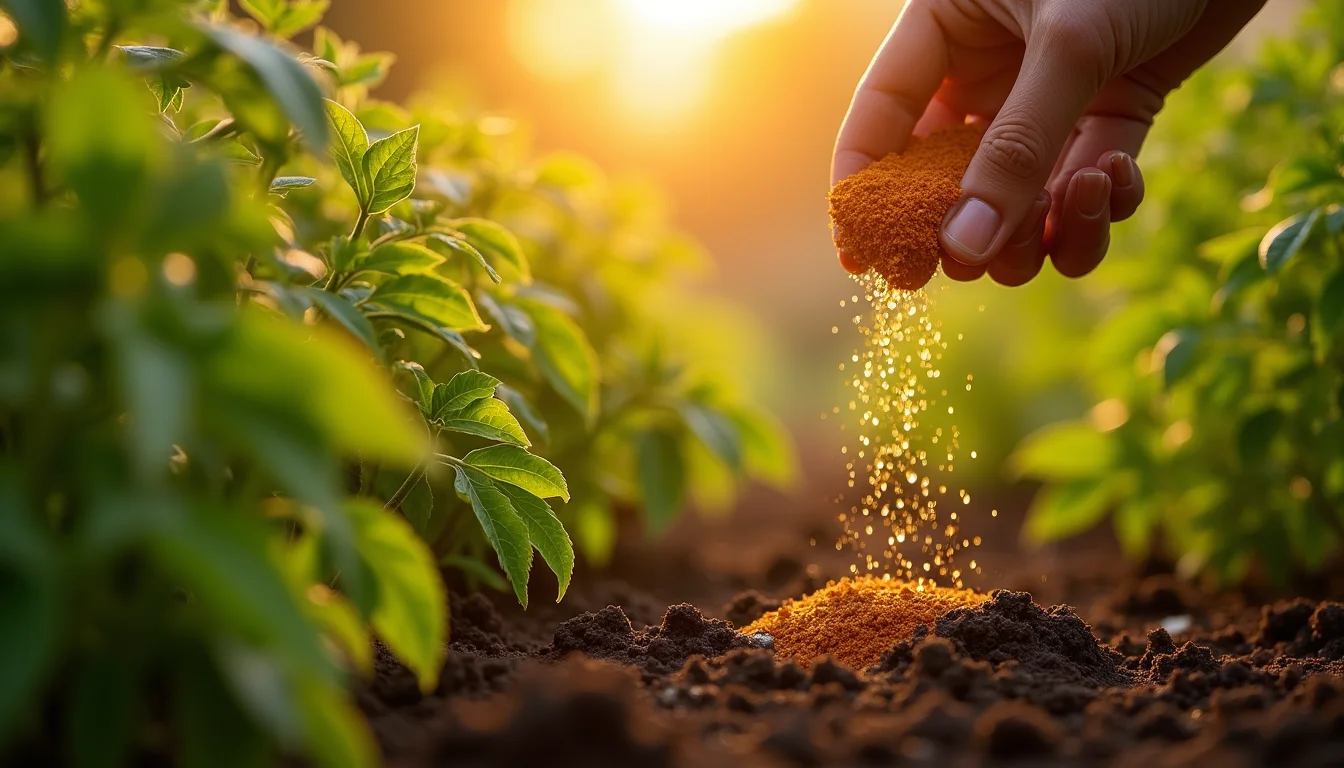
Think fish fertilizer is just stinky old fish parts? You might be missing out on one of the best organic fertilizers for your garden. Fish fertilizer is packed with nitrogen and trace minerals that plants love, and it feeds the soil, not just the leaves.
Many gardeners worry about the smell or think it’s too complicated. But today’s fish fertilizers are easier to use than ever, and they can give your plants a huge boost without harsh chemicals. Let’s clear up the myths and show you how to use it right.
Why fish fertilizer beats synthetic options for organic plant growth
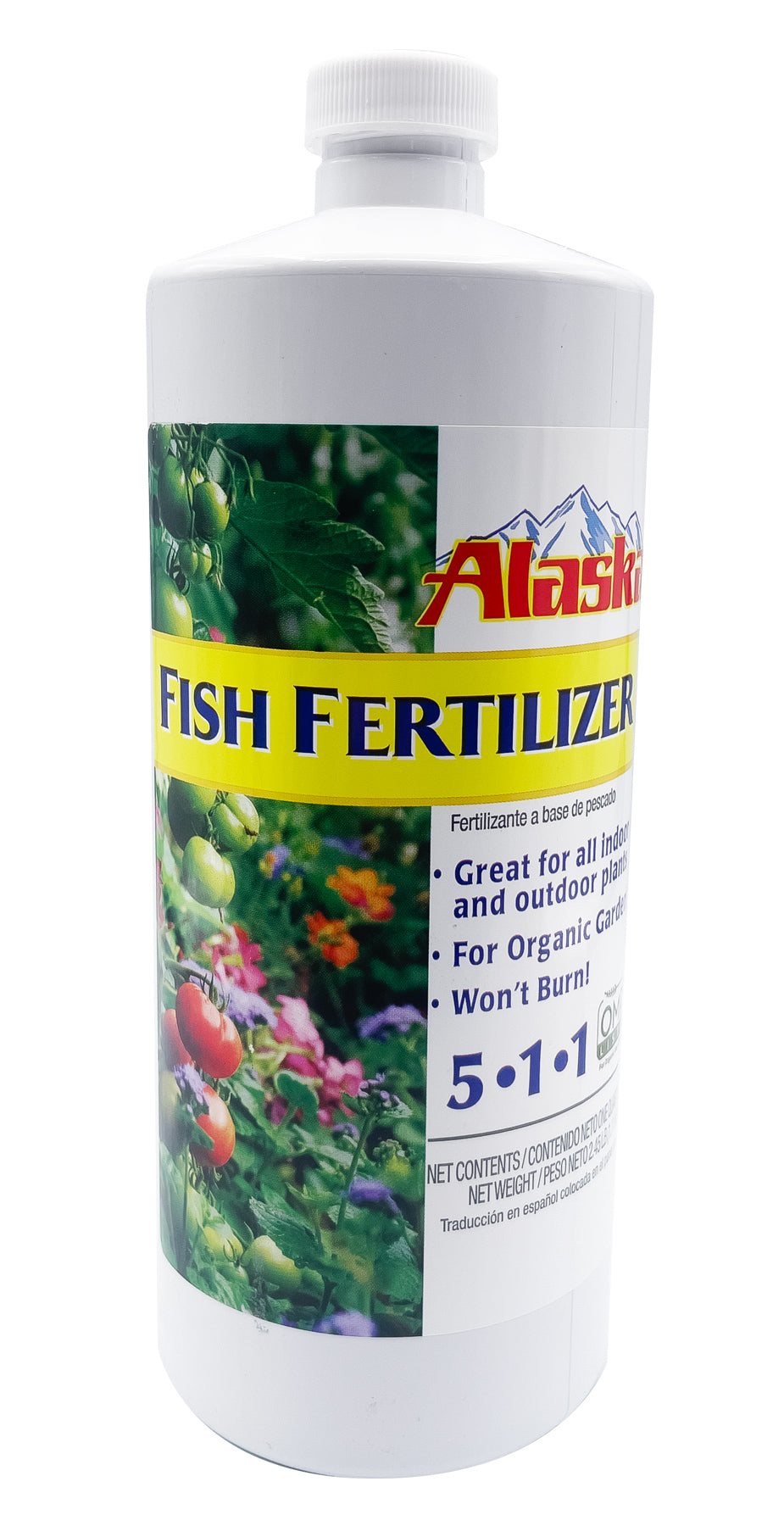
Fish fertilizer comes in two main types: fish emulsion and fish hydrolysate. Fish emulsion is made by heating fish scraps, giving it an NPK ratio around 5-1-1 and a strong odor. Fish hydrolysate is cold-processed with enzymes, so it keeps more natural oils and proteins, which feeds soil microbes better.
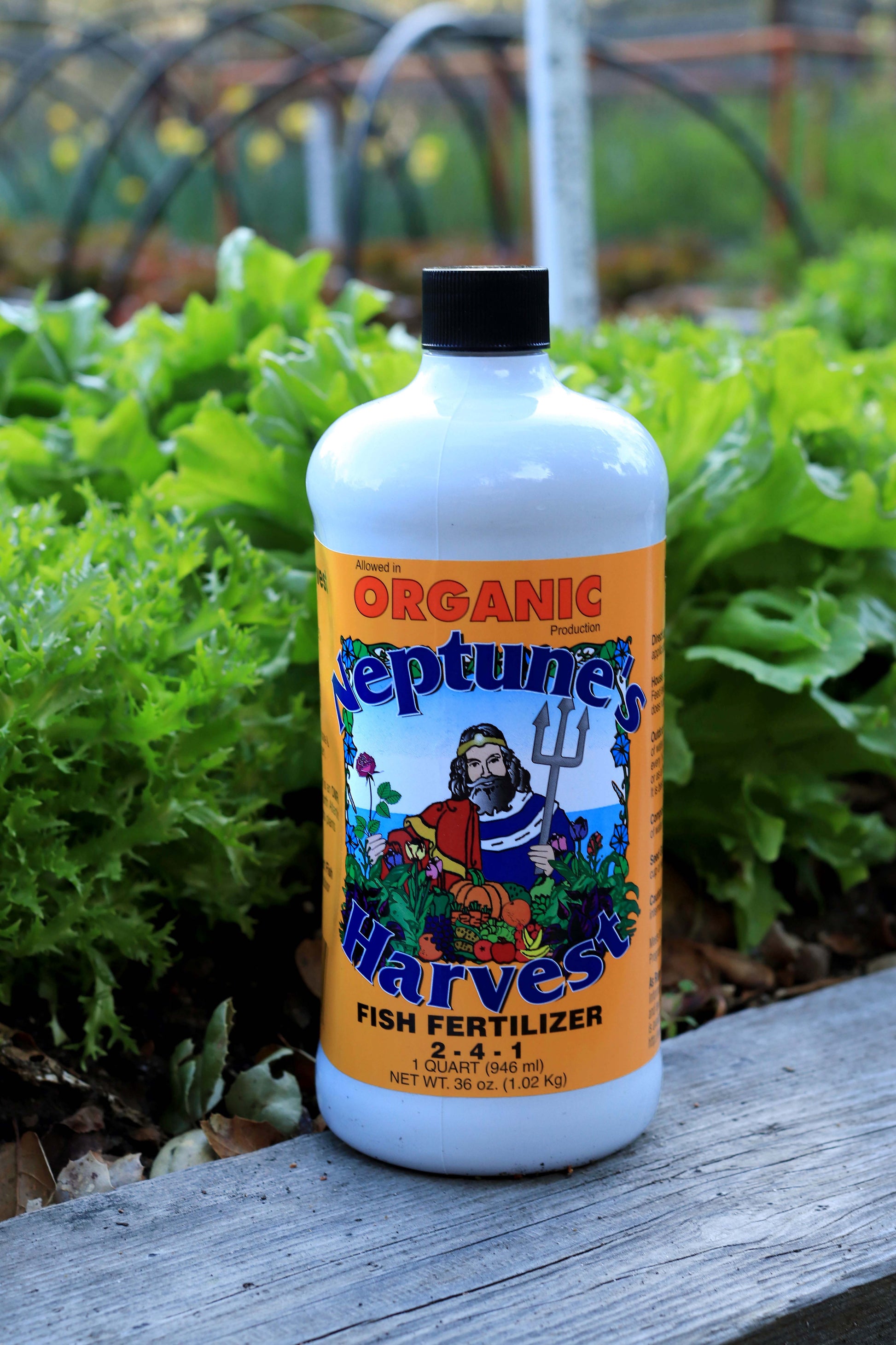
For most home gardens, fish hydrolysate like Neptune’s Harvest is a top choice because it’s OMRI listed and less smelly. You’ll apply it as a soil drench every 2-3 weeks during the growing season, mixing 1-2 tablespoons per gallon of water. Or use it as a foliar spray for quick nutrient uptake on leafy greens.
The biggest mistake is using too much – more isn’t better. Overdoing it can burn roots or attract wildlife. Stick to the dilution rate and you’ll see lush growth and healthier soil in no time. In 2026, new deodorizing tech makes fish fertilizer even more garden-friendly.
The Power of Fish Fertilizer for a Thriving Garden
Fish fertilizer is a powerhouse organic amendment, packed with nutrients essential for robust plant development. It comes from processed fish or fish byproducts, offering a natural way to boost your garden’s vitality. This fertilizer is especially known for its high nitrogen content, crucial for leafy green growth. It also significantly benefits the life within your soil, making it a smart choice for sustainable gardening practices.
Understanding the two main types, fish emulsion and fish hydrolysate, is key to maximizing its benefits. Each offers a unique profile of nutrients and soil-enhancing properties. By choosing the right type and applying it correctly, you can transform your garden’s health and yield. Let’s dive into what makes fish fertilizer a top pick for serious gardeners in 2026.
| Feature | Fish Emulsion | Fish Hydrolysate |
|---|---|---|
| Processing | Heated fish scraps | Enzymatic cold-processing |
| Nutrient Profile | High nitrogen, lower other nutrients | Broader nutrient spectrum, preserves oils and proteins |
| Odor | Often pronounced | Generally less odor |
| Soil Biology Impact | Moderate | Superior, supports soil microbes |
| Common NPK | Around 5-1-1 | Varies, often balanced |
Fish Emulsion vs. Fish Hydrolysate
Fish emulsion is typically made by cooking fish scraps, which breaks down proteins but can degrade some beneficial compounds. This method often results in a fertilizer with a strong smell. While effective for providing nitrogen, it may not offer the full spectrum of benefits found in other forms of fish fertilizer. It’s a widely available and often more budget-friendly option for basic plant feeding.
Read also: 35 Brown Flowers That Will Transform Your Garden in 2026
Fish hydrolysate, on the other hand, is produced using enzymes at cooler temperatures. This process preserves more of the natural oils, proteins, and vitamins from the fish. As a result, fish hydrolysate is considered superior for nurturing soil microbes. It provides a broader range of nutrients and is generally less odorous than emulsion, making it a preferred choice for those seeking comprehensive soil health improvement.
NPK Ratio of Fish Fertilizer
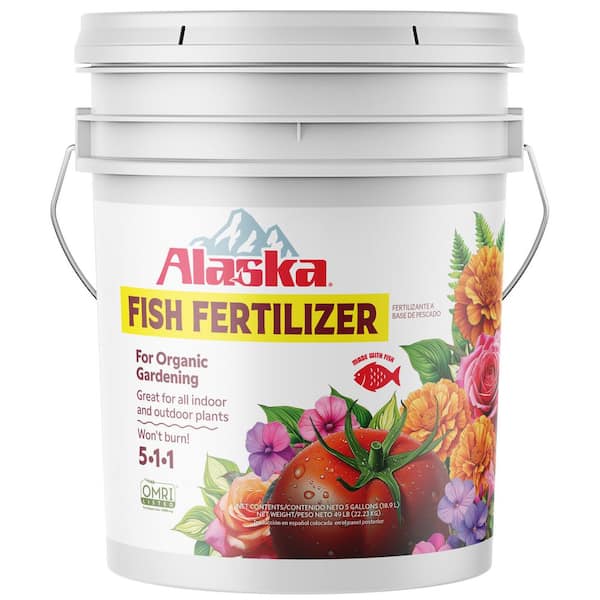
The NPK ratio on a fish fertilizer label tells you the percentage of Nitrogen (N), Phosphorus (P), and Potassium (K) by weight. For fish emulsion, you’ll often see ratios like 5-1-1. This means it’s primarily a nitrogen source, excellent for promoting lush foliage and green growth. While nitrogen is vital, a balanced approach is often best for overall plant health.
Remember, the NPK ratio is just one piece of the puzzle. The organic nature of fish fertilizer means it also delivers a wealth of micronutrients and supports soil biology, which synthetic fertilizers often lack.
Fish Fertilizer for Soil Microbes
Healthy soil is teeming with life, and fish fertilizer is a fantastic food source for these beneficial organisms. Soil microbes, including bacteria and fungi, play a critical role in breaking down organic matter and making nutrients available to plants. Fish hydrolysate, in particular, is rich in amino acids and proteins that directly feed these microbes, enhancing soil structure and nutrient cycling.
By boosting the population and activity of soil microbes, you create a more resilient and fertile growing environment. This natural process reduces the need for synthetic inputs and promotes long-term soil health. Investing in your soil’s microbial community is one of the most impactful things you can do for your garden’s success.
Read also: 57 Fishtail Palm Care Tips for Lush, Healthy Growth
Using Fish Fertilizer as a Soil Drench
Applying fish fertilizer as a soil drench is a common and effective method for delivering nutrients directly to the plant’s root zone. You’ll need to dilute the fertilizer according to the product’s instructions, typically 1 to 2 tablespoons per gallon of water. This diluted solution is then poured around the base of your plants, allowing the roots to absorb the nutrients readily.
This method is ideal during the active growing season, usually every 2 to 3 weeks. A soil drench ensures that the nutrients are available to the plant when it needs them most for growth and flowering. It’s a straightforward way to provide consistent nourishment and support robust plant growth throughout the season.
Foliar Spray with Fish Emulsion
For a quick nutrient boost, a foliar spray using diluted fish fertilizer can be highly effective. This involves spraying a very dilute solution directly onto the plant’s leaves. Plants can absorb nutrients through their leaves, providing rapid uptake for immediate needs, such as correcting a deficiency or giving a struggling plant a lift.
It’s crucial to use a much weaker dilution for foliar sprays compared to soil drenches to avoid burning the leaves. Always test on a small area first. This technique is best used sparingly, as the primary benefit of fish fertilizer lies in its soil-building properties. However, for quick fixes, it’s an invaluable tool in the gardener’s arsenal.
Trace Minerals in Fish Fertilizer
Beyond the main NPK nutrients, fish fertilizer is a rich source of essential trace minerals. These micronutrients, such as zinc, copper, manganese, and iron, are needed in smaller amounts but are vital for various plant functions. They play roles in enzyme activity, photosynthesis, and disease resistance, contributing to overall plant health and vigor.
The presence of these trace minerals in their natural, chelated form makes them more readily available for plant uptake. This is another significant advantage of using organic fertilizers like fish products over synthetic options, which may lack this complex micronutrient profile. A balanced supply of trace minerals ensures your plants can perform all their vital functions optimally.
OMRI Listed Fish Fertilizer Products
For organic gardeners, looking for OMRI (Organic Materials Review Institute) Listed products is essential. This certification ensures that the fish fertilizer meets strict standards for use in organic production. It guarantees that the product is free from synthetic additives and is suitable for organic growing systems.
Popular OMRI Listed options include brands like Alaska Fish Emulsion and Neptune’s Harvest Hydrolyzed Fish Fertilizer. Choosing OMRI Listed products provides peace of mind that you are using materials that align with organic principles. It supports a healthy ecosystem in your garden by avoiding prohibited substances.
Fish Fertilizer for Plant Growth
The impact of fish fertilizer on plant growth is substantial and multifaceted. The readily available nitrogen promotes vigorous leaf and stem development, leading to lusher, greener plants. The improved soil health fostered by the fertilizer’s organic compounds also contributes to stronger root systems, which are the foundation for healthy, productive plants.
Furthermore, the balanced nutrient profile and trace minerals support all stages of plant development, from seedling to maturity, and can enhance flowering and fruiting. By feeding both the plant and the soil, fish fertilizer promotes sustainable, long-term plant growth and resilience against stress and disease.
The Future is Organic: Expert Verdict on Fish Fertilizer in 2026
In 2026, fish fertilizer continues to solidify its position as a cornerstone of effective and sustainable gardening. Advancements in processing, particularly in reducing odor and enhancing nutrient delivery, have made it more user-friendly than ever. The growing demand for organic produce and environmentally conscious practices further boosts its appeal.
We are seeing a clear shift towards prioritizing soil health, and fish fertilizer, especially hydrolysate, is at the forefront of this movement. Its ability to nourish plants while simultaneously building a thriving soil ecosystem makes it an indispensable tool. For gardeners seeking vibrant growth and a truly healthy garden, fish fertilizer is not just an option—it’s a necessity.
Read also: 45 Tips to Make Your Plumeria Bloom Like Crazy
Your 3-Step Fish Fertilizer Action Plan
Step 1: Choose the Right Product for Your Goal
For quick green-up on leafy plants, pick a fish emulsion like Alaska 5-1-1. For long-term soil health and microbial life, go with a cold-processed hydrolysate like Neptune’s Harvest.
Step 2: Dilute and Apply Correctly
Mix 1 to 2 tablespoons of fertilizer per gallon of water. Water the soil around your plants every 2 to 3 weeks during the growing season.
Step 3: Avoid Common Mistakes
- Do not apply in full sun – it can burn leaves.
- Do not store mixed solution – use it right away.
- Do not over-apply – more is not better and can harm roots.
Frequently Asked Questions
Will fish fertilizer attract animals to my garden?
Yes, the smell can attract raccoons, dogs, or cats. To reduce this, water the fertilizer into the soil immediately after application and choose deodorized formulas.
Can I use fish fertilizer on indoor plants?
Yes, but be careful with the odor. Use a deodorized fish emulsion or hydrolysate, and apply only to the soil in a well-ventilated room.
Is fish fertilizer safe for vegetable gardens?
Absolutely. It is OMRI-listed for organic use and provides balanced nutrients for vegetables. Just stop applying 2 weeks before harvest to avoid any fishy taste.
Fish fertilizer is a powerful, natural way to feed your plants and build healthy soil. It delivers nitrogen fast and supports the microbes that make your garden thrive.
Start with a small bottle of fish emulsion this weekend. Your leafy greens and tomatoes will thank you with stronger growth and better yields.
In 2026, new deodorizing methods make fish fertilizer more pleasant to use than ever. You can enjoy the benefits of organic feeding without the strong smell.
