

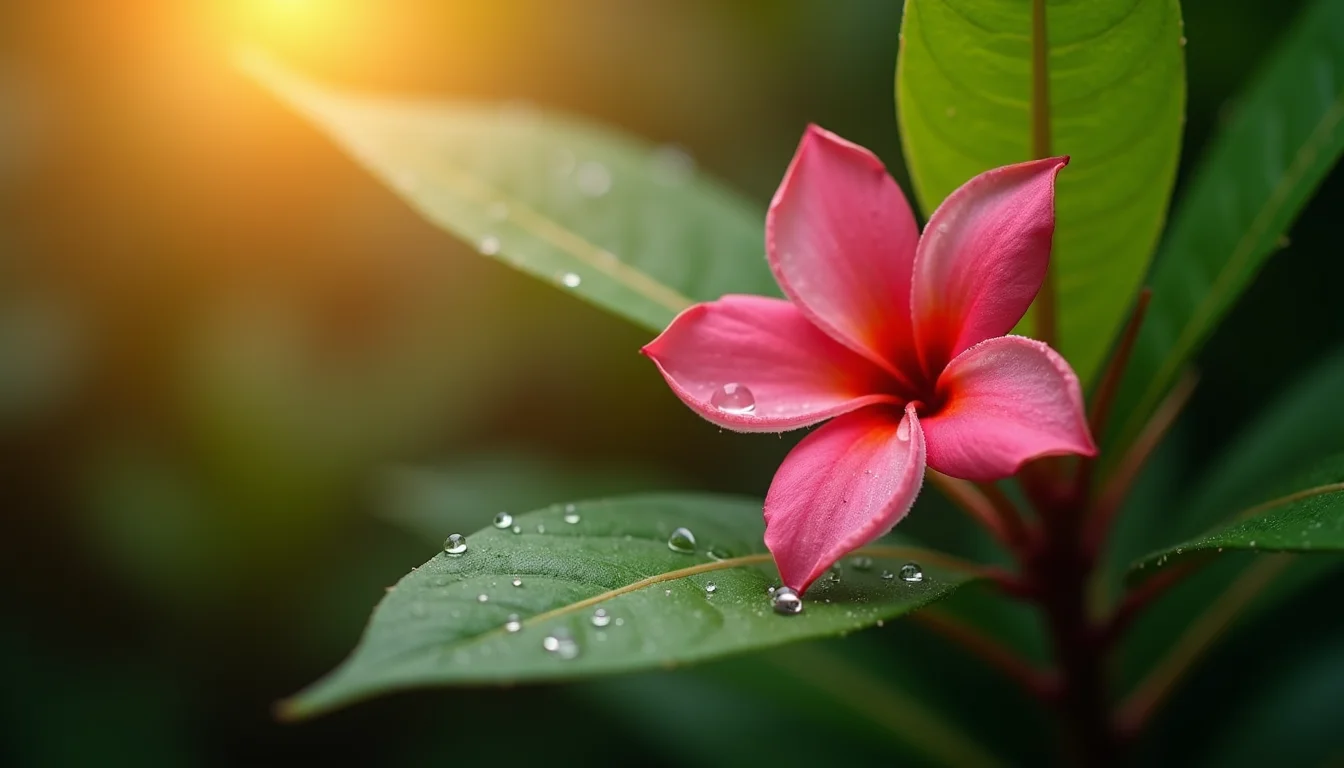
You see plumeria flowers everywhere, but yours won’t bloom. It’s frustrating to water and wait with no reward. The secret isn’t more water or luck; it’s giving the plant exactly what it needs.
Plumeria, also called Frangipani, is a tropical plant that demands direct sun and dry roots. Most people overwater, causing root rot and no flowers. Get these basics right, and your plumeria will thrive.
Plumeria care: sunlight, watering, and the right soil for blooms
For plumeria to flower, it needs at least 6 hours of direct sun daily. Less sun means fewer blooms or none at all. Place it in the brightest spot you have, like a south-facing window or sunny patio.
Water only when the soil is completely dry, then soak it thoroughly. Overwatering leads to ‘wet feet’ and rot, a common mistake. Use a very well-draining mix like cactus soil with perlite to keep roots healthy.
Fertilize in early spring with a phosphorus-rich formula (high middle number) to encourage flowers. Avoid high-nitrogen fertilizers, which push leaves instead of blooms. Popular varieties include ‘Celadine’ with citrus scent for leis, and ‘Aztec Gold’ with peach fragrance.
Frangipani: The Fragrant Beauty
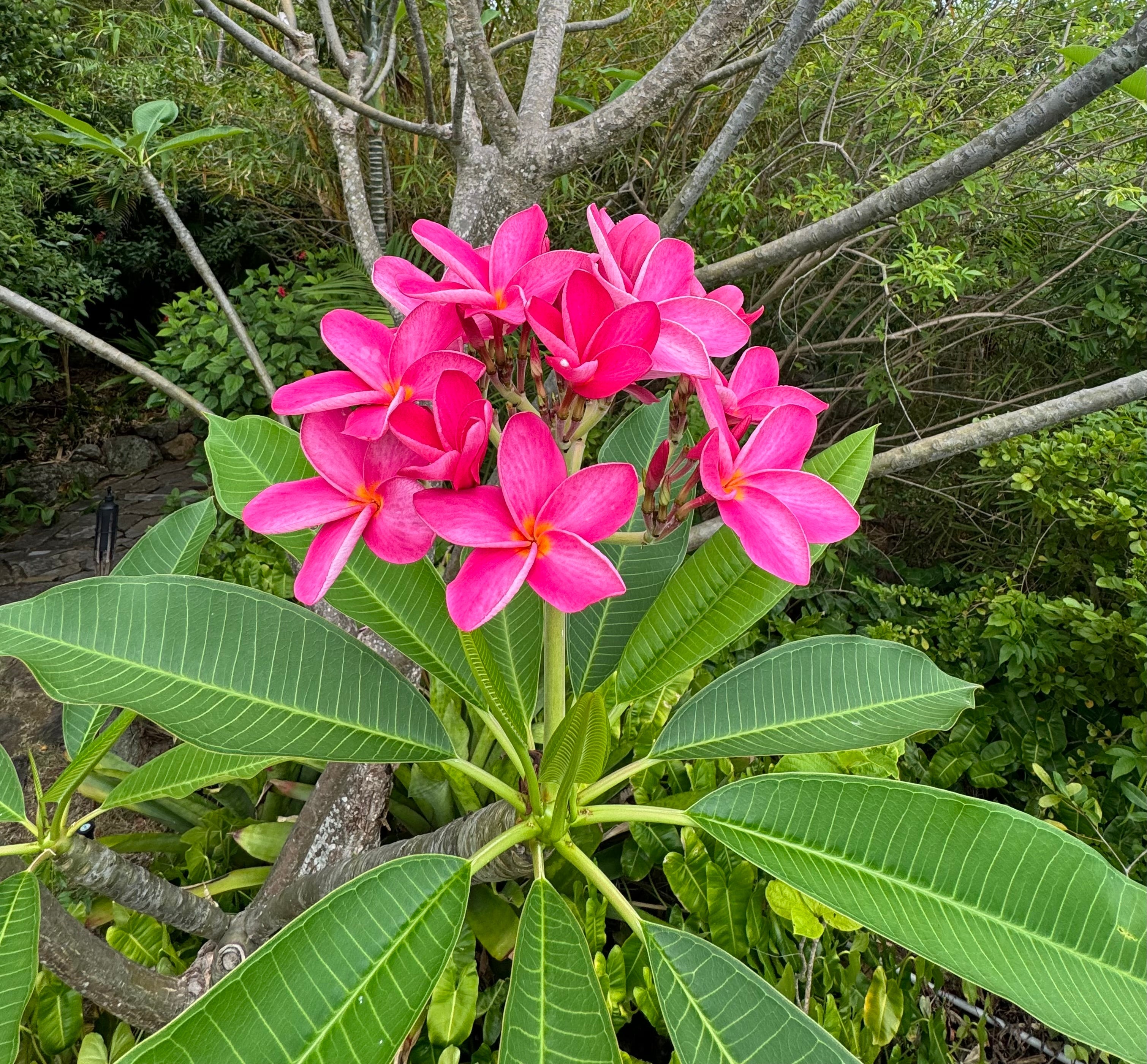
The Frangipani flower offers a captivating scent that transforms any space. Its fragrance is a key element in its appeal, evoking tropical warmth and relaxation.
Exotic Floral Perfume
This scent is often described as sweet and rich, with notes that can range from citrus to rose. It is a popular choice for perfumes and aromatherapy, enhancing the sensory experience of a home. The intensity of the Plumeria fragrance varies greatly by cultivar.
Tropical Aroma Notes
Some varieties offer a lighter, more delicate perfume, while others are intensely fragrant. This Plumeria fragrance can fill a room, creating an inviting and serene atmosphere. Growing plumeria is rewarding for its scent alone.
Sweet Peach Undertones
Certain Plumeria varieties, like ‘Aztec Gold’, are known for their distinct peach-like aroma. This sweet and fruity note adds a unique layer to the overall floral bouquet. It’s a delightful scent for summer gardens.
Spicy and Rosy Accents
Other cultivars present more complex scents, blending spicy undertones with classic rose notes. This depth in Plumeria fragrance makes each plant a unique olfactory experience. It adds a sophisticated touch to any collection.
| Fragrance Profile | Notes |
| Sweet | Citrus, Peach, Rose, Spicy |
| Intensity | Varies by cultivar |
Plumeria for Leis
The strong, pleasant Plumeria fragrance makes them ideal for crafting traditional leis. These flower garlands are a staple in Hawaiian culture. They are often exchanged as gifts of welcome and affection.
Cultural Significance of Fragrance
In Hawaii, the scent of Plumeria is deeply intertwined with celebrations and everyday life. It represents hospitality and the spirit of Aloha. The beautiful Plumeria fragrance is a signature of the islands.
Plumeria Care: Sunlight and Watering
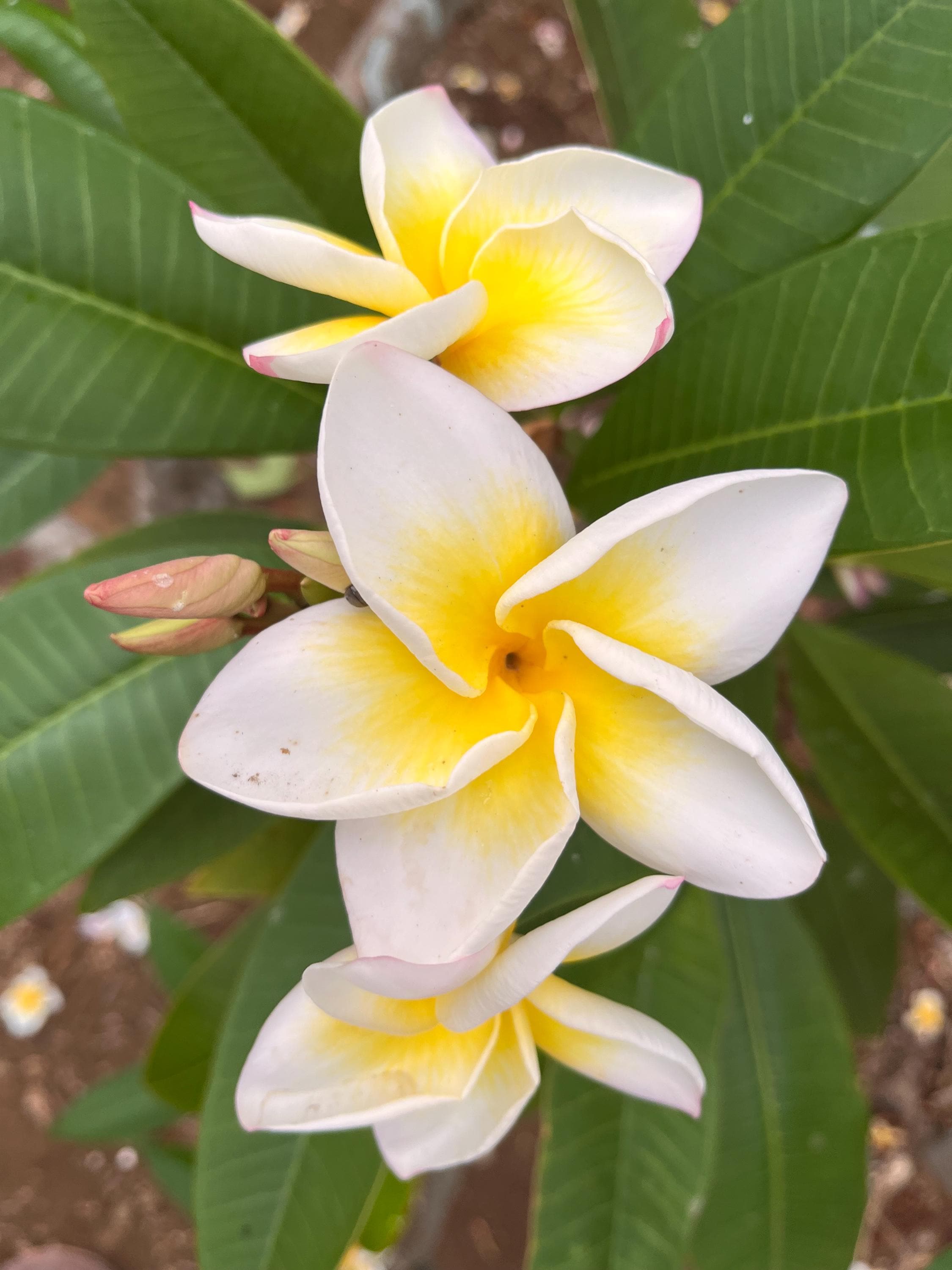
Proper sunlight and watering are essential for a thriving Plumeria plant. These tropical beauties need specific conditions to produce their stunning blooms. Understanding their needs ensures healthy growth.
Maximum Sunlight Exposure
Plumeria plants require at least six to eight hours of direct sunlight each day. Insufficient Plumeria sunlight will result in fewer flowers and leggy growth. Place your plant in the sunniest spot available.
Deep Watering When Dry
Water your Plumeria thoroughly only when the top inch of soil feels dry to the touch. Avoid letting the plant sit in water, as this leads to root rot. Consistent, but not excessive, Plumeria watering is key.
Well-Draining Soil Importance
The soil must allow water to drain freely to prevent root issues. Soggy soil is detrimental to Plumeria health. Good drainage is more important than the specific soil type.
Seasonal Watering Adjustments
During the growing season, water more frequently. Reduce watering significantly when the plant enters dormancy in cooler months. This adjustment is crucial for Plumeria care.
| Sunlight Requirement | 6-8 hours direct daily |
| Watering Frequency | When soil is dry |
| Key Concern | Preventing root rot |
Plumeria Meaning and Symbolism
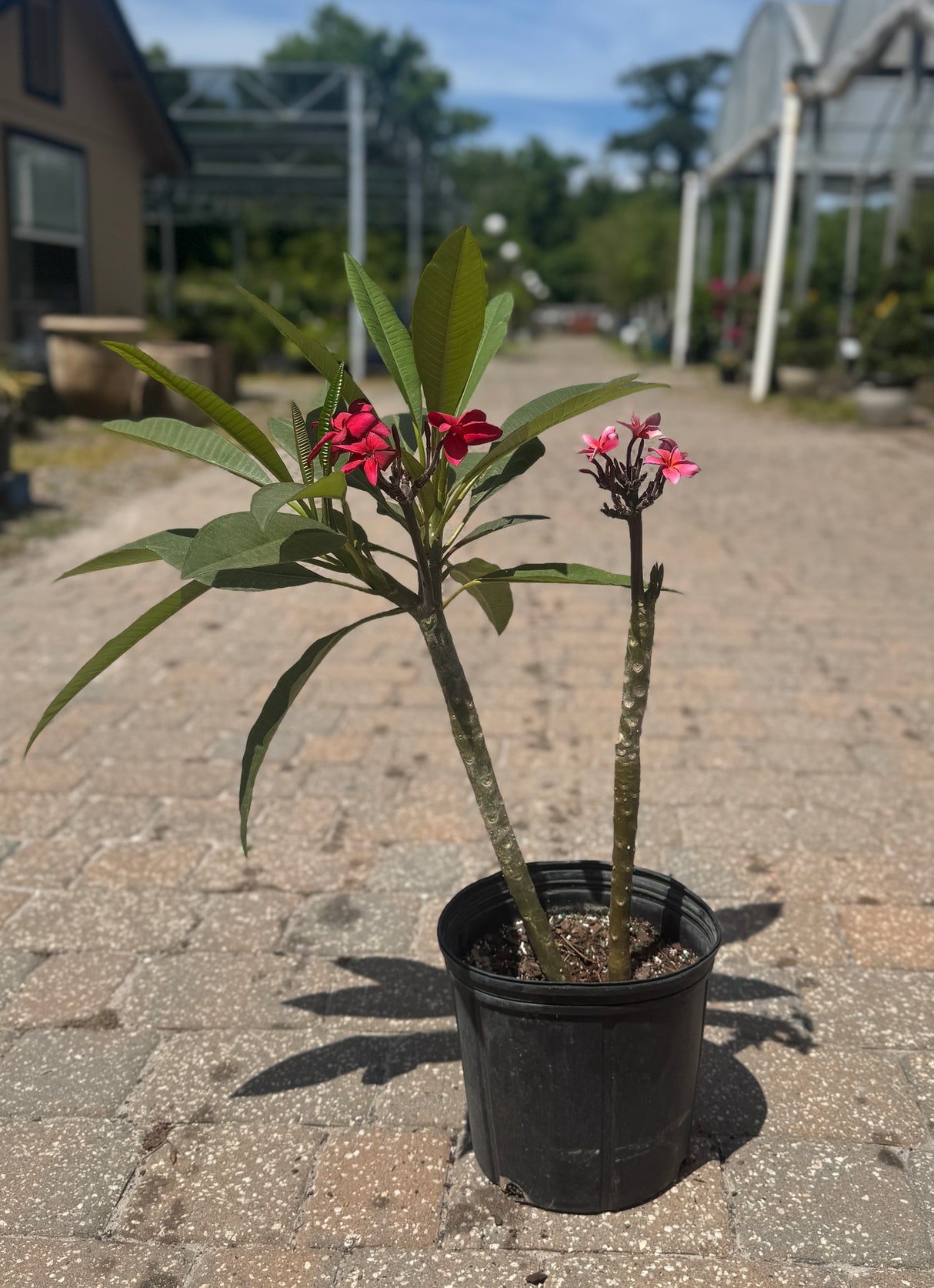
The Plumeria flower carries rich meanings and symbolism across various cultures. It often represents beauty, love, and new beginnings. Its presence can add a layer of significance to your garden or home decor.
Symbol of New Beginnings
Plumeria symbolism often includes grace and new beginnings. It is seen as a representation of fresh starts and positive change. This makes it a hopeful addition to any setting.
Emblem of Love and Beauty
In many traditions, the Plumeria flower signifies love, beauty, and romance. It is a popular choice for weddings and celebrations of affection. Its delicate appearance enhances its romantic associations.
Spiritual and Immortality Meanings
Beyond earthly associations, Plumeria holds deeper spiritual meanings. It can symbolize immortality and the enduring spirit. This adds a profound layer to its cultural significance.
Aloha Spirit Embodied
In Hawaii, Plumeria is a powerful symbol of the Aloha spirit. It represents welcome, affection, and a deep connection to nature. The flower embodies the warmth of the islands.
Marital Status Indicator
Traditionally, the placement of a Plumeria flower behind the ear indicated marital status. A flower on the right ear meant the person was available. A flower on the left indicated they were taken.
| Primary Meanings | Love, Beauty, New Beginnings |
| Hawaiian Symbolism | Aloha Spirit, Welcome |
| Additional Symbolism | Immortality, Grace |
Plumeria Varieties: Celadine to Vera Cruz Rose
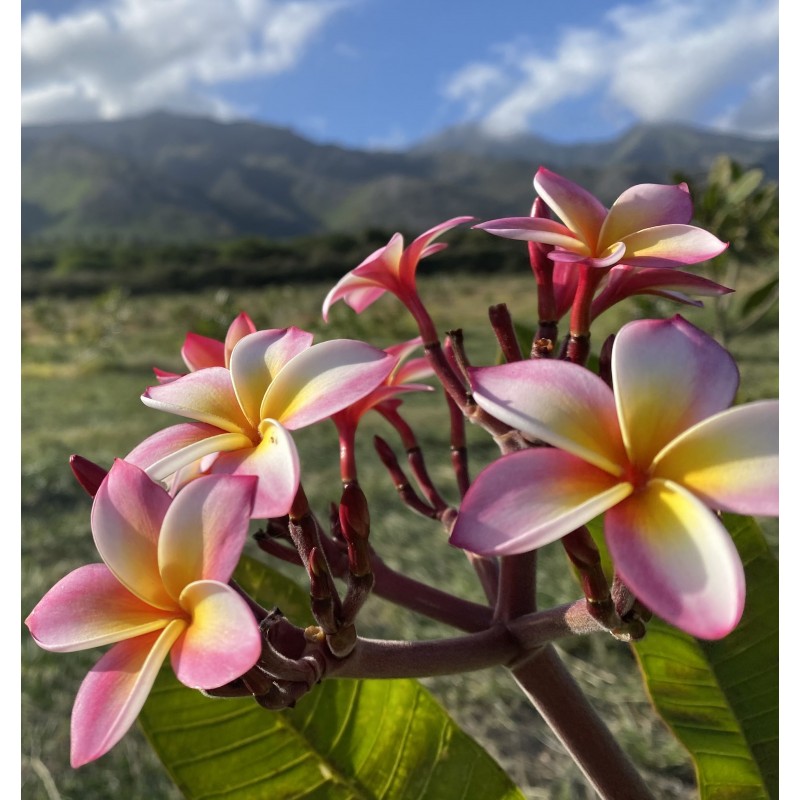
A wide array of Plumeria varieties offers diverse colors, fragrances, and growth habits. Exploring these different types allows for personalized selection. Each cultivar brings unique characteristics to your collection.
‘Celadine’ Variety
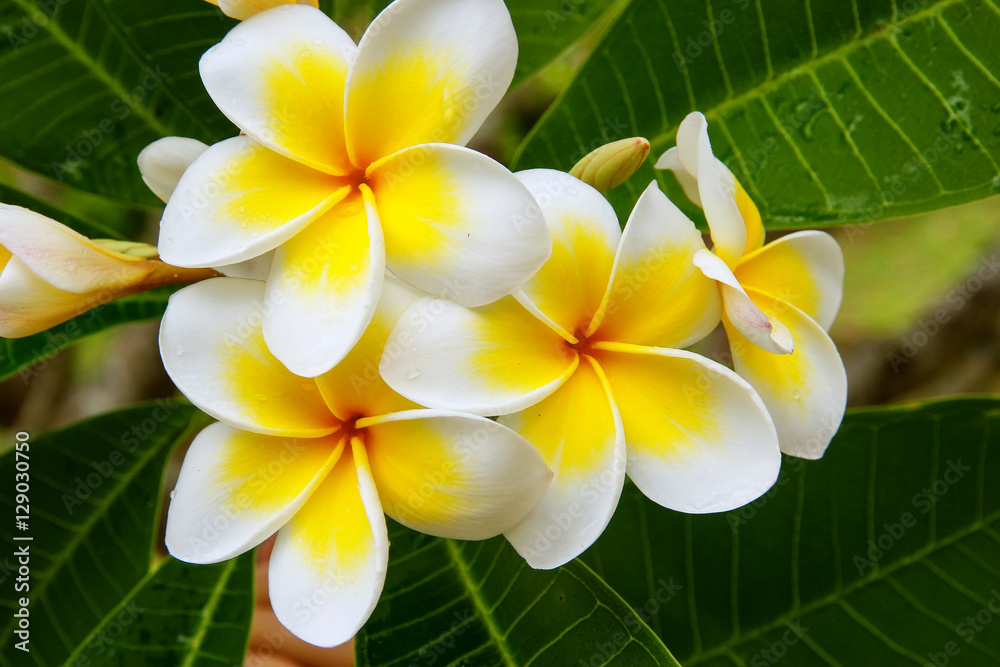
Plumeria ‘Celadine’ is a popular choice known for its strong citrus fragrance. It produces clusters of bright yellow and white flowers. This variety is often used for making leis due to its scent and durability.
‘Aztec Gold’ Cultivar
The Plumeria ‘Aztec Gold’ features beautiful golden-yellow flowers. Its fragrance is often described as having sweet peach notes. This variety adds a vibrant splash of color and a delightful scent.
‘Divine’ Compact Bloomer
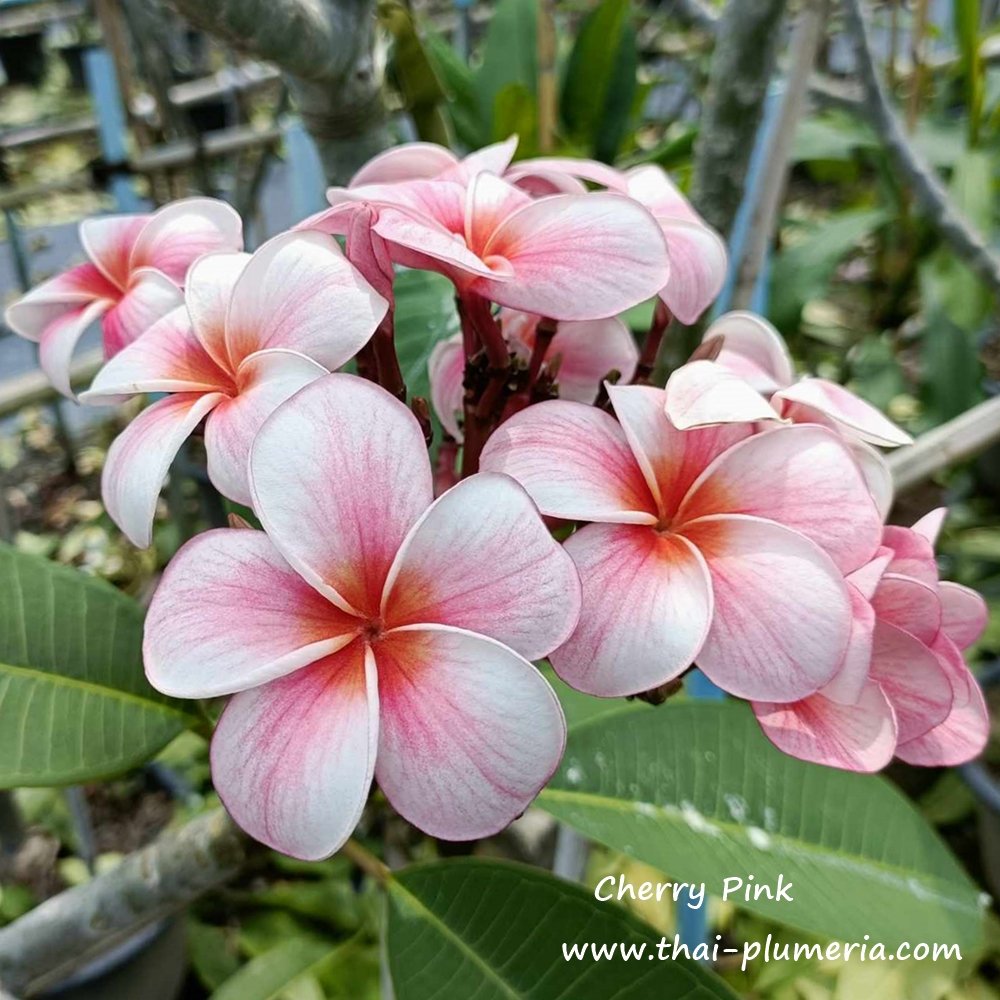
Plumeria ‘Divine’ is a more compact variety with stunning pink and white flowers. It offers a lovely floral perfume that is less intense than some others. This makes it suitable for smaller spaces or containers.
‘Vera Cruz Rose’ Scent
Plumeria ‘Vera Cruz Rose’ is prized for its rose-like fragrance. The flowers are typically a blend of pink and white hues. It brings a classic floral scent to the garden.
Exploring Other Plumeria Varieties
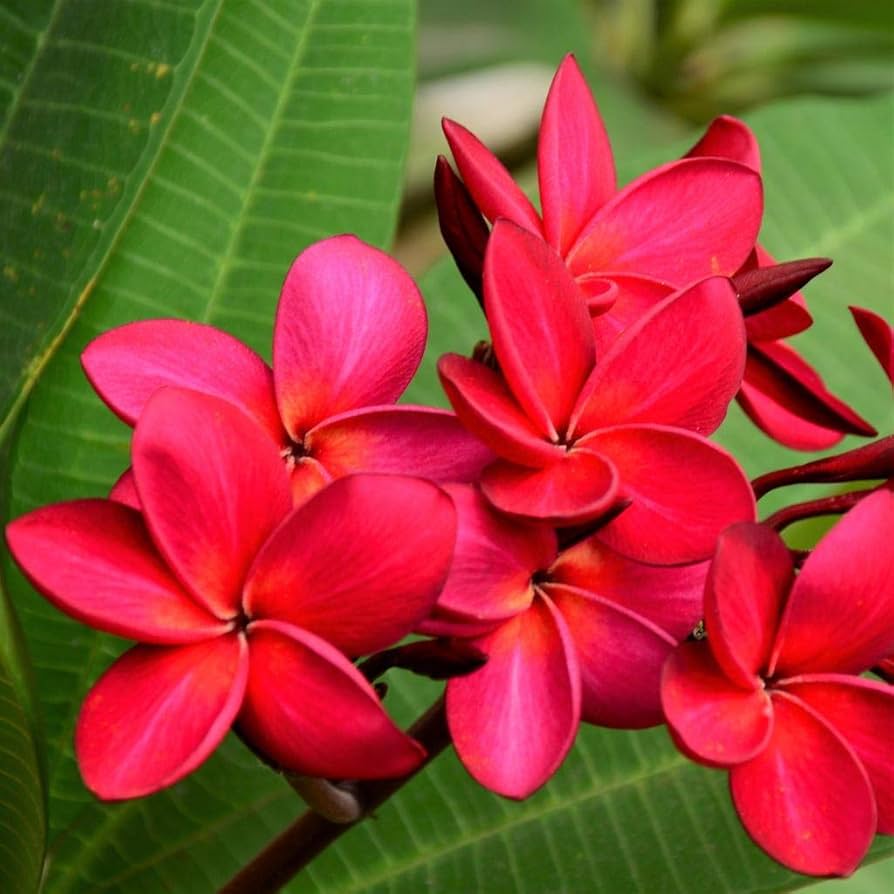
Many other Plumeria varieties exist, each with unique traits. From deep reds to pure whites, the color range is extensive. Researching different Plumeria varieties helps find the perfect match.
| Variety | Key Feature |
| Celadine | Citrus scent, yellow/white flowers |
| Aztec Gold | Peach scent, golden-yellow flowers |
| Divine | Floral perfume, pink/white flowers |
| Vera Cruz Rose | Rose-like scent, pink/white flowers |
Plumeria in Hawaii: Cultural Significance
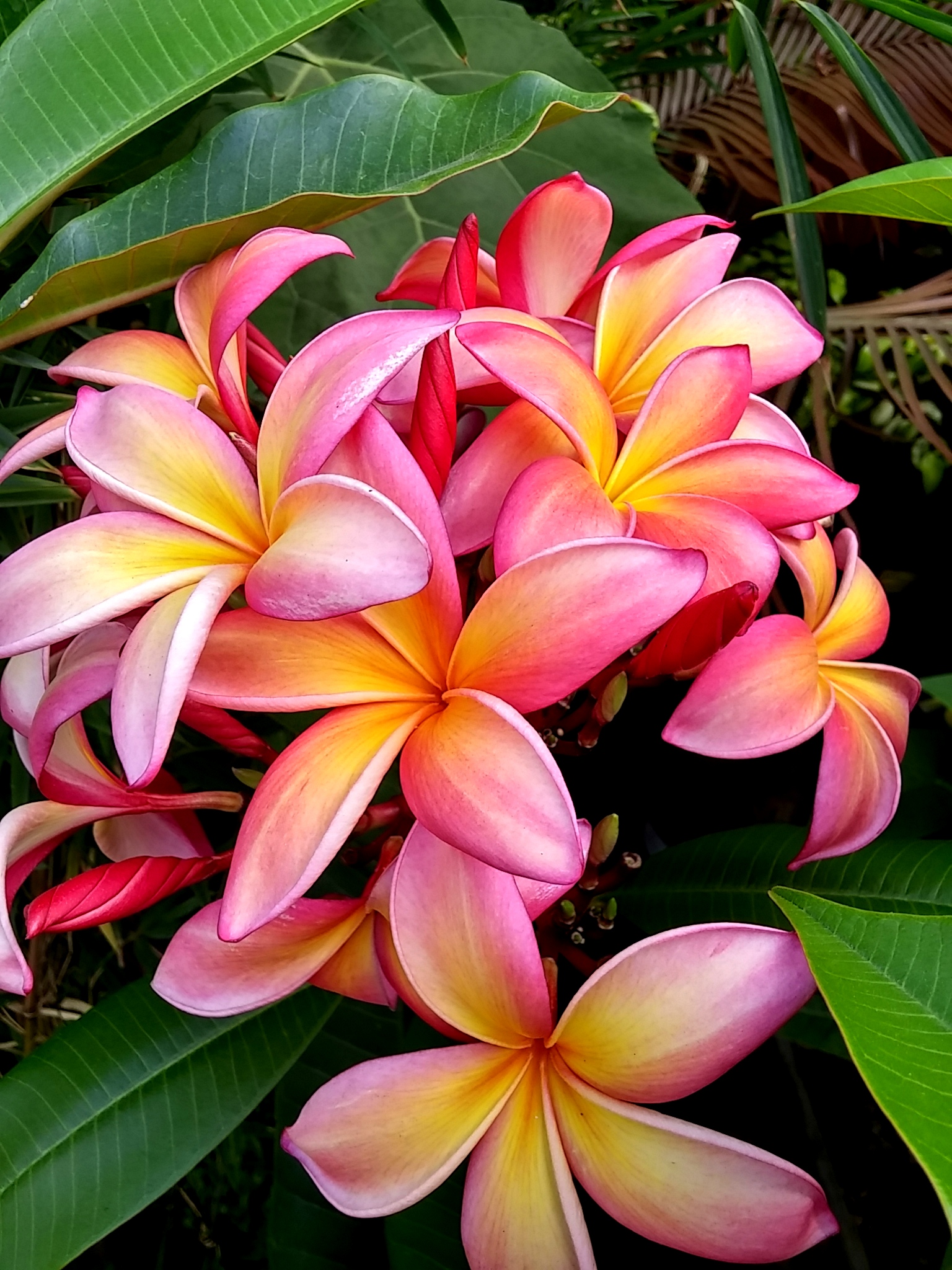
In Hawaii, Plumeria is more than just a beautiful flower; it’s a significant cultural icon. Its presence is deeply woven into the fabric of island life and traditions. The flower embodies the spirit of the place.
The Flower of Aloha
Plumeria is intrinsically linked to the Hawaiian concept of Aloha. It represents warmth, welcome, and deep affection. This connection makes it a symbol of Hawaiian hospitality.
Traditional Lei Making
The fragrant blooms are essential for creating traditional Hawaiian leis. These flower garlands are worn for celebrations, ceremonies, and everyday adornment. Plumeria for leis are highly valued.
Symbol of Love and Romance
Beyond welcome, Plumeria in Hawaii also symbolizes love and romance. It is often exchanged between loved ones. Its beauty enhances romantic gestures and celebrations.
Island Welcome and Beauty
The sight and scent of Plumeria instantly evoke the beauty of the Hawaiian Islands. It is a quintessential part of the tropical landscape. Its cultural significance is undeniable.
Marital Status Symbolism
The practice of wearing a plumeria flower to indicate relationship status is a unique tradition. It adds a subtle layer of communication. This custom is part of the flower’s rich history.
| Cultural Role | Symbolism |
| Hawaii | Aloha Spirit, Love, Welcome |
| Tradition | Lei making, Marital status indicator |
Plumeria Dormancy: Winter Care Tips

Understanding Plumeria dormancy is crucial for successful growing in cooler climates. These tropical plants need specific care when temperatures drop. Proper winter management ensures they thrive year after year.
Recognizing Dormancy Signs
As temperatures fall below 50°F, Plumeria plants naturally shed their leaves. This indicates they are entering their Plumeria dormancy period. It is a natural survival mechanism.
Reduced Watering Needs
During dormancy, the plant’s water requirements decrease significantly. Overwatering at this stage can be fatal, leading to root rot. Water sparingly, only when the soil is completely dry.
Indoor Overwintering
In regions with cold winters, bring potted Plumeria indoors. Protect them from frost and freezing temperatures. A bright, cool location is ideal for overwintering.
Storage in Cool, Dark Places
Alternatively, unrooted cuttings or bare-root plants can be stored in a cool, dark place. Pack them in peat moss or vermiculite. This method helps them survive until spring.
Preparing for Spring Growth
As spring approaches and temperatures rise, gradually reintroduce the plant to more light and water. This transition helps stimulate new growth. Proper Plumeria care during dormancy leads to vigorous spring blooms.
| Condition | Action |
| Below 50°F | Enter dormancy, shed leaves |
| Winter Watering | Reduce significantly |
| Indoor Storage | Bright, cool location |
Plumeria Fertilizer: Boosting Blooms
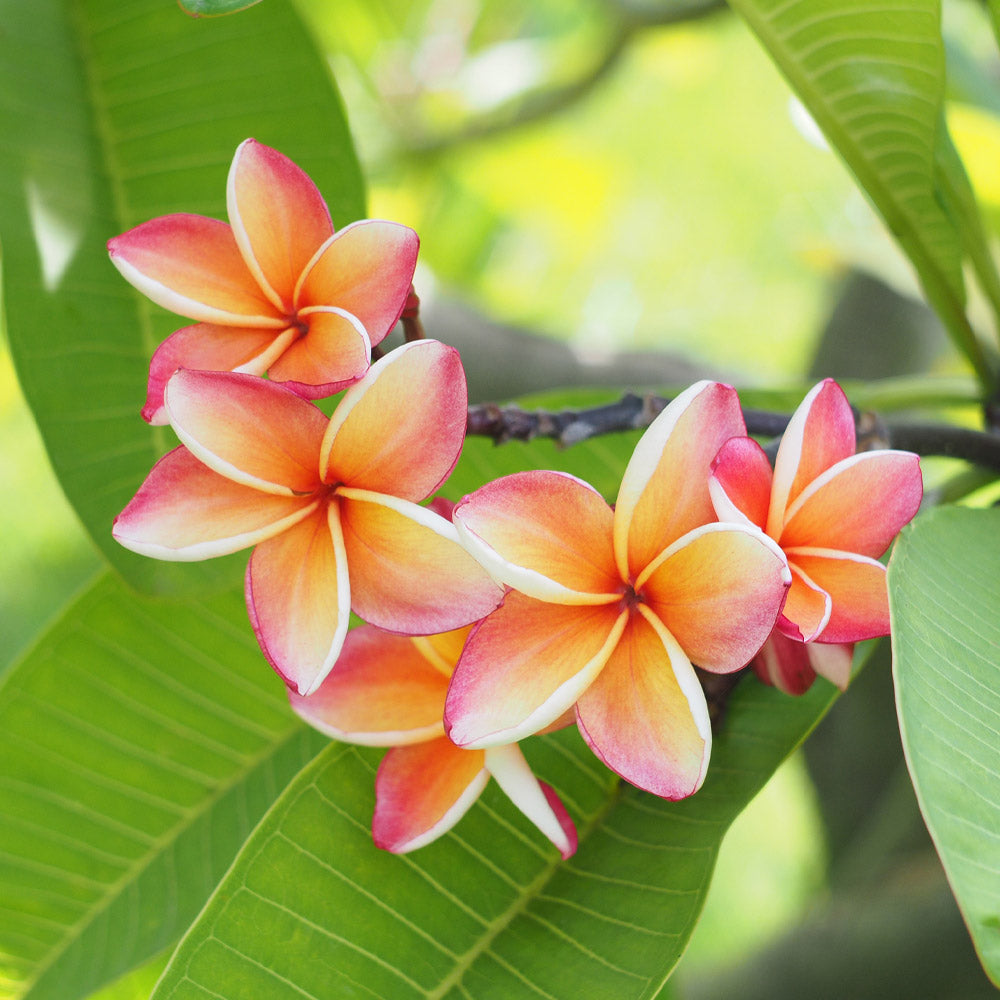
The right fertilizer can significantly enhance flowering and overall plant health. Choosing the correct Plumeria fertilizer encourages vibrant, abundant blooms. This is key for maximizing the plant’s aesthetic appeal.
Phosphorus-Rich Formulas
For abundant blooming, select a Plumeria fertilizer with a high middle number (phosphorus). This nutrient is vital for flower development. Look for formulas like 10-30-10 or similar ratios.
Early Spring Application
Begin fertilizing in early spring as new growth appears. Continue feeding throughout the blooming season, typically from spring to early fall. This consistent feeding supports continuous flowering.
Balanced Nutrient Needs
While phosphorus is key for blooms, nitrogen and potassium are also important. A balanced fertilizer ensures overall plant vigor. Avoid fertilizers with too much nitrogen, which promotes leaf growth over flowers.
Frequency of Feeding
Follow the fertilizer package instructions for application frequency. Generally, feeding every 2-4 weeks during the growing season is recommended. Do not over-fertilize, as this can harm the plant.
Organic Fertilizer Options
Organic options like bone meal or fish emulsion can also be effective. These provide nutrients gradually. They also contribute to soil health over time.
| Key Nutrient | Phosphorus (Middle Number) |
| Timing | Early Spring through Fall |
| Goal | Encourage abundant blooms |
Plumeria Soil: Perfecting the Mix
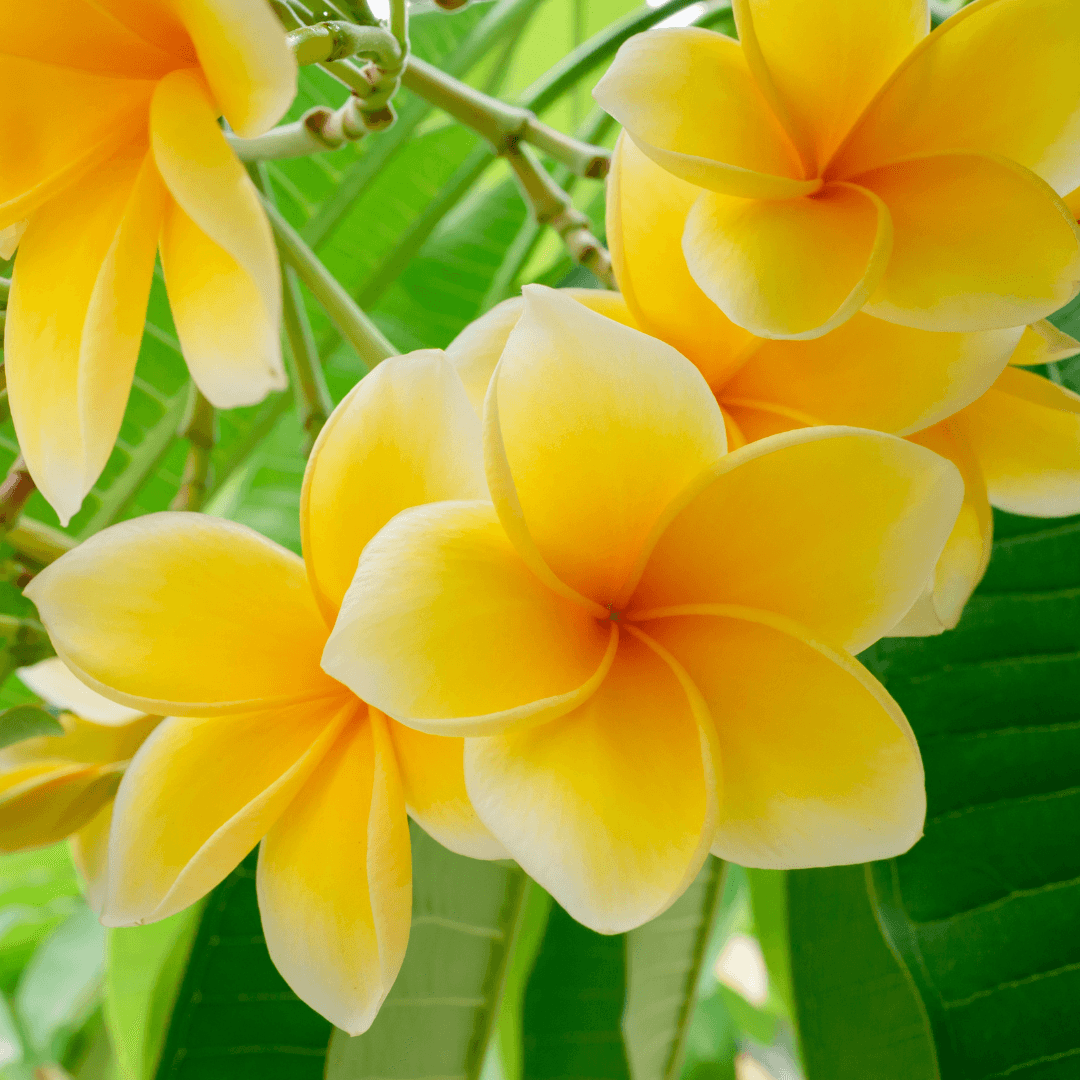
The right Plumeria soil is fundamental for preventing root rot and promoting healthy growth. A well-draining mix is non-negotiable for these tropical plants. Getting the soil right is a critical step in Plumeria care.
Excellent Drainage is Paramount
Plumeria plants absolutely require a very well-draining soil mix. They cannot tolerate
Style and Reference Gallery
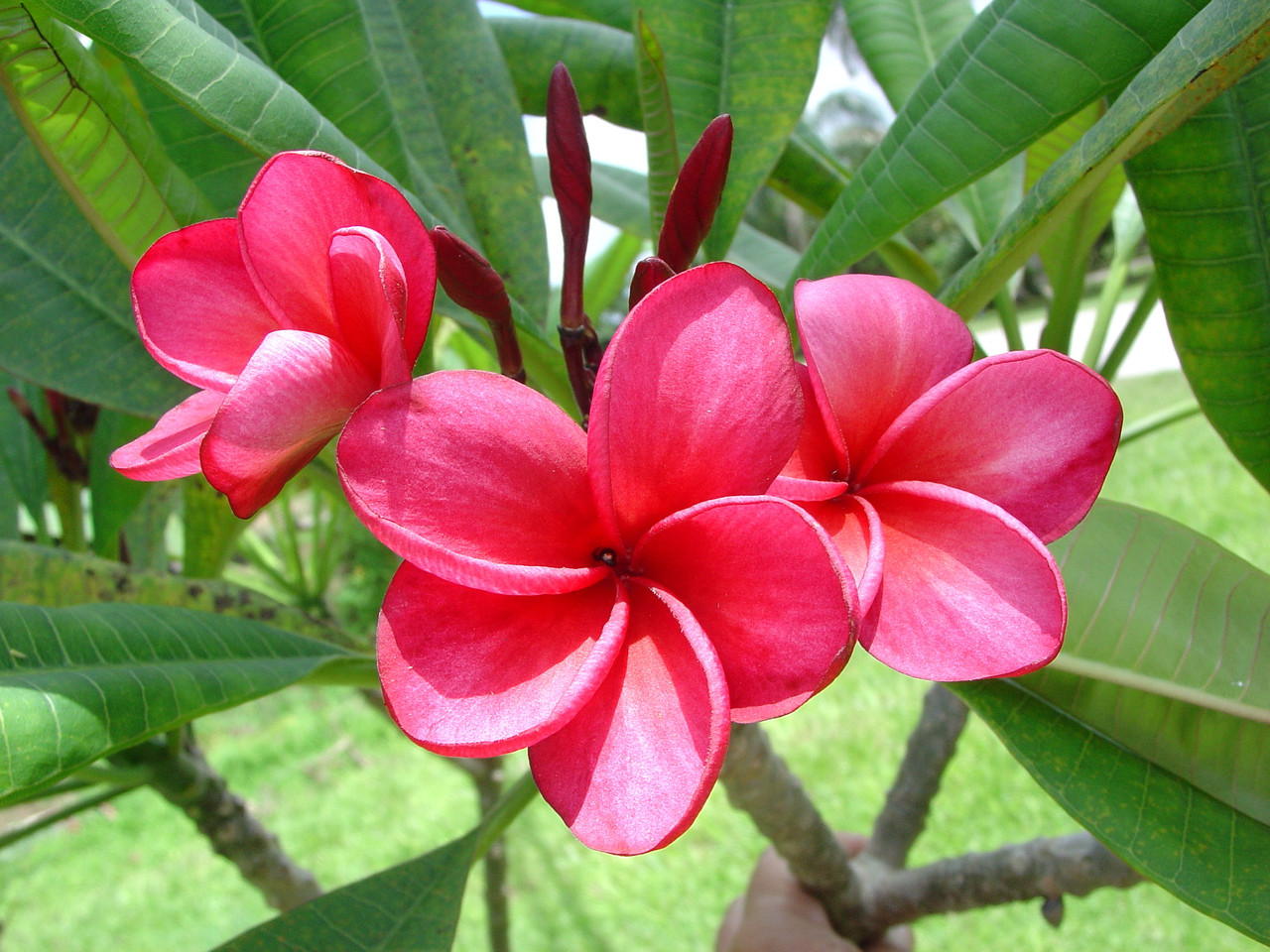
The contrast of plumeria against a clear blue sky is pure magic. It’s a postcard come to life.
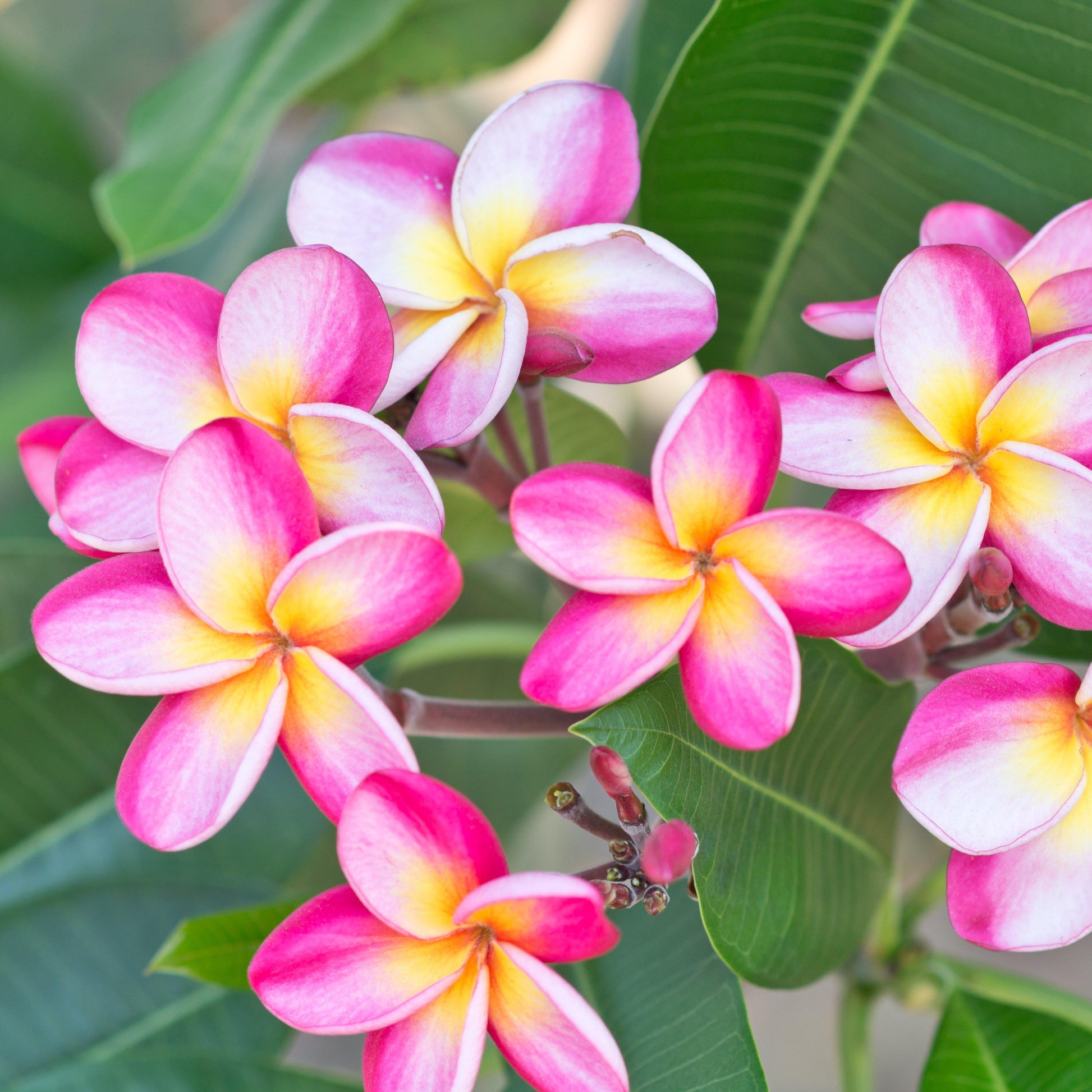
Plumeria cuttings are easy to root. Just let them callus and plant in dry soil.
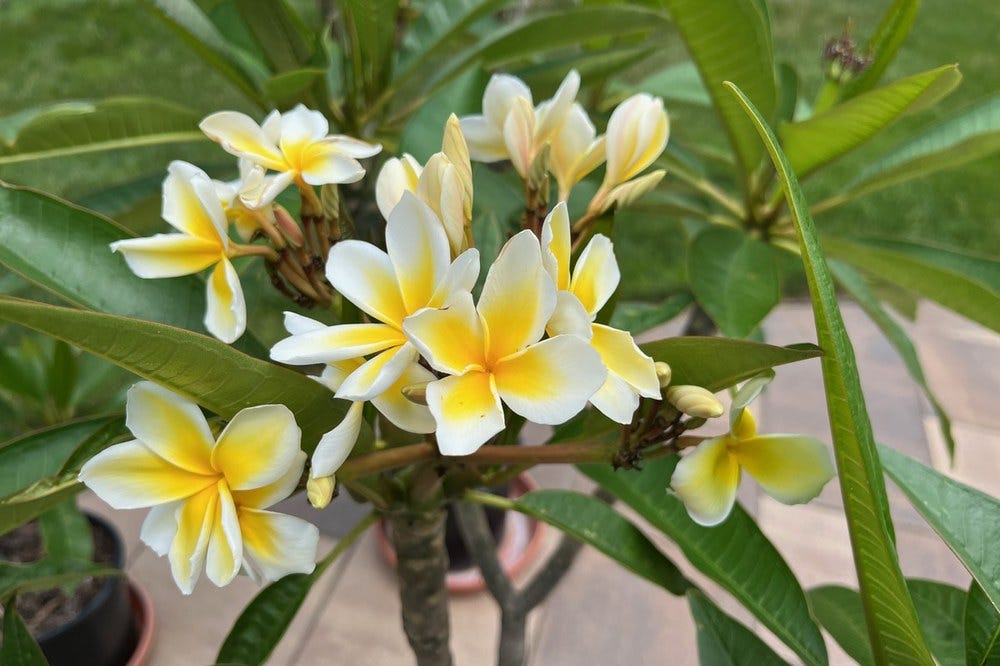
Dwarf varieties like ‘Divine’ are perfect for small spaces. They bloom heavily in compact pots.
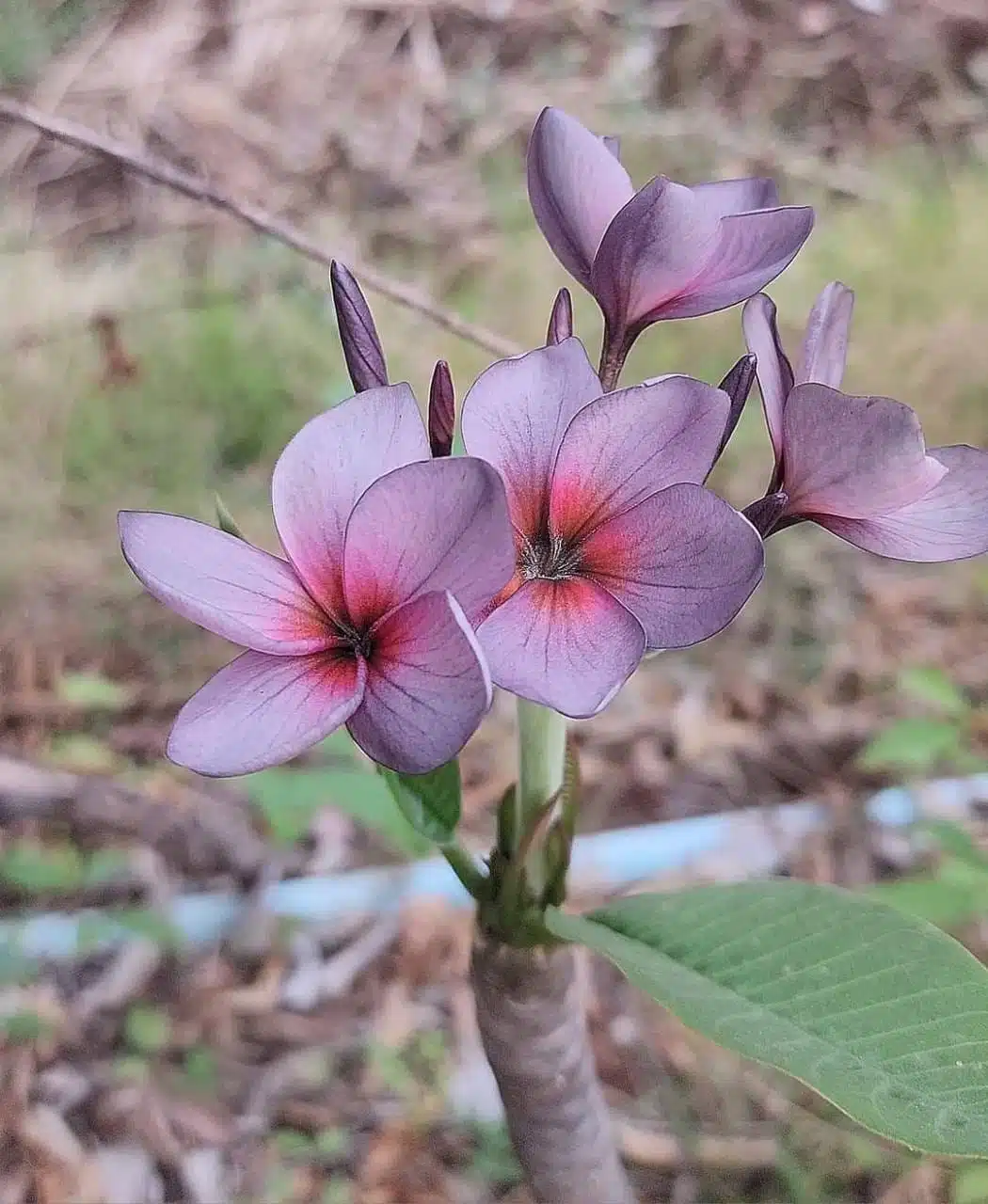
Plumeria flowers are often used in wedding bouquets. They symbolize new beginnings and eternal love.
The scent of plumeria is strongest in the evening. It attracts moths and other night pollinators.
Plumeria trunks have a unique, sculptural shape. Even without leaves, they add interest to a room.
A plumeria in a terracotta pot on a sunny windowsill. It brings the tropics right into your home.
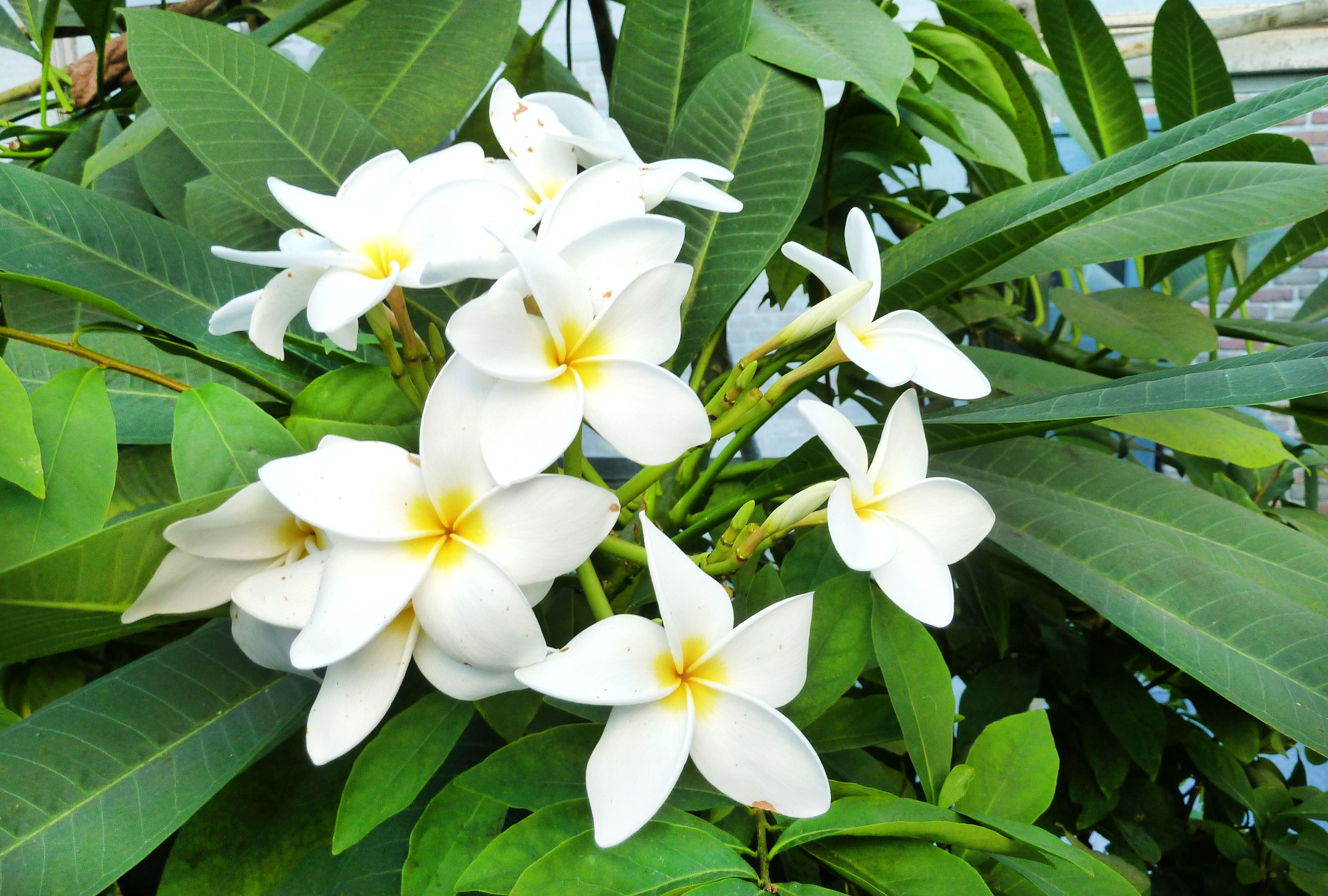
The pinwheel petals of a plumeria create a perfect spiral. Each bloom is a natural work of art.
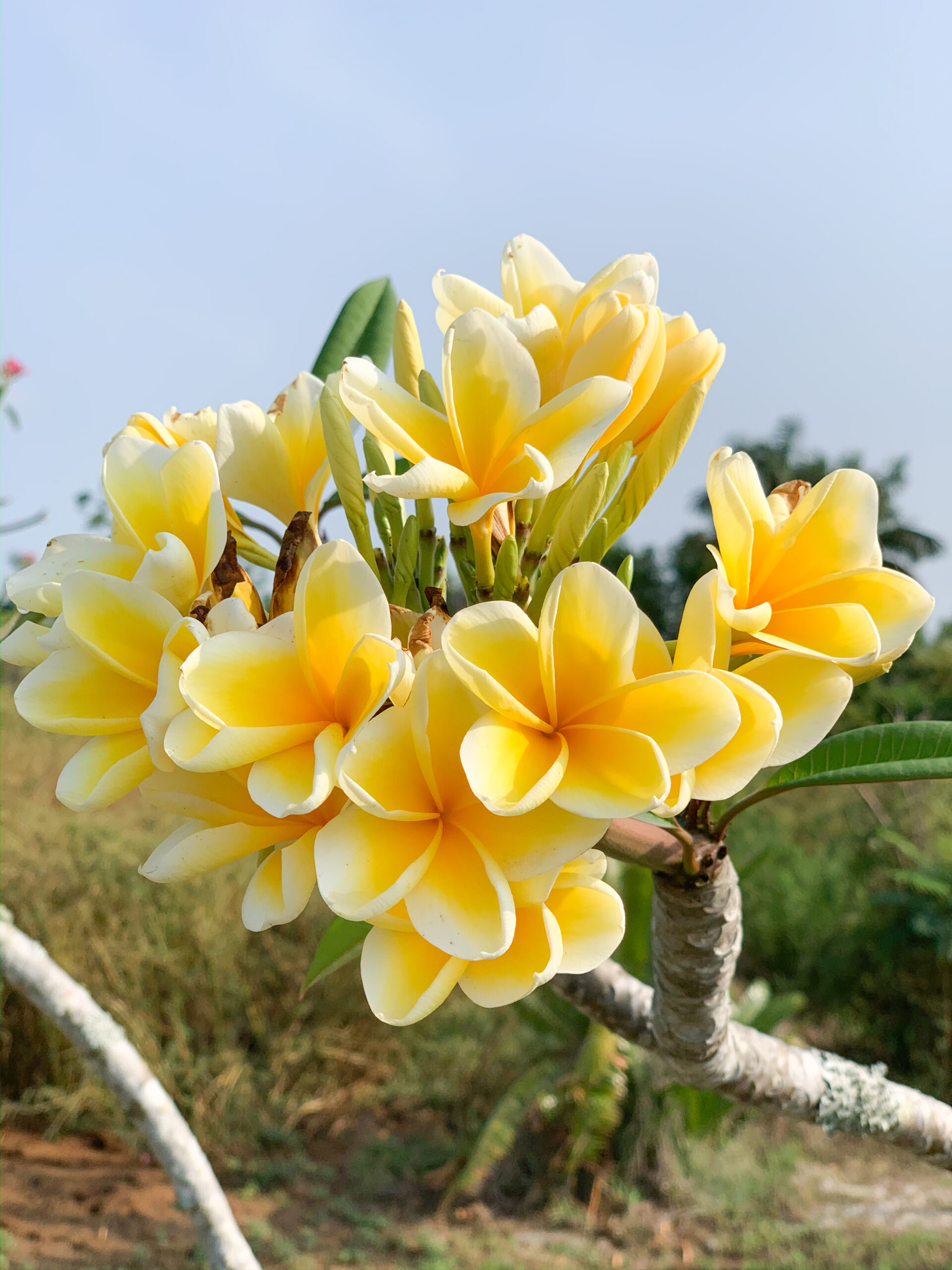
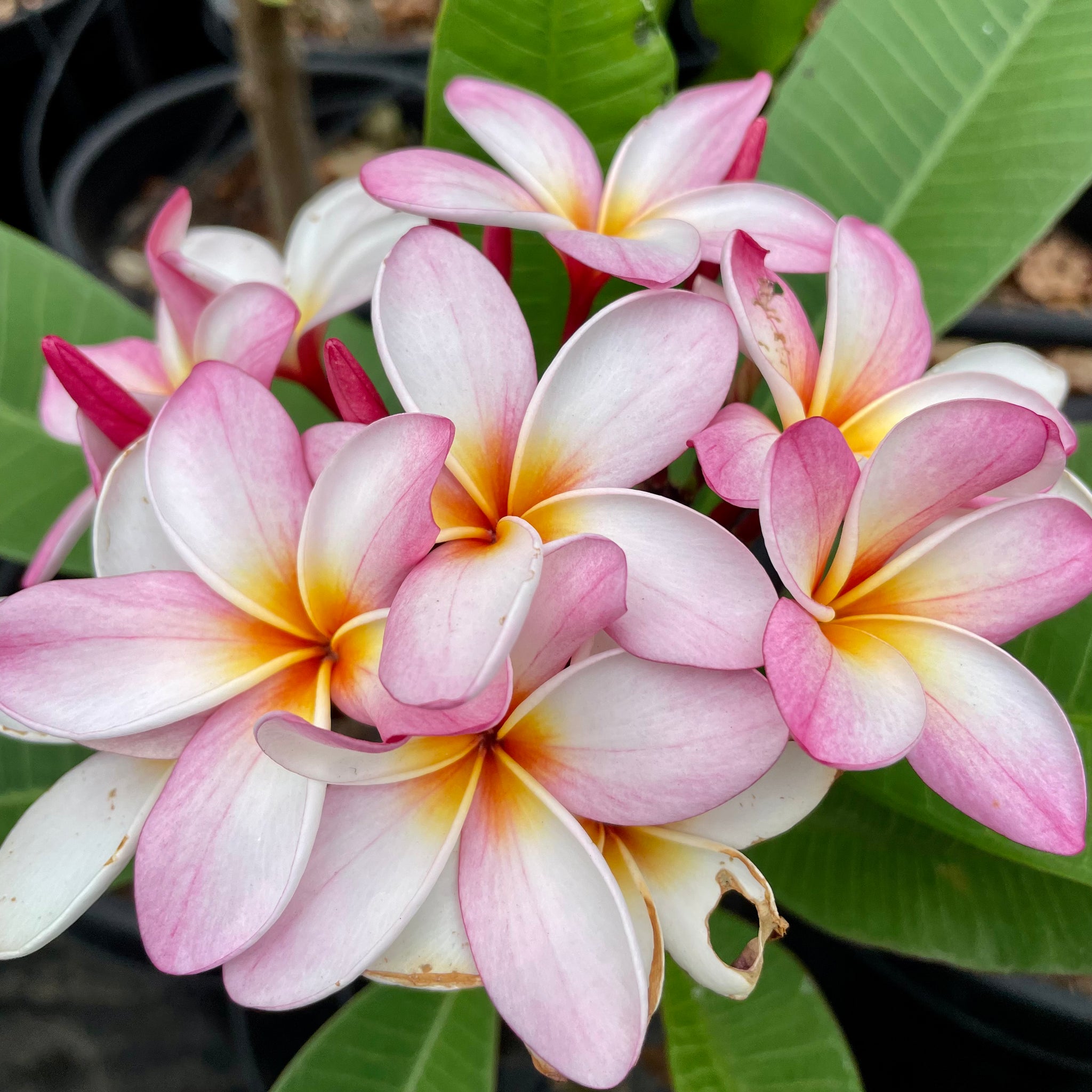
Frangipani flowers come in every shade of sunset. From golden yellow to deep pink, there’s a color for every mood.
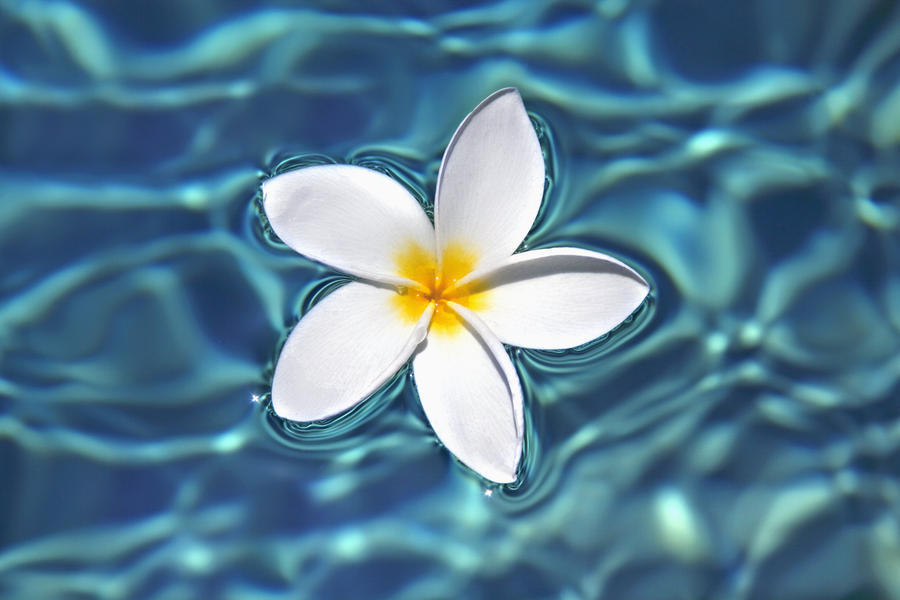
A single plumeria blossom floating in a bowl of water. Simple elegance for your coffee table.
Plumeria leis are the ultimate symbol of aloha. They carry the spirit of Hawaii in every strand.
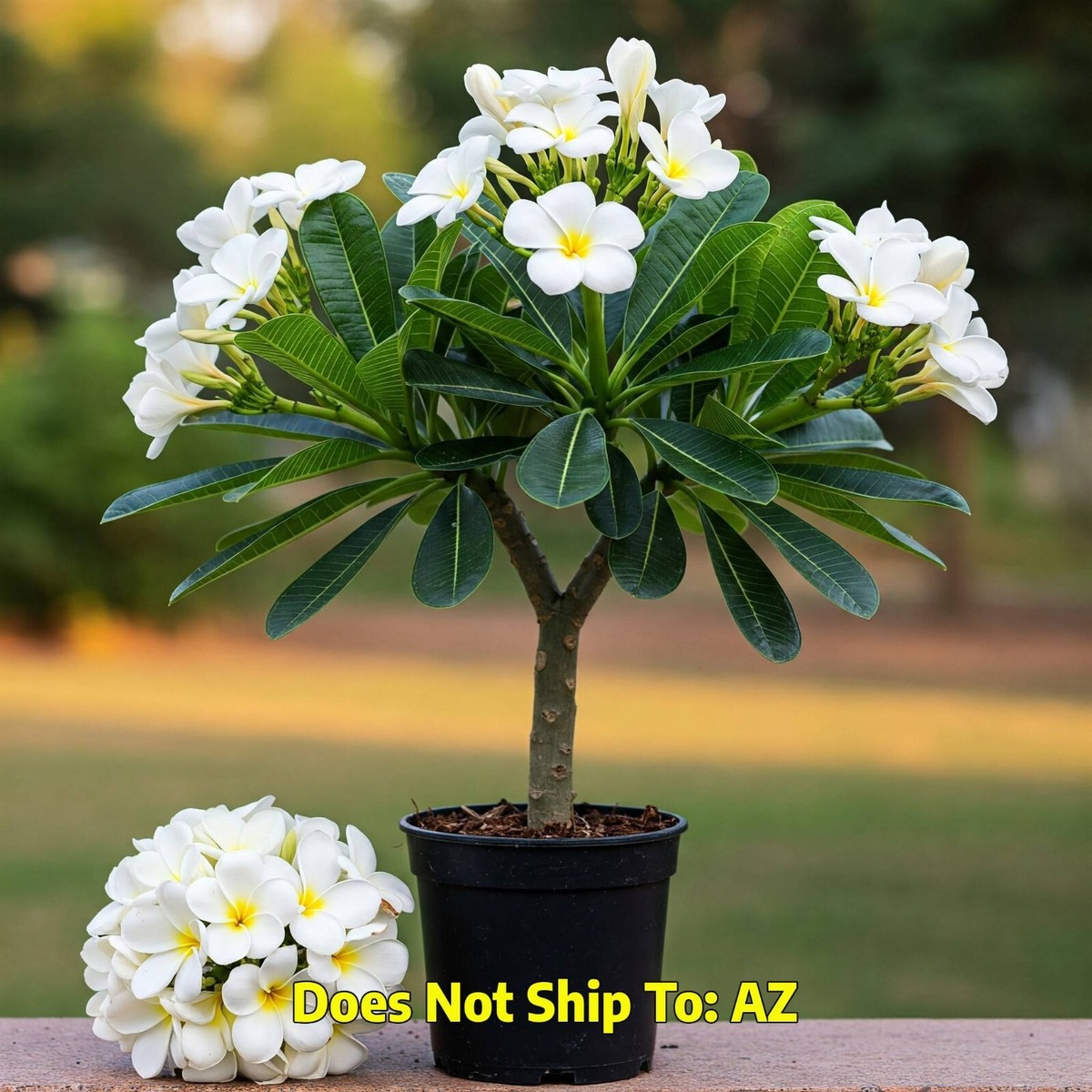
The fragrance of plumeria changes with the cultivar. Some smell like citrus, others like roses or jasmine.
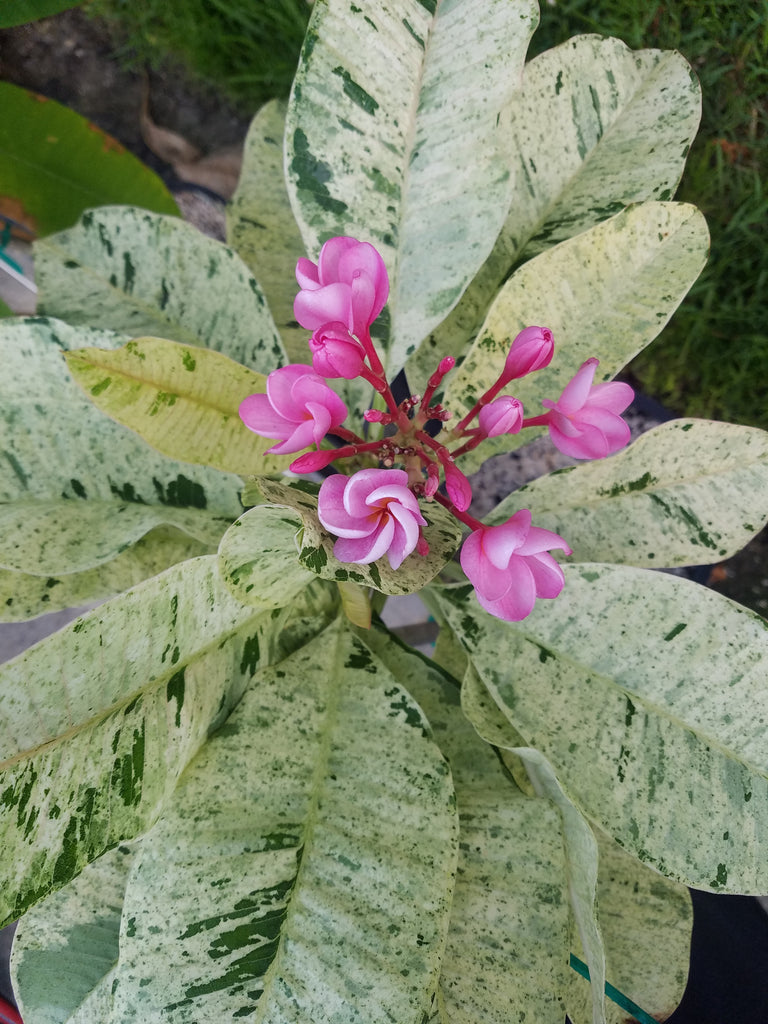
Plumeria trees in full bloom look like clouds of color. They can transform any garden into a tropical retreat.
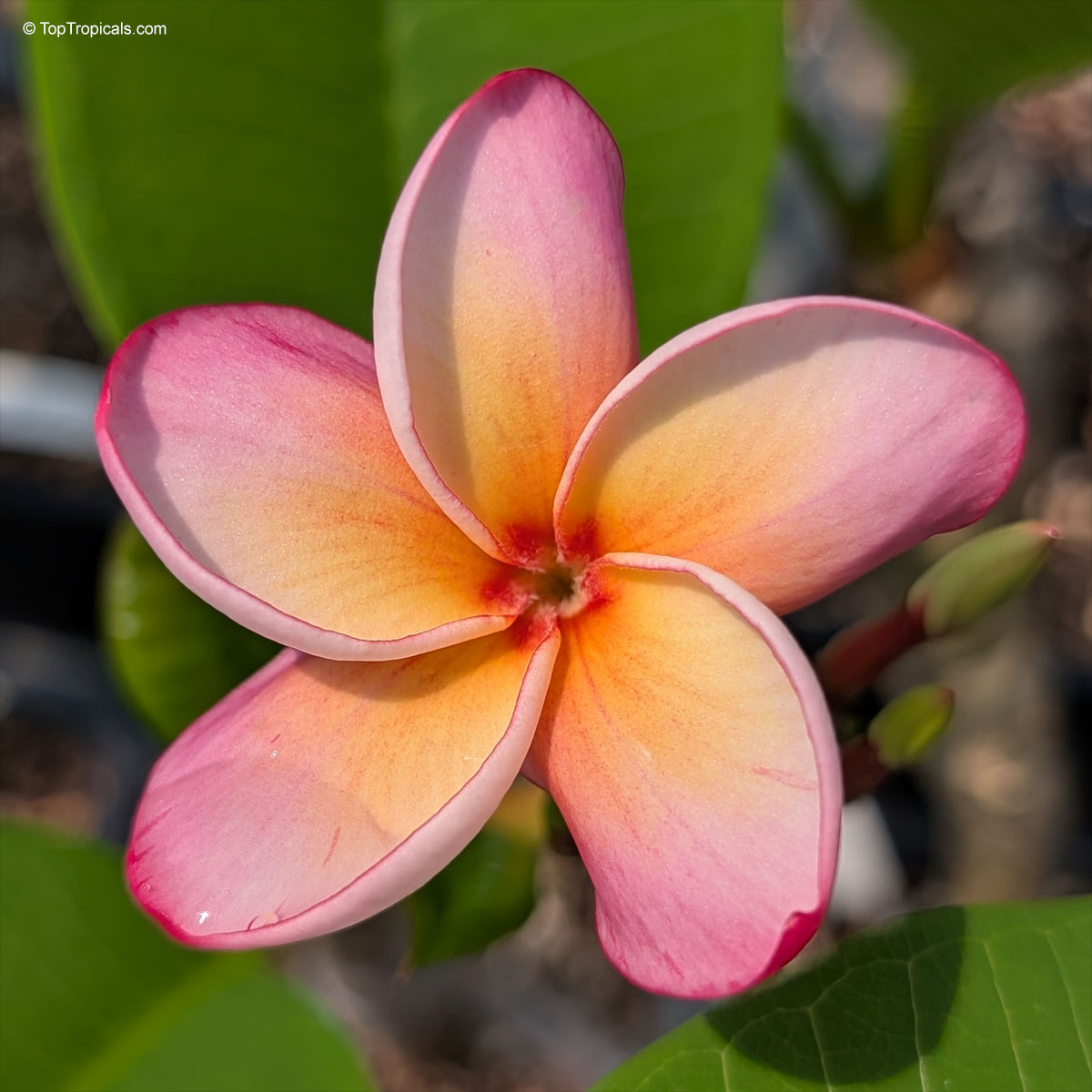
A plumeria flower tucked behind the ear says it all. Right ear means available, left ear means taken.
Growing Your Own Plumeria Paradise
Now that you’ve seen the beauty, let’s get your hands dirty. Here’s how to make that plumeria thrive.
Step-by-Step Guide: Planting and Care
- Choose the right spot. Plumerias need at least 6 hours of direct sun daily. A south-facing window or sunny patio works best.
- Use the right soil. Mix cactus potting soil with extra perlite for fast drainage. This prevents root rot.
- Water wisely. Water deeply only when the top 2 inches of soil are dry. In winter, water even less.
- Fertilize in spring. Use a high-phosphorus fertilizer (like 10-30-10) every 2 weeks during growing season. This boosts blooms.
- Bring indoors in cold weather. If temps drop below 50°F, move your plant inside. It will go dormant and lose leaves—that’s normal.
What to Avoid in Execution
- Don’t overwater. Wet feet kill plumerias fast. Always check soil moisture first.
- Don’t use heavy garden soil. It holds too much water. Stick to a well-draining mix.
- Don’t prune in fall or winter. Prune only in early spring before new growth starts.
- Don’t panic when leaves drop. Dormancy is natural. Just reduce watering and wait for spring.
Maintenance Tips for Long-Lasting Beauty
- Rotate your pot weekly. This keeps the plant growing straight and even.
- Clean leaves monthly. Dust blocks sunlight. A damp cloth keeps them photosynthesizing.
- Watch for pests. Spider mites and mealybugs can appear. Wipe them off with a soapy water solution.
- Repot every 2 years. Fresh soil replenishes nutrients. Go up just one pot size.
Frequently Asked Questions
How long does it take for a plumeria cutting to bloom?
Rooted cuttings typically bloom within 1 to 2 years. Unrooted cuttings may take 2 to 3 years to flower.
Can I grow plumeria indoors year-round?
Yes, but you need a very bright south-facing window or grow lights. Without enough light, it won’t bloom.
Why are my plumeria leaves turning yellow?
Yellow leaves usually mean overwatering or poor drainage. Let the soil dry out completely before watering again.
Plumeria is more than a flower—it’s a piece of tropical paradise you can grow at home. With the right care, your plant will reward you with months of fragrant blooms.
Ready to start your collection? Visit a local nursery or trusted online retailer to pick your first cutting or rooted plant. Choose a variety that speaks to your heart.
Imagine your patio filled with the sweet scent of frangipani on a summer evening. That vision can be your reality with just a little effort and patience.
