


Rust stains on your sinks and toilets are a constant reminder of bad water. You spend hours scrubbing, but the orange rings always come back. An iron filter is the only permanent fix for this problem.
Iron in your water doesn’t just stain fixtures. It ruins clothes in the wash, clogs pipes, and gives water a metallic taste. A whole house iron filter removes that rust before water ever reaches your tap.
How an Iron Water Filter Actually Works
Most iron filters use a process called oxidation to turn dissolved iron into solid particles. Media like Birm or catalytic carbon force the iron to rust inside the tank, then trap those particles. This is why backwashing is critical – it flushes the trapped iron out.
For well water with high iron, you need a system rated for your specific flow rate. A typical 1.5 cubic foot filter handles up to 10 ppm of ferrous iron at 8 gallons per minute. If you have iron bacteria, you’ll need chlorine injection before the filter.
Many people make the mistake of buying a water softener for iron removal. Softeners only work for very low levels (under 2 ppm). For anything higher, a dedicated iron filter is the right tool. It also removes manganese and sulfur smell, giving you clean, clear water from every tap.
Iron Filters: Your 2026 Water Quality Upgrade
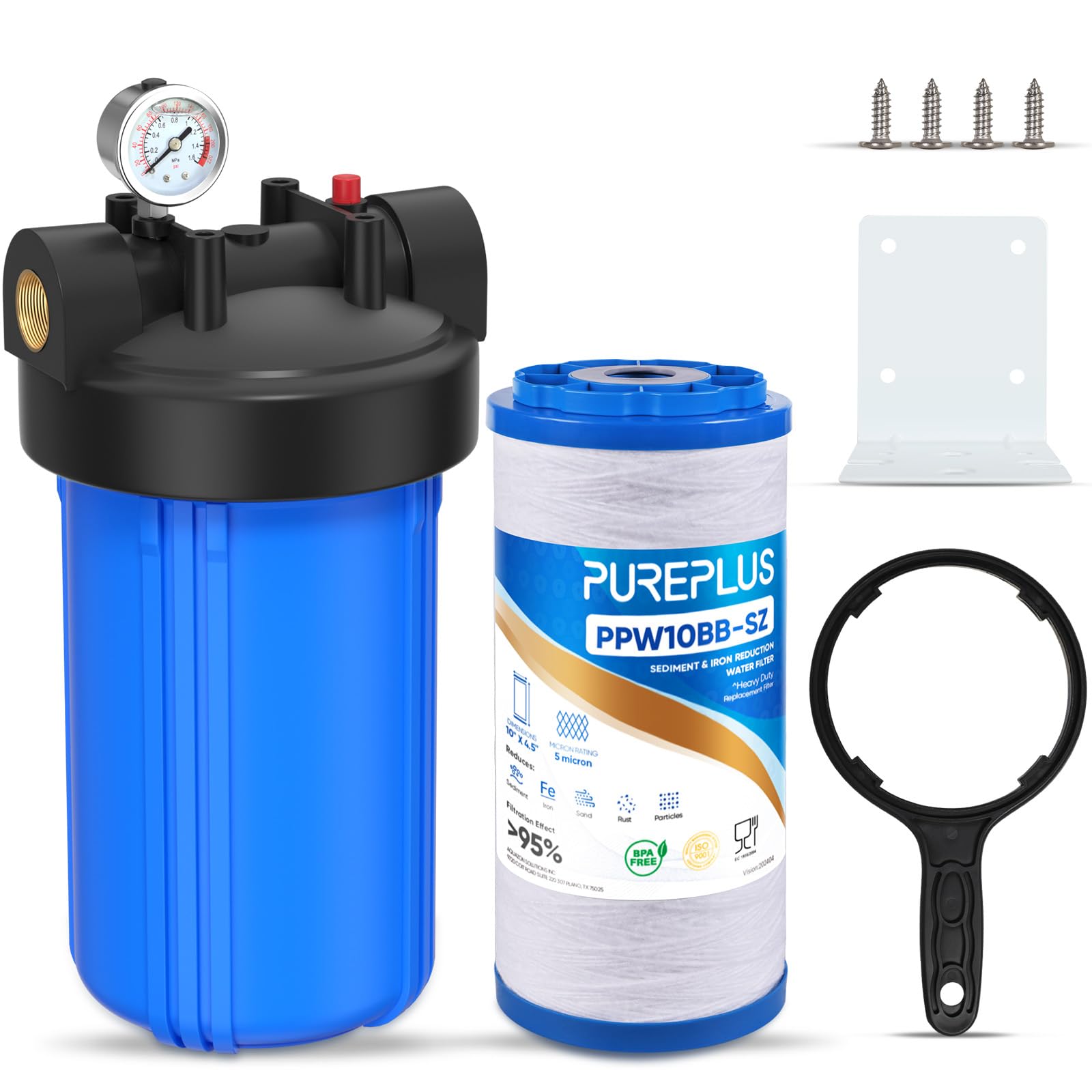
In 2026, clean water is non-negotiable. Iron filters are vital for homes with iron-tainted water. They tackle common issues from wells and city pipes. These systems remove dissolved, particulate, and colloidal iron. This prevents rust stains and appliance damage. Investing in an iron filter means better tasting water and healthier plumbing. It’s a smart move for any homeowner.
| Feature | Description |
| Primary Function | Removes iron contamination from water. |
| Types of Iron Addressed | Ferrous (dissolved), Ferric (particulate), Colloidal. |
| Common Media | Birm, Pyrolox, catalytic media, ion exchange resins. |
| Additional Benefits | Can also remove manganese and hydrogen sulfide. |
| Maintenance Needs | Regular backwashing or regeneration cycles. |
| Impact | Prevents staining, protects appliances, improves taste and odor. |
Whole House Iron Filter for Well Water
For homes relying on well water, a whole house iron filter is often essential. Well water is more prone to high iron levels. These systems treat all water entering your home. This protects every faucet, shower, and appliance. It ensures consistent water quality throughout your house. A properly sized system handles your home’s peak water usage.
How an Oxidizing Iron Filter Works
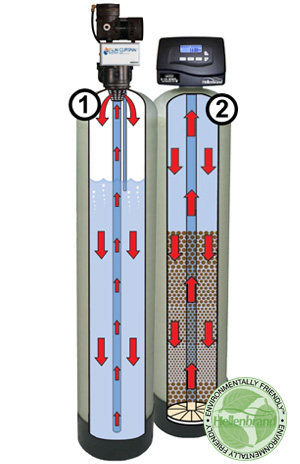
An oxidizing iron filter uses a process to change iron’s form. It converts dissolved ferrous iron into a solid form. This is usually ferric iron, which looks like rust. The filter media then captures these solid particles. This oxidation step is crucial for effective removal. It prepares the iron to be filtered out easily.
Read also: 41 Bird of Paradise Tips to Finally Get Those Orange Blooms
Ferrous Iron vs Ferric Iron Removal
Understanding iron types is key for effective iron water treatment. Ferrous iron is dissolved and invisible. Ferric iron is oxidized, visible as rust particles. Some filters excel at removing one type over the other. Many systems are designed to handle both. Oxidation is often needed to convert ferrous to ferric iron first.
Catalytic Carbon Iron Filter Benefits
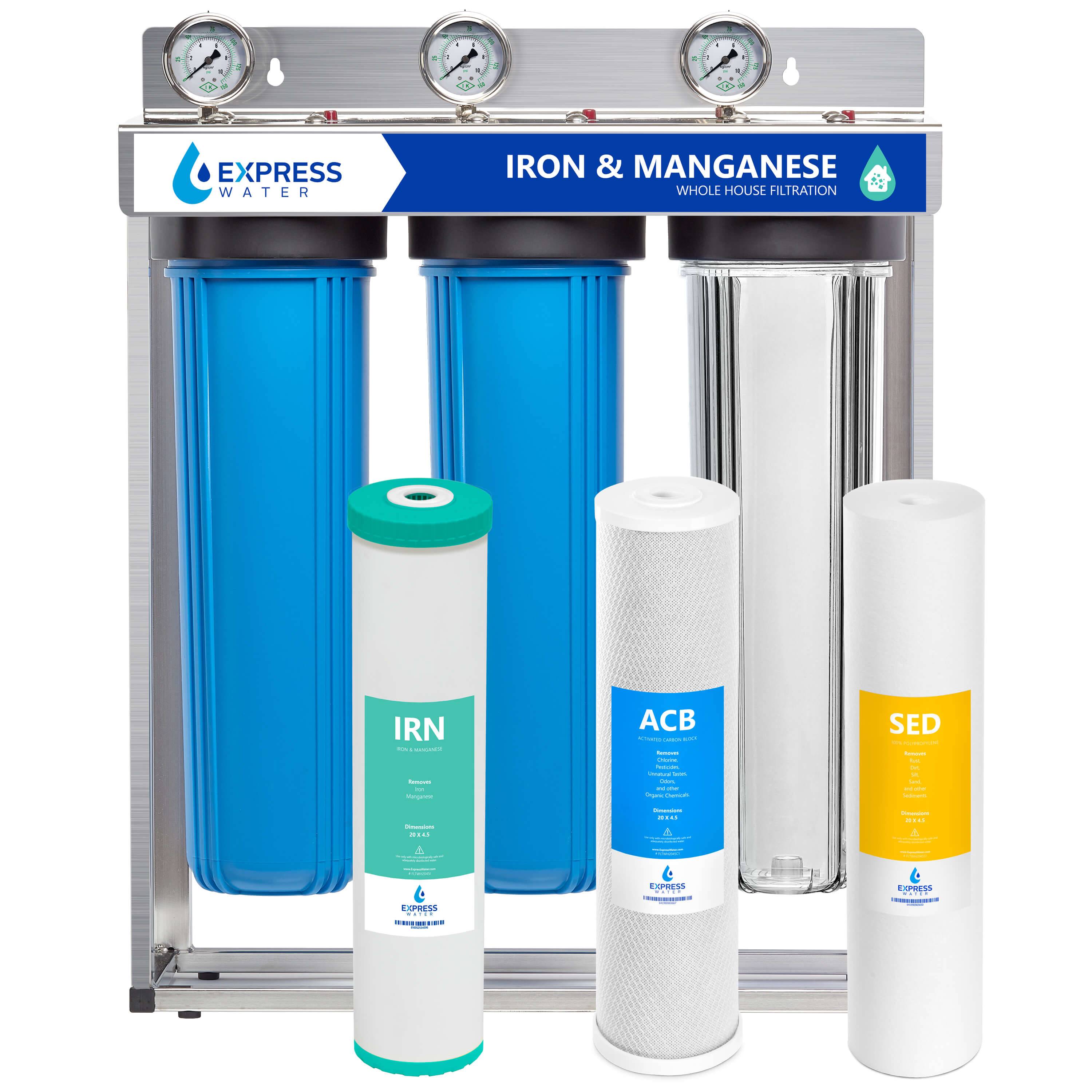
A catalytic carbon iron filter offers advanced performance. This media speeds up the oxidation process significantly. It’s highly effective at converting ferrous iron. This leads to superior removal rates. These filters can also handle higher iron concentrations. They are a top choice for challenging water conditions.
Rust Filter for Water: Key Features
When choosing a rust filter for water, look for specific features. Ensure it handles your water’s iron level. Check the required flow rate for your home. Consider the media’s lifespan and maintenance needs. Look for systems that address other common contaminants too. Durability and ease of maintenance are important factors.
Water Softener Iron Removal Systems
Some water softener iron removal systems exist. Standard water softeners can handle low iron levels. However, high iron can clog them quickly. Specialized systems combine softening with iron removal. They use specific resins or pre-oxidation. This protects the softener and removes iron effectively. It’s a dual-action solution for your water.
Read also: Stop Stripping Bolts: The Right Wrench for Every Job
Iron Water Treatment for Home Use
Effective iron water treatment for home use requires careful selection. Assess your water’s iron content and type. Consult local water quality reports if available. Choose a system designed for your specific needs. A whole house system is usually recommended. This ensures all water sources are treated.
Maintenance Tips for Iron Removal Systems
Regular maintenance is critical for iron removal system longevity. Follow the manufacturer’s schedule for backwashing. This flushes out trapped iron particles. Check and replace filter media as needed. This can range from years to a decade. Proper upkeep ensures peak performance. Neglecting maintenance leads to system failure.
Impact and Verdict
The future of iron filters points to greater efficiency and automation. Expect smarter systems that monitor water quality. They will adjust backwashing cycles automatically. For homeowners in 2026, an iron filter is a sound investment. It protects your home and improves your daily life. Prioritize water quality for peace of mind.
Read also: Why Your Rhododendron Isn’t Blooming (Fix It Fast)
Your 3-Step Action Plan for Cleaner Water
Step 1: Test Your Water First
Order a lab test that checks for iron, manganese, and hardness. This tells you exactly what your filter needs to handle.
Step 2: Choose the Right Media
For dissolved iron under 5 ppm, Birm works great. Higher levels need Pyrolox or a catalytic carbon blend.
Step 3: Set Up Proper Maintenance
Program your backwash timer for off-peak hours. Clean the pre-filter screen monthly to prevent clogging.
Frequently Asked Questions
Will an iron filter remove the rotten egg smell in my water?
Yes, most iron filters also remove hydrogen sulfide which causes that smell. Look for models with catalytic media for best results.
Do I need a water softener before or after the iron filter?
Install the iron filter first if your hardness is below 10 grains. For harder water, a softener before the iron filter protects the media.
How often do I need to replace the filter media?
High-quality media lasts 10 to 15 years with proper backwashing. Replace it sooner if you notice staining returning.
Choosing the right iron filter saves your plumbing and laundry from stubborn rust stains. Trust the process and invest in a system matched to your water chemistry.
Next, measure your flow rate and check local code requirements for installation. This ensures your filter works efficiently for years.
Imagine turning on your faucet and seeing crystal clear water every time. That peace of mind is worth the upfront effort.
