

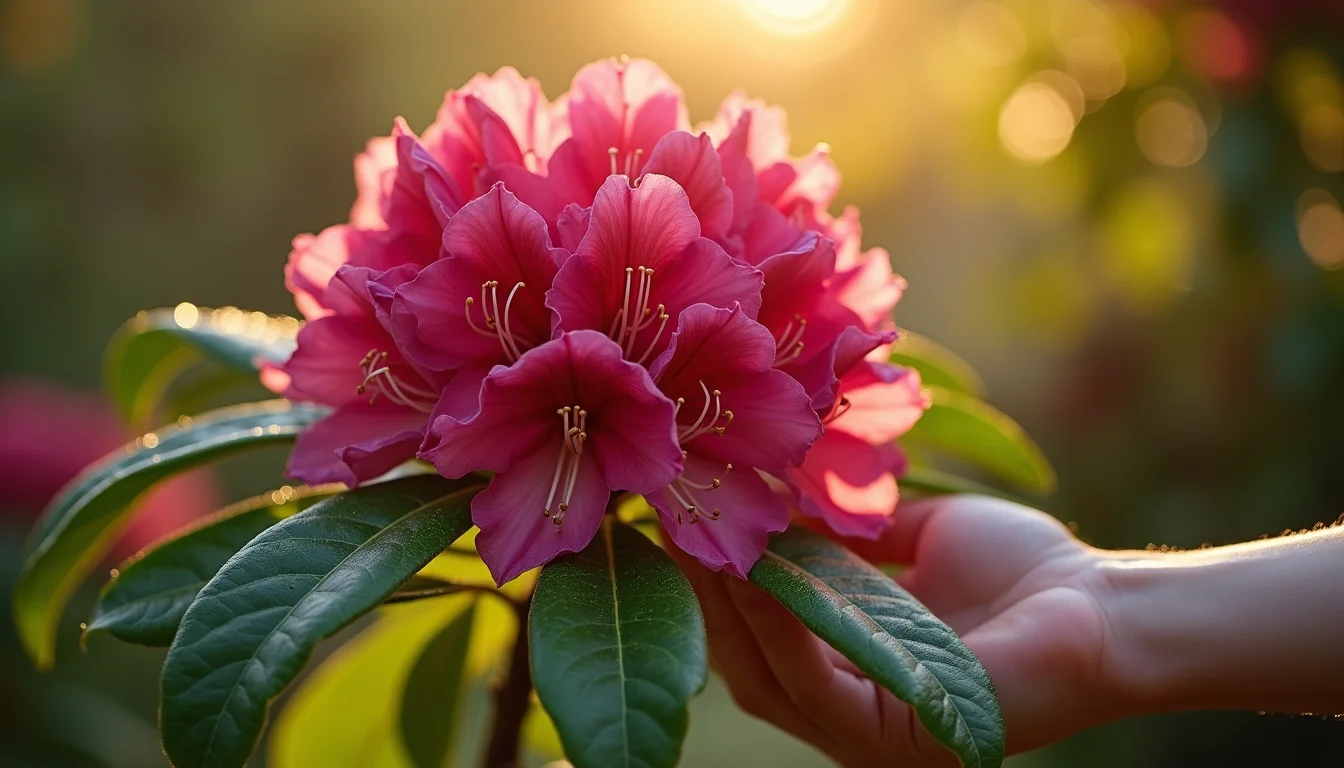
You bought a rhododendron and planted it in full sun thinking more light means more blooms. Now the leaves are yellow and the flowers are sparse. This is the number one mistake homeowners make with this stunning spring shrub.
Rhododendrons need dappled shade, not direct afternoon sun. They thrive under a tree canopy where the light is filtered. Plant them in the wrong spot and you will fight leaf scorch and poor flowering for years.
Rhododendron Varieties and How to Choose the Right One for Your Yard
With over 1,000 species, picking a rhododendron can feel overwhelming. Focus on your USDA hardiness zone first. For cold climates, look for ‘PJM Elite’ which blooms reliably down to zone 4. In warmer zones, ‘Nova Zembla’ offers stunning red trusses and tolerates more sun.
Size matters too. Common garden rhododendrons grow 3 to 10 feet tall, but some dwarf types stay under 3 feet. Check the mature size before planting to avoid pruning headaches later. Also remember that all azaleas are rhododendrons, but true rhododendrons have larger, leathery leaves and bell-shaped flower trusses, while azaleas have smaller, thinner leaves and funnel-shaped flowers with fewer stamens.
Rhododendrons: Bringing Vibrant Color to Your 2026 Landscape
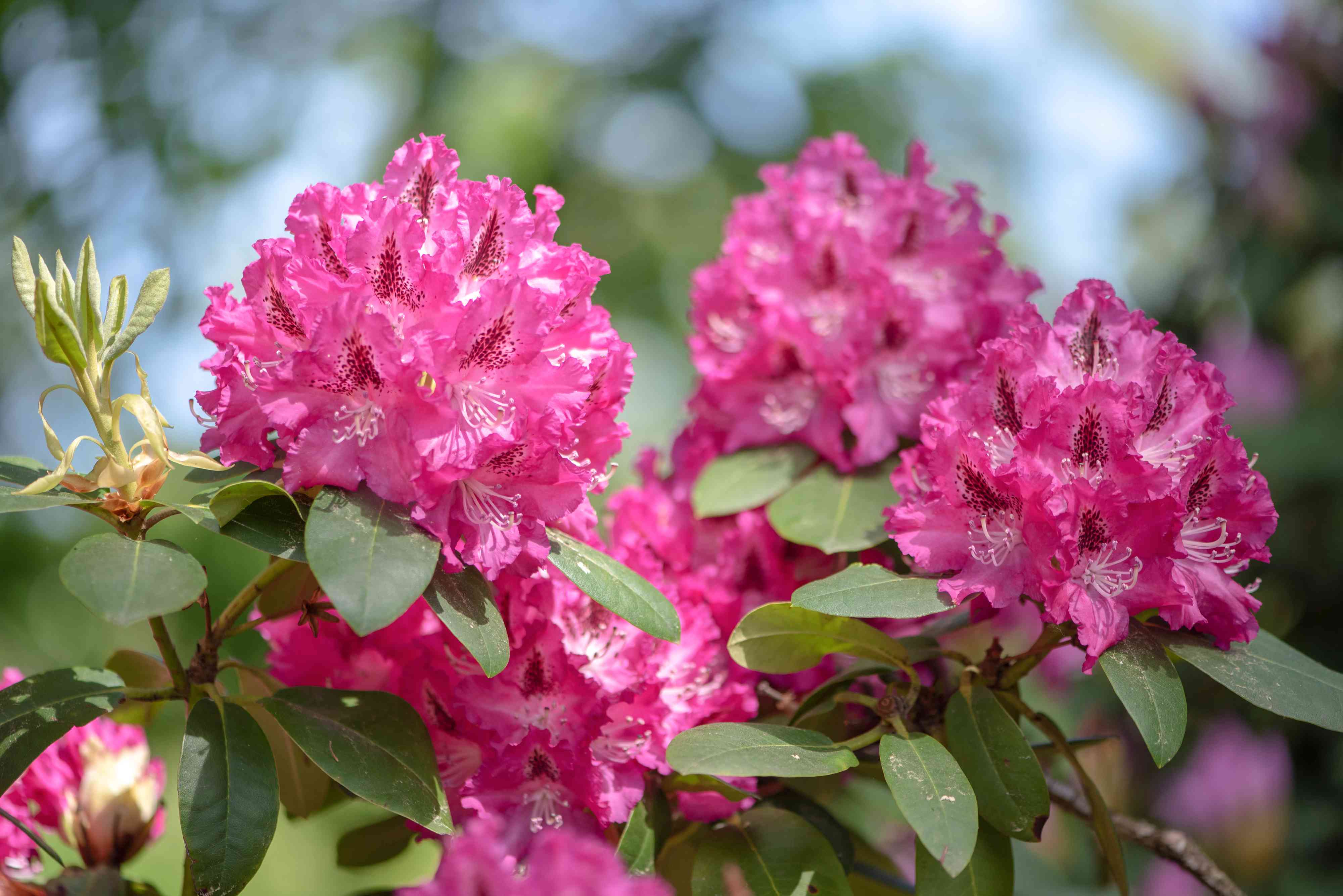
Rhododendrons are stunning flowering shrubs known for their spectacular spring blooms and glossy evergreen leaves. With over 1,000 species, these plants offer a wide range of sizes and colors to enhance any garden. They thrive in conditions that mimic their native woodland homes. Understanding their specific needs is key to a successful planting. This guide will help you select and care for these beautiful plants.
| Feature | Details |
| Genus | Rhododendron |
| Species Count | Over 1,000 |
| Mature Height (Typical) | 3-10 feet |
| Bloom Colors | Pink, purple, red, white, yellow |
| Soil pH | 4.5-6.0 (Acidic) |
| Light Needs | Dappled shade or morning sun |
| Root System | Shallow, fibrous |
| Mulch Layer | 2-3 inches organic mulch |
Rhododendron Varieties for Your Garden
Choosing the right rhododendron variety ensures success in your specific climate and garden space. Popular choices include the cold-hardy PJM Elite, known for its reliable spring flowers. For a striking visual, consider the Lavender Rhododendron. If space is limited, the compact Bloombux Blush is an excellent option. The Nova Zembla is a popular choice for its vibrant red blooms and tolerance to more sun.
It is important to select rhododendron species and hybrids suited to your USDA hardiness zone. This simple step prevents disappointment and ensures your plant thrives for years. Researching local conditions will guide you to the best performers.
Rhododendron Care: Watering and Mulching Tips
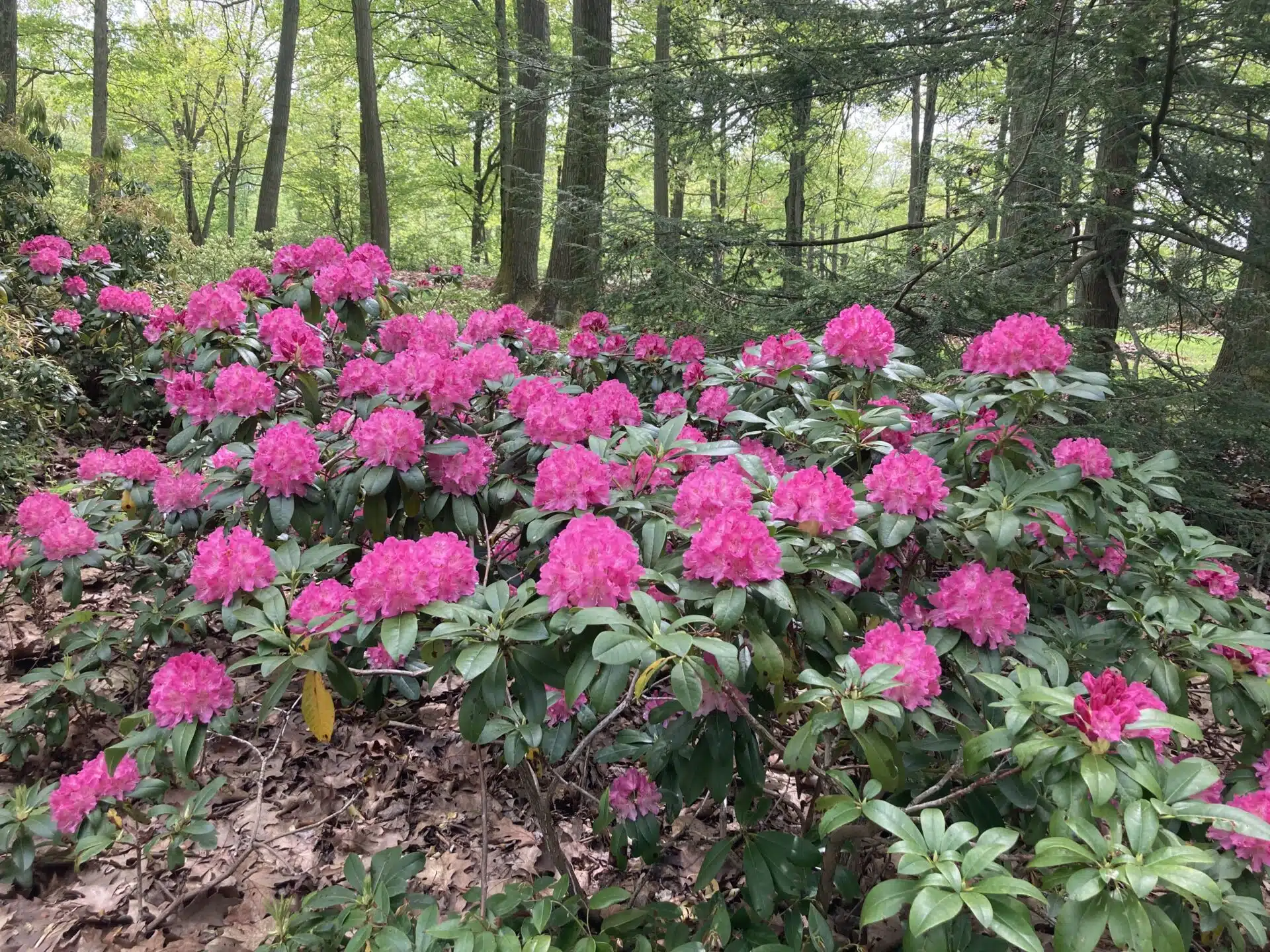
Consistent moisture is vital for rhododendrons, especially during dry periods. Water deeply when the top inch of soil feels dry. Avoid overhead watering, which can encourage fungal diseases. Aim water directly at the base of the plant.
Applying a 2-3 inch layer of organic mulch is crucial. Use materials like pine bark or wood chips. Mulch helps keep the roots cool and retains soil moisture. Always keep mulch a few inches away from the trunk to prevent rot and discourage pests. This simple practice supports a healthy root system.
Planting Rhododendrons: Soil and Light Requirements
Rhododendrons demand specific conditions to flourish. They require acidic soil with a pH between 4.5 and 6.0. The soil must also be rich in organic matter and drain exceptionally well. Poor drainage leads to root rot, a common problem for these plants.
Most rhododendrons prefer dappled shade or morning sun. Protect them from intense afternoon sun, which can scorch their leaves. Some smaller-leaved cultivars tolerate more sun. Planting too deep is a frequent mistake; ensure the top of the root ball is slightly above the soil line.
For more information on plant selection and care, consult resources like the Missouri Botanical Garden. They offer detailed profiles on many plant species.
How to Prune Rhododendrons for Healthy Growth
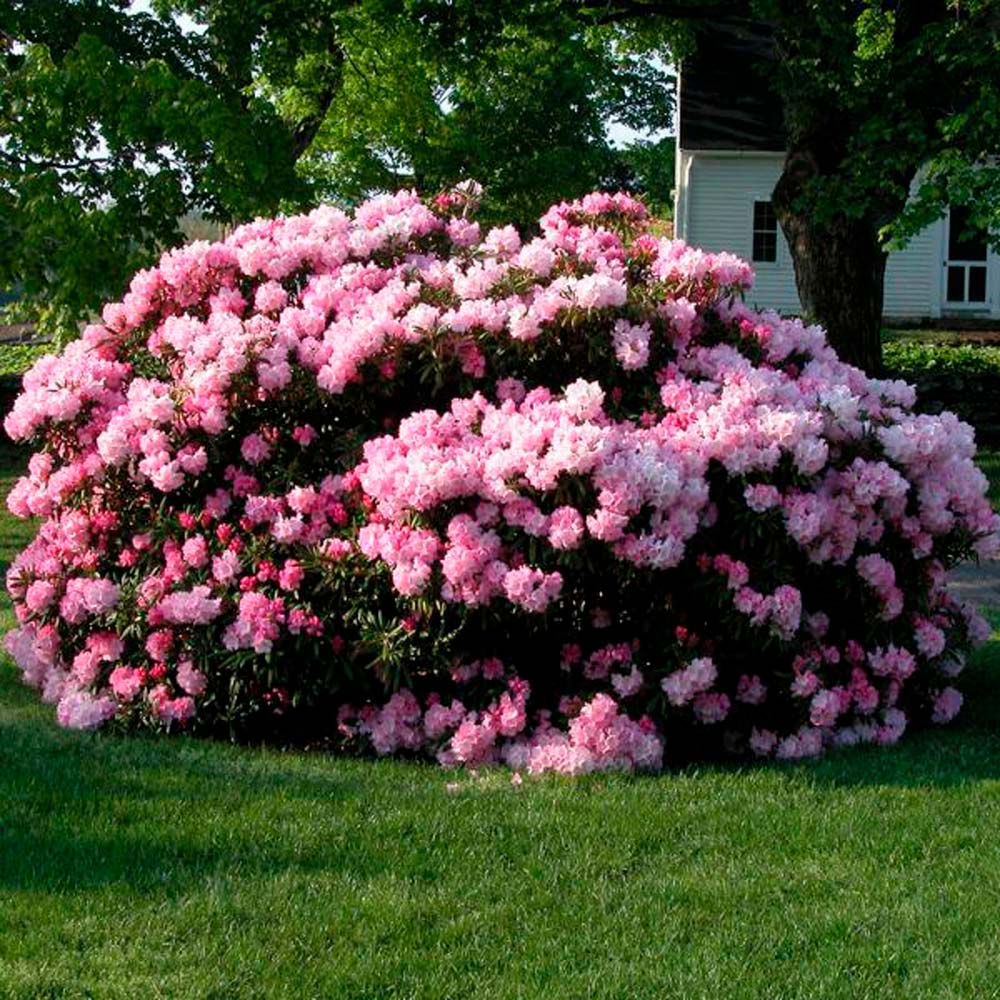
Pruning is essential for maintaining the shape and health of your rhododendron. The best time to prune is immediately after the plant finishes flowering in late spring or early summer. This timing allows the plant to set buds for the following year.
Remove any dead, damaged, or crossing branches. You can also prune to control size or shape. Make cuts just above a leaf node or a side branch. Avoid heavy pruning on mature plants, as it can stress them. For extensive reshaping, consider consulting a professional.
Rhododendron vs Azalea: Key Differences
While all azaleas are technically rhododendrons, there are distinct differences. Rhododendrons typically have larger, glossier, evergreen leaves. Their flowers are often bell-shaped and grow in trusses.
Azaleas tend to have smaller, thinner leaves that may be hairy. Their flowers are often funnel or trumpet-shaped and can appear more solitary. Rhododendrons generally have 10 or more stamens, while azaleas usually have five. Understanding these distinctions helps in choosing the right plant.
Learn more about the differences on Birds & Blooms.
Cold-Hardy Rhododendrons for USDA Zones 4-7
Selecting cold-hardy rhododendrons is crucial for gardeners in colder climates. Varieties like the PJM group are specifically bred for resilience. They can withstand harsh winter temperatures common in USDA Zones 4 through 7.
These plants offer beautiful blooms even after a tough winter. Look for cultivars explicitly labeled as cold-hardy. Proper planting and care, as outlined above, will further enhance their survival rates in challenging zones.
Preventing Root Rot in Acidic Soil Rhododendrons
Root rot is a significant threat to rhododendrons, primarily caused by overwatering and poor drainage. Ensuring the soil is well-draining is paramount. Amend heavy clay soils with compost or other organic matter to improve aeration.
Planting at the correct depth is also vital. The root ball should sit slightly above the surrounding soil. This elevation allows excess water to drain away from the sensitive roots. Avoid letting the plant sit in waterlogged conditions at all costs.
Rhododendron Pests and Diseases: Identification and Control
Common pests include aphids, scale, and vine weevils. Inspect your plants regularly for any signs of infestation. Aphids can be washed off with a strong spray of water or treated with insecticidal soap. Scale insects may require horticultural oil.
Fungal diseases, such as powdery mildew and leaf spot, can also affect rhododendrons. These are often linked to humidity and poor air circulation. Ensure good airflow around your plants and avoid wetting the foliage when watering. Prompt removal of affected leaves helps prevent spread.
The Verdict: Rhododendrons as a Smart Landscape Investment
Rhododendrons offer unparalleled beauty and a long-lasting return on investment for your garden. Their vibrant spring displays and evergreen foliage provide year-round interest. By understanding their specific needs for acidic soil, proper watering, and light, you can ensure their success.
Choosing the right varieties for your zone and diligently preventing common issues like root rot will lead to a thriving, stunning landscape. These shrubs are a worthwhile addition for any home gardener seeking dramatic floral impact.
Your 3-Step Rhododendron Action Plan
Step 1: Test and Amend Your Soil
Buy a simple pH test kit from any garden center. Your soil must be acidic, between 4.5 and 6.0.
If your pH is too high, mix in sulfur or peat moss before planting. This creates the perfect environment for root health.
Step 2: Plant Shallow and Mulch Right
Dig a hole only as deep as the root ball but twice as wide. Set the top of the root ball an inch above the soil line.
Spread a 2- to 3-inch layer of pine bark mulch around the plant. Keep the mulch a few inches away from the stem to avoid rot.
Step 3: Water Deeply, Not Often
Rhododendrons have shallow roots that need consistent moisture but hate soggy soil. Water once a week during dry spells, giving the root zone a good soak.
Check the soil before watering—if the top inch is dry, it’s time to water. This simple habit prevents root rot and keeps leaves glossy.
Frequently Asked Questions
Why are my rhododendron leaves turning yellow?
Yellow leaves usually mean the soil pH is too high, causing iron deficiency. Test your soil and apply an acidifying fertilizer if needed.
Can I prune my rhododendron after it blooms?
Yes, prune right after flowering to shape the plant and remove dead wood. Avoid late summer pruning because it cuts off next year’s flower buds.
How do I protect my rhododendron from frost?
Cover the shrub with burlap or frost cloth when a hard freeze is forecast. Mulch heavily around the base to insulate the shallow roots.
You now have the knowledge to grow stunning rhododendrons that will bloom year after year. Trust the process—these shrubs reward patience with spectacular spring displays.
Start with a soil test this weekend, then choose a cultivar suited to your zone. Your garden will thank you with vibrant color and lush foliage.
Imagine your landscape transformed by trusses of pink, purple, and white each spring. That vision is within reach with just a few thoughtful steps.
