

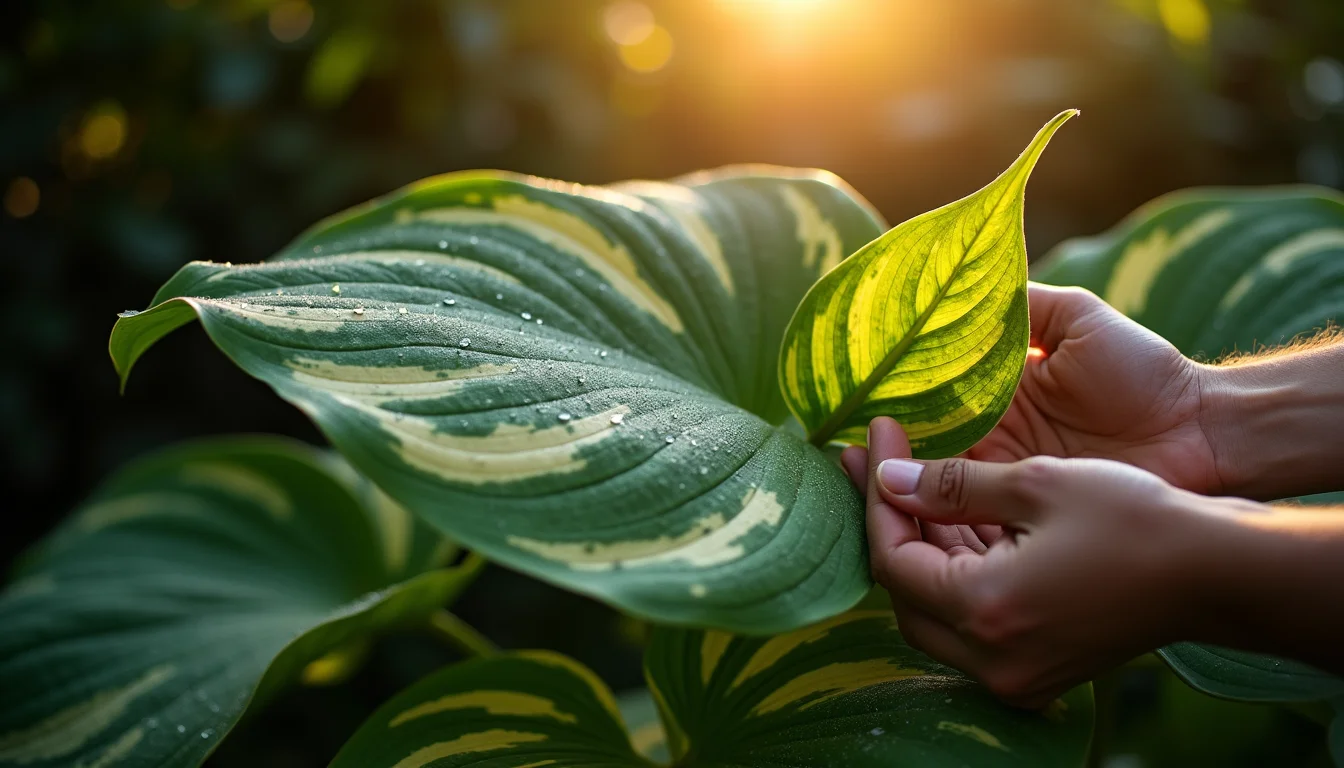
You love the look of a lush, green garden, but those shady spots under the trees feel like a lost cause. The grass won’t grow, and bare dirt is all you see. Hostas solve that problem better than any other plant.
These tough perennials thrive where most plants fail, turning dark corners into a showpiece. With hundreds of varieties, from tiny ‘Blue Mouse Ears’ to giant ‘Empress Wu,’ there’s a hosta for every shady nook. You don’t need a green thumb to succeed with these.
The Queen of Shade: Why Hostas Rule Your Garden
Hostas, also called plantain lilies, are the go-to choice for shady yards across the US. They’re hardy from USDA zones 3 to 9, meaning they survive cold winters and hot summers with ease. Their main job is to provide stunning foliage that stays beautiful from spring until the first frost.
These plants love rich, moist soil that drains well, so add organic matter if you have heavy clay. Give them about 1 inch of water per week, and more for newly planted ones. A balanced, slow-release fertilizer in early spring gives them a strong start.
For the best color, remember: gold-leaved hostas like ‘Stained Glass’ can take morning sun, but blue varieties like ‘Blue Angel’ need deep shade to keep their waxy coating. Slugs are the biggest pest, so pick thick-leaved types like ‘Sum and Substance’ to fight them off. Cut back dead foliage after the first hard frost to keep your garden clean.
Hostas: The Shade Garden’s Workhorse in 2026
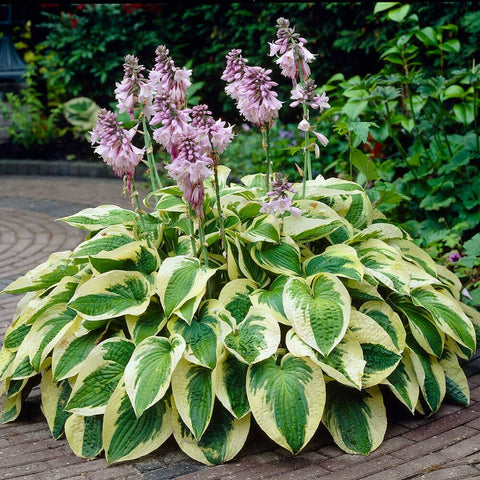
Hostas, known scientifically as Hosta, are the ultimate choice for adding lush foliage to shady spots. These herbaceous perennials are incredibly tough. They offer a stunning range of colors and textures. Many varieties can live for decades with little fuss. They are a staple for a reason.
| Feature | Details |
| Scientific Name | Hosta |
| Common Names | Plantain Lilies, Funkia |
| Hardiness Zones | USDA Zones 3–9 |
| Primary Appeal | Foliage diversity (greens, blues, golds) |
| Sun Tolerance | Partial to full shade preferred; some tolerate morning sun |
| Soil Needs | Well-draining, rich, moist soil; avoid heavy clay |
| Water Needs | Approx. 1 inch weekly; more for new plants |
| Maintenance | Fertilize in spring, remove spent flowers, clean up in fall |
| Size Range | Miniature (<6 inches) to Giant (>2 feet) |
| Pest Resistance | Thicker leaves offer better slug resistance |
Plantain Lilies for Shade Gardens
These plants are perfect for bringing life to shady areas. They are known as plantain lilies for their leaf shape. Most hostas thrive in partial to full shade. This makes them ideal for under trees or on the north side of a house. They provide continuous visual interest all season long. Their large leaves can fill out garden beds beautifully.
The key is consistent moisture and good soil. Hostas prefer soil rich in organic matter. This helps retain moisture without becoming waterlogged. Heavy clay soils can cause root rot, which these plants dislike. Proper soil preparation is essential for healthy growth.
Read also: Love Forget-Me-Nots? Stop Them From Taking Over Your Garden
Blue-Leaved Hosta Varieties
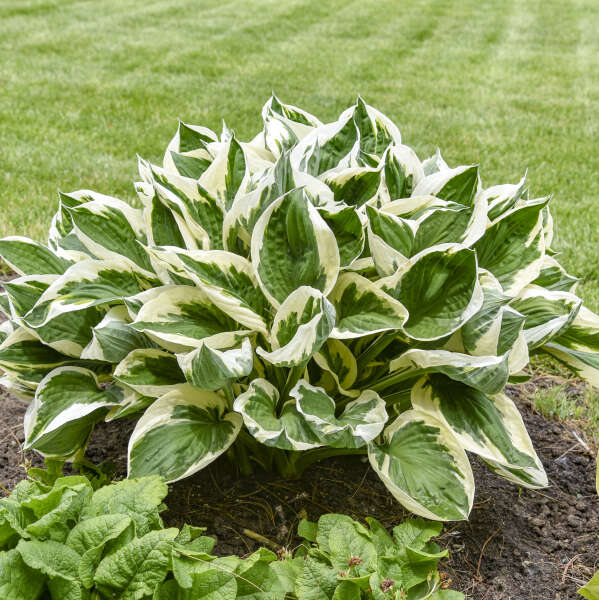
For a cool, serene look, choose blue-leaved hostas. Their powdery blue color comes from a waxy coating on the leaves. This coating is delicate and needs protection from intense sun. Deep shade helps preserve their striking blue hue. Varieties like ‘Blue Angel’ are known for their impressive size and color.
It is important to remember that even blue hostas need some care. Avoid planting them where they will receive hot afternoon sun. This can scorch the leaves and diminish the blue color. Gentle handling during planting and maintenance is also advised.
Gold Foliage Hostas for Sun
While most hostas prefer shade, some varieties can handle more light. Gold foliage hostas often benefit from morning sun. This light can intensify their vibrant yellow or gold coloration. ‘Stained Glass’ is a popular example, offering bright, variegated leaves. These can brighten up darker corners of the garden.
However, even these sun-tolerant types need protection from the harshest midday sun. Too much direct sun, especially in hot climates, can lead to leaf scorch. Monitor your plants closely. Adjust their location if you notice signs of stress.
Read also: 50 Blue Flowers That Stay True Blue in Any Garden
Slug-Resistant Hosta Cultivars
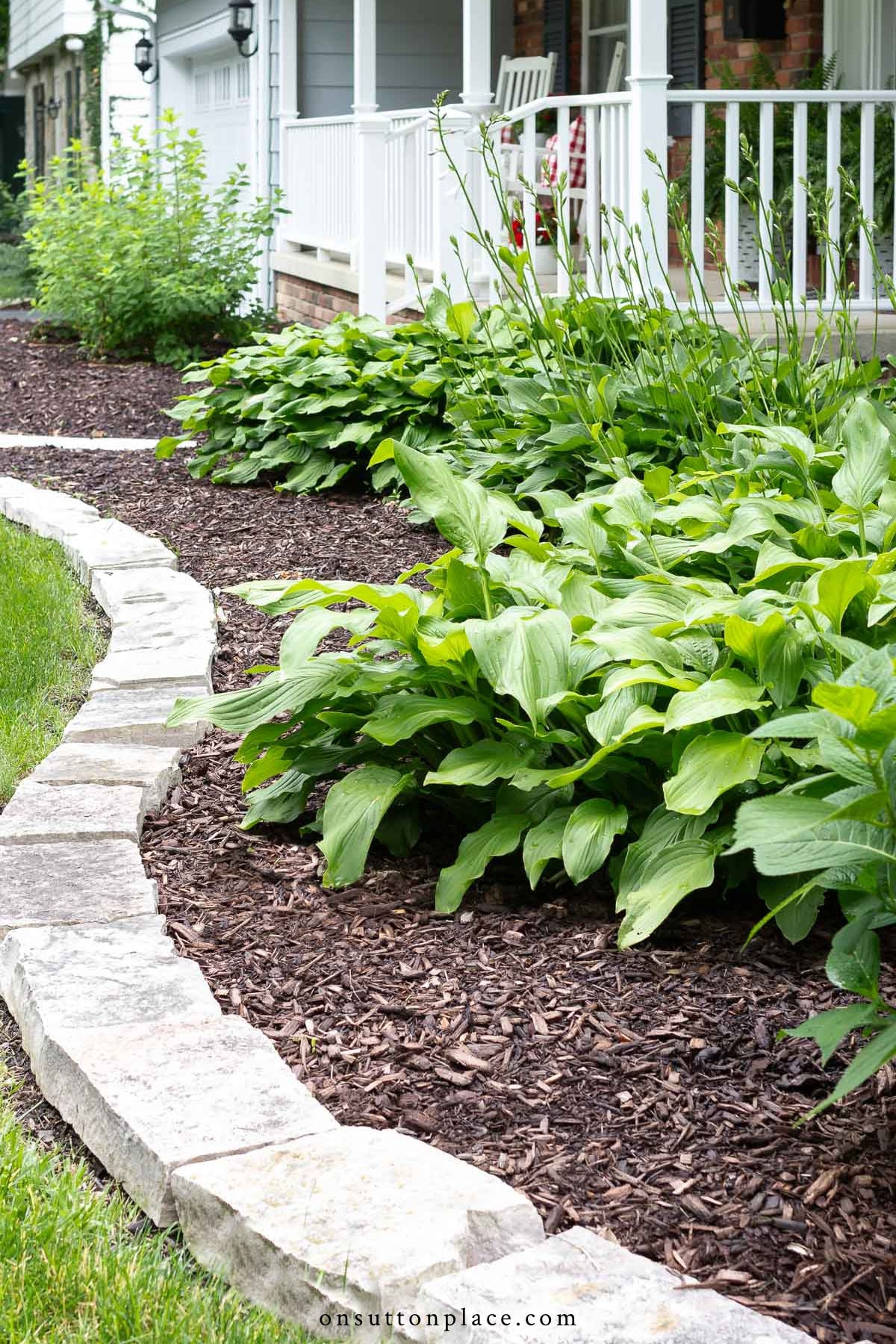
Slugs are a common nuisance for hosta growers. They love to munch on those delicious leaves. Fortunately, some hosta varieties are more resistant. Look for cultivars with thicker, tougher, or more textured leaves. ‘Sum and Substance’ and ‘Brother Stefan’ are excellent choices. These have a better chance of withstanding slug attacks.
While no hosta is completely slug-proof, these varieties offer better odds. Combining resistant types with other slug control methods can be very effective. Keeping the garden clean also helps reduce hiding spots for pests.
Miniature Hostas for Small Spaces
Don’t think hostas are only for large gardens. Miniature hostas are perfect for containers or small garden beds. They offer all the beauty of larger varieties on a smaller scale. ‘Blue Mouse Ears’ is a classic example, with its small, rounded, blue-green leaves. These tiny treasures add charm without taking up much space.
These smaller varieties are also great for edging pathways or creating miniature landscapes. Their compact size makes them versatile. They can be used in rock gardens or fairy gardens as well.
Large and Giant Hosta Choices
For a dramatic statement, consider large or giant hostas. These plants can grow several feet wide and tall. ‘Empress Wu’ is one of the largest, reaching up to 4 feet in height. These specimens create a focal point in any garden. Their substantial foliage provides a lush, tropical feel.
Planting large hostas requires adequate space. Ensure they have room to reach their full size. They can dominate a small garden quickly. These giants are best suited for larger landscapes or as standalone features.
Companion Plants for Hostas
Hostas look even better with the right companion plants. Astilbes, ferns, and hedyra add texture and color. These plants often share similar shade and moisture needs. They create a layered, full look in shady garden areas. Consider plants that bloom when hostas are not in flower for extended interest.
Choosing companions that complement the hosta’s foliage is key. Think about contrasting leaf shapes and colors. This creates a more dynamic and visually appealing display. Proper spacing ensures all plants have room to grow.
Watering Needs for Newly Planted Hostas
Newly planted hostas need consistent moisture to establish their roots. Water them deeply about twice a week. Aim for about 1 inch of water each time. This helps the plant settle into its new home. Avoid letting the soil dry out completely.
Once established, their watering needs decrease. However, consistent moisture is still important, especially during dry spells. Check the soil moisture regularly by sticking your finger a few inches down. Water when the top inch or two feels dry.
The Enduring Appeal of Hostas
Hostas remain a top choice for gardeners seeking low-maintenance beauty. Their adaptability and variety are unmatched. In 2026, we see continued innovation in new cultivars. Breeders are focusing on unique colors, textures, and improved pest resistance. They are truly a garden essential.
For anyone looking to enhance their shady spaces, hostas deliver. Their resilience and visual impact are undeniable. You can find a hosta for almost any situation. Explore options from local nurseries or online retailers like Proven Winners. Consider starting with a few reliable varieties and expand from there. You can also learn more at The Old Farmer’s Almanac.
Your 3-Step Action Plan for Hostas
Step 1: Pick the Right Spot
Most hostas need shade, but golden ones can take morning sun.
Blue hostas must stay in deep shade to keep their color.
Step 2: Prepare the Soil
Dig in compost to make the soil rich and well-draining.
Avoid heavy clay; it causes root rot.
Step 3: Plant and Water Correctly
Space plants according to their mature size.
Water 1 inch per week, twice a week for new plants.
Frequently Asked Questions
Can I grow hostas in full sun?
Only gold or light green varieties tolerate some morning sun.
Blue or dark green hostas will scorch and fade in direct sun.
How do I protect hostas from slugs?
Choose thick-leaved varieties like ‘Sum and Substance’.
Apply iron phosphate bait or use beer traps around the base.
When should I divide my hostas?
Divide in early spring or fall when the plant is dormant.
Every 3 to 5 years is enough to keep them healthy and vigorous.
Hostas are the backbone of any shade garden, offering decades of beauty with very little work.
You can trust that these hardy perennials will reward your simple efforts year after year.
Start with a classic like ‘June’ or ‘Blue Angel’ and build your collection over time.
Visit your local nursery this weekend and pick out three varieties to plant.
Imagine your shady corner transformed into a lush, layered tapestry of foliage.
Hostas are the quiet heroes that make every garden feel complete.
