


Forget-me-nots are more than just pretty blue flowers. They carry a deep meaning of remembrance and love, but many people struggle to keep them from taking over the garden. If you love their charm but worry about them spreading out of control, you are not alone.
The good news is that with a few simple tricks, you can enjoy these delicate blooms without the headache. Forget-me-nots are tough plants that thrive in moist soil and partial shade, making them perfect for tricky spots under trees or along fences. Let’s get straight to what you need to know.
Understanding Forget-Me-Not Varieties and Their Needs
There are several types of forget-me-nots, but the most common is the woodland forget-me-not (Myosotis sylvatica). This short-lived perennial acts like a biennial and seeds itself freely. If you want a true water lover, choose the water forget-me-not (Myosotis scorpioides), which grows well near ponds or in consistently wet spots.
The alpine forget-me-not (Myosotis alpestris) is a hardy mountain native that does better in cooler climates and well-drained soil. For a unique twist, try the changing forget-me-not (Myosotis discolor), whose flowers shift from pale yellow to blue as they age. All these varieties need partial shade and rich, moist soil to thrive.
One common mistake is planting forget-me-nots in full sun, which causes the leaves to scorch and the flowers to fade quickly. Another error is letting them go to seed without deadheading, leading to an invasion next season. To keep them in check, simply cut back spent flower stalks before seeds form.
Forget-Me-Nots: A Timeless Bloom for 2026 Gardens
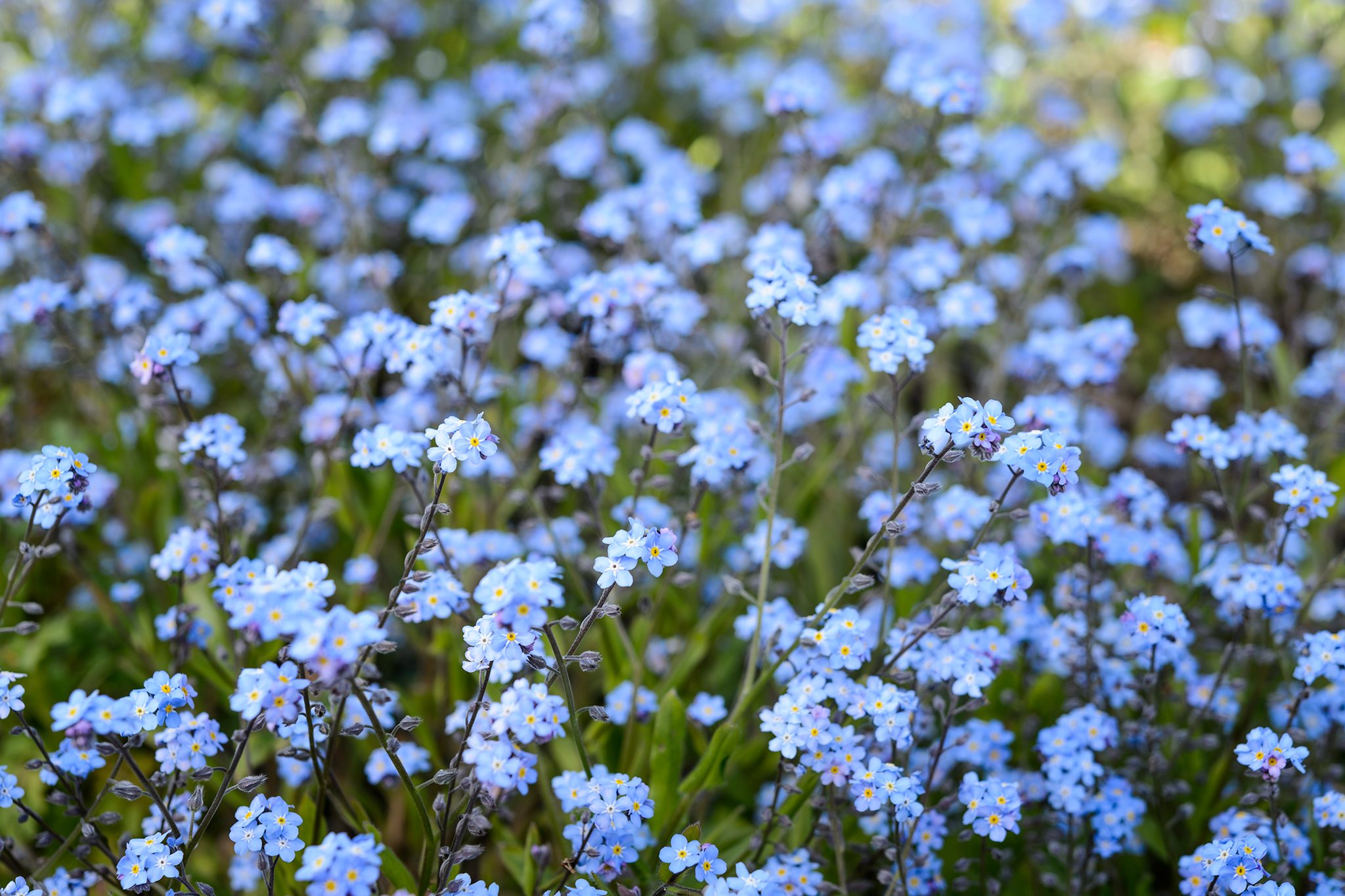
Forget-me-nots, with their delicate blue petals, continue to capture hearts in 2026. These charming flowers offer more than just beauty; they carry deep symbolism. Their small size and vibrant color make them a favorite for gardeners. They bring a touch of enduring remembrance to any landscape. Understanding their needs ensures a beautiful display year after year. This guide focuses on practical cultivation and their rich meaning.
| Botanical Name | Common Name | Key Feature |
| _Myosotis_ | Forget-Me-Not | Small blue flowers, yellow center |
| _M. sylvatica_ | Woodland Forget-Me-Not | Shade-loving, short-lived perennial |
| _M. scorpioides_ | Water Forget-Me-Not | Prefers wet conditions |
| _M. alpestris_ | Alpine Forget-Me-Not | Hardy, suitable for rock gardens |
| _M. discolor_ | Changing Forget-Me-Not | Flowers change color as they mature |
Myosotis sylvatica: Woodland Forget-Me-Not Care
The Woodland Forget-Me-Not, or Myosotis sylvatica, is a popular choice for shady garden spots. It thrives in partial shade to dappled sunlight. Consistent moisture is key for its health. This variety is often grown as an annual, though it can be a short-lived perennial. It readily self-seeds, so be prepared for its spread.
To manage its vigorous growth, deadheading spent flowers is recommended. This prevents unwanted colonization in other garden areas. Planting in rich, well-drained soil will give it the best start. Its delicate blue flowers create a lovely carpet under trees or in woodland settings.
Read also: Garage Doors in 2026: Styles That Boost Curb Appeal Fast
Myosotis scorpioides: Water Forget-Me-Not Growing Tips
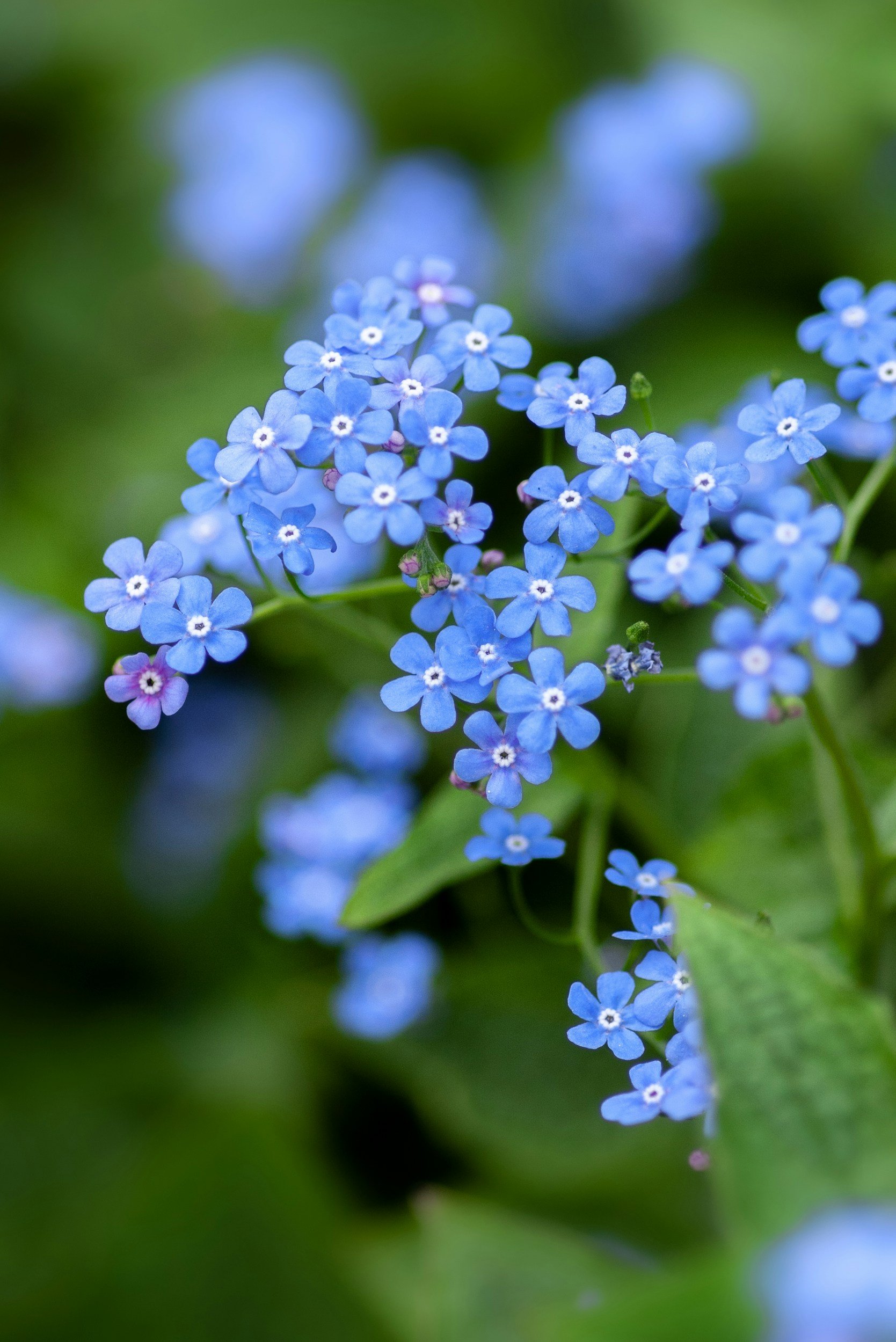
Myosotis scorpioides, known as the Water Forget-Me-Not or True Forget-Me-Not, is perfectly suited for damp environments. It loves consistently moist soil and can even tolerate boggy conditions. This makes it an excellent choice for pond edges or water gardens. Its true blue flowers are a beautiful sight along water features.
Ensure the planting location retains moisture throughout the growing season. Avoid letting the soil dry out completely, especially during warmer months. This variety also self-seeds, continuing the blue display year after year. It adds a splash of color to otherwise wet garden areas.
Myosotis alpestris: Alpine Forget-Me-Not for Rock Gardens
The Alpine Forget-Me-Not, Myosotis alpestris, is a hardy perennial native to mountain regions. It is an ideal plant for rock gardens and alpine settings. This variety prefers well-drained soil and full sun to partial shade. Its compact growth habit makes it perfect for smaller spaces.
Alpine forget-me-nots are known for their resilience and ability to withstand colder climates. They add a delightful splash of blue to rocky landscapes. Proper drainage is crucial to prevent root rot in these plants. They bring a touch of the mountains to your garden design.
Read also: How to Patch a Hole in the Wall in Under 2 Hours (No Experience Needed)
Myosotis discolor: The Changing Forget-Me-Not
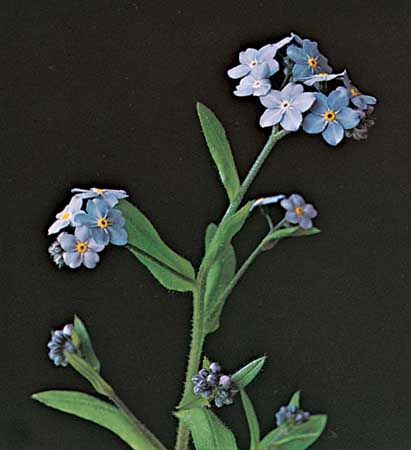
Myosotis discolor, the Changing Forget-Me-Not, offers a unique visual appeal. Its flowers start as yellow or white buds. They then transition to the familiar sky-blue as they mature. This color-changing characteristic provides a dynamic display in the garden.
This species prefers moist soil and partial shade. It is a smaller variety, making it suitable for borders or containers. Its intriguing color shift adds an element of surprise. It’s a fascinating addition for any plant enthusiast.
Myosotis oblongata: A Unique Forget-Me-Not Species
While less common, Myosotis oblongata represents another facet of this diverse genus. Its specific cultivation needs may vary, but it generally prefers conditions similar to other forget-me-nots. Understanding its unique characteristics can enhance its growth. It contributes to the wide variety within the _Myosotis_ family.
Researching specific care for this variety is beneficial. It offers gardeners a chance to explore less common forget-me-not types. Its inclusion expands the possibilities for diverse garden designs. It’s a great option for those seeking unique plant varieties.
Myosotis arvensis: Field Forget-Me-Not in Wild Gardens
The Field Forget-Me-Not, Myosotis arvensis, is often found in more naturalized settings. It thrives in open fields and disturbed soils. This variety is well-suited for wild gardens or meadows. It adds a touch of natural charm and resilience.
It prefers sunny locations and well-drained soil. This species is known for its ability to naturalize easily. It can be a valuable addition to ecological landscaping projects. Its presence supports local pollinators and adds to biodiversity.
Myosotis palustris: Marsh Forget-Me-Not for Wet Soil
Myosotis palustris, the Marsh Forget-Me-Not, is another excellent choice for wet areas. It is closely related to the Water Forget-Me-Not. It thrives in consistently damp to waterlogged conditions. Its presence can beautify pond margins and marshy garden sections.
This plant is a robust grower in its preferred habitat. It requires no special care beyond ensuring it has adequate moisture. Its vibrant blue flowers are a welcome sight in wetland gardens. It is a key plant for creating natural water features.
Forget-me-nots are a reminder of nature’s enduring beauty and the importance of memory. Their scientific name, Myosotis, comes from Greek words meaning ‘mouse’s ear,’ referring to their leaves.
Forget-Me-Not Flower Meaning and Symbolism
The forget-me-not flower carries profound symbolism. Its name directly relates to remembrance and enduring love. This makes it a popular choice for memorials and commemorative gardens. It is also an international emblem for Alzheimer’s and dementia awareness.
Historically, it has been used to honor fallen soldiers. Its delicate appearance belies its strong message. The flower reminds us to cherish memories and loved ones. It is a symbol of connection that transcends time. You can learn more about its scientific classification at Wikipedia.
The state of Alaska officially recognizes the forget-me-not as its state flower. This designation highlights its significance within the United States. It was chosen through a statewide election in 1917. Its enduring appeal is clear across various contexts. Find more cultivation advice at Almanac.com.
The Enduring Appeal of Forget-Me-Nots
Forget-me-nots remain a steadfast favorite in gardens across the US. Their ease of cultivation and rich symbolism ensure their popularity continues into 2026. They offer a beautiful, affordable way to add color and meaning to any outdoor space.
For beginners, Myosotis sylvatica is an excellent starting point. Its adaptability to shady spots makes it forgiving. For those with wet areas, Myosotis scorpioides is the perfect fit. Consider the symbolism when choosing your variety.
The key to success is matching the plant to the right conditions. Most forget-me-nots prefer moist soil and some shade. While they self-seed readily, this is often a desired trait for continuous blooms. Embrace their natural tendency to spread and fill your garden with blue.
Read also: Stop Choking on Smoke: The Best Fire Pits for 2026
Your Forget-Me-Not Action Plan
Step 1: Choose the Right Spot
Forget-me-nots need partial shade and moist soil. Avoid full sun, which can scorch their delicate petals.
Step 2: Plant at the Right Time
Sow seeds directly in early spring or late summer. Press them into the soil without covering, as they need light to germinate.
Step 3: Manage Growth
Deadhead spent flowers to control self-seeding. Thin seedlings to prevent overcrowding and reduce invasiveness.
Frequently Asked Questions
Are forget-me-nots invasive? They can be aggressive self-seeders in some regions. Deadheading before seed set helps keep them in check.
Can I grow forget-me-nots in containers? Yes, choose a pot with drainage and keep soil consistently moist. They pair well with ferns or hostas.
Do forget-me-nots come back every year? Most are biennials or short-lived perennials. They reseed readily, so you’ll likely have new plants each season.
Forget-me-nots offer timeless beauty and deep symbolism, making them a worthy addition to any garden. Their easy care and self-sufficiency suit both novice and experienced gardeners.
Try planting them under trees or along a shady border for a carpet of blue. Pair with spring bulbs for a layered effect.
As you watch the flowers bloom, you’ll understand why they’ve captivated hearts for centuries. Their delicate petals whisper stories of remembrance and hope.
