


You bought a table saw to make your projects easier, but now you are fighting with a fence that won’t stay square. Or maybe you are stuck trying to choose between a portable saw and a big cabinet model. The wrong choice can waste your money and ruin your wood.
Here is the truth: the best table saw for you depends on how you work, not just the price tag. A jobsite saw is great for moving around, but a hybrid or cabinet saw gives you the accuracy you need for fine woodworking. Let me help you pick the right one for your shop.
Jobsite vs. Cabinet: Which Table Saw Fits Your Woodworking in 2026?
The table saw market in 2026 offers four main types: jobsite, hybrid, contractor, and cabinet saws. Each one serves a different purpose, and picking the wrong type is a common mistake. Jobsite saws are built for portability, with wheeled bases and better dust collection to meet OSHA rules on construction sites.
Hybrid saws sit in the middle, offering a good balance of power and dust control for home shops. They usually have enclosed cabinets and heavier trunnions than jobsite models. Contractor saws let you add extensions and jigs, but they are more stationary.
Cabinet saws are the top choice for serious woodworkers. They have heavy cast-iron tables, powerful induction motors (3 to 5 HP or more), and very little vibration. You will need a 220V outlet for most cabinet saws, and their weight keeps them steady for precise cuts.
Table Saws in 2026: Your Essential Workshop Powerhouse
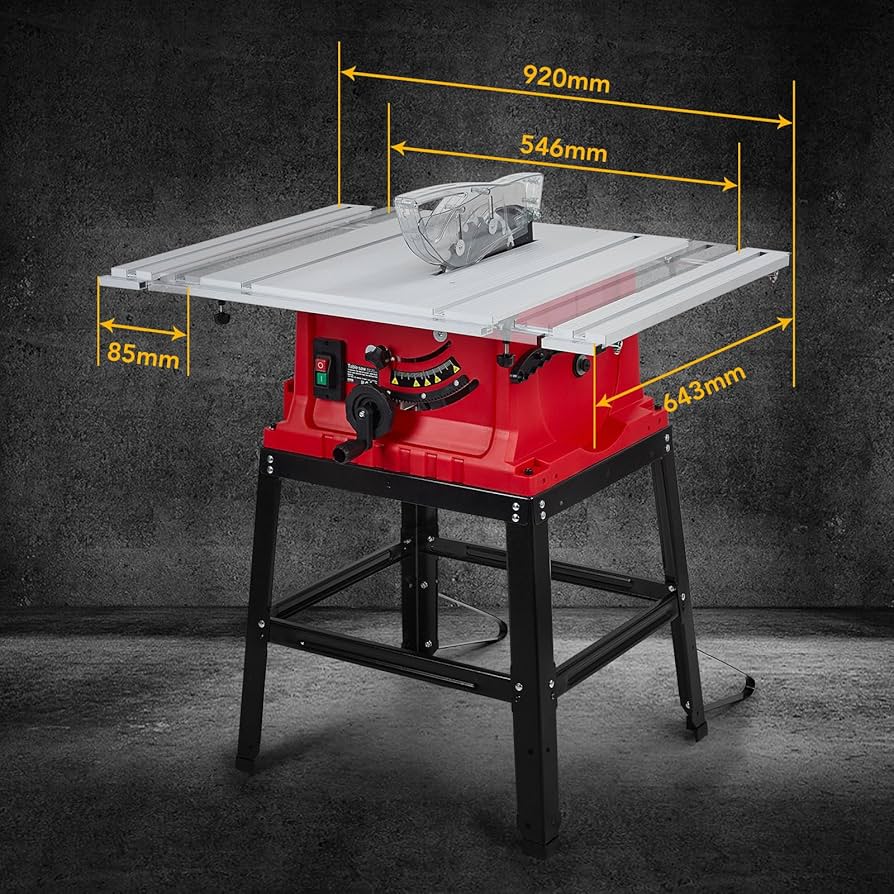
The table saw remains a cornerstone for any serious woodworker in 2026. Whether you are a professional on a job site or a dedicated hobbyist in your garage, the right table saw makes all the difference. Understanding the types and features available is crucial for making an informed purchase. This guide breaks down the options to help you find the perfect fit for your needs and budget. We will look at portability, power, precision, and safety.
| Saw Type | Primary Use | Key Features | Typical Cost (USD) |
| Portable Jobsite | On-site construction, mobile use | Lightweight, wheeled base, integrated dust collection | $400 – $1,000 |
| Hybrid | Home shops, small businesses | Enclosed cabinet, better dust management, moderate power | $800 – $1,500 |
| Contractor | Versatile workshops, customization | Stationary, expandable, good for various cuts | $1,000 – $2,000 |
| Cabinet | High-volume production, fine woodworking | Heavy-duty, powerful motor (3-5+ HP), precision table | $2,000 – $5,000+ |
Choosing the Right Table Saw for Woodworking
Selecting a table saw involves matching its capabilities to your typical projects. Consider the space you have available and the types of materials you will be cutting. A jobsite table saw is ideal if you frequently move your equipment. For a dedicated workshop, a heavier saw offers more stability and power. Think about the maximum width of material you need to rip and the thickness of the wood. Your choice directly impacts efficiency and the quality of your finished pieces.
Many users make the mistake of buying a saw that is too small for their needs. This leads to frustration when attempting larger cuts. Always err on the side of a slightly larger or more powerful saw if your budget allows. This ensures longevity and versatility for future projects.
Read also: Quartz countertops: no sealing, no stains, no hassle
Best Table Saw Features for DIY Projects
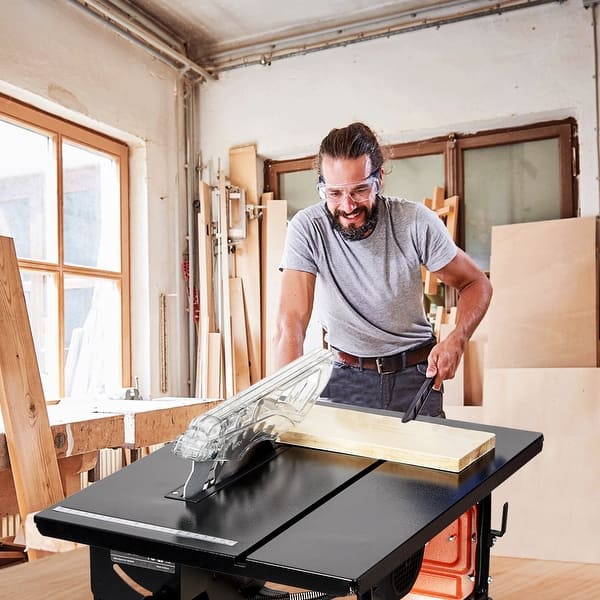
For DIY enthusiasts, features that enhance safety and ease of use are paramount. Look for saws with a reliable table saw fence system that locks securely and adjusts accurately. A good fence is critical for making straight, repeatable cuts. Safety features like a blade guard, riving knife, and anti-kickback pawls are non-negotiable. These components protect you from serious injury.
Dust collection is another vital consideration, even for smaller projects. A saw with good dust collection, ideally meeting OSHA standards, keeps your workspace cleaner and healthier. This also helps maintain the saw’s performance by preventing dust buildup. Investing in a saw with these features will make your DIY experience much more enjoyable and productive.
A reliable fence and robust safety features are the two most important aspects for any DIYer.
Jobsite Table Saw vs Benchtop: Key Differences
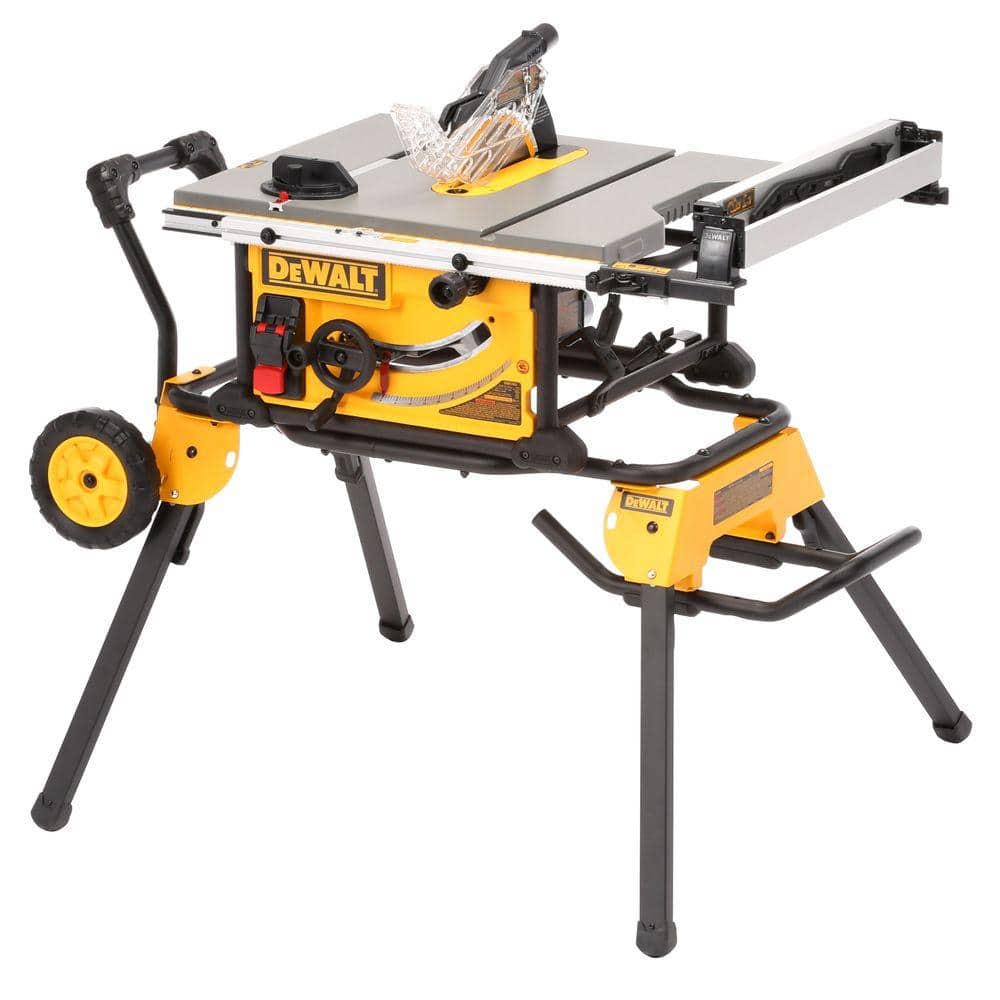
The primary distinction lies in portability and power. Jobsite table saws are designed to be moved easily. They often have built-in stands with wheels and are lighter in construction. Their motors are typically direct-drive, offering sufficient power for most construction tasks but less torque than larger saws.
Benchtop saws, while also portable, are generally smaller and less powerful. They are best suited for very light-duty tasks and small workshops where space is extremely limited. Jobsite saws offer a better balance of power, durability, and portability for professionals and serious DIYers who need to work in various locations. For reviews on popular models, check out Popular Mechanics.
Read also: 47 Floating Shelf Ideas That Look Built-In and Hold Heavy Loads
Cabinet Table Saw: Power and Precision
A cabinet table saw represents the peak of performance for woodworking. These machines are heavy, often weighing over 400 pounds, providing exceptional stability. They feature powerful induction motors, typically 3 to 5 horsepower or more, running on a 220V circuit. This power allows for effortless cutting of dense hardwoods and large panels.
The cast-iron table on a cabinet saw is precision-ground for flatness, ensuring accurate cuts. They also come with superior riving knife systems to prevent dangerous kickback. If your work involves intricate joinery or high-volume production, a cabinet saw is an investment in precision and durability. The cabinet table saw price reflects its robust construction and advanced capabilities.
Hybrid Table Saw: Balancing Cost and Performance
Hybrid saws offer a compelling middle ground. They combine features of cabinet saws with a smaller footprint and lower price point. You get an enclosed cabinet for better dust control and a heavier build than jobsite saws. The trunnions, which hold the blade assembly, are usually more substantial than those on portable models.
This makes them a popular choice for home woodworkers who need good performance without the space or power requirements of a full cabinet saw. A hybrid table saw comparison often highlights their excellent value for money. They provide a stable platform for accurate cuts and are easier to manage in a home setting.
Contractor Table Saw: Portability and Versatility
Contractor saws were traditionally designed to be moved between job sites, though modern versions are often stationary. They typically feature a split trunnion design, meaning the motor and blade are mounted to the table rather than the cabinet. This makes them easier to service and align.
They offer more power than jobsite saws and often come with larger cast-iron tables. Many contractor saws allow for the addition of extension tables or outfeed supports, increasing their versatility. This makes them a flexible option for workshops that handle a variety of projects. You can find detailed contractor table saw features on many manufacturer sites.
Table Saw Fence Systems: Accuracy and Stability
The fence is your guide for ripping operations, and its quality directly affects cut accuracy. High-end saws use table saw fence systems like Biesemeyer-style fences, which feature a robust rail and locking mechanism. These systems ensure the fence stays parallel to the blade and locks firmly in place.
Look for fences that offer smooth adjustment and a positive lock. Rack-and-pinion systems are also common on newer models, providing precise micro-adjustments. A wobbly or difficult-to-adjust fence will lead to inconsistent cuts and frustration. Always check the fence’s movement and locking action before purchasing.
Table Saw Dust Collection: Keeping Your Shop Clean
Effective table saw dust collection is essential for health and safety. Fine wood dust can cause respiratory problems and create a fire hazard. Most saws have a dust port, but the efficiency varies greatly. Jobsite saws often have integrated collection bags or require a shop vacuum.
Larger saws, like cabinet and hybrid models, typically have a larger dust collection port designed to connect to a dedicated dust collector system. This provides much better containment. Proper dust management improves air quality and keeps your saw running smoothly. For maintenance tips, consult resources like This Old House.
The Verdict: Your Table Saw’s Future Role
In 2026, the table saw market offers excellent options for every user. The key is to prioritize your needs: portability, power, precision, or a balance of all. For mobile professionals, jobsite saws are unmatched. For home workshops, hybrid or contractor saws provide great versatility. Dedicated woodworkers seeking the ultimate in accuracy will find value in cabinet saws.
Always inspect safety features and the fence system carefully. Consider the availability of parts and accessories for long-term use. Choosing the right table saw is an investment that will serve you well for years to come.
Read also: Why Your Monstera Plant Has No Holes (And How to Fix It)
Your 3-Step Action Plan for Choosing a Table Saw
Step 1: Define Your Primary Use
Are you a mobile contractor or a dedicated workshop woodworker? This single question narrows your options drastically.
Jobsite saws prioritize portability; cabinet saws prioritize precision and power. Hybrid and contractor saws offer a middle ground for home shops.
Step 2: Match Power to Your Projects
For most DIY tasks, a 1.5 to 2 HP motor on 120V is sufficient. If you regularly cut thick hardwoods or sheet goods, consider a 3+ HP cabinet saw requiring 220V.
More power means smoother cuts and less bogging down, but also higher cost and electrical needs. Don’t overspend on power you won’t use.
Step 3: Prioritize Safety and Accuracy
Look for a riving knife, blade guard, and anti-kickback pawls on every model. These are non-negotiable for safe operation.
Test the fence system for smooth, square adjustments. A rack-and-pinion fence is a reliable choice for consistent accuracy.
Frequently Asked Questions
Can I use a table saw on a standard 120V outlet?
Yes, most jobsite and hybrid saws run on 120V, but check the amperage to avoid tripping breakers. Larger cabinet saws typically require a dedicated 220V circuit.
What is the difference between a riving knife and a splitter?
A riving knife moves with the blade and stays close to it, offering better kickback protection during all cuts. A splitter is fixed and must be removed for non-through cuts, reducing safety.
How important is dust collection on a table saw?
Very important for health and visibility. Jobsite saws often have 4-inch ports for shop vacs, while cabinet saws have larger ports for central systems.
Choosing a table saw is about matching the machine to your real needs, not just the specs. A jobsite saw is a reliable partner for on-the-go work, while a cabinet saw is a lifetime investment for serious woodworking.
Next, consider your workshop layout and budget to finalize your decision. Visit a local dealer to test the fence and feel the weight of the saw.
In 2026, table saws are smarter, safer, and more efficient than ever. The right one will elevate your craft and bring your projects to life with confidence.
