

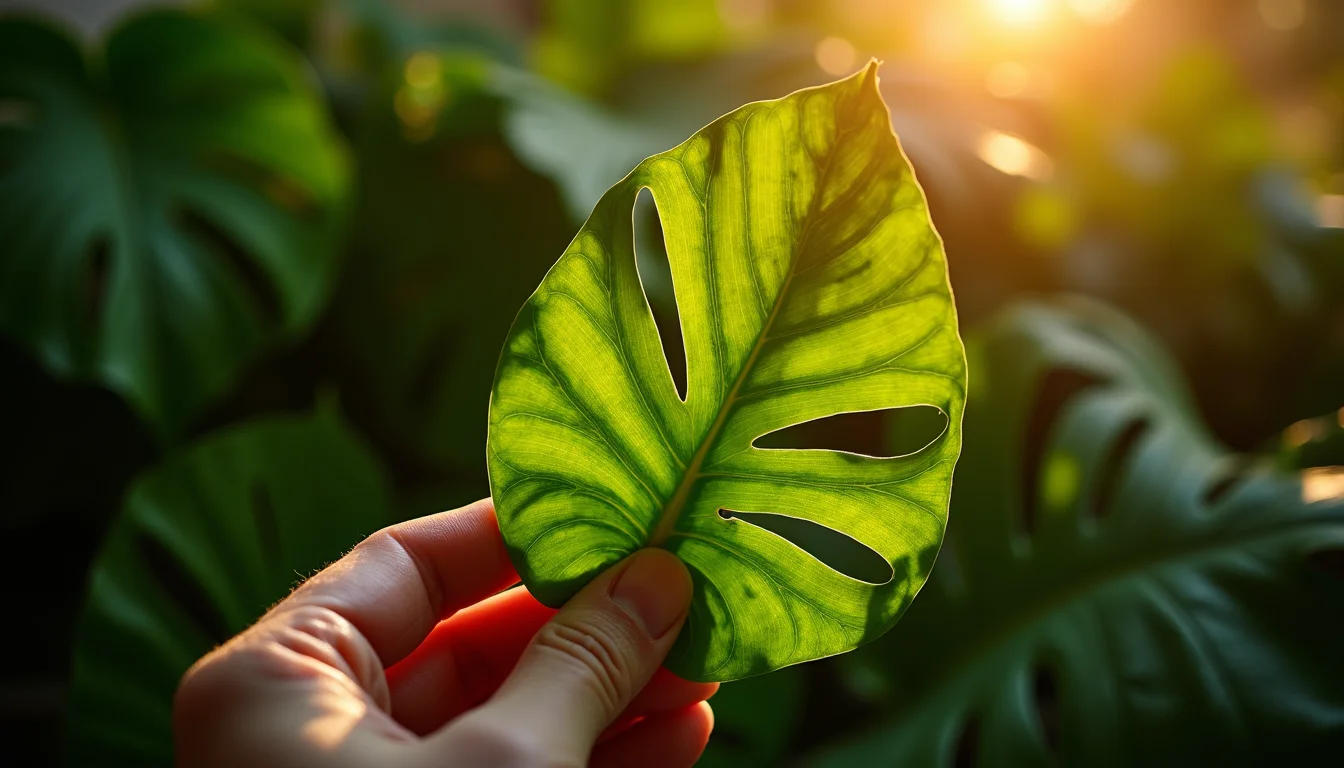
You bought a Monstera plant because you saw those gorgeous split leaves on social media. But now it’s just a bunch of green stems, and you’re worried you’re doing something wrong. Don’t give up yet. The secret to those iconic fenestrations is simpler than you think.
Many people think Monsteras need direct sun to develop holes. That’s a myth. In fact, too much sun burns the leaves. The real trick is bright, indirect light and a little patience. Let’s fix this together.
What Makes a Monstera Deliciosa a ‘Swiss Cheese Plant’?
The Monstera Deliciosa, also called the Swiss Cheese Plant, gets its name from the natural splits and holes in its mature leaves. These holes, called fenestrations, help the plant survive windy rainforests by letting light pass through. Without enough bright indirect light, your Monstera may never develop those splits.
Another common mistake is overwatering. Monsteras like their soil to dry out between waterings. Stick your finger an inch into the pot. If it’s dry, water it. If it’s damp, wait. This simple check can prevent root rot, the number one killer of indoor Monsteras.
Monstera Mania: The 2026 Houseplant Superstar
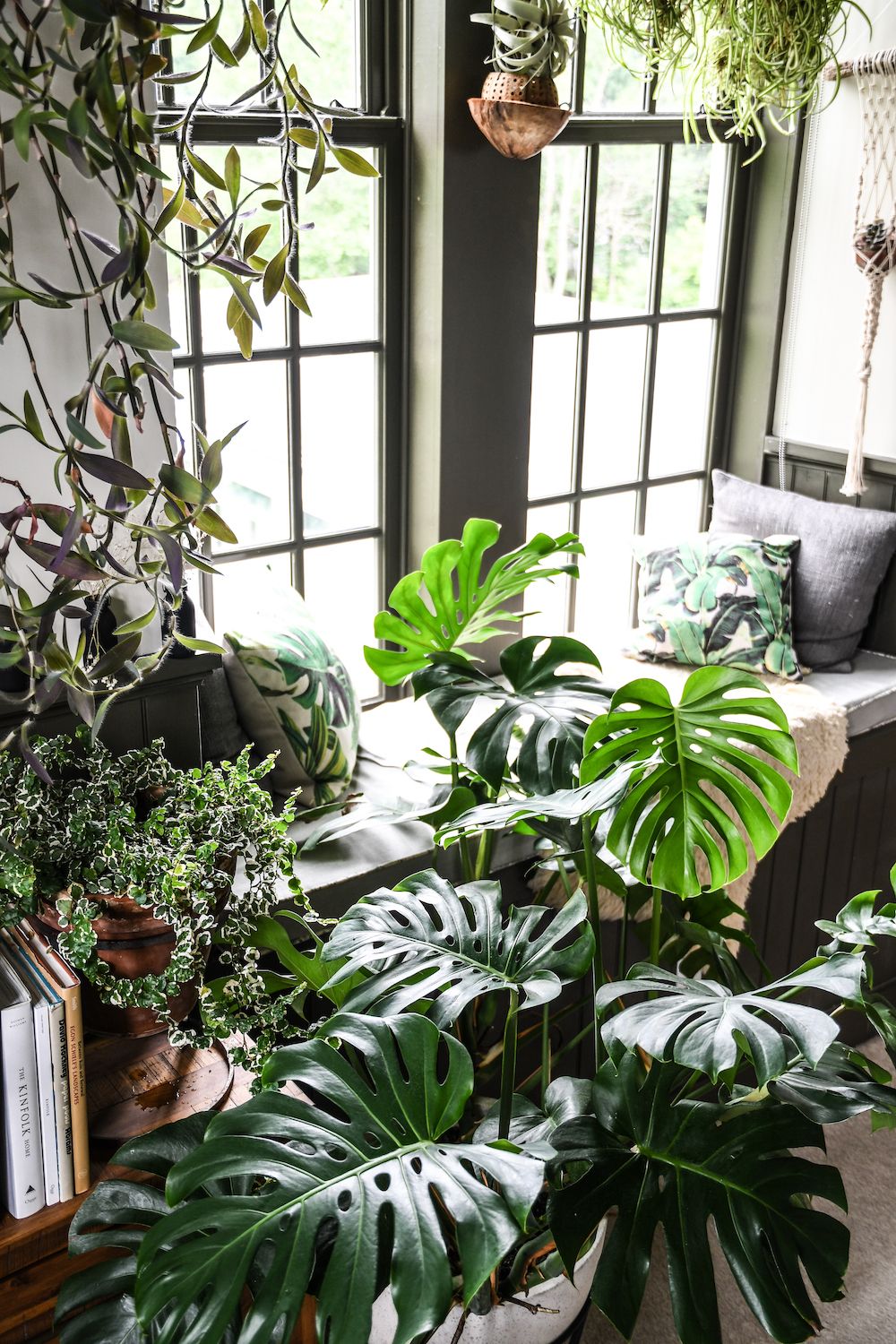
Monstera plants are the darlings of the indoor gardening world right now. Their unique, holey leaves bring a tropical vibe to any space. These plants are more than just pretty; they are a statement piece. Collectors are especially drawn to rare varieties. Let’s dive into what makes the Monstera so special.
| Feature | Monstera Deliciosa | Monstera Adansonii |
|---|---|---|
| Leaf Shape | Large, heart-shaped | Smaller, oval |
| Leaf Holes | Mature leaves split and hole | Numerous, enclosed perforations |
| Growth Habit | Upright, climbing | Vining |
| Common Name | Swiss Cheese Plant | Adam’s Ribplant |
Monstera Deliciosa: The Classic Swiss Cheese Plant
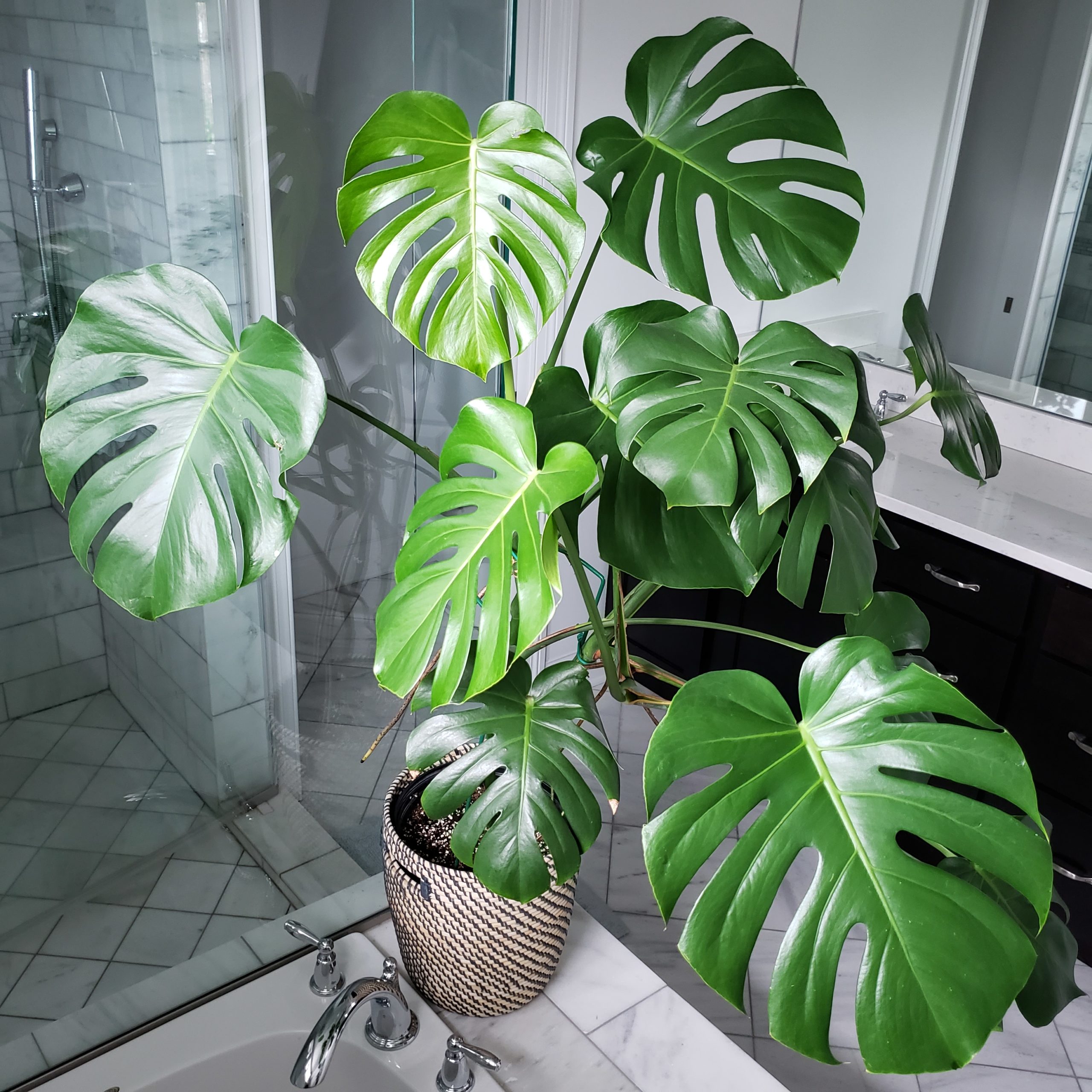
The Monstera Deliciosa is what most people picture when they hear ‘Monstera’. It’s famous for its large, dramatic leaves. As the plant matures, these leaves develop splits and holes. This natural fenestration is its signature look. Mature leaves can grow up to 3 feet wide, creating a jungle feel indoors.
This plant is native to the rainforests of Central America. It loves bright, indirect light, mimicking its natural habitat. Proper care allows its iconic leaves to develop fully. It’s a truly impressive specimen for any home.
Monstera Adansonii: The Narrow Leaf Form
Monstera Adansonii offers a different kind of charm. It’s a vining plant with smaller leaves. These leaves have many holes, but they are enclosed, not split open. It creates a delicate, lacy appearance. This species is perfect for hanging baskets or trailing from shelves.
Its growth habit makes it very versatile. You can let it climb a moss pole or cascade down. The dense foliage provides a lush, green backdrop. It’s a favorite for those who love trailing plants.
Monstera Thai Constellation: Variegated Beauty
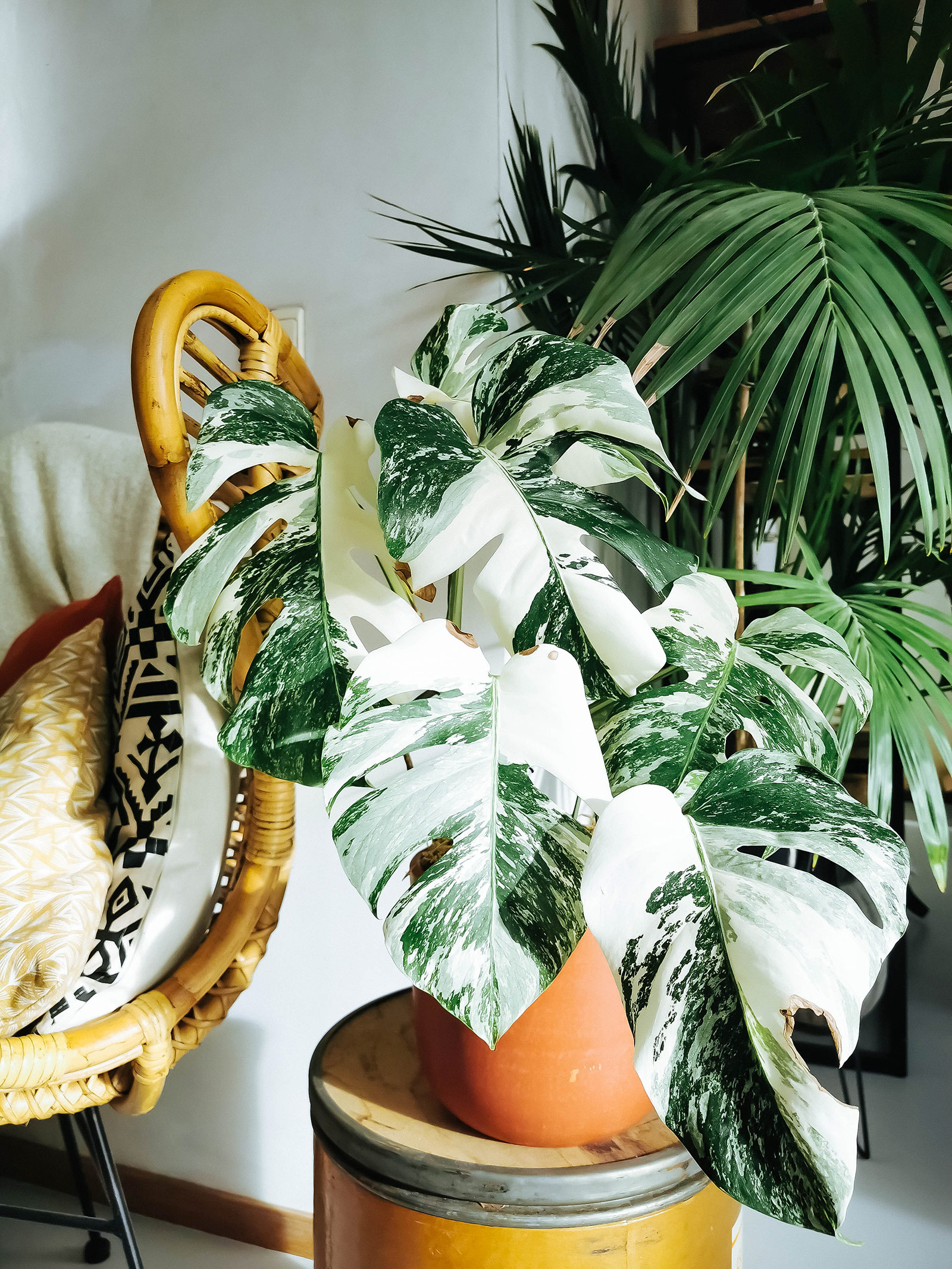
The Monstera Thai Constellation is a highly coveted cultivar. It features stunning creamy-white variegation splashed across its leaves. Unlike natural splits, this is a stable genetic trait. This plant is a collector’s dream and commands a high price. Its unique patterns make each leaf a work of art.
Finding a healthy Thai Constellation can be challenging. Its beauty, however, is undeniable. It brings a touch of luxury and exoticism to any collection. This plant is a true showstopper.
Caring for Monstera: Light and Water Needs
Monstera plants need bright, indirect light. Direct sun can scorch their leaves. Think of the dappled light on a forest floor. Too little light will result in smaller leaves with fewer holes.
Water your Monstera when the top 1-2 inches of soil feel dry. They prefer well-draining soil to prevent root rot. Overwatering is a common mistake. Allow the soil to dry out slightly between waterings. Good drainage is key for healthy roots.
Propagating Monstera: Simple Stem Cuttings
Propagating a Monstera is quite simple. You can take stem cuttings to create new plants. Look for a stem with at least one leaf and a node. The node is a small bump on the stem. This is where new roots will grow.
Cut the stem just below the node. You can root the cutting in water or directly in soil. Change the water regularly if using water propagation. Roots usually appear within a few weeks. This is a great way to expand your collection or share with friends.
Common Monstera Pests and How to Treat Them
Monstera plants can sometimes attract common houseplant pests. Look out for spider mites, mealybugs, and thrips. These pests can weaken the plant and damage its leaves. Early detection is crucial for effective treatment.
Wipe leaves with a damp cloth to remove pests. For heavier infestations, use insecticidal soap or neem oil. Ensure good air circulation around your plant. This helps prevent pest problems. Healthy plants are less susceptible to pests.
Styling Monstera in Modern Interiors
Monstera plants fit perfectly into modern decor. Their large leaves add architectural interest. Place a mature Monstera Deliciosa in a corner with good light. It becomes an instant focal point. Use a stylish planter to complement your decor.
A vining Monstera Adansonii can trail from a high shelf. This adds vertical interest and softness. For a minimalist look, a single large leaf can be framed. These plants bring life and a touch of the tropics indoors.
Monstera Leaf Anatomy: Fenestrations Explained
The famous holes and splits in Monstera leaves are called fenestrations. This is a natural adaptation. In the wild, these holes help the plant withstand strong winds. They also allow more light to reach lower leaves. This is vital for survival in dense rainforests.
As a Monstera matures, its leaves develop more fenestrations. This is a sign of a healthy, happy plant. The size and number of holes increase with age. It’s fascinating to watch this natural development unfold.
The Verdict: Monstera’s Enduring Appeal
The Monstera plant is a fantastic choice for plant lovers. Its unique beauty and relatively easy care make it a winner. From the classic Swiss Cheese Plant to the rare Monstera Thai Constellation, there’s a Monstera for everyone. They bring a sense of lushness and a connection to nature indoors.
In 2026, the Monstera’s popularity shows no signs of slowing down. Its adaptability and striking appearance ensure its place as a top houseplant. For a touch of the tropics and a touch of style, you can’t go wrong with a Monstera. Learn more about caring for them at Better Homes & Gardens. For a wide selection, check out Plant Proper.
Your 3-Step Monstera Action Plan
Step 1: Master the Light
Place your Monstera in bright, indirect light. Direct sun will scorch the leaves, while low light stops fenestration.
Step 2: Water on Schedule
Water only when the top 2 inches of soil are dry. Overwatering is the number one killer of Monstera plants.
Step 3: Support Growth
Install a moss pole or trellis for your Monstera to climb. This encourages larger leaves with more splits.
Frequently Asked Questions
Why are my Monstera leaves not splitting?
Immature plants or insufficient light are the usual causes. Give it more bright, indirect light and time to grow.
Can I propagate a Monstera from a single leaf?
No, you need a stem cutting with at least one node. A leaf alone will not root.
Is Monstera safe for pets?
No, it contains calcium oxalate crystals that cause mouth irritation. Keep it out of reach of cats and dogs.
Monstera plants are a timeless choice for adding tropical drama to any room. Their iconic leaves make a statement with minimal effort.
Start your Monstera journey today by checking local nurseries for healthy specimens. Look for plants with several mature leaves to ensure immediate impact.
Imagine your Monstera thriving in a bright corner, its leaves casting intricate shadows on the wall. This is the living art your home deserves.
