

Water damage doesn’t wait. Within 24 hours, mold can start growing in your walls, turning a small leak into a health hazard. You need to act fast, but panic leads to mistakes that cost you money and time.
The good news is that you can handle the first steps yourself. Knowing exactly what to do after water damage can save your belongings and prevent thousands in repairs. This guide walks you through the emergency process and when to call in the pros.
What to Do After Water Damage: The 5-Step Restoration Process
Professional water damage restoration follows a proven system. First, the crew inspects with moisture meters and thermal cameras to find hidden water. They classify the water type: clean (Category 1), gray (from appliances), or black (sewage). This determines safety steps and cleanup methods.
Next comes emergency water extraction using industrial pumps. After removing standing water, they set up high-velocity air movers and commercial dehumidifiers to dry the structure. This drying phase takes several days and is critical to prevent mold growth after water damage. Finally, they clean with EPA-approved antimicrobials and repair damaged drywall or flooring.
Water Damage Restoration: Your Action Plan for Emergencies
When water invades your home, it’s more than just an inconvenience; it’s a serious threat to your property’s integrity and your family’s health. Understanding the immediate steps and the professional restoration process is key to minimizing damage and preventing long-term problems like mold. Acting fast can save your home from extensive harm.
This service is a critical, multi-phase emergency response designed to stop damage, prevent secondary issues, and bring your home back to its original condition. Mold, for instance, can start growing in as little as 24 to 48 hours after water intrusion, making swift action essential.
| Phase | Description | Key Actions |
| Mitigation | Immediate response to stop water flow and remove standing water. | Safety check, water source shut-off, water extraction. |
| Drying | Reducing moisture levels in materials. | Air movers, dehumidifiers, monitoring humidity. |
| Cleaning | Sanitizing and deodorizing affected areas. | Antimicrobial treatments, odor removal. |
| Restoration | Repairing and rebuilding damaged structures. | Drywall replacement, flooring, painting. |
What to Do After Water Damage
Your immediate actions are crucial after water damage occurs. First, prioritize safety. If it’s safe to do so, shut off the main water supply to prevent further flooding. Also, if you see electrical hazards, turn off the power to affected areas at the breaker box, but only if you can do so safely. Documenting the damage with photos and videos is vital for your insurance claim. This visual record helps show the extent of the problem.
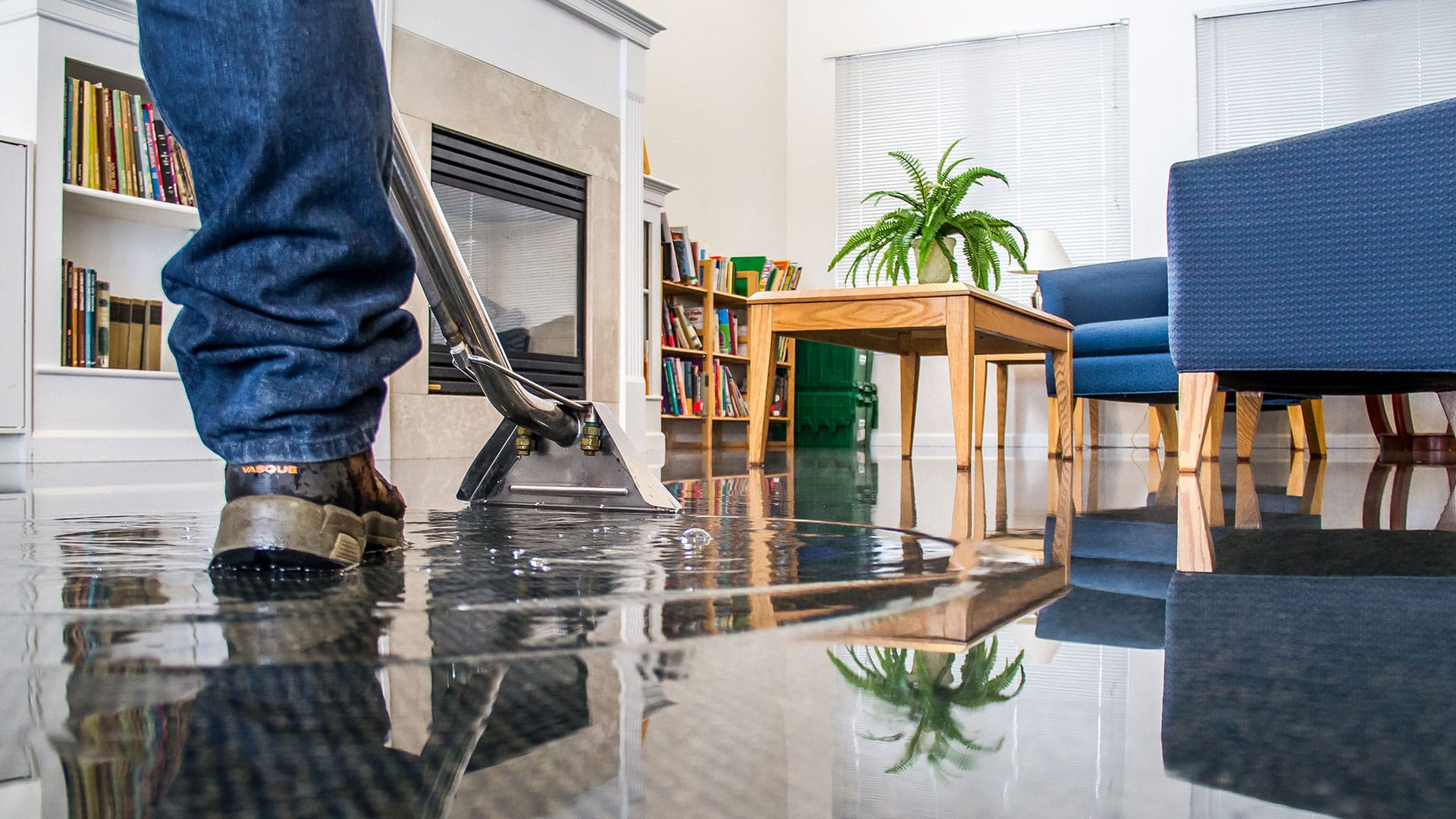
Next, remove as much standing water as possible. Use buckets, mops, or wet vacuums for small areas. For larger amounts of water, professional emergency water extraction is necessary. Ventilate the space by opening windows and doors, weather permitting, to help dry the air. Protect your valuables by moving them to a dry location if they are not damaged.
How to Clean Up Water Damage
Cleaning up after water damage requires a systematic approach. For minor incidents, you can start by removing wet items like carpets and furniture. Thoroughly clean all surfaces that came into contact with water. Use a mild detergent and water solution, but be aware that some materials may require specialized cleaning agents. Ensure all cleaned items are dried completely to prevent mold.
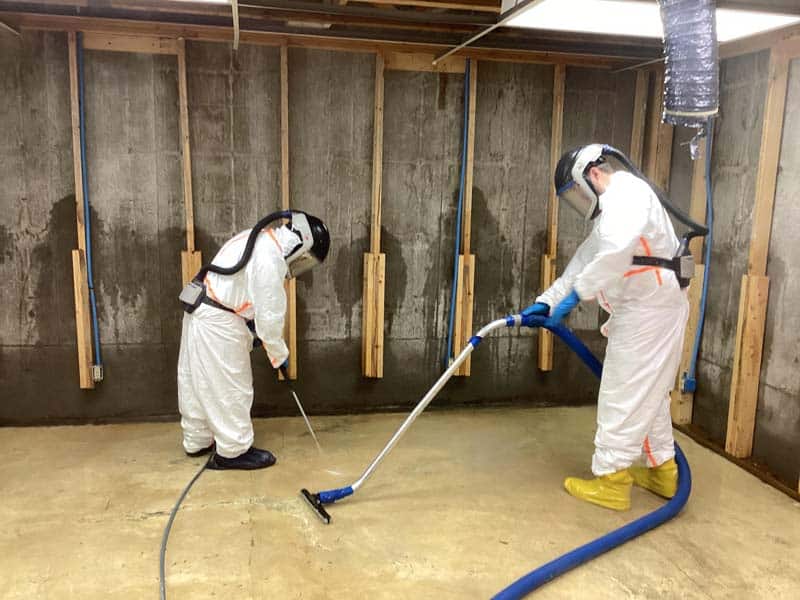
Sanitizing is a critical step to prevent mold and bacteria growth. Use EPA-approved disinfectants on affected surfaces. Pay close attention to hidden areas where moisture can linger, such as inside walls or under flooring. If you are dealing with gray water or black water, professional cleaning and sanitization are strongly recommended due to health risks.
Water Damage Restoration Process
The professional water damage restoration process is designed for thoroughness and speed. It begins with an inspection and assessment phase. Experts use tools like moisture meters and thermal imaging cameras to find all the wet areas, even those hidden from view. This helps them classify the water damage, determining if it’s clean, gray, or black water, which affects the cleaning and restoration methods.
Following the assessment, the next step is water removal. High-capacity pumps and industrial extraction equipment are used to remove standing water quickly and efficiently. Then comes the crucial drying and dehumidification phase. Powerful air movers and commercial-grade dehumidifiers are deployed to lower moisture levels in building materials. This step is vital to prevent secondary damage like mold and structural weakening.
The goal of professional water damage restoration is to return your property to its pre-loss condition, ensuring a safe and healthy environment.
The final stages involve cleaning and sanitization, using EPA-approved products to kill mold and bacteria and eliminate odors. Finally, the restoration and repair phase begins, where damaged materials like drywall and flooring are replaced, and the property is rebuilt. This comprehensive approach ensures all aspects of the damage are addressed.
DIY Water Damage Repair Tips
For very minor water damage, like a small spill on a hard floor, some DIY repair is possible. The key is to act immediately. Soak up as much water as you can with towels. Then, use fans and open windows to dry the area completely. Disinfect the area to prevent any potential mold growth. For small areas of drywall that got wet but are not structurally compromised, you might be able to dry them out and repaint.
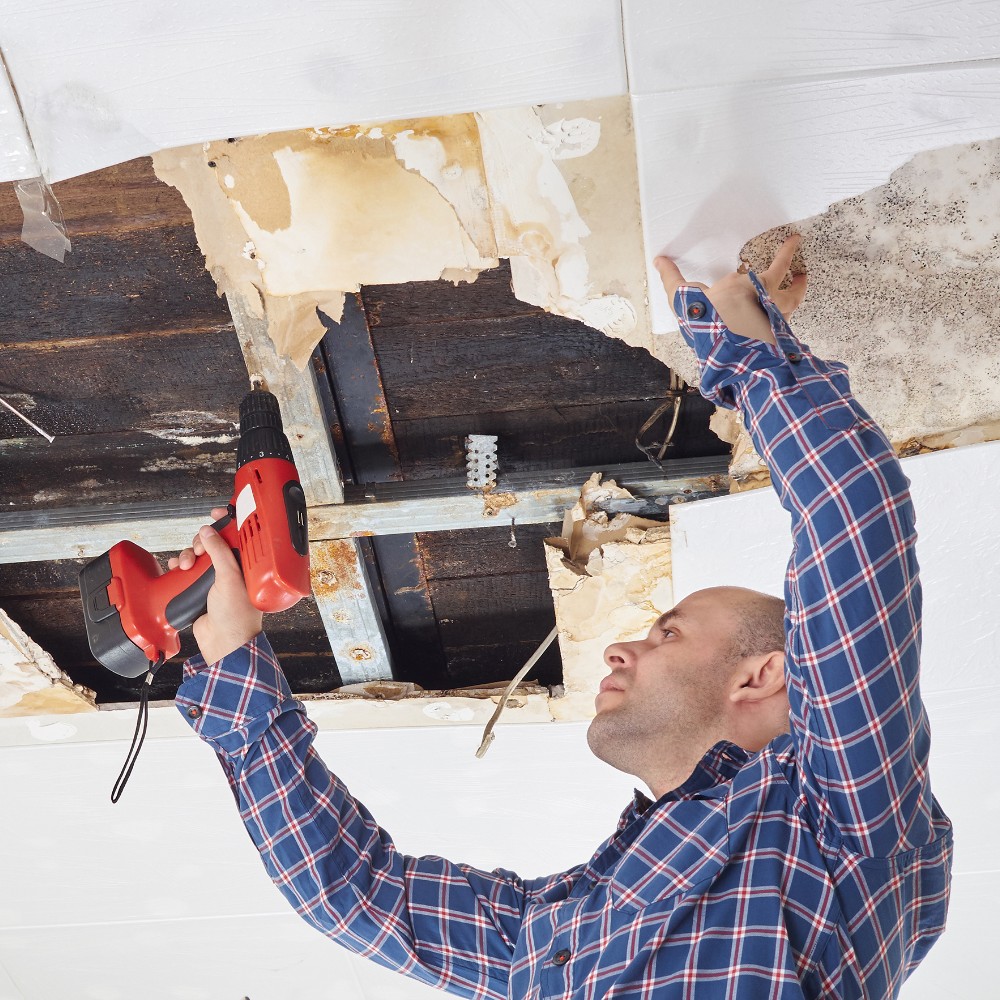
However, attempting extensive DIY water damage repair can be risky. If water has soaked into carpets, subflooring, or drywall, it can be very difficult to dry these materials completely without professional equipment. This can lead to hidden mold growth and structural damage that you won’t see until it’s a much bigger problem. It’s often best to call professionals for anything beyond minor surface issues.
Cost of Water Damage Restoration
The cost of water damage restoration varies greatly depending on the extent of the damage, the type of water involved, and the size of the affected area. For minor incidents, like a small leak that is addressed quickly, costs might range from a few hundred dollars for professional drying and cleaning. However, if significant structural damage has occurred, or if black water is involved, the cost can easily climb into the thousands or even tens of thousands of dollars.
Factors influencing the price include the amount of water to be extracted, the number of areas needing drying, the materials that need replacement (like hardwood floors versus carpet), and the labor involved. Many insurance policies cover water damage restoration, but deductibles and coverage limits apply. It is important to get a detailed estimate from your chosen restoration company.
Types of Water Damage Explained
Water damage is categorized into three main types, which dictate the level of risk and the restoration methods needed. Category 1, or clean water, comes from sources like a burst pipe or a leaking sink. It’s not typically hazardous but can still cause damage if not removed promptly. Category 2, known as gray water, contains contaminants and comes from sources like washing machine overflows or dishwasher leaks.
Category 3 is black water, which is heavily contaminated and poses serious health risks. This includes sewage backups or floodwaters from external sources that have been stagnant. Restoration for black water damage requires specialized equipment and strict safety protocols to prevent the spread of disease. Understanding these categories is essential for proper cleanup and restoration.
Mold Growth After Water Damage
Mold growth is one of the most significant secondary issues following water damage. Mold spores are present in the air everywhere, but they need moisture to grow and thrive. If water damage is not addressed quickly and thoroughly, mold can begin to colonize on damp surfaces within 24 to 48 hours. This can happen inside walls, under carpets, and on ceiling tiles.
The presence of mold can cause health problems, including allergies, respiratory issues, and other health concerns. It can also continue to degrade building materials over time. Professional water damage restoration services include thorough drying and the application of antimicrobial treatments to inhibit mold growth. Regular monitoring of humidity levels is crucial even after the initial cleanup.
Emergency Water Extraction Steps
Emergency water extraction is the first critical step in the professional water damage restoration process. When a restoration team arrives, they will first assess the situation to ensure it is safe to proceed. They will then locate and shut off the water source if it hasn’t already been done. The primary goal is to remove all standing water as quickly as possible to prevent further saturation of building materials.
Professionals use powerful, truck-mounted or portable extraction units designed to remove large volumes of water efficiently. They work systematically to extract water from floors, carpets, and even from within walls. This rapid removal is key to minimizing the overall damage and reducing the time needed for the subsequent drying process. The effectiveness of this step directly impacts the success of the entire restoration.
Speed is the most critical factor in mitigating water damage and preventing further issues like mold.
The Future of Water Damage Restoration in 2026
In 2026, the field of water damage restoration continues to advance, with a strong emphasis on speed, technology, and occupant health. Advanced techniques in structural drying, utilizing sophisticated equipment to target moisture deep within building materials, are now standard. Non-invasive moisture detection methods, like infrared thermography, allow for more accurate assessments without causing additional damage to the property.
The focus is increasingly on preventing secondary problems, especially mold growth, through proactive and thorough drying protocols. Furthermore, the integration of smart sensors and real-time monitoring systems provides continuous data on drying progress, ensuring that properties are restored to safe, pre-loss conditions efficiently. Expect continued innovation in eco-friendly cleaning and drying solutions that prioritize both effectiveness and environmental responsibility.
Your 3-Step Action Plan for Water Damage Restoration
Step 1: Act Immediately and Safely
Shut off the water source and electricity if it’s safe to do so. Then, remove standing water with a wet/dry vacuum or mop.
Step 2: Dry and Ventilate
Open windows and doors to increase airflow. Use fans and dehumidifiers to speed up drying.
Step 3: Call the Pros
Contact a certified restoration company within 24 hours. Professionals use moisture meters and thermal imaging to find hidden water.
What to Avoid
- Do not use standard household fans on wet drywall—they can spread mold spores.
- Never ignore musty odors; they signal hidden moisture.
Frequently Asked Questions
Can I handle water damage restoration myself?
Small clean water spills can be DIY, but category 2 or 3 water requires professional sanitization. Mold can start growing in 24 hours, so speed matters.
How long does the drying process take?
Typical drying takes 3 to 5 days with commercial equipment. Factors like humidity and material type can extend the timeline.
Will my insurance cover water damage restoration?
Most standard policies cover sudden and accidental water damage, but not flood damage. Check with your adjuster and document everything.
Water damage restoration is a science that requires speed and precision. Trusting certified professionals is the safest way to protect your home and health.
Review your insurance policy today and save a restoration company’s number in your phone. Being prepared means less stress when disaster strikes.
In 2026, advanced drying technology and non-invasive detection make full recovery possible. Your home can look and feel like new again with the right help.
