


Think Shasta daisies are just those plain white flowers your grandma grew? Think again. Modern varieties offer colors from butter-yellow to puffy double blooms that can transform your garden. You don’t need a green thumb to succeed with these hardy perennials.
Many gardeners struggle with daisies that flop over or stop blooming by midsummer. The secret lies in choosing the right cultivar and giving it the simple care it craves. Let’s cut through the confusion and get you the best blooms for your effort.
Why Shasta Daisies Deserve a Spot in Your Garden
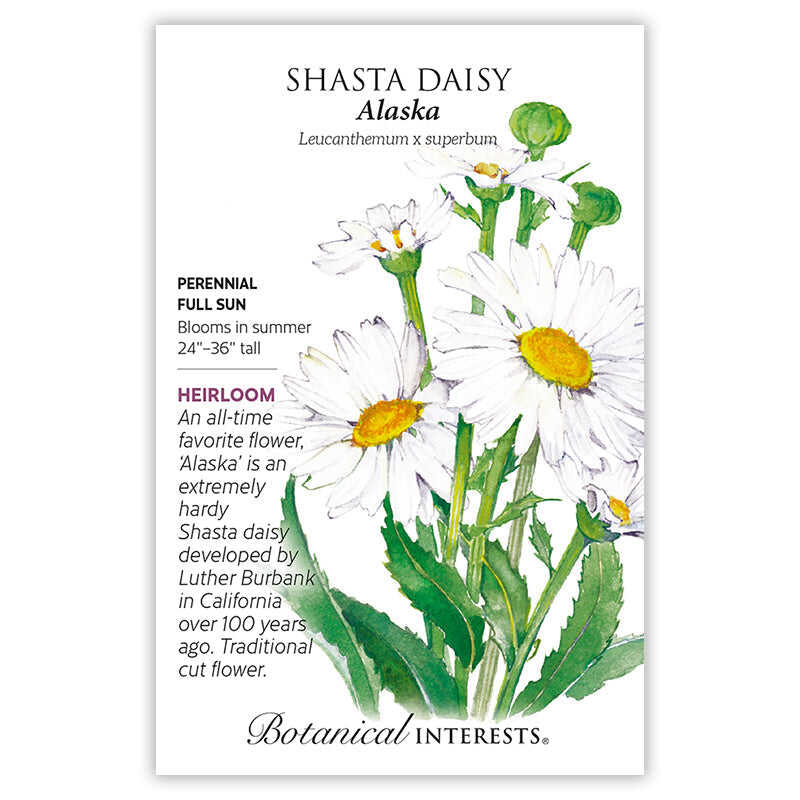
Shasta daisies (Leucanthemum x superbum) are a hybrid developed for better blooms and stronger stems. They thrive in USDA zones 5 through 9, needing at least six hours of direct sun daily. Without enough light, you’ll get leggy plants that flop.
Well-drained soil is critical – these plants rot quickly in soggy ground. Water about one inch per week once established. Deadhead spent flowers regularly to keep new buds coming from early summer into fall.
Different cultivars suit different needs. For a tall, sturdy back-of-border plant, choose ‘Becky’ at 3 to 4 feet. For small spaces, ‘Snowcap’ stays under 14 inches. ‘Banana Cream’ offers unique yellow-to-cream blooms that fade to white.
Leucanthemum x superbum: The Classic Shasta Daisy
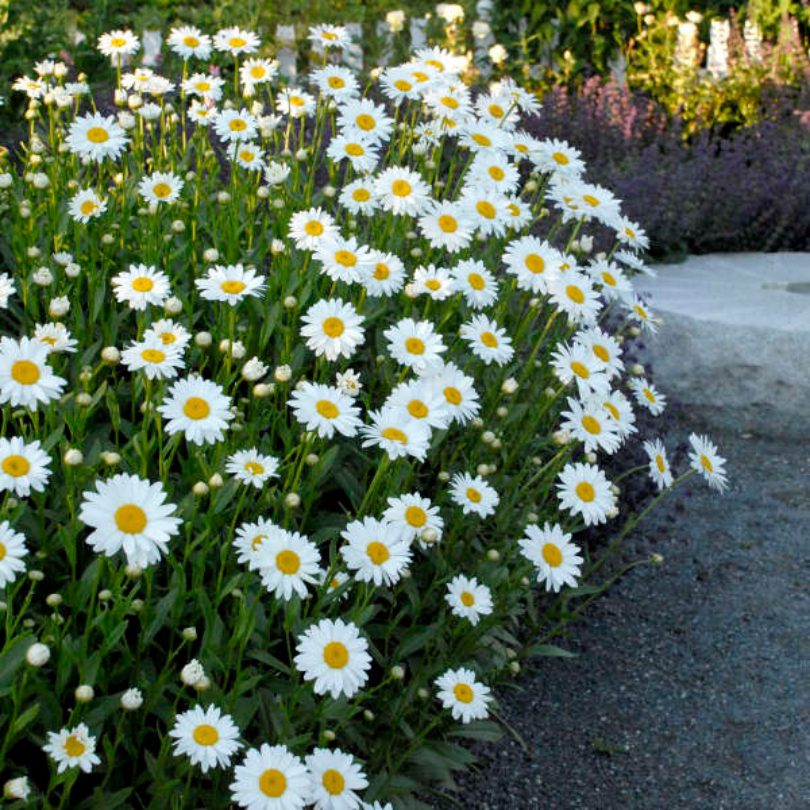
The classic Shasta daisy offers a bright, cheerful presence in any garden setting. Its crisp white petals and sunny yellow centers are a timeless choice for American landscapes. These flowers bring a touch of simple elegance, reminiscent of country gardens.
Classic White Daisy Flowers
This variety provides abundant, clean white daisy flowers that are perfect for cutting. Their sturdy stems make them ideal for bouquets, bringing natural beauty indoors. They offer a classic look that never goes out of style.
Leucanthemum x superbum Blooms
The Leucanthemum x superbum is known for its prolific blooming throughout the summer months. Consistent watering and full sun will ensure a spectacular display. This reliable performer is a staple for many home gardens.
Full Sun Garden Borders
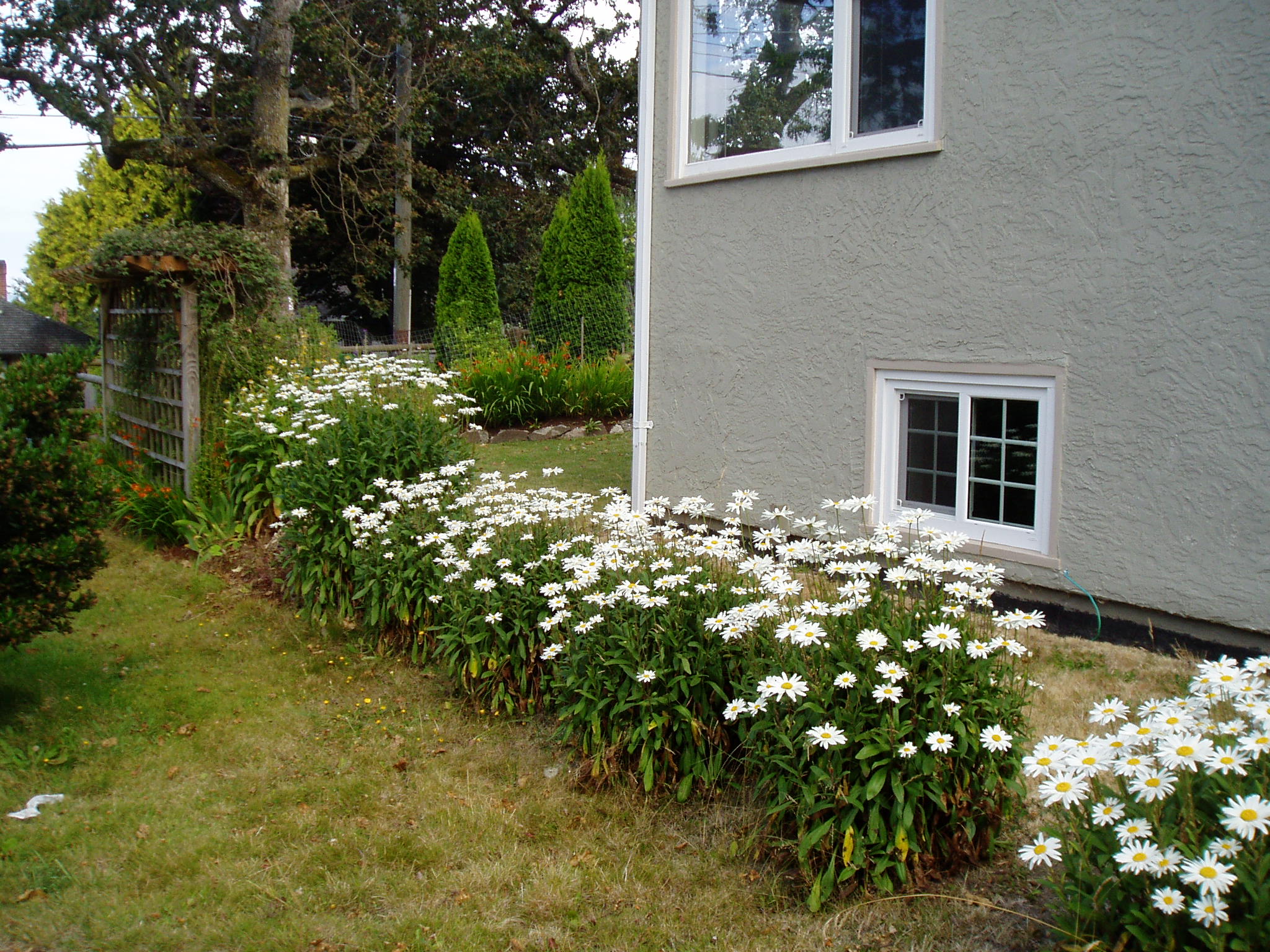
Planting these daisies in full sun, at least six hours daily, maximizes their bloom potential. They create a vibrant border that attracts pollinators. Well-drained soil is crucial to prevent root rot, a common issue in damp conditions.
Herbaceous Perennial Planting
As a hardy herbaceous perennial, the Leucanthemum x superbum returns year after year. Division every 2-3 years in early spring keeps the plants vigorous. This ensures continued healthy growth and flowering for seasons to come.
Leucanthemum ‘Becky’: A Garden Favorite
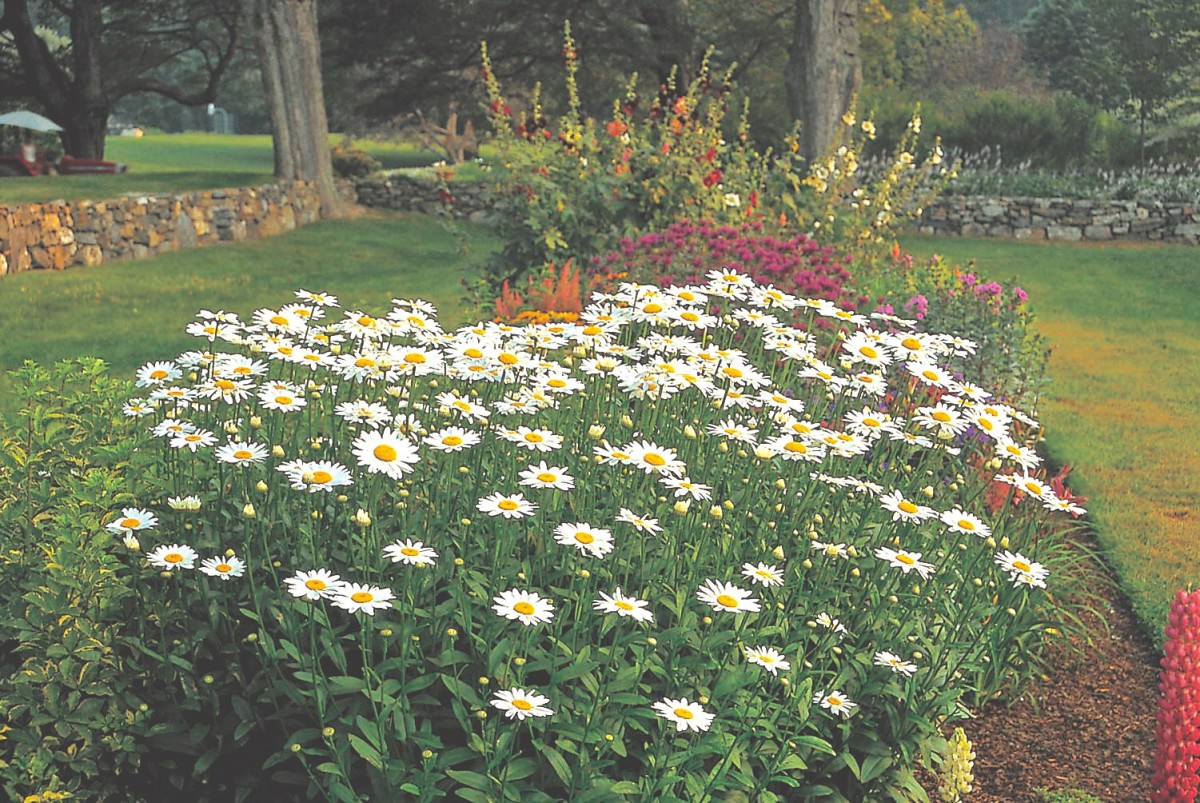
Leucanthemum ‘Becky’ is a standout cultivar, prized for its robust nature and impressive bloom size. It stands tall, making a significant visual impact in garden beds and containers. This variety is a go-to for gardeners seeking dependable beauty.
Leucanthemum ‘Becky’ Stems
The strong, upright stems of Leucanthemum ‘Becky’ support large, single white flowers. These blooms are excellent for cutting and arranging in vases. Their height makes them a great choice for the back of a border.
Tall White Daisy Flowers
This cultivar produces classic white daisy flowers, reaching up to four feet in height. They provide a dramatic vertical element in garden designs. Their impressive stature ensures they are noticed from a distance.
Garden Border Accent
Leucanthemum ‘Becky’ is perfect for adding height and a splash of white to garden borders. It pairs well with lower-growing plants and colorful perennials. Consider companion planting with coneflowers for a cohesive look.
Proven Perennial Performer
This variety is known for its vigor and disease resistance, making it a low-maintenance option. It thrives in USDA Zones 5-9 with proper care. For more details on this popular cultivar, visit https://www.greatgardenplants.com/products/becky-shasta-daisy.
Leucanthemum ‘Banana Cream’: Soft Yellow Blooms
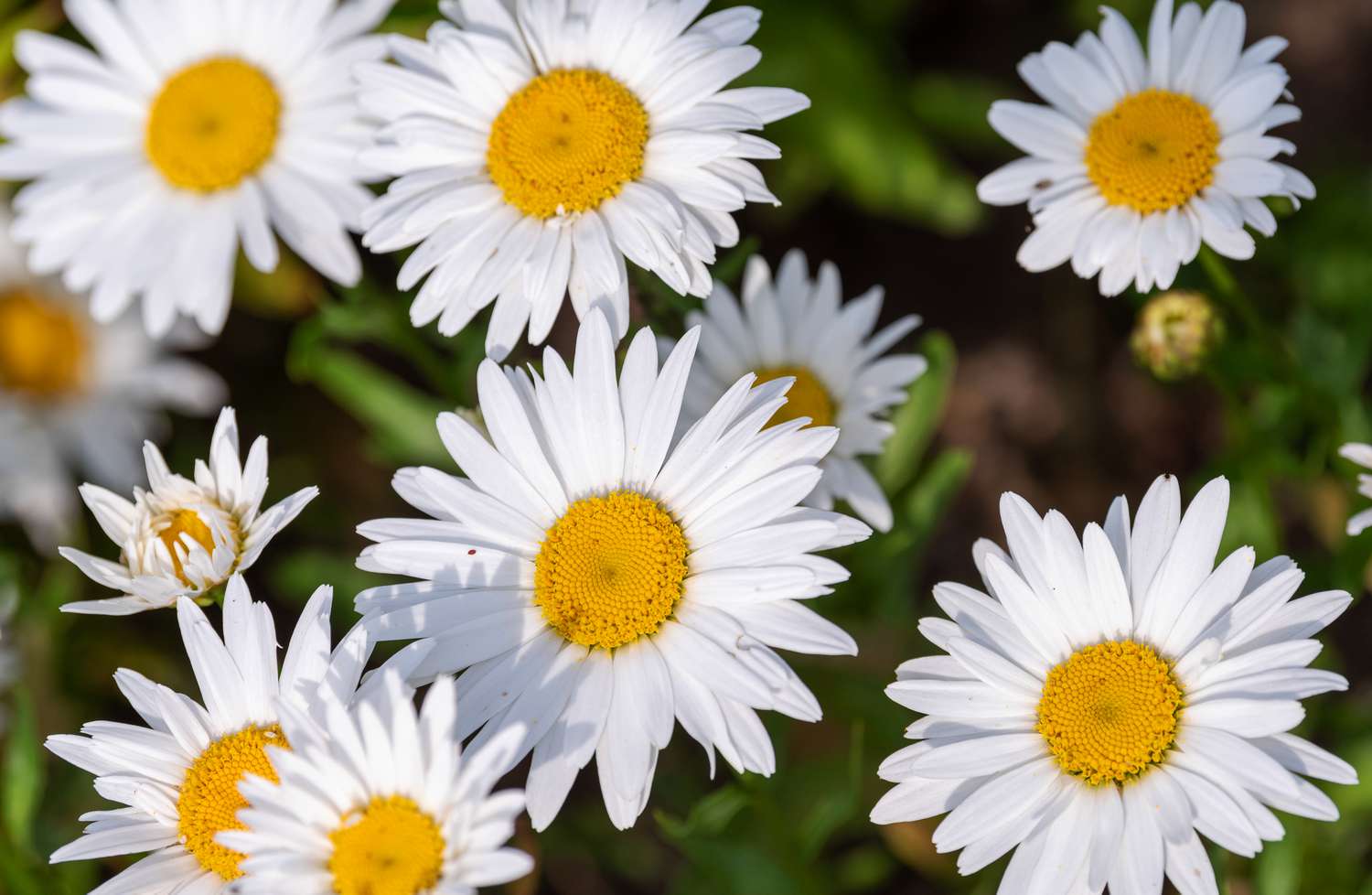
Leucanthemum ‘Banana Cream’ offers a delightful departure from the traditional white daisy. Its unique creamy yellow to pale yellow blooms add a soft, warm tone to the garden. This variety brings a gentle, sunny disposition.
Yellow Shasta Daisy Cultivar
This Yellow Shasta Daisy variety features beautiful blooms that transition from lemon yellow to creamy white. The color change adds visual interest over time. It provides a subtle yet cheerful accent.
Leucanthemum ‘Banana Cream’ Flowers
The flowers of Leucanthemum ‘Banana Cream’ are a soft yellow, offering a warm hue. They are slightly larger than some other varieties, with a pleasing fullness. This cultivar adds a unique color to the classic daisy form.
Compact Garden Planting
With a height of about 15 to 18 inches, Leucanthemum ‘Banana Cream’ is suitable for smaller gardens. It fits well in containers or the front of garden beds. Its size makes it very versatile for various planting schemes.
Well-Drained Soil Needs
Like all Leucanthemum x superbum types, this variety requires well-drained soil. Avoid areas where water can collect, especially in winter. Proper drainage is key to preventing root rot and ensuring plant health.
Leucanthemum ‘Snowcap’: Compact White Perfection
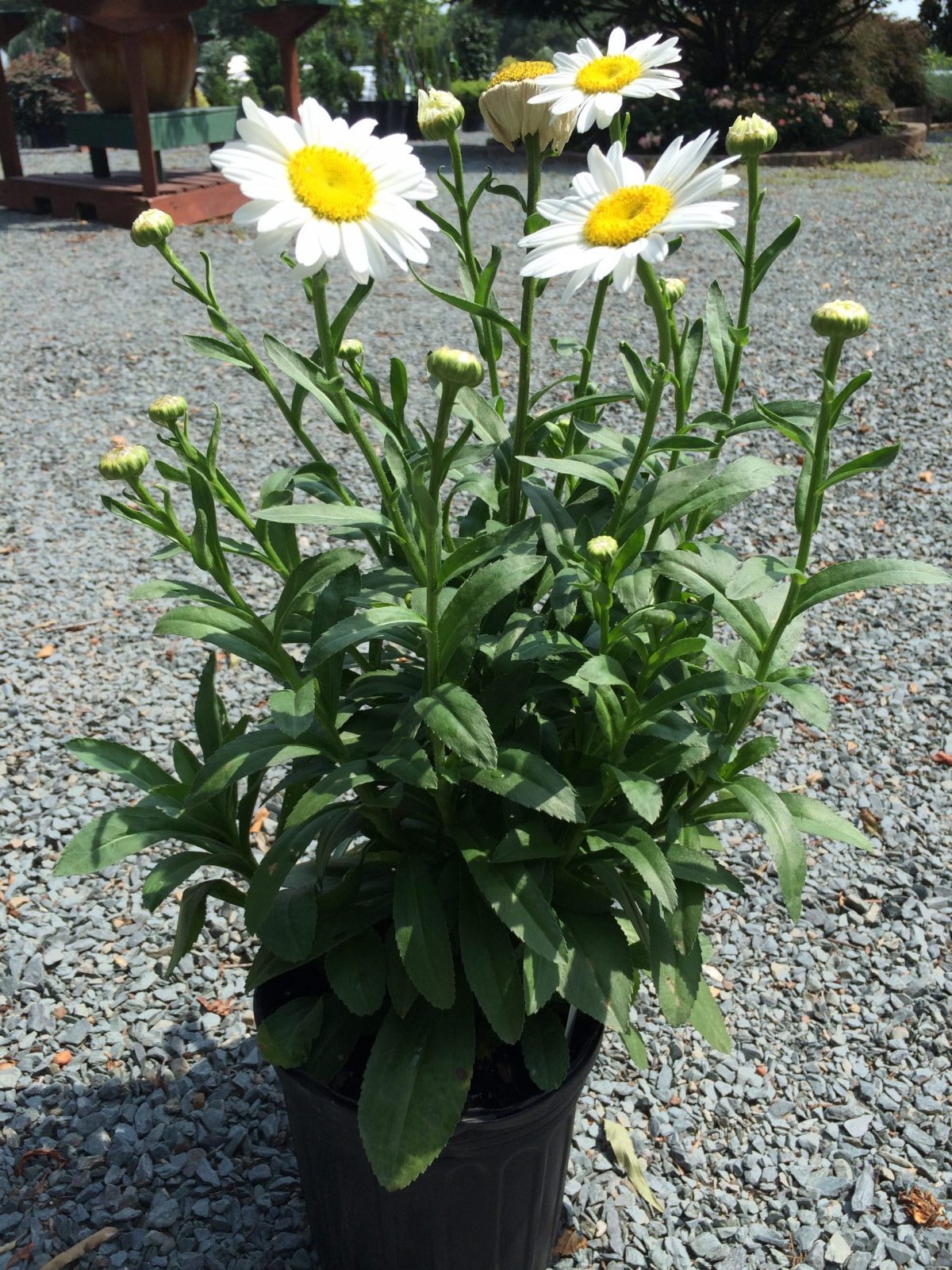
Leucanthemum ‘Snowcap’ is a fantastic choice for gardeners seeking a dwarf variety. Its compact size makes it ideal for edging beds or container gardening. This cultivar delivers classic white blooms in a smaller package.
Dwarf Shasta Daisy Variety
This Dwarf Shasta Daisy is a compact grower, reaching only 10 to 14 inches tall. It provides a profusion of classic white daisy flowers without taking up much space. Its small stature is perfect for tight spots.
Leucanthemum ‘Snowcap’ Blooms
The Leucanthemum ‘Snowcap’ produces neat, single white daisy flowers with bright yellow centers. They are perfectly proportioned to the plant’s smaller size. This variety offers pure white beauty in a compact form.
Container Gardening Star
Its diminutive size makes Leucanthemum ‘Snowcap’ an excellent performer in pots and window boxes. It adds a cheerful splash of white to patios and balconies. This variety thrives with consistent moisture and good drainage.
Low Border Planting
Use Leucanthemum ‘Snowcap’ to create a crisp, clean edge along garden paths or beds. It complements taller plants beautifully by providing a low layer of white. This cultivar ensures a tidy appearance.
Leucanthemum ‘Crazy Daisy’: Frilly Petal Charm
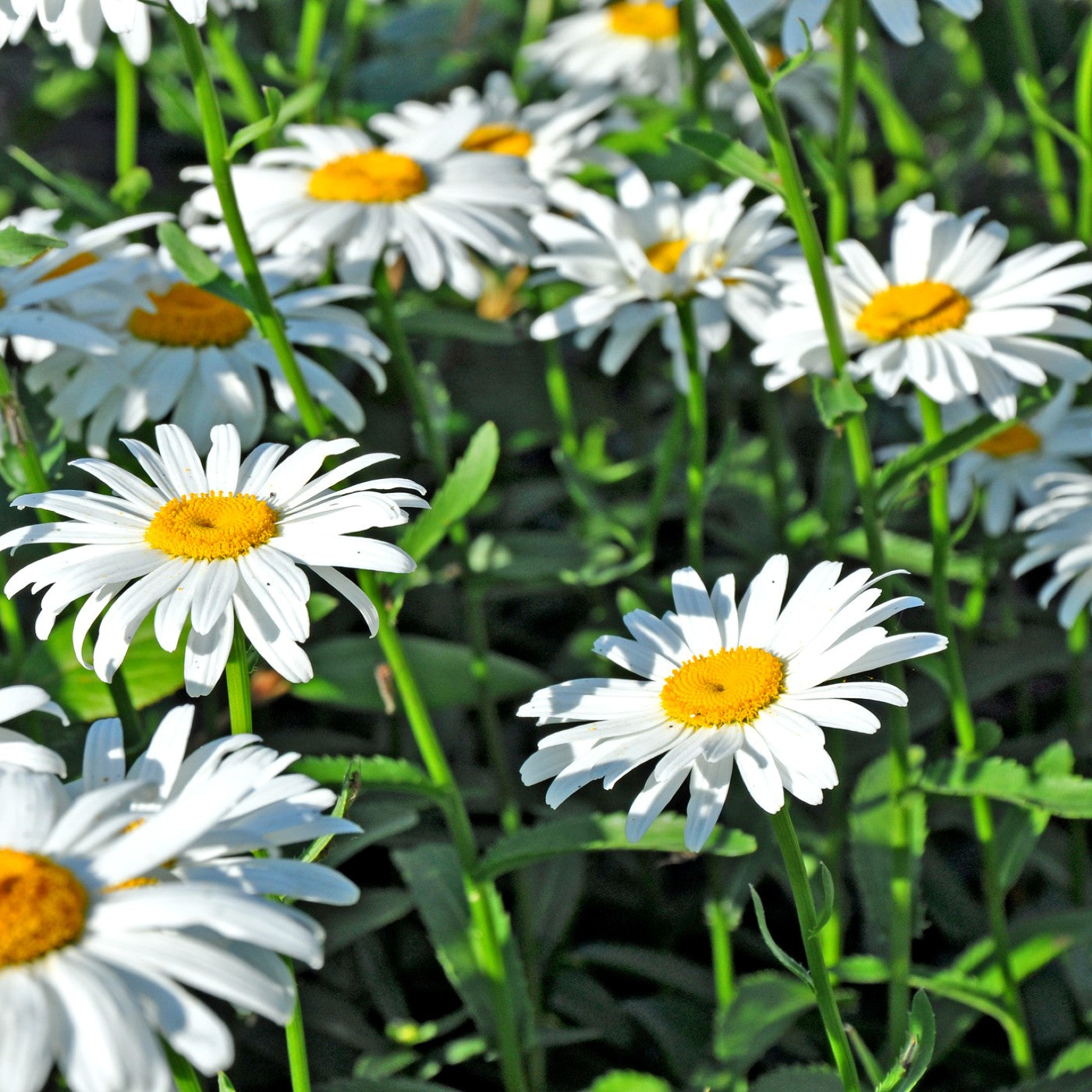
Leucanthemum ‘Crazy Daisy’ introduces a playful texture with its unique, frilly petals. This Double Shasta Daisy variety offers a more informal and whimsical look. It stands out with its distinctive flower form.
Double Shasta Daisy Form
This Double Shasta Daisy cultivar features ruffled, often irregular petals that give it a unique charm. The flowers are fuller and more textured than the classic single types. It adds a touch of extravagance to the garden.
Leucanthemum ‘Crazy Daisy’ Petals
The petals on Leucanthemum ‘Crazy Daisy’ are not perfectly uniform, creating a ‘crazy’ effect. This adds a sense of natural, untamed beauty. The texture is soft and inviting to the touch.
Unique Garden Texture
Incorporate Leucanthemum ‘Crazy Daisy’ to add visual interest and a different texture to your flower beds. It pairs well with plants that have smoother foliage or simpler flower shapes. This variety brings a unique flair.
Full Sun Requirement
Ensure this variety receives at least six hours of direct sunlight daily for best flowering. Partial shade is acceptable in very hot climates, but full sun promotes stronger stems. Proper light exposure is key to its vibrant display.
Leucanthemum ‘Marshmallow’: Fluffy Double Flowers
Leucanthemum ‘Marshmallow’ delights with its puffy, double flowers that resemble fluffy pom-poms. This Double Shasta Daisy cultivar offers a soft, rounded appearance. It adds a charming, plush texture to floral arrangements.
Fluffy Double Flower Type
The flowers of Leucanthemum ‘Marshmallow’ are densely packed with petals, creating a soft, rounded shape. They offer a unique, tactile quality unlike single-petal varieties. This cultivar provides a whimsical touch.
Leucanthemum ‘Marshmallow’ Blooms
These blooms are a pure white, with a full, pom-pom-like appearance. They are a delightful variation on the traditional daisy. This variety adds a touch of softness and volume.
Companion Planting Ideas
Pair Leucanthemum ‘Marshmallow’ with plants that have contrasting textures, like ornamental grasses or fine-leaved perennials. This enhances the visual appeal of the garden. It creates a layered and dynamic planting scheme.
Deadheading for Rebloom
Regularly remove spent flowers to encourage continuous blooming. Deadheading Leucanthemum ‘Marshmallow’ will promote more fluffy white blooms throughout the season. This simple task keeps the plant looking its best.
Dwarf Shasta Daisy: Petite and Prolific
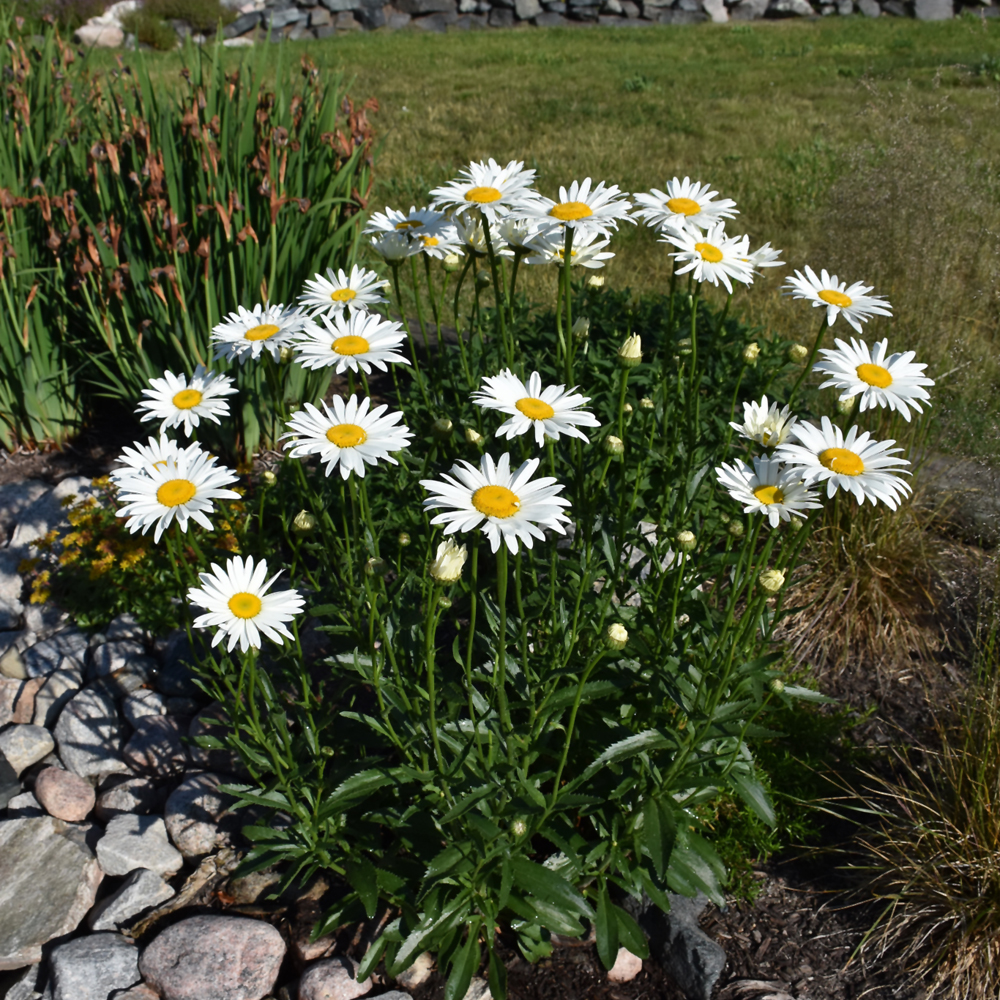
The Dwarf Shasta Daisy offers all the charm of its larger cousins in a more compact form. These smaller plants are perfect for adding cheerful blooms to smaller spaces. They bring big impact without taking over the garden.
Compact White Blooms
Dwarf varieties produce abundant white daisy flowers that are ideal for edging or containers. Their smaller size makes them incredibly versatile for various garden designs. They bring a delightful, sunny presence.
Small Garden Solutions
These plants are excellent for rock gardens, borders, or small patios where space is limited. A Dwarf Shasta Daisy can brighten any small nook. They provide a cheerful display in confined areas.
Low Maintenance Appeal
Dwarf types are generally easy to care for, requiring full sun and well-drained soil. They are a great choice for beginner gardeners or those seeking low-fuss beauty. Their resilience makes them a reliable option.
Prolific Flowering Habit
Despite their size, these plants bloom profusely from early summer to fall. Consistent deadheading will encourage even more flowers. They offer a long season of cheerful white blooms.
Yellow Shasta Daisy: Sunny Garden Accents
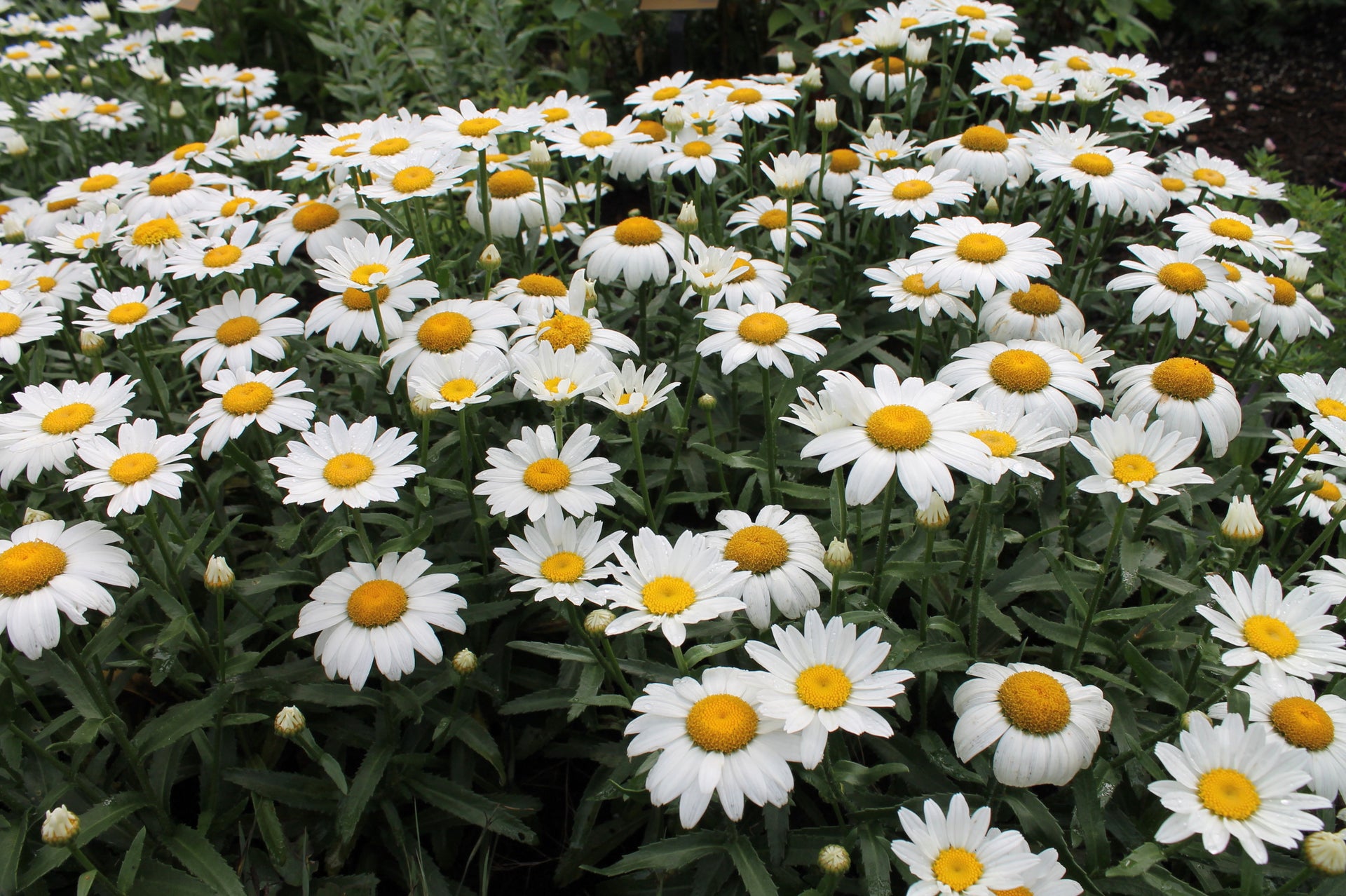
While most associate daisies with white, the Yellow Shasta Daisy brings a unique warmth. These varieties offer sunny hues that brighten garden beds and containers. They provide a cheerful alternative to traditional white blooms.
Leucanthemum ‘Banana Cream’
This specific Yellow Shasta Daisy cultivar offers blooms that start yellow and fade to cream. It provides a beautiful color progression throughout its blooming period. It adds a soft, sunny touch to any planting.
Sunny Color Palette
Incorporate Yellow Shasta Daisy varieties to create a warm and inviting garden aesthetic. They pair well with blues, purples, and other yellows for a harmonious look. These flowers bring a dose of sunshine.
Container Accents
Planting Yellow Shasta Daisy in pots or window boxes adds a cheerful focal point to patios and decks. Their sunny color is uplifting and welcoming. They thrive in containers with good drainage.
Mixed Perennial Borders
These yellow varieties can be integrated into mixed borders to provide a unique color contrast. They stand out beautifully against foliage plants or darker flowers. They add an unexpected pop of color.
| Category | Details |
|---|---|
| Species | Leucanthemum x superbum and cultivars |
| Colors | White, Cream, Yellow |
| Bloom Time | Early Summer to Early Fall |
| Sun Exposure | Full Sun (minimum 6 hours) |
Style and Reference Gallery
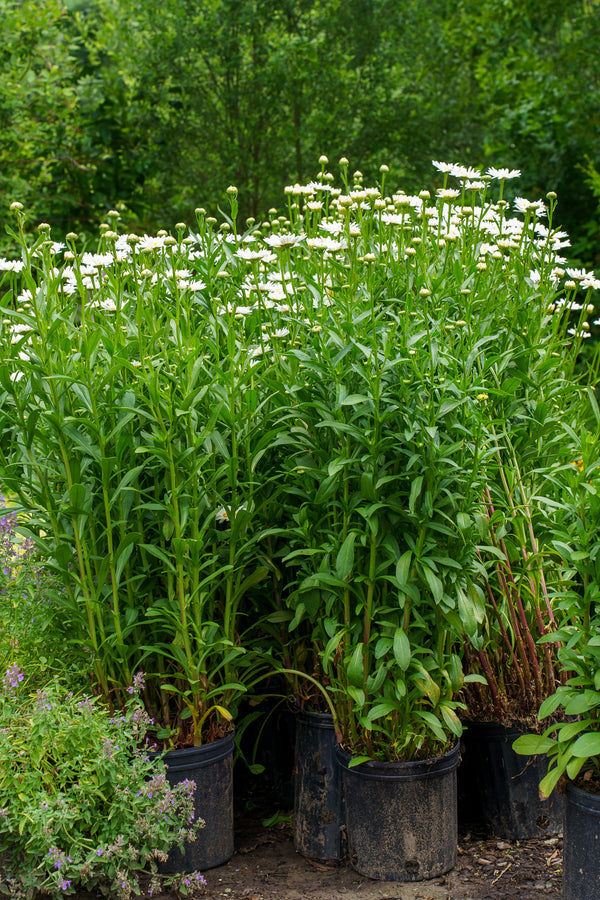
Divide clumps in early spring when new growth appears. Replant divisions 18 to 24 inches apart for good air circulation.
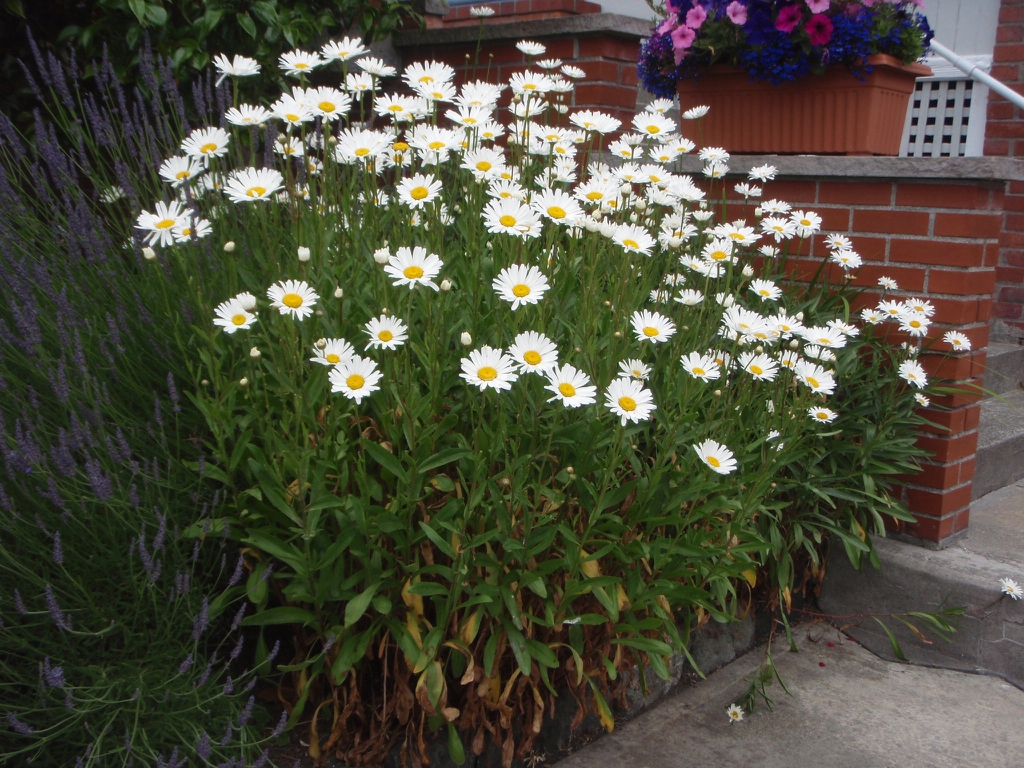
Fertilize lightly in spring with a 10-10-10 formula. Too much fertilizer produces lush leaves but fewer flowers.
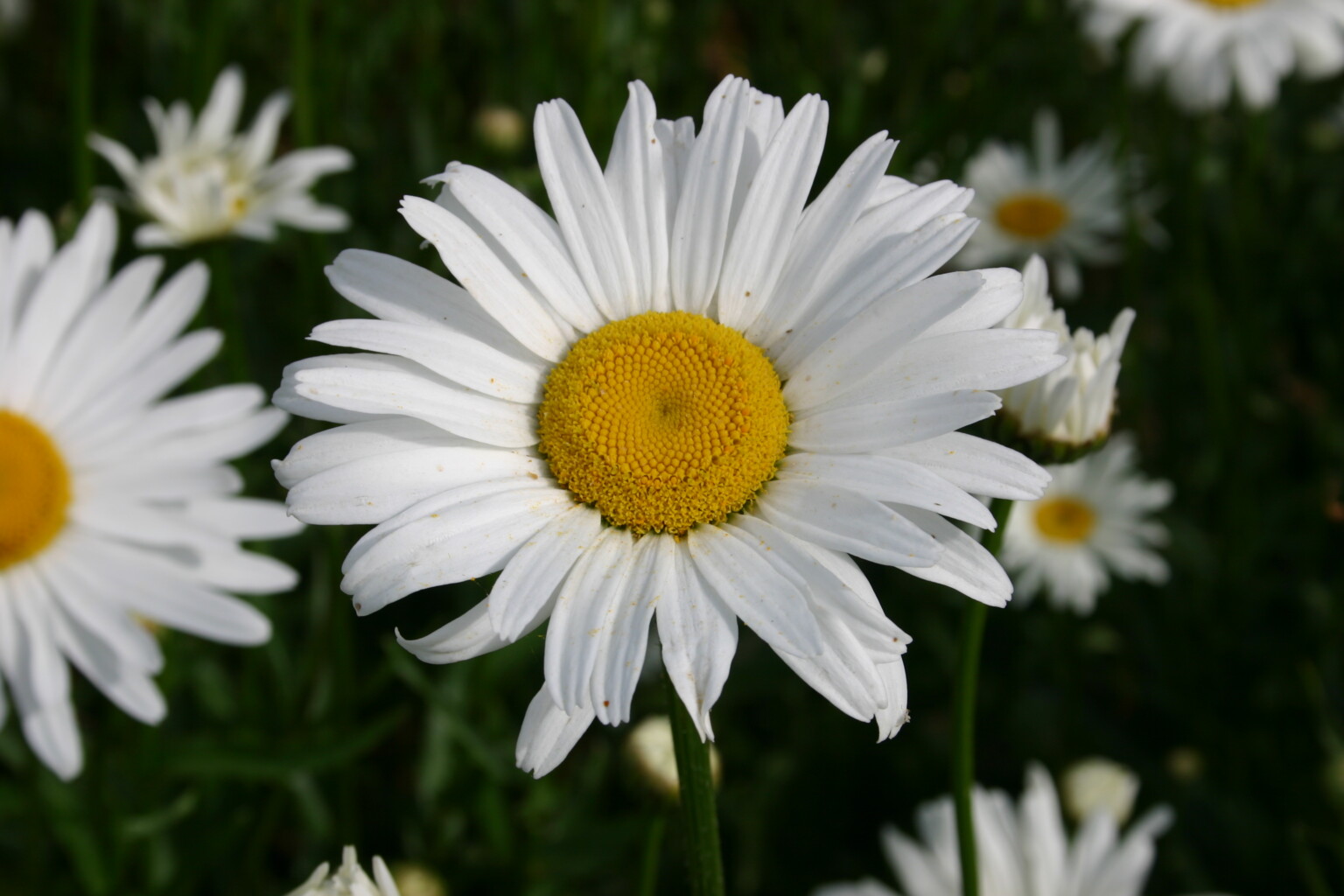
Cut back stems to the ground after the first hard frost. This tidies the garden and reduces pest hiding spots.
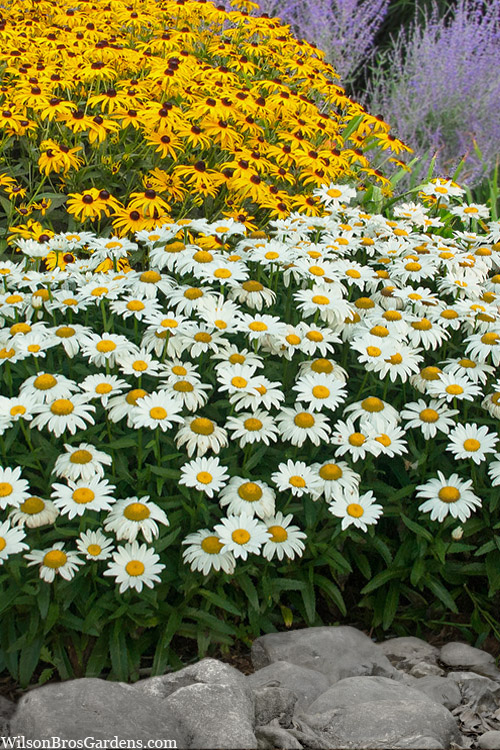
Protect plants from heavy winter moisture by ensuring good drainage. Raised beds or slopes are ideal for Shasta daisies.
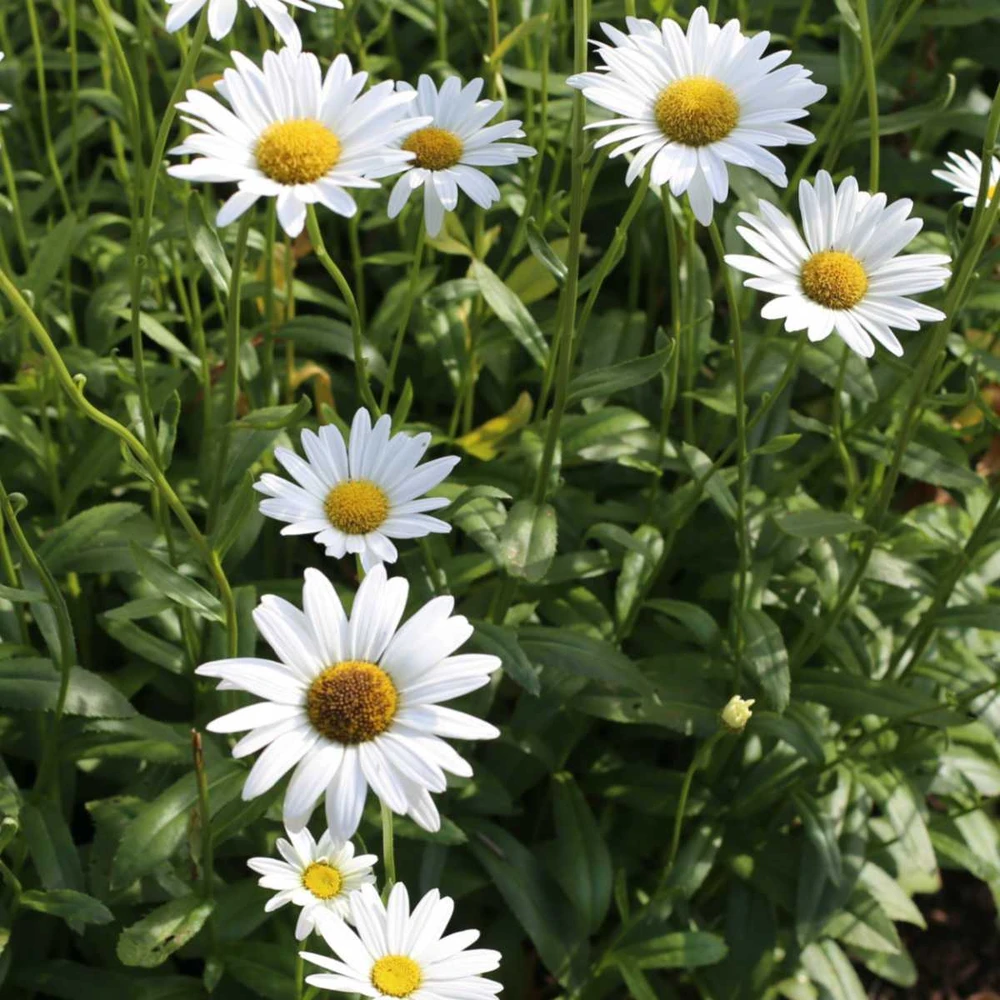
Try ‘Banana Cream’ for a unique soft yellow bloom. Its color fades to cream as it ages, adding subtle variety.
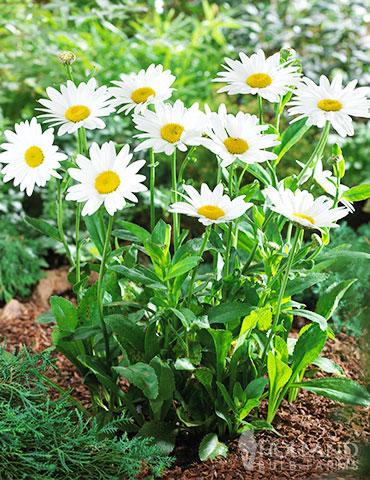
Combine with ornamental grasses like blue fescue for texture. The fine grass blades contrast beautifully with daisy petals.
Incorporate Shasta daisies into a pollinator garden. Bees and butterflies love them, and they attract beneficial insects.
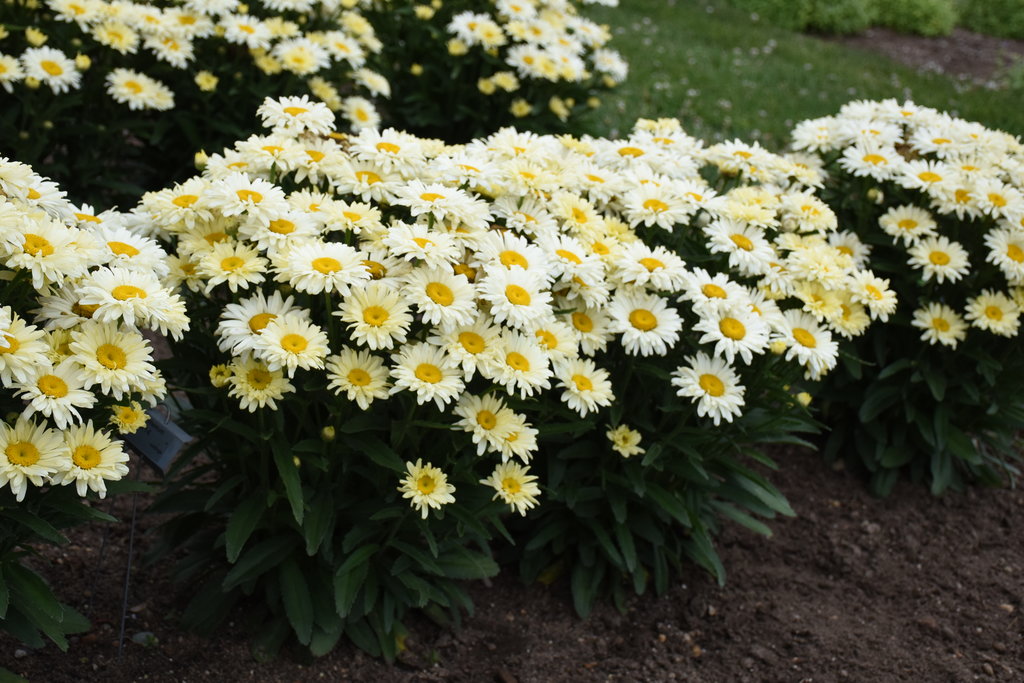
Shasta daisies shine brightest in full sun. Their white petals reflect the light, creating a natural focal point.
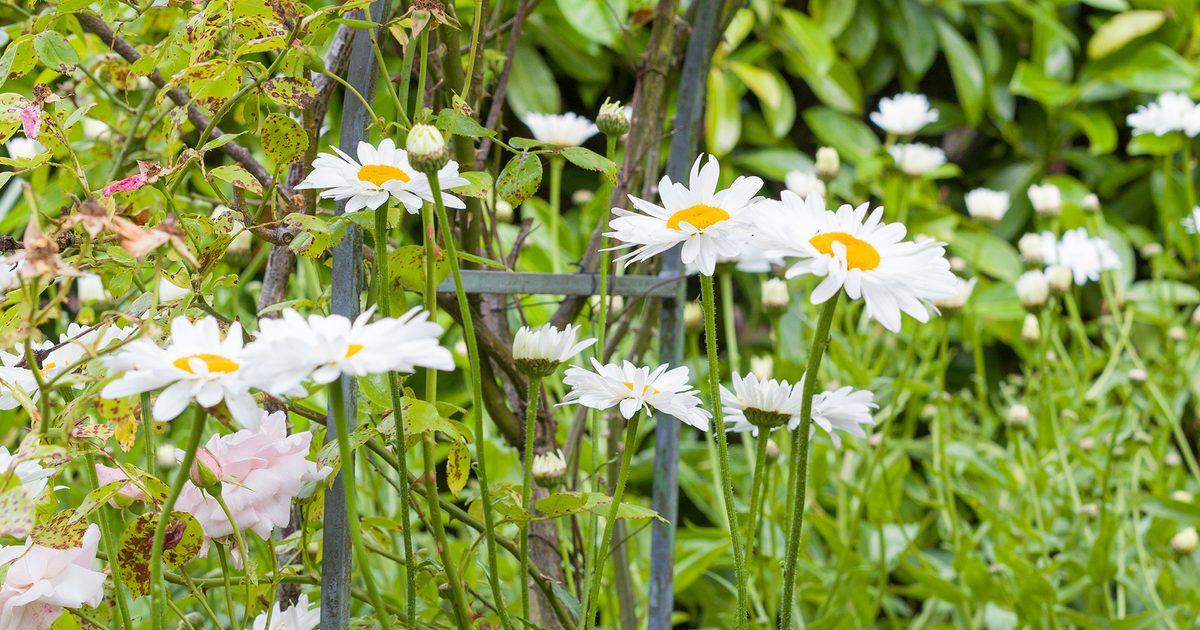
Plant them in groups of three or more for the best visual impact. A cluster looks fuller and more natural than single plants.
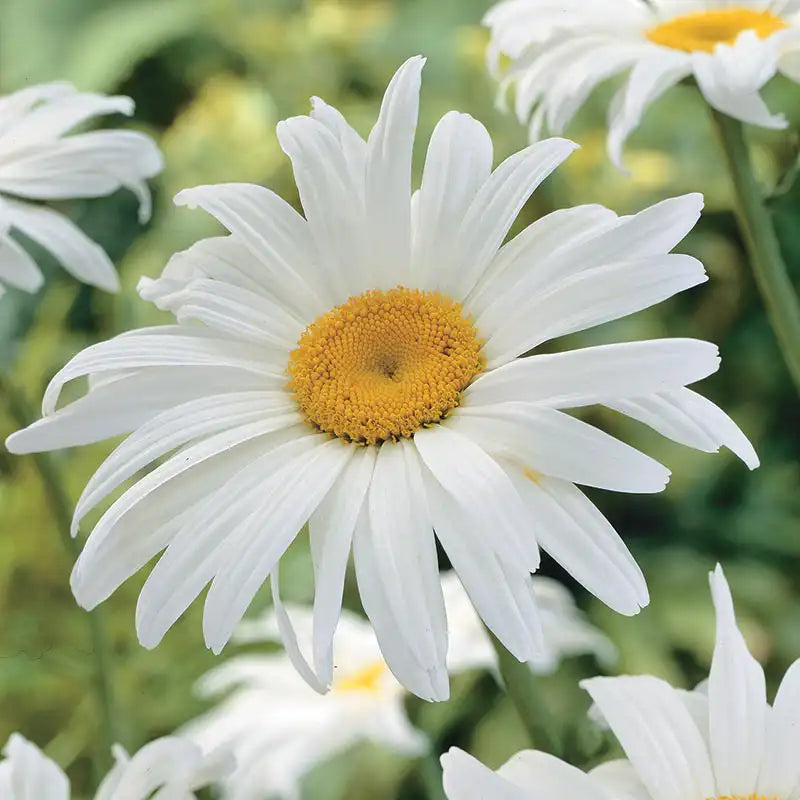
Pair Shasta daisies with purple salvia or Russian sage for a classic color contrast. The cool tones complement each other perfectly.
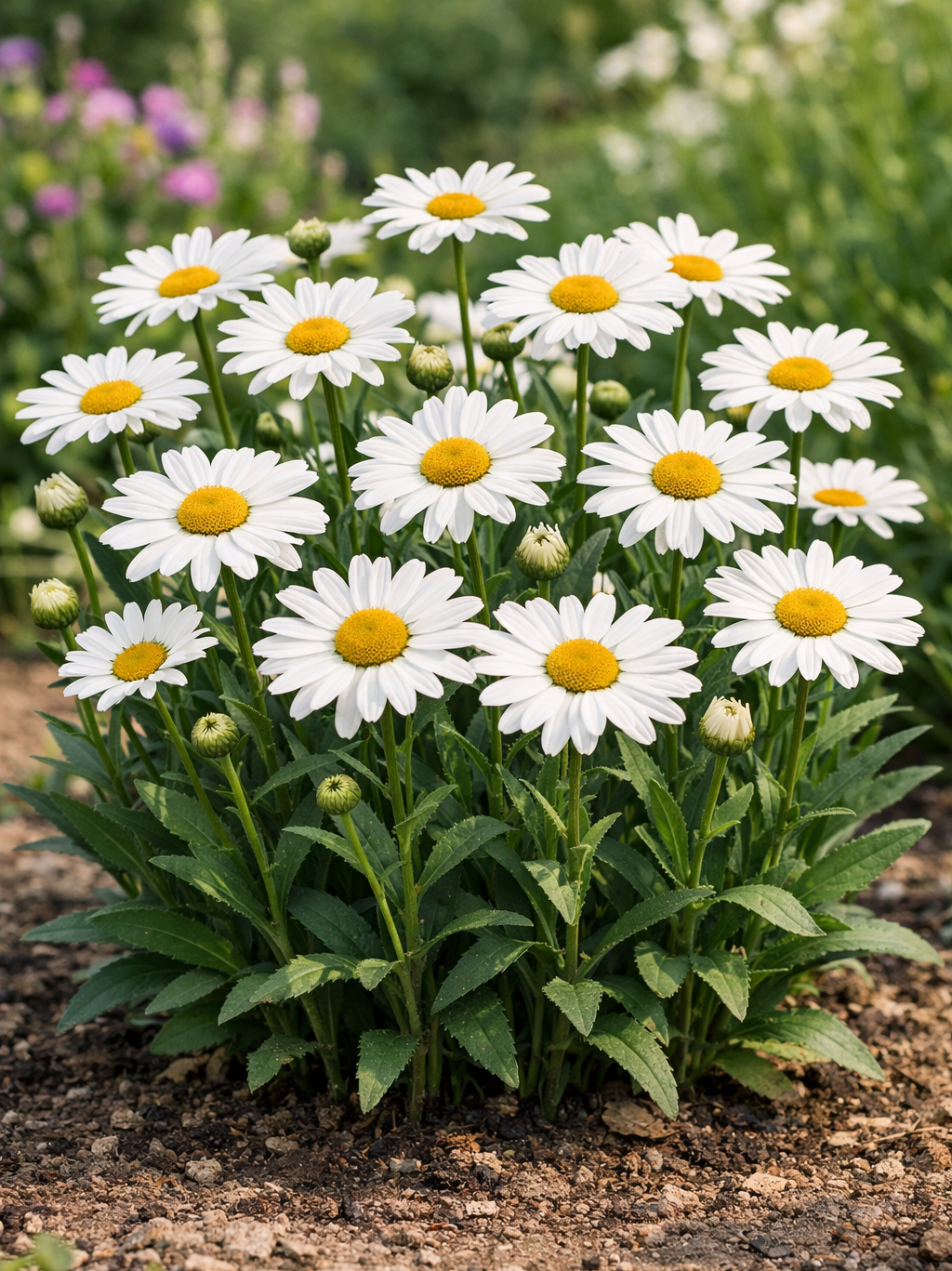
Use dwarf varieties like ‘Snowcap’ at the front of the border. They stay compact and tidy, framing taller flowers behind.
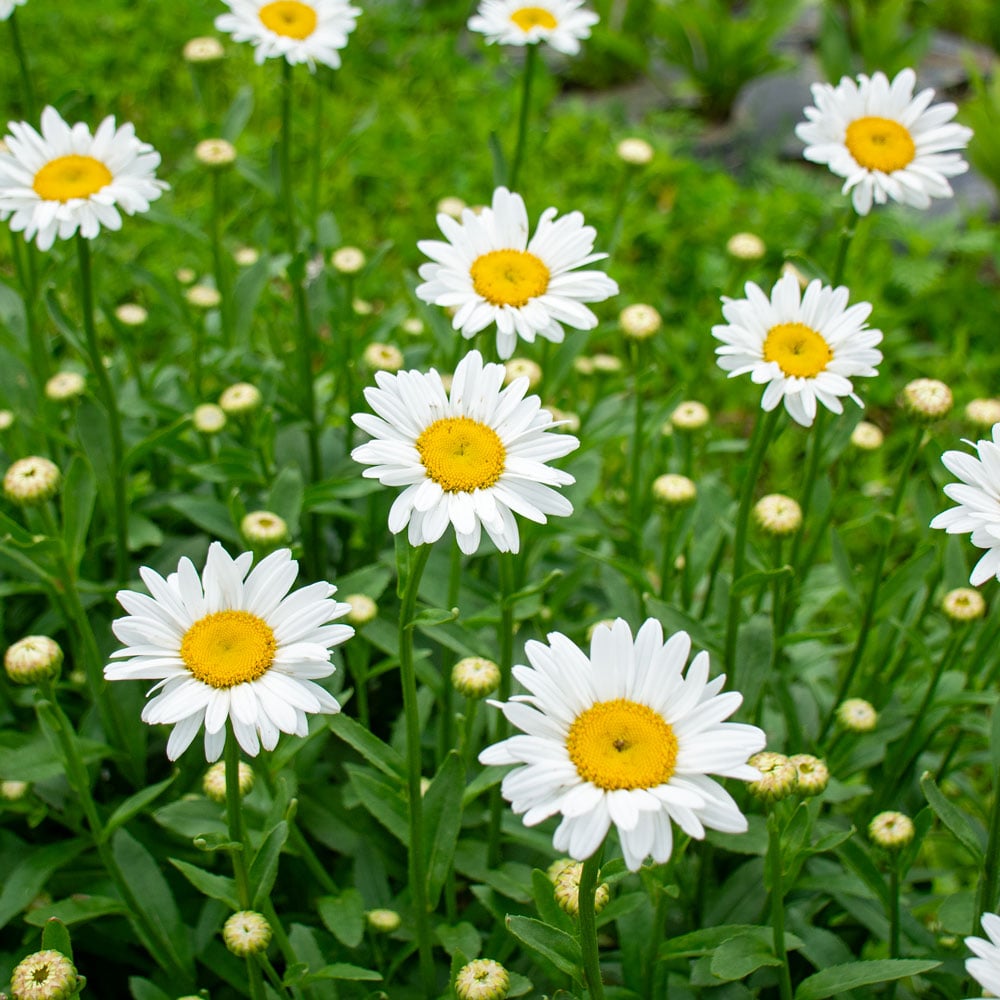
For a cutting garden, grow ‘Becky’ daisies on long, sturdy stems. They last over a week in a vase with regular water changes.
Deadhead spent flowers every few days to keep the plant blooming. Snip just above the first set of leaves below the bloom.
Expert Care for Your Shasta Daisies
Step-by-Step Planting and Care
Start by choosing a spot with at least six hours of direct sun daily. Dig a hole twice as wide as the root ball and place the plant at the same depth it was in the pot.
Water deeply right after planting to settle the soil. For established plants, aim for one inch of water per week through rainfall or irrigation.
Apply a layer of organic mulch around the base to retain moisture and suppress weeds. Fertilize lightly in early spring with a balanced, slow-release fertilizer.
What to Avoid
Never plant Shasta daisies in heavy clay or poorly drained soil. Waterlogged roots during winter are the number one cause of plant loss.
Avoid planting in deep shade where they will become leggy and produce few flowers. Also, do not let the soil dry out completely for extended periods.
Do not skip deadheading if you want continuous blooms. Leaving spent flowers will stop the plant from producing new buds.
Maintenance Tips for Longevity
Divide your clumps every two to three years in early spring or fall. This prevents overcrowding and keeps the plants vigorous and floriferous.
Cut back the stems to the basal foliage after the first hard frost. This helps the plant conserve energy for the next season.
Watch for aphids and powdery mildew in humid conditions. Use a strong spray of water or insecticidal soap for aphids, and ensure good air circulation to prevent mildew.
Frequently Asked Questions
How long do Shasta daisies live?
They are considered short-lived perennials, typically lasting 3 to 5 years. Regular division every 2 to 3 years keeps them healthy and extends their life.
Can Shasta daisies grow in partial shade?
Yes, they can tolerate light afternoon shade in hot climates. However, too much shade reduces blooming and makes stems floppy.
Why are my Shasta daisies not blooming?
The most common cause is insufficient sunlight. Ensure they receive at least 6 hours of direct sun daily, and avoid over-fertilizing with nitrogen.
Shasta daisies are a reliable, classic choice for any sunny garden, offering months of cheerful blooms with minimal effort. Their adaptability and resilience make them a favorite among both new and experienced gardeners.
Now it’s your turn to add these timeless beauties to your landscape. Start with a few plants this season, and you’ll be rewarded with a stunning display year after year.
Imagine a border filled with crisp white petals nodding in the summer breeze, paired with purple coneflowers and ornamental grasses. This is the effortless charm that Shasta daisies bring to your outdoor space.
