

Are you tired of your sewing needle breaking mid-stitch or damaging your fabric? Choosing the wrong needle is one of the most common mistakes in sewing. Getting it right can save you time, money, and frustration.
Your sewing needle is the single most important tool for a smooth stitch. Using the correct type and size for your fabric prevents skipped stitches and fabric puckering. Let’s clear up the confusion once and for all.
Understanding Sewing Needle Types and Sizes for Every Project
There are two main categories: hand sewing needles and sewing machine needles. Hand needles have the eye at the blunt end, while machine needles have the eye near the point. Their sizing systems are opposite, so knowing the difference is key.
For hand needles, a higher number means a finer needle. A size 12 sharp is much thinner than a size 1 darning needle. Machine needles use a dual number like 90/14, where higher numbers indicate thicker needles for heavier fabrics. Always match the needle to your fabric weight.
Specialized needles exist for denim, leather, knits, and embroidery. For example, a ballpoint needle pushes between knit fibers instead of cutting them. Using a universal needle on knits can cause skipped stitches and fabric runs.
The Essential Sewing Needle: Your Project’s Best Friend
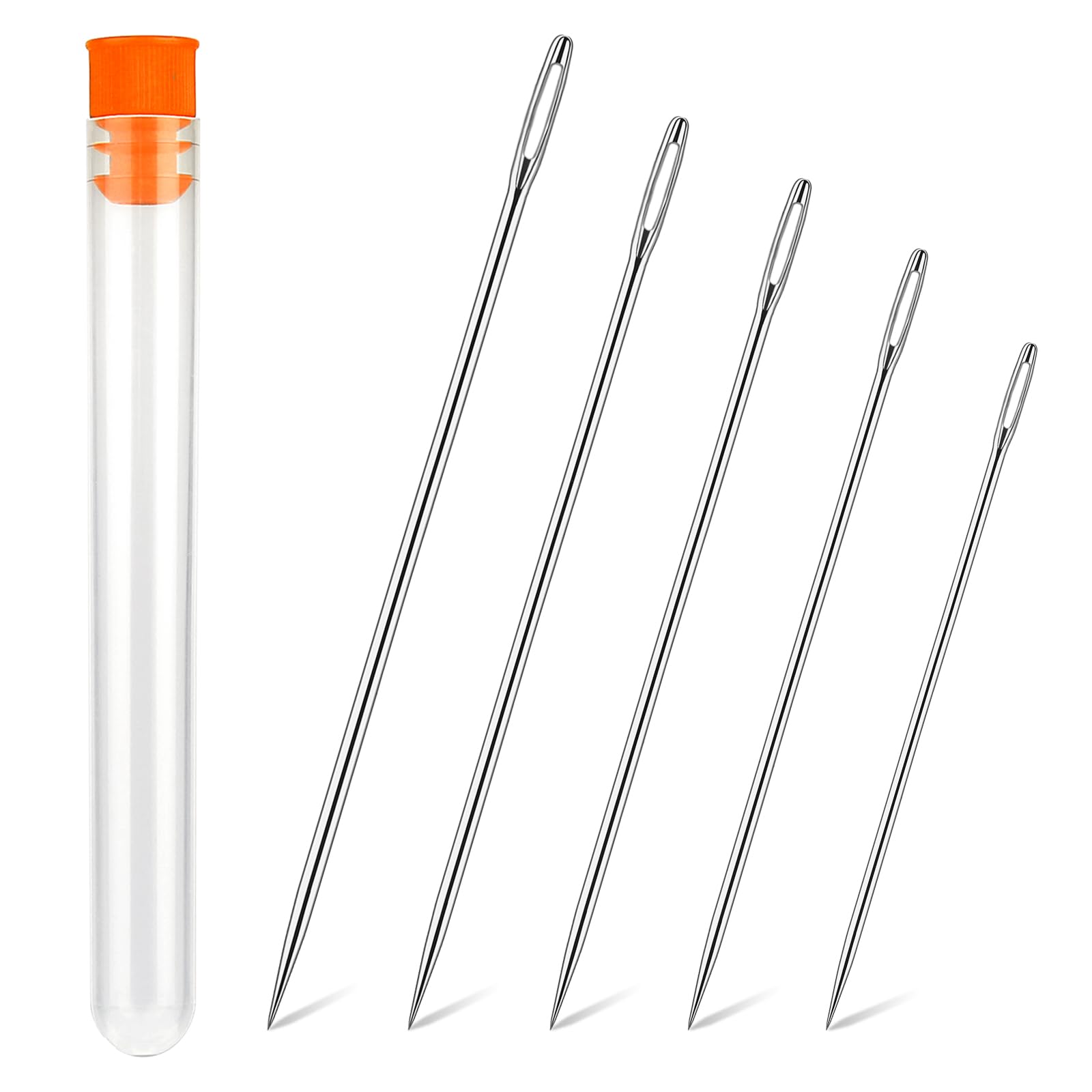
A sewing needle is more than just a tool; it’s the crucial link between your thread and your fabric. Whether you are hand-sewing a button or using a high-speed machine, the right needle makes all the difference. Understanding their design and purpose prevents common sewing frustrations.
Choosing the correct needle ensures smooth stitching, prevents fabric damage, and makes your sewing experience more enjoyable. We will break down the key differences and help you select the perfect needle for any task.
| Needle Type | Key Feature | Sizing System | Common Use |
| Hand Sewing | Eye at blunt end | Higher number = finer needle (e.g., size 12 is thinner than size 1) | General sewing, mending, quilting |
| Machine Sewing | Eye at pointed tip, flat shank side | Two numbers (e.g., 90/14). Higher number = thicker needle. | All machine sewing applications |
Hand Sewing Needles for Beginners
For those starting with hand sewing, a good general-purpose needle is essential. Sharps needles are a popular choice, known for their medium length and sharp point, making them versatile for various fabrics. The eye of a hand sewing needle is where you thread your material, and its size can vary, affecting how easily you can pass thicker threads through it.
Remember, with hand sewing needles, a higher number means a finer, thinner needle. A size 12 is much finer than a size 1.
Having a variety pack of hand sewing needles is a smart investment for any home sewer. This allows you to experiment and find what works best for different projects and your personal comfort.
Sewing Machine Needle Sizes Explained
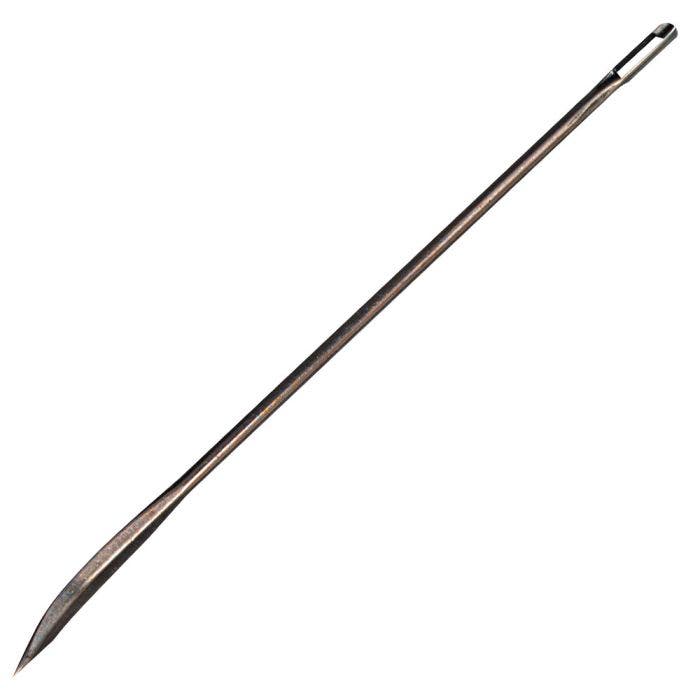
Machine needles have a different system. They use a dual-number designation, like 80/12 or 90/14. The first number is the European (metric) size, and the second is the American size. Crucially, for machine needles, a higher number indicates a thicker, stronger needle, designed for heavier materials.
The shank of a machine needle has a flat side. This flat side must align correctly with the machine’s mechanism to ensure the needle enters the throat plate properly. Incorrect orientation is a common cause of skipped stitches or needle breakage.
Always check your sewing machine manual for recommended needle sizes. Using the wrong size can damage both your machine and your fabric.
Ballpoint Needles for Knit Fabrics
Knit fabrics, like t-shirts and activewear, have a stretch. A regular needle can snag and create runs in these materials. Ballpoint needles are designed with a rounded tip that pushes the fabric fibers aside rather than piercing them.
This prevents damage and ensures that your stitches lie smoothly on stretchy materials. They are a must-have for anyone working with jersey, interlock, or other knit fabrics. You’ll find fewer skipped stitches and a more professional finish.
Denim Needles for Heavy Fabrics
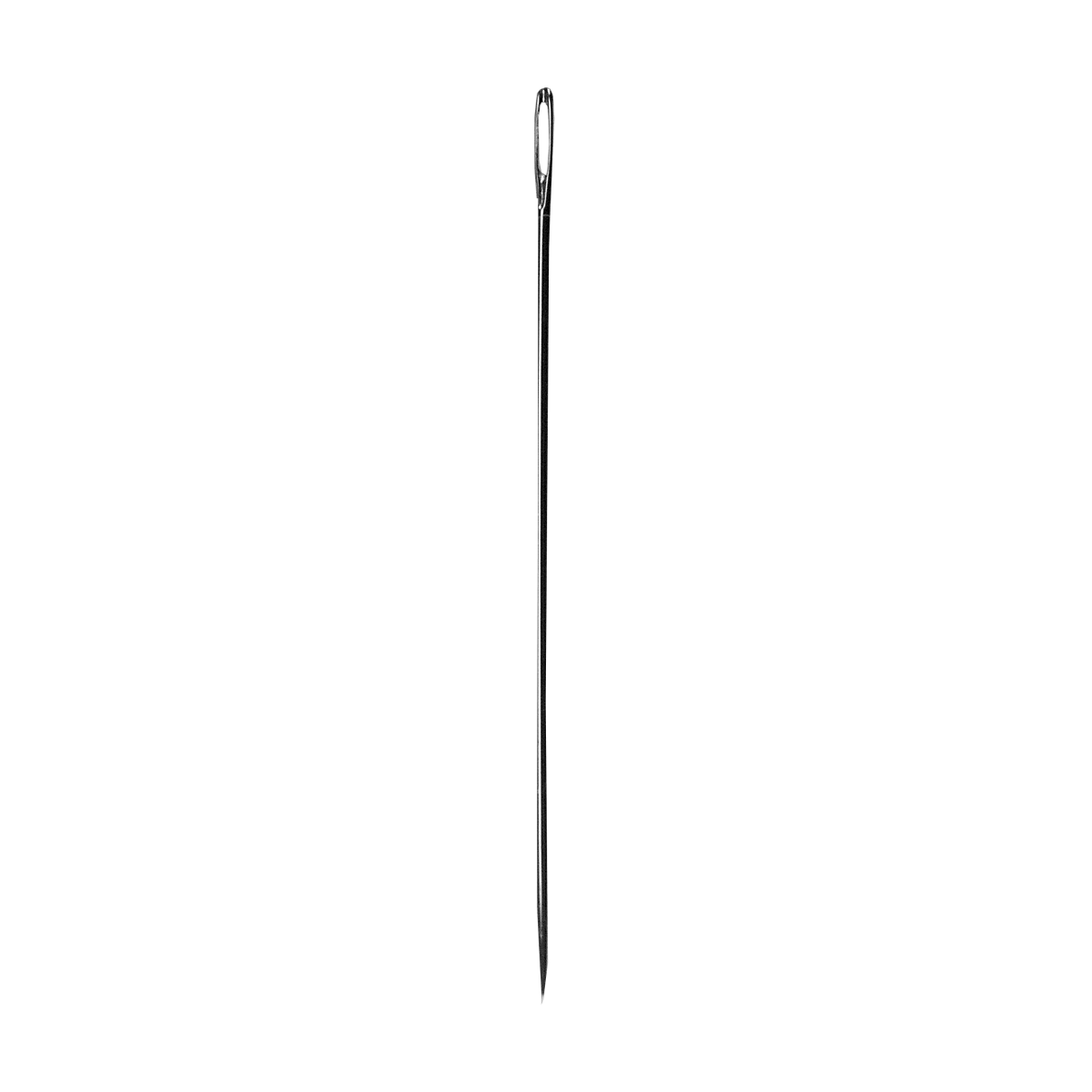
Working with tough materials like denim, canvas, or upholstery fabric requires a robust needle. Denim needles are specifically engineered to be strong and sharp, allowing them to penetrate multiple layers of thick material without bending or breaking. They often have a reinforced blade.
Using a denim needle on heavy fabrics prevents frustrating thread breaks and skipped stitches. It ensures that your machine can handle the resistance of the material smoothly. This is vital for projects like jeans, tote bags, or sturdy home decor items.
Embroidery Needles for Decorative Stitches
Embroidery needles are designed to work with decorative threads and create beautiful designs. They often have a larger eye than standard needles, making it easier to thread thicker embroidery floss or specialty threads. The shaft is typically smooth to prevent snagging.
Some embroidery needles also feature a larger scarf, which helps the bobbin thread to be caught more easily, reducing skipped stitches during complex stitch patterns. This attention to detail is key for achieving flawless decorative results.
Quilting Needles for Layered Projects
Quilting involves sewing through multiple layers of fabric and batting. Quilting needles are designed to be strong and sharp, with a slender shaft to easily penetrate these layers. They are often shorter than standard needles, which can provide more control when maneuvering fabric.
The eye of a quilting needle is usually large enough to accommodate quilting threads, which can sometimes be thicker than standard sewing threads. This makes the quilting process smoother and less prone to thread breakage.
Microtex Needles for Fine Fabrics
For delicate materials like silk, satin, or microfiber, you need a needle that won’t cause damage. Microtex needles, also known as sharps or fine fabric needles, have a very fine, sharp point. This allows them to pierce tightly woven fabrics cleanly without snagging or pulling threads.
Using a Microtex needle on fine fabrics ensures a crisp, clean stitch. It prevents the fabric from fraying or developing pulls, which is essential for a polished look on garments or delicate home decor.
How to Thread a Sewing Needle Easily
Threading a sewing needle, especially a small one, can be a challenge. For hand sewing, ensure your thread end is clean and not frayed. You can twist it slightly or use a needle threader, a small tool that makes passing the thread through the eye much simpler. Many modern needles even offer self-threading options.
For machine sewing, always lift the presser foot before threading. This releases the tension discs, allowing the thread to pass through smoothly. Follow the machine’s threading path precisely, ensuring the thread is seated in all the guides and tension discs.
A common mistake is not following the machine’s exact threading path. Always double-check that the thread is in every groove and under every lever.
Specialized needles like the Spiral Eye® offer a unique solution for those who struggle with traditional threading. These needles have a small slit or groove in the eye, allowing you to simply slide the thread in from the side, eliminating the need to aim for the eye itself.
The Verdict: Needle Smarts for 2026 and Beyond
In 2026, the sewing needle continues to be a vital component in both handcraft and automated production. Innovations in needle technology, such as enhanced coatings for durability and self-threading designs, are making sewing more accessible and efficient than ever before. Understanding the specific design and application of different sewing needle types is not just about preventing problems; it’s about elevating your craft.
By mastering the nuances of needle selection—from the fine point of a Microtex to the robust strength of a denim needle—you unlock a higher level of precision and quality in your projects. Invest in the right needles, and you invest in the success of every stitch you make.
Your Action Plan for Perfect Needle Selection
Step 1: Match Needle to Fabric
- For lightweight fabrics like silk or chiffon, choose a fine needle (size 60/8 or 70/10 for machine; size 8 or 9 for hand). This prevents visible holes and fabric damage.
- For medium-weight fabrics such as cotton or linen, a universal needle size 80/12 works well. For hand sewing, a sharp size 7 or 8 is versatile.
- For heavy fabrics like denim or canvas, use a denim needle size 100/16 or 110/18. Hand sewers should pick a sharp size 3 or 4 for strength.
Step 2: Consider Fabric Type
- Knit fabrics require a ball-point or stretch needle to avoid skipped stitches. The rounded tip slides between fibers instead of piercing them.
- Leather and vinyl need a leather needle with a cutting point. This creates clean holes without tearing the material.
- Embroidery and decorative threads call for a topstitch or embroidery needle with a larger eye. This prevents thread fraying and breakage.
Step 3: Check Your Machine Compatibility
- Most home machines use standard 130/705H needles. Always confirm your machine’s needle system before buying.
- Replace needles after every 8-10 hours of sewing or when you notice skipped stitches. A dull needle damages fabric and thread.
- Keep a variety of needle types and sizes in your sewing kit to be ready for any project. This saves time and frustration.
Frequently Asked Questions
Can I use a hand-sewing needle in my sewing machine?
No, hand-sewing needles are not designed for machine use. Machine needles have a flat shank and the eye near the point, which is essential for proper stitch formation.
How often should I change my sewing machine needle?
Change your needle after every 8-10 hours of sewing or at the start of a new project. A worn needle can cause skipped stitches, thread breakage, or fabric damage.
What is the difference between a universal and a ball-point needle?
A universal needle has a slightly rounded point suitable for woven fabrics. A ball-point needle has a fully rounded tip designed to separate knit fibers without cutting them, preventing runs.
Choosing the right sewing needle is a small decision with a huge impact on your sewing results. By matching needle type and size to your fabric, you avoid frustration and achieve professional-quality stitches.
Now that you understand the basics, explore specialized needles for your next project. Try a denim needle for jeans or a stretch needle for activewear to see the difference.
In 2026, needle technology continues to evolve with self-threading options and advanced coatings. Stay curious and experiment with new tools to elevate your craft.
