


Ever had a wardrobe malfunction in public and wished for a quick fix? A single safety pin can save the day, keeping your clothes together until you get home. It is a small but mighty tool that belongs in every home.
Forget the idea that safety pins are just for baby diapers or sewing kits. They are a practical solution for emergency repairs, DIY jewelry, and even home decor. Knowing how to use them correctly can save you money and stress.
Choose the Right Safety Pin for the Job: From Blanket Pins to Quilting Pins
Not all safety pins are the same. For thick fabrics like a winter coat or a quilt, you need heavy-duty safety pins or blanket pins. These are larger and stronger, often made from rust-resistant steel like the ones from Singer or NiftyPlaza.
For delicate fabrics or small repairs, reach for small safety pins or curved safety pins. Curved safety pins are a favorite among quilters because they make it easier to pin through multiple layers without distorting the fabric. An assorted pack from Mr. Pen gives you all sizes for any project.
Remember, industrial strength safety pins can handle tough jobs like securing a backpack strap or making a statement necklace. But always check the material: nickel-plated safety pins resist rust and last longer. Keep them away from children and store them in a closed container to prevent accidents.
The Safety Pin in 2026: More Than Just a Fastener
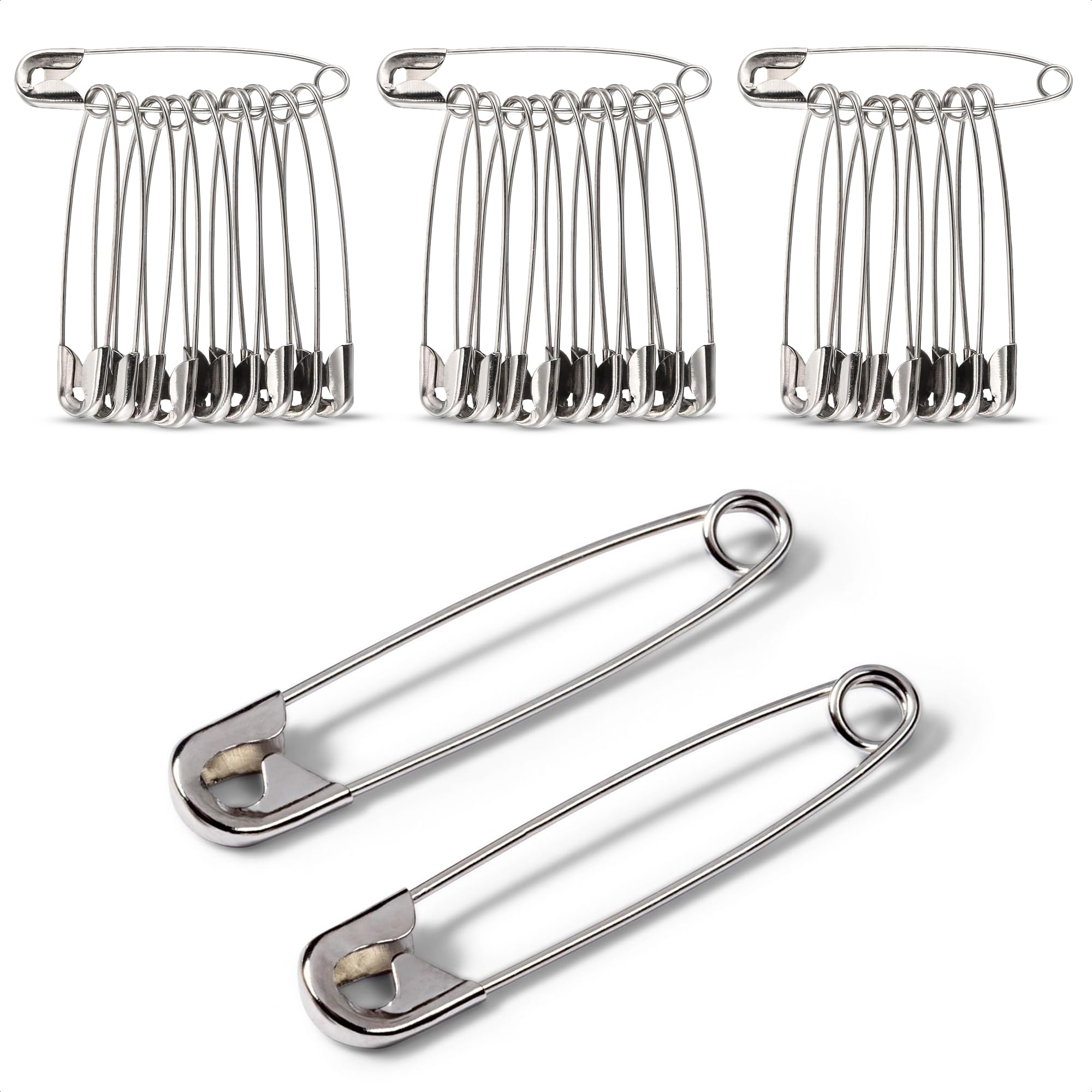
The humble safety pin has come a long way since its invention in 1849. It is now a versatile tool and a fashion statement. Walter Hunt created it to pay off a debt. Today, it is used for everything from home repairs to high fashion. Its simple design, a coiled spring and a protective clasp, makes it incredibly useful. Understanding its different types and uses can save you time and money.
| Type | Description | Typical Use | Cost (Approx.) |
| Standard | Coiled spring, sharp point, clasp | Garment repair, fabric fastening | $0.10 – $0.50 each |
| Blanket/Quilting | Larger, sturdier | Securing thick fabrics, quilts | $0.50 – $2.00 each |
| Curved | Bent shape | Quilting, basting | $0.30 – $1.00 each |
| Heavy-Duty | Thick wire, large size | Upholstery, crafts | $1.00 – $5.00 each |
| Rust-Resistant | Special coating | Outdoor use, sewing projects | $0.20 – $0.75 each |
Heavy-Duty Safety Pins for Thick Fabrics
When you need to fasten thick materials, standard pins will not do. Heavy-duty safety pins are built for this challenge. They use thicker wire and are often larger in size. This provides the strength needed for materials like denim, canvas, or upholstery fabric. You can use them for quick fixes on outdoor gear or to temporarily secure heavy drapes. They offer a reliable hold that smaller pins cannot match. Always choose a size appropriate for the fabric thickness.
Curved Safety Pins for Quilting Projects
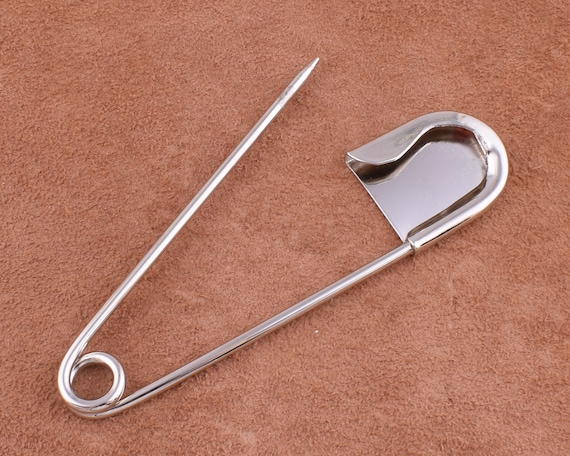
Quilting requires precision and tools that make the job easier. Curved safety pins are designed specifically for this craft. Their bent shape allows them to easily pierce through multiple layers of fabric. They then lie flatter against the material. This prevents them from snagging or shifting as you work. They are ideal for basting quilt layers together before stitching. Using curved pins makes the quilting process smoother and more professional. Many quilters find them indispensable for their projects.
Small Safety Pins for Delicate Repairs
Not all repairs need a heavy-duty solution. For delicate fabrics like silk or lingerie, small safety pins are the best choice. Their fine points minimize damage to the material. They are perfect for minor alterations or temporary fixes on clothing. You can use them to discreetly hem a fallen pant leg or reattach a strap. These pins are also useful for securing lightweight accessories. Keep a pack handy for those unexpected wardrobe malfunctions. They are a lifesaver for fine garments.
Rust-Resistant Safety Pins for Outdoor Use
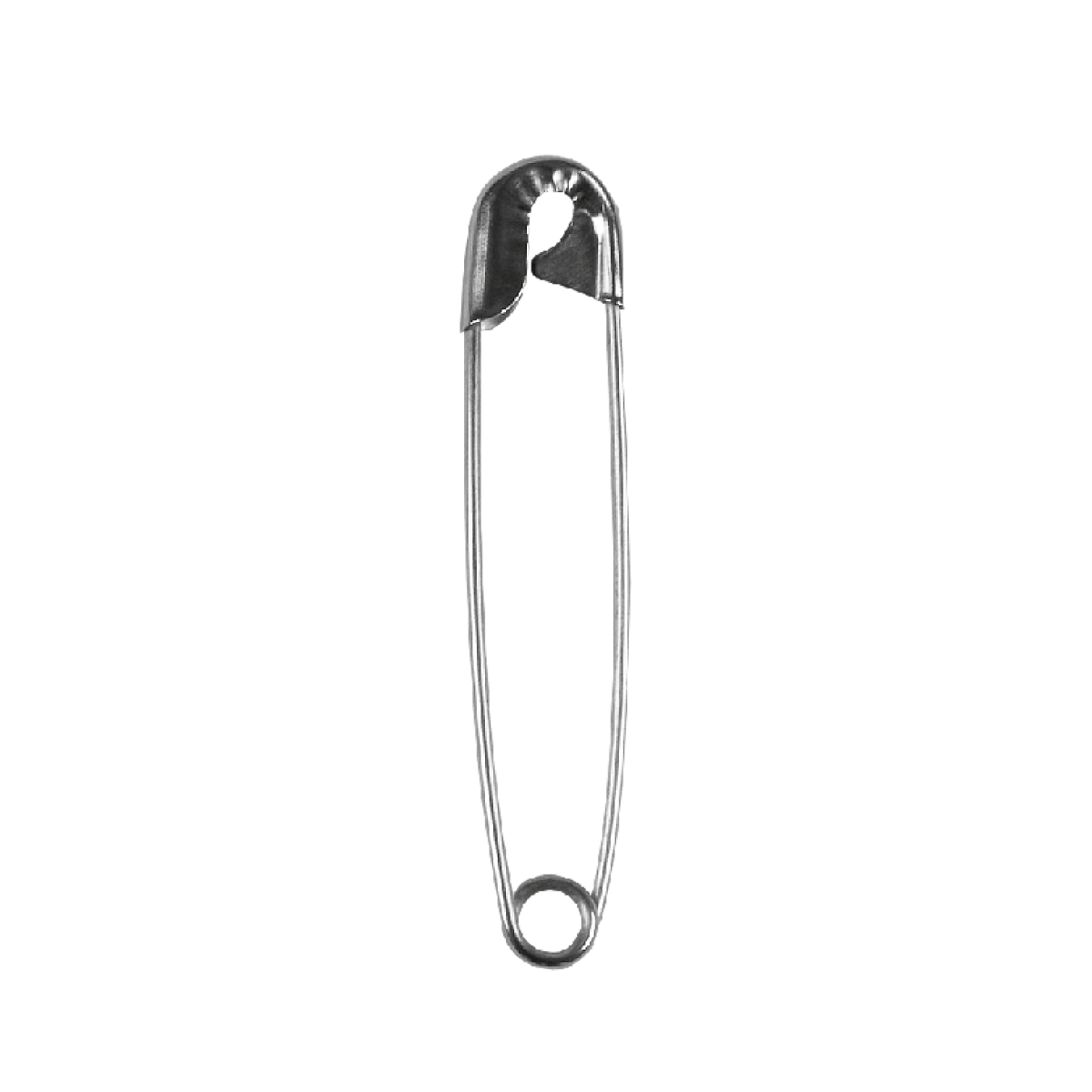
Exposure to moisture can cause ordinary metal pins to rust. This can stain your fabrics and weaken the pin. For items used outdoors or in damp environments, rust-resistant safety pins are essential. These pins often have a special coating or are made from materials like stainless steel. They maintain their integrity and appearance even when exposed to the elements. Use them for tarps, outdoor cushions, or camping gear repairs. They ensure your repairs last longer without unsightly rust marks. This makes them a practical choice for durability.
Safety Pin Brooches as Fashion Accessories
The safety pin has evolved into a fashion accessory. Safety pin brooches offer a unique way to personalize outfits. Designers have incorporated them into statement pieces. You can also create your own DIY versions. Attach charms, beads, or fabric scraps to a larger safety pin. Wear it on a jacket lapel, a scarf, or a handbag. It adds an edgy and personal touch to your look. This trend allows for creative expression. It shows how a simple item can become a style element.
Safety Pin Necklaces: DIY Jewelry Ideas
Creating your own jewelry is a rewarding and affordable hobby. Safety pin necklaces are a popular DIY project. You can string multiple safety pins together to form a chain. Mix them with beads, pendants, or other findings. For a bolder look, use larger pins. For a more subtle style, opt for smaller ones. Many tutorials show how to create unique designs. This is a fun way to express personal style. It turns a common object into wearable art. Check out examples online for inspiration. Assorted safety pins are great for starting out.
Safety Pin Earrings: Lightweight and Edgy
For those seeking an edgy aesthetic, safety pin earrings are a fantastic choice. They are often lightweight, making them comfortable to wear all day. You can find them in various finishes, from silver to gold tones. Many are designed to mimic fine jewelry, while others embrace a more raw, punk-inspired look. They are a simple yet impactful way to update your style. These earrings can be surprisingly versatile. They pair well with casual outfits or add an unexpected twist to formal wear. They are a testament to the pin’s adaptable nature.
Industrial Strength Safety Pins for Upholstery
Upholstery work involves thick, durable fabrics that require strong fasteners. Industrial strength safety pins are designed for these demanding tasks. They are typically very large and made from robust metal. These pins can hold layers of fabric and padding in place during the reupholstering process. They provide a temporary but secure hold before permanent methods are applied. Using the right pins prevents fabric slippage and ensures a cleaner finish. They are a practical solution for furniture repair and restoration projects. Their sheer size and strength are impressive.
The Enduring Utility and Style of the Safety Pin
The safety pin remains an indispensable item in households across America. Its journey from a simple fastener to a symbol of solidarity and a fashion element is remarkable. In 2026, its practicality is undeniable. For home repairs, crafting, or sewing, having a variety of sizes is key. Consider rust-resistant options for any outdoor applications. For fashion, safety pins offer endless creative possibilities. They allow for personalization and a touch of rebellion. Walter Hunt’s simple invention continues to prove its worth. The history of the safety pin shows its lasting impact. Always handle them with care, especially around children. Store them safely when not in use.
Your 3-Step Action Plan for Safety Pins
Step 1: Choose the Right Size and Material
Select safety pins based on your project’s fabric weight. For delicate fabrics like silk, use small, fine pins (size 0-1) to avoid holes. For heavy quilts or denim, opt for large, heavy-duty pins (size 3-4) with rust-resistant coating.
Step 2: Master the Basic Fastening Technique
Insert the point through the fabric, then push until it emerges. Close the clasp by pressing the coiled spring end against the pin’s head until it clicks.
Step 3: Use Safety Pins for Quick Fixes and Hacks
For a loose waistband, attach a safety pin to the inside seam to gather excess fabric. To fix a broken zipper, thread a small safety pin through the zipper pull hole as a temporary replacement.
Frequently Asked Questions
Can safety pins damage my clothes?
Yes, if used incorrectly. Always test on a hidden area first, and avoid placing pins in high-stress seams that may tear.
How do I remove a safety pin without leaving a mark?
Open the pin fully and slide it out gently along the fabric grain. For delicate fabrics, use a pin with a smooth, nickel-plated finish to reduce friction.
Are there safety pins that won’t rust?
Look for pins labeled ‘rust-resistant’ or ‘stainless steel.’ Nickel-plated steel pins offer good protection for general use, but avoid prolonged exposure to moisture.
The safety pin is a humble yet powerful tool that combines function with fashion. Its versatility makes it a must-have in every home and wardrobe.
Now, take your new knowledge and start using safety pins for creative repairs and styling hacks. Experiment with different sizes and placements to discover what works best for you.
Imagine transforming an oversized jacket into a fitted statement piece with a single pin. The future of fashion is about making what you have work better—and safety pins are your secret weapon.
