

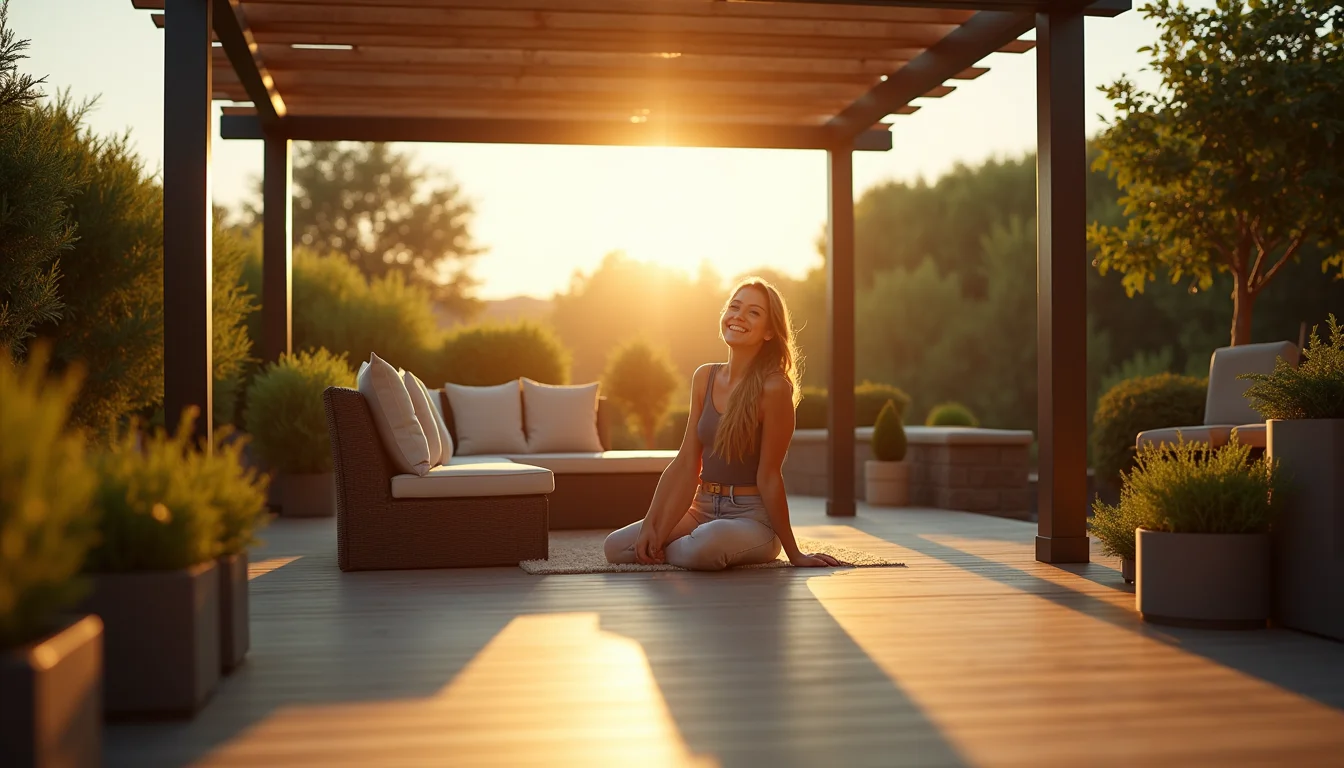
You want a beautiful outdoor space but the sun is too harsh and your patio feels empty. A pergola is the perfect solution, but you are worried it might be too expensive or hard to install. The truth is, you can get a great pergola without breaking the bank or hiring a contractor.
Many people think a pergola is just a fancy decoration, but it actually adds real value to your home and creates a comfortable spot for relaxing or entertaining. In 2026, there are more options than ever, from simple DIY kits to high-tech models with adjustable roofs. Let me show you how to pick the right one for your yard and your budget.
Choosing the Right Pergola: Cedar vs. Aluminum vs. Louvered Roofs
When you start looking at pergolas, you will see three main types: traditional cedar, modern aluminum, and high-tech louvered roofs. Cedar pergolas are classic and beautiful, with natural resistance to rot and bugs. They usually come as kits and cost between $1,500 and $4,000, but you need to seal or stain them every couple of years to keep them looking good.
Aluminum pergolas are much lower maintenance and very durable. They resist rust and fading, and you just wash them with a hose. Prices range from $2,000 to $6,000 for a standard size, and they often include built-in gutters to handle rain. If you want total control over sunlight, a louvered roof pergola is the top choice. You can tilt the aluminum slats to let in light or block the sun, and some models even connect to your phone. Expect to pay $5,000 to $12,000 for this feature.
Pergolas in 2026: Your Outdoor Living Upgrade
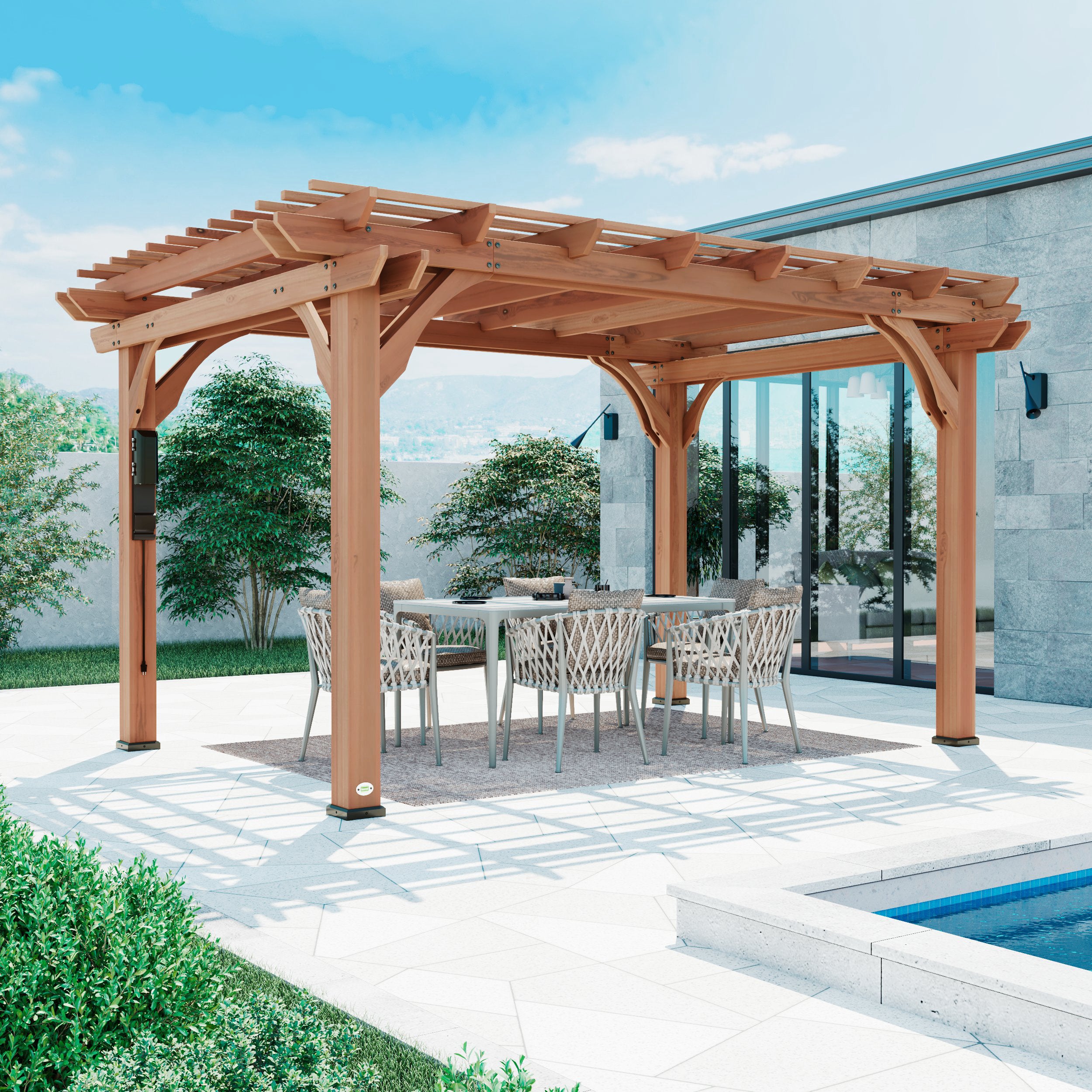
Pergolas continue to be a top choice for homeowners in 2026. They define outdoor spaces beautifully. You get a nice balance of shade and open air. They are more than just decoration; they add function.
| Feature | Description | Benefit |
| Structure | Posts and crossbeams | Creates defined area, supports shade |
| Shade | Fixed beams, louvers, or canopy | Controls sunlight, offers protection |
| Materials | Cedar, aluminum, composite | Durability, aesthetics, maintenance |
| Technology | Adjustable louvers, retractable canopies | Weather adaptability, dynamic control |
Traditional Wood Pergolas
Traditional wood pergolas, especially those made from cedar, offer timeless beauty. Cedar is naturally resistant to rot and insects. This makes it a durable choice for your garden. Many come as DIY kits for easier setup.
These structures provide a classic look. They blend well with most home styles. Regular sealing will keep the wood looking its best for years.
Modern Aluminum Pergolas
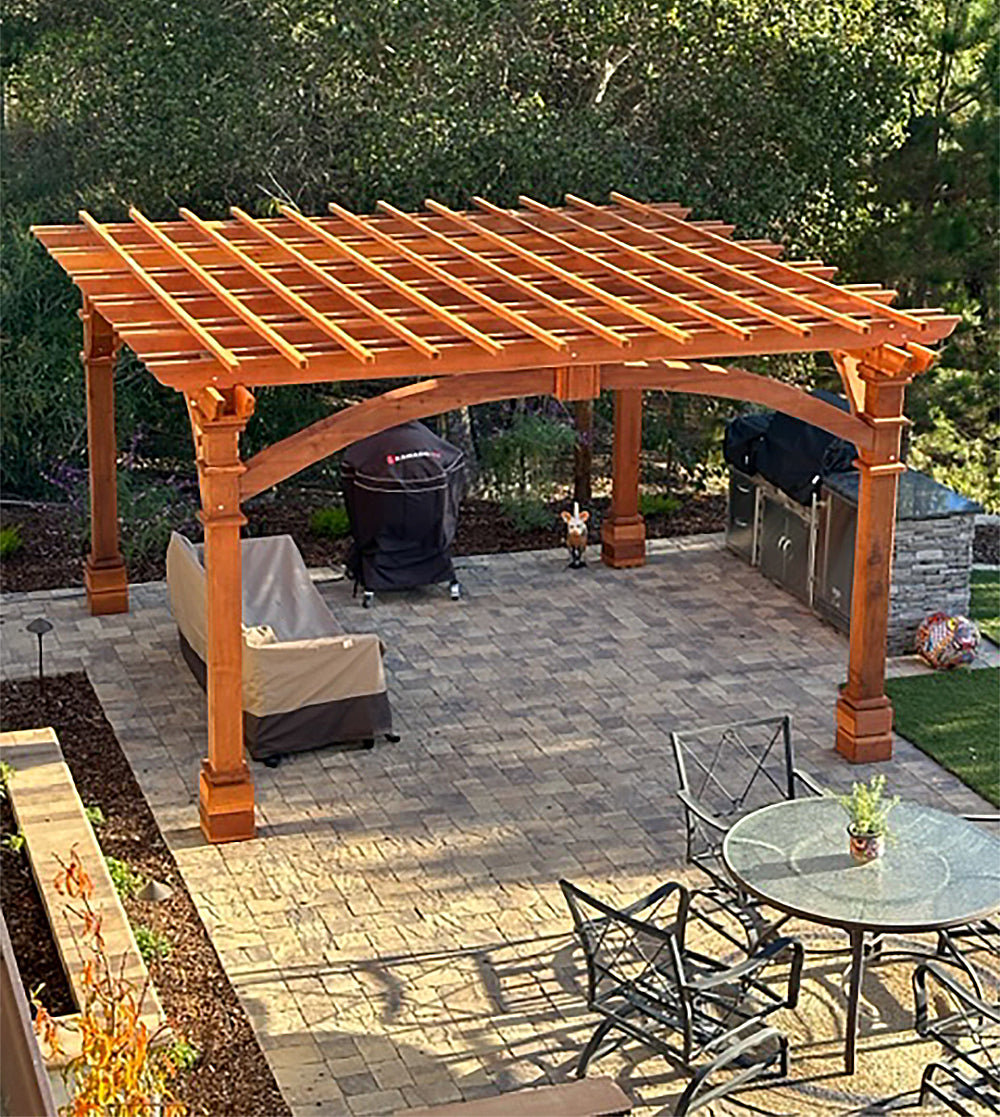
Modern aluminum pergolas provide a sleek, minimalist design. Aluminum is very strong and lasts a long time. It requires very little upkeep, which is a big plus.
These are perfect for contemporary homes. They offer a clean aesthetic. Occasional cleaning is all that is needed to keep them looking new.
Pergolas with Louvered Roofs
Pergolas with louvered roofs are a significant advancement. They feature adjustable slats, usually aluminum. You can precisely control the amount of sun or shade.
These roofs can also divert rain. This offers excellent weather protection. It makes your outdoor space usable in more conditions. You can find great options at Purple Leaf.
Pergolas with Retractable Canopies
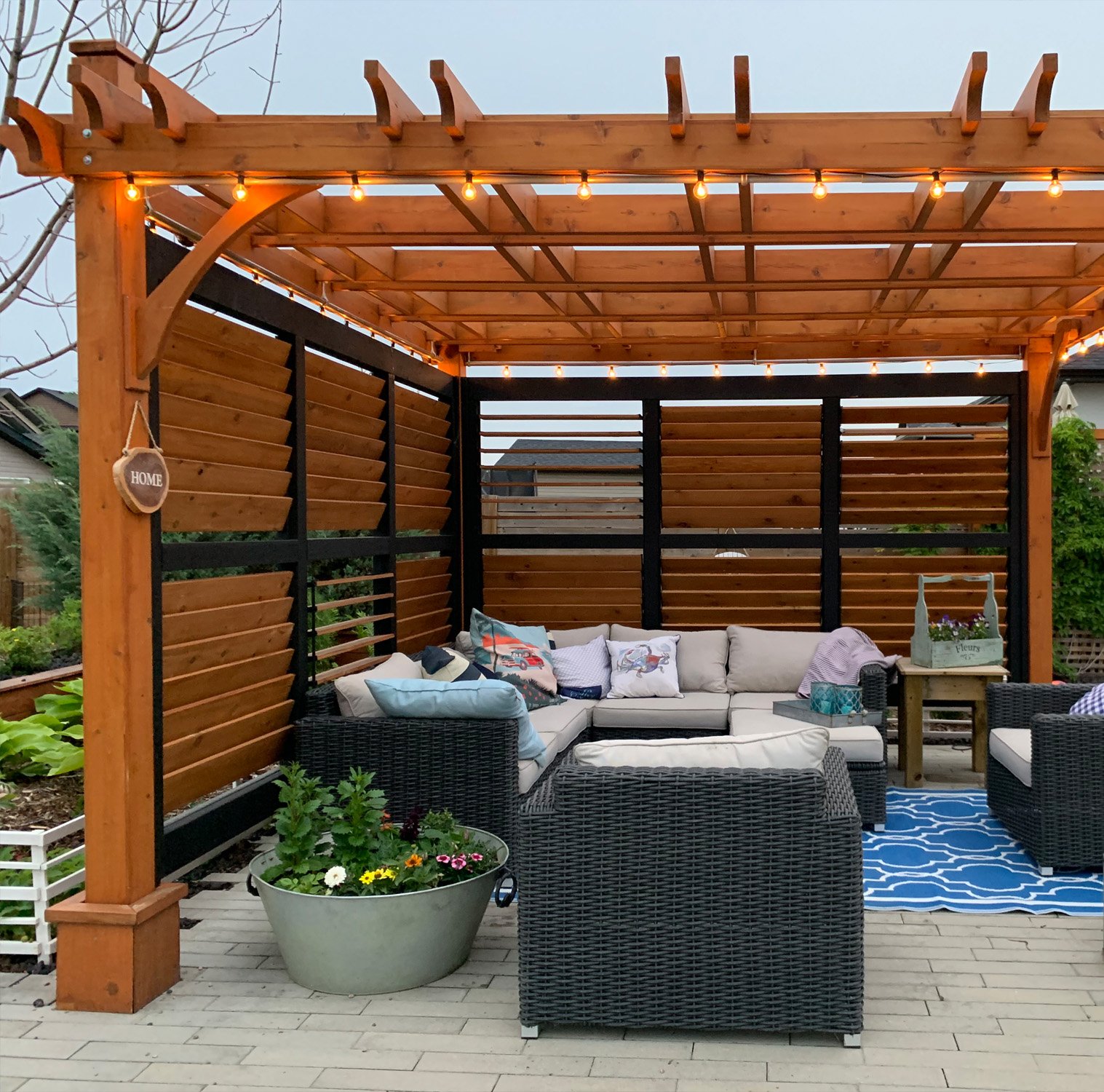
Pergolas with retractable canopies offer flexible shade. A fabric cover extends or retracts easily. You can adjust it manually or automatically.
This is ideal for changing weather. You get shade when you need it. You can enjoy full sun when desired. See examples of these on Amazon.
Cedar Pergolas for Gardens
A cedar pergola for the garden adds natural charm. Cedar’s natural properties resist decay and insects. This ensures a long lifespan for your structure.
It creates a beautiful focal point. It can support climbing plants. This enhances the natural, organic feel of your garden space.
Adjustable Pergolas for Patios
An adjustable pergola for the patio offers versatility. This often refers to louvered or retractable roof systems. You can change the shade level as needed.
This maximizes comfort on your patio. It adapts to your needs throughout the day. It’s a smart upgrade for outdoor entertaining.
Pergolas with Integrated Gutters
Some pergolas now feature integrated gutters. These systems help manage rainwater effectively. Water is channeled away from your seating area.
This prevents puddles and water runoff. It keeps your patio drier. It’s a practical feature for rainy climates.
Pergolas with Electric Features
Higher-end pergolas in 2026 include electric features. Think integrated LED lighting for evenings. Some even have built-in sound systems.
You can also find power ports and USB stations. This allows you to use electronics outdoors easily. It enhances the functionality of your outdoor room.
The Verdict: Pergolas as Outdoor Hubs
Pergolas are essential for modern outdoor living. They create functional, beautiful spaces. From simple cedar structures to high-tech louvered designs, there is an option for everyone.
Consider your budget, style, and needs. A pergola is a worthwhile investment. It significantly enhances your home’s value and enjoyment. Explore options like Yardistry for DIY solutions.
Your 3-Step Pergola Action Plan
Step 1: Define Your Purpose and Space
Start by asking yourself how you plan to use the pergola. Will it be for dining, lounging, or as a walkway cover?
Measure your patio or garden area carefully. A common mistake is choosing a size that overwhelms or underwhelms the space.
Step 2: Choose Your Material and Roof Type
Select a material that matches your climate and maintenance willingness. Cedar offers natural beauty but needs yearly sealing; aluminum is virtually maintenance-free.
Decide on a roof system: fixed beams for a classic look, louvered for adjustable shade, or retractable canopy for flexibility. Your choice directly impacts sun control and cost.
Step 3: Plan for Installation and Extras
Check local building codes and HOA rules before buying. Most areas require permits for pergolas over 200 square feet.
Consider adding electrical features like lighting, fans, or outlets during installation. Retrofitting later is more expensive and messy.
Common Mistake to Avoid: Don’t forget about wind load. A louvered roof pergola must be anchored to a concrete base or deck footings, especially in open areas.
Frequently Asked Questions
Can I install a pergola myself, or do I need a professional?
Many aluminum and cedar pergolas come in DIY kits for experienced homeowners. However, for louvered roofs or large structures, hiring a licensed contractor is safer and ensures proper anchoring.
How much does a typical pergola cost in 2026?
Expect to pay between $2,000 and $6,000 for a basic DIY kit, while custom aluminum or louvered models range from $8,000 to $20,000 installed. Prices vary by size, material, and features.
Do I need to seal a cedar pergola every year?
Yes, to maintain its warm color and protect against moisture, plan to apply a water-repellent sealer annually. If you let it gray naturally, sealing is optional but still recommended every 2-3 years.
Choosing a pergola is a smart investment that adds beauty and function to your outdoor space. With modern materials and adjustable features, you can create a comfortable retreat that lasts for years.
Start by measuring your area and deciding on a budget. Then explore local showrooms or online retailers to see materials and features in person.
Imagine summer evenings under a louvered roof, with soft lighting and a gentle breeze. Your backyard can become a stylish extension of your home, perfect for relaxing or entertaining.
