

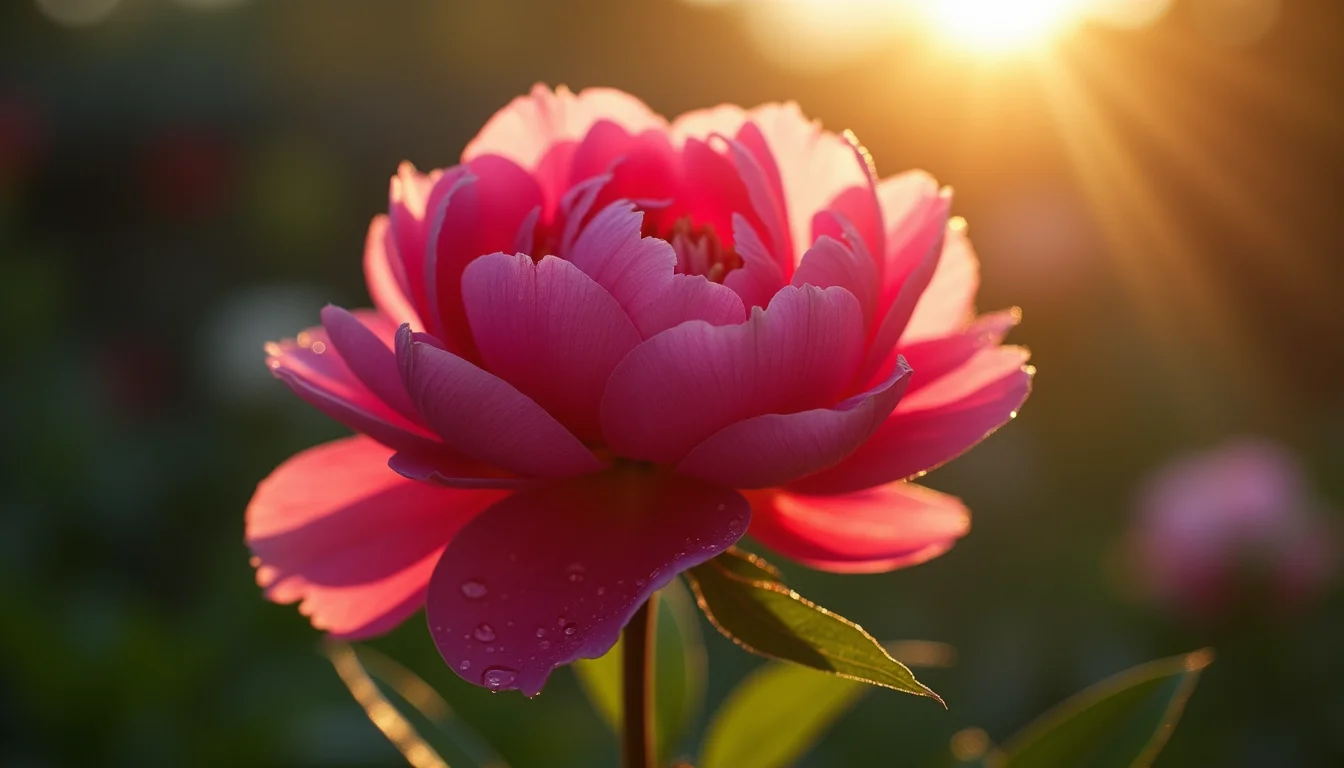
You planted your peony roots last fall, waited all spring, and now you have a big green bush with zero flowers. This is the most frustrating problem in gardening, and it almost always comes down to one simple mistake you can fix today.
Peonies are tough plants that can live for decades, but they refuse to bloom if you plant them too deep. That is the number one reason for no flowers. The good news is you can still get it right this season.
Herbaceous, Tree, and Itoh Peonies: Which Type Is Right for Your Garden?
Peonies come in three main types, and each one has a different look and care routine. Herbaceous peonies die back to the ground every winter and are the most common, with classics like ‘Sarah Bernhardt’ and ‘Festiva Maxima’ that give you huge pink or white blooms.
Tree peonies are woody shrubs that keep their stems all year and often bloom earlier in spring. They come in showy colors like yellow and coral. Itoh peonies, also called intersectional hybrids, give you the best of both worlds: big flowers like a tree peony on a plant that dies back like an herbaceous one.
All three types need full sun, at least six hours a day, and well-draining soil. Wet roots cause rot, so do not plant them in a low spot. The ideal time to plant bare-root peonies is fall, so the roots can settle in before winter.
Peonies in 2026: The Enduring Allure of Garden Royalty
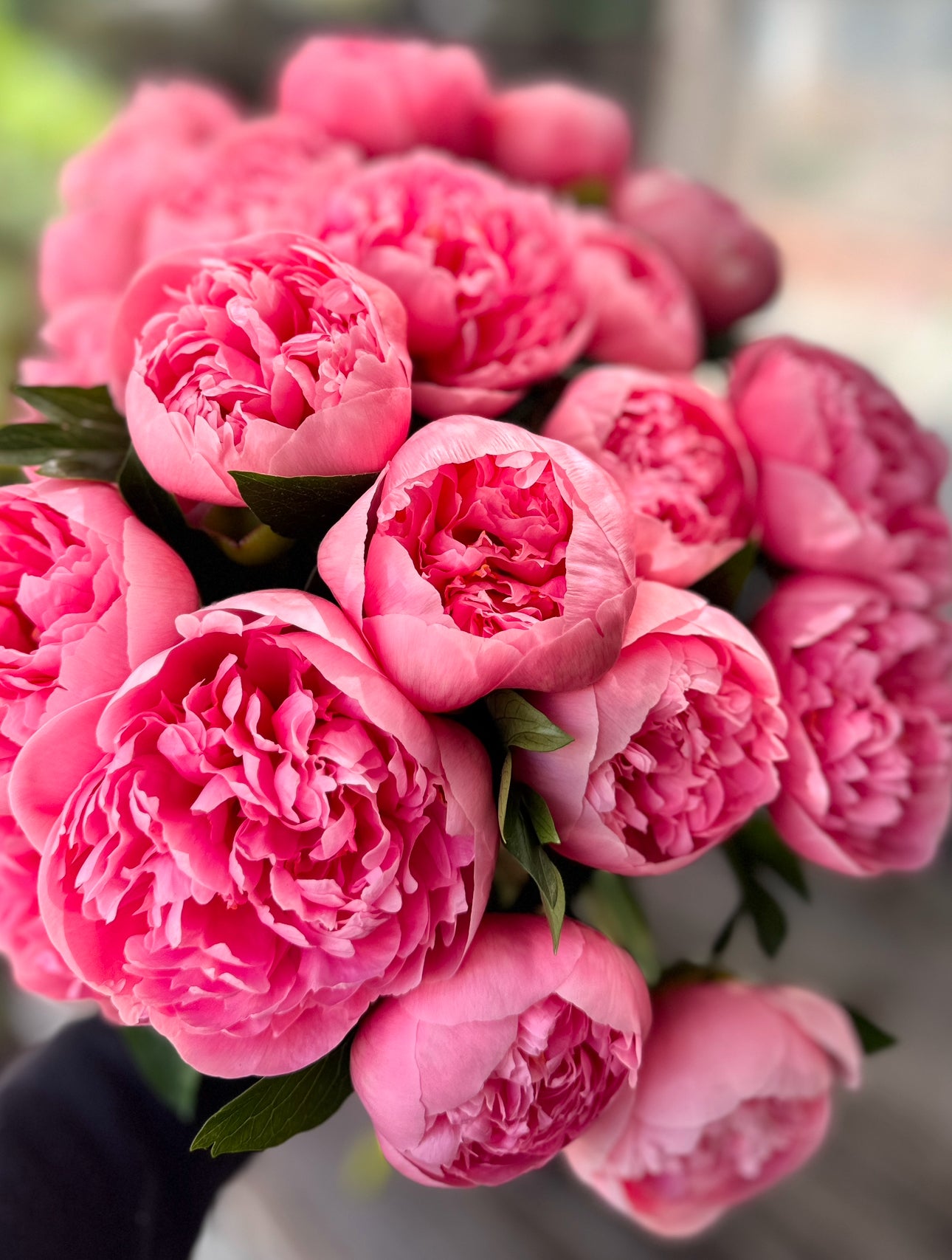
Peonies continue their reign as a top choice for American gardens and floral arrangements. These magnificent flowers, known as the ‘king of flowers,’ offer stunning blooms and a rich history. Their impressive lifespan means a peony planting can be enjoyed for generations. In 2026, their popularity remains strong, celebrated for both their beauty and symbolic meaning. They bring color and fragrance to any setting.
| Type | Description | Bloom Time |
| Herbaceous | Stems die back in winter | Late Spring to Early Summer |
| Tree | Woody stems, persistent | Early to Late Spring |
| Itoh | Hybrid, combines traits | Late Spring to Early Summer |
Herbaceous Peonies: Care and Blooming
Herbaceous peonies are the most common type found in home gardens. Their stems completely die back to the ground each winter, but they return vigorously in spring. Proper care ensures abundant blooms year after year. They require at least six hours of direct sunlight daily to thrive. Good air circulation also helps prevent fungal diseases.
To encourage blooming, avoid planting them too deeply. The ‘eyes’ or buds on the peony roots should be just under the soil surface. Too much shade will reduce flower production. Consistent watering, especially when establishing, is crucial. Remove spent flowers to direct energy into root development.
Tree Peonies: Woody Stems and Longevity
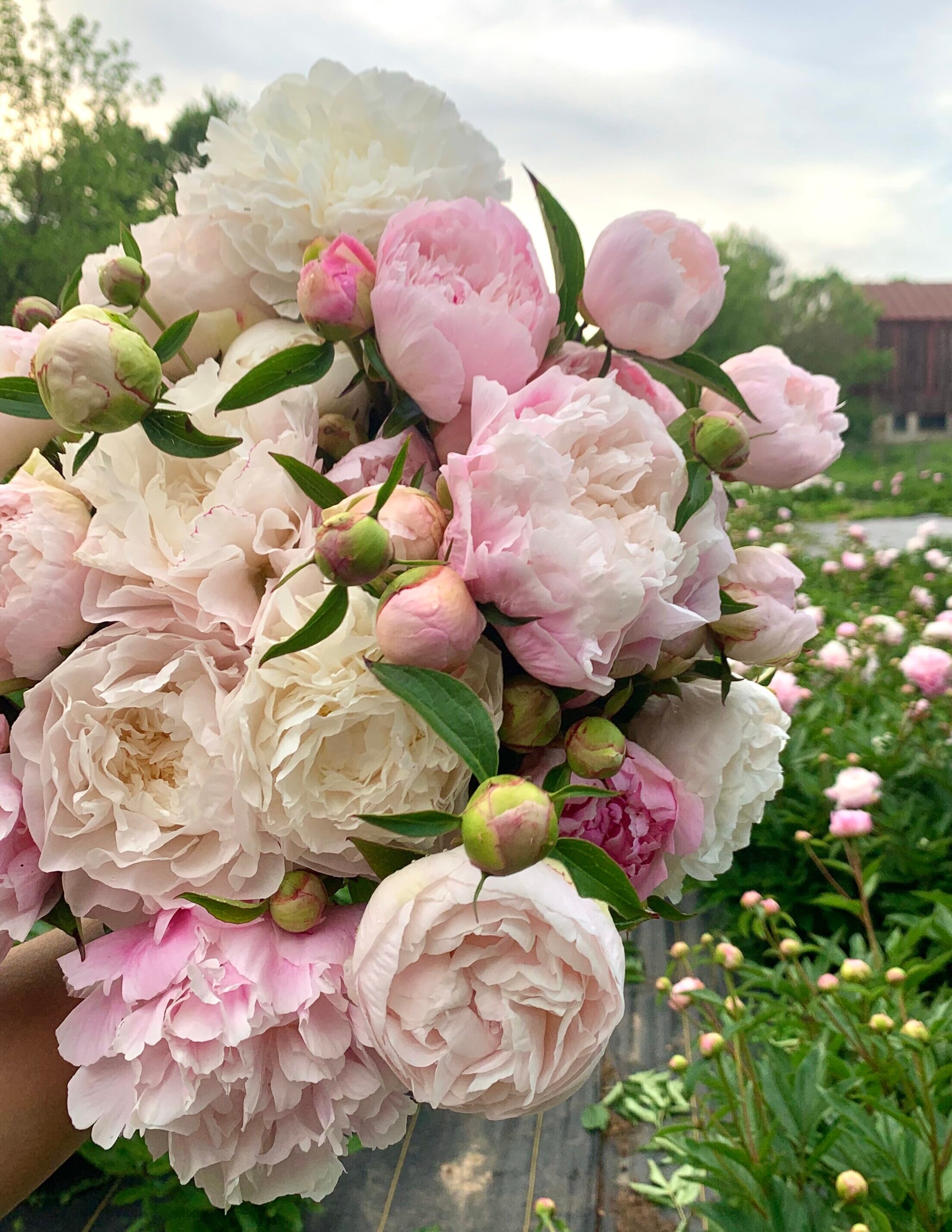
Tree peonies offer a different kind of beauty with their woody stems that persist through winter. These plants often bloom earlier than herbaceous varieties. They can grow into impressive shrubs over time. Their structure adds interest to the garden even when not in bloom. Tree peonies prefer slightly acidic soil.
While they are generally hardy, they benefit from protection from harsh winds. Mulching around the base in winter can help protect the roots. These peonies can live for many decades, becoming a significant garden feature. Their large, often exotic-looking flowers are a true spectacle.
Itoh Peonies: Best of Both Worlds
Itoh (Intersectional) Peonies are a fascinating hybrid, blending traits of herbaceous and tree peonies. They possess the sturdy, woody stems of tree peonies but die back like herbaceous types. This combination results in strong stems that hold up heavy blooms without much support. They typically bloom later than tree peonies but earlier than many herbaceous varieties.
Itoh peonies are known for their exceptional vigor and disease resistance. They offer a wide range of colors and flower forms. Their unique characteristics make them a sought-after addition for gardeners seeking a reliable bloomer. They truly represent the best of both parent types.
Peony Colors: From Coral to Yellow
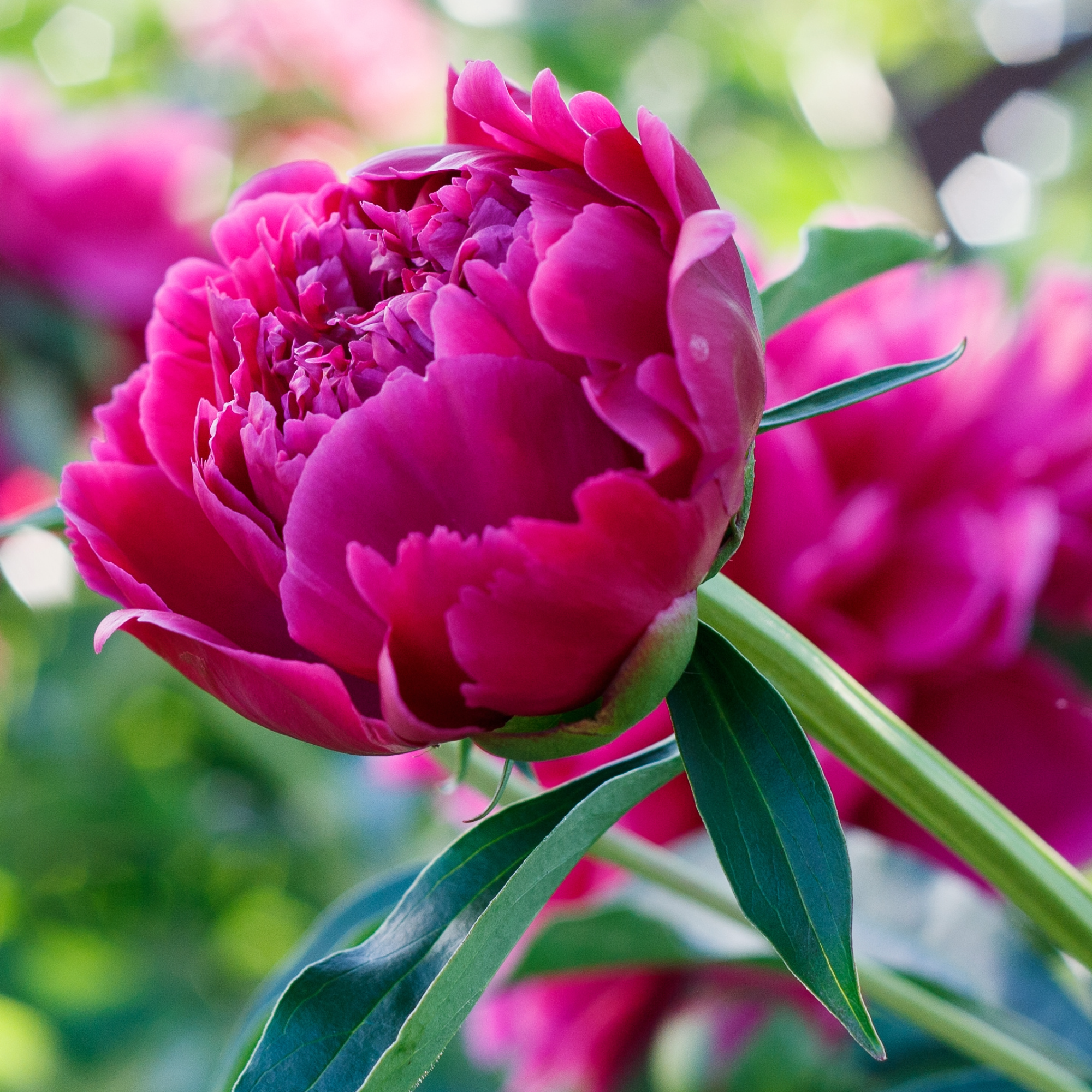
The spectrum of peony colors is truly remarkable. While pink and white are very popular, you can find stunning shades of deep red, vibrant coral, and even soft yellow. Each color offers a different mood and aesthetic for your garden or bouquet. Consider the overall color scheme of your landscape when choosing varieties.
The ‘Coral Charm’ variety is a standout for its dramatic color change. It starts as a deep coral bud and opens to a lighter, softer shade. Yellow peonies, like ‘Bartzella,’ offer a cheerful and less common hue. Exploring the diverse palette allows for personalized garden designs.
Sarah Bernhardt: The Classic Pink Peony
The ‘Sarah Bernhardt’ peony is a beloved classic for good reason. This herbaceous variety produces enormous, ruffled pink blooms that are incredibly fragrant. It is a consistent performer and a favorite for bouquets. Its large, double flowers are a quintessential peony look.
This variety embodies the romantic symbolism often associated with peonies. It is widely available and relatively easy to grow, making it accessible for many gardeners. Its enduring popularity speaks to its undeniable charm and beauty. It is a staple in many traditional gardens.
Planting Peony Roots: Depth and Eyes
Successful peony planting hinges on correct depth. This is a critical step that many gardeners overlook. When planting bare-root peonies in the fall, ensure the ‘eyes’ or buds face upwards. These are the points from which new growth will emerge.
The eyes should be covered by only 1 to 2 inches of soil. Planting too deep is a common mistake that prevents peonies from flowering. It is better to plant them slightly shallow than too deep. Proper spacing also allows for good air circulation and root development.
Cut Peonies: How to Make Them Last
To enjoy peonies as cut peonies, timing and technique are key. Harvest flowers in the early morning when they are still in the bud stage, just as the color begins to show. Use a sharp knife or shears to make a clean cut. This prevents damage to the stems and allows for better water uptake.
Immediately place cut stems in cool water. Remove any foliage that would fall below the waterline in your vase. This prevents bacterial growth that can clog the stems. Conditioning the flowers in a cool, dark place for a few hours before arranging can also help. For more on perennial care, visit Gardeners.com.
Peony Symbolism: Romance and Prosperity
Peonies carry rich peony symbolism across cultures. They are widely associated with romance, marriage, and good fortune. In many traditions, they represent honor, wealth, and prosperity. Their lush appearance and abundant petals contribute to these positive meanings.
Giving or receiving peonies can signify deep affection and well wishes. Their use in weddings is particularly significant, symbolizing a happy and prosperous union. This deep-rooted meaning adds another layer to their already stunning visual appeal. Learn more about their history at Wikipedia.
The Enduring Verdict on Peonies
Peonies remain a wise investment for any garden or special occasion. Their longevity, beauty, and symbolic weight ensure their continued popularity. In 2026, these ‘king of flowers’ offer a timeless elegance that is hard to match. Focus on proper planting depth and site selection for the best results.
Whether you choose herbaceous, tree, or Itoh varieties, the reward is significant. Their vibrant colors and intoxicating fragrance bring joy for years. Embrace the classic beauty and rich meaning that peonies provide. They are a truly spectacular choice for enduring garden appeal.
Your Peony Action Plan
Start with these three steps to grow peonies that bloom for decades.
Step 1: Pick the Right Spot
Choose a location with at least six hours of direct sun each day. Good drainage is non-negotiable—soggy soil kills roots fast.
Step 2: Plant at the Correct Depth
Set the eyes (buds) only 1 to 2 inches below the soil surface. Going deeper is the top reason peonies fail to flower.
Step 3: Be Patient and Consistent
First-year peonies often don’t bloom—that’s normal. Water weekly during dry spells and remove faded flowers to keep plants healthy.
Frequently Asked Questions
Why won’t my peonies bloom?
The most common cause is planting too deep, burying the eyes more than 2 inches. Too much shade or over-fertilizing with nitrogen can also stop flowering.
When is the best time to plant peonies?
Fall is ideal for bare-root peonies because it gives roots time to establish before winter. Spring planting is possible but often delays blooming by a year.
Do peonies need ants to open?
No, ants are just attracted to the sweet nectar on buds. Peonies open perfectly fine without ants—though ants do help by eating other pests.
Growing peonies is one of the most rewarding investments you can make in your garden. These flowers return reliably for decades with minimal effort once established.
Start with a single herbaceous variety and plant it this fall. You’ll be cutting armloads of blooms in just two or three seasons.
Imagine a vase filled with your own fragrant peonies on the kitchen table. That beauty is closer than you think.
