

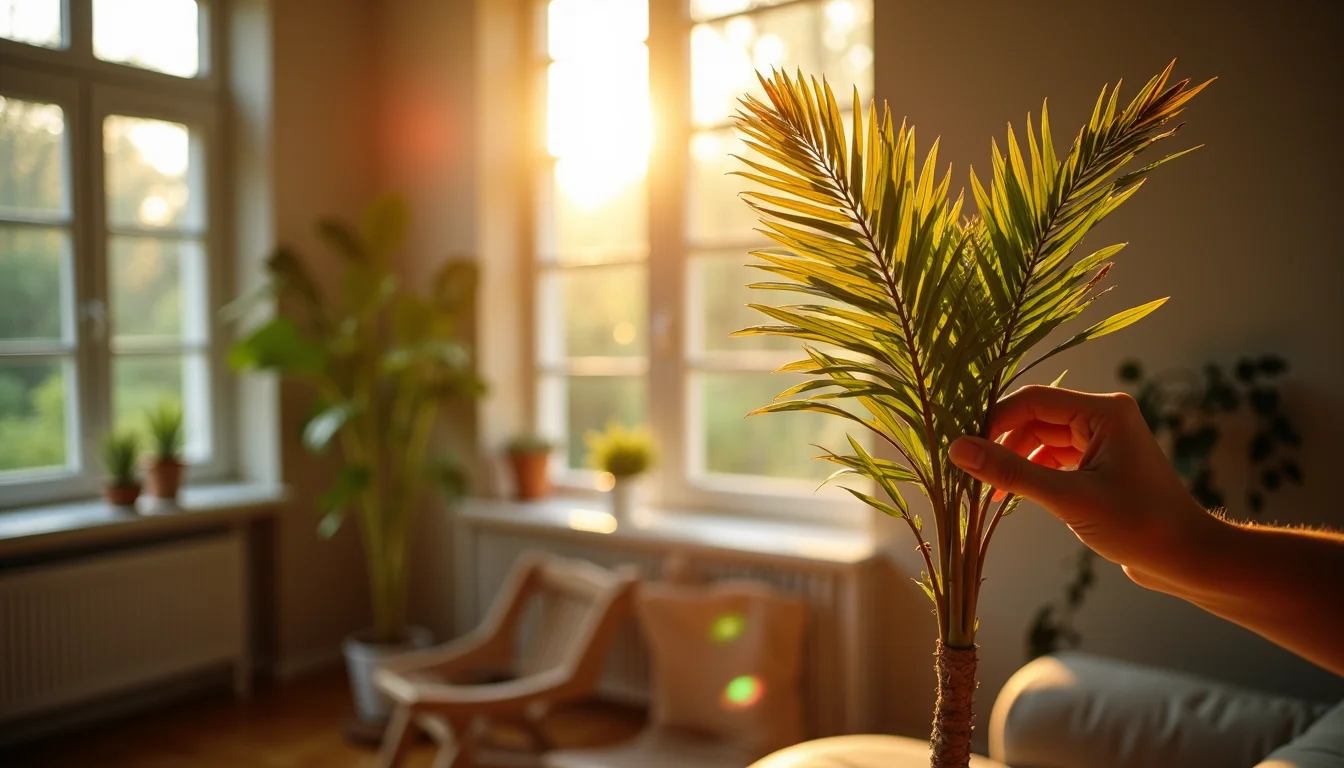
You bought a palm tree hoping for a tropical paradise, but now the fronds are turning yellow and brown. That is a common frustration, and it usually comes down to one simple mistake in watering or light. Let me show you how to fix that today.
Palm trees are not like regular trees. They are actually giant grasses with a single growing point. If that tip gets damaged, the whole plant dies. That is why knowing the right care for your specific palm variety is so important.
Know Your Palm: Choosing the Right Type for Your Home and Yard
There are over 2,600 species of palms, but only a few work well indoors or in colder US climates. For example, the Parlor Palm (Chamaedorea elegans) thrives in low light and stays small, perfect for a living room. In contrast, the Majesty Palm (Ravenea rivularis) needs bright light and lots of water, making it a challenge indoors.
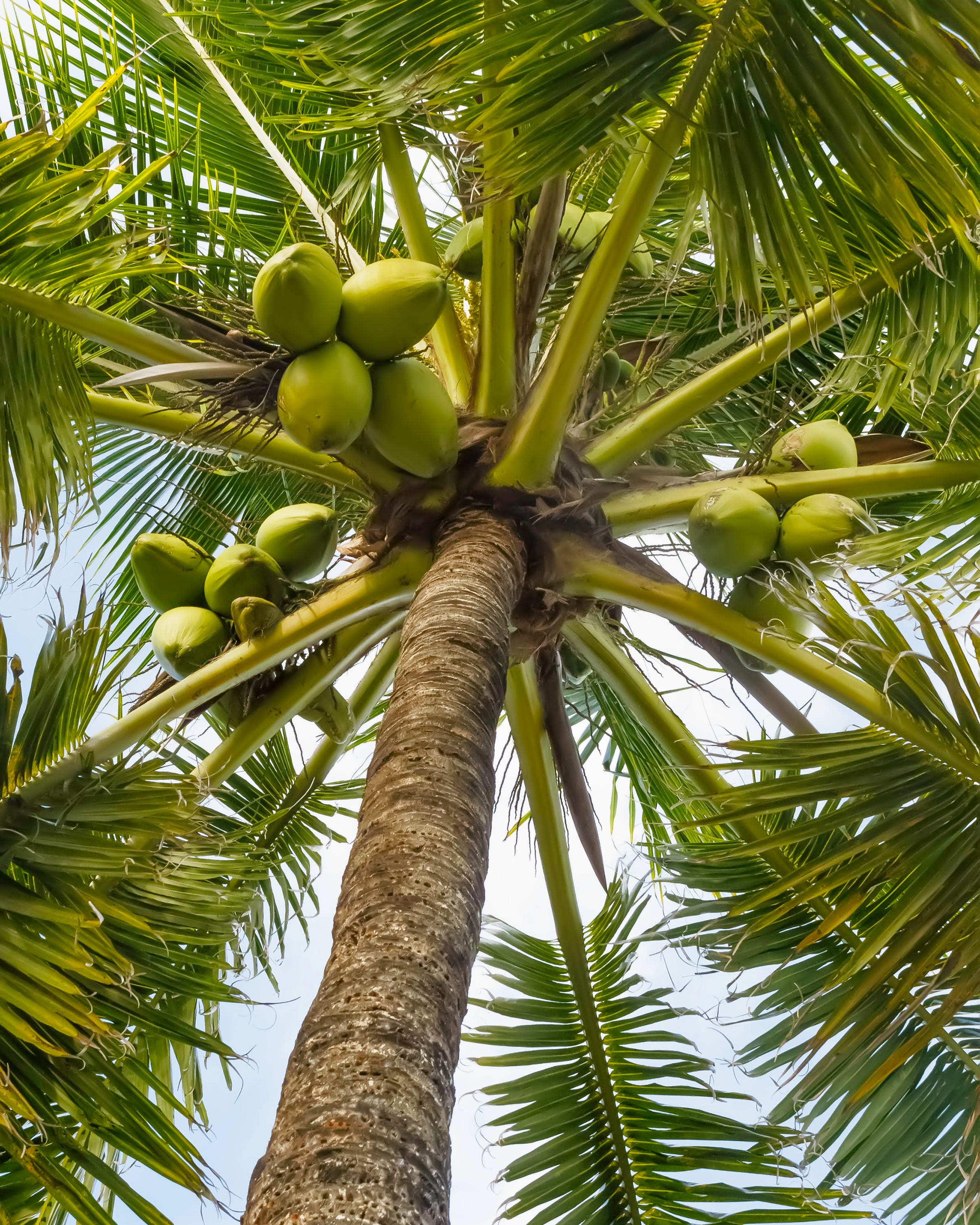
For outdoor landscaping in the US, cold hardiness is key. The Windmill Palm (Trachycarpus fortunei) can survive temperatures as low as 10°F, so it grows well in places like coastal Virginia. On the other hand, the Coconut Palm (Cocos nucifera) only grows in USDA zones 10-11, like southern Florida. Always check your zone before buying.
‘
Palms in 2026: Bringing Tropical Vibes Home
Palm trees offer a timeless appeal, instantly transporting you to a relaxed, vacation-like state. In 2026, their popularity continues to soar for both indoor and outdoor spaces. These versatile plants, botanically closer to grasses than traditional trees, bring a unique architectural element to any design. Understanding their specific needs ensures they thrive, adding beauty and value to your property. From sunny backyards to cozy living rooms, there’s a palm for every setting.
| Category | Description |
| Botanical Family | Arecaceae |
| Related To | Grasses |
| Native Regions | Tropical and Subtropical (Mostly 44°N to 44°S) |
| US Habitats | Florida, California, Texas, Arizona, some coastal areas |
| Leaf Types | Palmate (fan-shaped), Pinnate (feather-like) |
| Key Care | Light, Water, Well-draining Soil, Proper Pruning |
Types of Palm Trees for Landscaping
When choosing palms for your yard, consider the climate and space. Outdoor palm trees create a dramatic statement, defining boundaries and adding lushness. Varieties like the Windmill Palm offer impressive cold hardiness for many US regions. Others, like the Date Palm, thrive in warmer climates and can even produce fruit. Always research the mature size of a palm to ensure it fits your landscape design without becoming overgrown.
Popular landscaping choices include palms that are known for their resilience and aesthetic appeal. The Needle Palm, for instance, is a remarkable cold-hardy option that can survive harsh winters. These plants are not just decorative; they contribute to the overall ecosystem of your garden. Selecting the right type ensures long-term success and minimal maintenance.
Indoor Palm Trees: Care and Varieties

Bringing the tropics inside is easy with the right indoor palm trees. These varieties are often more compact and tolerate lower light conditions. The Parlor Palm is a classic choice, known for its air-purifying qualities and tolerance for shade. The Majesty Palm adds a touch of elegance with its full, arching fronds, though it requires consistent moisture.
Caring for indoor palms involves mimicking their natural environment as closely as possible. They prefer bright, indirect light, so a spot near a sunny window, but not in direct harsh sun, is ideal. Overwatering is a common mistake; allow the top inch or two of soil to dry out before watering again. Good drainage is crucial to prevent root rot.
Cold Hardy Palm Trees for Your Garden
Don’t let a cooler climate deter you from enjoying palms. Cold hardy palm trees are specifically adapted to withstand lower temperatures. The Windmill Palm (Trachycarpus fortunei) is a prime example, tolerating frost and even snow. Another excellent option is the Needle Palm (Rhapidophyllum hystrix), which is one of the most cold-tolerant palms available in the US. These varieties extend the reach of tropical aesthetics to new regions.
These resilient palms can transform yards in areas previously thought too cold for palm cultivation. They offer a unique visual interest, especially when contrasted with traditional deciduous plants. Their ability to survive in challenging conditions makes them a rewarding choice for many homeowners. Consult local resources to confirm which cold-hardy varieties perform best in your specific microclimate.
Palm Tree Watering: How Often and How Much
Proper watering is fundamental to palm health. Most palms need consistent moisture but do not like sitting in water. For outdoor palms, water deeply when the top 1-2 inches of soil feel dry. This encourages strong root growth. In hot, dry weather, you may need to water more frequently.
Indoor palms have similar needs but are more sensitive to overwatering due to confined root systems. Check the soil moisture regularly. If the soil feels dry to the touch, it’s time to water. Ensure your pots have drainage holes to prevent water from accumulating at the bottom. Waterlogged soil is a leading cause of problems for indoor palms.
Best Fertilizer for Palm Trees
Palms are heavy feeders and benefit greatly from specialized nutrition. Using a palm tree fertilizer designed for their needs is essential. Look for formulas with a balanced N-P-K ratio and micronutrients like magnesium and potassium. These are vital for healthy frond development and overall vigor. Apply fertilizer four times a year during the growing season, following package directions.
A slow-release fertilizer is often recommended as it provides a steady supply of nutrients over time. This prevents sudden nutrient spikes that can harm the plant. Proper fertilization can significantly improve the growth rate and appearance of your palm, making it more resistant to pests and diseases. Avoid fertilizing dormant palms in the winter.
Palm Tree Pruning: When and How to Trim
Palm tree pruning is straightforward but requires a specific technique. Only remove fronds that are completely brown and dead. Cutting green fronds, or attempting to shape them, can harm the tree. The growing point, or apical bud, is at the very top of the trunk; never cut into this area, as it will kill the palm.
Use clean, sharp pruning tools for a neat cut. Removing dead fronds not only improves the tree’s appearance but also helps prevent disease. It allows the plant to focus its energy on new growth. For most palms, this means trimming only a few fronds per year. This task is generally low-effort but crucial for plant health.
Palmate vs Pinnate Palms: Key Differences
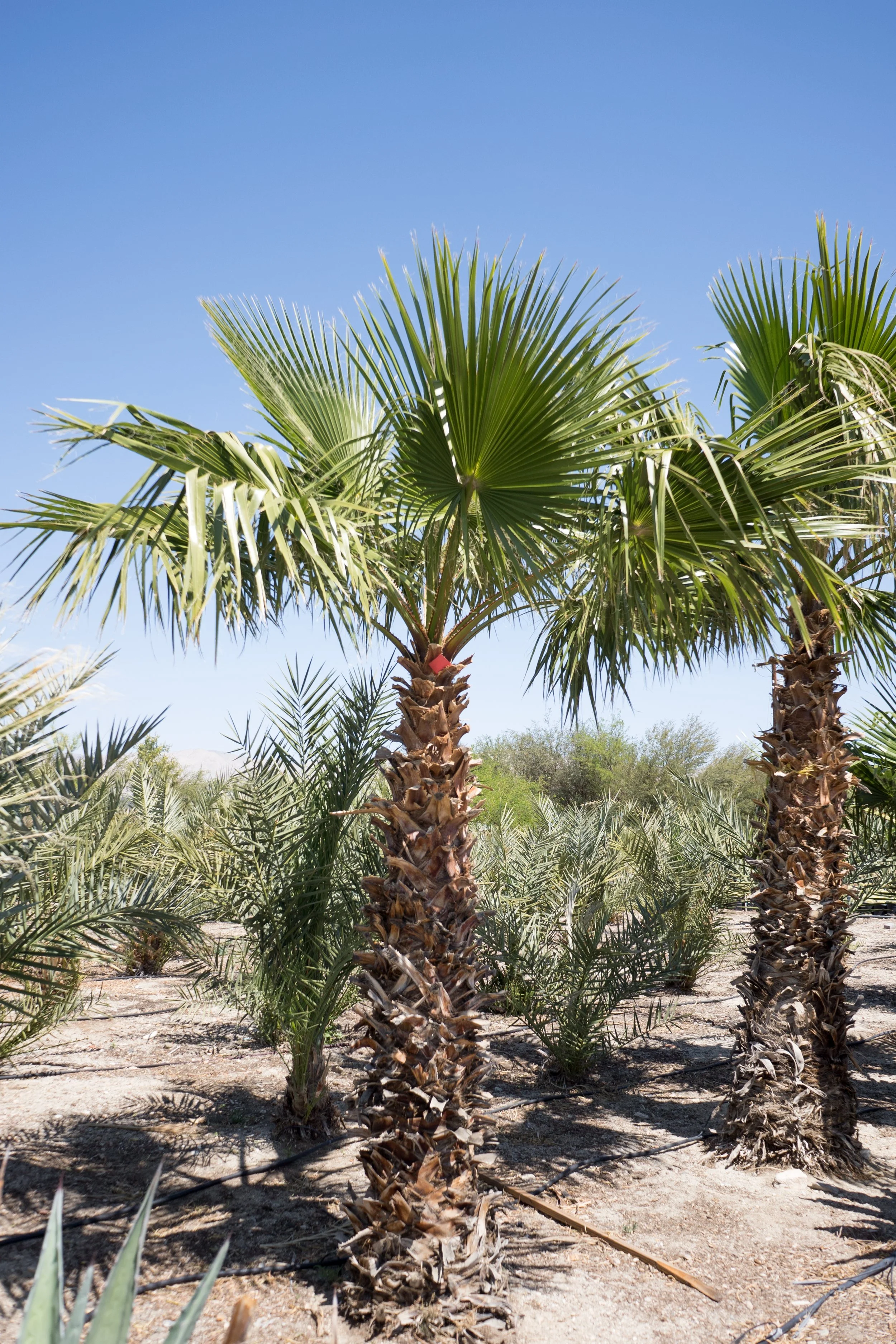
Palm leaves are broadly categorized into two main types: palmate and pinnate. Palmate palms have leaves that fan out from a central point, resembling an open hand. The Fan Palm is a common example. Pinnate palms, on the other hand, have leaves that are arranged feather-like along a central stem. The Areca Palm is a beautiful example of a pinnate variety.
Understanding this difference helps in identifying palms and appreciating their unique forms. Both types bring distinct textures and shapes to a landscape or indoor setting. The choice between palmate and pinnate often comes down to personal preference and the desired aesthetic. Each offers a unique tropical flair to your home or garden.
Low Maintenance Palm Trees for Beginners
If you’re new to plant care, start with low maintenance palm trees. These varieties are forgiving and require less attention. The Parlor Palm and the Cascade Palm are excellent choices for beginners. They tolerate a range of conditions and are less prone to common issues like overwatering.
These palms are ideal for those with busy lifestyles or limited gardening experience. They provide the tropical ambiance without demanding constant upkeep. Their resilience makes them a great way to build confidence in plant care. Enjoy the beauty of palms without the stress of intensive maintenance requirements.
The Enduring Appeal of Palms
Palms remain a top choice for adding a touch of paradise to American homes and landscapes. Their adaptability, from frosty yards to sunny patios, is remarkable. In 2026, the trend towards biophilic design means these natural elements are more valued than ever. Investing in the right palm and providing basic care will yield years of beauty and enjoyment.
Consider the long-term growth and needs of any palm you choose. Proper selection and consistent, simple care are key. Whether you opt for a towering outdoor specimen or a compact indoor friend, palms offer an unparalleled sense of escape and natural elegance. They are a wise and beautiful addition to any property. For more on their fascinating diversity, explore the Arecaceae family. Understanding their native habitats can also be insightful; learn more about where palms grow naturally.
Your 3-Step Palm Tree Action Plan
Step 1: Choose the Right Palm for Your Spot
Match the palm to your climate and space. For indoors, pick a Parlor or Areca palm; for cold areas, go with a Windmill or Needle palm.
Step 2: Plant and Water Correctly
Use well-draining sandy soil and water when the top inch is dry. Avoid soggy roots—they rot fast.
Step 3: Feed and Prune Smartly
Apply a slow-release palm fertilizer four times a year. Only cut off completely brown fronds, never green ones or the top.
Frequently Asked Questions
Can I grow a palm tree indoors?
Yes, many palms like the Parlor Palm and Areca Palm thrive in bright indirect light indoors. Keep them away from cold drafts and heating vents.
Why are my palm leaves turning yellow?
Yellow leaves often mean too much water, not enough light, or a lack of nutrients. Check your watering routine and consider a palm fertilizer.
How do I protect my palm in winter?
For cold-hardy palms, mulch the base and wrap the trunk with frost cloth. Potted palms should be moved indoors before the first frost.
Palm trees are a smart, long-lasting investment for your home or garden. By following these simple steps, you’ll enjoy their tropical beauty for years.
Ready to pick your palm? Visit a local nursery to see the varieties in person and get advice for your specific area.
Imagine your space transformed with graceful fronds swaying in the breeze. That lush, resort-like feeling is just a few plantings away.
