

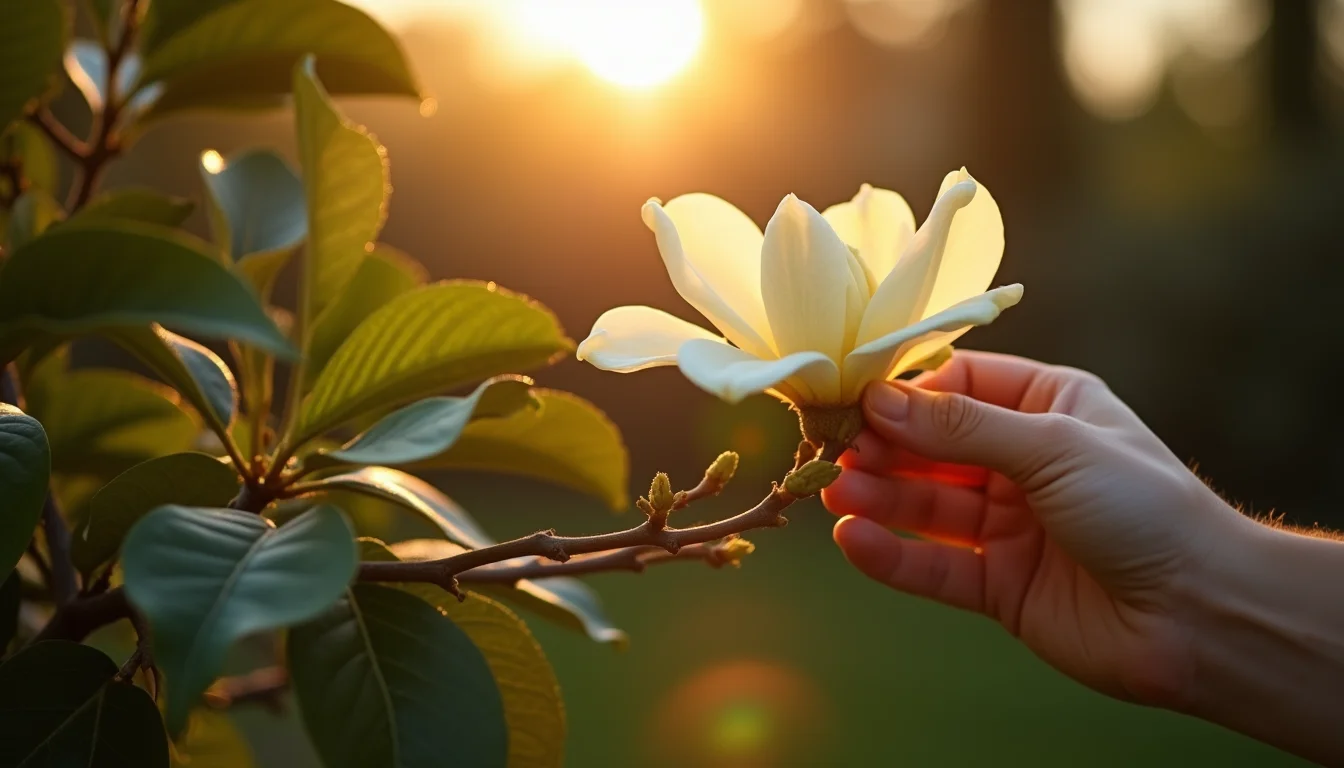
You planted a magnolia tree for those stunning blooms, but instead you got a mess of leaves and pods. Or maybe your tree just won’t flower. Let’s fix that.
Magnolias are ancient plants that need specific care. Get the right type and placement, and you’ll have gorgeous flowers for years. Here’s what you need to know.
Choosing the Right Magnolia for Your Yard
Not all magnolia trees are the same. The Southern Magnolia (Magnolia grandiflora) is an evergreen that can reach 80 feet tall, with huge white flowers. For smaller spaces, try ‘Little Gem’, a compact version that grows only 20 feet.
Deciduous magnolias like the Saucer Magnolia bloom in early spring on bare branches. They need protection from late frosts. The ‘Little Girl’ series, including ‘Jane’ and ‘Ann’, bloom later to avoid frost damage.
Magnolias in 2026: Timeless Beauty for Your Landscape
Magnolia trees offer a touch of ancient elegance to any garden. These flowering trees have a history stretching back about 100 million years. In 2026, they remain a popular choice for homeowners. They provide stunning blooms and attractive foliage. Understanding their types and needs ensures success.
| Type | Key Features | Example Cultivars |
| Evergreen | Retains leaves year-round | Magnolia grandiflora, ‘Little Gem’ |
| Deciduous | Sheds leaves seasonally | Magnolia x soulangeana, Magnolia stellata, ‘Jane’, ‘Ann’ |
Magnolia Grandiflora: The Classic Evergreen
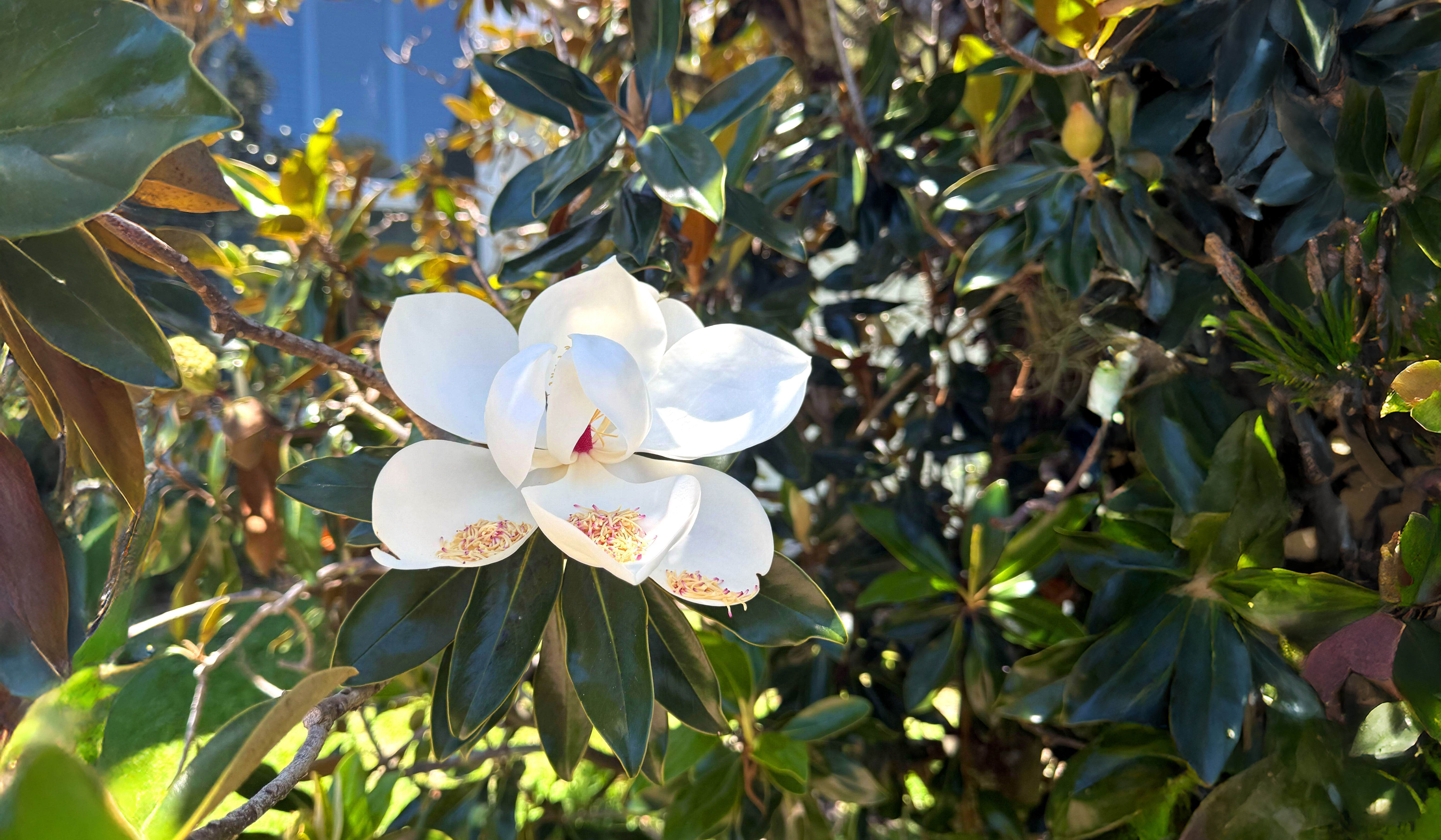
The Southern Magnolia, or Magnolia grandiflora, is an iconic evergreen. It is known for its large, glossy leaves and impressive white flowers. This tree can grow quite tall, making a grand statement. It provides beautiful foliage even in winter months.
A popular compact variety is the Magnolia ‘Little Gem’. It offers the classic Southern Magnolia look in a smaller package. This makes it suitable for more modest garden spaces. It still produces those large, fragrant blooms.
Magnolia x Soulangeana: Deciduous Beauty
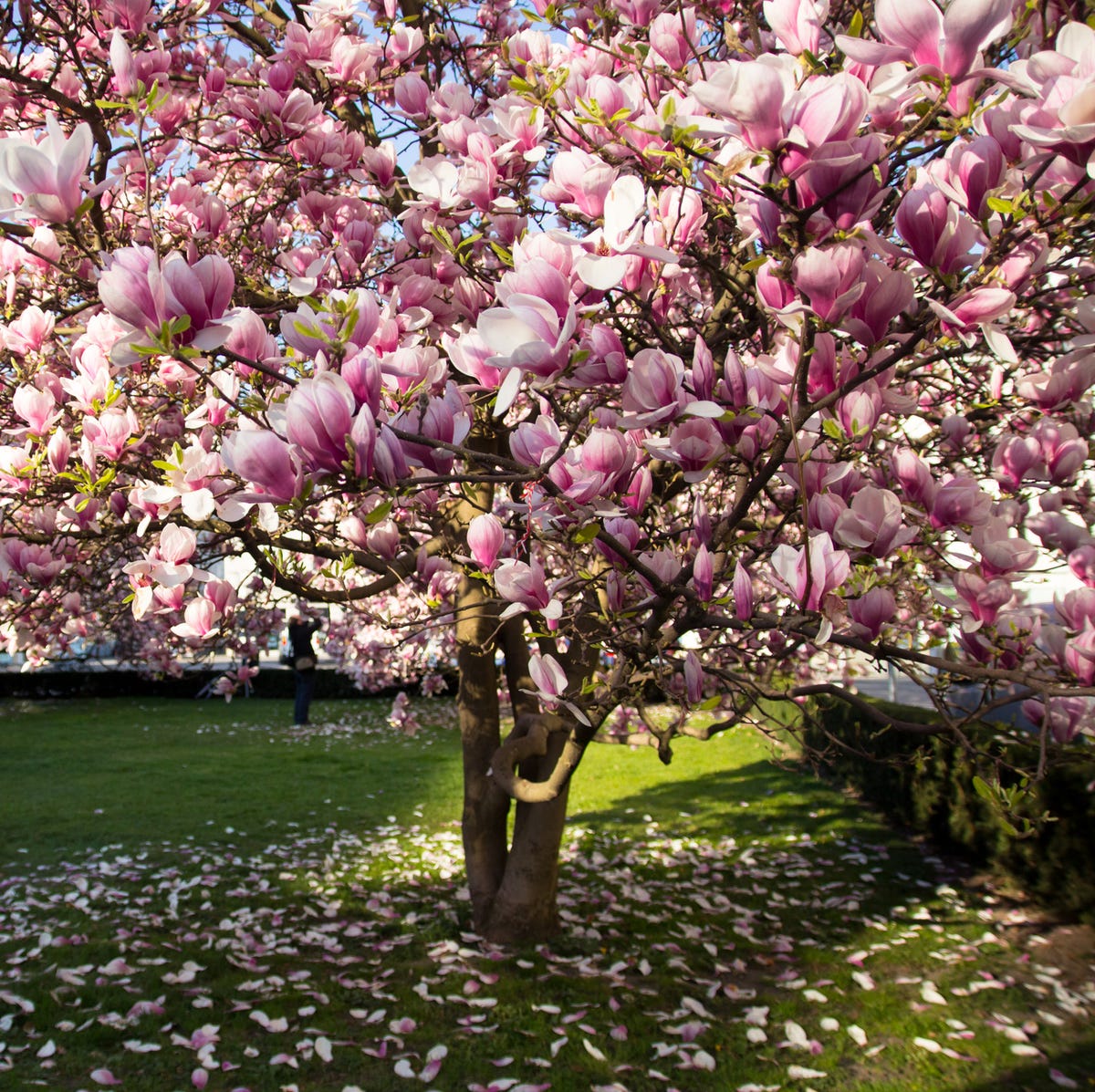
The Magnolia x soulangeana, or Saucer Magnolia, is a deciduous favorite. It blooms spectacularly in early spring, often on bare branches. The large, goblet-shaped flowers come in shades of pink and white. This display is a true sign that spring has arrived.
These trees are hybrids, bred for their stunning visual impact. They prefer cooler climates where they can experience a winter dormancy. This allows for their dramatic spring flowering display. It is a welcome sight after a long winter.
Magnolia Stellata: Star-Shaped Blooms
The Magnolia stellata, or Star Magnolia, is a smaller, cold-hardy deciduous option. Its flowers are delicate and star-shaped, typically white or pale pink. Blooming occurs in early spring, adding a touch of charm.
This variety is excellent for smaller yards or as a specimen plant. Its size makes it more manageable. The unique flower shape is a real conversation starter. It brings a different texture to the garden.
Planting Magnolia Trees: Soil and Sun Needs
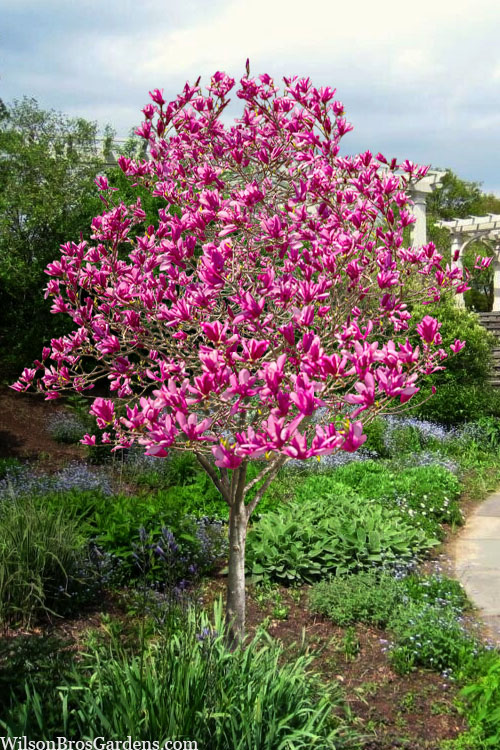
Proper planting is key for healthy magnolia trees. They prefer full sun to partial shade. In hotter regions, afternoon shade is beneficial to prevent leaf scorch. Protection from strong winds is also important.
Magnolias need moist, well-drained soil. The ideal soil pH is slightly acidic, between 5.5 and 6.5. Amending heavy clay soils with organic matter improves drainage. Avoid planting too close to buildings due to their extensive root systems. A good resource for planting information is The Old Farmer’s Almanac.
Caring for Magnolia Trees: Pruning and Watering
Water new plantings frequently, about 2-3 times per week. Established trees are more drought-tolerant. However, consistent moisture is best for optimal flowering and health.
Pruning should be done sparingly. For deciduous types, prune right after flowering. This avoids removing next season’s flower buds. Evergreen magnolias can be pruned to shape them. Minimal pruning is generally recommended for most magnolias.
Magnolia Tree Identification: Leaf and Flower Clues
Identifying magnolia trees is straightforward. Look at the leaves and flowers. Evergreen varieties like Magnolia grandiflora have large, leathery, glossy leaves. Deciduous types lose their leaves in winter. Their flowers are often the most prominent feature.
Flower shape and bloom time are key identifiers. Star Magnolias have many narrow petals. Saucer Magnolias have larger, cup-shaped blooms. Observing these characteristics helps distinguish between species and cultivars. You can learn more about different types at The Tree Center.
Fragrant Magnolia Blooms: Scent Profiles
Many magnolia trees are prized for their fragrant magnolia blooms. The scent can vary from sweet and citrusy to rich and spicy. The Southern Magnolia’s large white flowers are particularly aromatic.
The fragrance is often strongest in the morning. It adds another sensory dimension to the garden experience. Not all magnolias are strongly scented, so check specific cultivars if fragrance is a priority.
Glossy Magnolia Foliage: Year-Round Interest
The glossy magnolia foliage of evergreen types is a significant advantage. These leaves remain on the tree throughout the year. They provide structure and color in the landscape during winter.
The deep green, often leathery leaves reflect sunlight beautifully. This adds a lush feel to the garden. It is a key reason why evergreens are so popular for year-round appeal.
The Verdict: Magnolias Remain a Stellar Choice
Magnolia trees continue to be a wise investment for homeowners. Their historical significance and stunning beauty are undeniable. In 2026, the variety of cultivars available ensures there is a magnolia for almost any landscape need. Their relatively low maintenance once established makes them practical.
Consider their root systems when placing them. Avoid planting too close to foundations or sidewalks. With the right site selection and basic care, these ancient flowering plants will reward you for decades. They offer a timeless appeal that never goes out of style.
Your 3-Step Action Plan for a Thriving Magnolia
Follow these three steps to plant and care for your magnolia tree with confidence. Each step is designed to set you up for success from day one.
Step 1: Choose the Right Magnolia for Your Space
Select a species that matches your climate and yard size. For small gardens, pick ‘Little Gem’ or a Star Magnolia; for larger areas, a Southern Magnolia makes a bold statement.
Step 2: Plant in the Perfect Spot
Place your magnolia in full sun to partial shade with moist, well-drained, slightly acidic soil. Keep it at least 20 feet away from foundations and walkways to protect its shallow roots.
Step 3: Water and Prune Correctly
Water new trees 2-3 times per week for the first year, then reduce as they establish. Prune deciduous magnolias right after flowering to avoid cutting off next year’s buds.
Frequently Asked Questions
Why is my magnolia not blooming?
Young magnolias often take 5-10 years to flower, so patience is key. Also, a late frost can damage flower buds on early-blooming varieties like Saucer Magnolia.
Can I grow a magnolia in a pot?
Yes, compact cultivars like ‘Little Gem’ thrive in large containers with proper drainage. Use a potting mix for acid-loving plants and water regularly to keep soil moist.
How do I prevent magnolia scale insects?
Scale appears as waxy bumps on branches and can be treated with horticultural oil in early spring. Encourage natural predators like ladybugs to keep populations in check.
Choosing a magnolia tree is an investment in timeless beauty that will reward you for decades with its stunning flowers and foliage. With the right species and simple care, you can enjoy a magnificent centerpiece in your landscape.
Now that you know the essentials, browse our selection of magnolia cultivars to find the perfect match for your home. Your dream tree is just a click away.
Imagine your garden transformed by the elegant silhouette of a magnolia in full bloom, its fragrance drifting through your windows. This is the power of nature’s ancient art.
