


That restless feeling that keeps you up at night? It might be time to meet lemon balm. This herb has been used for centuries to calm the mind and ease tension.
Lemon balm, or Melissa officinalis, is not just a pretty plant. Its active compounds, like rosmarinic acid and citral, work directly on your brain to promote relaxation. Many people find real relief from anxiety and better sleep with this gentle herb.
Natural Anxiety Relief and Better Sleep with Melissa officinalis
Lemon balm is one of the most researched herbs for stress and sleep. Studies show that taking 300-600 mg of a standardized extract daily can lower anxiety levels and help you fall asleep faster. The key is the herb’s effect on GABA, a calming brain chemical.
Unlike prescription sleep aids, lemon balm doesn’t leave you groggy the next day. You can find it in teas, tinctures, or capsules at most health food stores. Look for products with a guaranteed amount of rosmarinic acid for the best results.
Beyond sleep, lemon balm also supports your immune system. Its antiviral properties are strong against cold sores, and topical creams with lemon balm can speed healing. Plus, the herb is safe for most adults when used as directed.
Lemon Balm in 2026: Your Natural Ally for Calm and Well-being
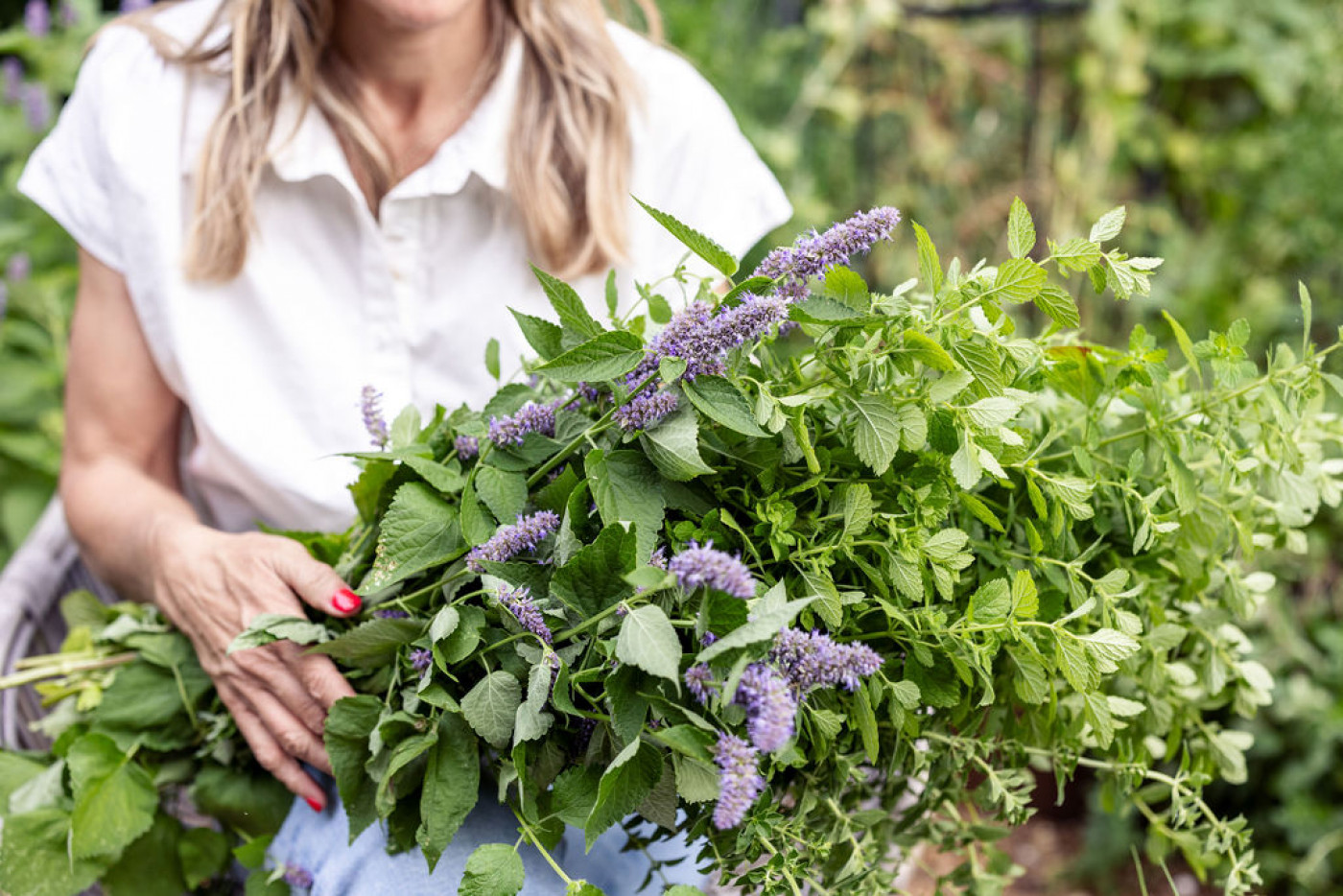
In 2026, lemon balm, or Melissa officinalis, is more than just an aromatic herb. It’s a recognized powerhouse for natural wellness. Its rich profile of compounds offers significant benefits. We see growing scientific backing for its calming and therapeutic effects. This herb is becoming a staple in many homes for good reason. It addresses common concerns like stress and sleep issues. Its versatility makes it easy to incorporate into daily life. From teas to topical treatments, lemon balm provides accessible support. This plant is a natural solution for modern challenges.
| Key Compound | Primary Benefit | Common Use |
| Rosmarinic Acid | Antioxidant, Anti-inflammatory | General Wellness, Skin Health |
| Citral, Citronellal | Aroma, Sedative Effects | Aromatherapy, Stress Reduction |
| Flavonoids | Antioxidant | Mood Enhancement, Cognitive Support |
Melissa Officinalis: The Calming Herb
Melissa officinalis, commonly known as lemon balm, is a fragrant perennial herb. It belongs to the mint family and is prized for its gentle yet effective calming properties. For centuries, it has been used to soothe the mind and body. Its characteristic lemony scent comes from volatile oils like citral. These compounds are key to its relaxing effects. It’s a plant that truly lives up to its reputation for promoting tranquility. Many find its presence alone to be comforting.
Lemon Balm for Anxiety Relief
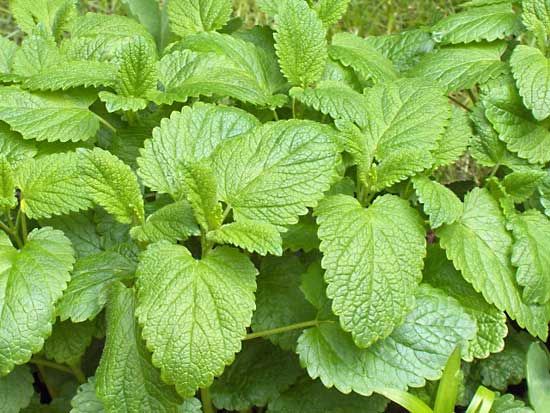
Dealing with daily stress is common, and lemon balm offers a natural way to find relief. Studies in 2026 continue to show its effectiveness in reducing feelings of anxiety. The herb’s compounds interact with the brain’s calming systems. This helps to quiet racing thoughts and ease tension. Many people report feeling more centered and less overwhelmed after using it. It provides a gentle counterbalance to the pressures of modern life. Incorporating it can lead to a more peaceful state of mind.
Read also: 50 Cute Desk Decor Ideas to Make Your Workspace Cozy
Research validates its anxiolytic properties, making it a reliable choice for stress management.
Using Lemon Balm as a Sleep Aid
Struggling to get a good night’s sleep? Lemon balm can be a valuable ally. It is well-known for its sedative qualities, helping to promote restful sleep. By calming the nervous system, it makes it easier to fall asleep. It also contributes to better sleep quality throughout the night. Many turn to lemon balm tea before bed for this purpose. It offers a natural alternative to harsher sleep aids. Consistent use can help reset your sleep patterns effectively.
Cognitive Function and Lemon Balm
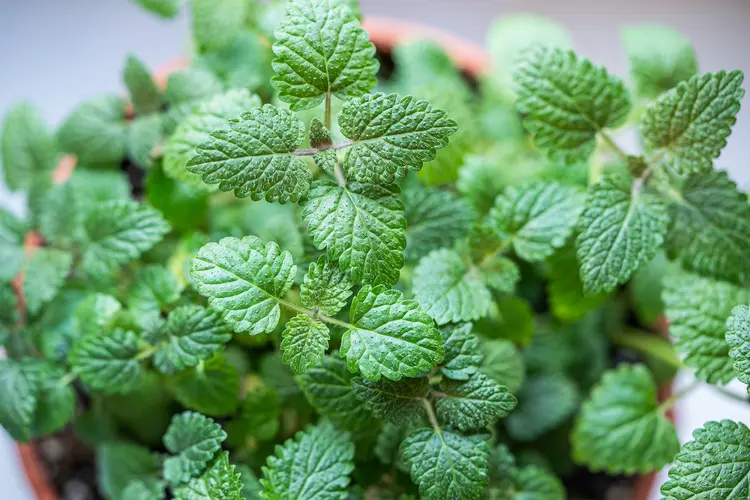
Beyond relaxation, lemon balm shows promise for supporting brain health. Emerging research suggests it may enhance cognitive function. Its antioxidant properties help protect brain cells from damage. Some studies indicate it could improve memory and focus. This makes it a beneficial herb for students or anyone needing mental clarity. It supports overall brain vitality. Consider it for a mental boost.
Antiviral Properties of Lemon Balm
Lemon balm is also recognized for its antiviral capabilities. It has shown particular effectiveness against the herpes simplex virus. Topical applications, like balms or creams, are often used. They can help manage cold sores and speed up healing. This natural remedy offers a gentle yet potent way to combat viral outbreaks. Its use in skincare is growing. It provides targeted support where needed most.
Lemon Balm Tea for Digestive Support
Many find lemon balm beneficial for digestive comfort. It can help soothe an upset stomach and reduce bloating. Its carminative properties aid in relieving gas. Drinking lemon balm tea after meals can promote better digestion. It offers a pleasant way to settle your stomach naturally. This herb supports a healthy gut. It’s a simple addition to your routine.
Lemon Balm in Aromatherapy
The uplifting scent of lemon balm makes it a star in aromatherapy. Its aroma is known to reduce stress and improve mood. Diffusing lemon balm essential oil can transform your living space. It creates a serene and positive atmosphere. The scent is both refreshing and calming. It’s a wonderful way to enhance your environment. Enjoy its therapeutic fragrance daily.
Skin Health Benefits of Lemon Balm
Lemon balm’s properties extend to skin care. Its antioxidant and anti-inflammatory actions are beneficial. It can help calm irritated skin and reduce redness. Topical applications may aid in healing minor wounds. It’s often found in natural skincare products. Its gentle nature makes it suitable for sensitive skin types. It contributes to a healthier complexion.
Lemon balm is a versatile herb with a wide range of applications for natural health.
The Verdict: Lemon Balm’s Enduring Appeal
Lemon balm, or Melissa officinalis, has firmly established its place in natural wellness. In 2026, its scientifically validated benefits for stress, sleep, and even cognitive function are undeniable. Its antiviral and digestive support properties further enhance its value. The ease with which it can be integrated into daily routines—from a simple cup of tea to aromatherapy—makes it incredibly practical. We recommend incorporating standardized extracts for consistent results, typically around 300-600 mg daily. Always consult with a healthcare provider, especially if you have thyroid conditions, as preliminary data suggests potential interactions. Lemon balm offers a safe, effective, and natural path to enhanced well-being. Its future in holistic health looks very bright indeed. For more on herbal remedies, explore NCCIH’s guide. You can also find detailed information on plant compounds at PubChem.
Your 3-Step Lemon Balm Action Plan
Step 1: Choose Your Form
Decide whether you want internal or external benefits. For anxiety or sleep, opt for a standardized capsule or tea. For cold sores, choose a topical cream or balm.
Step 2: Start Low and Slow
Begin with 300 mg of a standardized extract once daily. Monitor how you feel for a week before increasing to 600 mg if needed.
Step 3: Pair with Routine
Take lemon balm 30 minutes before bed for sleep support. Apply topical cream at the first tingle of a cold sore for best results.
Frequently Asked Questions
Can I take lemon balm with my thyroid medication?
Preliminary research suggests lemon balm may interfere with thyroid hormone regulation. Consult your doctor before combining them.
How long does it take for lemon balm to work for anxiety?
Many people notice a calming effect within 30 to 60 minutes of taking a standard dose. Consistent daily use over several weeks may enhance benefits.
Is lemon balm safe for children?
Lemon balm is generally considered safe for children in appropriate doses, such as in teas. Always consult a pediatrician before giving supplements.
Lemon balm stands out as a versatile herb backed by modern research for anxiety, sleep, and antiviral support. Its gentle yet effective profile makes it a valuable addition to any natural wellness cabinet.
Start with a simple tea or supplement to experience its calming effects firsthand. Next, explore combining it with other adaptogens like ashwagandha for a synergistic routine.
Picture a future where natural remedies like lemon balm are first-line tools for everyday stress and health maintenance. This herb is a step toward a more balanced, plant-powered life.
