

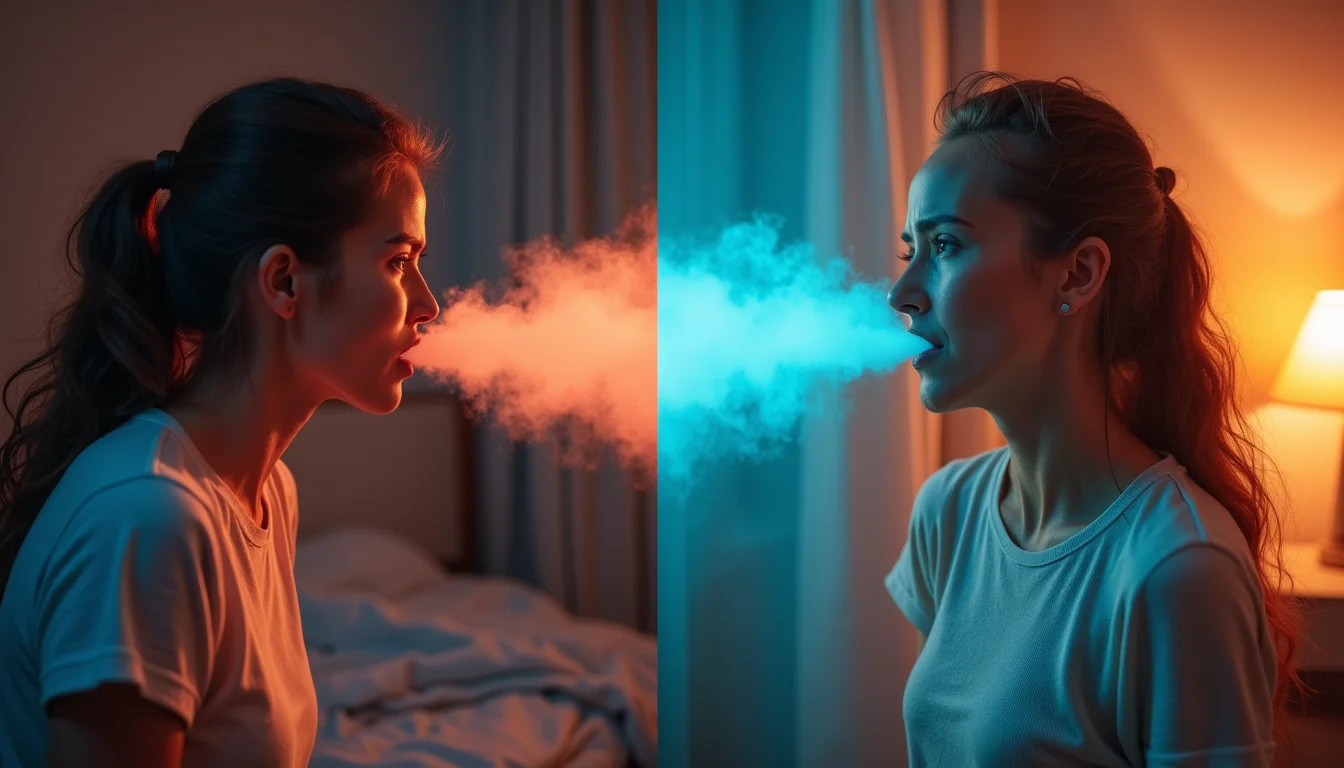
You wake up with a stuffy nose, dry skin, and a dusty feeling in your chest. Should you get a humidifier or an air purifier? Many people think they do the same job, but they are completely different machines for different problems.
An air purifier cleans the air by trapping particles like dust, pollen, and smoke. A humidifier adds moisture to the air to help with dryness and congestion. Choosing the wrong one can waste your money and leave your symptoms untreated.
Air Purifier vs Humidifier: What Each Machine Actually Does
An air purifier uses a fan to pull air through filters, usually a HEPA filter to catch tiny particles and an activated carbon filter to absorb odors and chemicals. It removes allergens like pet dander, mold spores, and smoke, making it ideal for allergies and asthma year-round.
A humidifier releases water vapor into the air to raise humidity levels. Cool mist and warm mist versions are common, with ultrasonic models being the most popular for quiet operation. It helps with dry skin, chapped lips, sinus pressure, and dry coughs, especially in winter or dry climates.
Both machines have different maintenance needs. Air purifiers require filter changes every 6 to 12 months, costing around $20 to $60 per filter. Humidifiers need frequent cleaning to prevent mold and bacteria growth. Skipping maintenance can cause more harm than good.
Humidifier vs Air Purifier: Which Do You Need in 2026?
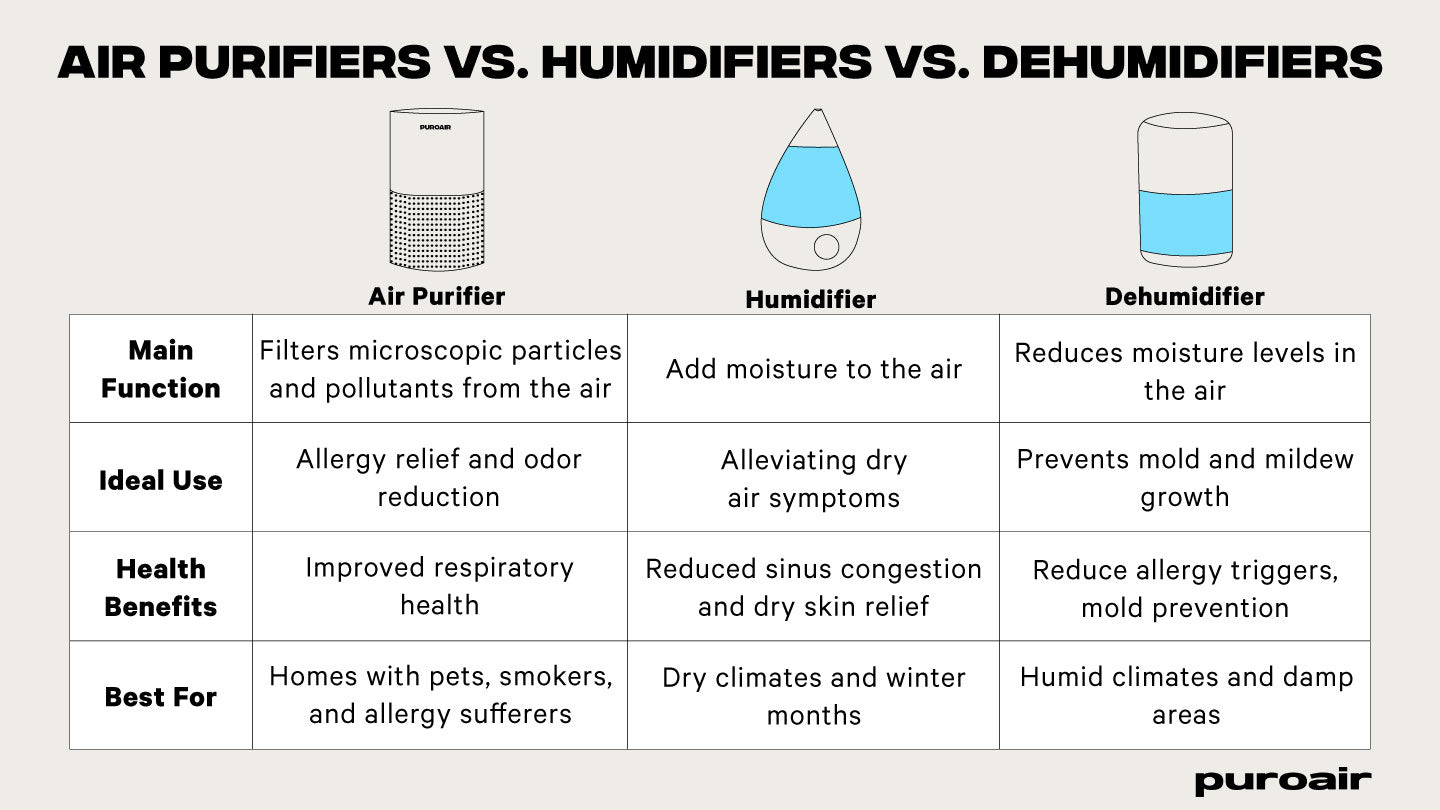
| Feature | Air Purifier | Humidifier |
|---|---|---|
| Primary Function | Removes airborne pollutants | Adds moisture to the air |
| Key Benefits | Cleaner air, allergy relief | Soothes dry skin, eases congestion |
| Maintenance | Filter replacement (6-12 months) | Frequent cleaning to prevent mold |
| Ideal Use | Year-round, especially with pets/pollution | Winter, arid climates |
| Typical Cost (2026) | $100 – $500+ | $40 – $150+ |
How Air Purifiers Improve Indoor Air Quality
Air purifiers work by drawing air through a series of filters. These filters capture tiny particles you cannot see. This process removes dust, pollen, pet dander, and smoke from your home. It is a vital step for better breathing. By reducing these irritants, air purifiers create a healthier living space. This is especially true for homes with pets or those in areas with poor outdoor air quality.
Key Benefits of Using a Humidifier
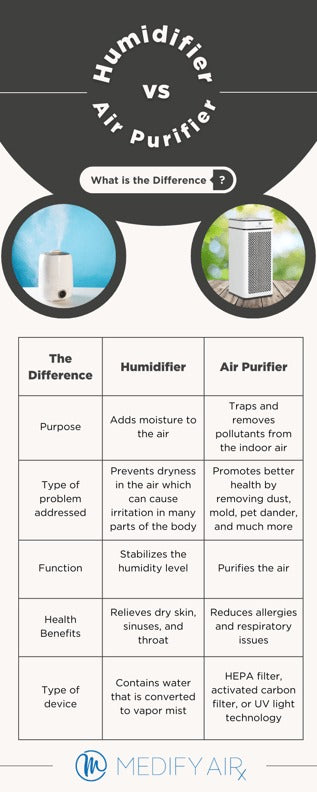
Humidifiers add much-needed moisture back into dry indoor air. This can make a big difference in how you feel. Dry air can lead to uncomfortable symptoms. These include dry skin, chapped lips, and a scratchy throat. A humidifier helps combat these issues. It creates a more comfortable environment, especially during dry seasons. This is a simple way to improve your home’s comfort level.
Air Purifier vs Humidifier for Allergies
For allergy sufferers, an air purifier is usually the better choice. Air purifiers actively remove allergens like pollen and dust mites. These are common triggers for sneezing and itchy eyes. A humidifier does not remove allergens. In fact, if not cleaned properly, it can even encourage mold growth. This would worsen allergy symptoms. Choosing an air purifier directly addresses the source of many allergy problems.
Which Device Helps Asthma Symptoms More
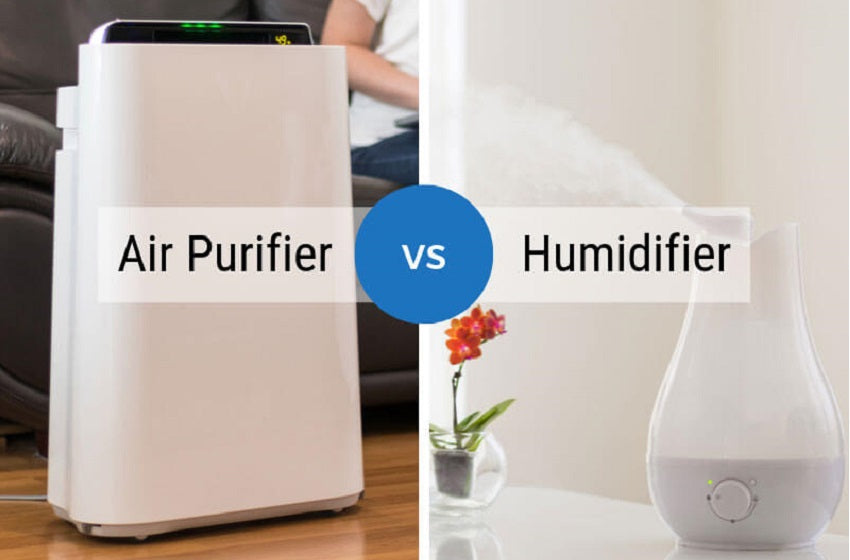
Air purifiers can significantly help people with asthma. They capture airborne irritants that can trigger asthma attacks. These include smoke particles and pet dander. Humidifiers, on the other hand, can sometimes worsen asthma. If the humidity level gets too high, it can promote dust mites and mold. These are known asthma triggers. Therefore, an air purifier is generally more beneficial for asthma management.
Humidifier Benefits for Dry Skin Relief
If dry skin is a constant battle, a humidifier is your ally. Dry indoor air pulls moisture from your skin. This leaves it feeling tight, itchy, and flaky. A humidifier replenishes this lost moisture. It helps keep your skin hydrated and supple. This is a direct benefit for comfort and appearance. You will notice softer skin and fewer issues with dryness.
Best Choice for Pet Owners: Purifier or Humidifier
Pet owners will find an air purifier more useful. Pets shed dander, hair, and can create odors. Air purifiers are designed to capture these. They use filters like HEPA and activated carbon to trap dander and neutralize smells. While a humidifier might make the air feel less dry, it does nothing for pet-related allergens or odors. An air purifier directly tackles these common pet owner concerns.
Using a Humidifier vs Purifier in Winter
Winter is when a humidifier often shines. Heating systems dry out indoor air significantly. This leads to dry skin, static electricity, and sore throats. A humidifier combats this winter dryness effectively. Air purifiers are still useful in winter for general air quality. However, if your main concern is the dry air from heating, a humidifier takes priority. You can learn more about air quality differences at Dyson.
HEPA vs Activated Carbon: Air Purifier Filters Explained
Air purifiers use different filter types. HEPA filters are excellent at capturing tiny physical particles. Think dust, pollen, and pet dander. Activated carbon filters are different. They absorb gases, odors, and volatile organic compounds (VOCs). Many air purifiers use both for comprehensive cleaning. Understanding these filters helps you choose the right model for your needs.
Pros and Cons: Air Purifier
- Pros: Removes allergens and pollutants, improves respiratory health, reduces odors.
- Cons: Requires filter replacement, can be noisy, does not add humidity.
Pros and Cons: Humidifier
- Pros: Relieves dry skin and congestion, helps with dry coughs, inexpensive to buy.
- Cons: Requires frequent cleaning, can over-humidify air, does not filter pollutants.
The 2026 Verdict: Which Wins?
For most households in 2026, an air purifier offers broader benefits. It tackles a wider range of indoor air problems. Allergies, asthma, and pet dander are common issues. Air purifiers provide a direct solution. Humidifiers are excellent for specific problems like dry air. However, the primary goal of a healthy home is clean air. You can find more expert advice on choosing the right device at Consumer Reports. If both clean air and humidity are needed, consider a separate unit placed across the room. This prevents potential issues with combination units affecting the purifier’s performance.
Getting the Most Out of Your Choice
For Air Purifier Owners
Place the unit in the room you spend the most time in, like the bedroom or living room. Keep windows and doors closed during use for maximum efficiency.
Run the purifier on high speed for 15–20 minutes when you first enter a room. Then switch to low or auto mode to maintain clean air quietly.
Replace the HEPA filter every 6–12 months, or sooner if you have pets. A clogged filter won’t capture pollutants and can release trapped particles back into the air.
For Humidifier Owners
Use distilled or demineralized water to prevent white dust from minerals settling on furniture. This also reduces the frequency of cleaning.
Clean the water tank and wick filter weekly with white vinegar to stop mold and bacteria growth. A dirty humidifier can spread harmful microbes into the air.
Run the humidifier only when the humidity level drops below 40–50%. Use a hygrometer to check; too much moisture can cause condensation and mold on walls.
What to Avoid
Don’t place an air purifier and humidifier right next to each other. The moisture can saturate the purifier’s filter, making it less effective and promoting mold.
Avoid using essential oils in a humidifier unless it’s specifically designed for them. Oils can damage plastic parts and create a sticky residue that breeds bacteria.
Frequently Asked Questions
Can I use both a humidifier and an air purifier in the same room?
Yes, you can use both, but place them at opposite ends of the room. This prevents the humidifier’s moisture from clogging the air purifier’s filter.
Which one should I buy if I have allergies?
Buy an air purifier with a true HEPA filter to capture pollen, dust mites, and pet dander. A humidifier can help with dry nasal passages but won’t remove allergens.
How often do I need to replace the filter in an air purifier?
Most manufacturers recommend replacing the HEPA filter every 6 to 12 months. Check your model’s manual and replace sooner if you notice reduced airflow or a musty smell.
Whether you choose a humidifier or an air purifier, you’re making a smart investment in your home’s comfort and your health. The right device depends on your specific needs—dry air relief or cleaner breathing.
Next, measure your room size and compare it to the coverage area listed on the product box. This ensures you get a unit powerful enough for your space.
Imagine waking up without that scratchy throat or stuffy nose, breathing air that feels fresh and clean. That’s the everyday benefit of making the right choice for your home.
