


You climb stairs every day but have you ever stopped to count them? Knowing exactly how many steps in a flight of stairs can save you from safety violations or a bad fit in your home.
It’s not just about fitness tracking. The number affects your legs and your building’s safety. Let’s settle the question once and for all.
What is a flight of stairs and how many steps does it have?
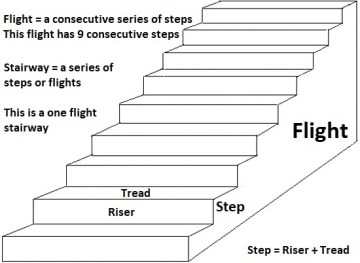
A flight of stairs is a continuous set of steps without any breaks or landings. In most US homes, a standard flight has between 13 and 16 steps.
This number comes from average 8 to 10 foot ceilings and the ‘7-11 rule’ where each riser is about 7 inches high and each tread is about 11 inches deep. For fitness apps like Apple Health, one flight equals roughly 16 steps or a 10 foot climb.
Building codes also set limits. For example, a utility staircase can have at most 16 risers before a landing is required. Always check your local code for exact numbers.
Understanding Stair Flights in 2026
Knowing how many steps make a flight of stairs is crucial for home design and even fitness tracking. It impacts safety, comfort, and code compliance. We see this question often when people are planning renovations or just curious about their homes. Let’s break down what defines a flight of stairs today.
| Aspect | Typical Range/Value |
| Standard Flight Steps | 13-16 steps |
| Average Ceiling Height | 8-10 feet |
| Fitness Tracking (Apple Health) | 16 steps per flight |
| Utility Stair Max Risers | 16 risers |
| Fire Escape Max Risers | 12 risers |
Definition of a Flight of Stairs
A flight of stairs is simply a continuous series of steps. It connects one level to another or a level to a landing without any breaks. This continuous run is key to its definition. It’s the most common way we move between floors in homes and buildings.
Steps Per Floor in Residential Buildings
In most US homes, a single floor typically requires one or two flights of stairs. This depends on the ceiling height. An 8-foot ceiling might need fewer steps than a 10-foot ceiling. We aim for comfortable, safe transitions between levels. This usually means about 13 to 16 steps per flight.
Standard Stair Riser Height
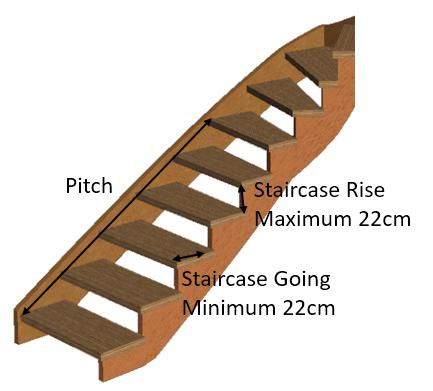
The stair riser height is the vertical part of a step. For comfort and safety, it’s usually between 7 and 7.75 inches. This measurement is critical. It affects how easy or difficult it is to climb the stairs. Building codes often set limits for this to prevent falls.
Stair Tread Depth Requirements
The stair tread depth is the part you step on. It needs to be deep enough for your foot. A standard tread depth is between 10 and 11 inches. This ensures your entire foot can rest securely. It prevents tripping hazards, especially for children and older adults. Learn more about step dimensions.
Building Code Stair Limits
Building code stair limits are strict for safety. While a flight can have as few as 2-3 steps, there are maximums. For safety and accessibility, a single flight usually shouldn’t exceed 16 to 20 steps before a landing is required. Utility stairs might have different rules, often capped at 16 risers. Fire escapes have even stricter limits, sometimes 12 risers per flight.
Residential vs. Commercial Stairs
Residential vs. commercial stairs can differ. Homes prioritize comfort and aesthetics. Commercial spaces, like offices or stores, focus heavily on safety and accessibility codes. This means commercial stairs might have more consistent riser heights and tread depths. They often have stricter limits on the number of steps per flight before a landing is needed.
Purpose of Stair Landings
Stair landings serve a vital safety purpose. They provide a resting spot on long staircases. Landings break up long flights, reducing fatigue. They are also crucial for accessibility, allowing for turns or changes in direction. Building codes mandate landings after a certain number of steps to prevent falls.
The 7-11 Rule for Stairs
The 7-11 rule for stairs is a guideline for comfortable steps. It suggests riser heights between 7 and 7.75 inches. It pairs this with tread depths of 10 to 11 inches. Following this rule creates stairs that feel natural to climb. It balances the rise and run for ease of use. Explore stair design guidelines.
For fitness tracking, like in Apple Health, a flight is often simplified to 16 steps. This approximates a 10-foot vertical gain, a common residential floor height.
The Verdict on Stair Flights
In 2026, understanding stair construction is more important than ever. Whether you’re building new or renovating, adhering to code and comfort guidelines is key. The standard flight of 13-16 steps remains common for good reason. It balances aesthetics with the practical needs of movement and safety in US homes. Always consult local building codes and consider professional advice for any stair project to ensure compliance and safety.
Your 3-Step Action Plan for Stair Design
Step 1: Measure Your Rise
Measure the total vertical height from the finished floor below to the finished floor above. This is your total rise.
Divide that number by 7.5 inches (a comfortable riser height) to get an approximate number of steps.
Step 2: Check Your Local Code
Look up your local building code for maximum riser height (usually 7.75 inches) and minimum tread depth (usually 10 inches).
Also check the maximum number of risers allowed in a single flight, often 16 or 18, before a landing is required.
Step 3: Apply the 7-11 Rule
For comfort, aim for a riser height of 7 inches and a tread depth of 11 inches. This combination is proven to feel natural.
If your space doesn’t allow it, adjust slightly but never exceed code limits. Safety always comes first.
Frequently Asked Questions
How many steps are in a typical residential flight?
A typical residential flight has 13 to 16 steps, based on an 8- to 10-foot ceiling height.
This range ensures a comfortable climb and meets most building codes.
Why do fitness apps count 16 steps as a flight?
Apple Health and similar apps use 16 steps because that equals roughly 10 feet of vertical gain, a standard floor-to-floor height.
This simplifies tracking but may not match your actual stairs.
Can I have more than 16 steps without a landing?
Most codes require a landing after 16 to 20 risers to prevent fatigue and reduce fall risk.
Always check your local code; some utility stairs allow up to 18 risers.
Now you know the numbers behind a safe and comfortable staircase. You can confidently plan your project or understand your home’s layout.
Next, measure your own stairs and compare them to these standards. Small adjustments can make a big difference in daily comfort.
Imagine a staircase that feels effortless and looks beautiful. That’s the power of getting the details right.
