

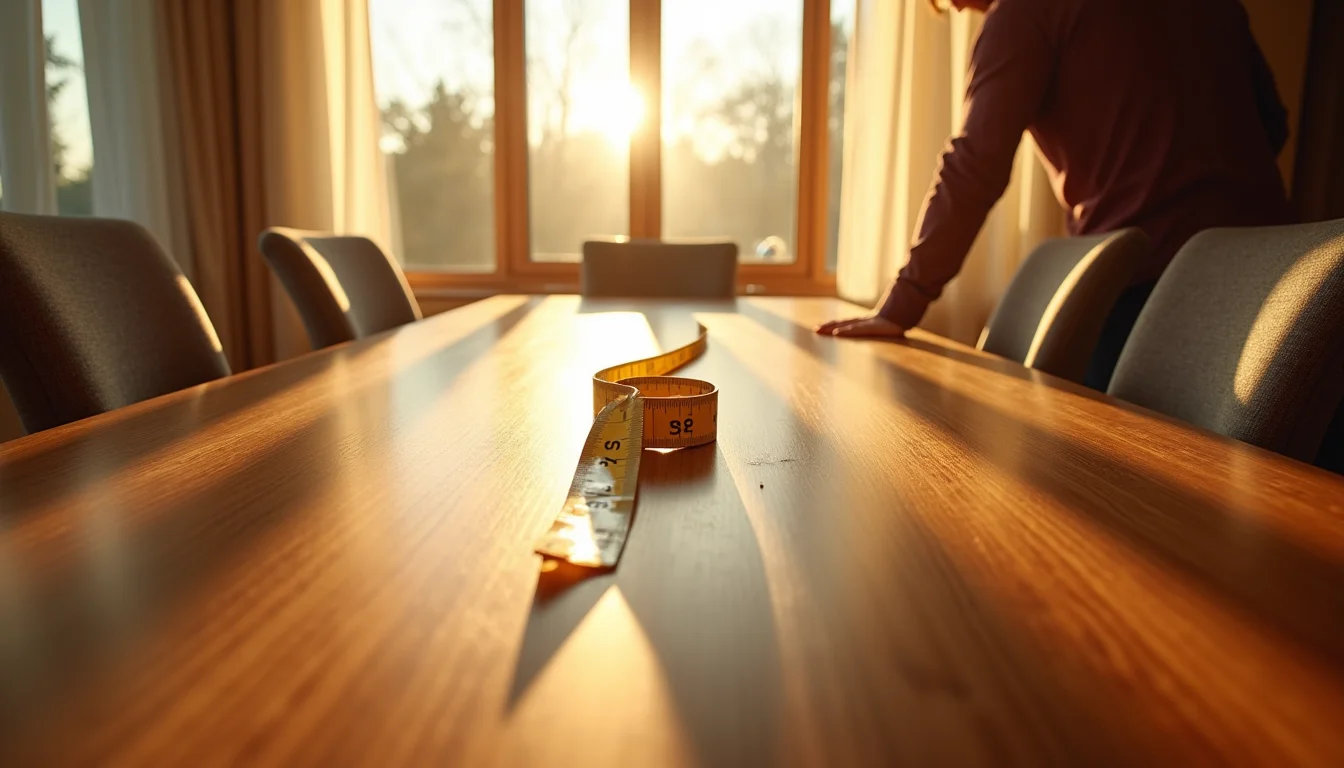
You just moved into your new place and now you need a dining table. But the store aisles are confusing and prices are all over the place. You don’t want to waste money on something that won’t fit or will fall apart in a year.
I see this struggle every day. The right table is out there, but you need to know what to look for. Let’s cut through the noise and focus on what actually works for your home and your budget.
Measure Your Space Before You Shop for a Dining Table
Your room size is the first thing to nail down. A common mistake is buying a table that’s too big or too small. You need at least 36 inches of clearance on all sides for chairs and walking room. That means if your room is 10 feet wide, your table can’t be wider than 4 feet.
Think about how many people you usually host. A table for six needs about 72 inches long and 36 inches wide. For eight people, go for 96 inches. If you entertain only sometimes, an extendable table with a butterfly leaf is a smart choice. These tables hide the extra space until you need it.
Material matters for durability. Solid wood like acacia or oak resists scratches and water better than veneer. Glass tables look modern but show every fingerprint and need constant cleaning. For a family with kids, wood is the practical winner.
The 2026 Dining Table: Smart Choices for Modern Living
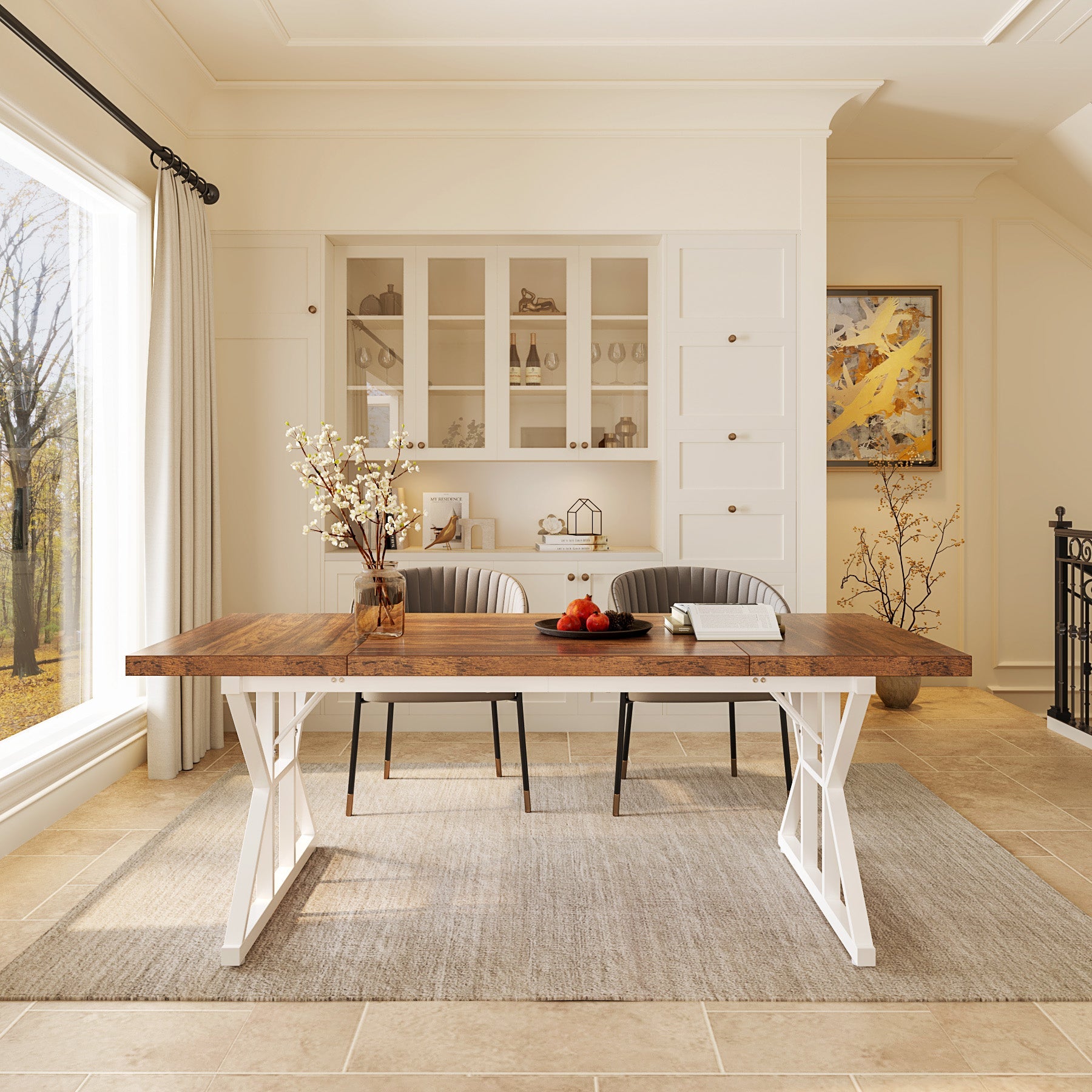
Selecting the right dining table is more than just picking furniture. It’s about fitting your space, your lifestyle, and your budget. In 2026, we see a focus on smart design and durable materials. Consider how you live and entertain. This will guide you to the perfect table.
| Consideration | Details |
| Space | Measure your room. Allow 36 inches around for walking. |
| Guests | How many people do you usually seat? |
| Style | Match your home’s look. Modern, rustic, or classic? |
| Material | Wood, glass, or metal? Each has pros and cons. |
| Function | Do you need an extendable option? |
Round Dining Table: Space-Saving Design
A round dining table is excellent for smaller areas. It encourages conversation because everyone faces inward. There are no sharp corners, making it safer for homes with children. This shape often feels more intimate and less formal.
Look for pedestal bases on round tables. This design offers maximum legroom. It creates a visually lighter feel in the room. A 48-inch round table typically seats four comfortably.
Read also: 50 Taupe Decor Ideas: The Neutral That Adds Depth Without the Boredom
Extendable Dining Table: Flexible Seating
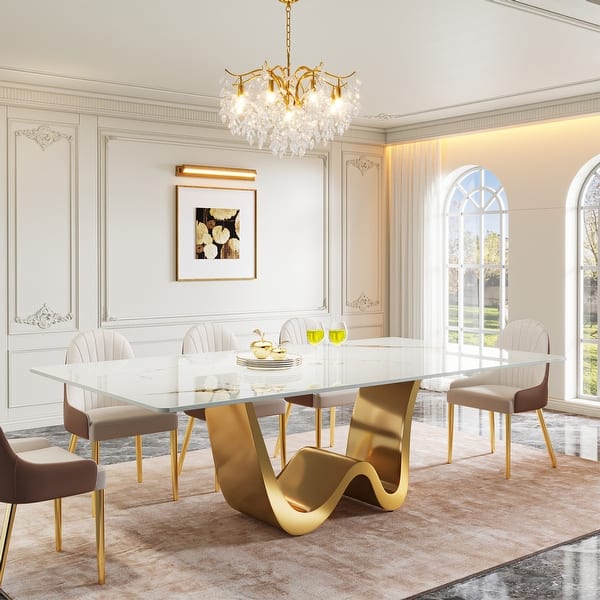
An extendable dining table is a practical choice for many. It adapts to your needs, from daily meals to larger gatherings. These tables often use leaves that store inside or fold out.
Mechanisms vary, from simple drop-in leaves to butterfly or self-storing options. They are ideal for those who entertain guests occasionally. Ensure the extension mechanism is smooth and easy to operate. You can find great examples at Wayfair.
Glass Dining Table: Modern Elegance
A glass dining table offers a sleek, contemporary look. It can make a small dining room feel larger and more open. The transparency of glass reflects light, brightening the space.
However, glass requires frequent cleaning. Fingerprints and dust are easily visible. Tempered glass is recommended for safety and durability. Consider the base material; metal or wood can complement the glass top.
Read also: Stop Choking on Smoke: The Best Fire Pits for 2026
Wooden Dining Table: Natural Warmth
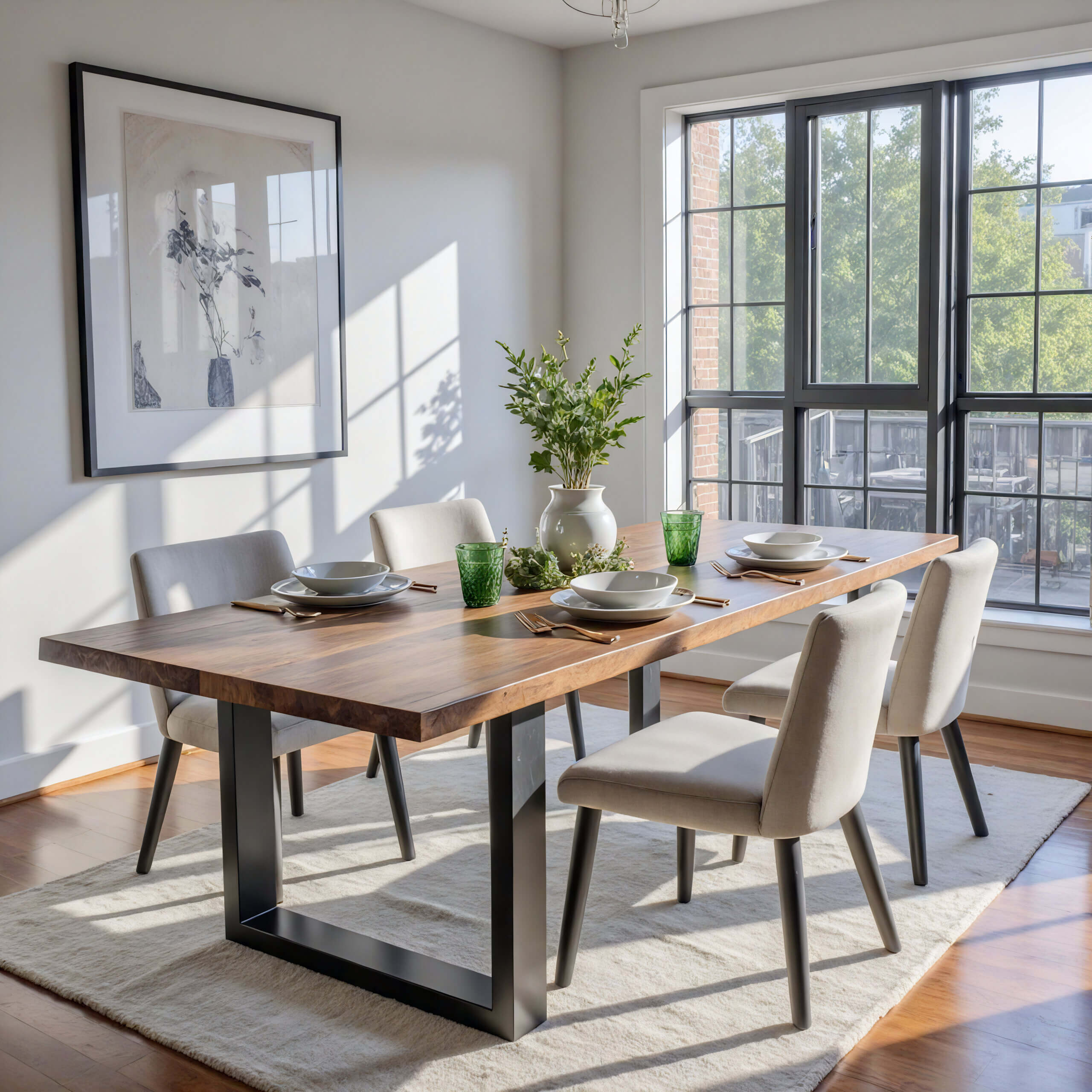
The wooden dining table remains a popular choice. Solid wood, like acacia or oak, offers durability and a timeless appeal. It brings natural warmth and texture to your dining area.
Wood can be susceptible to scratches and heat marks if not properly cared for. Look for tables with robust joinery, such as mortise and tenon. Proper sealing and maintenance will ensure its longevity. You can explore options at West Elm.
Farmhouse Dining Table: Rustic Charm
The farmhouse dining table evokes a sense of comfort and tradition. These tables often feature solid wood construction with a rustic finish. They are typically sturdy and generously sized.
Farmhouse styles work well in both casual and slightly more formal settings. They pair nicely with various chair styles. Their design emphasizes natural beauty and enduring quality.
Pedestal Dining Table: Open Legroom
A pedestal dining table, often round or oval, has a central support. This design eliminates corner legs, offering more flexibility for seating. It makes it easier to pull chairs in and out.
The open legroom is a significant advantage for circulation. It also contributes to a less cluttered visual appearance. Ensure the pedestal base is stable and wide enough for the tabletop size.
Dining Table Height: Standard Measurements
Standard dining table height is typically around 28 to 30 inches. This measurement ensures comfortable seating with standard dining chairs. Always check the height when purchasing chairs to ensure they pair well.
The clearance under the table should also be considered. Ensure there is enough legroom for diners. This standard height is crucial for ergonomic comfort during meals.
Dining Table Materials: Durability and Care
Dining table materials greatly affect durability and maintenance. Solid wood is durable but requires care against spills and heat. Glass is elegant but shows smudges easily.
Metal tables can be very sturdy, often used in industrial designs. Laminate or veneer tables offer budget-friendly options but may be less durable. Choose a material that matches your lifestyle and cleaning habits.
The Future of Dining Tables: Smart and Sustainable
In 2026, dining tables are becoming more integrated into our smart homes. Expect to see more tables with built-in charging ports and subtle lighting. Sustainability is also a growing trend, with manufacturers using reclaimed or certified wood.
Customizable and modular designs are gaining traction. These allow you to adapt your table as your needs change. Investing in a well-crafted table, regardless of style, ensures lasting value. Always prioritize good joinery for structural integrity.
Read also: 42 Teal Color Ideas for a Calm and Sophisticated Home
Your 3-Step Action Plan for the Perfect Dining Table
Step 1: Measure Your Space
Clear your dining area completely. Use painter’s tape to outline the table size on the floor, ensuring at least 36 inches of walkway on all sides.
Step 2: Choose Your Material
For daily use with kids, pick solid acacia wood—it hides scratches and wipes clean. If you love a modern look and don’t mind frequent wiping, go with a glass top.
Step 3: Decide on Extendability
If you host holiday dinners, choose an extendable table with a butterfly leaf. For everyday meals with just your household, a fixed-size table is simpler and sturdier.
Frequently Asked Questions
How much space do I need per person at the table?
Allow 24 inches of table width per diner for comfortable elbow room. For a standard 60-inch table, that means up to 5 people per side.
Is a glass table safe for a family with kids?
Tempered glass is strong and shatters into small, less dangerous pieces if broken. However, it shows fingerprints and smudges easily, so consider your cleaning tolerance.
What is the best way to check table stability?
Look for mortise and tenon joinery or corner blocks under the tabletop. Give the table a gentle shake at the store—it should feel rock solid with no wobble.
Choosing a dining table is about balancing your daily needs with your style preferences. A well-built table in solid wood or smart extendable design will serve your family for years.
Now measure your space and visit a local showroom to test the materials yourself. Feel the weight of the wood and the smoothness of the extension mechanism.
In 2026, tables with built-in charging ports and ambient lighting will redefine how we gather. Imagine a surface that adapts to your life—both a work hub and a dinner party centerpiece.
