

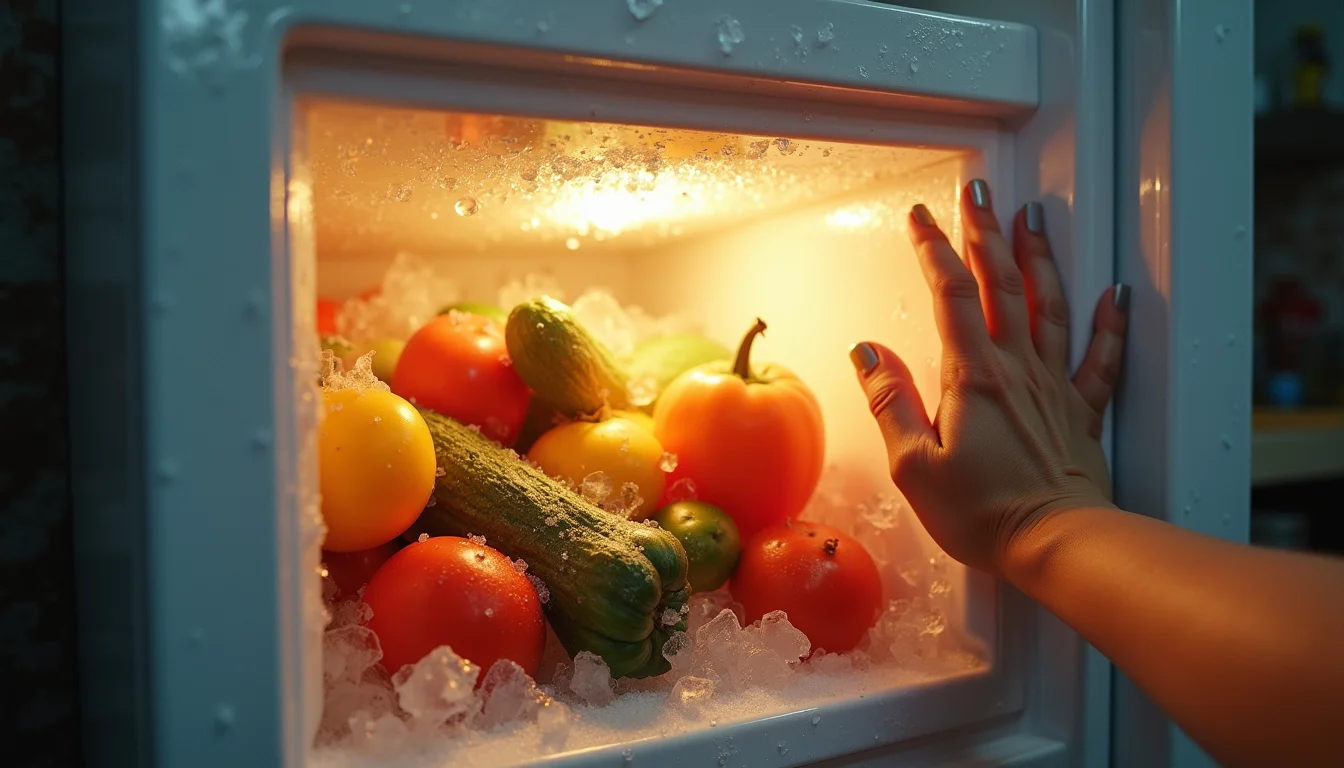
You open the freezer door and a block of ice has taken over. Frost covers everything, and you can’t find that bag of peas you bought last month. That is the struggle of a deep freezer that isn’t right for your home. But here is the truth: choosing the right freezer can save you money, time, and frustration.
A deep freezer is not just a box that keeps things cold. It is a tool that helps you buy in bulk, preserve garden harvests, and prep meals for the week. Whether you need a chest freezer for long-term storage or an upright model for easy access, the right choice depends on your space, budget, and lifestyle. Let us clear the frost and get you the facts.
What You Need to Know About Chest Freezers vs. Upright Freezers
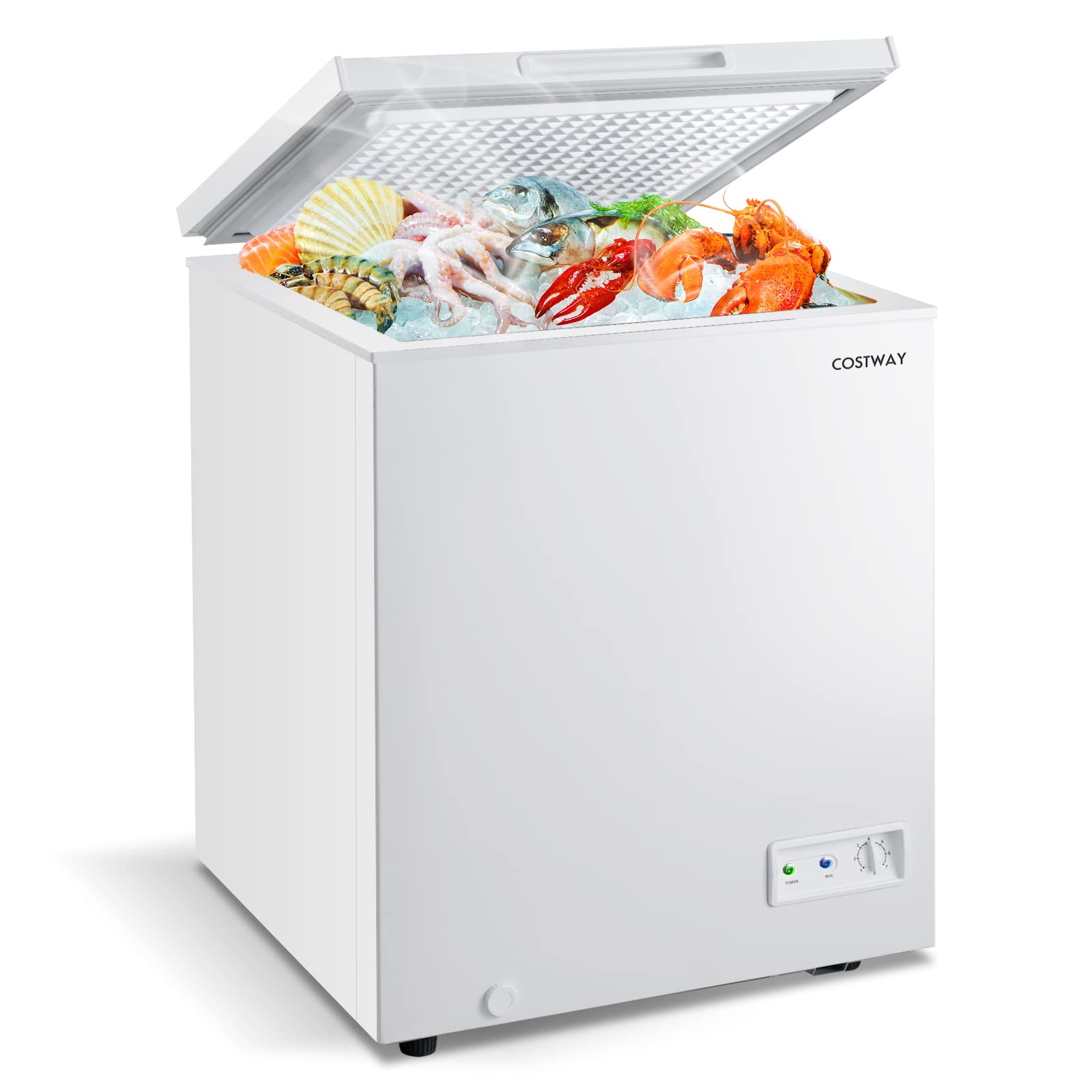
There are two main types of deep freezers: chest and upright. A chest freezer opens from the top and looks like a big box. It is usually more energy efficient because cold air stays in when you open it. Upright freezers open like a regular fridge, with shelves and drawers for easy organization.
If you store a lot of meat or bulk items for months, a chest freezer is often the better choice. It keeps food frozen longer during a power outage because the lid seals tight. Brands like GE and Frigidaire offer affordable chest freezers starting around $150 at Home Depot or Lowe’s.
Upright freezers are better if you want quick access to different foods. Many come with frost-free technology, so you never have to scrape ice. But they cost more, usually between $400 and $1,000, and use a bit more electricity. A good upright model from Whirlpool or Insignia can be a smart pick for a busy family.
Deep Freezers in 2026: Your Ultimate Food Preservation Partner
Deep freezers are indispensable for smart food storage today. They keep food fresh for longer, saving you money and reducing waste. Understanding the types available helps you choose the best fit for your home. We will look at key features and what matters most in 2026.
| Feature | Description | Average Cost (USD) |
| Chest Freezer | Horizontal, large capacity, energy efficient. | $200 – $700 |
| Upright Freezer | Vertical, shelves, frost-free options. | $300 – $1,000+ |
| Garage Ready | Operates in extreme temps (0°F to 110°F). | +$50-100 over standard |
| Convertible | Switches between fridge and freezer. | +$100-200 over standard |
| Energy Star | Certified for high energy efficiency. | +$50-150 over standard |
Chest Freezer: Bulk Storage for Large Families
Chest freezers are workhorses for storing large amounts of food. Their horizontal design means less cold air escapes when you open the lid. This makes them very energy efficient and great for power outages. Many models come with baskets to help you organize items. They are ideal for bulk buying or preserving harvests from a garden.
These units often have manual defrost. This means you will need to remove ice buildup periodically. While it requires effort, manual defrosting can lead to better food preservation. It keeps food frozen at a more consistent, colder temperature.
Upright Freezer: Easy Access and Organization
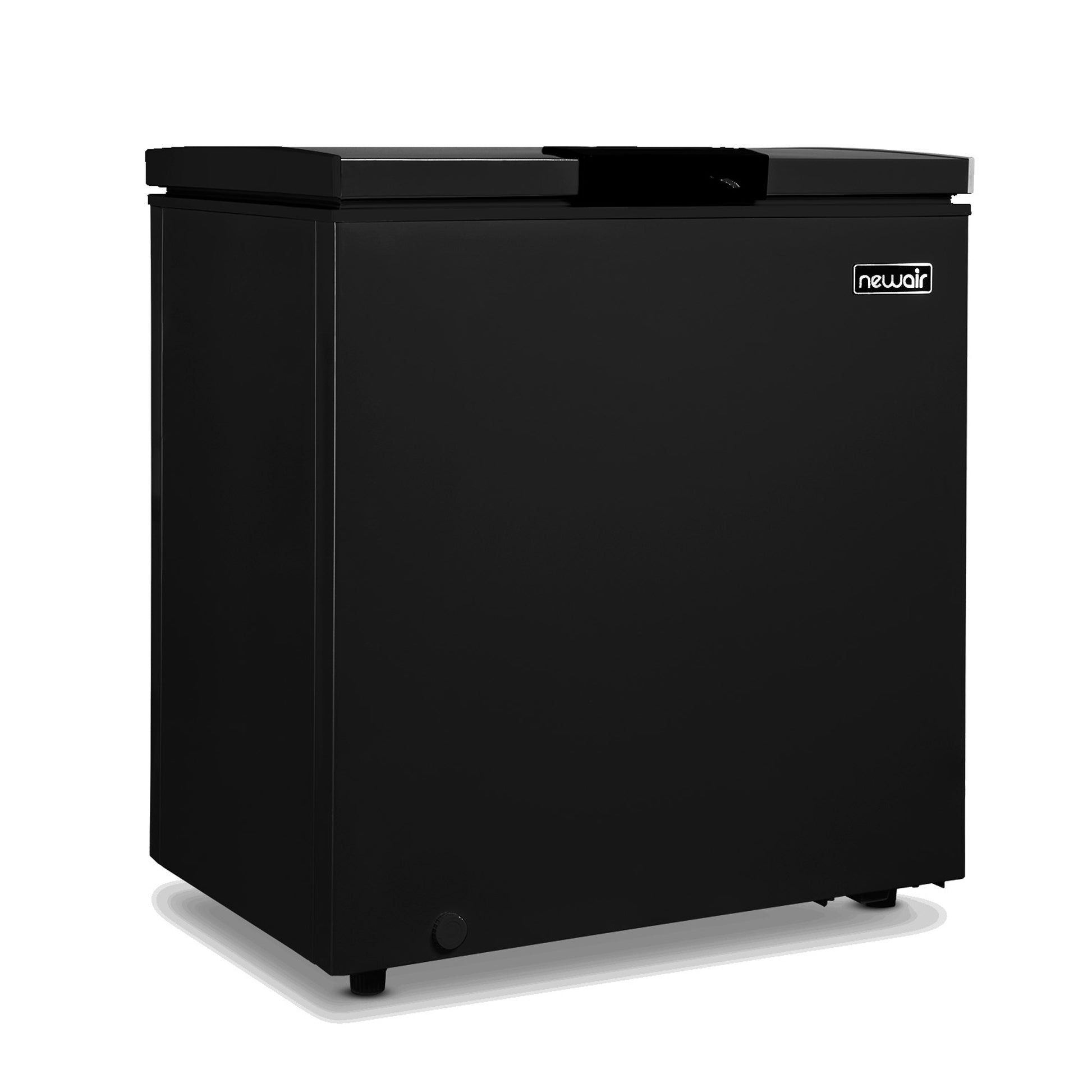
Upright freezers look more like traditional refrigerators. They use vertical space with shelves and drawers. This makes it easy to see and grab what you need quickly. They are a great choice for smaller kitchens or when easy access is a priority. Many upright freezer models offer frost-free technology.
Uprights can sometimes be less energy efficient than chest models. This is because cold air can escape more easily when the door is opened. However, modern designs are improving this. Look for models with good seals and features like door alarms.
Garage Ready Freezer: Performance in Extreme Temperatures
For homes with garages or unconditioned spaces, a garage ready freezer is a smart investment. These freezers are built to work reliably in a wide range of temperatures. They can handle heat up to 110°F and cold down to 0°F. This ensures your food stays frozen, no matter the weather outside. Brands like GE and Frigidaire offer excellent garage-ready options.
Standard freezers may struggle or shut down in extreme heat or cold. This can lead to food spoilage. Garage-ready models have special components to prevent this. Always check the temperature range specifications before buying.
Energy Efficient Freezer: Lower Your Electricity Bills

An energy efficient freezer can save you a significant amount on your electricity bills. Look for the ENERGY STAR label. This certification means the appliance meets strict energy-saving standards set by the EPA. These models use less power without sacrificing freezing performance. Investing in an ENERGY STAR unit is good for your wallet and the environment.
While an energy efficient freezer might have a slightly higher upfront cost, the long-term savings are substantial. Over the lifespan of the appliance, you will use less electricity. This makes it a cost-effective choice for home freezer solutions.
Frost Free Freezer: No More Manual Defrosting
The frost free freezer is a popular choice for convenience. This technology automatically defrosts the unit. It prevents ice from building up on the walls and food. This means you don’t have to spend time chipping away ice. It also keeps your food from getting freezer-burned by excess ice crystals.
Frost free freezers are typically upright models. The defrost cycle does use a little more energy. However, the convenience factor is a major benefit for many households. It ensures consistent temperatures and easier food management.
Manual Defrost Freezer: Better Food Preservation
A manual defrost freezer requires you to periodically turn it off and remove ice. While this takes effort, many experts believe it offers superior food preservation. The lack of a defrost cycle means the temperature remains more stable and colder. This can help keep food quality at its best for longer periods. Chest freezers are often manual defrost models.
The key is regular maintenance. Defrosting your manual defrost freezer when the ice reaches about a quarter-inch thick is recommended. This maintains efficiency and prevents excessive ice buildup. It is a worthwhile trade-off for optimal food quality.
Convertible Freezer: Fridge or Freezer Flexibility
Convertible freezers offer amazing flexibility. You can switch them between freezer and refrigerator modes. This is perfect for holidays or when your storage needs change. Need more fridge space for a party? Convert it. Need extra freezer space for bulk buys? Switch it back. This adaptability makes them a versatile appliance.
This feature is becoming more common in both chest and upright models. It allows you to maximize your appliance’s usefulness throughout the year. A convertible freezer can adapt to your life’s changing demands.
Large Capacity Freezer: Stock Up for Months
If you buy in bulk, hunt, or garden, a large capacity freezer is essential. These units offer 20 cubic feet or more of storage space. They allow you to stock up on groceries and save money. You can preserve seasonal produce or large meat purchases. A large capacity freezer means fewer trips to the store and more savings.
Consider the space you have available. Large freezers are bulky. Also, think about how much food you truly need to store. For most families, 15-20 cu. ft. is ample. Check out options at Home Depot for a wide selection.
The Future of Freezing: Smart Choices for 2026
Choosing the right deep freezer in 2026 is about balancing needs and features. Consider your space, budget, and how you plan to use it. Energy efficiency and garage-readiness are increasingly important. Upright models offer convenience, while chest models excel at bulk storage and efficiency. A frost free freezer saves time, but manual defrost can offer better preservation. For ultimate flexibility, a convertible freezer is unmatched.
Ultimately, the best appliance for food preservation is the one that fits your lifestyle. Research brands like Frigidaire and GE, known for reliability. Visit retailers like Lowe’s to compare models in person. Making an informed decision ensures years of reliable service and savings.
Your Quick Action Plan for Buying a Deep Freezer
Start by measuring your space and checking your garage temperature. This determines if you need a garage-ready model.
Step 1: Choose Your Type
Chest freezers save energy and keep food cold during outages. Upright freezers make organizing and finding items easier.
Step 2: Pick the Right Capacity
A 5-cubic-foot freezer holds about 175 pounds of food. For a family of four, a 10-cubic-foot model is a good start.
Step 3: Look for Key Features
Garage-ready models work in temps from 0°F to 110°F. Frost-free uprights save you the hassle of manual defrosting.
What to Avoid
- Avoid putting a non-garage-ready freezer in an unheated garage. It may fail in extreme cold or heat.
- Avoid buying too small. You will run out of space fast.
Frequently Asked Questions
Can I put a deep freezer in my garage?
Yes, but only if it is labeled garage-ready. Standard freezers may not work in temperatures below 0°F or above 110°F.
How often should I defrost a manual defrost freezer?
Defrost when frost builds up to 1/4 inch thick. This usually happens once or twice a year.
Which is better: chest or upright freezer?
Chest freezers are more energy efficient and keep food longer during power outages. Upright freezers offer better organization and easier access.
Choosing the right deep freezer means balancing your space, budget, and lifestyle. A garage-ready chest freezer is a smart, durable choice for most homes.
Now measure your area and check your garage temperature. Then compare prices at Home Depot or Lowe’s to find your best deal.
Imagine opening a neatly organized freezer with every ingredient you need. That peace of mind starts with one smart purchase today.
