


You bought that bag of cow manure thinking it was gold for your garden. But if it smells strong or looks fresh, you might be doing more harm than good. Raw manure can burn your plants and even make you sick.
Composted cow manure is the safe, slow-release fertilizer that builds rich soil without the risks. It feeds your vegetables, flowers, and lawn for months. And it costs less than $10 a bag at stores like Home Depot or Lowe’s.
Composted Cow Manure Benefits for Your Vegetable Garden and Lawn
Composted cow manure is not just a fertilizer. It is a soil conditioner that fixes both clay and sandy dirt. The organic matter helps sandy soil hold water and clay soil drain better. You get healthier roots and stronger plants.
This manure is packed with nitrogen, phosphorus, and potassium, but it releases them slowly. That means no burning your tomato plants or grass. Popular brands like Black Kow or Timberline are fully composted and safe to use. A 1-cubic-foot bag runs about $6 to $10 at Walmart or Tractor Supply.
For a vegetable garden, mix a 2- to 3-inch layer into the top 6 to 9 inches of soil. Do this at least a month before planting. For lawns, apply a thin layer as top dressing in early spring or fall. The nutrients feed the grass gradually without shocking it.
Never use fresh cow manure. It contains high ammonia and salts that can kill plants. It also may have E. coli or weed seeds. Only buy manure labeled ‘composted’ or ‘aged’ to stay safe. Your garden will thank you with bigger harvests and greener grass.
The Power of Cow Manure: Your Garden’s Best Friend
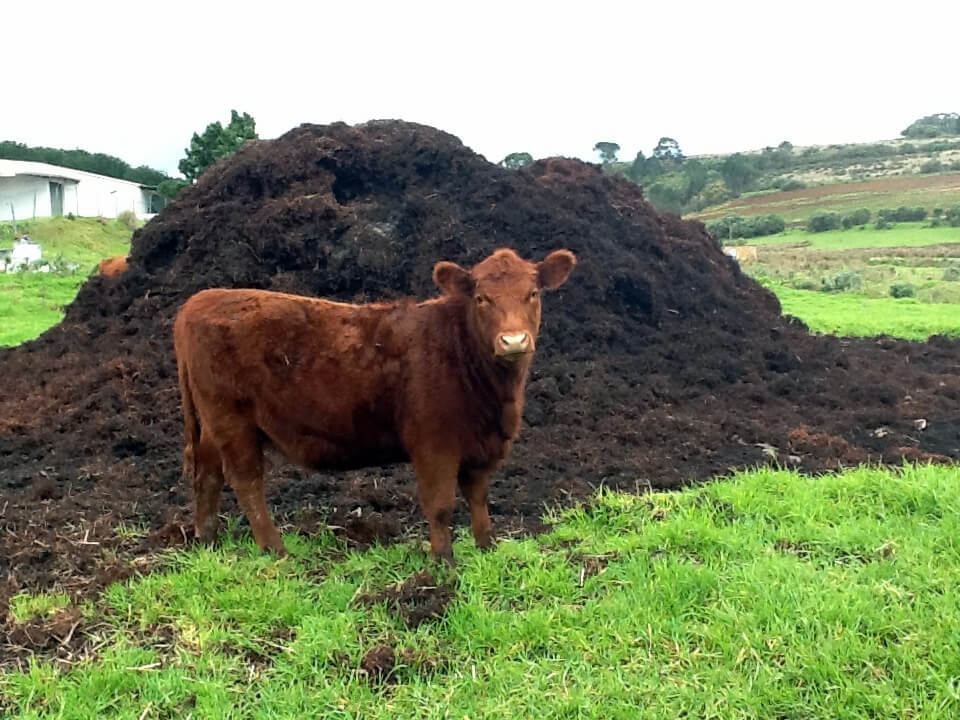
Cow manure is a powerhouse for your garden, acting as a natural fertilizer and soil enhancer. It’s not just dirt; it’s a rich source of nutrients that plants crave. Using it properly can transform your soil from tired and depleted to vibrant and healthy.
This organic amendment improves soil structure, helping both clay and sandy soils hold water and nutrients better. It also boosts beneficial microbes, creating a healthier environment for plant roots. Think of it as a superfood for your garden, providing slow-release energy that keeps plants thriving.
| Benefit | Description |
|---|---|
| Soil Conditioning | Improves aeration and water retention in clay and sandy soils. |
| Nutrient Supply | Slow-release nitrogen, phosphorus, and potassium, plus micronutrients. |
| Microbial Activity | Boosts beneficial bacteria for nutrient cycling and plant health. |
| Weed Suppression | Acts as a mulch layer to reduce weed growth. |
Composted Cow Manure Benefits
Composted cow manure offers a wealth of advantages for any gardener. It significantly improves soil structure, making it easier for roots to grow and access water. This natural amendment also provides a steady supply of essential nutrients without the harshness of synthetic fertilizers.
The organic matter in composted manure feeds beneficial soil microbes. These tiny helpers are crucial for breaking down nutrients, making them available to plants. This creates a living soil ecosystem that supports robust plant growth and resilience.
How to Use Cow Manure in Garden
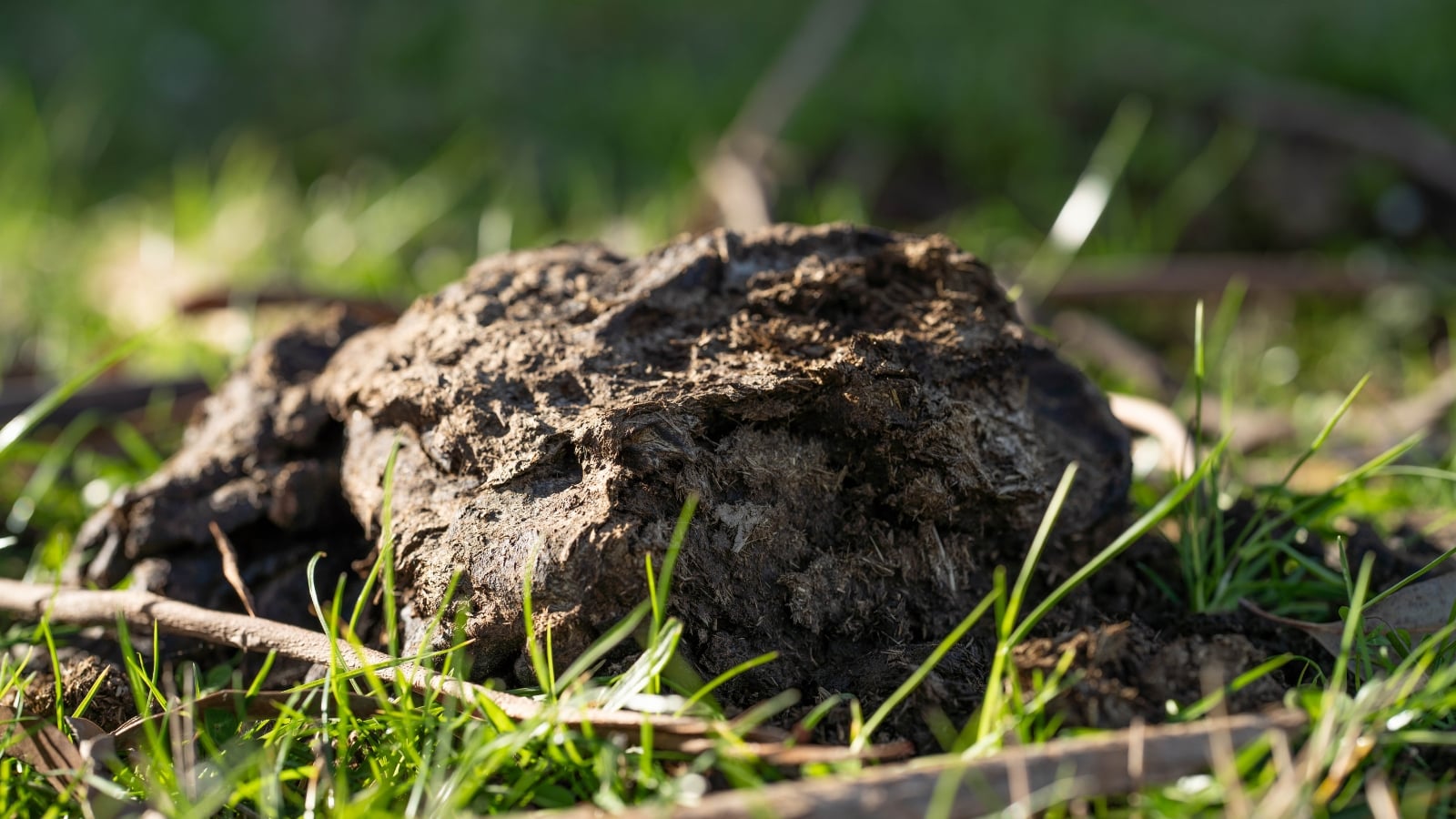
Using cow manure correctly is key to unlocking its full potential. Always opt for aged or composted manure to avoid harming your plants. Fresh manure can burn roots due to high ammonia and salt content.
Incorporate a 2-3 inch layer of composted manure into your garden soil. Till it in about 6-9 inches deep. Doing this in the fall or at least one month before planting in spring gives it time to integrate.
For optimal results, apply composted cow manure in the fall. This allows it to break down further over winter, enriching the soil for spring planting.
Fresh Cow Manure vs Composted
The difference between fresh and composted cow manure is critical for garden success. Fresh manure is too potent, containing high levels of ammonia and salts that can kill plants. It may also carry weed seeds and harmful pathogens like E. coli.
Composting neutralizes these risks. The process heats the manure, killing weed seeds and pathogens. It also breaks down ammonia into plant-usable nitrogen. This makes composted manure safe and beneficial for your garden.
Cow Manure for Vegetable Garden
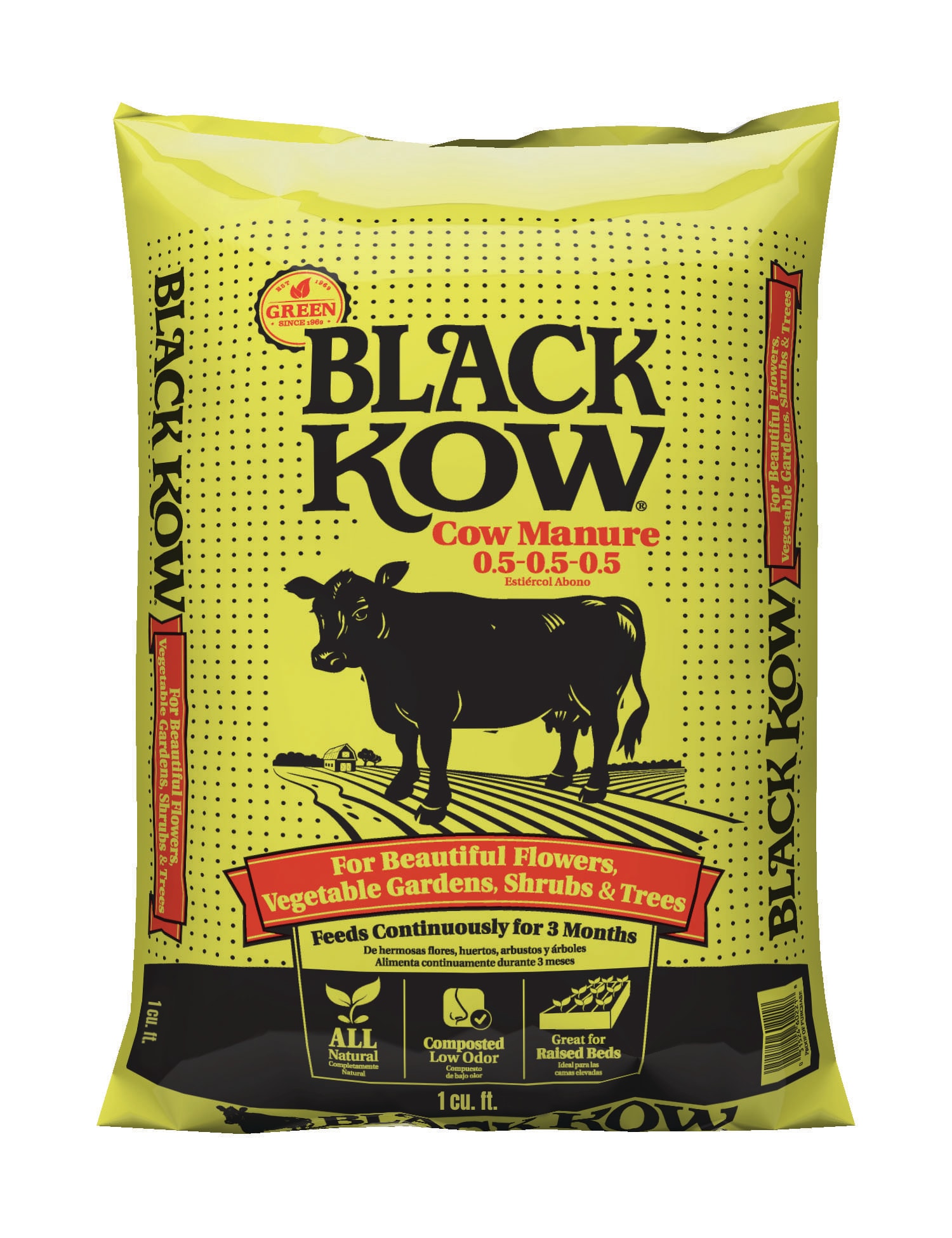
Vegetable gardens thrive with the nutrient boost from cow manure. It supplies the nitrogen, phosphorus, and potassium that vegetables need to grow large and produce well. This organic matter also improves soil drainage and aeration.
This leads to healthier root systems and more vigorous plant growth. Using cow manure for your vegetable garden is a sustainable way to increase yields and improve soil health over time.
Cow Manure for Lawn Top Dressing
Adding a thin layer of composted cow manure to your lawn can work wonders. This practice, known as top dressing, revitalizes tired grass. It provides nutrients and improves soil structure beneath the turf.
Apply a 1/4 to 1/2 inch layer of composted manure in the spring or fall. Rake it in gently to avoid smothering the grass. This will help your lawn become greener and more resilient.
Safe Application of Cow Manure
Safety is paramount when using cow manure. Never use fresh manure directly in your garden. It must be properly composted to eliminate risks.
Proper composting involves heating the manure to at least 131°F (55°C) for several days. This ensures pathogens and weed seeds are destroyed. Always check the source of your manure to ensure it’s well-composted.
A common mistake is using manure straight from the source. This can lead to plant damage and introduce unwanted weeds or diseases into your garden. Always compost or age it first.
Where to Buy Cow Manure
Finding cow manure is easier than you might think. Major home improvement stores like The Home Depot and Lowe’s carry bagged composted manure. Large retailers such as Walmart also offer it.
Specialty stores like Tractor Supply Company and Ace Hardware are excellent sources. You can often find bulk options at local garden centers or farm supply stores, which can be more economical for larger projects.
- The Home Depot
- Lowe’s
- Walmart
- Tractor Supply Company
- Ace Hardware
- Local Garden Centers
Nutrient Content of Cow Manure
Composted cow manure is a balanced source of plant nutrients. It provides nitrogen (N), phosphorus (P), and potassium (K) in a slow-release form. This prevents the ‘burning’ effect often seen with synthetic fertilizers.
It also contains vital micronutrients essential for plant health. The organic matter content is high, typically ranging from 20-30%. This enriches the soil and supports a healthy soil food web.
The Verdict: Cow Manure is a 2026 Garden Essential
In 2026, composted cow manure remains an indispensable tool for gardeners. Its ability to improve soil health naturally makes it a top choice for sustainable practices. It offers a cost-effective way to boost fertility and plant vitality.
Embrace the power of this natural amendment. Properly used, it will lead to a more productive garden and healthier soil for years to come. It’s a simple, effective solution for almost any gardening challenge.
How to Use Cow Manure: A 3-Step Action Plan
Step 1: Choose the Right Product
Always buy composted cow manure, not fresh. Look for bags labeled ‘composted’ or ‘aged’ to avoid burning your plants.
Step 2: Apply at the Right Time
Spread a 2- to 3-inch layer over your garden soil in fall or at least one month before spring planting. This gives the manure time to integrate and feed the soil.
Step 3: Mix It In Properly
Till the manure 6 to 9 inches deep into the soil. Water lightly after application to help beneficial microbes start working.
Frequently Asked Questions
Can I use fresh cow manure directly on my garden?
No, fresh manure contains high ammonia and salts that can burn plant roots. It may also carry pathogens like E. coli, so always use composted manure.
How much cow manure should I apply per square foot?
A standard rate is about 150 pounds per 1,000 square feet, which equals a 2- to 3-inch layer. Adjust based on your soil test results.
Which is better: cow manure or chemical fertilizer?
Cow manure improves soil structure and adds organic matter, while chemical fertilizers provide quick nutrients. For long-term soil health, composted manure is the better choice.
Composted cow manure is one of the safest and most effective ways to enrich your garden soil. It releases nutrients slowly, feeds beneficial microbes, and improves soil texture for years.
Start with a small bag from your local garden center and test it on a patch of soil. You will see greener, stronger plants with less effort.
Imagine your garden next season: rich, dark soil that holds moisture and produces abundant vegetables and flowers. That is the power of well-composted cow manure.
